 Add to Chrome
 Add to Firefox
 Add to Edge
Compress & Align: Curating Image-Text Data with Human Knowledge
Dec 13, 2023


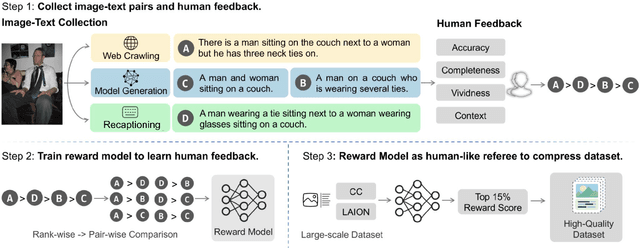

The massive growth of image-text data through web crawling inherently presents the challenge of variability in data quality. This paper introduces a novel algorithm, rooted in human knowledge, to compress this vast corpus of web-crawled image-text datasets to a compact and high-quality form. Our method unfolds in three major steps. First, we collect an image-text dataset, wherein each image is associated with multiple captions sourced from diverse origins. Then, to systemically capture human preferences regarding the best caption paired with each image, we establish a comprehensive set of both subjective and objective criteria for critically guiding the alignment assessment from labelers. Lastly, we train a reward model on the annotated dataset to internalize the nuanced human understanding of image-text alignment. The resulting reward model thus can act as a human-like referee to filter misaligned/low-quality image-text pairs. Extensive experiments demonstrate that we are able to secure (or even improve) model performance by compressing the image-text datasets up to ~90%. An impressive example is that, by aggressively reducing the total training sample from 130M to 15.5M (e.g., ~9x smaller), our BLIP-B/16 models still consistently show superior performance compared with the full-size-dataset counterpart on image-text retrieval (Flickr30K, COCO) by ~2.5% in Recall@1, and on image-captioning (Nocaps, COCO) by ~10.0% in CIDEr and ~2.7% in SPICE.

Dynamic Weighted Combiner for Mixed-Modal Image Retrieval
Dec 11, 2023Mixed-Modal Image Retrieval (MMIR) as a flexible search paradigm has attracted wide attention. However, previous approaches always achieve limited performance, due to two critical factors are seriously overlooked. 1) The contribution of image and text modalities is different, but incorrectly treated equally. 2) There exist inherent labeling noises in describing users' intentions with text in web datasets from diverse real-world scenarios, giving rise to overfitting. We propose a Dynamic Weighted Combiner (DWC) to tackle the above challenges, which includes three merits. First, we propose an Editable Modality De-equalizer (EMD) by taking into account the contribution disparity between modalities, containing two modality feature editors and an adaptive weighted combiner. Second, to alleviate labeling noises and data bias, we propose a dynamic soft-similarity label generator (SSG) to implicitly improve noisy supervision. Finally, to bridge modality gaps and facilitate similarity learning, we propose a CLIP-based mutual enhancement module alternately trained by a mixed-modality contrastive loss. Extensive experiments verify that our proposed model significantly outperforms state-of-the-art methods on real-world datasets. The source code is available at \url{https://github.com/fuxianghuang1/DWC}.
RCA-NOC: Relative Contrastive Alignment for Novel Object Captioning
Dec 11, 2023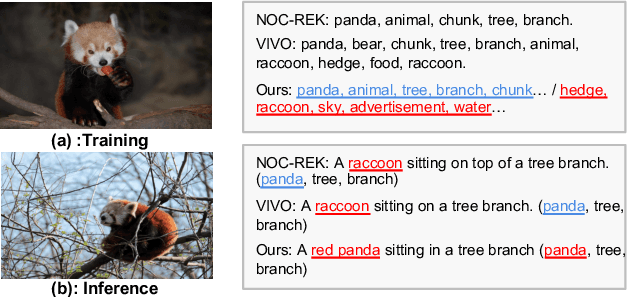
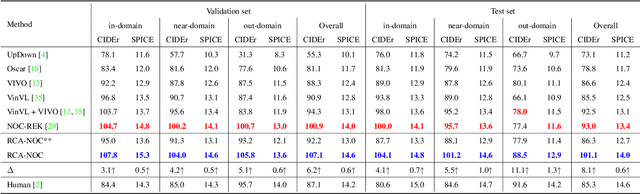

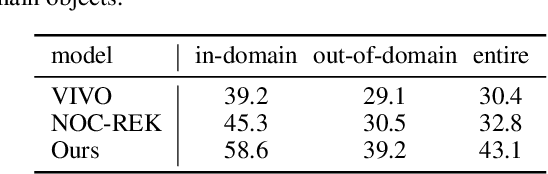
In this paper, we introduce a novel approach to novel object captioning which employs relative contrastive learning to learn visual and semantic alignment. Our approach maximizes compatibility between regions and object tags in a contrastive manner. To set up a proper contrastive learning objective, for each image, we augment tags by leveraging the relative nature of positive and negative pairs obtained from foundation models such as CLIP. We then use the rank of each augmented tag in a list as a relative relevance label to contrast each top-ranked tag with a set of lower-ranked tags. This learning objective encourages the top-ranked tags to be more compatible with their image and text context than lower-ranked tags, thus improving the discriminative ability of the learned multi-modality representation. We evaluate our approach on two datasets and show that our proposed RCA-NOC approach outperforms state-of-the-art methods by a large margin, demonstrating its effectiveness in improving vision-language representation for novel object captioning.
OpenSD: Unified Open-Vocabulary Segmentation and Detection
Dec 10, 2023Recently, a few open-vocabulary methods have been proposed by employing a unified architecture to tackle generic segmentation and detection tasks. However, their performance still lags behind the task-specific models due to the conflict between different tasks, and their open-vocabulary capability is limited due to the inadequate use of CLIP. To address these challenges, we present a universal transformer-based framework, abbreviated as OpenSD, which utilizes the same architecture and network parameters to handle open-vocabulary segmentation and detection tasks. First, we introduce a decoder decoupled learning strategy to alleviate the semantic conflict between thing and staff categories so that each individual task can be learned more effectively under the same framework. Second, to better leverage CLIP for end-to-end segmentation and detection, we propose dual classifiers to handle the in-vocabulary domain and out-of-vocabulary domain, respectively. The text encoder is further trained to be region-aware for both thing and stuff categories through decoupled prompt learning, enabling them to filter out duplicated and low-quality predictions, which is important to end-to-end segmentation and detection. Extensive experiments are conducted on multiple datasets under various circumstances. The results demonstrate that OpenSD outperforms state-of-the-art open-vocabulary segmentation and detection methods in both closed- and open-vocabulary settings. Code is available at https://github.com/strongwolf/OpenSD
PhysHOI: Physics-Based Imitation of Dynamic Human-Object Interaction
Dec 07, 2023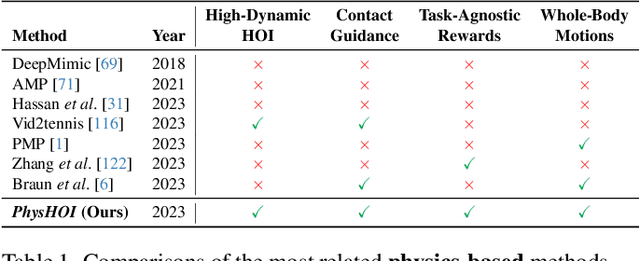
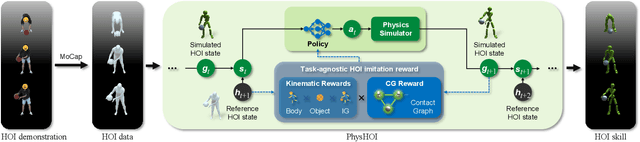

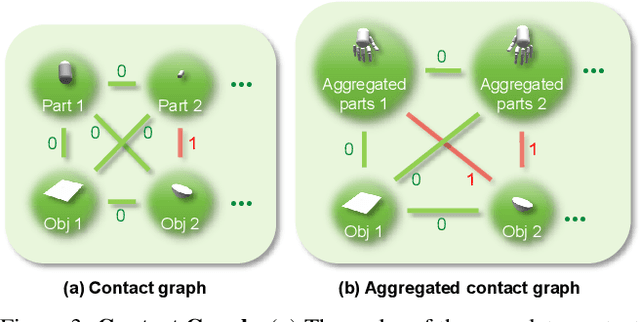
Humans interact with objects all the time. Enabling a humanoid to learn human-object interaction (HOI) is a key step for future smart animation and intelligent robotics systems. However, recent progress in physics-based HOI requires carefully designed task-specific rewards, making the system unscalable and labor-intensive. This work focuses on dynamic HOI imitation: teaching humanoid dynamic interaction skills through imitating kinematic HOI demonstrations. It is quite challenging because of the complexity of the interaction between body parts and objects and the lack of dynamic HOI data. To handle the above issues, we present PhysHOI, the first physics-based whole-body HOI imitation approach without task-specific reward designs. Except for the kinematic HOI representations of humans and objects, we introduce the contact graph to model the contact relations between body parts and objects explicitly. A contact graph reward is also designed, which proved to be critical for precise HOI imitation. Based on the key designs, PhysHOI can imitate diverse HOI tasks simply yet effectively without prior knowledge. To make up for the lack of dynamic HOI scenarios in this area, we introduce the BallPlay dataset that contains eight whole-body basketball skills. We validate PhysHOI on diverse HOI tasks, including whole-body grasping and basketball skills.
LLaVA-Grounding: Grounded Visual Chat with Large Multimodal Models
Dec 05, 2023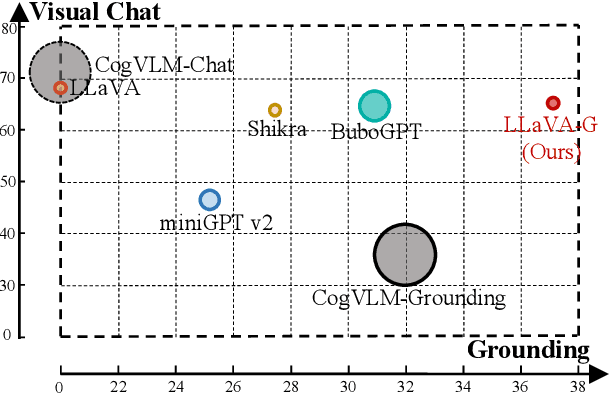
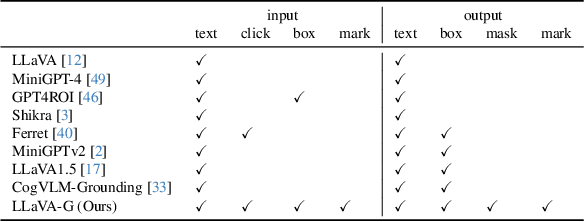
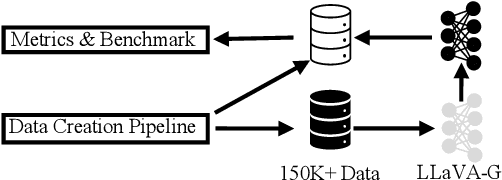
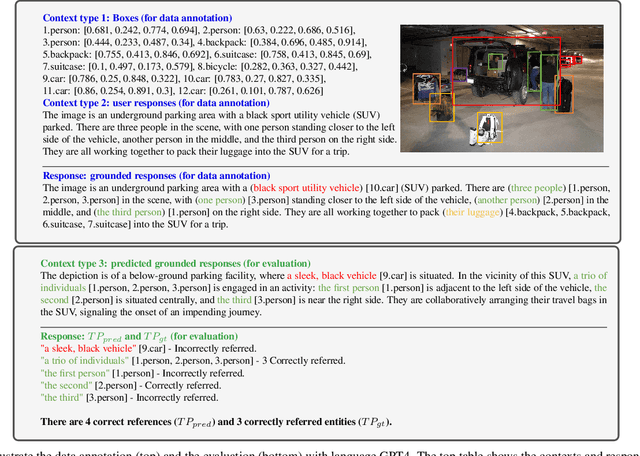
With the recent significant advancements in large multi-modal models (LMMs), the importance of their grounding capability in visual chat is increasingly recognized. Despite recent efforts to enable LMMs to support grounding, their capabilities for grounding and chat are usually separate, and their chat performance drops dramatically when asked to ground. The problem is the lack of a dataset for grounded visual chat (GVC). Existing grounding datasets only contain short captions. To address this issue, we have created GVC data that allows for the combination of grounding and chat capabilities. To better evaluate the GVC capabilities, we have introduced a benchmark called Grounding-Bench. Additionally, we have proposed a model design that can support GVC and various types of visual prompts by connecting segmentation models with language models. Experimental results demonstrate that our model outperforms other LMMs on Grounding-Bench. Furthermore, our model achieves competitive performance on classic grounding benchmarks like RefCOCO/+/g and Flickr30K Entities. Our code will be released at https://github.com/UX-Decoder/LLaVA-Grounding .
Motion-Guided Latent Diffusion for Temporally Consistent Real-world Video Super-resolution
Dec 01, 2023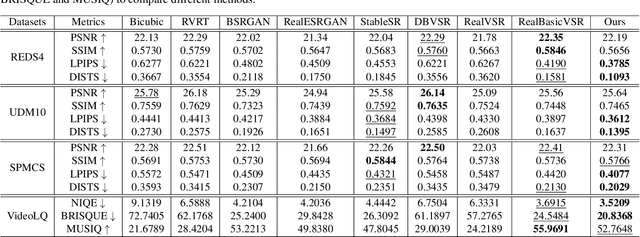
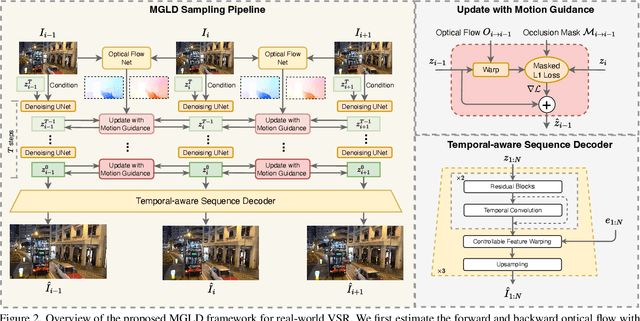


Real-world low-resolution (LR) videos have diverse and complex degradations, imposing great challenges on video super-resolution (VSR) algorithms to reproduce their high-resolution (HR) counterparts with high quality. Recently, the diffusion models have shown compelling performance in generating realistic details for image restoration tasks. However, the diffusion process has randomness, making it hard to control the contents of restored images. This issue becomes more serious when applying diffusion models to VSR tasks because temporal consistency is crucial to the perceptual quality of videos. In this paper, we propose an effective real-world VSR algorithm by leveraging the strength of pre-trained latent diffusion models. To ensure the content consistency among adjacent frames, we exploit the temporal dynamics in LR videos to guide the diffusion process by optimizing the latent sampling path with a motion-guided loss, ensuring that the generated HR video maintains a coherent and continuous visual flow. To further mitigate the discontinuity of generated details, we insert temporal module to the decoder and fine-tune it with an innovative sequence-oriented loss. The proposed motion-guided latent diffusion (MGLD) based VSR algorithm achieves significantly better perceptual quality than state-of-the-arts on real-world VSR benchmark datasets, validating the effectiveness of the proposed model design and training strategies.
Value Approximation for Two-Player General-Sum Differential Games with State Constraints
Nov 28, 2023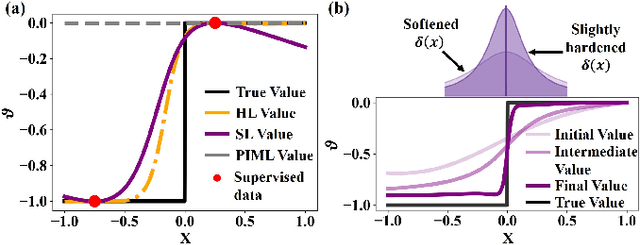
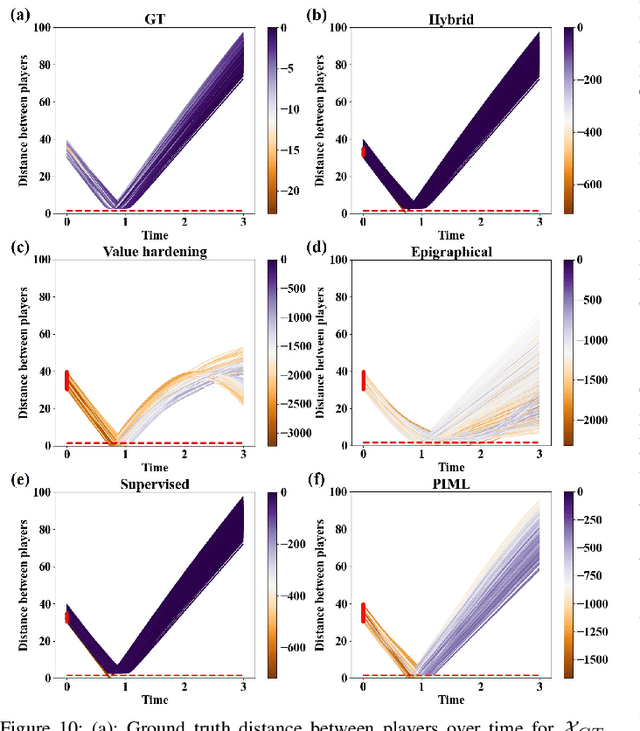
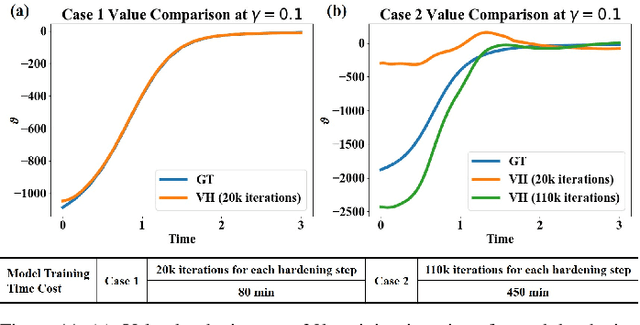
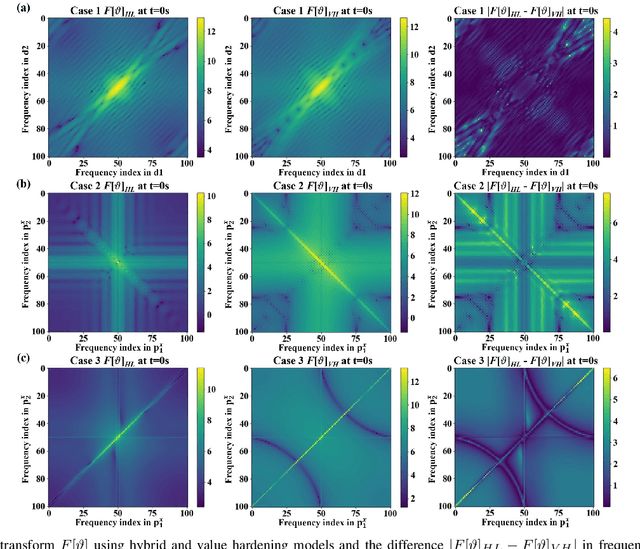
Solving Hamilton-Jacobi-Isaacs (HJI) PDEs enables equilibrial feedback control in two-player differential games, yet faces the curse of dimensionality (CoD). While physics-informed machine learning has been adopted to address CoD in solving PDEs, this method falls short in learning discontinuous solutions due to its sampling nature, leading to poor safety performance of the resulting controllers in robotics applications where values are discontinuous due to state or other temporal logic constraints. In this study, we explore three potential solutions to this problem: (1) a hybrid learning method that uses both equilibrium demonstrations and the HJI PDE, (2) a value-hardening method where a sequence of HJIs are solved with increasing Lipschitz constant on the constraint violation penalty, and (3) the epigraphical technique that lifts the value to a higher dimensional auxiliary state space where the value becomes continuous. Evaluations through 5D and 9D vehicle simulations and 13D drone simulations reveal that the hybrid method outperforms others in terms of generalization and safety performance.
RIDE: Real-time Intrusion Detection via Explainable Machine Learning Implemented in a Memristor Hardware Architecture
Nov 27, 2023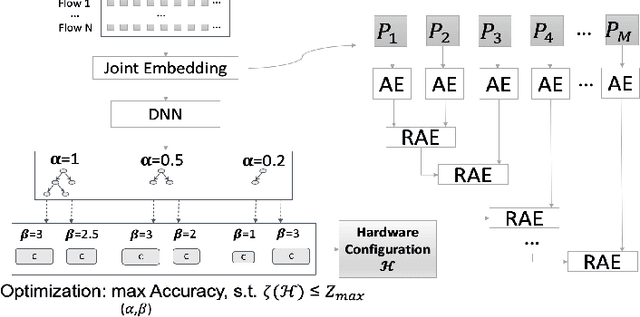
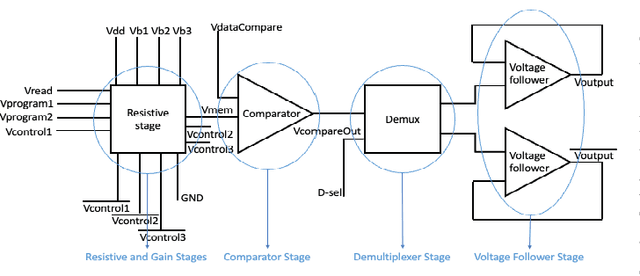
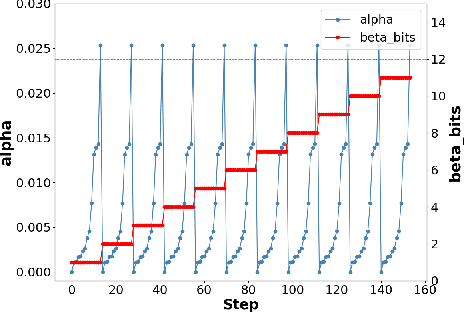
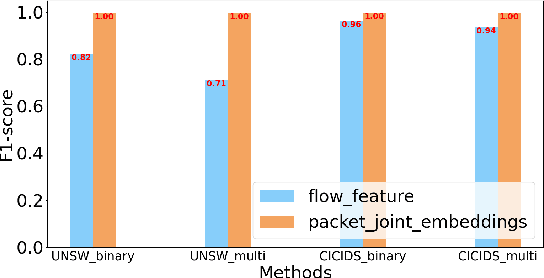
Deep Learning (DL) based methods have shown great promise in network intrusion detection by identifying malicious network traffic behavior patterns with high accuracy, but their applications to real-time, packet-level detections in high-speed communication networks are challenging due to the high computation time and resource requirements of Deep Neural Networks (DNNs), as well as lack of explainability. To this end, we propose a packet-level network intrusion detection solution that makes novel use of Recurrent Autoencoders to integrate an arbitrary-length sequence of packets into a more compact joint feature embedding, which is fed into a DNN-based classifier. To enable explainability and support real-time detections at micro-second speed, we further develop a Software-Hardware Co-Design approach to efficiently realize the proposed solution by converting the learned detection policies into decision trees and implementing them using an emerging architecture based on memristor devices. By jointly optimizing associated software and hardware constraints, we show that our approach leads to an extremely efficient, real-time solution with high detection accuracy at the packet level. Evaluation results on real-world datasets (e.g., UNSW and CIC-IDS datasets) demonstrate nearly three-nines detection accuracy with a substantial speedup of nearly four orders of magnitude.
SeeSR: Towards Semantics-Aware Real-World Image Super-Resolution
Nov 27, 2023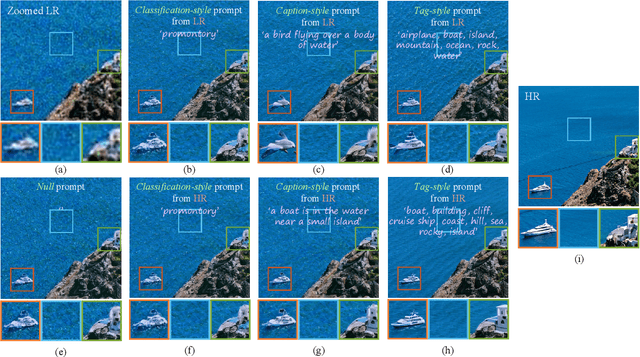
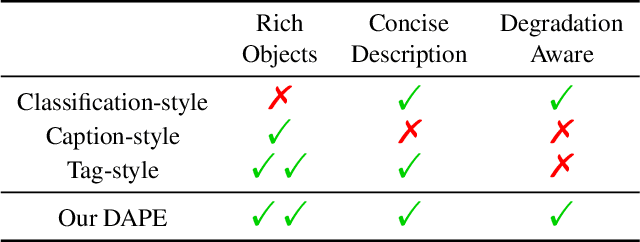
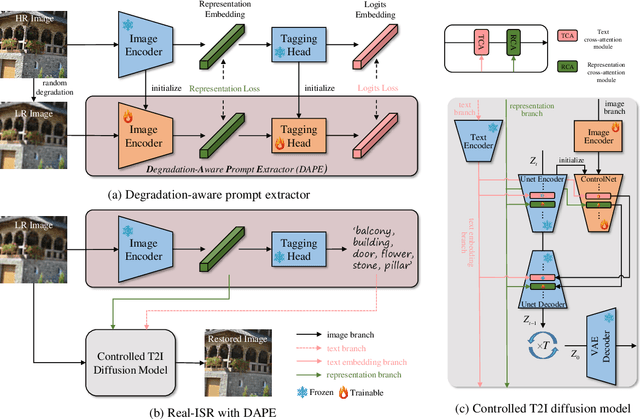
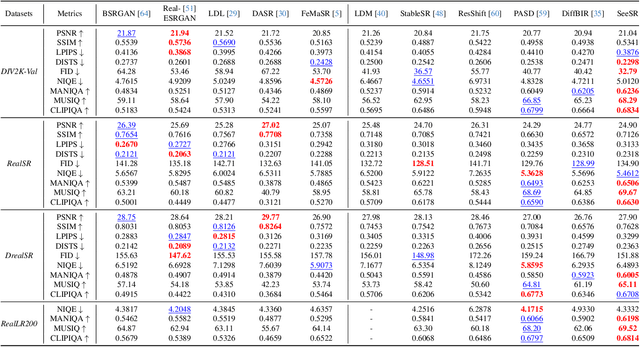
Owe to the powerful generative priors, the pre-trained text-to-image (T2I) diffusion models have become increasingly popular in solving the real-world image super-resolution problem. However, as a consequence of the heavy quality degradation of input low-resolution (LR) images, the destruction of local structures can lead to ambiguous image semantics. As a result, the content of reproduced high-resolution image may have semantic errors, deteriorating the super-resolution performance. To address this issue, we present a semantics-aware approach to better preserve the semantic fidelity of generative real-world image super-resolution. First, we train a degradation-aware prompt extractor, which can generate accurate soft and hard semantic prompts even under strong degradation. The hard semantic prompts refer to the image tags, aiming to enhance the local perception ability of the T2I model, while the soft semantic prompts compensate for the hard ones to provide additional representation information. These semantic prompts can encourage the T2I model to generate detailed and semantically accurate results. Furthermore, during the inference process, we integrate the LR images into the initial sampling noise to mitigate the diffusion model's tendency to generate excessive random details. The experiments show that our method can reproduce more realistic image details and hold better the semantics.