 Add to Chrome
 Add to Firefox
 Add to Edge
Shi Jin

Rank Optimization for MIMO systems with RIS: Simulation and Measurement
Jul 25, 2023

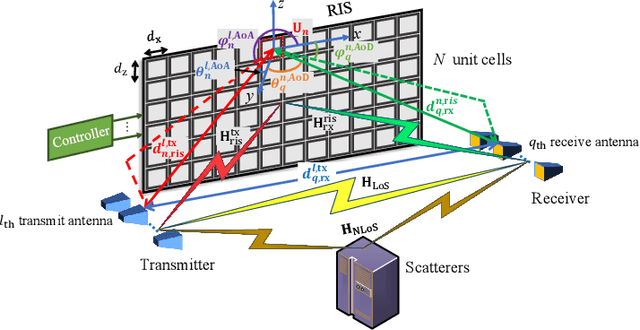
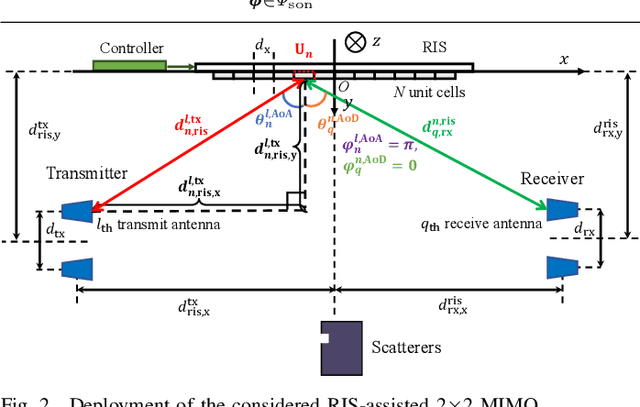
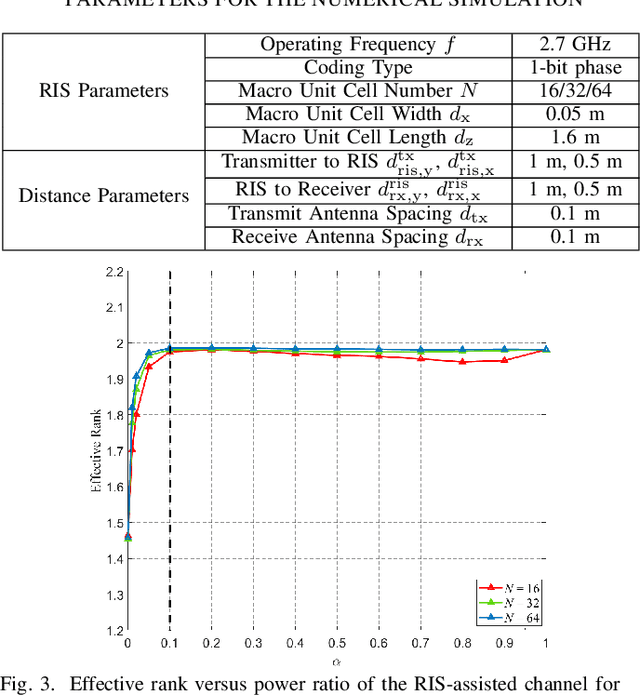
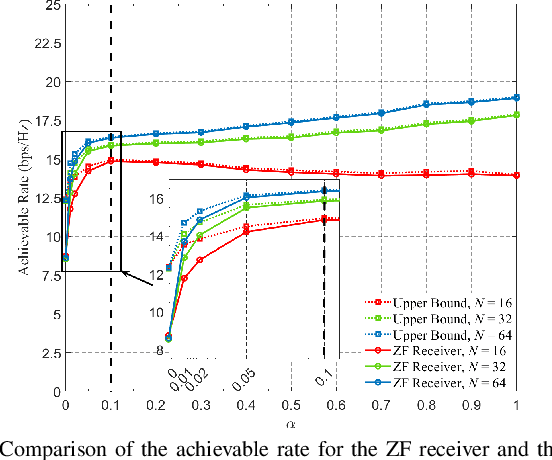
Reconfigurable intelligent surface (RIS) is a promising technology that can reshape the electromagnetic environment in wireless networks, offering various possibilities for enhancing wireless channels. Motivated by this, we investigate the channel optimization for multiple-input multiple-output (MIMO) systems assisted by RIS. In this paper, an efficient RIS optimization method is proposed to enhance the effective rank of the MIMO channel for achievable rate improvement. Numerical results are presented to verify the effectiveness of RIS in improving MIMO channels. Additionally, we construct a 2$\times$2 RIS-assisted MIMO prototype to perform experimental measurements and validate the performance of our proposed algorithm. The results reveal a significant increase in effective rank and achievable rate for the RIS-assisted MIMO channel compared to the MIMO channel without RIS.

EsaNet: Environment Semantics Enabled Physical Layer Authentication
Jul 18, 2023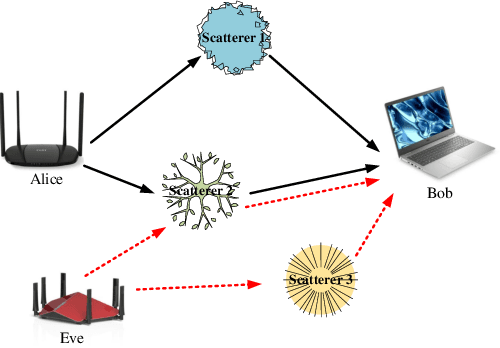
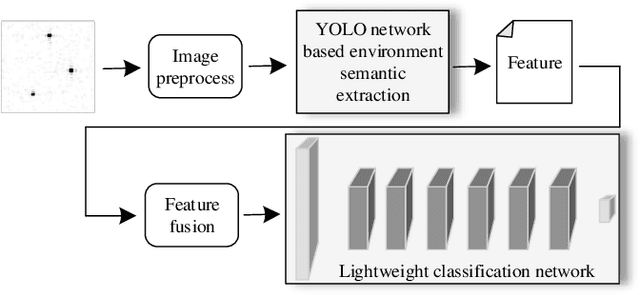
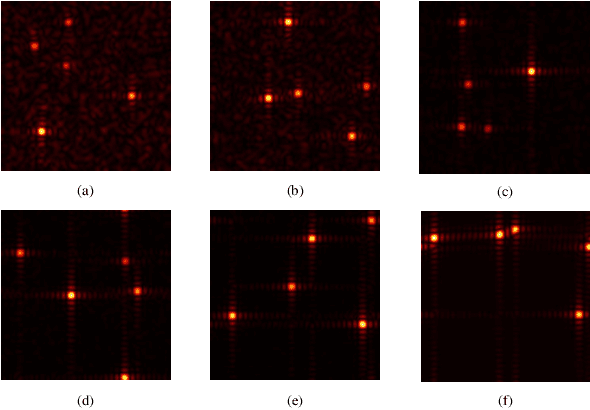
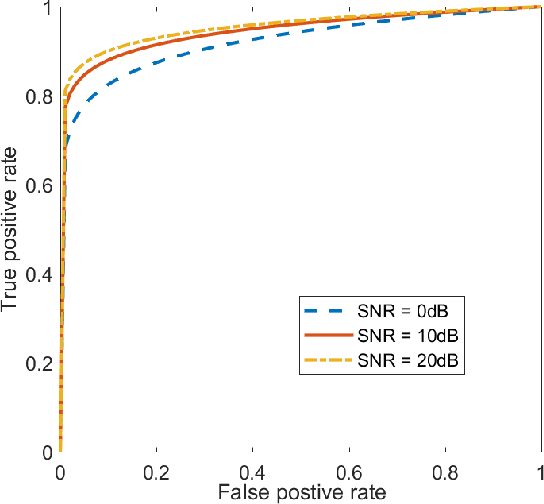
Wireless networks are vulnerable to physical layer spoofing attacks due to the wireless broadcast nature, thus, integrating communications and security (ICAS) is urgently needed for 6G endogenous security. In this letter, we propose an environment semantics enabled physical layer authentication network based on deep learning, namely EsaNet, to authenticate the spoofing from the underlying wireless protocol. Specifically, the frequency independent wireless channel fingerprint (FiFP) is extracted from the channel state information (CSI) of a massive multi-input multi-output (MIMO) system based on environment semantics knowledge. Then, we transform the received signal into a two-dimensional red green blue (RGB) image and apply the you only look once (YOLO), a single-stage object detection network, to quickly capture the FiFP. Next, a lightweight classification network is designed to distinguish the legitimate from the illegitimate users. Finally, the experimental results show that the proposed EsaNet can effectively detect physical layer spoofing attacks and is robust in time-varying wireless environments.
Joint Beam Management and SLAM for mmWave Communication Systems
Jul 16, 2023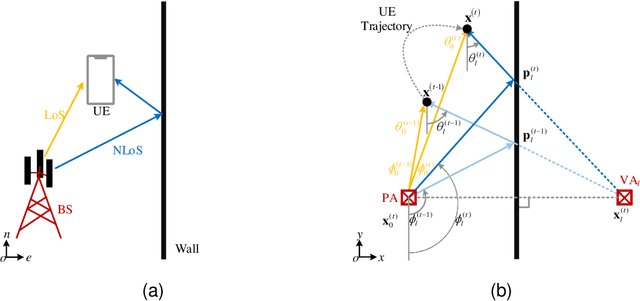
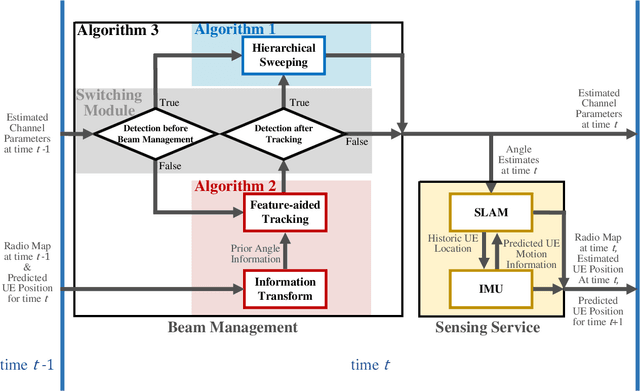
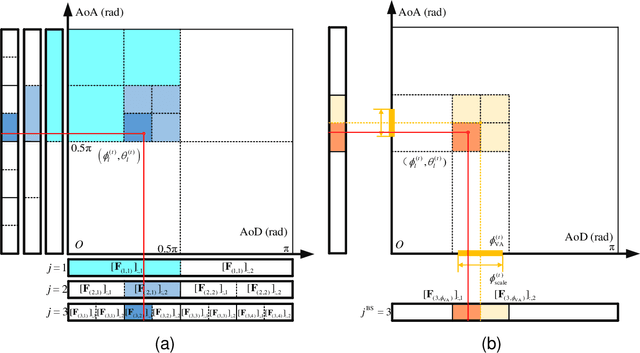
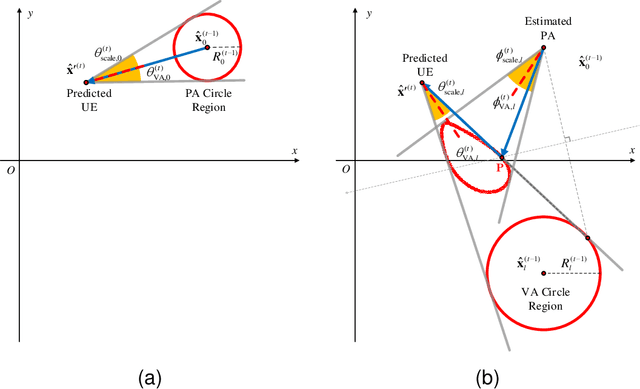
The millimeter-wave (mmWave) communication technology, which employs large-scale antenna arrays, enables inherent sensing capabilities. Simultaneous localization and mapping (SLAM) can utilize channel multipath angle estimates to realize integrated sensing and communication design in 6G communication systems. However, existing works have ignored the significant overhead required by the mmWave beam management when implementing SLAM with angle estimates. This study proposes a joint beam management and SLAM design that utilizes the strong coupling between the radio map and channel multipath for simultaneous beam management, localization, and mapping. In this approach, we first propose a hierarchical sweeping and sensing service design. The path angles are estimated in the hierarchical sweeping, enabling angle-based SLAM with the aid of an inertial measurement unit (IMU) to realize sensing service. Then, feature-aided tracking is proposed that utilizes prior angle information generated from the radio map and IMU. Finally, a switching module is introduced to enable flexible switching between hierarchical sweeping and feature-aided tracking. Simulations show that the proposed joint design can achieve sub-meter level localization and mapping accuracy (with an error < 0.5 m). Moreover, the beam management overhead can be reduced by approximately 40% in different wireless environments.
Asymptotic-Preserving Convolutional DeepONets Capture the Diffusive Behavior of the Multiscale Linear Transport Equations
Jun 28, 2023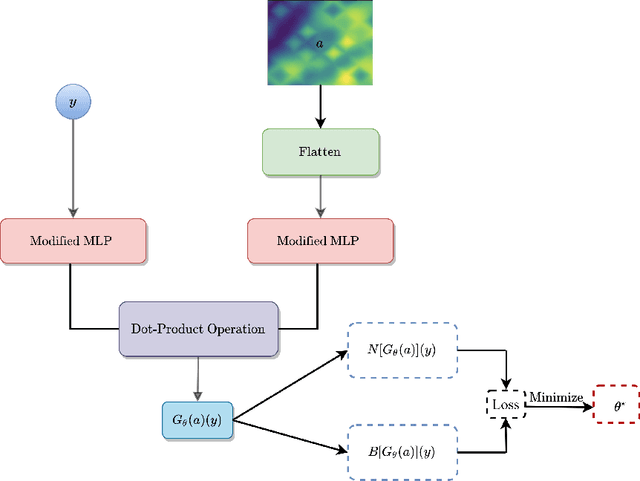
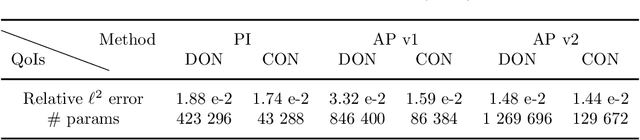
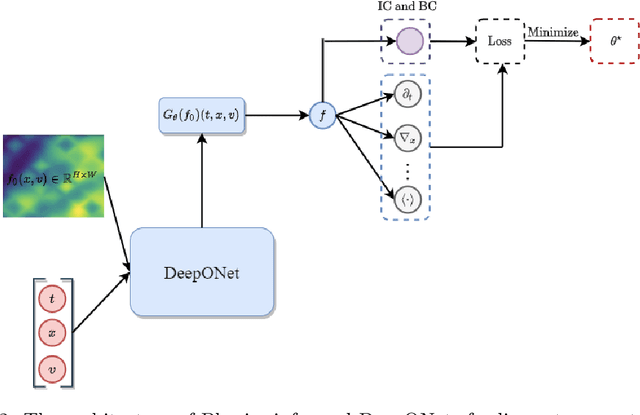
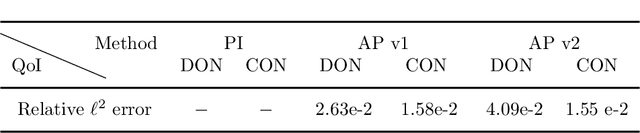
In this paper, we introduce two types of novel Asymptotic-Preserving Convolutional Deep Operator Networks (APCONs) designed to address the multiscale time-dependent linear transport problem. We observe that the vanilla physics-informed DeepONets with modified MLP may exhibit instability in maintaining the desired limiting macroscopic behavior. Therefore, this necessitates the utilization of an asymptotic-preserving loss function. Drawing inspiration from the heat kernel in the diffusion equation, we propose a new architecture called Convolutional Deep Operator Networks, which employ multiple local convolution operations instead of a global heat kernel, along with pooling and activation operations in each filter layer. Our APCON methods possess a parameter count that is independent of the grid size and are capable of capturing the diffusive behavior of the linear transport problem. Finally, we validate the effectiveness of our methods through several numerical examples.
Channel and Gradient-Importance Aware Device Scheduling for Over-the-Air Federated Learning
May 26, 2023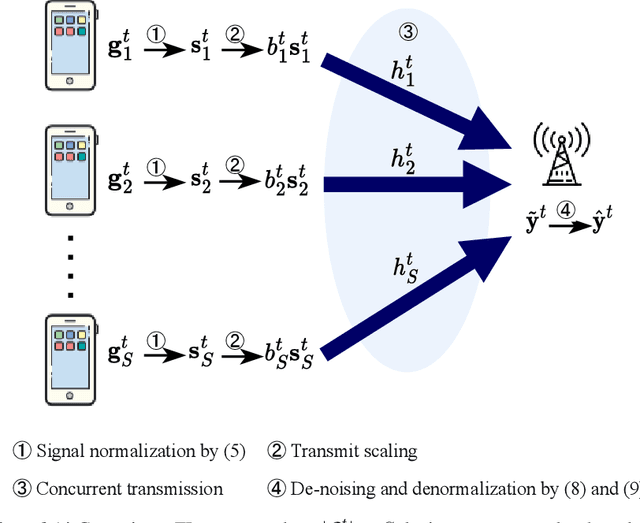
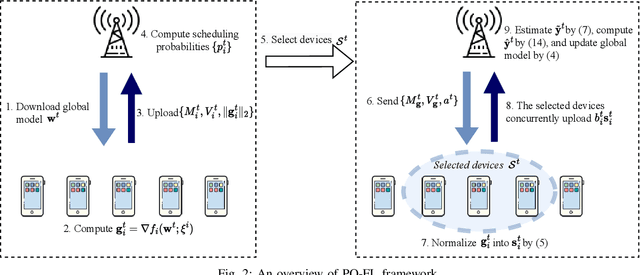
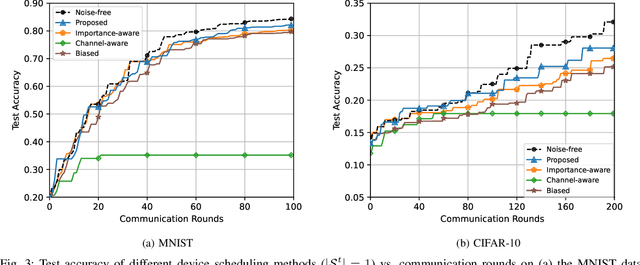
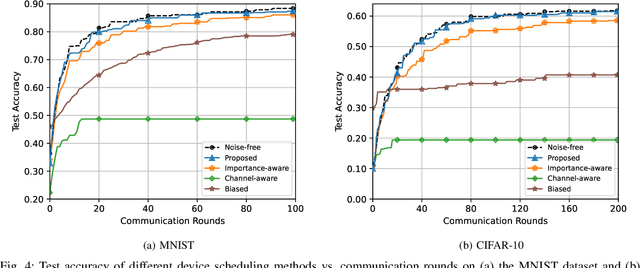
Federated learning (FL) is a popular privacy-preserving distributed training scheme, where multiple devices collaborate to train machine learning models by uploading local model updates. To improve communication efficiency, over-the-air computation (AirComp) has been applied to FL, which leverages analog modulation to harness the superposition property of radio waves such that numerous devices can upload their model updates concurrently for aggregation. However, the uplink channel noise incurs considerable model aggregation distortion, which is critically determined by the device scheduling and compromises the learned model performance. In this paper, we propose a probabilistic device scheduling framework for over-the-air FL, named PO-FL, to mitigate the negative impact of channel noise, where each device is scheduled according to a certain probability and its model update is reweighted using this probability in aggregation. We prove the unbiasedness of this aggregation scheme and demonstrate the convergence of PO-FL on both convex and non-convex loss functions. Our convergence bounds unveil that the device scheduling affects the learning performance through the communication distortion and global update variance. Based on the convergence analysis, we further develop a channel and gradient-importance aware algorithm to optimize the device scheduling probabilities in PO-FL. Extensive simulation results show that the proposed PO-FL framework with channel and gradient-importance awareness achieves faster convergence and produces better models than baseline methods.
Flexible Spectrum Orchestration of Carrier Aggregation for 5G-Advanced
May 25, 2023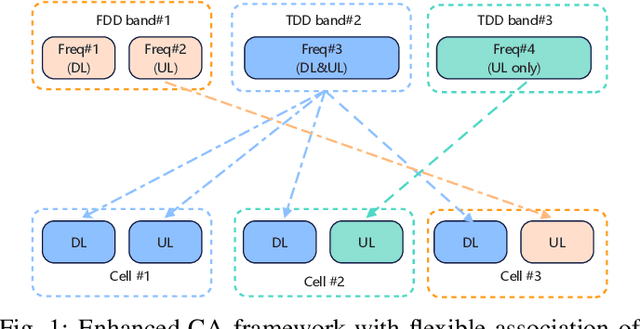
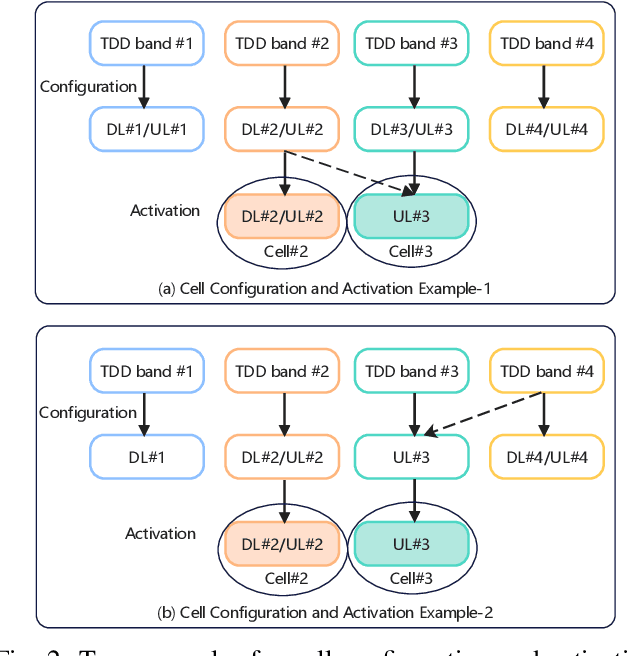
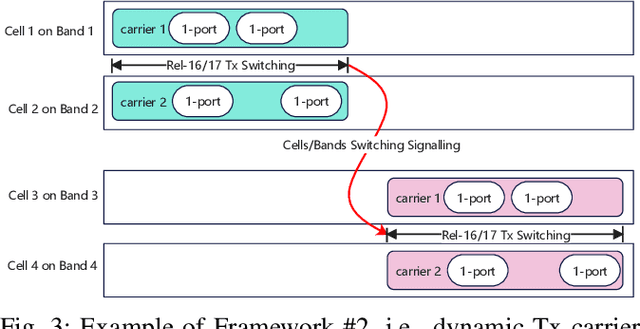
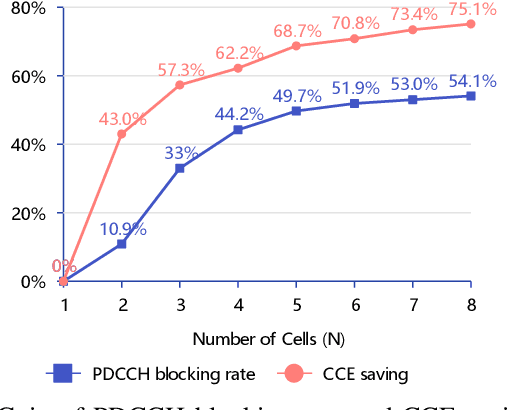
With increasing availability of spectrum in the market due to new spectrum allocation and re-farming bands from previous cellular generation networks, a more flexible, efficient and green usage of the spectrum becomes an important topic in 5G-Advanced. In this article, we provide an overview on the 3rd Generation Partnership Project (3GPP) work on flexible spectrum orchestration for carrier aggregation (CA). The configuration settings, requirements and potential specification impacts are analyzed. Some involved Release 18 techniques, such as multi-cell scheduling, transmitter switching and network energy saving, are also presented. Evaluation results show that clear performance gain can be achieved by these techniques.
Angle-based SLAM on 5G mmWave Systems: Design, Implementation, and Measurement
May 22, 2023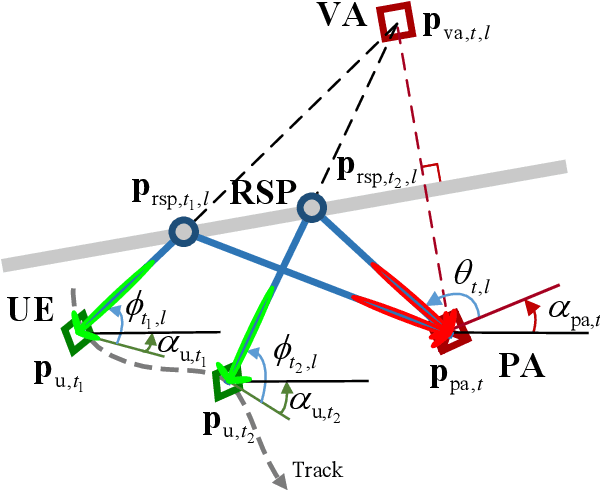
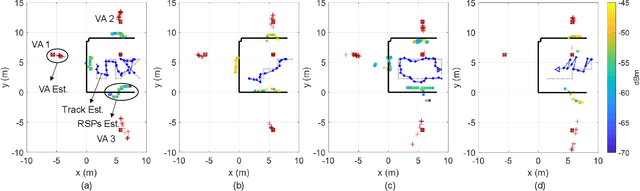
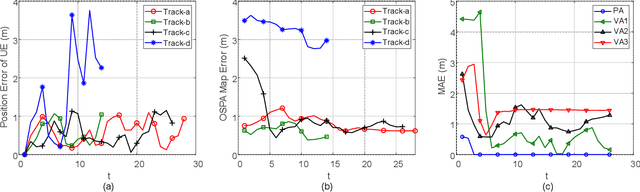
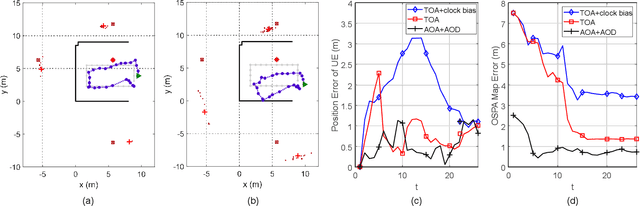
Simultaneous localization and mapping (SLAM) is a key technology that provides user equipment (UE) tracking and environment mapping services, enabling the deep integration of sensing and communication. The millimeter-wave (mmWave) communication, with its larger bandwidths and antenna arrays, inherently facilitates more accurate delay and angle measurements than sub-6 GHz communication, thereby providing opportunities for SLAM. However, none of the existing works have realized the SLAM function under the 5G New Radio (NR) standard due to specification and hardware constraints. In this study, we investigate how 5G mmWave communication systems can achieve situational awareness without changing the transceiver architecture and 5G NR standard. We implement 28 GHz mmWave transceivers that deploy OFDM-based 5G NR waveform with 160 MHz channel bandwidth, and we realize beam management following the 5G NR. Furthermore, we develop an efficient successive cancellation-based angle extraction approach to obtain angles of arrival and departure from the reference signal received power measurements. On the basis of angle measurements, we propose an angle-only SLAM algorithm to track UE and map features in the radio environment. Thorough experiments and ray tracing-based computer simulations verify that the proposed angle-based SLAM can achieve sub-meter level localization and mapping accuracy with a single base station and without the requirement of strict time synchronization. Our experiments also reveal many propagation properties critical to the success of SLAM in 5G mmWave communication systems.
Joint Localization and Environment Sensing by Harnessing NLOS Components in RIS-aided mmWave Communication Systems
May 21, 2023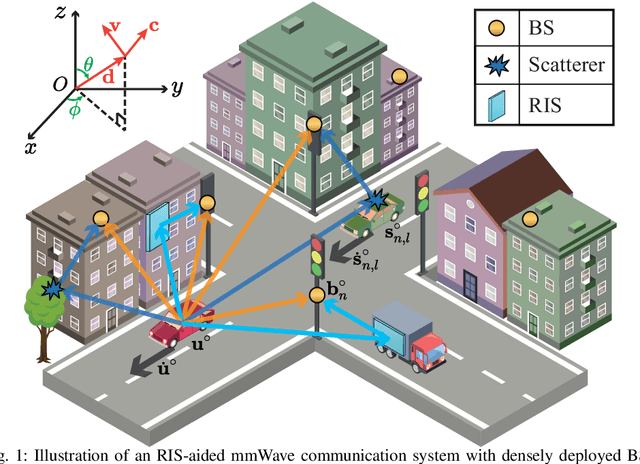
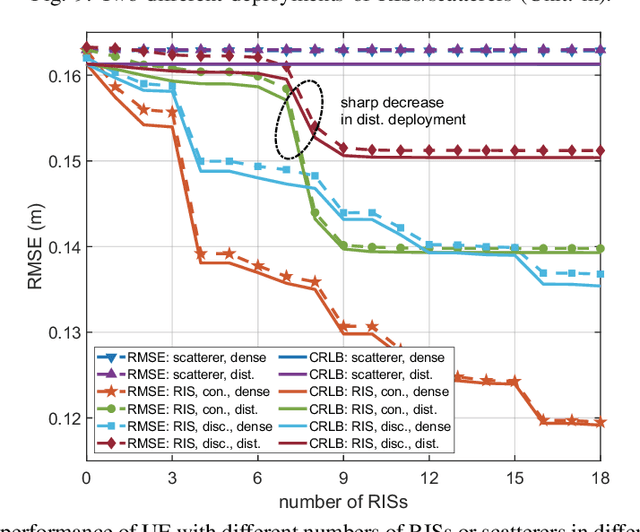
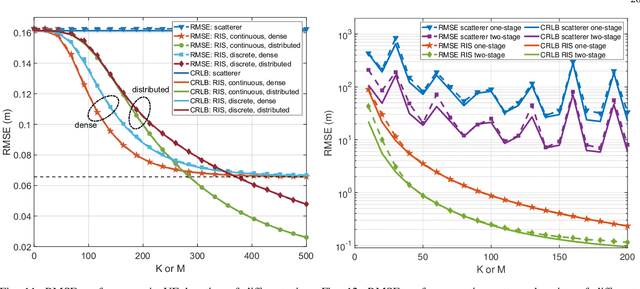
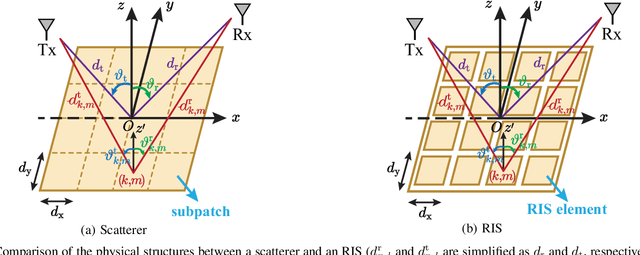
This study explores the use of non-line-of-sight (NLOS) components in millimeter-wave (mmWave) communication systems for joint localization and environment sensing. The radar cross section (RCS) of a reconfigurable intelligent surface (RIS) is calculated to develop a general path gain model for RISs and traditional scatterers. The results show that RISs have a greater potential to assist in localization due to their ability to maintain high RCSs and create strong NLOS links. A one-stage linear weighted least squares estimator is proposed to simultaneously determine user equipment (UE) locations, velocities, and scatterer (or RIS) locations using line-of-sight (LOS) and NLOS paths. The estimator supports environment sensing and UE localization even using only NLOS paths. A second-stage estimator is also introduced to improve environment sensing accuracy by considering the nonlinear relationship between UE and scatterer locations. Simulation results demonstrate the effectiveness of the proposed estimators in rich scattering environments and the benefits of using NLOS paths for improving UE location accuracy and assisting in environment sensing. The effects of RIS number, size, and deployment on localization performance are also analyzed.
* 32 pages, 12 figures, accepted by IEEE Transactions on Wireless Communications
Two-Bit RIS-Aided Communications at 3.5GHz: Some Insights from the Measurement Results Under Multiple Practical Scenes
May 19, 2023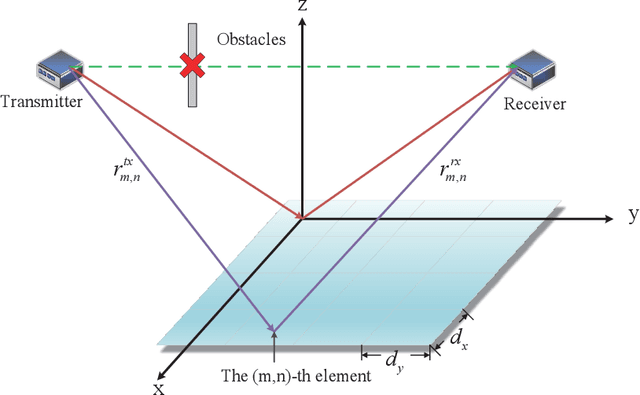
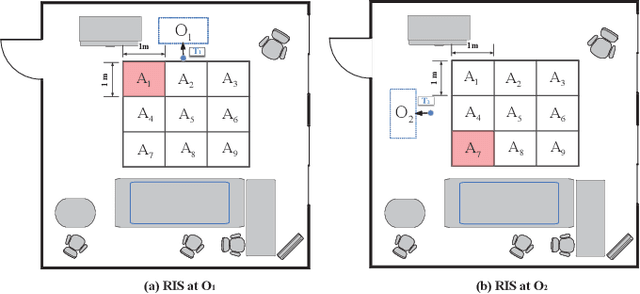
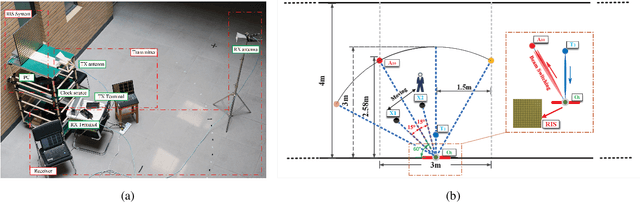
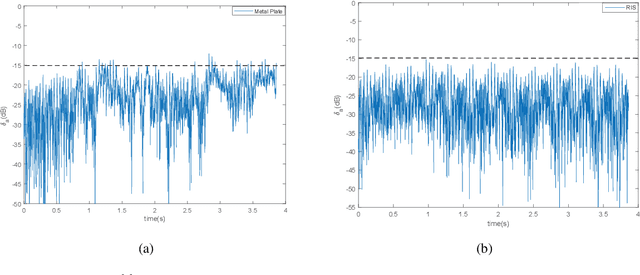
In this paper, we propose a two-bit reconfigurable intelligent surface (RIS)-aided communication system, which mainly consists of a two-bit RIS, a transmitter and a receiver. A corresponding prototype verification system is designed to perform experimental tests in practical environments. The carrier frequency is set as 3.5GHz, and the RIS array possesses 256 units, each of which adopts two-bit phase quantization. In particular, we adopt a self-developed broadband intelligent communication system 40MHz-Net (BICT-40N) terminal in order to fully acquire the channel information. The terminal mainly includes a baseband board and a radio frequency (RF) front-end board, where the latter can achieve 26 dB transmitting link gain and 33 dB receiving link gain. The orthogonal frequency division multiplexing (OFDM) signal is used for the terminal, where the bandwidth is 40MHz and the subcarrier spacing is 625KHz. Also, the terminal supports a series of modulation modes, including QPSK, QAM, etc.Through experimental tests, we validate a few functions and properties of the RIS as follows. First, we validate a novel RIS power consumption model, which considers both the static and the dynamic power consumption. Besides, we demonstrate the existence of the imaging interference and find that two-bit RIS can lower the imaging interference about 10 dBm. Moreover, we verify that the RIS can outperform the metal plate in terms of the beam focusing performance. In addition, we find that the RIS has the ability to improve the channel stationarity. Then, we realize the multi-beam reflection of the RIS utilizing the pattern addition (PA) algorithm. Lastly, we validate the existence of the mutual coupling between different RIS units.
A Survey of Blockchain and Artificial Intelligence for 6G Wireless Communications
May 15, 2023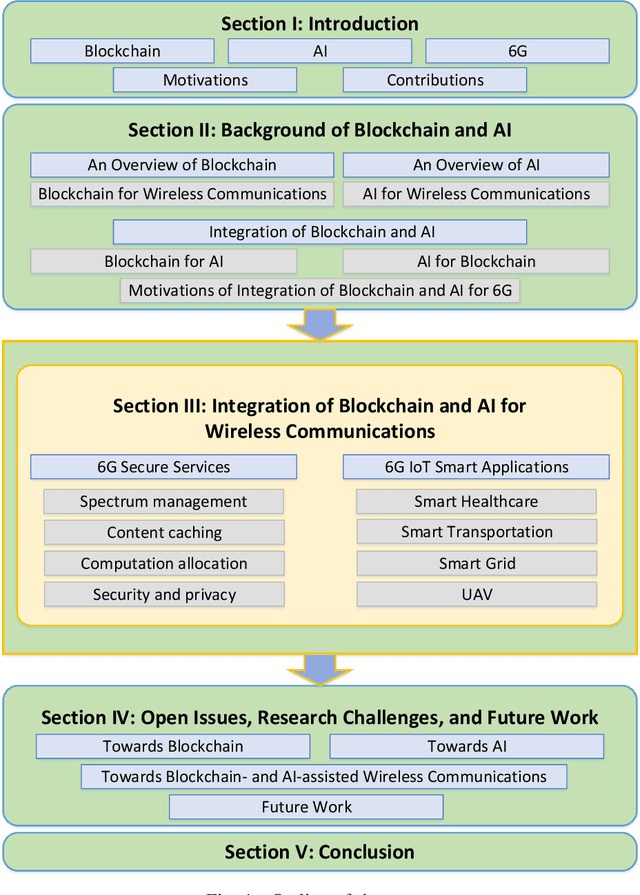
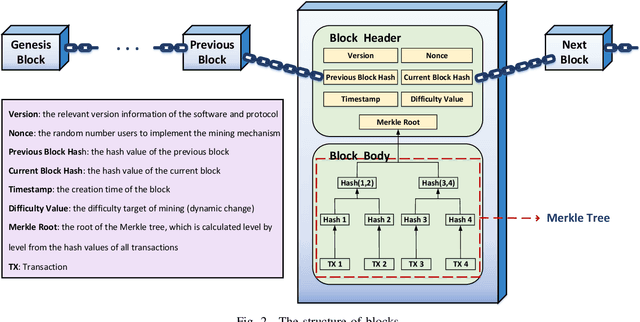
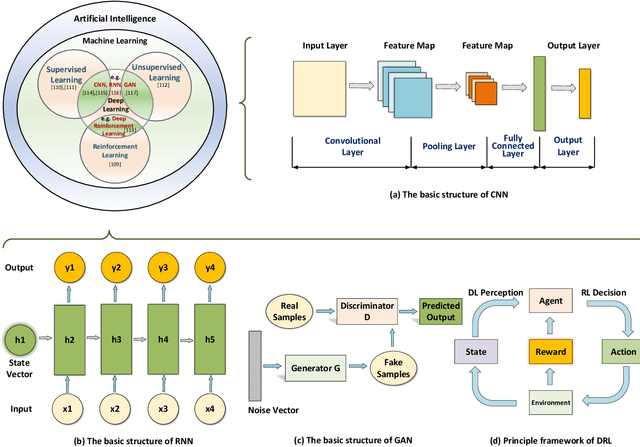
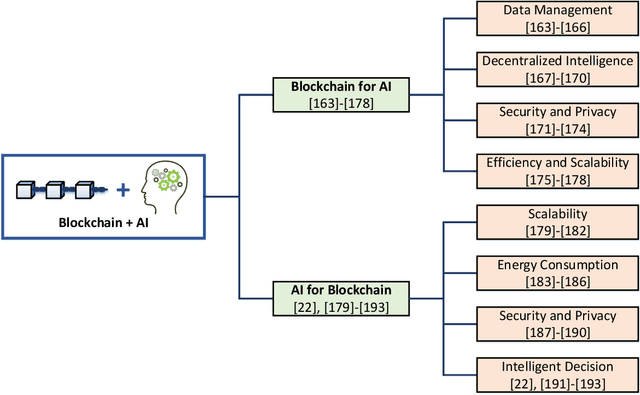
The research on the sixth-generation (6G) wireless communications for the development of future mobile communication networks has been officially launched around the world. 6G networks face multifarious challenges, such as resource-constrained mobile devices, difficult wireless resource management, high complexity of heterogeneous network architectures, explosive computing and storage requirements, privacy and security threats. To address these challenges, deploying blockchain and artificial intelligence (AI) in 6G networks may realize new breakthroughs in advancing network performances in terms of security, privacy, efficiency, cost, and more. In this paper, we provide a detailed survey of existing works on the application of blockchain and AI to 6G wireless communications. More specifically, we start with a brief overview of blockchain and AI. Then, we mainly review the recent advances in the fusion of blockchain and AI, and highlight the inevitable trend of deploying both blockchain and AI in wireless communications. Furthermore, we extensively explore integrating blockchain and AI for wireless communication systems, involving secure services and Internet of Things (IoT) smart applications. Particularly, some of the most talked-about key services based on blockchain and AI are introduced, such as spectrum management, computation allocation, content caching, and security and privacy. Moreover, we also focus on some important IoT smart applications supported by blockchain and AI, covering smart healthcare, smart transportation, smart grid, and unmanned aerial vehicles (UAVs). We also analyze the open issues and research challenges for the joint deployment of blockchain and AI in 6G wireless communications. Lastly, based on lots of existing meaningful works, this paper aims to provide a comprehensive survey of blockchain and AI in 6G networks.