 Add to Chrome
 Add to Firefox
 Add to Edge
Extensive Self-Contrast Enables Feedback-Free Language Model Alignment
Mar 31, 2024
Reinforcement learning from human feedback (RLHF) has been a central technique for recent large language model (LLM) alignment. However, its heavy dependence on costly human or LLM-as-Judge preference feedback could stymie its wider applications. In this work, we introduce Self-Contrast, a feedback-free large language model alignment method via exploiting extensive self-generated negatives. With only supervised fine-tuning (SFT) targets, Self-Contrast leverages the LLM itself to generate massive diverse candidates, and harnesses a pre-trained embedding model to filter multiple negatives according to text similarity. Theoretically, we illustrate that in this setting, merely scaling negative responses can still effectively approximate situations with more balanced positive and negative preference annotations. Our experiments with direct preference optimization (DPO) on three datasets show that, Self-Contrast could consistently outperform SFT and standard DPO training by large margins. And as the number of self-generated negatives increases, the performance of Self-Contrast continues to grow. Code and data are available at https://github.com/THUDM/Self-Contrast.

Understanding Emergent Abilities of Language Models from the Loss Perspective
Mar 30, 2024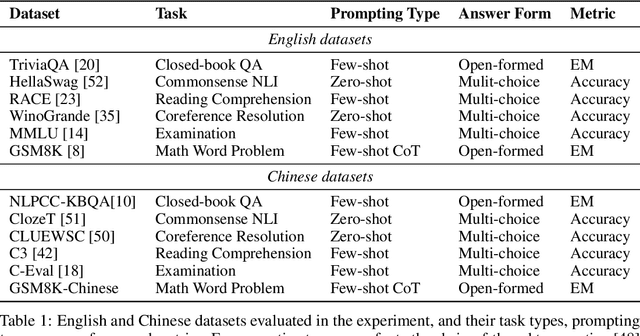
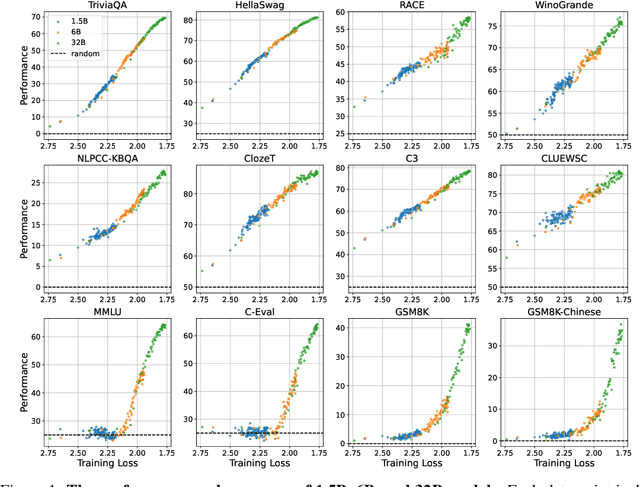
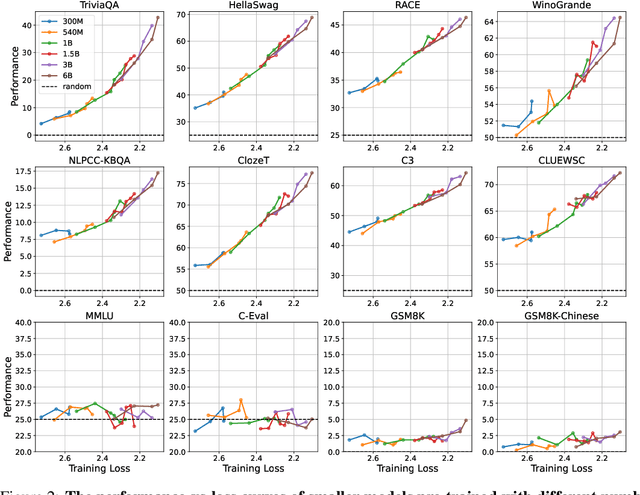
Recent studies have put into question the belief that emergent abilities in language models are exclusive to large models. This skepticism arises from two observations: 1) smaller models can also exhibit high performance on emergent abilities and 2) there is doubt on the discontinuous metrics used to measure these abilities. In this paper, we propose to study emergent abilities in the lens of pre-training loss, instead of model size or training compute. We demonstrate that the models with the same pre-training loss, but different model and data sizes, generate the same performance on various downstream tasks. We also discover that a model exhibits emergent abilities on certain tasks -- regardless of the continuity of metrics -- when its pre-training loss falls below a specific threshold. Before reaching this threshold, its performance remains at the level of random guessing. This inspires us to redefine emergent abilities as those that manifest in models with lower pre-training losses, highlighting that these abilities cannot be predicted by merely extrapolating the performance trends of models with higher pre-training losses.
A New Intelligent Reflecting Surface-Aided Electromagnetic Stealth Strategy
Mar 19, 2024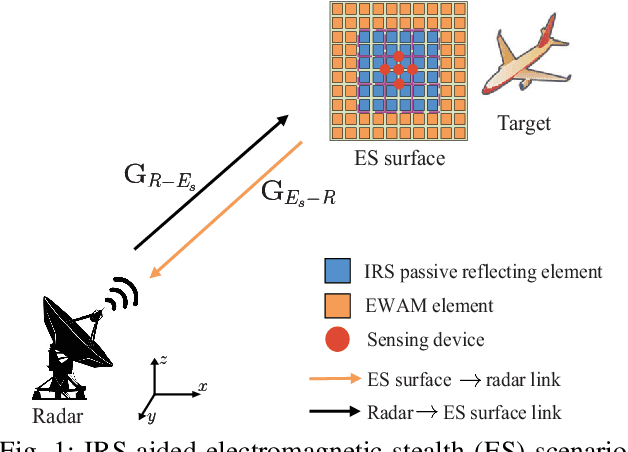
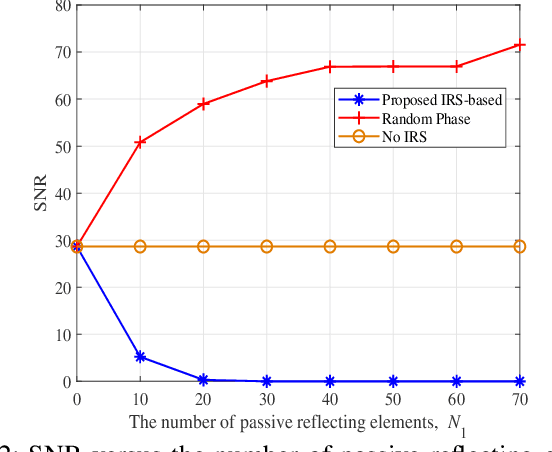
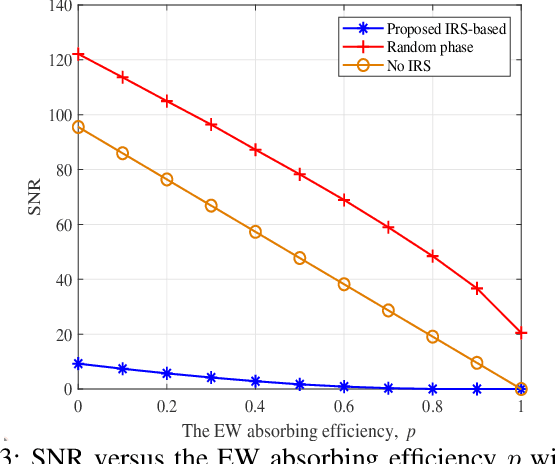
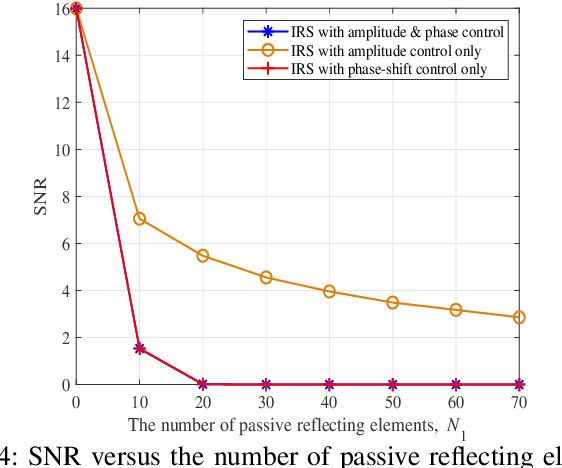
Electromagnetic wave absorbing material (EWAM) plays an essential role in manufacturing stealth aircraft, which can achieve the electromagnetic stealth (ES) by reducing the strength of the signal reflected back to the radar system. However, the stealth performance is limited by the coating thickness, incident wave angles, and working frequencies. To tackle these limitations, we propose a new intelligent reflecting surface (IRS)-aided ES system where an IRS is deployed at the target to synergize with EWAM for effectively mitigating the echo signal and thus reducing the radar detection probability. Considering the monotonic relationship between the detection probability and the received signal-to-noise-ratio (SNR) at the radar, we formulate an optimization problem that minimizes the SNR under the reflection constraint of each IRS element, and a semi-closed-form solution is derived by using Karush-Kuhn-Tucker (KKT) conditions. Simulation results validate the superiority of the proposed IRS-aided ES system compared to various benchmarks.
CogView3: Finer and Faster Text-to-Image Generation via Relay Diffusion
Mar 08, 2024
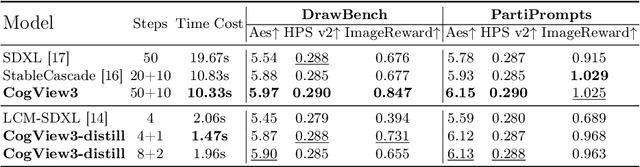
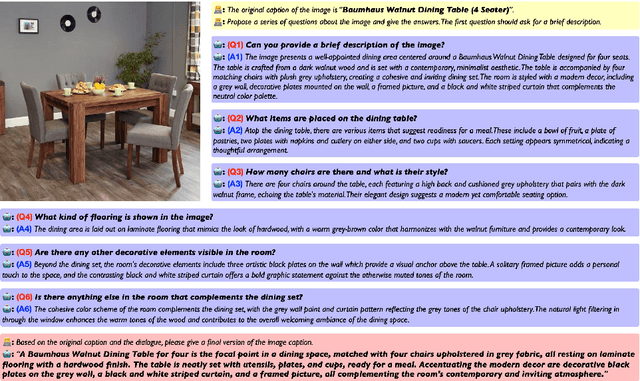
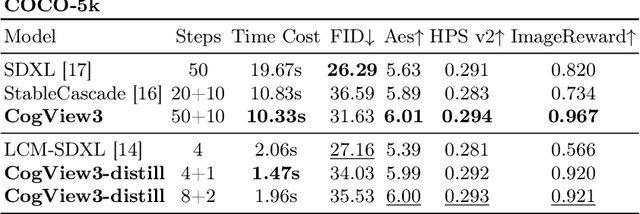
Recent advancements in text-to-image generative systems have been largely driven by diffusion models. However, single-stage text-to-image diffusion models still face challenges, in terms of computational efficiency and the refinement of image details. To tackle the issue, we propose CogView3, an innovative cascaded framework that enhances the performance of text-to-image diffusion. CogView3 is the first model implementing relay diffusion in the realm of text-to-image generation, executing the task by first creating low-resolution images and subsequently applying relay-based super-resolution. This methodology not only results in competitive text-to-image outputs but also greatly reduces both training and inference costs. Our experimental results demonstrate that CogView3 outperforms SDXL, the current state-of-the-art open-source text-to-image diffusion model, by 77.0\% in human evaluations, all while requiring only about 1/2 of the inference time. The distilled variant of CogView3 achieves comparable performance while only utilizing 1/10 of the inference time by SDXL.
Does Negative Sampling Matter? A Review with Insights into its Theory and Applications
Feb 27, 2024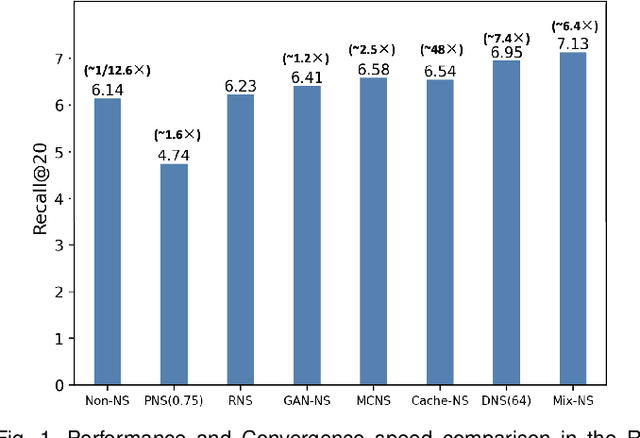
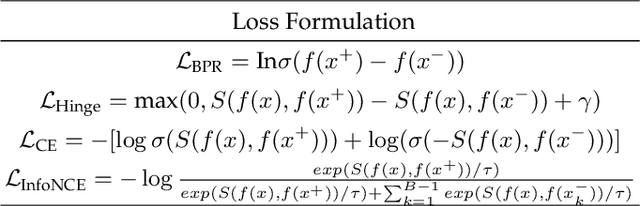
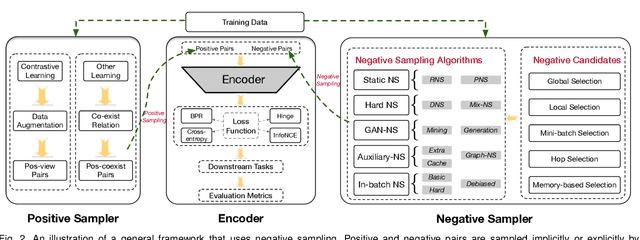
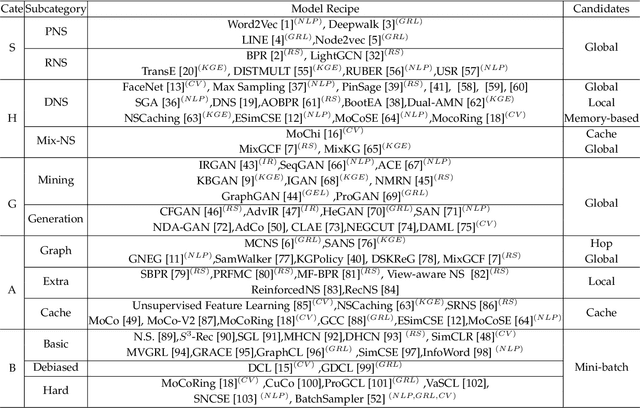
Negative sampling has swiftly risen to prominence as a focal point of research, with wide-ranging applications spanning machine learning, computer vision, natural language processing, data mining, and recommender systems. This growing interest raises several critical questions: Does negative sampling really matter? Is there a general framework that can incorporate all existing negative sampling methods? In what fields is it applied? Addressing these questions, we propose a general framework that leverages negative sampling. Delving into the history of negative sampling, we trace the development of negative sampling through five evolutionary paths. We dissect and categorize the strategies used to select negative sample candidates, detailing global, local, mini-batch, hop, and memory-based approaches. Our review categorizes current negative sampling methods into five types: static, hard, GAN-based, Auxiliary-based, and In-batch methods, providing a clear structure for understanding negative sampling. Beyond detailed categorization, we highlight the application of negative sampling in various areas, offering insights into its practical benefits. Finally, we briefly discuss open problems and future directions for negative sampling.
PST-Bench: Tracing and Benchmarking the Source of Publications
Feb 25, 2024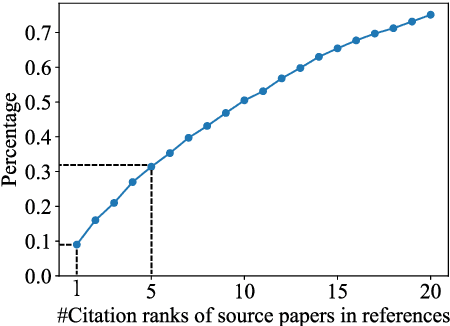
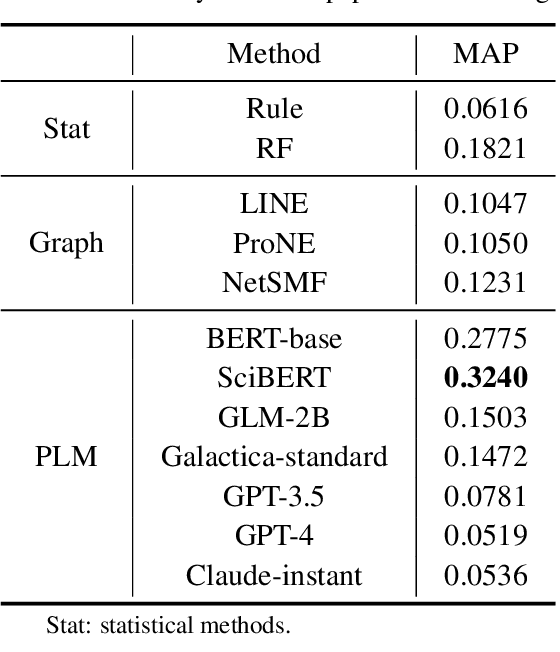
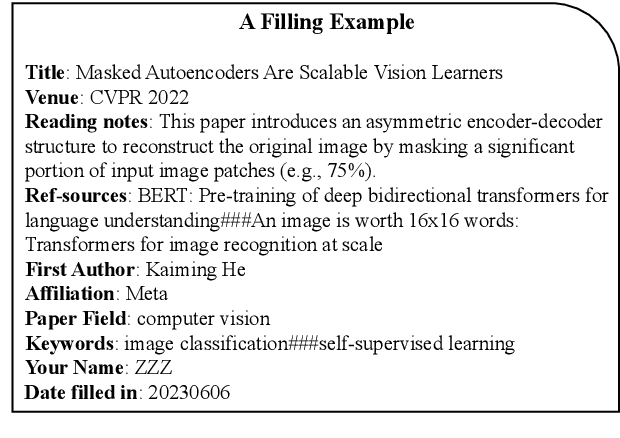
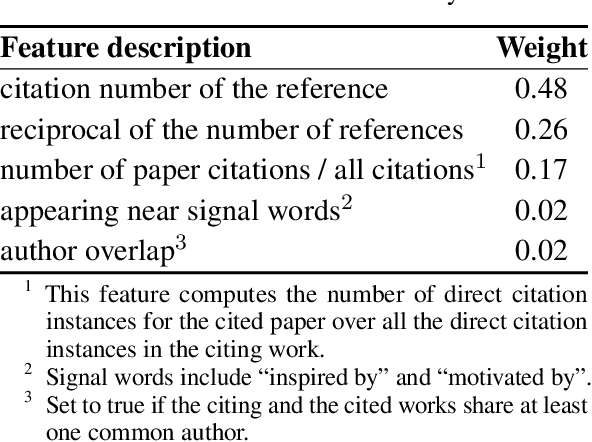
Tracing the source of research papers is a fundamental yet challenging task for researchers. The billion-scale citation relations between papers hinder researchers from understanding the evolution of science efficiently. To date, there is still a lack of an accurate and scalable dataset constructed by professional researchers to identify the direct source of their studied papers, based on which automatic algorithms can be developed to expand the evolutionary knowledge of science. In this paper, we study the problem of paper source tracing (PST) and construct a high-quality and ever-increasing dataset PST-Bench in computer science. Based on PST-Bench, we reveal several intriguing discoveries, such as the differing evolution patterns across various topics. An exploration of various methods underscores the hardness of PST-Bench, pinpointing potential directions on this topic. The dataset and codes have been available at https://github.com/THUDM/paper-source-trace.
OAG-Bench: A Human-Curated Benchmark for Academic Graph Mining
Feb 24, 2024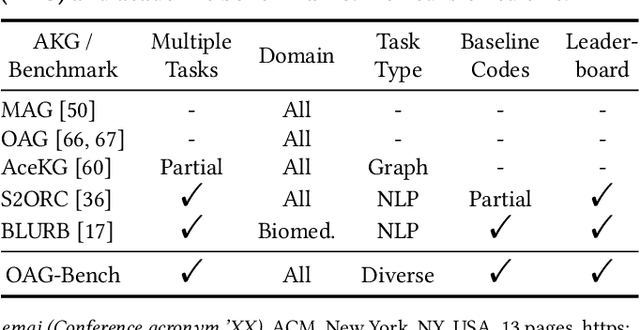
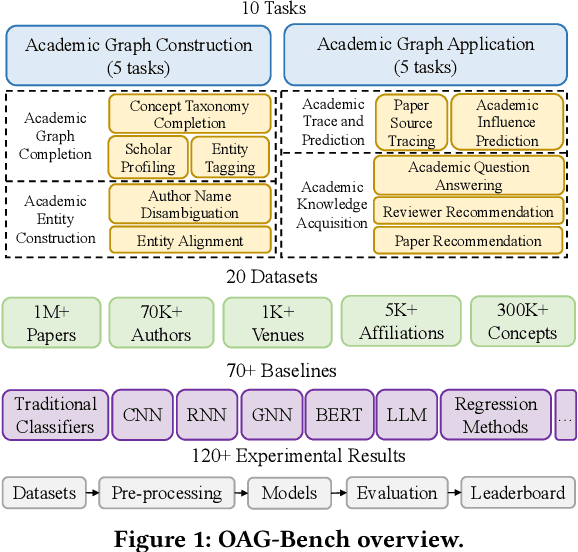
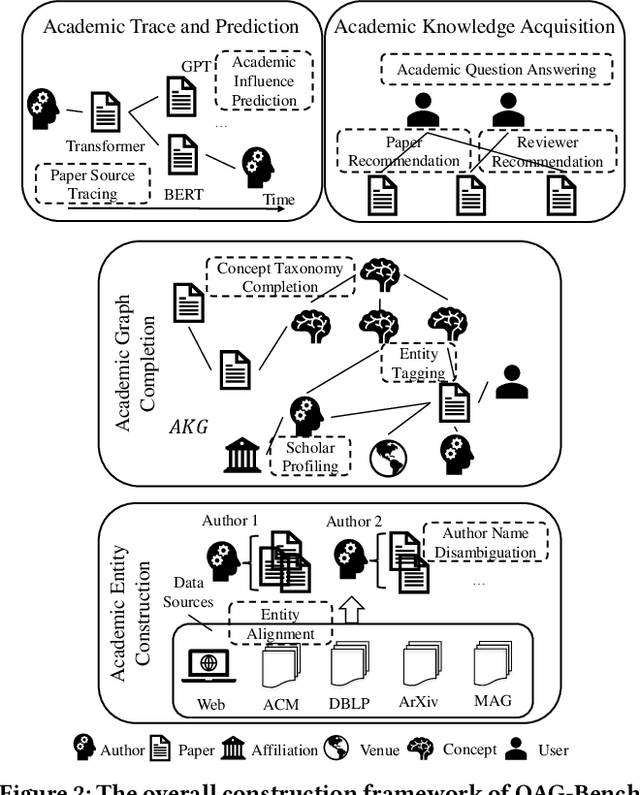
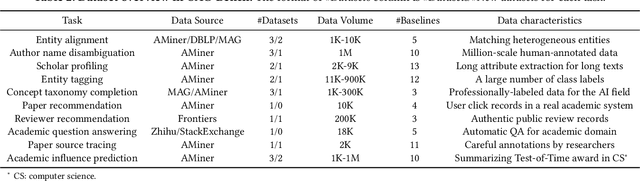
With the rapid proliferation of scientific literature, versatile academic knowledge services increasingly rely on comprehensive academic graph mining. Despite the availability of public academic graphs, benchmarks, and datasets, these resources often fall short in multi-aspect and fine-grained annotations, are constrained to specific task types and domains, or lack underlying real academic graphs. In this paper, we present OAG-Bench, a comprehensive, multi-aspect, and fine-grained human-curated benchmark based on the Open Academic Graph (OAG). OAG-Bench covers 10 tasks, 20 datasets, 70+ baselines, and 120+ experimental results to date. We propose new data annotation strategies for certain tasks and offer a suite of data pre-processing codes, algorithm implementations, and standardized evaluation protocols to facilitate academic graph mining. Extensive experiments reveal that even advanced algorithms like large language models (LLMs) encounter difficulties in addressing key challenges in certain tasks, such as paper source tracing and scholar profiling. We also introduce the Open Academic Graph Challenge (OAG-Challenge) to encourage community input and sharing. We envisage that OAG-Bench can serve as a common ground for the community to evaluate and compare algorithms in academic graph mining, thereby accelerating algorithm development and advancement in this field. OAG-Bench is accessible at https://www.aminer.cn/data/.
Middleware for LLMs: Tools Are Instrumental for Language Agents in Complex Environments
Feb 22, 2024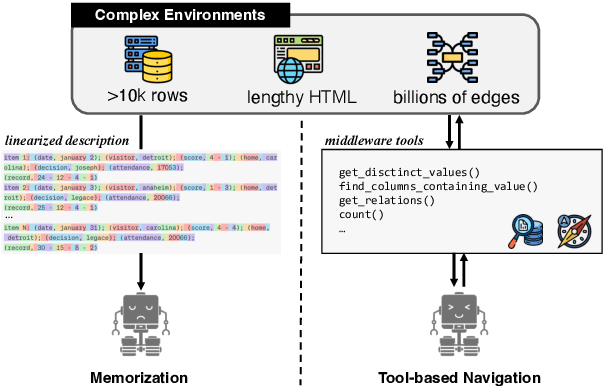
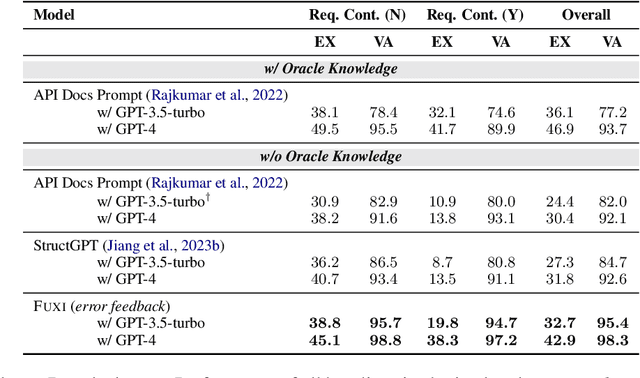
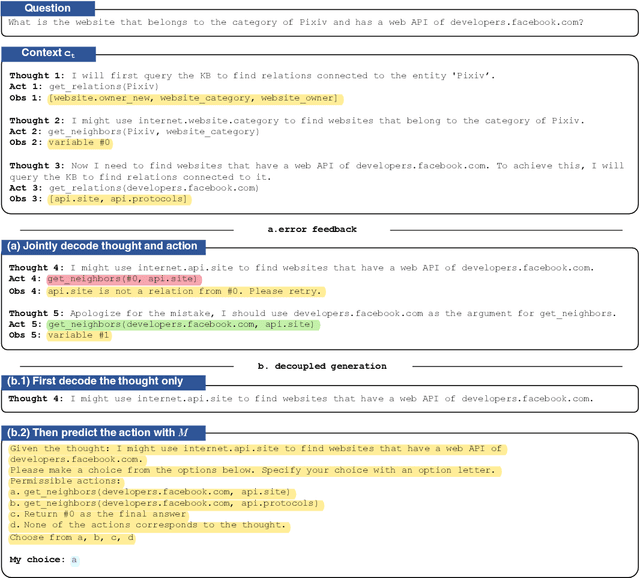
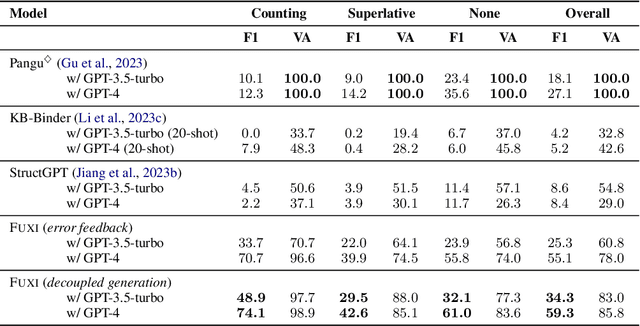
The applications of large language models (LLMs) have expanded well beyond the confines of text processing, signaling a new era where LLMs are envisioned as generalist language agents capable of operating within complex real-world environments. These environments are often highly expansive, making it impossible for the LLM to process them within its short-term memory. Motivated by recent research on extending the capabilities of LLMs with tools, this paper investigates the intriguing potential of tools to augment LLMs in handling such complexity. To this end, we design customized tools to aid in the proactive exploration within these massive environments. Such tools can serve as a middleware layer shielding the LLM from environmental complexity. In two representative complex environments -- knowledge bases (KBs) and databases -- we demonstrate the significant potential of augmenting language agents with tools in complex environments. Notably, equipped with these tools, GPT-4 achieves 2.8X the performance of the best baseline in tasks requiring access to database content and 2.2X in KB tasks. Our findings illuminate the path for advancing language agents in complex real-world applications.
TriSampler: A Better Negative Sampling Principle for Dense Retrieval
Feb 19, 2024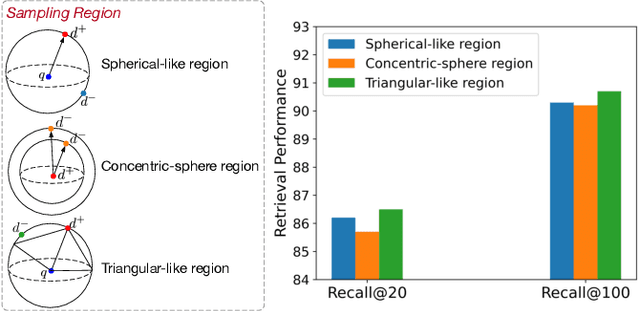
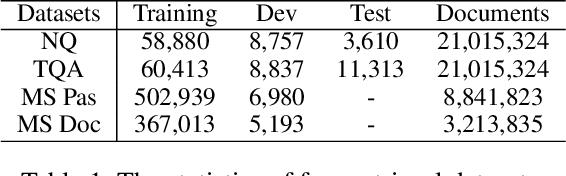
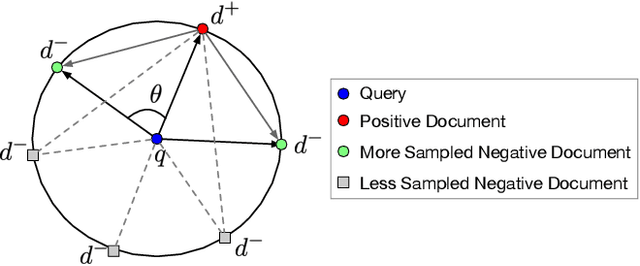
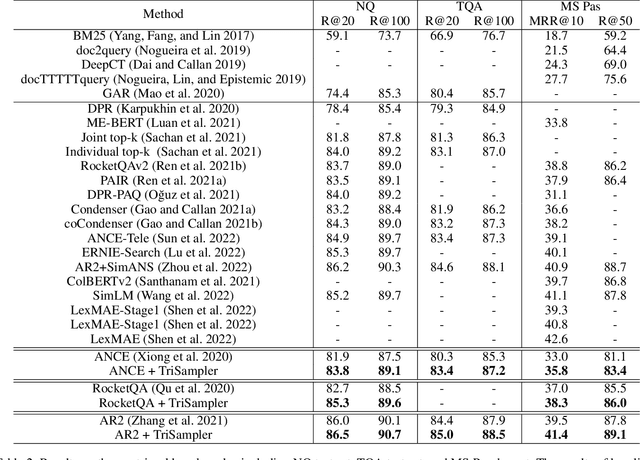
Negative sampling stands as a pivotal technique in dense retrieval, essential for training effective retrieval models and significantly impacting retrieval performance. While existing negative sampling methods have made commendable progress by leveraging hard negatives, a comprehensive guiding principle for constructing negative candidates and designing negative sampling distributions is still lacking. To bridge this gap, we embark on a theoretical analysis of negative sampling in dense retrieval. This exploration culminates in the unveiling of the quasi-triangular principle, a novel framework that elucidates the triangular-like interplay between query, positive document, and negative document. Fueled by this guiding principle, we introduce TriSampler, a straightforward yet highly effective negative sampling method. The keypoint of TriSampler lies in its ability to selectively sample more informative negatives within a prescribed constrained region. Experimental evaluation show that TriSampler consistently attains superior retrieval performance across a diverse of representative retrieval models.
CogCoM: Train Large Vision-Language Models Diving into Details through Chain of Manipulations
Feb 06, 2024

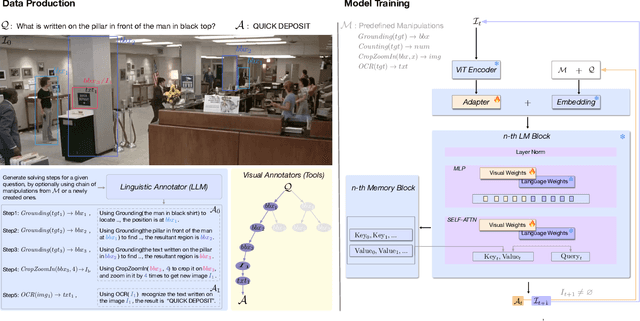

Vision-Language Models (VLMs) have demonstrated their widespread viability thanks to extensive training in aligning visual instructions to answers. However, this conclusive alignment leads models to ignore critical visual reasoning, and further result in failures on meticulous visual problems and unfaithful responses. In this paper, we propose Chain of Manipulations, a mechanism that enables VLMs to solve problems with a series of manipulations, where each manipulation refers to an operation on the visual input, either from intrinsic abilities (e.g., grounding) acquired through prior training or from imitating human-like behaviors (e.g., zoom in). This mechanism encourages VLMs to generate faithful responses with evidential visual reasoning, and permits users to trace error causes in the interpretable paths. We thus train CogCoM, a general 17B VLM with a memory-based compatible architecture endowed this reasoning mechanism. Experiments show that our model achieves the state-of-the-art performance across 8 benchmarks from 3 categories, and a limited number of training steps with the data swiftly gains a competitive performance. The code and data are publicly available at https://github.com/THUDM/CogCoM.