 Add to Chrome
 Add to Firefox
 Add to Edge
Design and Visual Servoing Control of a Hybrid Dual-Segment Flexible Neurosurgical Robot for Intraventricular Biopsy
Feb 23, 2024
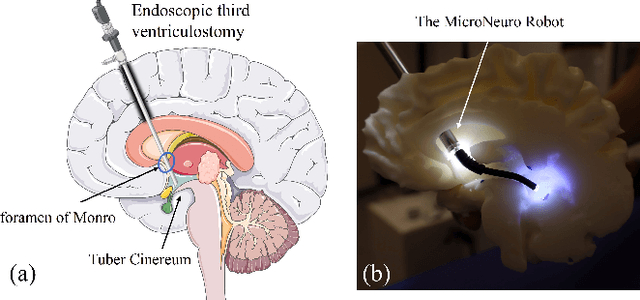
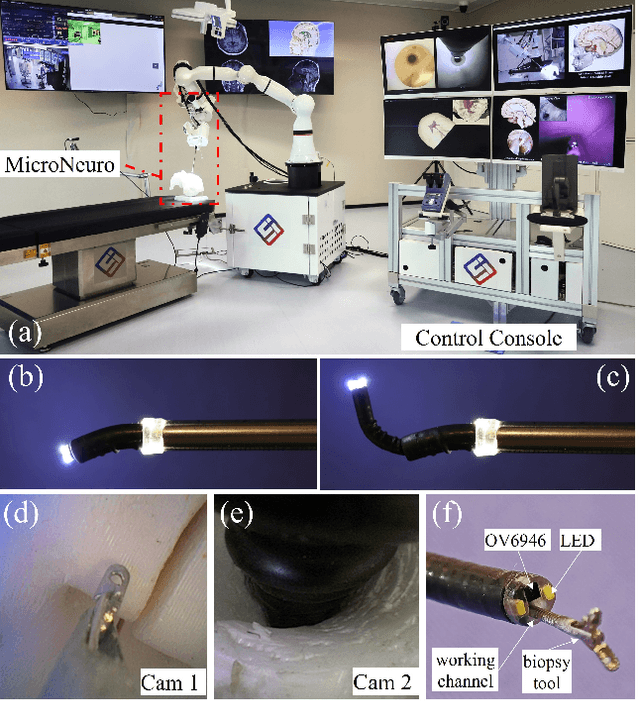
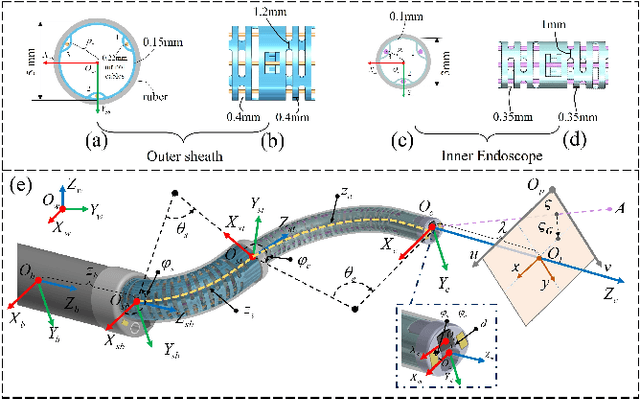
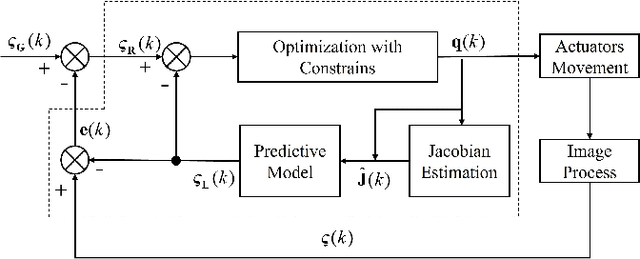
Traditional rigid endoscopes have challenges in flexibly treating tumors located deep in the brain, and low operability and fixed viewing angles limit its development. This study introduces a novel dual-segment flexible robotic endoscope MicroNeuro, designed to perform biopsies with dexterous surgical manipulation deep in the brain. Taking into account the uncertainty of the control model, an image-based visual servoing with online robot Jacobian estimation has been implemented to enhance motion accuracy. Furthermore, the application of model predictive control with constraints significantly bolsters the flexible robot's ability to adaptively track mobile objects and resist external interference. Experimental results underscore that the proposed control system enhances motion stability and precision. Phantom testing substantiates its considerable potential for deployment in neurosurgery.

BronchoTrack: Airway Lumen Tracking for Branch-Level Bronchoscopic Localization
Feb 20, 2024Localizing the bronchoscope in real time is essential for ensuring intervention quality. However, most existing methods struggle to balance between speed and generalization. To address these challenges, we present BronchoTrack, an innovative real-time framework for accurate branch-level localization, encompassing lumen detection, tracking, and airway association.To achieve real-time performance, we employ a benchmark lightweight detector for efficient lumen detection. We are the first to introduce multi-object tracking to bronchoscopic localization, mitigating temporal confusion in lumen identification caused by rapid bronchoscope movement and complex airway structures. To ensure generalization across patient cases, we propose a training-free detection-airway association method based on a semantic airway graph that encodes the hierarchy of bronchial tree structures.Experiments on nine patient datasets demonstrate BronchoTrack's localization accuracy of 85.64 \%, while accessing up to the 4th generation of airways.Furthermore, we tested BronchoTrack in an in-vivo animal study using a porcine model, where it successfully localized the bronchoscope into the 8th generation airway.Experimental evaluation underscores BronchoTrack's real-time performance in both satisfying accuracy and generalization, demonstrating its potential for clinical applications.
Towards Aligned Layout Generation via Diffusion Model with Aesthetic Constraints
Feb 07, 2024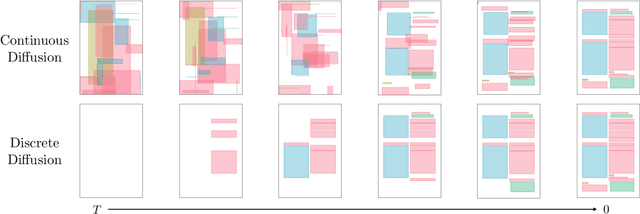
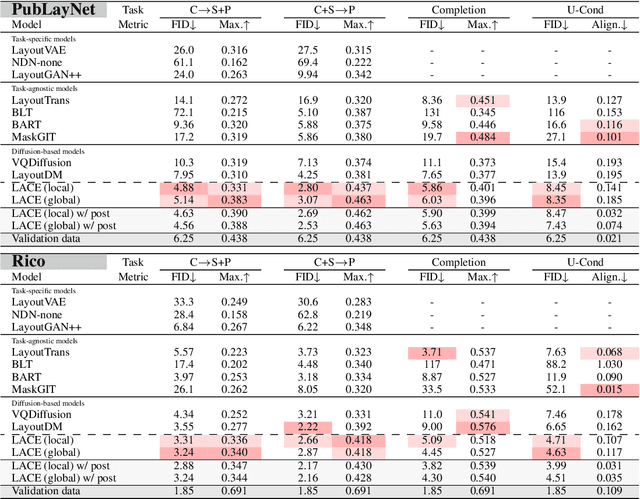
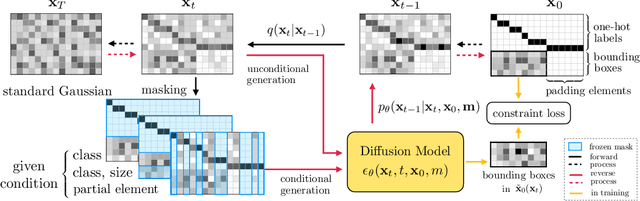
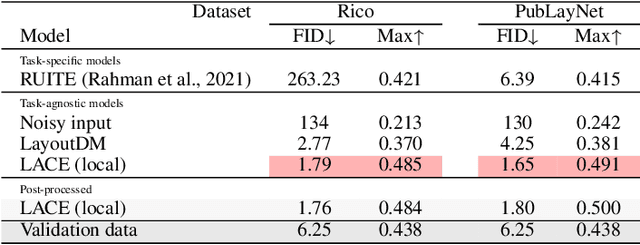
Controllable layout generation refers to the process of creating a plausible visual arrangement of elements within a graphic design (e.g., document and web designs) with constraints representing design intentions. Although recent diffusion-based models have achieved state-of-the-art FID scores, they tend to exhibit more pronounced misalignment compared to earlier transformer-based models. In this work, we propose the $\textbf{LA}$yout $\textbf{C}$onstraint diffusion mod$\textbf{E}$l (LACE), a unified model to handle a broad range of layout generation tasks, such as arranging elements with specified attributes and refining or completing a coarse layout design. The model is based on continuous diffusion models. Compared with existing methods that use discrete diffusion models, continuous state-space design can enable the incorporation of differentiable aesthetic constraint functions in training. For conditional generation, we introduce conditions via masked input. Extensive experiment results show that LACE produces high-quality layouts and outperforms existing state-of-the-art baselines.
Dual-Functional Artificial Noise (DFAN) Aided Robust Covert Communications in Integrated Sensing and Communications
Dec 27, 2023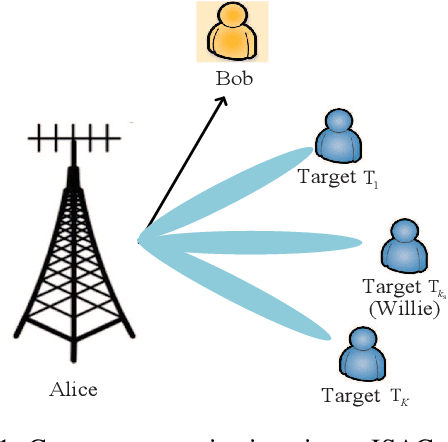
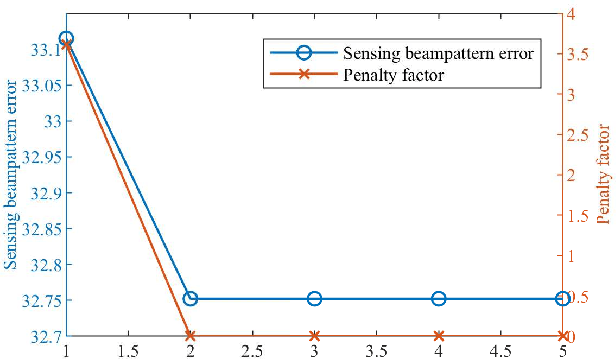
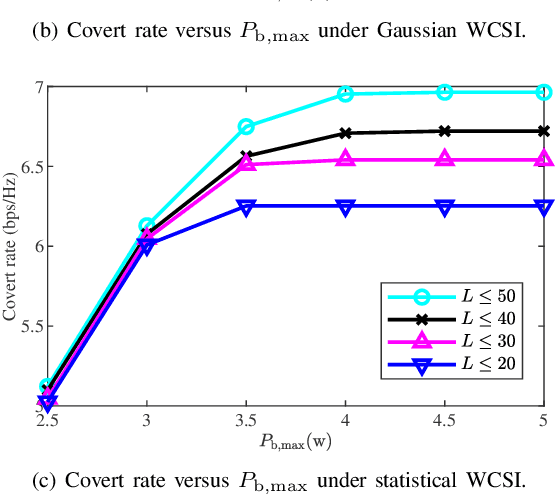
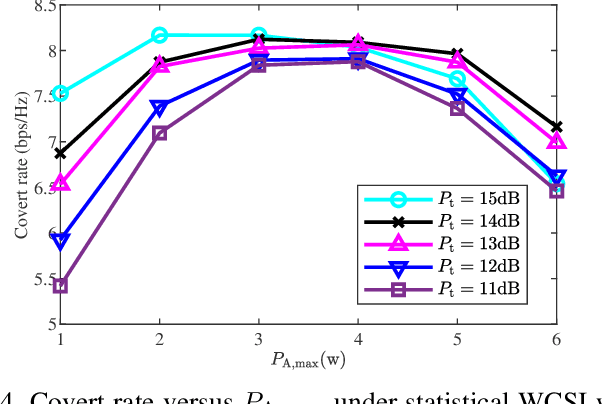
This paper investigates covert communications in an integrated sensing and communications system, where a dual-functional base station (called Alice) covertly transmits signals to a covert user (called Bob) while sensing multiple targets, with one of them acting as a potential watcher (called Willie) and maliciously eavesdropping on legitimate communications. To shelter the covert communications, Alice transmits additional dual-functional artificial noise (DFAN) with a varying power not only to create uncertainty at Willie's signal reception to confuse Willie but also to sense the targets simultaneously. Based on this framework, the weighted sum of the sensing beampattern means square error (MSE) and cross correlation is minimized by jointly optimizing the covert communication and DFAN signals subject to the minimum covert rate requirement. The robust design considers both cases of imperfect Willie's CSI (WCSI) and statistical WCSI. Under the worst-case assumption that Willie can adaptively adjust the detection threshold to achieve the best detection performance, the minimum detection error probability (DEP) at Willie is analytically derived in the closed-form expression. The formulated covertness constrained optimization problems are tackled by a feasibility-checking based difference-of-convex relaxation (DC) algorithm utilizing the S-procedure, Bernstein-type inequality, and the DC method. Simulation results validate the feasibility of the proposed scheme and demonstrate the covertness performance gains achieved by our proposed design over various benchmarks.
Dynamic MIMO Architecture Design for Near-Field Communications
Dec 25, 2023A novel dynamic hybrid beamforming architecture is proposed to achieve the spatial multiplexing-power consumption tradeoff for near-field multiple-input multiple-output (MIMO) networks, where each radio frequency (RF) chain is connected to each antenna using a couple of independent phase shifters to reduce the number of required RF chains. Based on this architecture, an optimization problem is formulated that maximizes the sum of achievable rates while minimizing the hardware power consumption. Both continuous and discrete phase shifters are considered. 1) For continuous phase shifters, a weighted minimum mean-square error-based two-stage (WMMSE-TS) algorithm is proposed, where the same performance as the optimal fully-digital beamformer can be achieved by the proposed hybrid beamformer even if the number of RF chains equals the number of data streams. 2) For discrete phase shifters, a penalty-based layered iterative (PLI) algorithm is proposed. The closed-form analog and baseband digital beamformers are derived in each iteration. Simulation results demonstrate that: 1) the proposed dynamic beamforming architecture outperforms the conventional fixed hybrid beamforming architecture in terms of spatial multiplexing-power consumption tradeoff, and 2) the proposed algorithms achieve better performance than the other baseline schemes.
Dual Radar: A Multi-modal Dataset with Dual 4D Radar for Autonomous Driving
Oct 23, 2023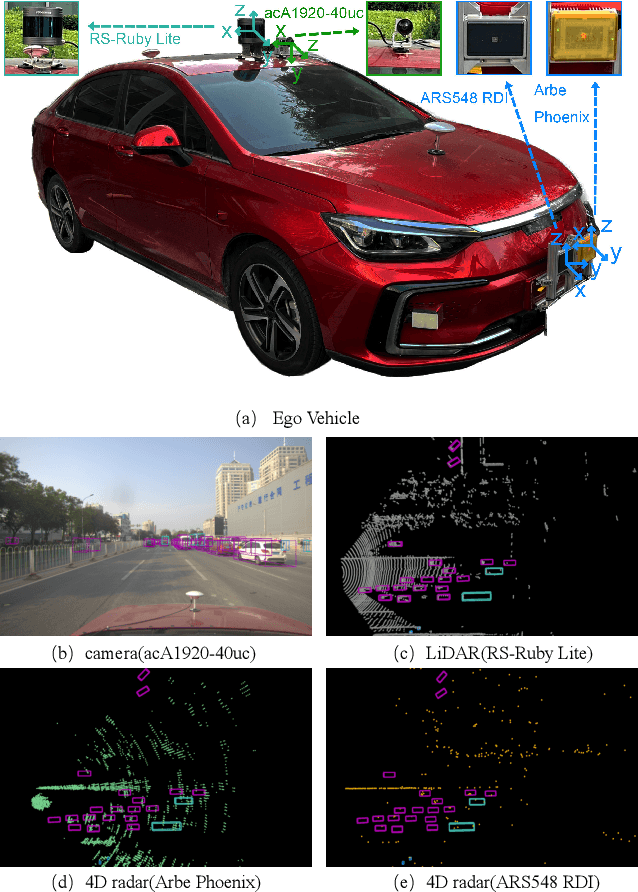
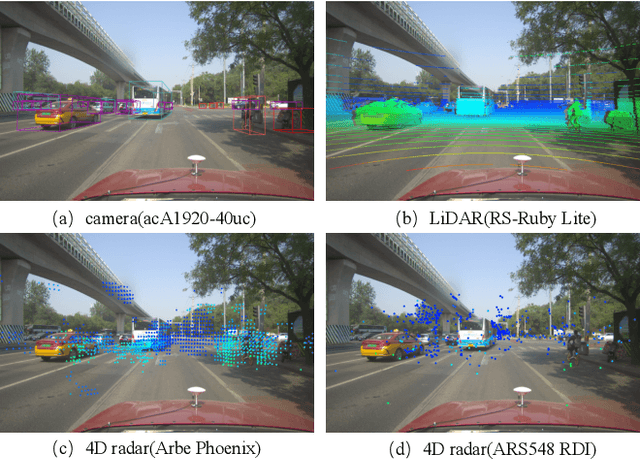
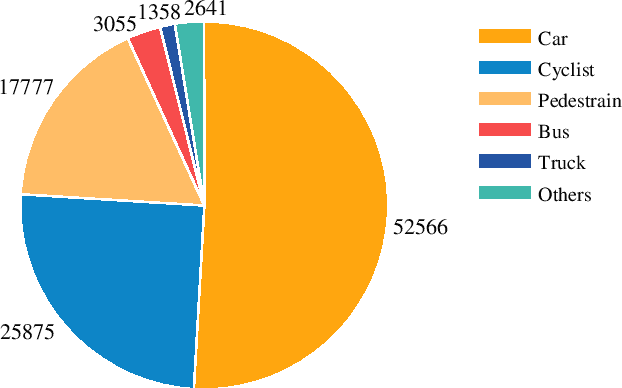
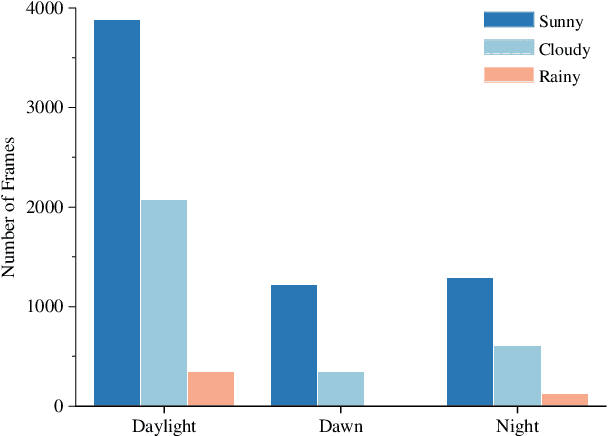
Radar has stronger adaptability in adverse scenarios for autonomous driving environmental perception compared to widely adopted cameras and LiDARs. Compared with commonly used 3D radars, the latest 4D radars have precise vertical resolution and higher point cloud density, making it a highly promising sensor for autonomous driving in complex environmental perception. However, due to the much higher noise than LiDAR, manufacturers choose different filtering strategies, resulting in an inverse ratio between noise level and point cloud density. There is still a lack of comparative analysis on which method is beneficial for deep learning-based perception algorithms in autonomous driving. One of the main reasons is that current datasets only adopt one type of 4D radar, making it difficult to compare different 4D radars in the same scene. Therefore, in this paper, we introduce a novel large-scale multi-modal dataset featuring, for the first time, two types of 4D radars captured simultaneously. This dataset enables further research into effective 4D radar perception algorithms.Our dataset consists of 151 consecutive series, most of which last 20 seconds and contain 10,007 meticulously synchronized and annotated frames. Moreover, our dataset captures a variety of challenging driving scenarios, including many road conditions, weather conditions, nighttime and daytime with different lighting intensities and periods. Our dataset annotates consecutive frames, which can be applied to 3D object detection and tracking, and also supports the study of multi-modal tasks. We experimentally validate our dataset, providing valuable results for studying different types of 4D radars. This dataset is released on https://github.com/adept-thu/Dual-Radar.
FGPrompt: Fine-grained Goal Prompting for Image-goal Navigation
Oct 11, 2023Learning to navigate to an image-specified goal is an important but challenging task for autonomous systems. The agent is required to reason the goal location from where a picture is shot. Existing methods try to solve this problem by learning a navigation policy, which captures semantic features of the goal image and observation image independently and lastly fuses them for predicting a sequence of navigation actions. However, these methods suffer from two major limitations. 1) They may miss detailed information in the goal image, and thus fail to reason the goal location. 2) More critically, it is hard to focus on the goal-relevant regions in the observation image, because they attempt to understand observation without goal conditioning. In this paper, we aim to overcome these limitations by designing a Fine-grained Goal Prompting (FGPrompt) method for image-goal navigation. In particular, we leverage fine-grained and high-resolution feature maps in the goal image as prompts to perform conditioned embedding, which preserves detailed information in the goal image and guides the observation encoder to pay attention to goal-relevant regions. Compared with existing methods on the image-goal navigation benchmark, our method brings significant performance improvement on 3 benchmark datasets (i.e., Gibson, MP3D, and HM3D). Especially on Gibson, we surpass the state-of-the-art success rate by 8% with only 1/50 model size. Project page: https://xinyusun.github.io/fgprompt-pages
Dual-Reference Source-Free Active Domain Adaptation for Nasopharyngeal Carcinoma Tumor Segmentation across Multiple Hospitals
Sep 23, 2023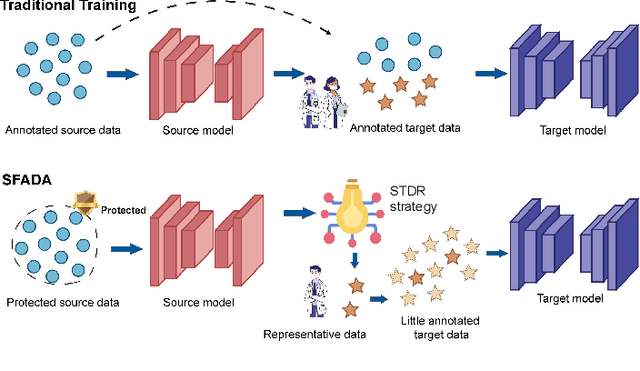
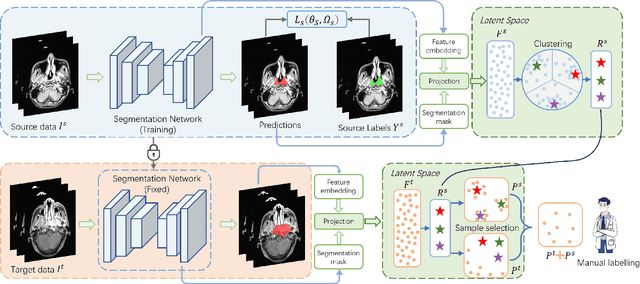
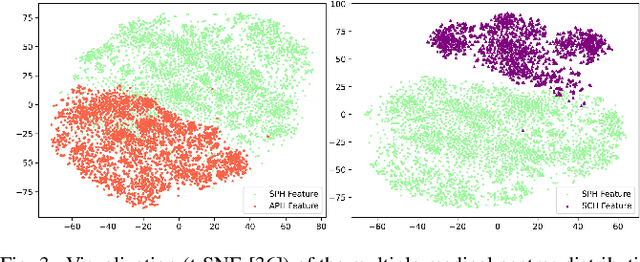
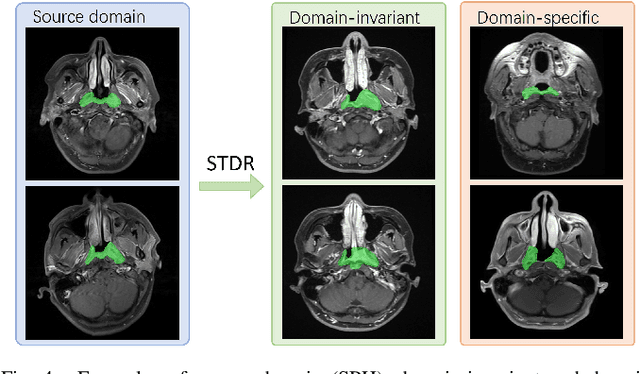
Nasopharyngeal carcinoma (NPC) is a prevalent and clinically significant malignancy that predominantly impacts the head and neck area. Precise delineation of the Gross Tumor Volume (GTV) plays a pivotal role in ensuring effective radiotherapy for NPC. Despite recent methods that have achieved promising results on GTV segmentation, they are still limited by lacking carefully-annotated data and hard-to-access data from multiple hospitals in clinical practice. Although some unsupervised domain adaptation (UDA) has been proposed to alleviate this problem, unconditionally mapping the distribution distorts the underlying structural information, leading to inferior performance. To address this challenge, we devise a novel Sourece-Free Active Domain Adaptation (SFADA) framework to facilitate domain adaptation for the GTV segmentation task. Specifically, we design a dual reference strategy to select domain-invariant and domain-specific representative samples from a specific target domain for annotation and model fine-tuning without relying on source-domain data. Our approach not only ensures data privacy but also reduces the workload for oncologists as it just requires annotating a few representative samples from the target domain and does not need to access the source data. We collect a large-scale clinical dataset comprising 1057 NPC patients from five hospitals to validate our approach. Experimental results show that our method outperforms the UDA methods and achieves comparable results to the fully supervised upper bound, even with few annotations, highlighting the significant medical utility of our approach. In addition, there is no public dataset about multi-center NPC segmentation, we will release code and dataset for future research.
Demonstration-based learning for few-shot biomedical named entity recognition under machine reading comprehension
Aug 12, 2023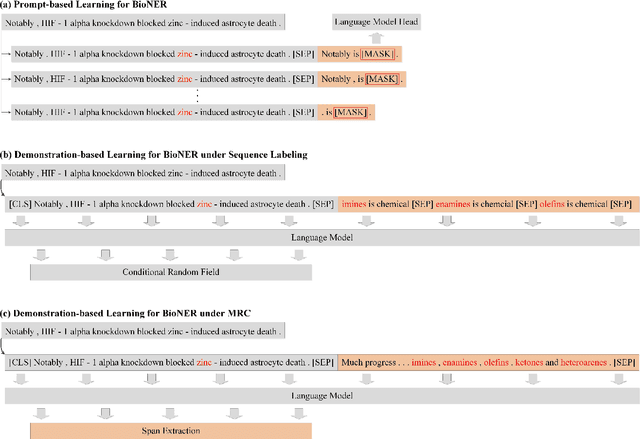
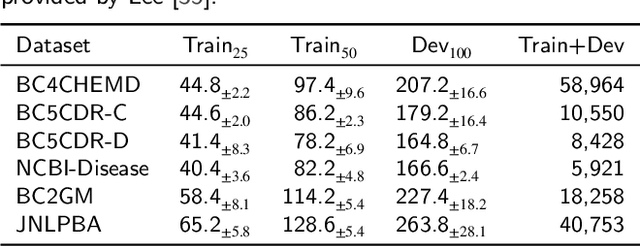
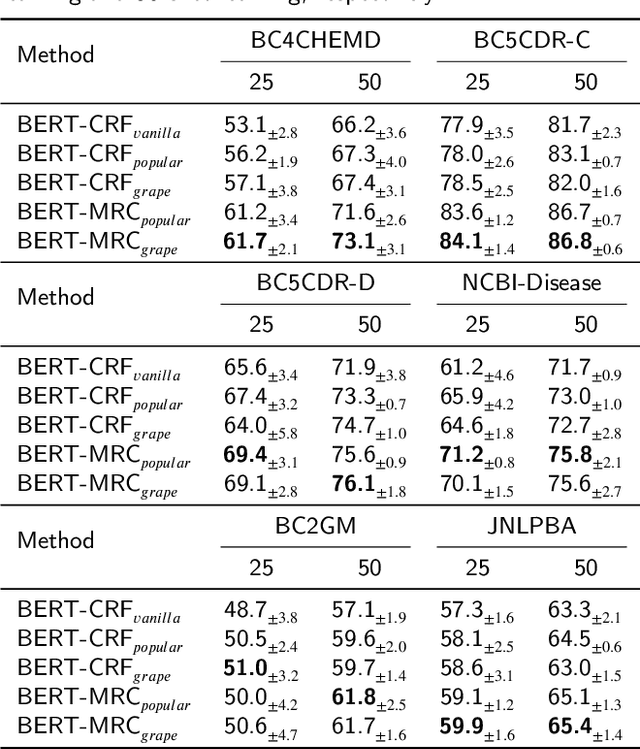
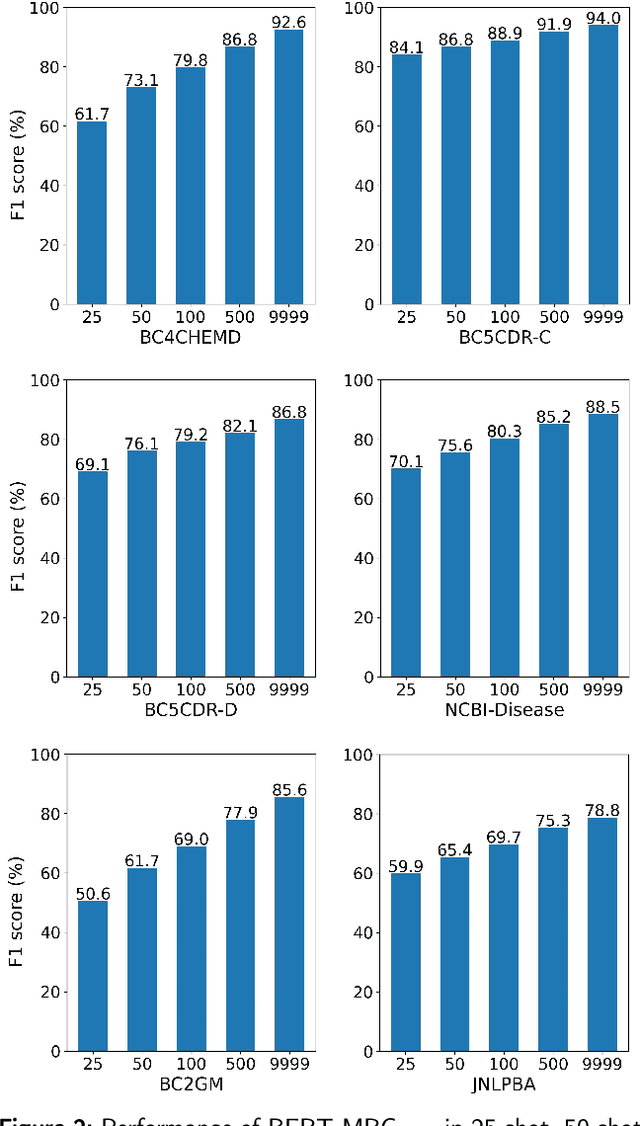
Although deep learning techniques have shown significant achievements, they frequently depend on extensive amounts of hand-labeled data and tend to perform inadequately in few-shot scenarios. The objective of this study is to devise a strategy that can improve the model's capability to recognize biomedical entities in scenarios of few-shot learning. By redefining biomedical named entity recognition (BioNER) as a machine reading comprehension (MRC) problem, we propose a demonstration-based learning method to address few-shot BioNER, which involves constructing appropriate task demonstrations. In assessing our proposed method, we compared the proposed method with existing advanced methods using six benchmark datasets, including BC4CHEMD, BC5CDR-Chemical, BC5CDR-Disease, NCBI-Disease, BC2GM, and JNLPBA. We examined the models' efficacy by reporting F1 scores from both the 25-shot and 50-shot learning experiments. In 25-shot learning, we observed 1.1% improvements in the average F1 scores compared to the baseline method, reaching 61.7%, 84.1%, 69.1%, 70.1%, 50.6%, and 59.9% on six datasets, respectively. In 50-shot learning, we further improved the average F1 scores by 1.0% compared to the baseline method, reaching 73.1%, 86.8%, 76.1%, 75.6%, 61.7%, and 65.4%, respectively. We reported that in the realm of few-shot learning BioNER, MRC-based language models are much more proficient in recognizing biomedical entities compared to the sequence labeling approach. Furthermore, our MRC-language models can compete successfully with fully-supervised learning methodologies that rely heavily on the availability of abundant annotated data. These results highlight possible pathways for future advancements in few-shot BioNER methodologies.
Muti-scale Graph Neural Network with Signed-attention for Social Bot Detection: A Frequency Perspective
Jul 05, 2023

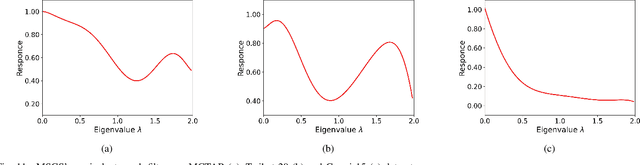

The presence of a large number of bots on social media has adverse effects. The graph neural network (GNN) can effectively leverage the social relationships between users and achieve excellent results in detecting bots. Recently, more and more GNN-based methods have been proposed for bot detection. However, the existing GNN-based bot detection methods only focus on low-frequency information and seldom consider high-frequency information, which limits the representation ability of the model. To address this issue, this paper proposes a Multi-scale with Signed-attention Graph Filter for social bot detection called MSGS. MSGS could effectively utilize both high and low-frequency information in the social graph. Specifically, MSGS utilizes a multi-scale structure to produce representation vectors at different scales. These representations are then combined using a signed-attention mechanism. Finally, multi-scale representations via MLP after polymerization to produce the final result. We analyze the frequency response and demonstrate that MSGS is a more flexible and expressive adaptive graph filter. MSGS can effectively utilize high-frequency information to alleviate the over-smoothing problem of deep GNNs. Experimental results on real-world datasets demonstrate that our method achieves better performance compared with several state-of-the-art social bot detection methods.