 Add to Chrome
 Add to Firefox
 Add to Edge
Unlock the Correlation between Supervised Fine-Tuning and Reinforcement Learning in Training Code Large Language Models
Jun 14, 2024
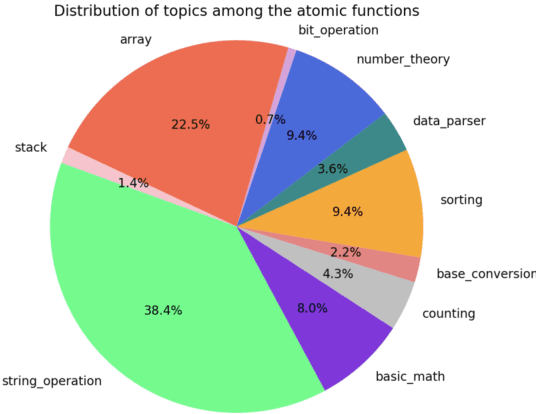
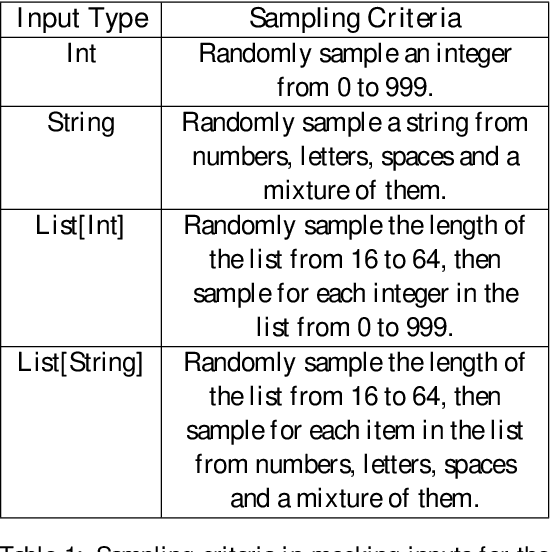
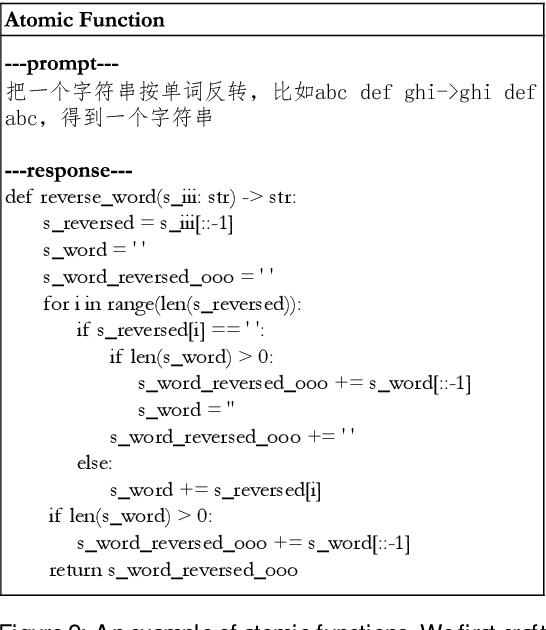
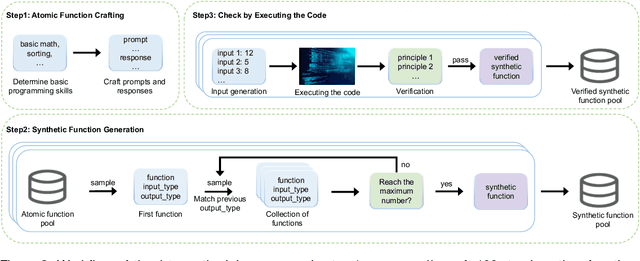
Automatic code generation has been a longstanding research topic. With the advancement of general-purpose large language models (LLMs), the ability to code stands out as one important measure to the model's reasoning performance. Usually, a two-stage training paradigm is implemented to obtain a Code LLM, namely the pretraining and the fine-tuning. Within the fine-tuning, supervised fine-tuning (SFT), and reinforcement learning (RL) are often used to improve the model's zero-shot ability. A large number of work has been conducted to improve the model's performance on code-related benchmarks with either modifications to the algorithm or refinement of the dataset. However, we still lack a deep insight into the correlation between SFT and RL. For instance, what kind of dataset should be used to ensure generalization, or what if we abandon the SFT phase in fine-tuning. In this work, we make an attempt to understand the correlation between SFT and RL. To facilitate our research, we manually craft 100 basis python functions, called atomic functions, and then a synthesizing pipeline is deployed to create a large number of synthetic functions on top of the atomic ones. In this manner, we ensure that the train and test sets remain distinct, preventing data contamination. Through comprehensive ablation study, we find: (1) Both atomic and synthetic functions are indispensable for SFT's generalization, and only a handful of synthetic functions are adequate; (2) Through RL, the SFT's generalization to target domain can be greatly enhanced, even with the same training prompts; (3) Training RL from scratch can alleviate the over-fitting issue introduced in the SFT phase.

Make Your Actor Talk: Generalizable and High-Fidelity Lip Sync with Motion and Appearance Disentanglement
Jun 12, 2024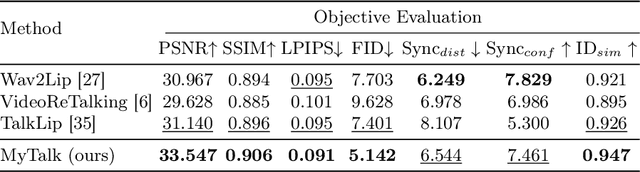


We aim to edit the lip movements in talking video according to the given speech while preserving the personal identity and visual details. The task can be decomposed into two sub-problems: (1) speech-driven lip motion generation and (2) visual appearance synthesis. Current solutions handle the two sub-problems within a single generative model, resulting in a challenging trade-off between lip-sync quality and visual details preservation. Instead, we propose to disentangle the motion and appearance, and then generate them one by one with a speech-to-motion diffusion model and a motion-conditioned appearance generation model. However, there still remain challenges in each stage, such as motion-aware identity preservation in (1) and visual details preservation in (2). Therefore, to preserve personal identity, we adopt landmarks to represent the motion, and further employ a landmark-based identity loss. To capture motion-agnostic visual details, we use separate encoders to encode the lip, non-lip appearance and motion, and then integrate them with a learned fusion module. We train MyTalk on a large-scale and diverse dataset. Experiments show that our method generalizes well to the unknown, even out-of-domain person, in terms of both lip sync and visual detail preservation. We encourage the readers to watch the videos on our project page (https://Ingrid789.github.io/MyTalk/).
Exploring Mathematical Extrapolation of Large Language Models with Synthetic Data
Jun 04, 2024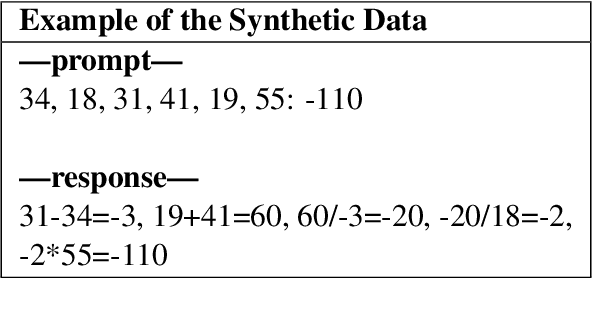
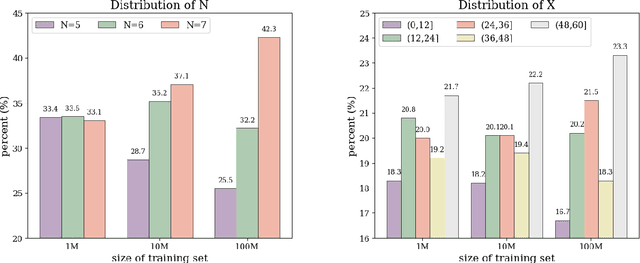
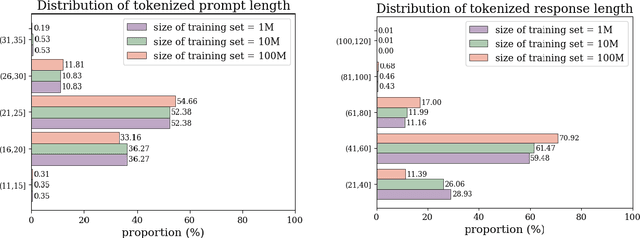
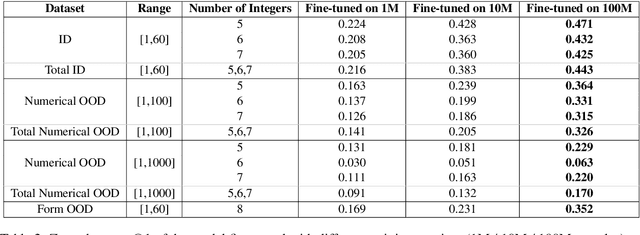
Large Language Models (LLMs) have shown excellent performance in language understanding, text generation, code synthesis, and many other tasks, while they still struggle in complex multi-step reasoning problems, such as mathematical reasoning. In this paper, through a newly proposed arithmetical puzzle problem, we show that the model can perform well on multi-step reasoning tasks via fine-tuning on high-quality synthetic data. Experimental results with the open-llama-3B model on three different test datasets show that not only the model can reach a zero-shot pass@1 at 0.44 on the in-domain dataset, it also demonstrates certain generalization capabilities on the out-of-domain datasets. Specifically, this paper has designed two out-of-domain datasets in the form of extending the numerical range and the composing components of the arithmetical puzzle problem separately. The fine-tuned models have shown encouraging performance on these two far more difficult tasks with the zero-shot pass@1 at 0.33 and 0.35, respectively.
Graph Neural Preconditioners for Iterative Solutions of Sparse Linear Systems
Jun 02, 2024Preconditioning is at the heart of iterative solutions of large, sparse linear systems of equations in scientific disciplines. Several algebraic approaches, which access no information beyond the matrix itself, are widely studied and used, but ill-conditioned matrices remain very challenging. We take a machine learning approach and propose using graph neural networks as a general-purpose preconditioner. They show attractive performance for ill-conditioned problems, in part because they better approximate the matrix inverse from appropriately generated training data. Empirical evaluation on over 800 matrices suggests that the construction time of these graph neural preconditioners (GNPs) is more predictable than other widely used ones, such as ILU and AMG, while the execution time is faster than using a Krylov method as the preconditioner, such as in inner-outer GMRES. GNPs have a strong potential for solving large-scale, challenging algebraic problems arising from not only partial differential equations, but also economics, statistics, graph, and optimization, to name a few.
Learning-Based Intermittent CSI Estimation with Adaptive Intervals in Integrated Sensing and Communication Systems
May 23, 2024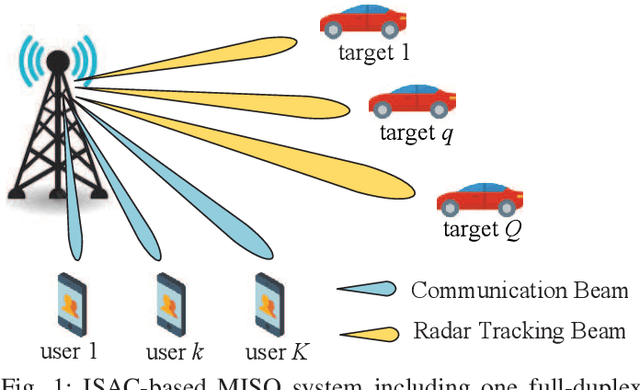
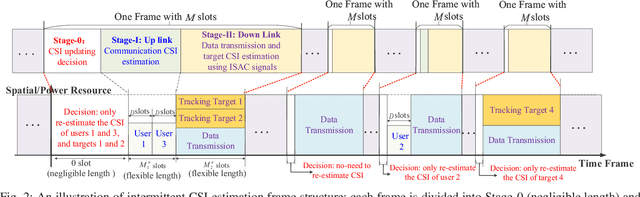
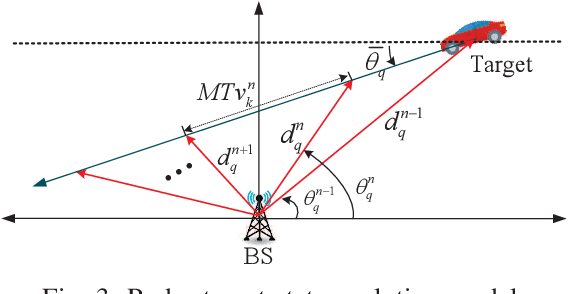
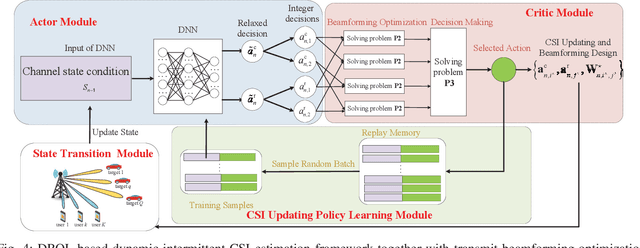
Due to the distinct objectives and multipath utilization mechanisms between the communication module and radar module, the system design of integrated sensing and communication (ISAC) necessitates two types of channel state information (CSI), i.e., communication CSI representing the whole channel gain and phase shifts, and radar CSI exclusively focused on target mobility and position information. However, current ISAC systems apply an identical mechanism to estimate both types of CSI at the same predetermined estimation interval, leading to significant overhead and compromised performances. Therefore, this paper proposes an intermittent communication and radar CSI estimation scheme with adaptive intervals for individual users/targets, where both types of CSI can be predicted using channel temporal correlations for cost reduction or re-estimated via training signal transmission for improved estimation accuracy. Specifically, we jointly optimize the binary CSI re-estimation/prediction decisions and transmit beamforming matrices for individual users/targets to maximize communication transmission rates and minimize radar tracking errors and costs in a multiple-input single-output (MISO) ISAC system. Unfortunately, this problem has causality issues because it requires comparing system performances under re-estimated CSI and predicted CSI during the optimization. Additionally, the binary decision makes the joint design a mixed integer nonlinear programming (MINLP) problem, resulting in high complexity when using conventional optimization algorithms. Therefore, we propose a deep reinforcement online learning (DROL) framework that first implements an online deep neural network (DNN) to learn the binary CSI updating decisions from the experiences. Given the learned decisions, we propose an efficient algorithm to solve the remaining beamforming design problem efficiently.
HARIS: Human-Like Attention for Reference Image Segmentation
May 17, 2024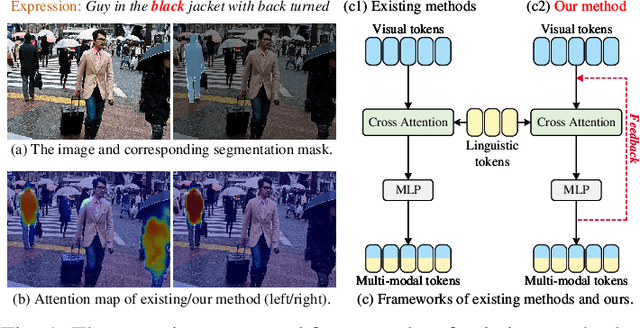
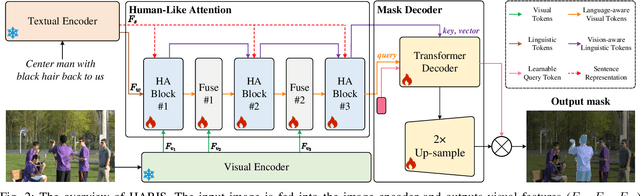

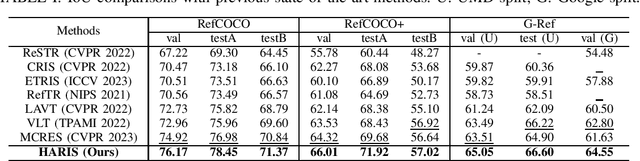
Referring image segmentation (RIS) aims to locate the particular region corresponding to the language expression. Existing methods incorporate features from different modalities in a \emph{bottom-up} manner. This design may get some unnecessary image-text pairs, which leads to an inaccurate segmentation mask. In this paper, we propose a referring image segmentation method called HARIS, which introduces the Human-Like Attention mechanism and uses the parameter-efficient fine-tuning (PEFT) framework. To be specific, the Human-Like Attention gets a \emph{feedback} signal from multi-modal features, which makes the network center on the specific objects and discard the irrelevant image-text pairs. Besides, we introduce the PEFT framework to preserve the zero-shot ability of pre-trained encoders. Extensive experiments on three widely used RIS benchmarks and the PhraseCut dataset demonstrate that our method achieves state-of-the-art performance and great zero-shot ability.
The Shape of Money Laundering: Subgraph Representation Learning on the Blockchain with the Elliptic2 Dataset
May 01, 2024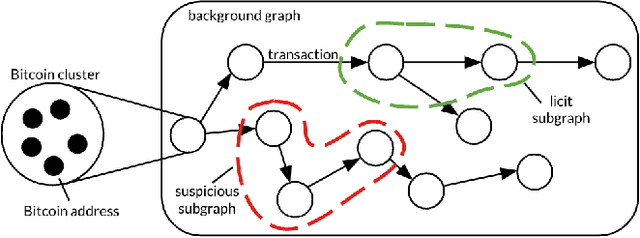
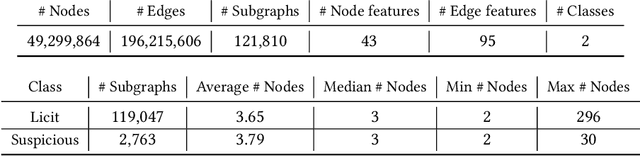


Subgraph representation learning is a technique for analyzing local structures (or shapes) within complex networks. Enabled by recent developments in scalable Graph Neural Networks (GNNs), this approach encodes relational information at a subgroup level (multiple connected nodes) rather than at a node level of abstraction. We posit that certain domain applications, such as anti-money laundering (AML), are inherently subgraph problems and mainstream graph techniques have been operating at a suboptimal level of abstraction. This is due in part to the scarcity of annotated datasets of real-world size and complexity, as well as the lack of software tools for managing subgraph GNN workflows at scale. To enable work in fundamental algorithms as well as domain applications in AML and beyond, we introduce Elliptic2, a large graph dataset containing 122K labeled subgraphs of Bitcoin clusters within a background graph consisting of 49M node clusters and 196M edge transactions. The dataset provides subgraphs known to be linked to illicit activity for learning the set of "shapes" that money laundering exhibits in cryptocurrency and accurately classifying new criminal activity. Along with the dataset we share our graph techniques, software tooling, promising early experimental results, and new domain insights already gleaned from this approach. Taken together, we find immediate practical value in this approach and the potential for a new standard in anti-money laundering and forensic analytics in cryptocurrencies and other financial networks.
GraCo: Granularity-Controllable Interactive Segmentation
May 01, 2024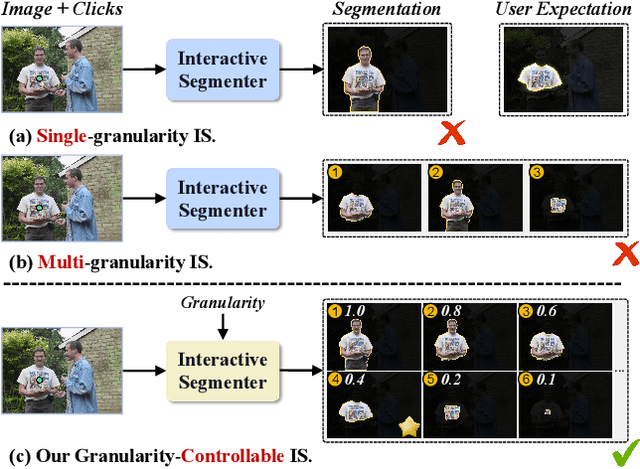
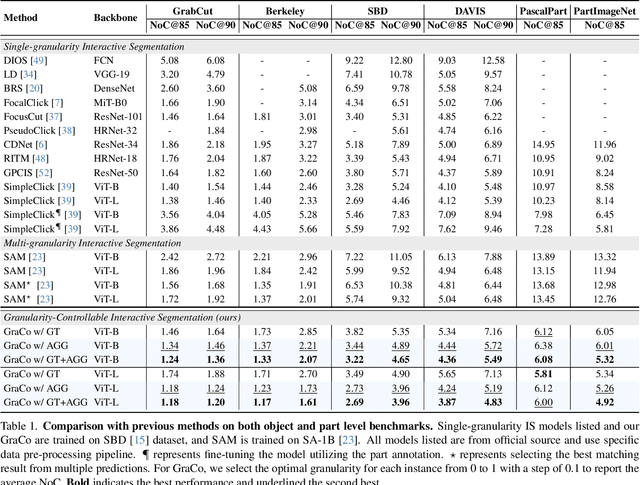
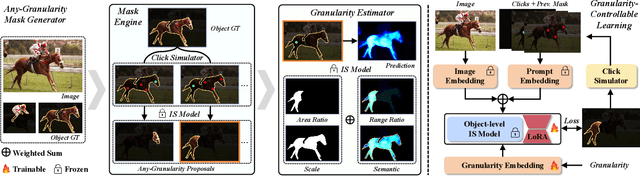
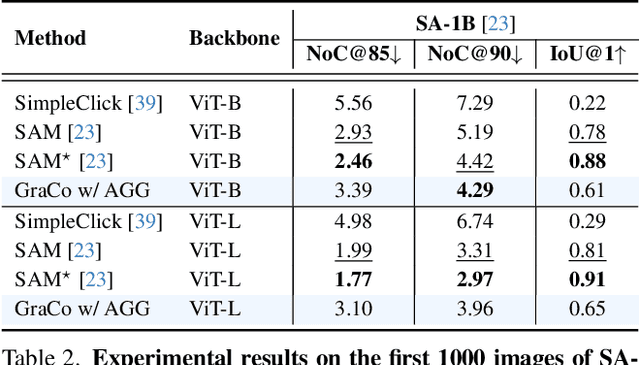
Interactive Segmentation (IS) segments specific objects or parts in the image according to user input. Current IS pipelines fall into two categories: single-granularity output and multi-granularity output. The latter aims to alleviate the spatial ambiguity present in the former. However, the multi-granularity output pipeline suffers from limited interaction flexibility and produces redundant results. In this work, we introduce Granularity-Controllable Interactive Segmentation (GraCo), a novel approach that allows precise control of prediction granularity by introducing additional parameters to input. This enhances the customization of the interactive system and eliminates redundancy while resolving ambiguity. Nevertheless, the exorbitant cost of annotating multi-granularity masks and the lack of available datasets with granularity annotations make it difficult for models to acquire the necessary guidance to control output granularity. To address this problem, we design an any-granularity mask generator that exploits the semantic property of the pre-trained IS model to automatically generate abundant mask-granularity pairs without requiring additional manual annotation. Based on these pairs, we propose a granularity-controllable learning strategy that efficiently imparts the granularity controllability to the IS model. Extensive experiments on intricate scenarios at object and part levels demonstrate that our GraCo has significant advantages over previous methods. This highlights the potential of GraCo to be a flexible annotation tool, capable of adapting to diverse segmentation scenarios. The project page: https://zhao-yian.github.io/GraCo.
Generation of Uncorrelated Residual Variables for Chemical Process Fault Diagnosis via Transfer Learning-based Input-Output Decoupled Network
Apr 29, 2024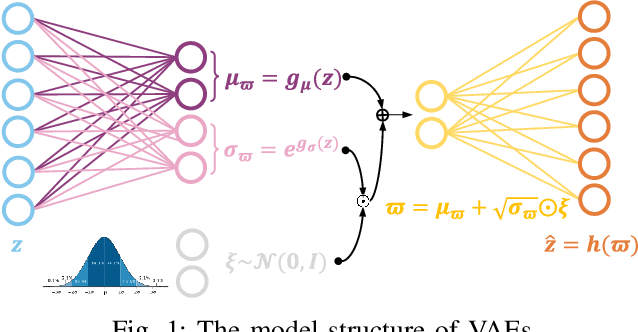
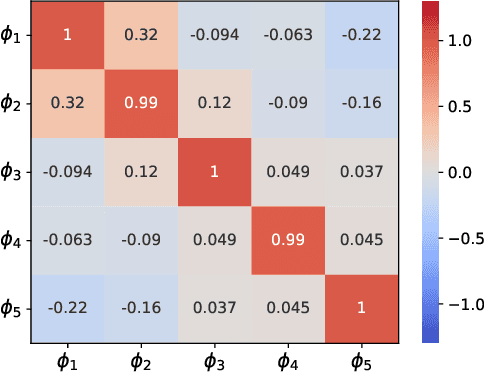
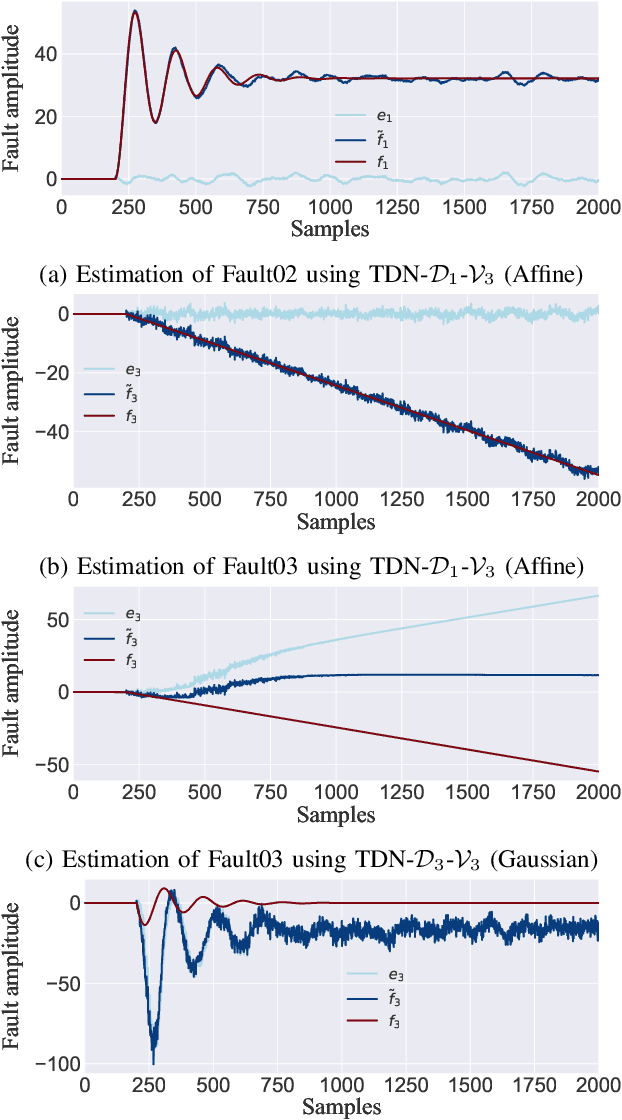
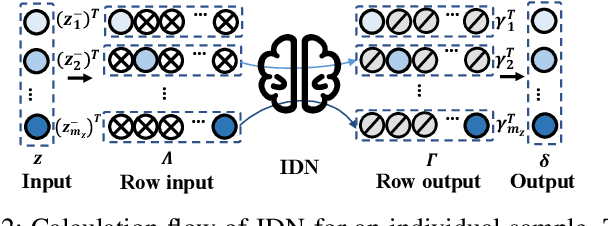
Structural decoupling has played an essential role in model-based fault isolation and estimation in past decades, which facilitates accurate fault localization and reconstruction thanks to the diagonal transfer matrix design. However, traditional methods exhibit limited effectiveness in modeling high-dimensional nonlinearity and big data, and the decoupling idea has not been well-valued in data-driven frameworks. Known for big data and complex feature extraction capabilities, deep learning has recently been used to develop residual generation models. Nevertheless, it lacks decoupling-related diagnostic designs. To this end, this paper proposes a transfer learning-based input-output decoupled network (TDN) for diagnostic purposes, which consists of an input-output decoupled network (IDN) and a pre-trained variational autocoder (VAE). In IDN, uncorrelated residual variables are generated by diagonalization and parallel computing operations. During the transfer learning phase, knowledge of normal status is provided according to VAE's loss and maximum mean discrepancy loss to guide the training of IDN. After training, IDN learns the mapping from faulty to normal, thereby serving as the fault detection index and the estimated fault signal simultaneously. At last, the effectiveness of the developed TDN is verified by a numerical example and a chemical simulation.
Adaptive Catalyst Discovery Using Multicriteria Bayesian Optimization with Representation Learning
Apr 18, 2024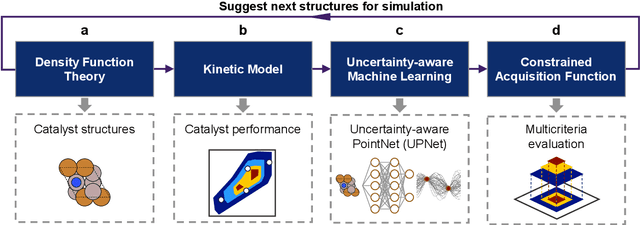
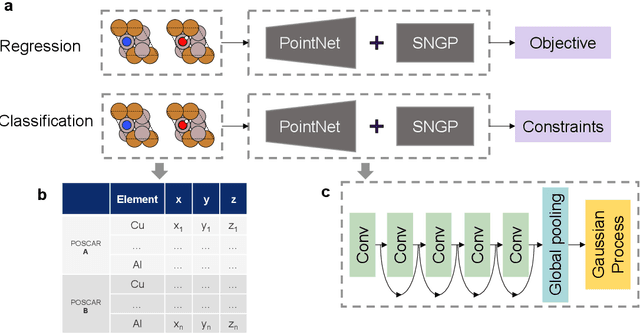
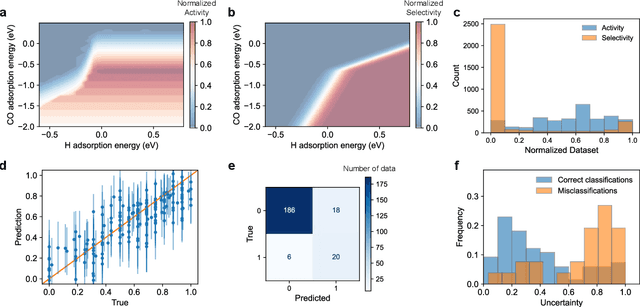
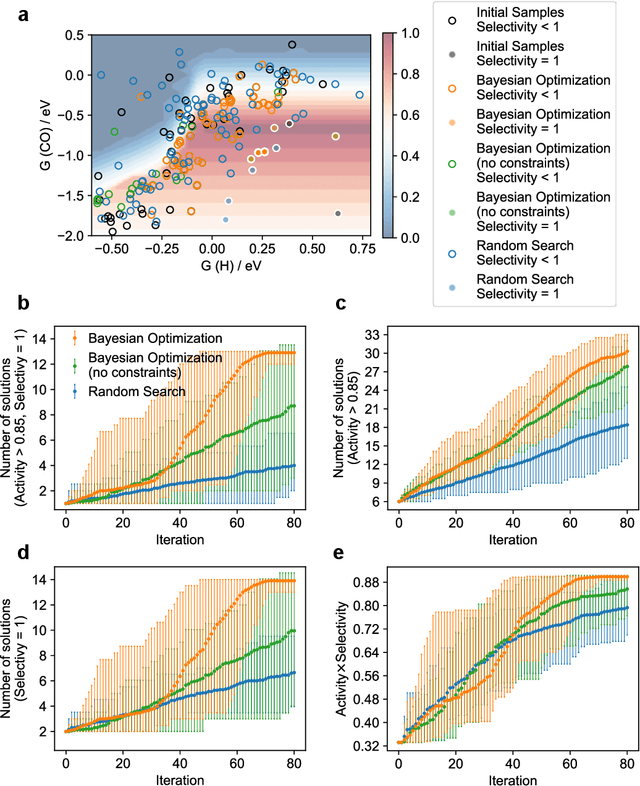
High-performance catalysts are crucial for sustainable energy conversion and human health. However, the discovery of catalysts faces challenges due to the absence of efficient approaches to navigating vast and high-dimensional structure and composition spaces. In this study, we propose a high-throughput computational catalyst screening approach integrating density functional theory (DFT) and Bayesian Optimization (BO). Within the BO framework, we propose an uncertainty-aware atomistic machine learning model, UPNet, which enables automated representation learning directly from high-dimensional catalyst structures and achieves principled uncertainty quantification. Utilizing a constrained expected improvement acquisition function, our BO framework simultaneously considers multiple evaluation criteria. Using the proposed methods, we explore catalyst discovery for the CO2 reduction reaction. The results demonstrate that our approach achieves high prediction accuracy, facilitates interpretable feature extraction, and enables multicriteria design optimization, leading to significant reduction of computing power and time (10x reduction of required DFT calculations) in high-performance catalyst discovery.