 Add to Chrome
 Add to Firefox
 Add to Edge
Large Language Models for Link Stealing Attacks Against Graph Neural Networks
Jun 22, 2024
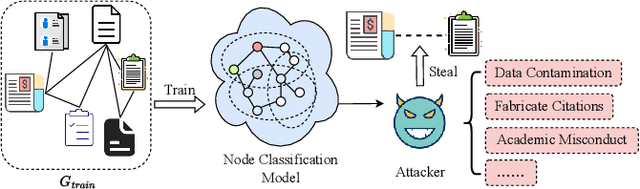
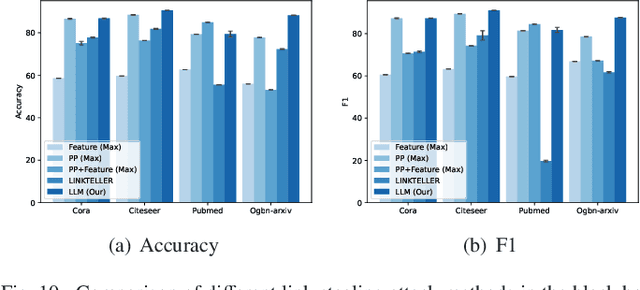
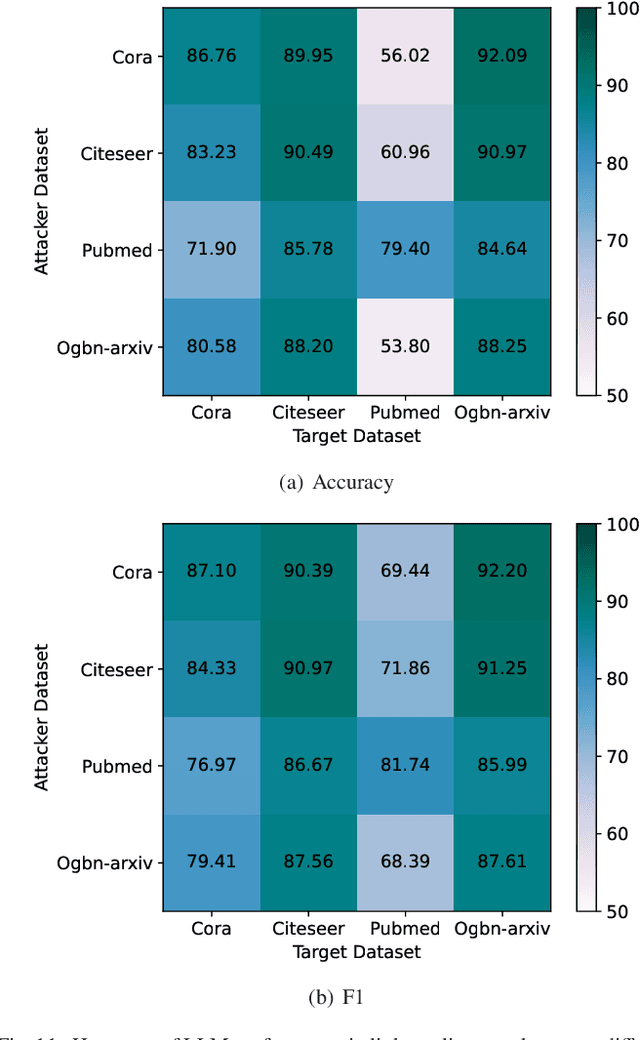
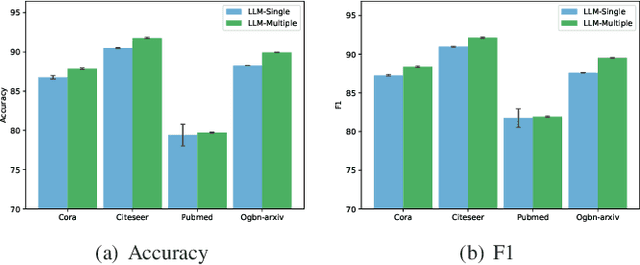
Graph data contains rich node features and unique edge information, which have been applied across various domains, such as citation networks or recommendation systems. Graph Neural Networks (GNNs) are specialized for handling such data and have shown impressive performance in many applications. However, GNNs may contain of sensitive information and susceptible to privacy attacks. For example, link stealing is a type of attack in which attackers infer whether two nodes are linked or not. Previous link stealing attacks primarily relied on posterior probabilities from the target GNN model, neglecting the significance of node features. Additionally, variations in node classes across different datasets lead to different dimensions of posterior probabilities. The handling of these varying data dimensions posed a challenge in using a single model to effectively conduct link stealing attacks on different datasets. To address these challenges, we introduce Large Language Models (LLMs) to perform link stealing attacks on GNNs. LLMs can effectively integrate textual features and exhibit strong generalizability, enabling attacks to handle diverse data dimensions across various datasets. We design two distinct LLM prompts to effectively combine textual features and posterior probabilities of graph nodes. Through these designed prompts, we fine-tune the LLM to adapt to the link stealing attack task. Furthermore, we fine-tune the LLM using multiple datasets and enable the LLM to learn features from different datasets simultaneously. Experimental results show that our approach significantly enhances the performance of existing link stealing attack tasks in both white-box and black-box scenarios. Our method can execute link stealing attacks across different datasets using only a single model, making link stealing attacks more applicable to real-world scenarios.

Taxonomy-Guided Zero-Shot Recommendations with LLMs
Jun 20, 2024With the emergence of large language models (LLMs) and their ability to perform a variety of tasks, their application in recommender systems (RecSys) has shown promise. However, we are facing significant challenges when deploying LLMs into RecSys, such as limited prompt length, unstructured item information, and un-constrained generation of recommendations, leading to sub-optimal performance. To address these issues, we propose a novel method using a taxonomy dictionary. This method provides a systematic framework for categorizing and organizing items, improving the clarity and structure of item information. By incorporating the taxonomy dictionary into LLM prompts, we achieve efficient token utilization and controlled feature generation, leading to more accurate and contextually relevant recommendations. Our Taxonomy-guided Recommendation (TaxRec) approach features a two-step process: one-time taxonomy categorization and LLM-based recommendation, enabling zero-shot recommendations without the need for domain-specific fine-tuning. Experimental results demonstrate TaxRec significantly enhances recommendation quality compared to traditional zero-shot approaches, showcasing its efficacy as personal recommender with LLMs. Code is available at https://github.com/yueqingliang1/TaxRec.
Update Selective Parameters: Federated Machine Unlearning Based on Model Explanation
Jun 18, 2024Federated learning is a promising privacy-preserving paradigm for distributed machine learning. In this context, there is sometimes a need for a specialized process called machine unlearning, which is required when the effect of some specific training samples needs to be removed from a learning model due to privacy, security, usability, and/or legislative factors. However, problems arise when current centralized unlearning methods are applied to existing federated learning, in which the server aims to remove all information about a class from the global model. Centralized unlearning usually focuses on simple models or is premised on the ability to access all training data at a central node. However, training data cannot be accessed on the server under the federated learning paradigm, conflicting with the requirements of the centralized unlearning process. Additionally, there are high computation and communication costs associated with accessing clients' data, especially in scenarios involving numerous clients or complex global models. To address these concerns, we propose a more effective and efficient federated unlearning scheme based on the concept of model explanation. Model explanation involves understanding deep networks and individual channel importance, so that this understanding can be used to determine which model channels are critical for classes that need to be unlearned. We select the most influential channels within an already-trained model for the data that need to be unlearned and fine-tune only influential channels to remove the contribution made by those data. In this way, we can simultaneously avoid huge consumption costs and ensure that the unlearned model maintains good performance. Experiments with different training models on various datasets demonstrate the effectiveness of the proposed approach.
A Systematic Survey of Text Summarization: From Statistical Methods to Large Language Models
Jun 17, 2024
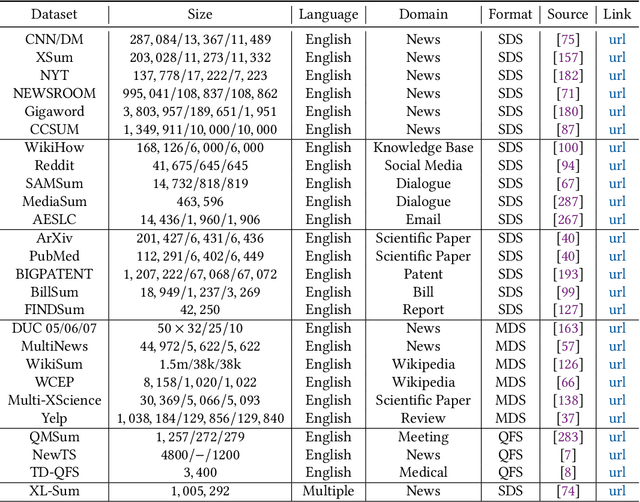

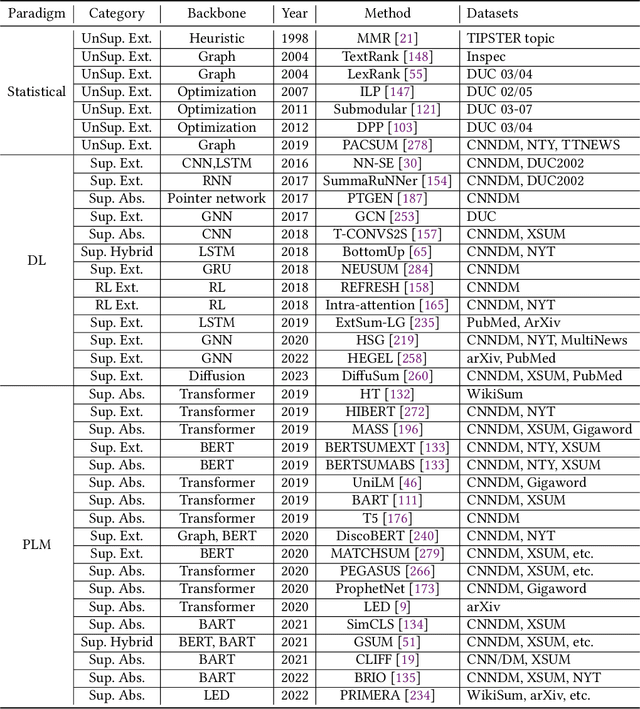
Text summarization research has undergone several significant transformations with the advent of deep neural networks, pre-trained language models (PLMs), and recent large language models (LLMs). This survey thus provides a comprehensive review of the research progress and evolution in text summarization through the lens of these paradigm shifts. It is organized into two main parts: (1) a detailed overview of datasets, evaluation metrics, and summarization methods before the LLM era, encompassing traditional statistical methods, deep learning approaches, and PLM fine-tuning techniques, and (2) the first detailed examination of recent advancements in benchmarking, modeling, and evaluating summarization in the LLM era. By synthesizing existing literature and presenting a cohesive overview, this survey also discusses research trends, open challenges, and proposes promising research directions in summarization, aiming to guide researchers through the evolving landscape of summarization research.
Linkage on Security, Privacy and Fairness in Federated Learning: New Balances and New Perspectives
Jun 16, 2024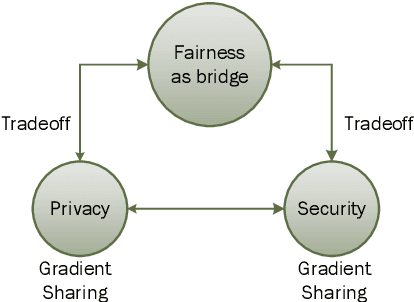
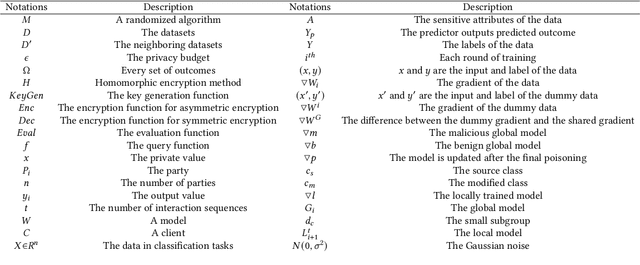
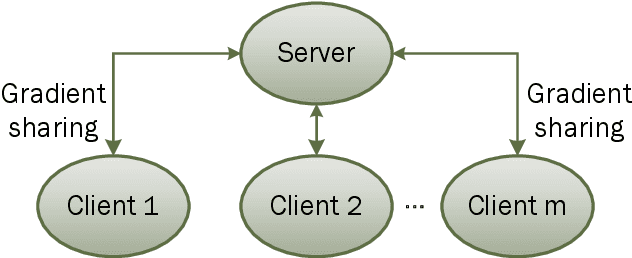
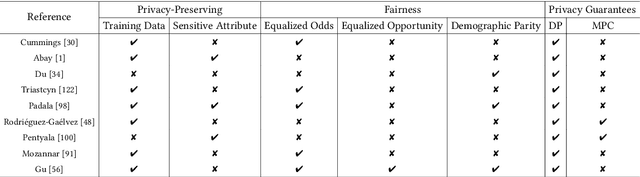
Federated learning is fast becoming a popular paradigm for applications involving mobile devices, banking systems, healthcare, and IoT systems. Hence, over the past five years, researchers have undertaken extensive studies on the privacy leaks, security threats, and fairness associated with these emerging models. For the most part, these three critical concepts have been studied in isolation; however, recent research has revealed that there may be an intricate interplay between them. For instance, some researchers have discovered that pursuing fairness may compromise privacy, or that efforts to enhance security can impact fairness. These emerging insights shed light on the fundamental connections between privacy, security, and fairness within federated learning, and, by delving deeper into these interconnections, we may be able to significantly augment research and development across the field. Consequently, the aim of this survey is to offer comprehensive descriptions of the privacy, security, and fairness issues in federated learning. Moreover, we analyze the complex relationships between these three dimensions of cyber safety and pinpoint the fundamental elements that influence each of them. We contend that there exists a trade-off between privacy and fairness and between security and gradient sharing. On this basis, fairness can function as a bridge between privacy and security to build models that are either more secure or more private. Building upon our observations, we identify the trade-offs between privacy and fairness and between security and fairness within the context of federated learning. The survey then concludes with promising directions for future research in this vanguard field.
Knowledge Distillation in Federated Learning: a Survey on Long Lasting Challenges and New Solutions
Jun 16, 2024


Federated Learning (FL) is a distributed and privacy-preserving machine learning paradigm that coordinates multiple clients to train a model while keeping the raw data localized. However, this traditional FL poses some challenges, including privacy risks, data heterogeneity, communication bottlenecks, and system heterogeneity issues. To tackle these challenges, knowledge distillation (KD) has been widely applied in FL since 2020. KD is a validated and efficacious model compression and enhancement algorithm. The core concept of KD involves facilitating knowledge transfer between models by exchanging logits at intermediate or output layers. These properties make KD an excellent solution for the long-lasting challenges in FL. Up to now, there have been few reviews that summarize and analyze the current trend and methods for how KD can be applied in FL efficiently. This article aims to provide a comprehensive survey of KD-based FL, focusing on addressing the above challenges. First, we provide an overview of KD-based FL, including its motivation, basics, taxonomy, and a comparison with traditional FL and where KD should execute. We also analyze the critical factors in KD-based FL in the appendix, including teachers, knowledge, data, and methods. We discuss how KD can address the challenges in FL, including privacy protection, data heterogeneity, communication efficiency, and personalization. Finally, we discuss the challenges facing KD-based FL algorithms and future research directions. We hope this survey can provide insights and guidance for researchers and practitioners in the FL area.
IGL-Bench: Establishing the Comprehensive Benchmark for Imbalanced Graph Learning
Jun 14, 2024Deep graph learning has gained grand popularity over the past years due to its versatility and success in representing graph data across a wide range of domains. However, the pervasive issue of imbalanced graph data distributions, where certain parts exhibit disproportionally abundant data while others remain sparse, undermines the efficacy of conventional graph learning algorithms, leading to biased outcomes. To address this challenge, Imbalanced Graph Learning (IGL) has garnered substantial attention, enabling more balanced data distributions and better task performance. Despite the proliferation of IGL algorithms, the absence of consistent experimental protocols and fair performance comparisons pose a significant barrier to comprehending advancements in this field. To bridge this gap, we introduce IGL-Bench, a foundational comprehensive benchmark for imbalanced graph learning, embarking on 16 diverse graph datasets and 24 distinct IGL algorithms with uniform data processing and splitting strategies. Specifically, IGL-Bench systematically investigates state-of-the-art IGL algorithms in terms of effectiveness, robustness, and efficiency on node-level and graph-level tasks, with the scope of class-imbalance and topology-imbalance. Extensive experiments demonstrate the potential benefits of IGL algorithms on various imbalanced conditions, offering insights and opportunities in the IGL field. Further, we have developed an open-sourced and unified package to facilitate reproducible evaluation and inspire further innovative research, which is available at https://github.com/RingBDStack/IGL-Bench.
PeFAD: A Parameter-Efficient Federated Framework for Time Series Anomaly Detection
Jun 04, 2024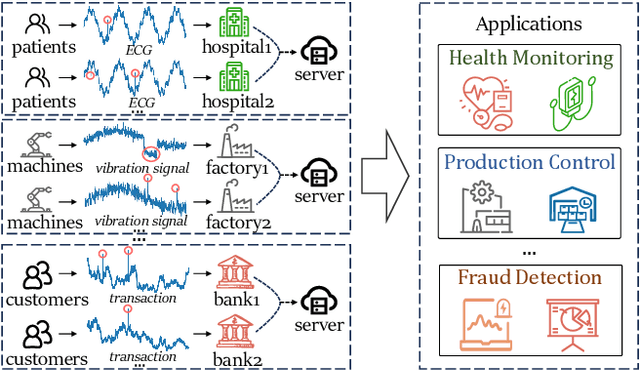
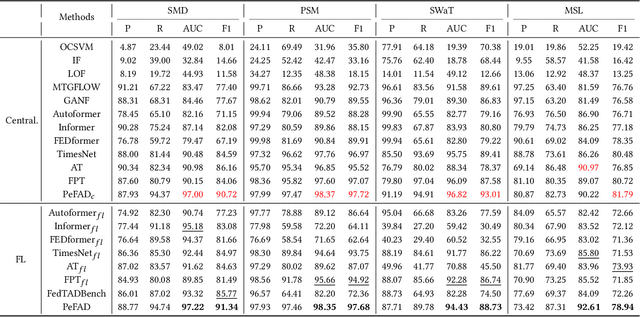
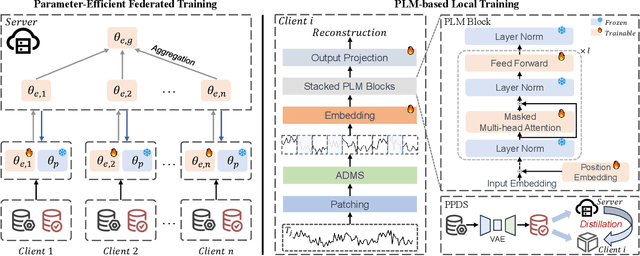
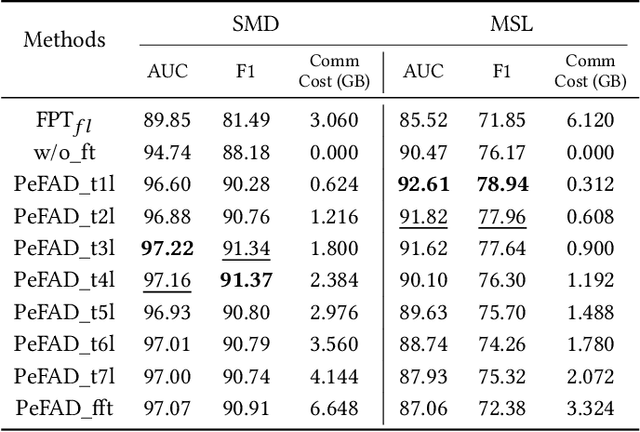
With the proliferation of mobile sensing techniques, huge amounts of time series data are generated and accumulated in various domains, fueling plenty of real-world applications. In this setting, time series anomaly detection is practically important. It endeavors to identify deviant samples from the normal sample distribution in time series. Existing approaches generally assume that all the time series is available at a central location. However, we are witnessing the decentralized collection of time series due to the deployment of various edge devices. To bridge the gap between the decentralized time series data and the centralized anomaly detection algorithms, we propose a Parameter-efficient Federated Anomaly Detection framework named PeFAD with the increasing privacy concerns. PeFAD for the first time employs the pre-trained language model (PLM) as the body of the client's local model, which can benefit from its cross-modality knowledge transfer capability. To reduce the communication overhead and local model adaptation cost, we propose a parameter-efficient federated training module such that clients only need to fine-tune small-scale parameters and transmit them to the server for update. PeFAD utilizes a novel anomaly-driven mask selection strategy to mitigate the impact of neglected anomalies during training. A knowledge distillation operation on a synthetic privacy-preserving dataset that is shared by all the clients is also proposed to address the data heterogeneity issue across clients. We conduct extensive evaluations on four real datasets, where PeFAD outperforms existing state-of-the-art baselines by up to 28.74\%.
Enhancing Fairness in Unsupervised Graph Anomaly Detection through Disentanglement
Jun 03, 2024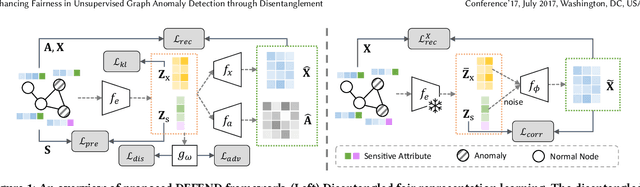


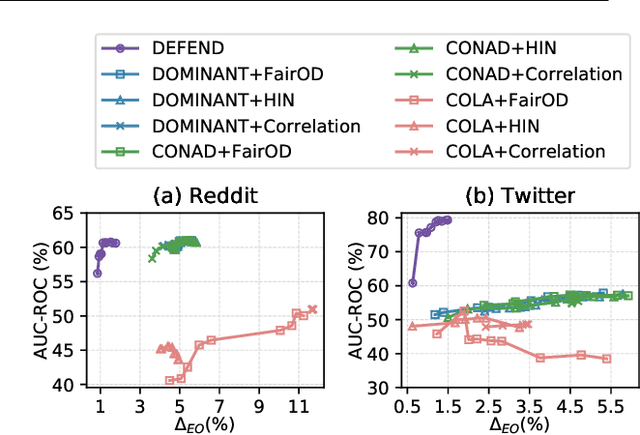
Graph anomaly detection (GAD) is increasingly crucial in various applications, ranging from financial fraud detection to fake news detection. However, current GAD methods largely overlook the fairness problem, which might result in discriminatory decisions skewed toward certain demographic groups defined on sensitive attributes (e.g., gender, religion, ethnicity, etc.). This greatly limits the applicability of these methods in real-world scenarios in light of societal and ethical restrictions. To address this critical gap, we make the first attempt to integrate fairness with utility in GAD decision-making. Specifically, we devise a novel DisEntangle-based FairnEss-aware aNomaly Detection framework on the attributed graph, named DEFEND. DEFEND first introduces disentanglement in GNNs to capture informative yet sensitive-irrelevant node representations, effectively reducing societal bias inherent in graph representation learning. Besides, to alleviate discriminatory bias in evaluating anomalous nodes, DEFEND adopts a reconstruction-based anomaly detection, which concentrates solely on node attributes without incorporating any graph structure. Additionally, given the inherent association between input and sensitive attributes, DEFEND constrains the correlation between the reconstruction error and the predicted sensitive attributes. Our empirical evaluations on real-world datasets reveal that DEFEND performs effectively in GAD and significantly enhances fairness compared to state-of-the-art baselines. To foster reproducibility, our code is available at https://github.com/AhaChang/DEFEND.
Graph Neural Networks for Brain Graph Learning: A Survey
Jun 01, 2024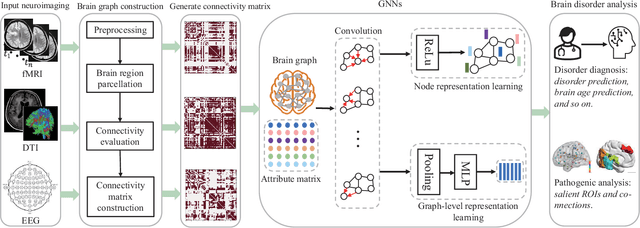

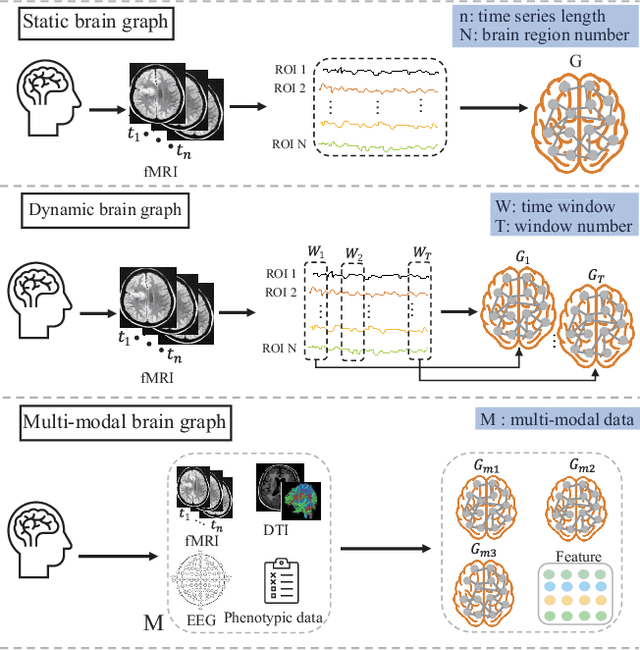

Exploring the complex structure of the human brain is crucial for understanding its functionality and diagnosing brain disorders. Thanks to advancements in neuroimaging technology, a novel approach has emerged that involves modeling the human brain as a graph-structured pattern, with different brain regions represented as nodes and the functional relationships among these regions as edges. Moreover, graph neural networks (GNNs) have demonstrated a significant advantage in mining graph-structured data. Developing GNNs to learn brain graph representations for brain disorder analysis has recently gained increasing attention. However, there is a lack of systematic survey work summarizing current research methods in this domain. In this paper, we aim to bridge this gap by reviewing brain graph learning works that utilize GNNs. We first introduce the process of brain graph modeling based on common neuroimaging data. Subsequently, we systematically categorize current works based on the type of brain graph generated and the targeted research problems. To make this research accessible to a broader range of interested researchers, we provide an overview of representative methods and commonly used datasets, along with their implementation sources. Finally, we present our insights on future research directions. The repository of this survey is available at \url{https://github.com/XuexiongLuoMQ/Awesome-Brain-Graph-Learning-with-GNNs}.