 Add to Chrome
 Add to Firefox
 Add to Edge
3D Point Cloud Classification Linear
Papers and Code
GeoDiff-SAR: A Geometric Prior Guided Diffusion Model for SAR Image Generation
Jan 07, 2026
Synthetic Aperture Radar (SAR) imaging results are highly sensitive to observation geometries and the geometric parameters of targets. However, existing generative methods primarily operate within the image domain, neglecting explicit geometric information. This limitation often leads to unsatisfactory generation quality and the inability to precisely control critical parameters such as azimuth angles. To address these challenges, we propose GeoDiff-SAR, a geometric prior guided diffusion model for high-fidelity SAR image generation. Specifically, GeoDiff-SAR first efficiently simulates the geometric structures and scattering relationships inherent in real SAR imaging by calculating SAR point clouds at specific azimuths, which serves as a robust physical guidance. Secondly, to effectively fuse multi-modal information, we employ a feature fusion gating network based on Feature-wise Linear Modulation (FiLM) to dynamically regulate the weight distribution of 3D physical information, image control parameters, and textual description parameters. Thirdly, we utilize the Low-Rank Adaptation (LoRA) architecture to perform lightweight fine-tuning on the advanced Stable Diffusion 3.5 (SD3.5) model, enabling it to rapidly adapt to the distribution characteristics of the SAR domain. To validate the effectiveness of GeoDiff-SAR, extensive comparative experiments were conducted on real-world SAR datasets. The results demonstrate that data generated by GeoDiff-SAR exhibits high fidelity and effectively enhances the accuracy of downstream classification tasks. In particular, it significantly improves recognition performance across different azimuth angles, thereby underscoring the superiority of physics-guided generation.

PointLAMA: Latent Attention meets Mamba for Efficient Point Cloud Pretraining
Jul 23, 2025Mamba has recently gained widespread attention as a backbone model for point cloud modeling, leveraging a state-space architecture that enables efficient global sequence modeling with linear complexity. However, its lack of local inductive bias limits its capacity to capture fine-grained geometric structures in 3D data. To address this limitation, we propose \textbf{PointLAMA}, a point cloud pretraining framework that combines task-aware point cloud serialization, a hybrid encoder with integrated Latent Attention and Mamba blocks, and a conditional diffusion mechanism built upon the Mamba backbone. Specifically, the task-aware point cloud serialization employs Hilbert/Trans-Hilbert space-filling curves and axis-wise sorting to structurally align point tokens for classification and segmentation tasks, respectively. Our lightweight Latent Attention block features a Point-wise Multi-head Latent Attention (PMLA) module, which is specifically designed to align with the Mamba architecture by leveraging the shared latent space characteristics of PMLA and Mamba. This enables enhanced local context modeling while preserving overall efficiency. To further enhance representation learning, we incorporate a conditional diffusion mechanism during pretraining, which denoises perturbed feature sequences without relying on explicit point-wise reconstruction. Experimental results demonstrate that PointLAMA achieves competitive performance on multiple benchmark datasets with minimal parameter count and FLOPs, validating its effectiveness for efficient point cloud pretraining.
Introducing the Short-Time Fourier Kolmogorov Arnold Network: A Dynamic Graph CNN Approach for Tree Species Classification in 3D Point Clouds
Apr 01, 2025Accurate classification of tree species based on Terrestrial Laser Scanning (TLS) and Airborne Laser Scanning (ALS) is essential for biodiversity conservation. While advanced deep learning models for 3D point cloud classification have demonstrated strong performance in this domain, their high complexity often hinders the development of efficient, low-computation architectures. In this paper, we introduce STFT-KAN, a novel Kolmogorov-Arnold network that integrates the Short-Time Fourier Transform (STFT), which can replace the standard linear layer with activation. We implemented STFT-KAN within a lightweight version of DGCNN, called liteDGCNN, to classify tree species using the TLS data. Our experiments show that STFT-KAN outperforms existing KAN variants by effectively balancing model complexity and performance with parameter count reduction, achieving competitive results compared to MLP-based models. Additionally, we evaluated a hybrid architecture that combines MLP in edge convolution with STFT-KAN in other layers, achieving comparable performance to MLP models while reducing the parameter count by 50% and 75% compared to other KAN-based variants. Furthermore, we compared our model to leading 3D point cloud learning approaches, demonstrating that STFT-KAN delivers competitive results compared to the state-of-the-art method PointMLP lite with an 87% reduction in parameter count.
Linearized Optimal Transport pyLOT Library: A Toolkit for Machine Learning on Point Clouds
Feb 05, 2025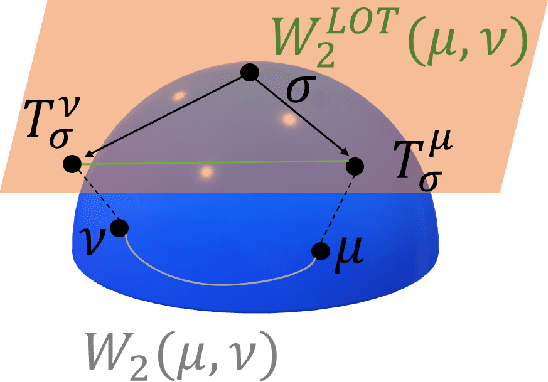
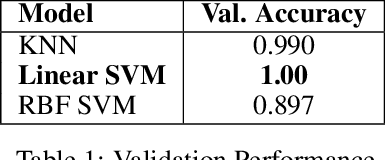
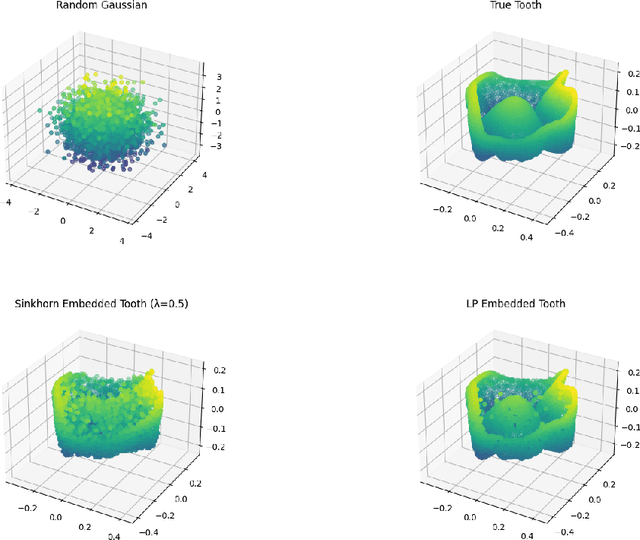

The pyLOT library offers a Python implementation of linearized optimal transport (LOT) techniques and methods to use in downstream tasks. The pipeline embeds probability distributions into a Hilbert space via the Optimal Transport maps from a fixed reference distribution, and this linearization allows downstream tasks to be completed using off the shelf (linear) machine learning algorithms. We provide a case study of performing ML on 3D scans of lemur teeth, where the original questions of classification, clustering, dimension reduction, and data generation reduce to simple linear operations performed on the LOT embedded representations.
PointABM:Integrating Bidirectional State Space Model with Multi-Head Self-Attention for Point Cloud Analysis
Jun 10, 2024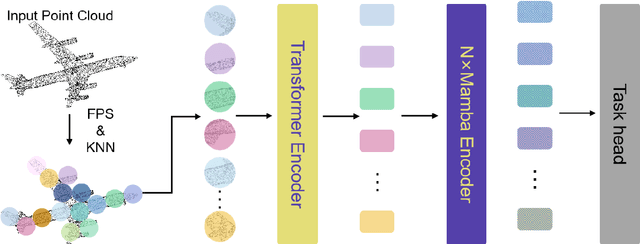
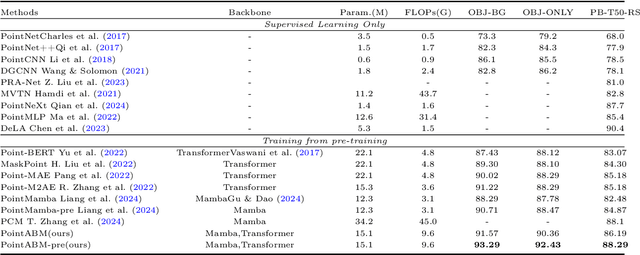
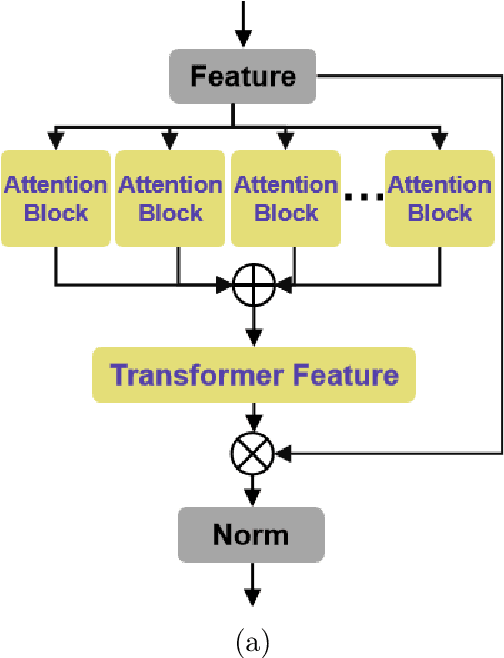
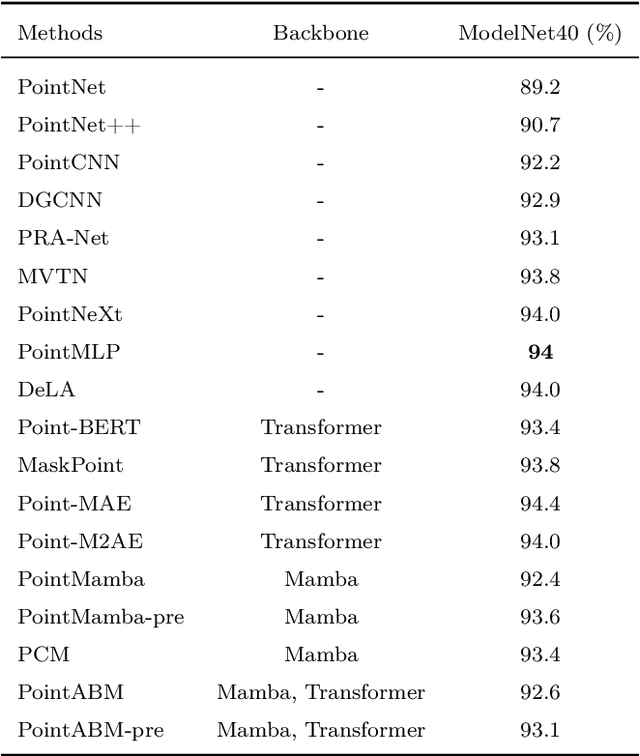
Mamba, based on state space model (SSM) with its linear complexity and great success in classification provide its superiority in 3D point cloud analysis. Prior to that, Transformer has emerged as one of the most prominent and successful architectures for point cloud analysis. We present PointABM, a hybrid model that integrates the Mamba and Transformer architectures for enhancing local feature to improve performance of 3D point cloud analysis. In order to enhance the extraction of global features, we introduce a bidirectional SSM (bi-SSM) framework, which comprises both a traditional token forward SSM and an innovative backward SSM. To enhance the bi-SSM's capability of capturing more comprehensive features without disrupting the sequence relationships required by the bidirectional Mamba, we introduce Transformer, utilizing its self-attention mechanism to process point clouds. Extensive experimental results demonstrate that integrating Mamba with Transformer significantly enhance the model's capability to analysis 3D point cloud.
PointDGMamba: Domain Generalization of Point Cloud Classification via Generalized State Space Model
Aug 24, 2024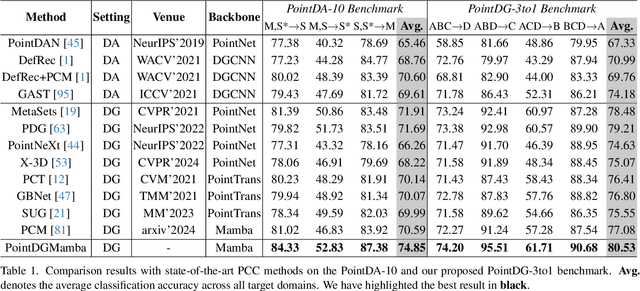
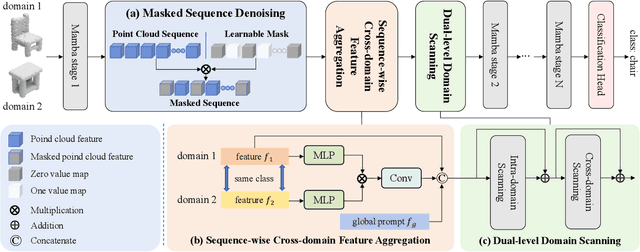
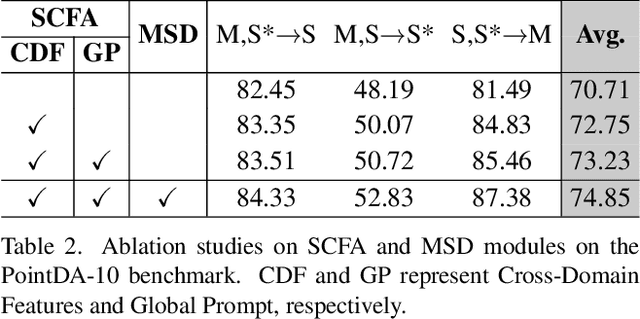
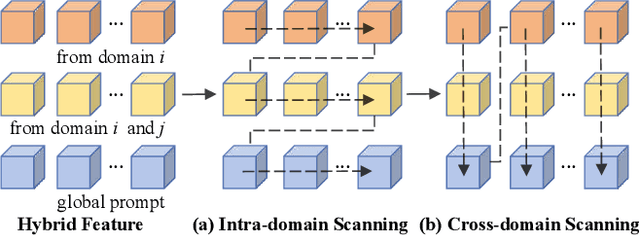
Domain Generalization (DG) has been recently explored to improve the generalizability of point cloud classification (PCC) models toward unseen domains. However, they often suffer from limited receptive fields or quadratic complexity due to the use of convolution neural networks or vision Transformers. In this paper, we present the first work that studies the generalizability of state space models (SSMs) in DG PCC and find that directly applying SSMs into DG PCC will encounter several challenges: the inherent topology of the point cloud tends to be disrupted and leads to noise accumulation during the serialization stage. Besides, the lack of designs in domain-agnostic feature learning and data scanning will introduce unanticipated domain-specific information into the 3D sequence data. To this end, we propose a novel framework, PointDGMamba, that excels in strong generalizability toward unseen domains and has the advantages of global receptive fields and efficient linear complexity. PointDGMamba consists of three innovative components: Masked Sequence Denoising (MSD), Sequence-wise Cross-domain Feature Aggregation (SCFA), and Dual-level Domain Scanning (DDS). In particular, MSD selectively masks out the noised point tokens of the point cloud sequences, SCFA introduces cross-domain but same-class point cloud features to encourage the model to learn how to extract more generalized features. DDS includes intra-domain scanning and cross-domain scanning to facilitate information exchange between features. In addition, we propose a new and more challenging benchmark PointDG-3to1 for multi-domain generalization. Extensive experiments demonstrate the effectiveness and state-of-the-art performance of our presented PointDGMamba.
PADRe: A Unifying Polynomial Attention Drop-in Replacement for Efficient Vision Transformer
Jul 16, 2024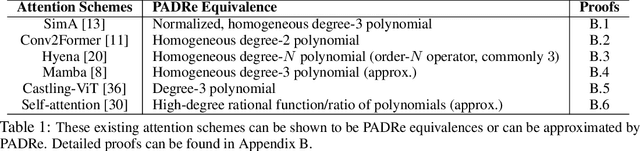
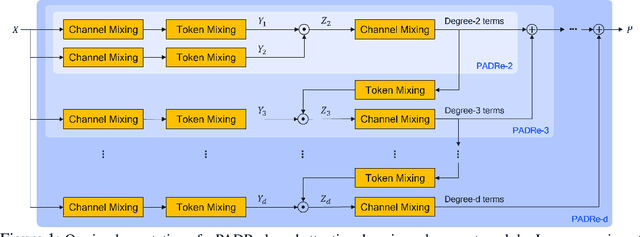
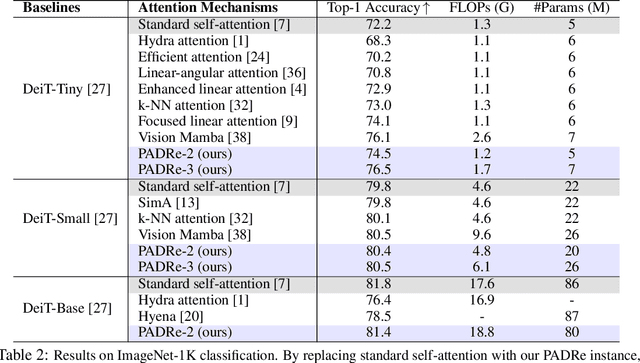
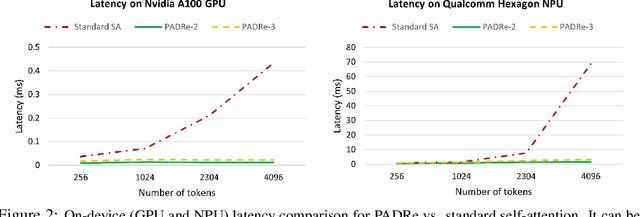
We present Polynomial Attention Drop-in Replacement (PADRe), a novel and unifying framework designed to replace the conventional self-attention mechanism in transformer models. Notably, several recent alternative attention mechanisms, including Hyena, Mamba, SimA, Conv2Former, and Castling-ViT, can be viewed as specific instances of our PADRe framework. PADRe leverages polynomial functions and draws upon established results from approximation theory, enhancing computational efficiency without compromising accuracy. PADRe's key components include multiplicative nonlinearities, which we implement using straightforward, hardware-friendly operations such as Hadamard products, incurring only linear computational and memory costs. PADRe further avoids the need for using complex functions such as Softmax, yet it maintains comparable or superior accuracy compared to traditional self-attention. We assess the effectiveness of PADRe as a drop-in replacement for self-attention across diverse computer vision tasks. These tasks include image classification, image-based 2D object detection, and 3D point cloud object detection. Empirical results demonstrate that PADRe runs significantly faster than the conventional self-attention (11x ~ 43x faster on server GPU and mobile NPU) while maintaining similar accuracy when substituting self-attention in the transformer models.
PointMT: Efficient Point Cloud Analysis with Hybrid MLP-Transformer Architecture
Aug 10, 2024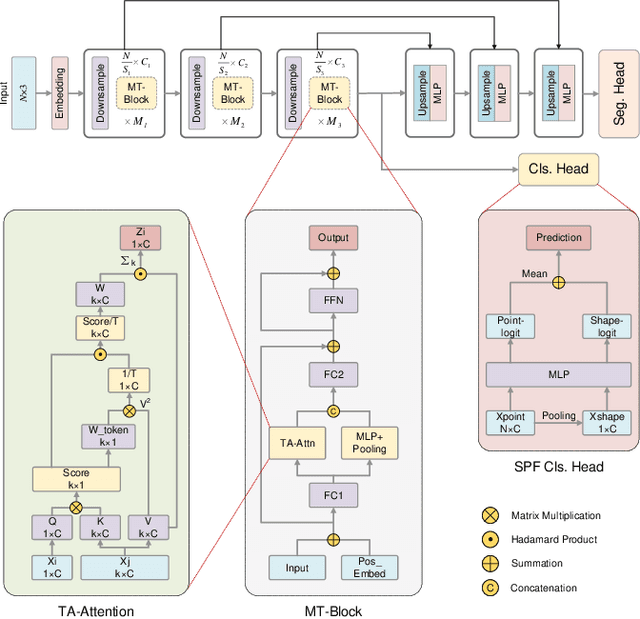
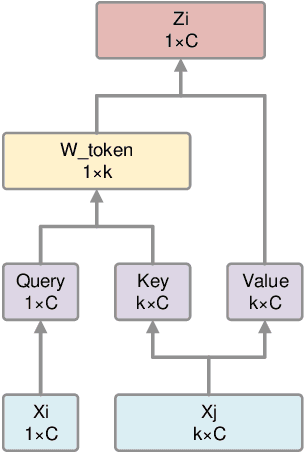
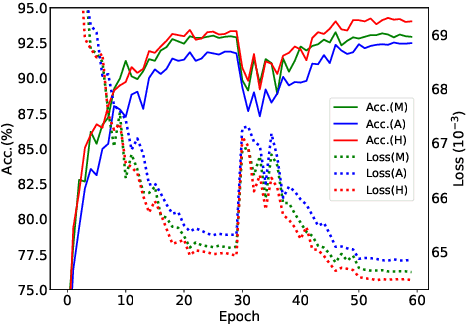
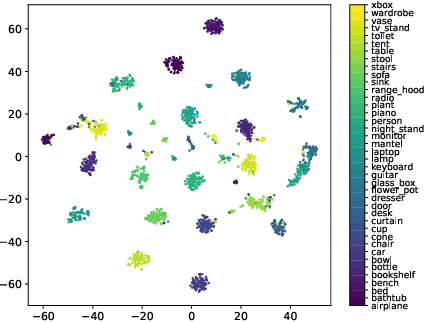
In recent years, point cloud analysis methods based on the Transformer architecture have made significant progress, particularly in the context of multimedia applications such as 3D modeling, virtual reality, and autonomous systems. However, the high computational resource demands of the Transformer architecture hinder its scalability, real-time processing capabilities, and deployment on mobile devices and other platforms with limited computational resources. This limitation remains a significant obstacle to its practical application in scenarios requiring on-device intelligence and multimedia processing. To address this challenge, we propose an efficient point cloud analysis architecture, \textbf{Point} \textbf{M}LP-\textbf{T}ransformer (PointMT). This study tackles the quadratic complexity of the self-attention mechanism by introducing a linear complexity local attention mechanism for effective feature aggregation. Additionally, to counter the Transformer's focus on token differences while neglecting channel differences, we introduce a parameter-free channel temperature adaptation mechanism that adaptively adjusts the attention weight distribution in each channel, enhancing the precision of feature aggregation. To improve the Transformer's slow convergence speed due to the limited scale of point cloud datasets, we propose an MLP-Transformer hybrid module, which significantly enhances the model's convergence speed. Furthermore, to boost the feature representation capability of point tokens, we refine the classification head, enabling point tokens to directly participate in prediction. Experimental results on multiple evaluation benchmarks demonstrate that PointMT achieves performance comparable to state-of-the-art methods while maintaining an optimal balance between performance and accuracy.
TripletMix: Triplet Data Augmentation for 3D Understanding
May 28, 2024Data augmentation has proven to be a vital tool for enhancing the generalization capabilities of deep learning models, especially in the context of 3D vision where traditional datasets are often limited. Despite previous advancements, existing methods primarily cater to unimodal data scenarios, leaving a gap in the augmentation of multimodal triplet data, which integrates text, images, and point clouds. Simultaneously augmenting all three modalities enhances diversity and improves alignment across modalities, resulting in more comprehensive and robust 3D representations. To address this gap, we propose TripletMix, a novel approach to address the previously unexplored issue of multimodal data augmentation in 3D understanding. TripletMix innovatively applies the principles of mixed-based augmentation to multimodal triplet data, allowing for the preservation and optimization of cross-modal connections. Our proposed TripletMix combines feature-level and input-level augmentations to achieve dual enhancement between raw data and latent features, significantly improving the model's cross-modal understanding and generalization capabilities by ensuring feature consistency and providing diverse and realistic training samples. We demonstrate that TripletMix not only improves the baseline performance of models in various learning scenarios including zero-shot and linear probing classification but also significantly enhances model generalizability. Notably, we improved the zero-shot classification accuracy on ScanObjectNN from 51.3 percent to 61.9 percent, and on Objaverse-LVIS from 46.8 percent to 51.4 percent. Our findings highlight the potential of multimodal data augmentation to significantly advance 3D object recognition and understanding.
Mamba3D: Enhancing Local Features for 3D Point Cloud Analysis via State Space Model
Apr 23, 2024


Existing Transformer-based models for point cloud analysis suffer from quadratic complexity, leading to compromised point cloud resolution and information loss. In contrast, the newly proposed Mamba model, based on state space models (SSM), outperforms Transformer in multiple areas with only linear complexity. However, the straightforward adoption of Mamba does not achieve satisfactory performance on point cloud tasks. In this work, we present Mamba3D, a state space model tailored for point cloud learning to enhance local feature extraction, achieving superior performance, high efficiency, and scalability potential. Specifically, we propose a simple yet effective Local Norm Pooling (LNP) block to extract local geometric features. Additionally, to obtain better global features, we introduce a bidirectional SSM (bi-SSM) with both a token forward SSM and a novel backward SSM that operates on the feature channel. Extensive experimental results show that Mamba3D surpasses Transformer-based counterparts and concurrent works in multiple tasks, with or without pre-training. Notably, Mamba3D achieves multiple SoTA, including an overall accuracy of 92.6% (train from scratch) on the ScanObjectNN and 95.1% (with single-modal pre-training) on the ModelNet40 classification task, with only linear complexity.