 Add to Chrome
 Add to Firefox
 Add to Edge
Patch-Wise Hypergraph Contrastive Learning with Dual Normal Distribution Weighting for Multi-Domain Stain Transfer
Mar 12, 2025
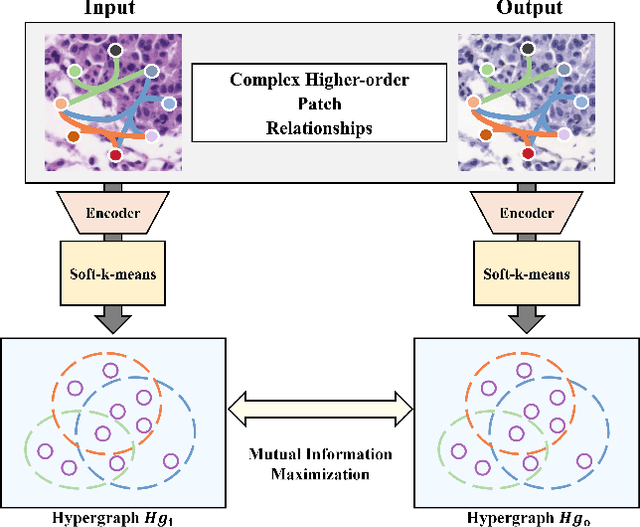
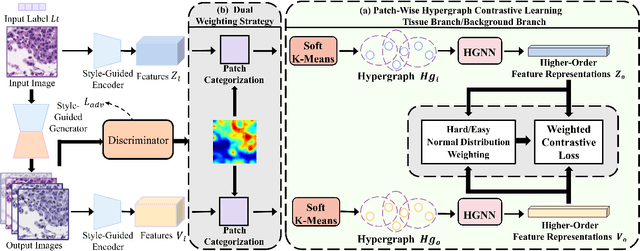
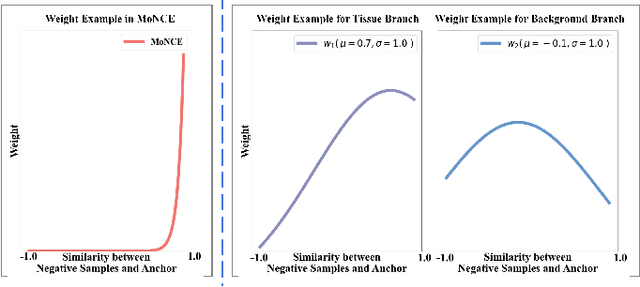
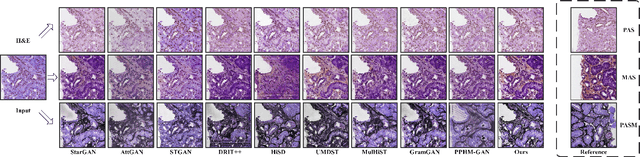
Virtual stain transfer leverages computer-assisted technology to transform the histochemical staining patterns of tissue samples into other staining types. However, existing methods often lose detailed pathological information due to the limitations of the cycle consistency assumption. To address this challenge, we propose STNHCL, a hypergraph-based patch-wise contrastive learning method. STNHCL captures higher-order relationships among patches through hypergraph modeling, ensuring consistent higher-order topology between input and output images. Additionally, we introduce a novel negative sample weighting strategy that leverages discriminator heatmaps to apply different weights based on the Gaussian distribution for tissue and background, thereby enhancing traditional weighting methods. Experiments demonstrate that STNHCL achieves state-of-the-art performance in the two main categories of stain transfer tasks. Furthermore, our model also performs excellently in downstream tasks. Code will be made available.

Novel Object 6D Pose Estimation with a Single Reference View
Mar 07, 2025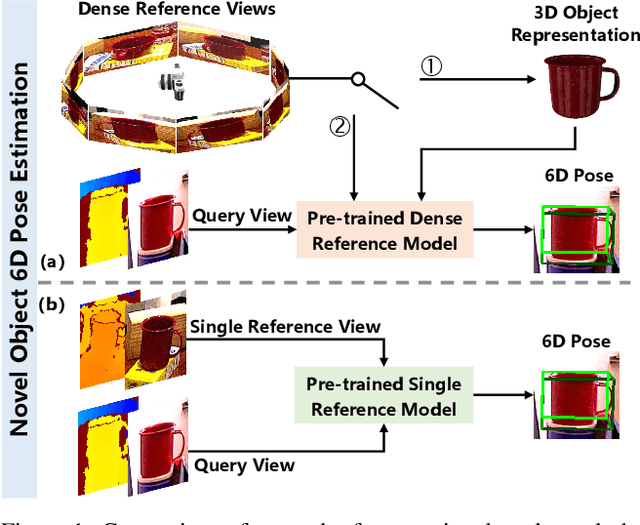
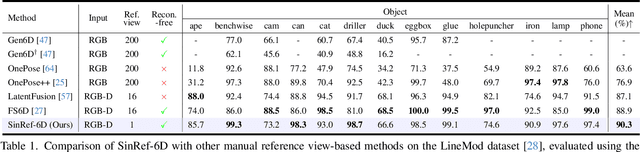
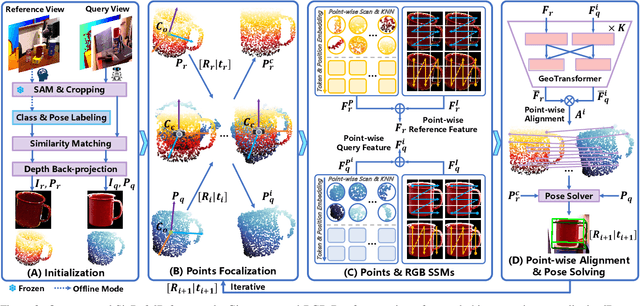
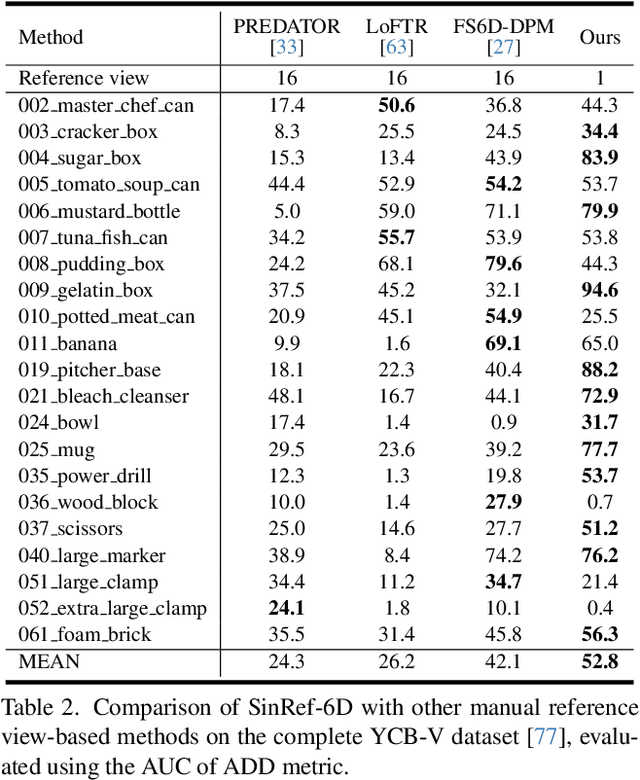
Existing novel object 6D pose estimation methods typically rely on CAD models or dense reference views, which are both difficult to acquire. Using only a single reference view is more scalable, but challenging due to large pose discrepancies and limited geometric and spatial information. To address these issues, we propose a Single-Reference-based novel object 6D (SinRef-6D) pose estimation method. Our key idea is to iteratively establish point-wise alignment in the camera coordinate system based on state space models (SSMs). Specifically, iterative camera-space point-wise alignment can effectively handle large pose discrepancies, while our proposed RGB and Points SSMs can capture long-range dependencies and spatial information from a single view, offering linear complexity and superior spatial modeling capability. Once pre-trained on synthetic data, SinRef-6D can estimate the 6D pose of a novel object using only a single reference view, without requiring retraining or a CAD model. Extensive experiments on six popular datasets and real-world robotic scenes demonstrate that we achieve on-par performance with CAD-based and dense reference view-based methods, despite operating in the more challenging single reference setting. Code will be released at https://github.com/CNJianLiu/SinRef-6D.
Every FLOP Counts: Scaling a 300B Mixture-of-Experts LING LLM without Premium GPUs
Mar 07, 2025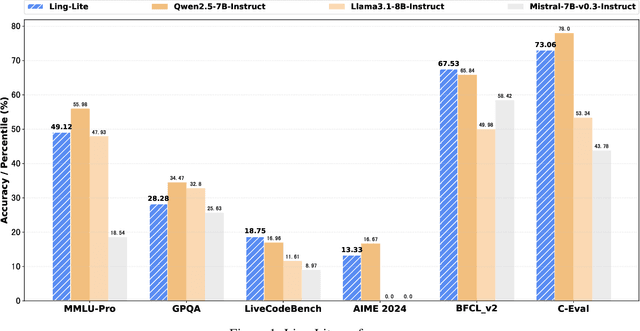
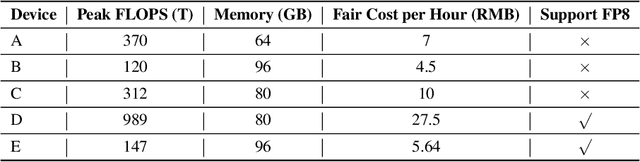
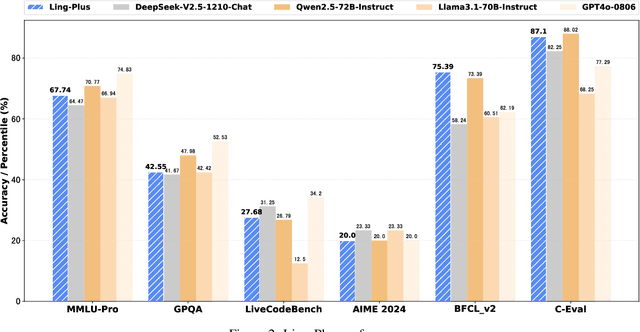
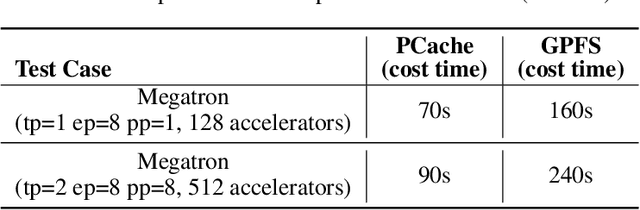
In this technical report, we tackle the challenges of training large-scale Mixture of Experts (MoE) models, focusing on overcoming cost inefficiency and resource limitations prevalent in such systems. To address these issues, we present two differently sized MoE large language models (LLMs), namely Ling-Lite and Ling-Plus (referred to as "Bailing" in Chinese, spelled B\v{a}il\'ing in Pinyin). Ling-Lite contains 16.8 billion parameters with 2.75 billion activated parameters, while Ling-Plus boasts 290 billion parameters with 28.8 billion activated parameters. Both models exhibit comparable performance to leading industry benchmarks. This report offers actionable insights to improve the efficiency and accessibility of AI development in resource-constrained settings, promoting more scalable and sustainable technologies. Specifically, to reduce training costs for large-scale MoE models, we propose innovative methods for (1) optimization of model architecture and training processes, (2) refinement of training anomaly handling, and (3) enhancement of model evaluation efficiency. Additionally, leveraging high-quality data generated from knowledge graphs, our models demonstrate superior capabilities in tool use compared to other models. Ultimately, our experimental findings demonstrate that a 300B MoE LLM can be effectively trained on lower-performance devices while achieving comparable performance to models of a similar scale, including dense and MoE models. Compared to high-performance devices, utilizing a lower-specification hardware system during the pre-training phase demonstrates significant cost savings, reducing computing costs by approximately 20%. The models can be accessed at https://huggingface.co/inclusionAI.
A Survey on Ordinal Regression: Applications, Advances and Prospects
Mar 02, 2025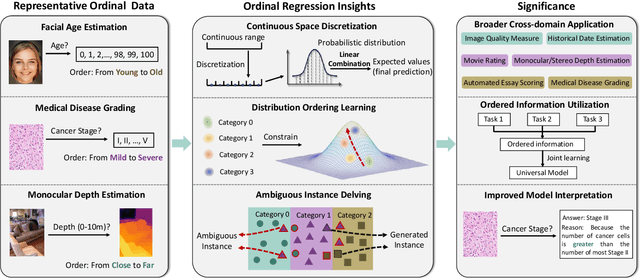
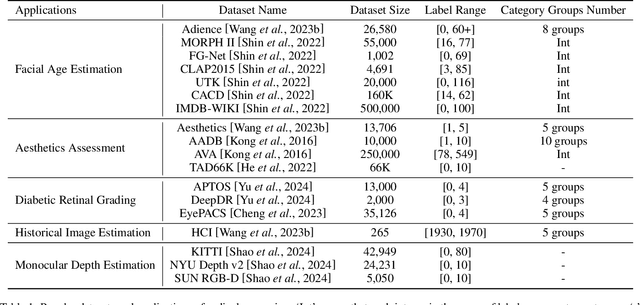
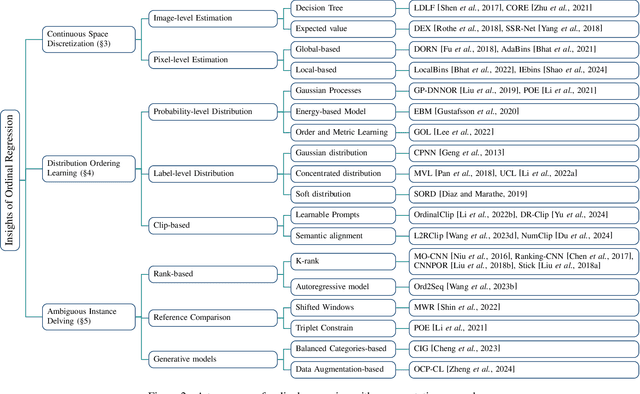
Ordinal regression refers to classifying object instances into ordinal categories. Ordinal regression is crucial for applications in various areas like facial age estimation, image aesthetics assessment, and even cancer staging, due to its capability to utilize ordered information effectively. More importantly, it also enhances model interpretation by considering category order, aiding the understanding of data trends and causal relationships. Despite significant recent progress, challenges remain, and further investigation of ordinal regression techniques and applications is essential to guide future research. In this survey, we present a comprehensive examination of advances and applications of ordinal regression. By introducing a systematic taxonomy, we meticulously classify the pertinent techniques and applications into three well-defined categories based on different strategies and objectives: Continuous Space Discretization, Distribution Ordering Learning, and Ambiguous Instance Delving. This categorization enables a structured exploration of diverse insights in ordinal regression problems, providing a framework for a more comprehensive understanding and evaluation of this field and its related applications. To our best knowledge, this is the first systematic survey of ordinal regression, which lays a foundation for future research in this fundamental and generic domain.
Towards Collaborative Anti-Money Laundering Among Financial Institutions
Feb 27, 2025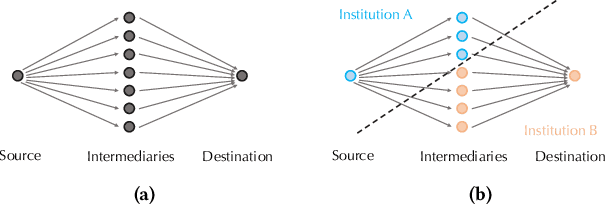
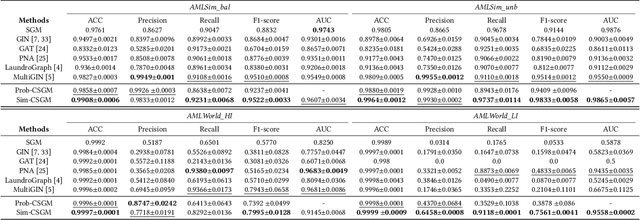
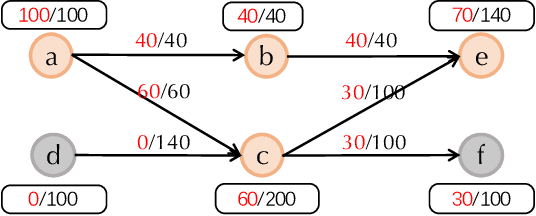
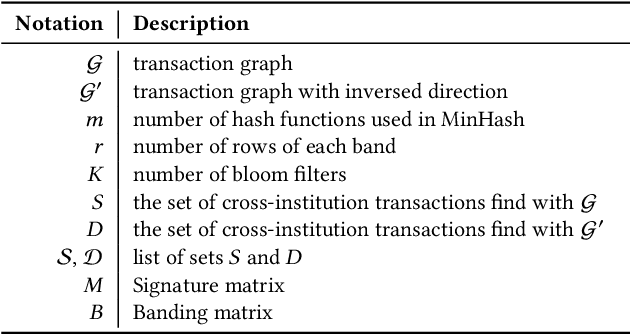
Money laundering is the process that intends to legalize the income derived from illicit activities, thus facilitating their entry into the monetary flow of the economy without jeopardizing their source. It is crucial to identify such activities accurately and reliably in order to enforce anti-money laundering (AML). Despite considerable efforts to AML, a large number of such activities still go undetected. Rule-based methods were first introduced and are still widely used in current detection systems. With the rise of machine learning, graph-based learning methods have gained prominence in detecting illicit accounts through the analysis of money transfer graphs. Nevertheless, these methods generally assume that the transaction graph is centralized, whereas in practice, money laundering activities usually span multiple financial institutions. Due to regulatory, legal, commercial, and customer privacy concerns, institutions tend not to share data, restricting their utility in practical usage. In this paper, we propose the first algorithm that supports performing AML over multiple institutions while protecting the security and privacy of local data. To evaluate, we construct Alipay-ECB, a real-world dataset comprising digital transactions from Alipay, the world's largest mobile payment platform, alongside transactions from E-Commerce Bank (ECB). The dataset includes over 200 million accounts and 300 million transactions, covering both intra-institution transactions and those between Alipay and ECB. This makes it the largest real-world transaction graph available for analysis. The experimental results demonstrate that our methods can effectively identify cross-institution money laundering subgroups. Additionally, experiments on synthetic datasets also demonstrate that our method is efficient, requiring only a few minutes on datasets with millions of transactions.
Mixture of Attention Yields Accurate Results for Tabular Data
Feb 18, 2025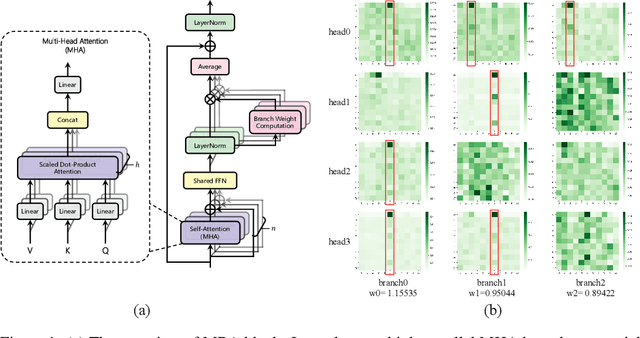
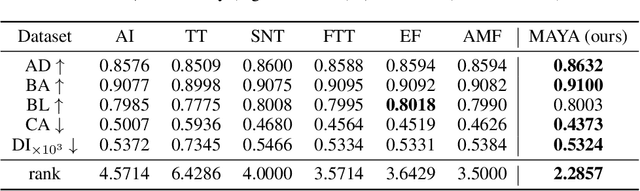
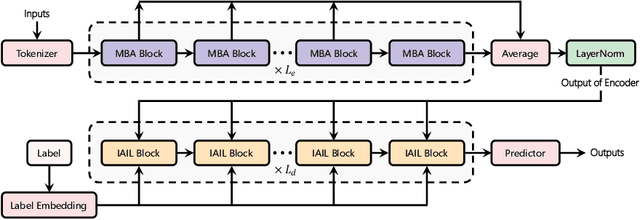
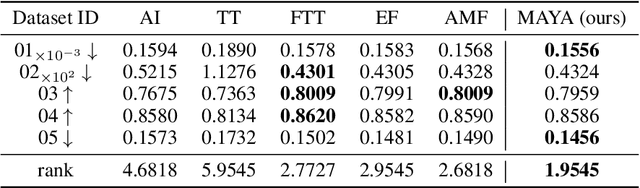
Tabular data inherently exhibits significant feature heterogeneity, but existing transformer-based methods lack specialized mechanisms to handle this property. To bridge the gap, we propose MAYA, an encoder-decoder transformer-based framework. In the encoder, we design a Mixture of Attention (MOA) that constructs multiple parallel attention branches and averages the features at each branch, effectively fusing heterogeneous features while limiting parameter growth. Additionally, we employ collaborative learning with a dynamic consistency weight constraint to produce more robust representations. In the decoder stage, cross-attention is utilized to seamlessly integrate tabular data with corresponding label features. This dual-attention mechanism effectively captures both intra-instance and inter-instance interactions. We evaluate the proposed method on a wide range of datasets and compare it with other state-of-the-art transformer-based methods. Extensive experiments demonstrate that our model achieves superior performance among transformer-based methods in both tabular classification and regression tasks.
Bridging the Data Gap in AI Reliability Research and Establishing DR-AIR, a Comprehensive Data Repository for AI Reliability
Feb 17, 2025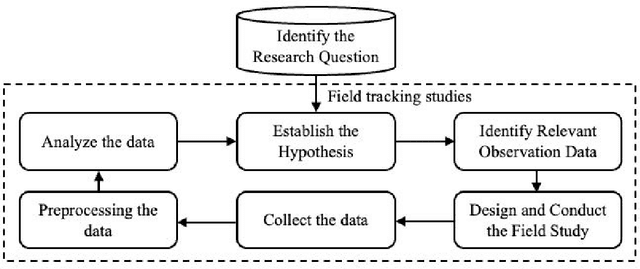
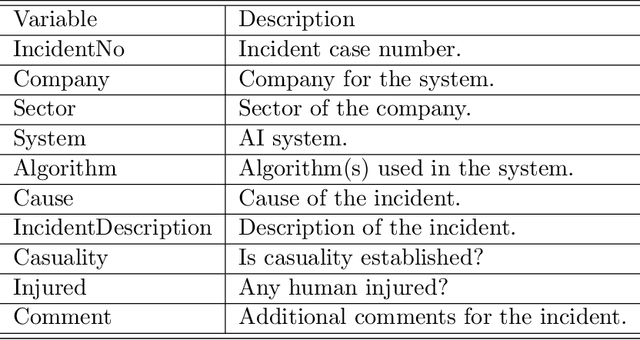
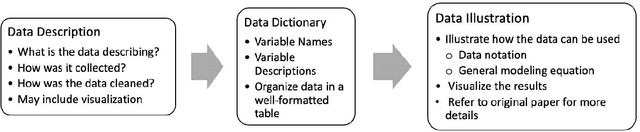
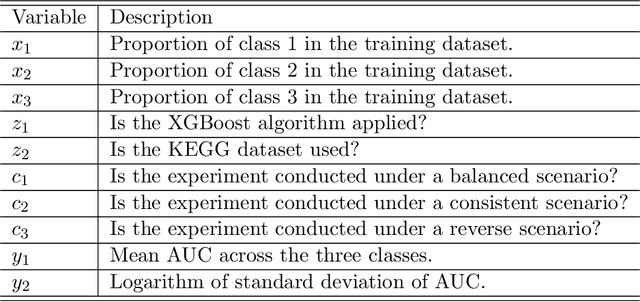
Artificial intelligence (AI) technology and systems have been advancing rapidly. However, ensuring the reliability of these systems is crucial for fostering public confidence in their use. This necessitates the modeling and analysis of reliability data specific to AI systems. A major challenge in AI reliability research, particularly for those in academia, is the lack of readily available AI reliability data. To address this gap, this paper focuses on conducting a comprehensive review of available AI reliability data and establishing DR-AIR: a data repository for AI reliability. Specifically, we introduce key measurements and data types for assessing AI reliability, along with the methodologies used to collect these data. We also provide a detailed description of the currently available datasets with illustrative examples. Furthermore, we outline the setup of the DR-AIR repository and demonstrate its practical applications. This repository provides easy access to datasets specifically curated for AI reliability research. We believe these efforts will significantly benefit the AI research community by facilitating access to valuable reliability data and promoting collaboration across various academic domains within AI. We conclude our paper with a call to action, encouraging the research community to contribute and share AI reliability data to further advance this critical field of study.
Diff9D: Diffusion-Based Domain-Generalized Category-Level 9-DoF Object Pose Estimation
Feb 04, 2025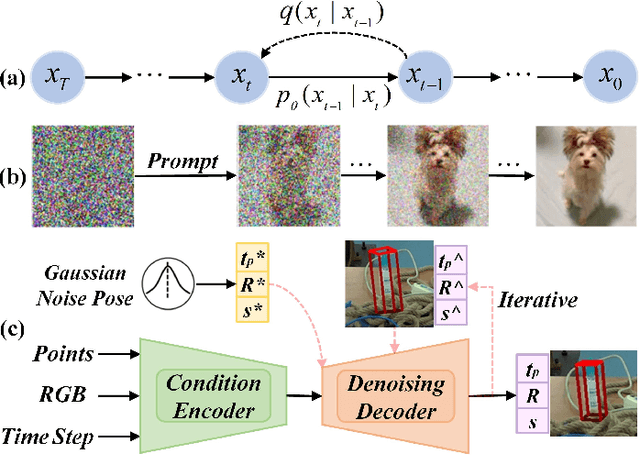
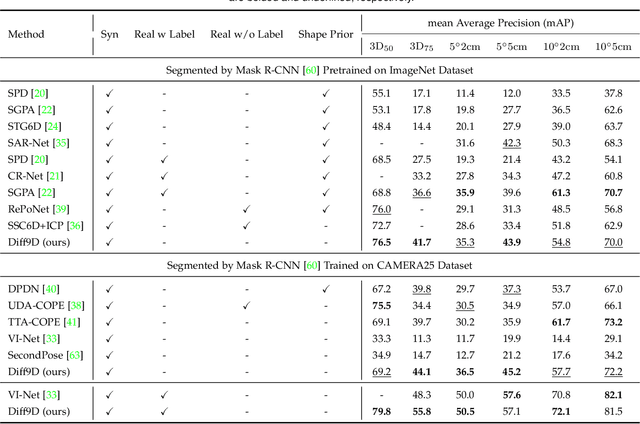

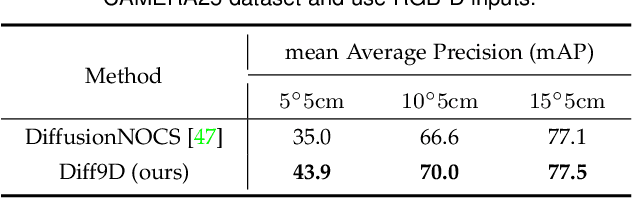
Nine-degrees-of-freedom (9-DoF) object pose and size estimation is crucial for enabling augmented reality and robotic manipulation. Category-level methods have received extensive research attention due to their potential for generalization to intra-class unknown objects. However, these methods require manual collection and labeling of large-scale real-world training data. To address this problem, we introduce a diffusion-based paradigm for domain-generalized category-level 9-DoF object pose estimation. Our motivation is to leverage the latent generalization ability of the diffusion model to address the domain generalization challenge in object pose estimation. This entails training the model exclusively on rendered synthetic data to achieve generalization to real-world scenes. We propose an effective diffusion model to redefine 9-DoF object pose estimation from a generative perspective. Our model does not require any 3D shape priors during training or inference. By employing the Denoising Diffusion Implicit Model, we demonstrate that the reverse diffusion process can be executed in as few as 3 steps, achieving near real-time performance. Finally, we design a robotic grasping system comprising both hardware and software components. Through comprehensive experiments on two benchmark datasets and the real-world robotic system, we show that our method achieves state-of-the-art domain generalization performance. Our code will be made public at https://github.com/CNJianLiu/Diff9D.
Activation Approximations Can Incur Safety Vulnerabilities Even in Aligned LLMs: Comprehensive Analysis and Defense
Feb 02, 2025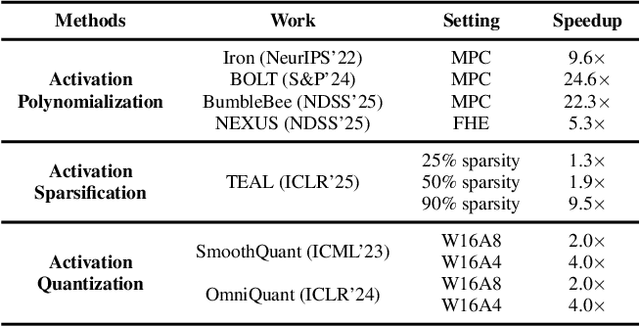

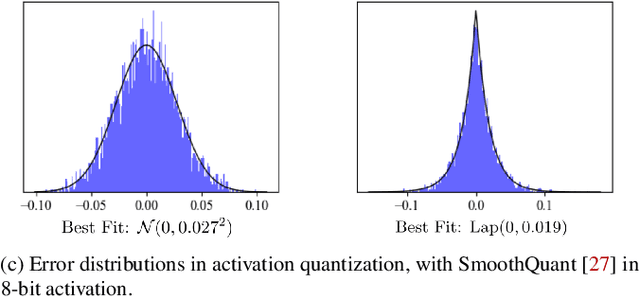
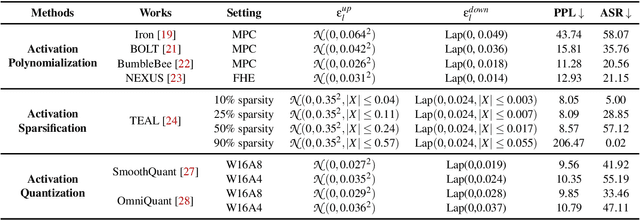
Large Language Models (LLMs) have showcased remarkable capabilities across various domains. Accompanying the evolving capabilities and expanding deployment scenarios of LLMs, their deployment challenges escalate due to their sheer scale and the advanced yet complex activation designs prevalent in notable model series, such as Llama, Gemma, and Mistral. These challenges have become particularly pronounced in resource-constrained deployment scenarios, where mitigating inference efficiency bottlenecks is imperative. Among various recent efforts, activation approximation has emerged as a promising avenue for pursuing inference efficiency, sometimes considered indispensable in applications such as private inference. Despite achieving substantial speedups with minimal impact on utility, even appearing sound and practical for real-world deployment, the safety implications of activation approximations remain unclear. In this work, we fill this critical gap in LLM safety by conducting the first systematic safety evaluation of activation approximations. Our safety vetting spans seven sota techniques across three popular categories, revealing consistent safety degradation across ten safety-aligned LLMs.
SecPE: Secure Prompt Ensembling for Private and Robust Large Language Models
Feb 02, 2025With the growing popularity of LLMs among the general public users, privacy-preserving and adversarial robustness have become two pressing demands for LLM-based services, which have largely been pursued separately but rarely jointly. In this paper, to the best of our knowledge, we are among the first attempts towards robust and private LLM inference by tightly integrating two disconnected fields: private inference and prompt ensembling. The former protects users' privacy by encrypting inference data transmitted and processed by LLMs, while the latter enhances adversarial robustness by yielding an aggregated output from multiple prompted LLM responses. Although widely recognized as effective individually, private inference for prompt ensembling together entails new challenges that render the naive combination of existing techniques inefficient. To overcome the hurdles, we propose SecPE, which designs efficient fully homomorphic encryption (FHE) counterparts for the core algorithmic building blocks of prompt ensembling. We conduct extensive experiments on 8 tasks to evaluate the accuracy, robustness, and efficiency of SecPE. The results show that SecPE maintains high clean accuracy and offers better robustness at the expense of merely $2.5\%$ efficiency overhead compared to baseline private inference methods, indicating a satisfactory ``accuracy-robustness-efficiency'' tradeoff. For the efficiency of the encrypted Argmax operation that incurs major slowdown for prompt ensembling, SecPE is 35.4x faster than the state-of-the-art peers, which can be of independent interest beyond this work.