 Add to Chrome
 Add to Firefox
 Add to Edge
How Many Independent Modes Does a Fluid Antenna Have? A Closed-Form Outage Analysis via Equivalent Degrees of Freedom
May 19, 2026
In a fluid antenna system (FAS), a single reconfigurable antenna is able to activate one of $N$ correlated ports to exploit spatial diversity. However, outage analysis is challenging because exact evaluation requires an $N$-dimensional multivariate integral, while existing closed-form approximations based on block-correlation models tend to underestimate the true outage probability. This paper shows that the spatial correlation matrix of a FAS with a normalized linear aperture length $W$ has at most $K^{*}=2\lceil W\rceil+1$ significant eigenmodes, regardless of the number of deployed ports. This is a spatial counterpart of the Slepian-Landau-Pollak spectral concentration theorem and reveals that the spatial degrees of freedom are determined by aperture size rather than port count. Motivated by this result, we derive an \emph{equivalent degree of freedom} (EDoF) approximation, under which the outage probability can be expressed in closed form as that of selection combining over $K^{*}$ independent branches. We propose a refined \emph{weighted independent modes} (WIM) approximation, to incorporate eigenvalue-dependent branch weights $\{β_k\}$ and yield a product-form closed-form expression with improved accuracy at moderate signal-to-noise ratio (SNR). Both approximations achieve the exact diversity order, become asymptotically exact at high SNR, and provably never underestimate the true outage probability by Anderson's inequality. The proposed framework is further extended to obtain closed-form expressions for ergodic capacity, characterize multi-user fluid antenna multiple access (FAMA) with explicit interference-limited outage floors. Besides, we analyze two-dimensional planar FAS, for which the diversity order scales multiplicatively with the aperture dimensions.

DOA Estimation for Low-Altitude Networks: HAD Architectures, Methods, and Challenges
Apr 01, 2026With the rapid expansion of low-altitude economy (LAE) services and the growing demand for integrated sensing and communication (ISAC) in air-ground networks, reliable direction-of-arrival (DOA) estimation has become essential for both directional communication and sensing functions. DOA underpins beam alignment, spatial-reuse scheduling, and ISAC-critical tasks such as airspace situational awareness and multi-target monitoring. Hybrid analog-digital (HAD) architectures have emerged as a practical solution for large-aperture directional operation under stringent radio frequency (RF), analog-to-digital converter (ADC), and size, weight, and power (SWaP) constraints. However, HAD compresses antenna-domain observations through analog combining, fundamentally reshaping the measurement model and introducing new algorithmic and system-level challenges for DOA estimation. This article first reviews the principles and representative architectures of HAD, highlighting their advantages for scalable beam-centric and ISAC-oriented operation in LAE scenarios. We then provide a structured overview of HAD-enabled DOA estimation methodologies, including spatial covariance matrix (SCM) reconstruction, multi-combiner scan-based acquisition, and pilot-aided estimation, along with key design tradeoffs. Finally, we discuss open challenges and outline reliability-driven research directions toward robust, deployable HAD-enabled DOA solutions for practical ISAC-enabled low-altitude environments.
Fundamental Analysis of Scalable Fluid Antenna Systems: Identifiability Limits, Information Theory, and Joint Processing
Apr 01, 2026Unlike fixed-position arrays with static observation entropy, the scalable fluid antenna system (S-FAS) can dynamically adjust its aperture to form different observation spaces with configuration-dependent entropy budgets. This reconfigurability requires an information-theoretic framework beyond traditional algebraic identifiability analysis. This paper establishes an observation entropy framework for S-FAS, which unifies the derivation of identifiability limits, the diagnosis of processing bottlenecks, and system design optimization. For an S-FAS with mutual coupling suppression, we derive a complete capacity hierarchy among compressed, extended, and jointly stacked configurations. The entropy framework reveals that sequential two-stage processing suffers from an information bottleneck that restricts achievable capacity, while the noise entropy ratio can be used to distinguish fundamental performance limits from algorithmic deficiencies. A joint MUSIC algorithm is proposed to approach the theoretical joint capacity bound. Extensive Monte Carlo simulations, validated by both algebraic and information-theoretic criteria, verify the derived capacity hierarchy and identifiability boundaries.
Physical Layer Security for FAS-Aided Short-Packet Systems: A Variable Block-Correlation Approach
Mar 18, 2026This paper presents a comprehensive physical layer security (PLS) framework for fluid antenna system (FAS)-aided short-packet communications under the variable block-correlation model (VBCM). We consider a downlink wiretap scenario in which a base station transmits confidential short packets to a legitimate receiver user (RU) in the presence of an eavesdropper user (EU), where both the RU and EU are equipped with fluid antennas. Unlike existing FAS security analyses that rely on constant block-correlation models or infinite-blocklength assumptions, we incorporate the VBCM to accurately capture the non-uniform spatial correlation structure inherent in practical FAS deployments. By employing a piecewise linear approximation of the decoding error probability and Gauss-Chebyshev quadrature, we derive closed-form and asymptotic expressions for the average achievable secrecy throughput (AAST). We further prove that the AAST is monotonically non-decreasing in the number of RU ports, which reduces the three-dimensional joint optimization of transmit power, blocklength, and port number to a two-dimensional grid search (GS). Numerical results demonstrate that the FAS-aided system achieves up to an order-of-magnitude secrecy throughput improvement over conventional fixed-position antenna systems, and reveal that blocklength selection is the most critical design parameter in the joint optimization.
Reimagining Wireless Connectivity: The FAS-RIS Synergy for 6G Smart Cities
Dec 22, 2025Fluid antenna system (FAS) represents the concept of treating antenna as a reconfigurable physical-layer resource to broaden system design and network optimization and inspire next-generation reconfigurable antennas. FAS can unleash new degree of freedom (DoF) via antenna reconfigurations for novel spatial diversity. Reconfigurable intelligent surfaces (RISs) on the other hand can reshape wireless propagation environments but often face limitations from double path-loss and minimal signal processing capability when operating independently. This article envisions a transformative FAS-RIS integrated architecture for future smart city networks, uniting the adaptability of FAS with the environmental control of RIS. The proposed framework has five key applications: FAS-enabled base stations (BSs) for large-scale beamforming, FAS-equipped user devices with finest spatial diversity, and three novel RIS paradigms -- fluid RIS (FRIS) with reconfigurable elements, FAS-embedded RIS as active relays, and enormous FAS (E-FAS) exploiting surface waves on facades to re-establish line-of-sight (LoS) communication. A two-timescale control mechanism coordinates network-level beamforming with rapid, device-level adaptation. Applications spanning from simultaneous wireless information and power transfer (SWIPT) to integrated sensing and communications (ISAC), with challenges in co-design, channel modeling, and optimization, are discussed. This article concludes with simulation results demonstrating the robustness and effectiveness of the FAS-RIS system.
An Fluid Antenna Array-Enabled DOA Estimation Method: End-Fire Effect Suppression
Dec 22, 2025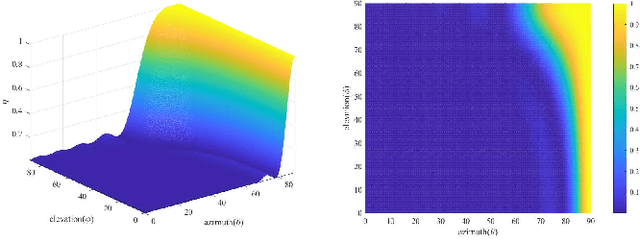
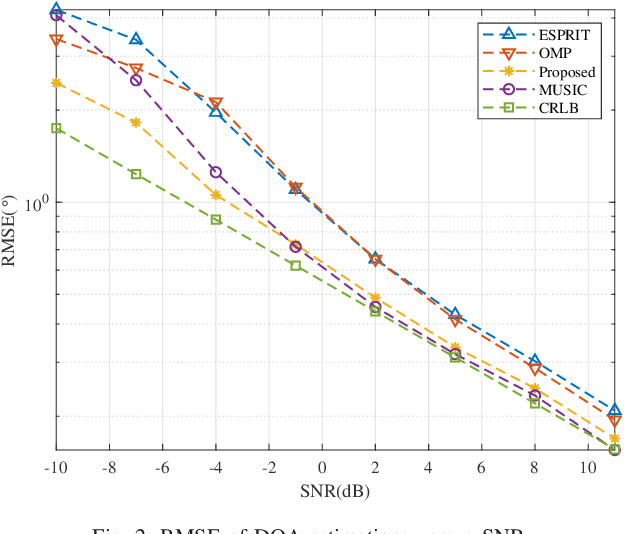
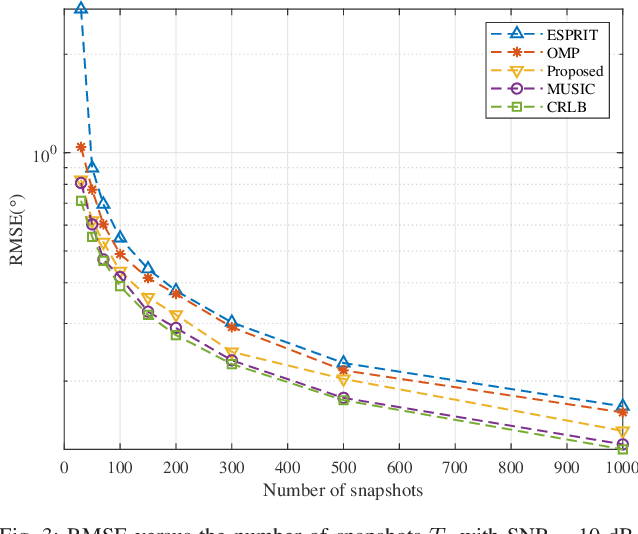
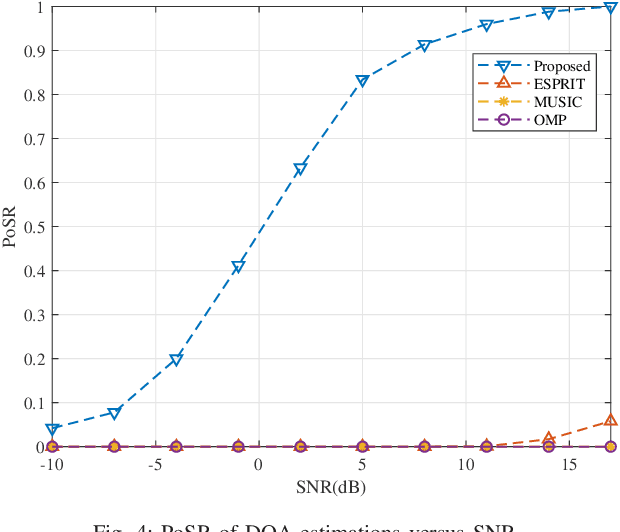
Direction of Arrival (DOA) estimation serves as a critical sensing technology poised to play a vital role in future intelligent and ubiquitous communication systems. Despite the development of numerous mature super-resolution algorithms, the inherent end-fire effect problem in fixed antenna arrays remains inadequately addressed. This work proposed a novel array architecture composed of fluid antennas. By exploiting the spatial reconfigurability of their positions to equivalently modulate the array steering vector and integrating it with the classical MUSIC algorithm, this approach achieved high-precision DOA estimation. Simulation results demonstrated that the proposed method delivers outstanding estimation performance even in highly challenging end-fire regions.
Intelligent Sky Mirrors: SAC-Driven MF-RIS Optimization for Secure NOMA in Low-Altitude Economy
Dec 22, 2025Low-altitude economy (LAE) has become a key driving force for smart cities and economic growth. To address spectral efficiency and communication security challenges in LAE, this paper investigates secure energy efficiency (SEE) maximization using intelligent sky mirrors, UAV-mounted multifunctional reconfigurable intelligent surfaces (MF-RIS) assisting nonorthogonal multiple access (NOMA) systems. These aerial mirrors intelligently amplify legitimate signals while simultaneously generating jamming against eavesdroppers. We formulate a joint optimization problem encompassing UAV trajectory, base station power allocation, RIS phase shifts, amplification factors, and scheduling matrices. Given the fractional SEE objective and dynamic UAV scenarios, we propose a two-layer optimization scheme: SAC-driven first layer for trajectory and power management, and channel alignment-based second layer for phase optimization. Simulations demonstrate that our proposed scheme significantly outperforms benchmark approaches.
FAS-ARIS: Turning Multipath Challenges Into Localization Opportunities
Sep 15, 2025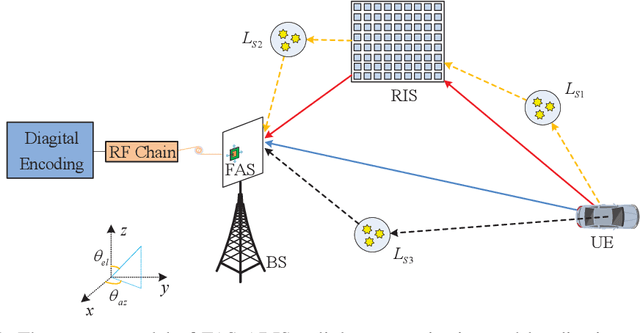
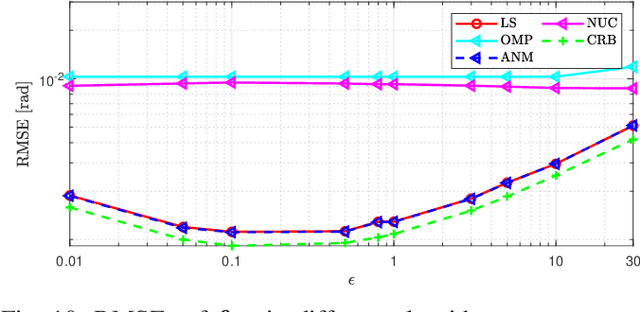
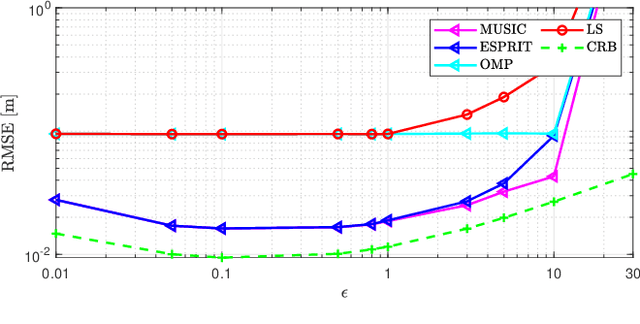
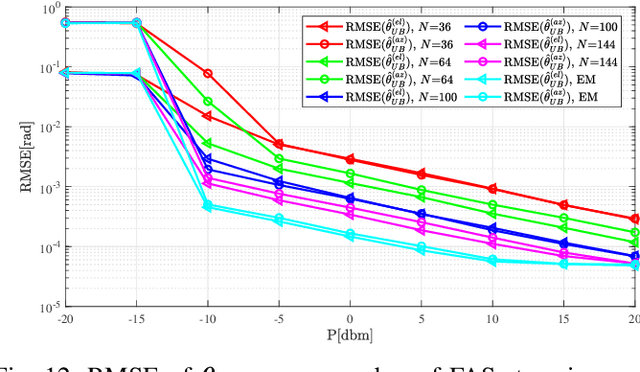
Traditional single-input single-output (SISO) systems face fundamental limitations in achieving accurate three-dimensional (3D) localization due to limited spatial degrees of freedom (DoF) and the adverse impact of multipath propagation. This paper proposes a novel fluid antenna system (FAS)-active reconfigurable intelligent surface (ARIS) framework that transforms multipath effects from a hindrance into a resource for enhanced localization. By synergistically combining the signal amplification capabilities of ARIS with the spatial diversity enabled by FAS, the proposed system achieves robust 3D user equipment (UE) positioning -- without relying on auxiliary information such as time-of-arrival (ToA) or frequency diversity. The system exploits both line-of-sight (LoS) and non-line-of-sight (NLoS) components through a tailored signal decoupling strategy. We design novel UE pilot sequences and ARIS phase configurations to effectively separate LoS and NLoS channels, enabling independent parameter estimation. A multi-stage estimation algorithm is then applied: the multiple signal classification (MUSIC) algorithm estimates angle-of-arrival (AoA) from the direct path, while maximum likelihood estimation with interior-point refinement recovers cascaded channel parameters from the reflected path. Finally, geometric triangulation using least-squares estimation determines the UE's 3D position based on the extracted AoA information. Comprehensive performance analysis, including the derivation of Cram\'{e}r-Rao bounds for both channel and position estimation, establishes theoretical benchmarks. Simulation results confirm that the proposed FAS-ARIS framework achieves near-optimal localization accuracy while maintaining robustness in rich multipath environments -- effectively turning conventional localization challenges into advantages.
A Contemporary Survey on Fluid Antenna Systems: Fundamentals and Networking Perspectives
Jun 16, 2025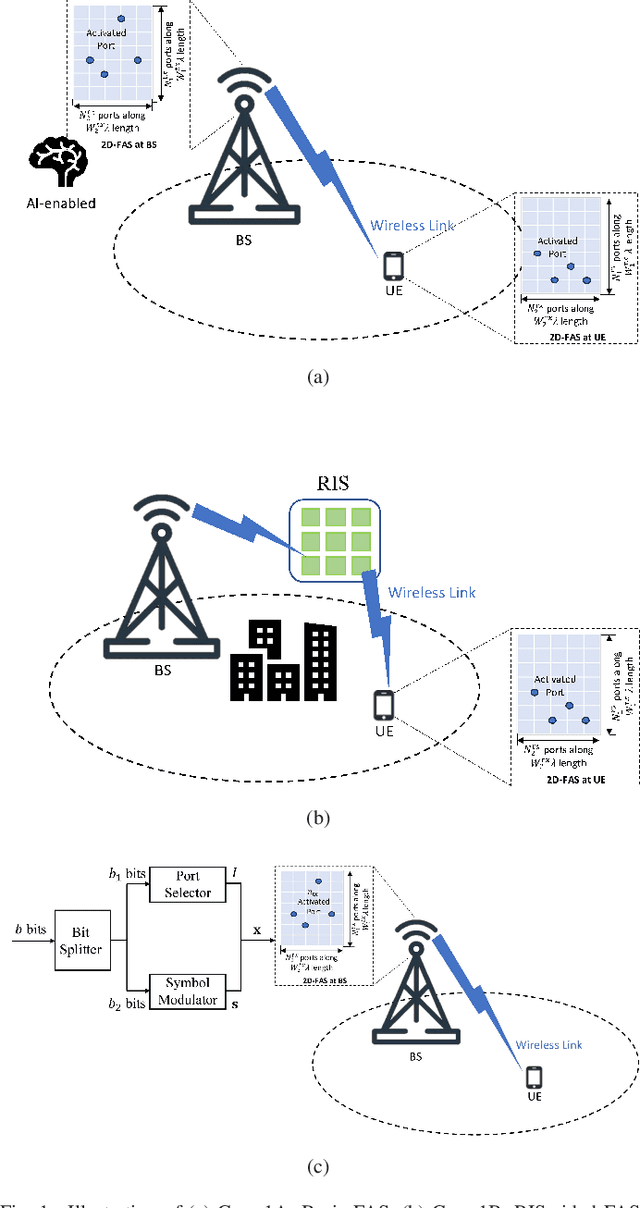
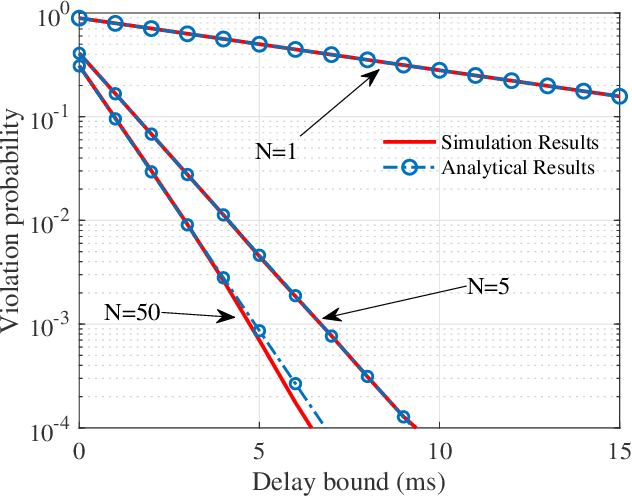
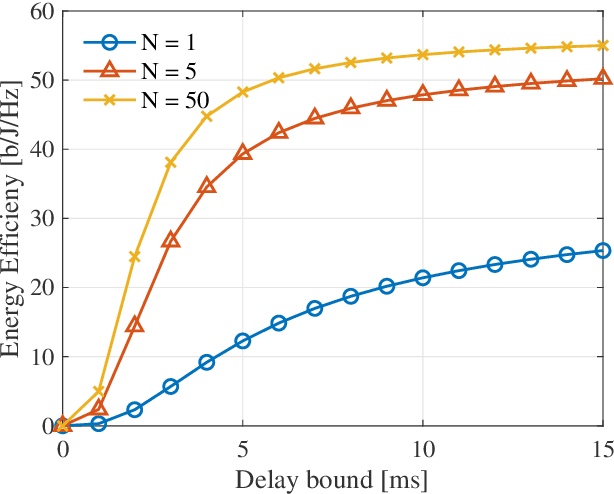
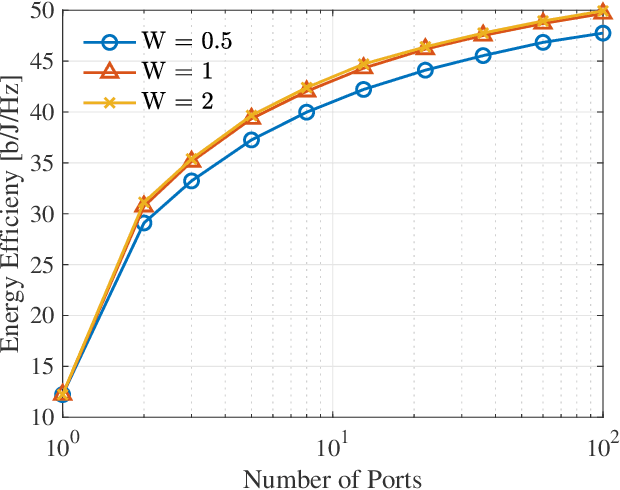
The explosive growth of teletraffic, fueled by the convergence of cyber-physical systems and data-intensive applications, such as the Internet of Things (IoT), autonomous systems, and immersive communications, demands a multidisciplinary suite of innovative solutions across the physical and network layers. Fluid antenna systems (FAS) represent a transformative advancement in antenna design, offering enhanced spatial degrees of freedom through dynamic reconfigurability. By exploiting spatial flexibility, FAS can adapt to varying channel conditions and optimize wireless performance, making it a highly promising candidate for next-generation communication networks. This paper provides a comprehensive survey of the state of the art in FAS research. We begin by examining key application scenarios in which FAS offers significant advantages. We then present the fundamental principles of FAS, covering channel measurement and modeling, single-user configurations, and the multi-user fluid antenna multiple access (FAMA) framework. Following this, we delve into key network-layer techniques such as quality-of-service (QoS) provisioning, power allocation, and content placement strategies. We conclude by identifying prevailing challenges and outlining future research directions to support the continued development of FAS in next-generation wireless networks.
Fluid Antenna System-Assisted Self-Interference Cancellation for In-Band Full Duplex Communications
Jun 05, 2025In-band full-duplex (IBFD) systems are expected to double the spectral efficiency compared to half-duplex systems, provided that loopback self-interference (SI) can be effectively suppressed. The inherent interference mitigation capabilities of the emerging fluid antenna system (FAS) technology make it a promising candidate for addressing the SI challenge in IBFD systems. This paper thus proposes a FAS-assisted self-interference cancellation (SIC) framework, which leverages a receiver-side FAS to dynamically select an interference-free port. Analytical results include a lower bound and an approximation of the residual SI (RSI) power, both derived for rich-scattering channels by considering the joint spatial correlation amongst the FAS ports. Simulations of RSI power and forward link rates validate the analysis, showing that the SIC performance improves with the number of FAS ports. Additionally, simulations under practical conditions, such as finite-scattering environments and wideband integrated access and backhaul (IAB) channels, reveal that the proposed approach offers superior SIC capability and significant forward rate gains over conventional IBFD SIC schemes.