 Add to Chrome
 Add to Firefox
 Add to Edge
On Efficient Variants of Segment Anything Model: A Survey
Oct 07, 2024
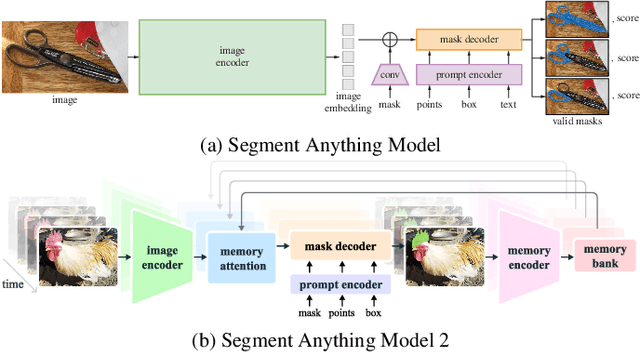


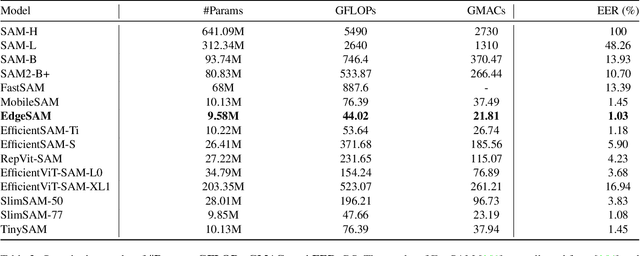
The Segment Anything Model (SAM) is a foundational model for image segmentation tasks, known for its strong generalization across diverse applications. However, its impressive performance comes with significant computational and resource demands, making it challenging to deploy in resource-limited environments such as mobile devices. To address this, a variety of SAM variants have been proposed to enhance efficiency without sacrificing accuracy. This survey provides the first comprehensive review of these efficient SAM variants. We begin by exploring the motivations driving this research. We then present core techniques used in SAM and model acceleration. This is followed by an in-depth analysis of various acceleration strategies, categorized by approach. Finally, we offer a unified and extensive evaluation of these methods, assessing their efficiency and accuracy on representative benchmarks, and providing a clear comparison of their overall performance.

Large Language Model Inference Acceleration: A Comprehensive Hardware Perspective
Oct 06, 2024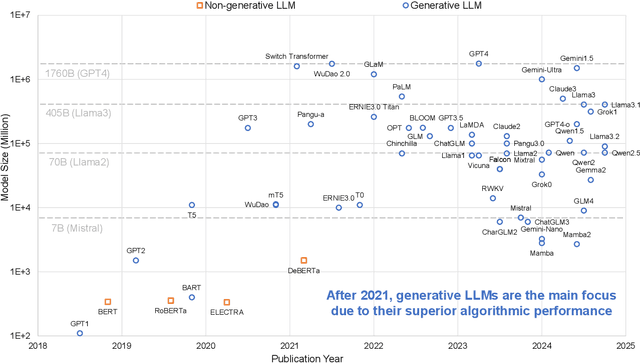
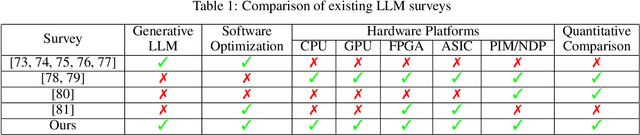
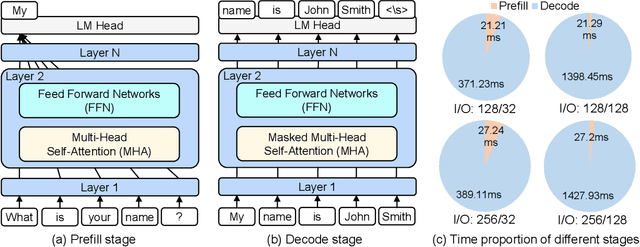
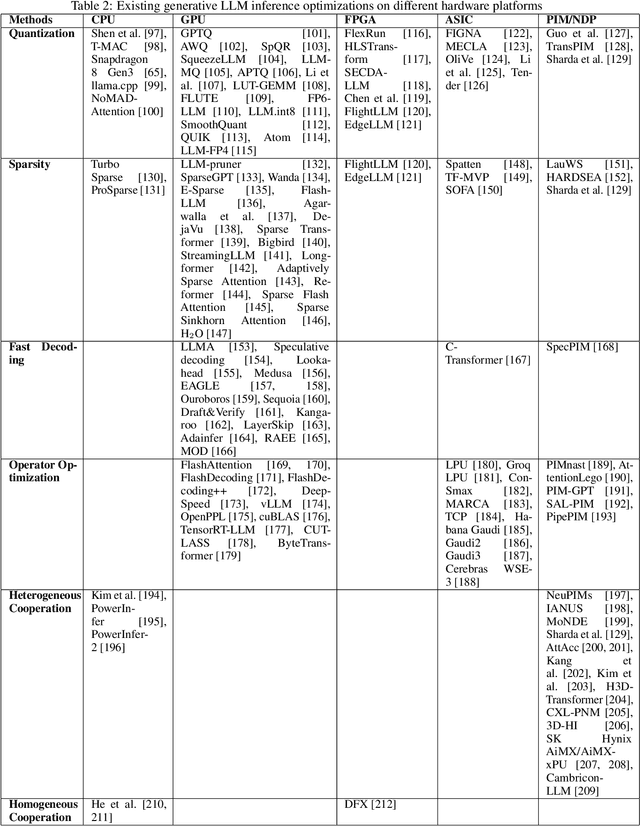
Large Language Models (LLMs) have demonstrated remarkable capabilities across various fields, from natural language understanding to text generation. Compared to non-generative LLMs like BERT and DeBERTa, generative LLMs like GPT series and Llama series are currently the main focus due to their superior algorithmic performance. The advancements in generative LLMs are closely intertwined with the development of hardware capabilities. Various hardware platforms exhibit distinct hardware characteristics, which can help improve LLM inference performance. Therefore, this paper comprehensively surveys efficient generative LLM inference on different hardware platforms. First, we provide an overview of the algorithm architecture of mainstream generative LLMs and delve into the inference process. Then, we summarize different optimization methods for different platforms such as CPU, GPU, FPGA, ASIC, and PIM/NDP, and provide inference results for generative LLMs. Furthermore, we perform a qualitative and quantitative comparison of inference performance with batch sizes 1 and 8 on different hardware platforms by considering hardware power consumption, absolute inference speed (tokens/s), and energy efficiency (tokens/J). We compare the performance of the same optimization methods across different hardware platforms, the performance across different hardware platforms, and the performance of different methods on the same hardware platform. This provides a systematic and comprehensive summary of existing inference acceleration work by integrating software optimization methods and hardware platforms, which can point to the future trends and potential developments of generative LLMs and hardware technology for edge-side scenarios.
COSMIC: Compress Satellite Images Efficiently via Diffusion Compensation
Oct 02, 2024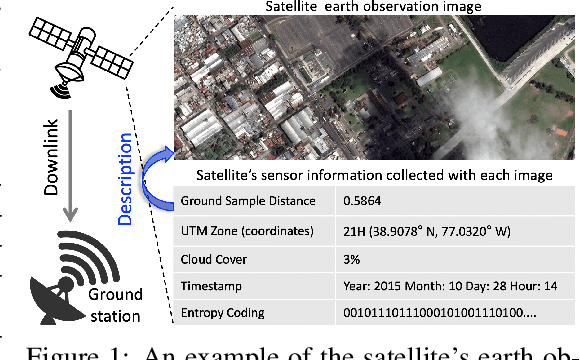
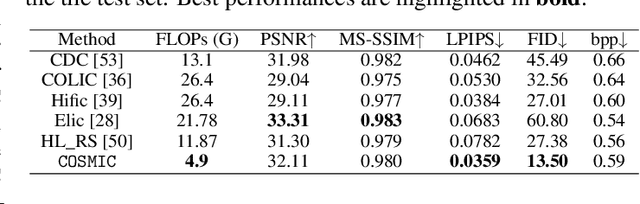
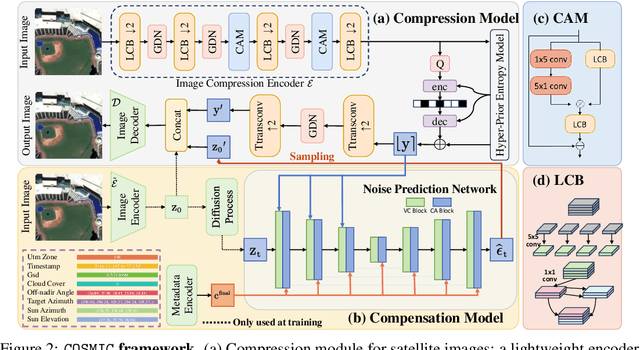

With the rapidly increasing number of satellites in space and their enhanced capabilities, the amount of earth observation images collected by satellites is exceeding the transmission limits of satellite-to-ground links. Although existing learned image compression solutions achieve remarkable performance by using a sophisticated encoder to extract fruitful features as compression and using a decoder to reconstruct, it is still hard to directly deploy those complex encoders on current satellites' embedded GPUs with limited computing capability and power supply to compress images in orbit. In this paper, we propose COSMIC, a simple yet effective learned compression solution to transmit satellite images. We first design a lightweight encoder (i.e. reducing FLOPs by $2.6\sim 5\times $) on satellite to achieve a high image compression ratio to save satellite-to-ground links. Then, for reconstructions on the ground, to deal with the feature extraction ability degradation due to simplifying encoders, we propose a diffusion-based model to compensate image details when decoding. Our insight is that satellite's earth observation photos are not just images but indeed multi-modal data with a nature of Text-to-Image pairing since they are collected with rich sensor data (e.g. coordinates, timestamp, etc.) that can be used as the condition for diffusion generation. Extensive experiments show that COSMIC outperforms state-of-the-art baselines on both perceptual and distortion metrics.
GaussianBlock: Building Part-Aware Compositional and Editable 3D Scene by Primitives and Gaussians
Oct 02, 2024

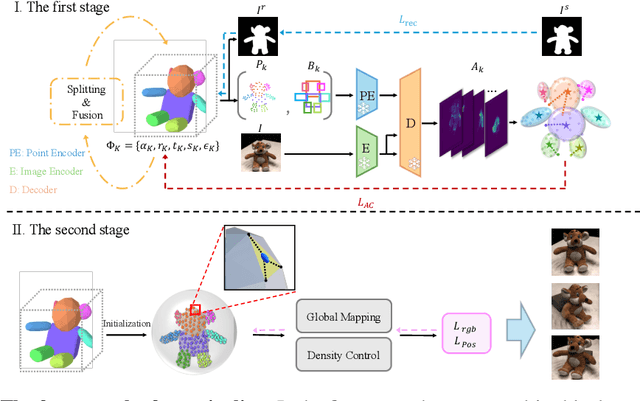
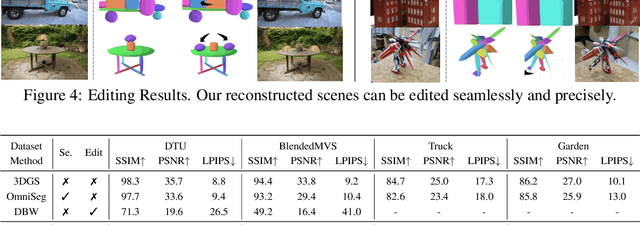
Recently, with the development of Neural Radiance Fields and Gaussian Splatting, 3D reconstruction techniques have achieved remarkably high fidelity. However, the latent representations learnt by these methods are highly entangled and lack interpretability. In this paper, we propose a novel part-aware compositional reconstruction method, called GaussianBlock, that enables semantically coherent and disentangled representations, allowing for precise and physical editing akin to building blocks, while simultaneously maintaining high fidelity. Our GaussianBlock introduces a hybrid representation that leverages the advantages of both primitives, known for their flexible actionability and editability, and 3D Gaussians, which excel in reconstruction quality. Specifically, we achieve semantically coherent primitives through a novel attention-guided centering loss derived from 2D semantic priors, complemented by a dynamic splitting and fusion strategy. Furthermore, we utilize 3D Gaussians that hybridize with primitives to refine structural details and enhance fidelity. Additionally, a binding inheritance strategy is employed to strengthen and maintain the connection between the two. Our reconstructed scenes are evidenced to be disentangled, compositional, and compact across diverse benchmarks, enabling seamless, direct and precise editing while maintaining high quality.
Formally Verified Physics-Informed Neural Control Lyapunov Functions
Sep 30, 2024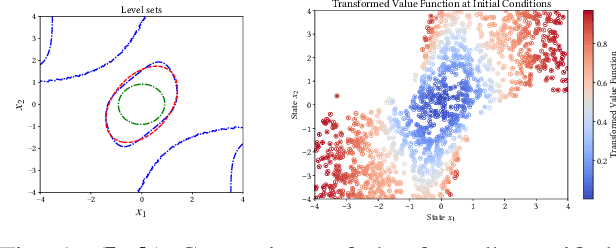
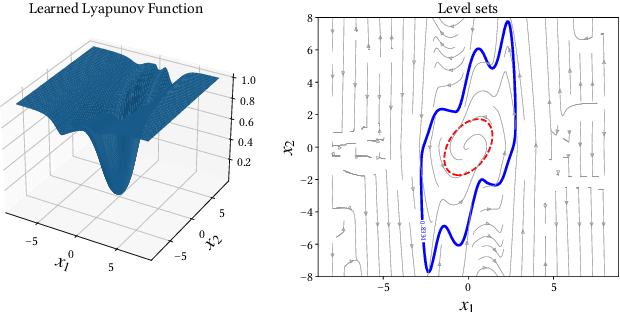
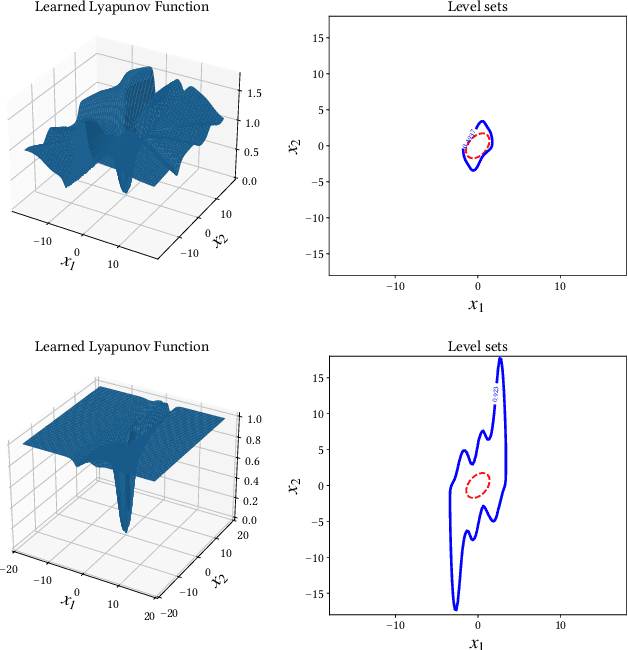
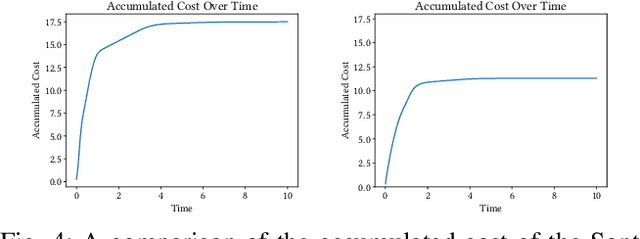
Control Lyapunov functions are a central tool in the design and analysis of stabilizing controllers for nonlinear systems. Constructing such functions, however, remains a significant challenge. In this paper, we investigate physics-informed learning and formal verification of neural network control Lyapunov functions. These neural networks solve a transformed Hamilton-Jacobi-Bellman equation, augmented by data generated using Pontryagin's maximum principle. Similar to how Zubov's equation characterizes the domain of attraction for autonomous systems, this equation characterizes the null-controllability set of a controlled system. This principled learning of neural network control Lyapunov functions outperforms alternative approaches, such as sum-of-squares and rational control Lyapunov functions, as demonstrated by numerical examples. As an intermediate step, we also present results on the formal verification of quadratic control Lyapunov functions, which, aided by satisfiability modulo theories solvers, can perform surprisingly well compared to more sophisticated approaches and efficiently produce global certificates of null-controllability.
Brain Tumor Classification on MRI in Light of Molecular Markers
Sep 29, 2024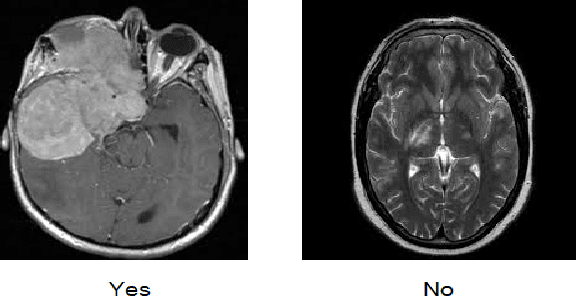
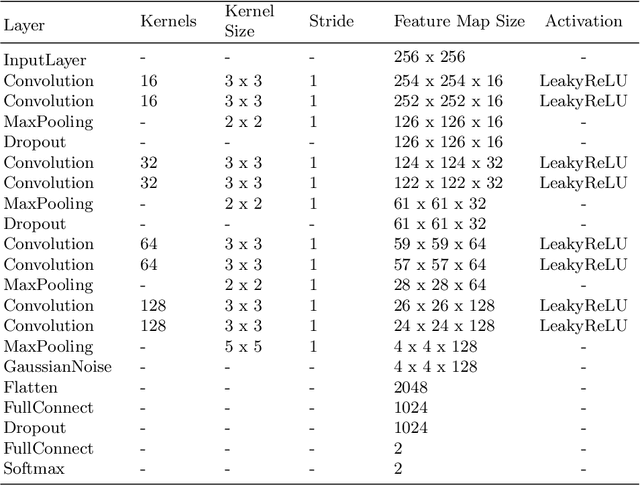
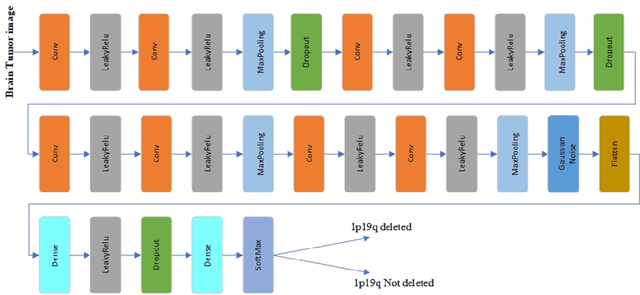
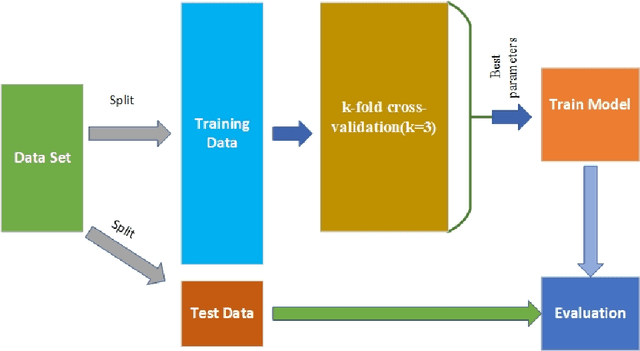
In research findings, co-deletion of the 1p/19q gene is associated with clinical outcomes in low-grade gliomas. The ability to predict 1p19q status is critical for treatment planning and patient follow-up. This study aims to utilize a specially MRI-based convolutional neural network for brain cancer detection. Although public networks such as RestNet and AlexNet can effectively diagnose brain cancers using transfer learning, the model includes quite a few weights that have nothing to do with medical images. As a result, the diagnostic results are unreliable by the transfer learning model. To deal with the problem of trustworthiness, we create the model from the ground up, rather than depending on a pre-trained model. To enable flexibility, we combined convolution stacking with a dropout and full connect operation, it improved performance by reducing overfitting. During model training, we also supplement the given dataset and inject Gaussian noise. We use three--fold cross-validation to train the best selection model. Comparing InceptionV3, VGG16, and MobileNetV2 fine-tuned with pre-trained models, our model produces better results. On an validation set of 125 codeletion vs. 31 not codeletion images, the proposed network achieves 96.37\% percent F1-score, 97.46\% percent precision, and 96.34\% percent recall when classifying 1p/19q codeletion and not codeletion images.
* ICAI'22 - The 24th International Conference on Artificial Intelligence, The 2022 World Congress in Computer Science, Computer Engineering, & Applied Computing (CSCE'22), Las Vegas, USA. The paper acceptance rate 17% for regular papers. The publication of the CSCE 2022 conference proceedings has been delayed due to the pandemic
3D-CT-GPT: Generating 3D Radiology Reports through Integration of Large Vision-Language Models
Sep 28, 2024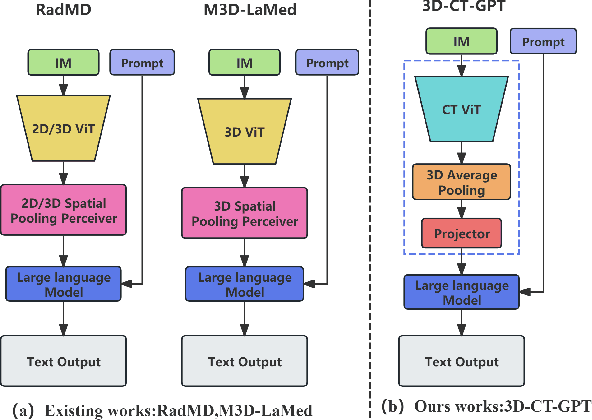
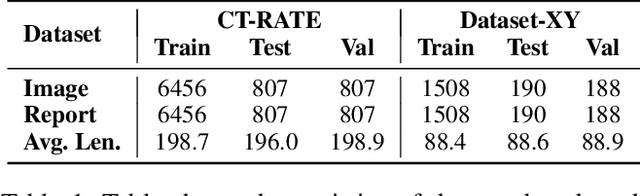
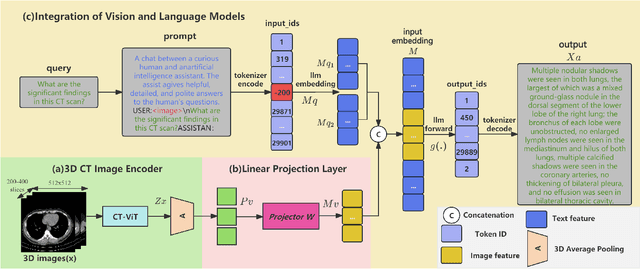
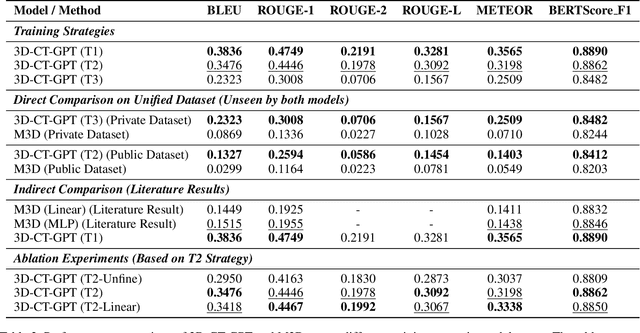
Medical image analysis is crucial in modern radiological diagnostics, especially given the exponential growth in medical imaging data. The demand for automated report generation systems has become increasingly urgent. While prior research has mainly focused on using machine learning and multimodal language models for 2D medical images, the generation of reports for 3D medical images has been less explored due to data scarcity and computational complexities. This paper introduces 3D-CT-GPT, a Visual Question Answering (VQA)-based medical visual language model specifically designed for generating radiology reports from 3D CT scans, particularly chest CTs. Extensive experiments on both public and private datasets demonstrate that 3D-CT-GPT significantly outperforms existing methods in terms of report accuracy and quality. Although current methods are few, including the partially open-source CT2Rep and the open-source M3D, we ensured fair comparison through appropriate data conversion and evaluation methodologies. Experimental results indicate that 3D-CT-GPT enhances diagnostic accuracy and report coherence, establishing itself as a robust solution for clinical radiology report generation. Future work will focus on expanding the dataset and further optimizing the model to enhance its performance and applicability.
Signal Temporal Logic Planning with Time-Varying Robustness
Sep 27, 2024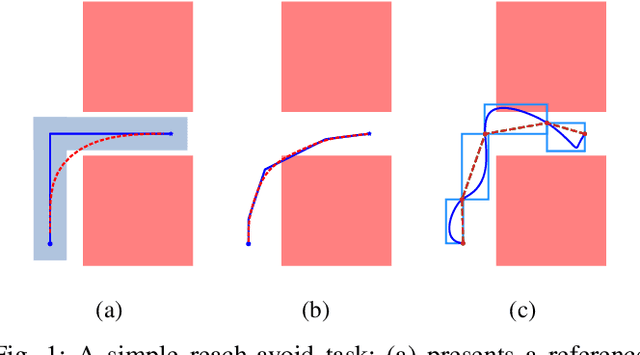
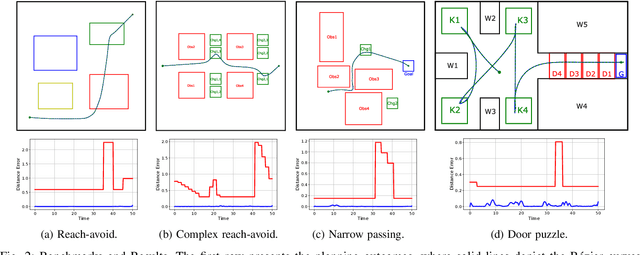

This letter aims to generate a continuous-time trajectory consisting of piecewise B\'ezier curves that satisfy signal temporal logic (STL) specifications with piecewise time-varying robustness. Our time-varying robustness is less conservative than the real-valued robustness, which enables more effective tracking in practical applications. Specifically, our continuous-time trajectories account for dynamic feasibility, leading to smaller tracking errors and ensuring that the STL specifications can be met by the tracking trajectory. Comparative experiments demonstrate the efficiency and effectiveness of the proposed approach.
Evaluation of OpenAI o1: Opportunities and Challenges of AGI
Sep 27, 2024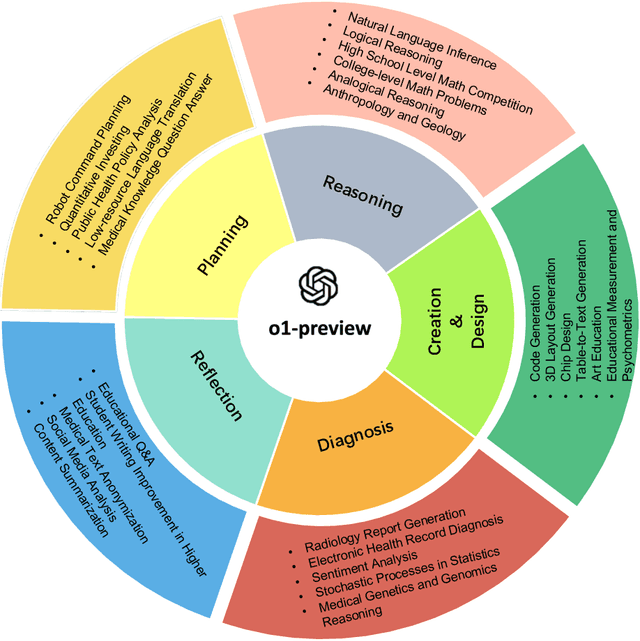
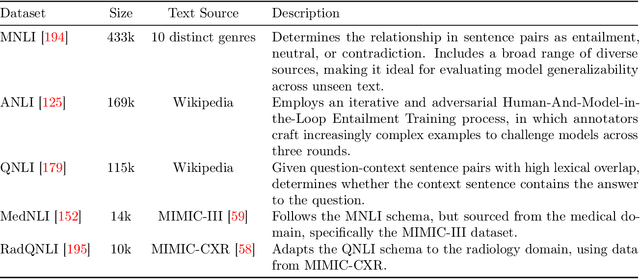


This comprehensive study evaluates the performance of OpenAI's o1-preview large language model across a diverse array of complex reasoning tasks, spanning multiple domains, including computer science, mathematics, natural sciences, medicine, linguistics, and social sciences. Through rigorous testing, o1-preview demonstrated remarkable capabilities, often achieving human-level or superior performance in areas ranging from coding challenges to scientific reasoning and from language processing to creative problem-solving. Key findings include: -83.3% success rate in solving complex competitive programming problems, surpassing many human experts. -Superior ability in generating coherent and accurate radiology reports, outperforming other evaluated models. -100% accuracy in high school-level mathematical reasoning tasks, providing detailed step-by-step solutions. -Advanced natural language inference capabilities across general and specialized domains like medicine. -Impressive performance in chip design tasks, outperforming specialized models in areas such as EDA script generation and bug analysis. -Remarkable proficiency in anthropology and geology, demonstrating deep understanding and reasoning in these specialized fields. -Strong capabilities in quantitative investing. O1 has comprehensive financial knowledge and statistical modeling skills. -Effective performance in social media analysis, including sentiment analysis and emotion recognition. The model excelled particularly in tasks requiring intricate reasoning and knowledge integration across various fields. While some limitations were observed, including occasional errors on simpler problems and challenges with certain highly specialized concepts, the overall results indicate significant progress towards artificial general intelligence.
MARCA: Mamba Accelerator with ReConfigurable Architecture
Sep 16, 2024
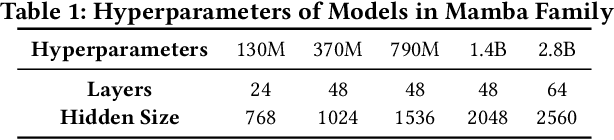
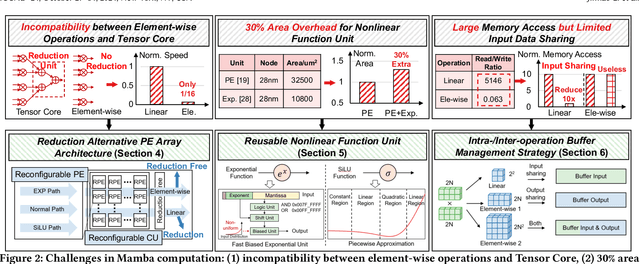
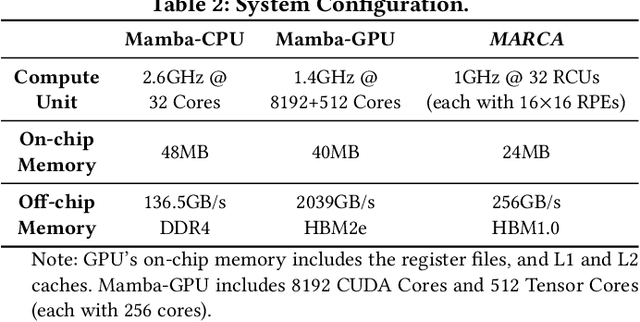
We propose a Mamba accelerator with reconfigurable architecture, MARCA.We propose three novel approaches in this paper. (1) Reduction alternative PE array architecture for both linear and element-wise operations. For linear operations, the reduction tree connected to PE arrays is enabled and executes the reduction operation. For element-wise operations, the reduction tree is disabled and the output bypasses. (2) Reusable nonlinear function unit based on the reconfigurable PE. We decompose the exponential function into element-wise operations and a shift operation by a fast biased exponential algorithm, and the activation function (SiLU) into a range detection and element-wise operations by a piecewise approximation algorithm. Thus, the reconfigurable PEs are reused to execute nonlinear functions with negligible accuracy loss.(3) Intra-operation and inter-operation buffer management strategy. We propose intra-operation buffer management strategy to maximize input data sharing for linear operations within operations, and inter-operation strategy for element-wise operations between operations. We conduct extensive experiments on Mamba model families with different sizes.MARCA achieves up to 463.22$\times$/11.66$\times$ speedup and up to 9761.42$\times$/242.52$\times$ energy efficiency compared to Intel Xeon 8358P CPU and NVIDIA Tesla A100 GPU implementations, respectively.