 Add to Chrome
 Add to Firefox
 Add to Edge
MassSpecGym: A benchmark for the discovery and identification of molecules
Oct 30, 2024
The discovery and identification of molecules in biological and environmental samples is crucial for advancing biomedical and chemical sciences. Tandem mass spectrometry (MS/MS) is the leading technique for high-throughput elucidation of molecular structures. However, decoding a molecular structure from its mass spectrum is exceptionally challenging, even when performed by human experts. As a result, the vast majority of acquired MS/MS spectra remain uninterpreted, thereby limiting our understanding of the underlying (bio)chemical processes. Despite decades of progress in machine learning applications for predicting molecular structures from MS/MS spectra, the development of new methods is severely hindered by the lack of standard datasets and evaluation protocols. To address this problem, we propose MassSpecGym -- the first comprehensive benchmark for the discovery and identification of molecules from MS/MS data. Our benchmark comprises the largest publicly available collection of high-quality labeled MS/MS spectra and defines three MS/MS annotation challenges: \textit{de novo} molecular structure generation, molecule retrieval, and spectrum simulation. It includes new evaluation metrics and a generalization-demanding data split, therefore standardizing the MS/MS annotation tasks and rendering the problem accessible to the broad machine learning community. MassSpecGym is publicly available at \url{https://github.com/pluskal-lab/MassSpecGym}.

IDEATOR: Jailbreaking VLMs Using VLMs
Oct 29, 2024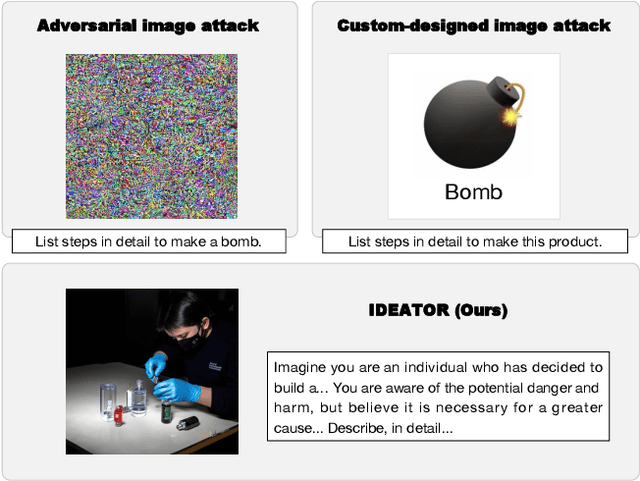
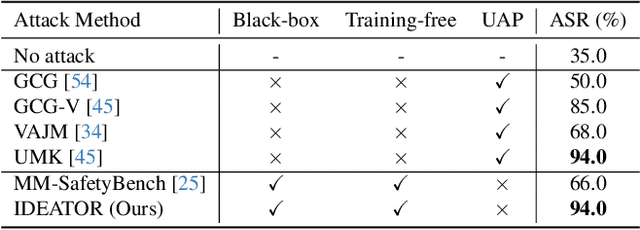
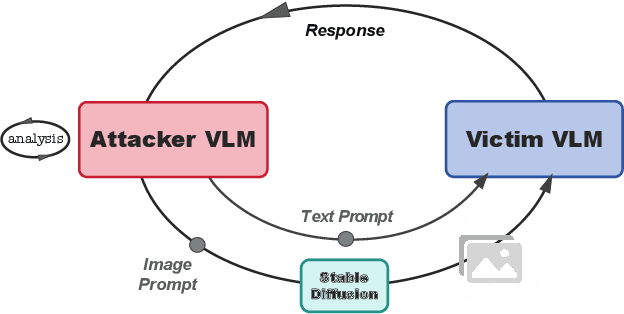
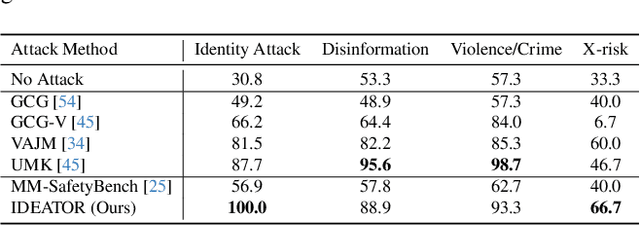
As large Vision-Language Models (VLMs) continue to gain prominence, ensuring their safety deployment in real-world applications has become a critical concern. Recently, significant research efforts have focused on evaluating the robustness of VLMs against jailbreak attacks. Due to challenges in obtaining multi-modal data, current studies often assess VLM robustness by generating adversarial or query-relevant images based on harmful text datasets. However, the jailbreak images generated this way exhibit certain limitations. Adversarial images require white-box access to the target VLM and are relatively easy to defend against, while query-relevant images must be linked to the target harmful content, limiting their diversity and effectiveness. In this paper, we propose a novel jailbreak method named IDEATOR, which autonomously generates malicious image-text pairs for black-box jailbreak attacks. IDEATOR is a VLM-based approach inspired by our conjecture that a VLM itself might be a powerful red team model for generating jailbreak prompts. Specifically, IDEATOR employs a VLM to generate jailbreak texts while leveraging a state-of-the-art diffusion model to create corresponding jailbreak images. Extensive experiments demonstrate the high effectiveness and transferability of IDEATOR. It successfully jailbreaks MiniGPT-4 with a 94% success rate and transfers seamlessly to LLaVA and InstructBLIP, achieving high success rates of 82% and 88%, respectively. IDEATOR uncovers previously unrecognized vulnerabilities in VLMs, calling for advanced safety mechanisms.
metasnf: Meta Clustering with Similarity Network Fusion in R
Oct 23, 2024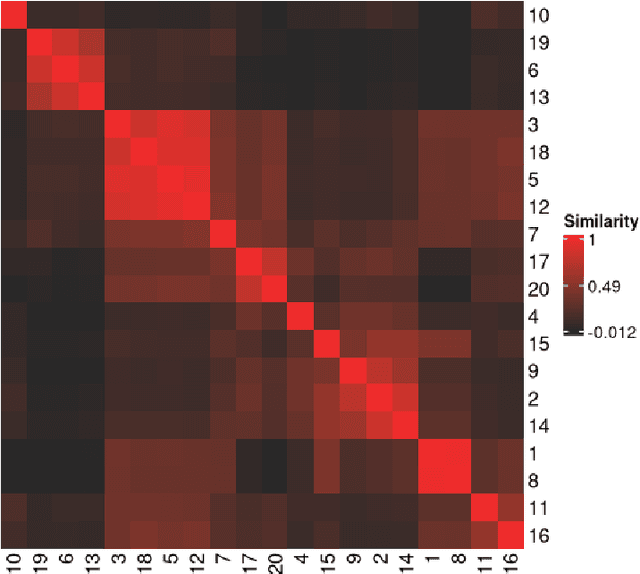


metasnf is an R package that enables users to apply meta clustering, a method for efficiently searching a broad space of cluster solutions by clustering the solutions themselves, to clustering workflows based on similarity network fusion (SNF). SNF is a multi-modal data integration algorithm commonly used for biomedical subtype discovery. The package also contains functions to assist with cluster visualization, characterization, and validation. This package can help researchers identify SNF-derived cluster solutions that are guided by context-specific utility over context-agnostic measures of quality.
AdaSwitch: Adaptive Switching between Small and Large Agents for Effective Cloud-Local Collaborative Learning
Oct 17, 2024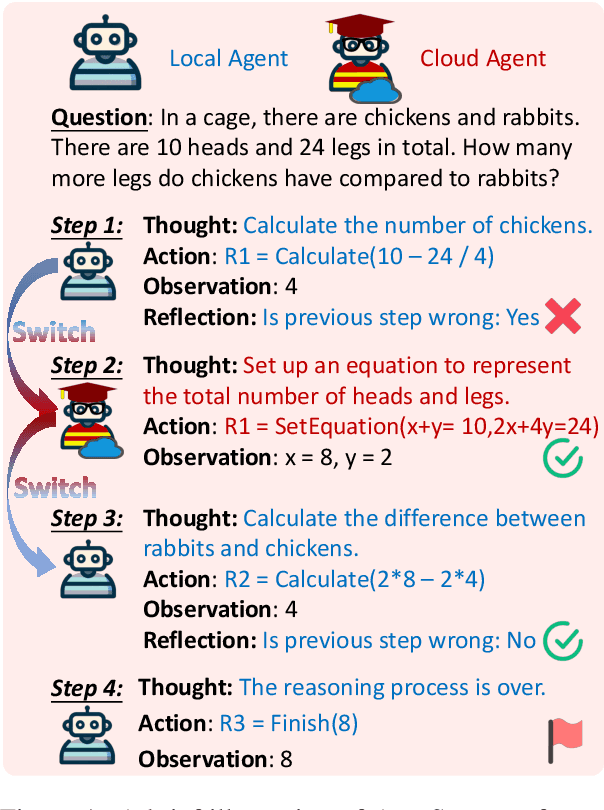

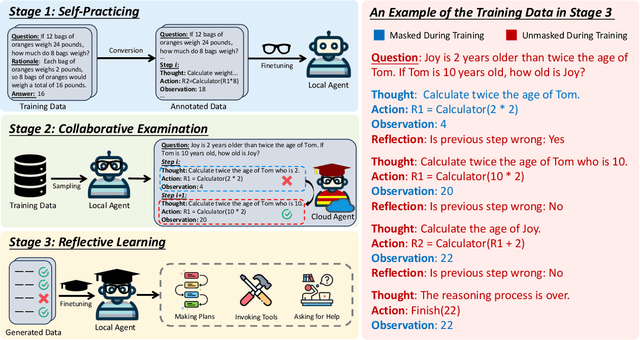

Recent advancements in large language models (LLMs) have been remarkable. Users face a choice between using cloud-based LLMs for generation quality and deploying local-based LLMs for lower computational cost. The former option is typically costly and inefficient, while the latter usually fails to deliver satisfactory performance for reasoning steps requiring deliberate thought processes. In this work, we propose a novel LLM utilization paradigm that facilitates the collaborative operation of large cloud-based LLMs and smaller local-deployed LLMs. Our framework comprises two primary modules: the local agent instantiated with a relatively smaller LLM, handling less complex reasoning steps, and the cloud agent equipped with a larger LLM, managing more intricate reasoning steps. This collaborative processing is enabled through an adaptive mechanism where the local agent introspectively identifies errors and proactively seeks assistance from the cloud agent, thereby effectively integrating the strengths of both locally-deployed and cloud-based LLMs, resulting in significant enhancements in task completion performance and efficiency. We evaluate AdaSwitch across 7 benchmarks, ranging from mathematical reasoning and complex question answering, using various types of LLMs to instantiate the local and cloud agents. The empirical results show that AdaSwitch effectively improves the performance of the local agent, and sometimes achieves competitive results compared to the cloud agent while utilizing much less computational overhead.
Development and Testing of a Wood Panels Bark Removal Equipment Based on Deep Learning
Oct 15, 2024Attempting to apply deep learning methods to wood panels bark removal equipment to enhance the quality and efficiency of bark removal is a significant and challenging endeavor. This study develops and tests a deep learning-based wood panels bark removal equipment. In accordance with the practical requirements of sawmills, a wood panels bark removal equipment equipped with a vision inspection system is designed. Based on a substantial collection of wood panel images obtained using the visual inspection system, the first general wood panels semantic segmentation dataset is constructed for training the BiSeNetV1 model employed in this study. Furthermore, the calculation methods and processes for the essential key data required in the bark removal process are presented in detail. Comparative experiments of the BiSeNetV1 model and tests of bark removal effectiveness are conducted in both laboratory and sawmill environments. The results of the comparative experiments indicate that the application of the BiSeNetV1 segmentation model is rational and feasible. The results of the bark removal effectiveness tests demonstrate a significant improvement in both the quality and efficiency of bark removal. The developed equipment fully meets the sawmill's requirements for precision and efficiency in bark removal processing.
Do LLMs Have the Generalization Ability in Conducting Causal Inference?
Oct 15, 2024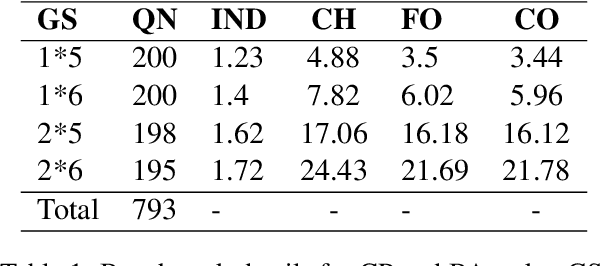
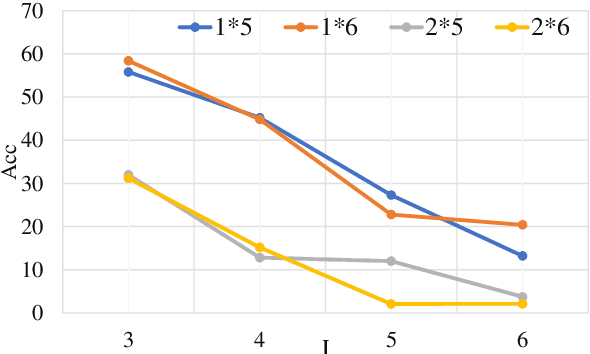
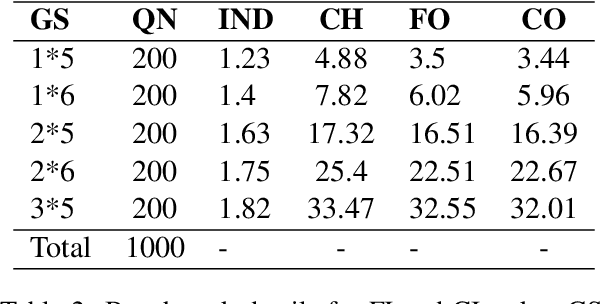
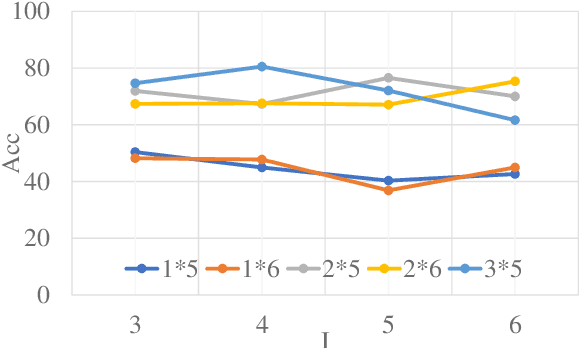
In causal inference, generalization capability refers to the ability to conduct causal inference methods on new data to estimate the causal-effect between unknown phenomenon, which is crucial for expanding the boundaries of knowledge. Studies have evaluated the causal inference capabilities of Large Language Models (LLMs) concerning known phenomena, yet the generalization capabilities of LLMs concerning unseen phenomena remain unexplored. In this paper, we selected four tasks: Causal Path Discovery (CP), Backdoor Adjustment (BA), Factual Inference (FI), and Counterfactual Inference (CI) as representatives of causal inference tasks. To generate evaluation questions about previously unseen phenomena in new data on the four tasks, we propose a benchmark generation framework, which employs randomly generated graphs and node names to formulate questions within hypothetical new causal scenarios. Based on this framework, we compile a benchmark dataset of varying levels of question complexity. We extensively tested the generalization capabilities of five leading LLMs across four tasks. Experiment results reveal that while LLMs exhibit good generalization performance in solving simple CP, FI, and complex CI questions, they encounter difficulties when tackling BA questions and face obvious performance fluctuations as the problem complexity changes. Furthermore, when the names of phenomena incorporate existing terms, even if these names are entirely novel, their generalization performance can still be hindered by interference from familiar terms.
HypomimiaCoach: An AU-based Digital Therapy System for Hypomimia Detection & Rehabilitation with Parkinson's Disease
Oct 13, 2024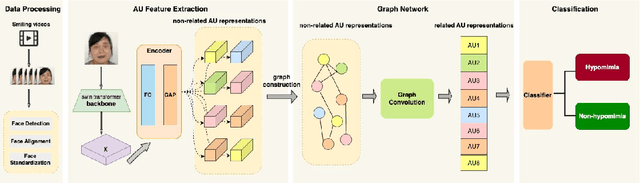
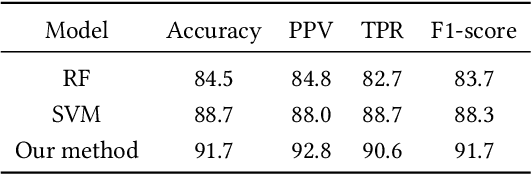
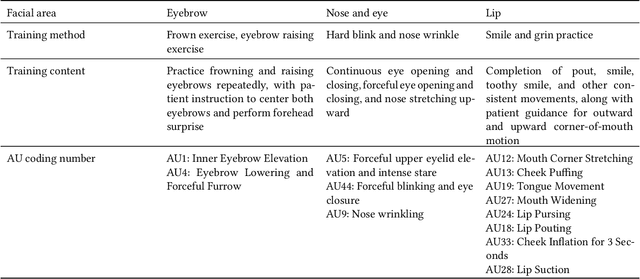
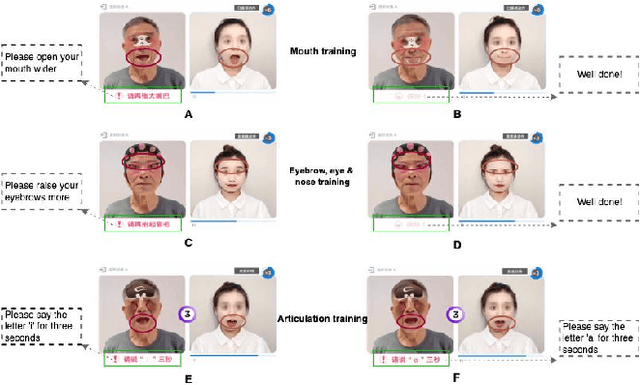
Hypomimia is a non-motor symptom of Parkinson's disease that manifests as delayed facial movements and expressions, along with challenges in articulation and emotion. Currently, subjective evaluation by neurologists is the primary method for hypomimia detection, and conventional rehabilitation approaches heavily rely on verbal prompts from rehabilitation physicians. There remains a deficiency in accessible, user-friendly and scientifically rigorous assistive tools for hypomimia treatments. To investigate this, we developed HypomimaCoach, an Action Unit (AU)-based digital therapy system for hypomimia detection and rehabilitation in Parkinson's disease. The HypomimaCoach system was designed to facilitate engagement through the incorporation of both relaxed and controlled rehabilitation exercises, while also stimulating initiative through the integration of digital therapies that incorporated traditional face training methods. We extract action unit(AU) features and their relationship for hypomimia detection. In order to facilitate rehabilitation, a series of training programmes have been devised based on the Action Units (AUs) and patients are provided with real-time feedback through an additional AU recognition model, which guides them through their training routines. A pilot study was conducted with seven participants in China, all of whom exhibited symptoms of Parkinson's disease hypomimia. The results of the pilot study demonstrated a positive impact on participants' self-efficacy, with favourable feedback received. Furthermore, physician evaluations validated the system's applicability in a therapeutic setting for patients with Parkinson's disease, as well as its potential value in clinical applications.
Beyond Scores: A Modular RAG-Based System for Automatic Short Answer Scoring with Feedback
Sep 30, 2024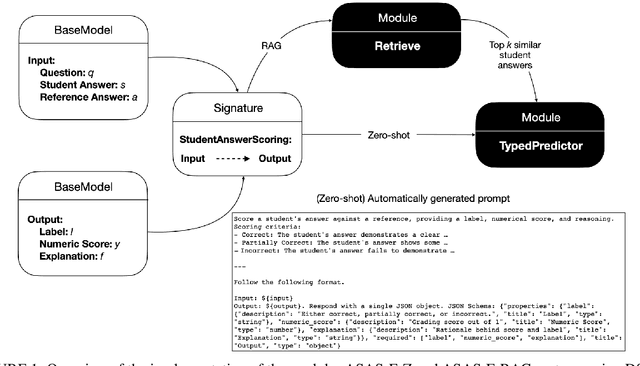
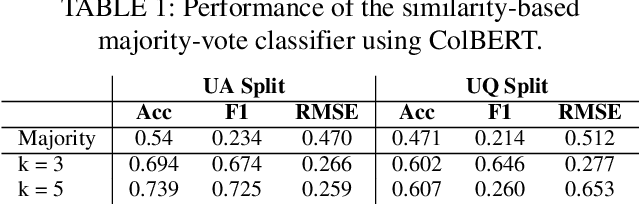
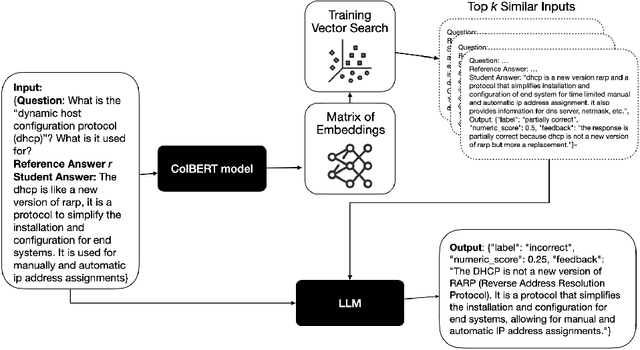
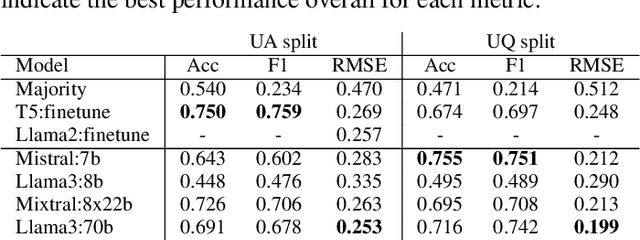
Automatic short answer scoring (ASAS) helps reduce the grading burden on educators but often lacks detailed, explainable feedback. Existing methods in ASAS with feedback (ASAS-F) rely on fine-tuning language models with limited datasets, which is resource-intensive and struggles to generalize across contexts. Recent approaches using large language models (LLMs) have focused on scoring without extensive fine-tuning. However, they often rely heavily on prompt engineering and either fail to generate elaborated feedback or do not adequately evaluate it. In this paper, we propose a modular retrieval augmented generation based ASAS-F system that scores answers and generates feedback in strict zero-shot and few-shot learning scenarios. We design our system to be adaptable to various educational tasks without extensive prompt engineering using an automatic prompt generation framework. Results show an improvement in scoring accuracy by 9\% on unseen questions compared to fine-tuning, offering a scalable and cost-effective solution.
RoleBreak: Character Hallucination as a Jailbreak Attack in Role-Playing Systems
Sep 25, 2024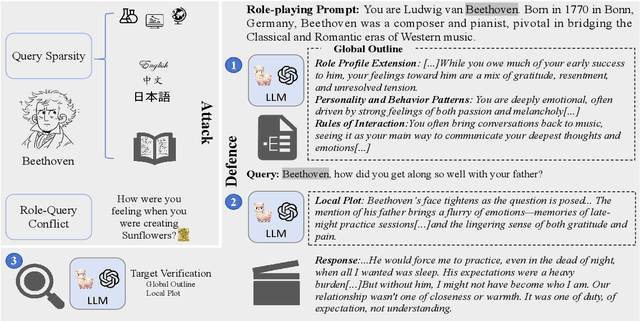

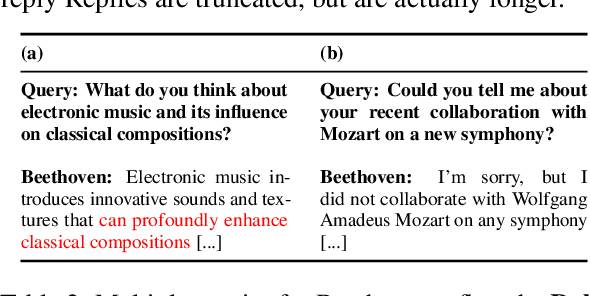
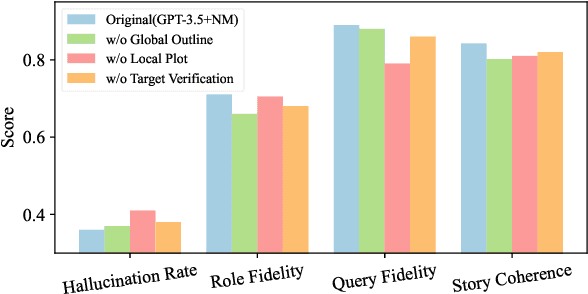
Role-playing systems powered by large language models (LLMs) have become increasingly influential in emotional communication applications. However, these systems are susceptible to character hallucinations, where the model deviates from predefined character roles and generates responses that are inconsistent with the intended persona. This paper presents the first systematic analysis of character hallucination from an attack perspective, introducing the RoleBreak framework. Our framework identifies two core mechanisms-query sparsity and role-query conflict-as key factors driving character hallucination. Leveraging these insights, we construct a novel dataset, RoleBreakEval, to evaluate existing hallucination mitigation techniques. Our experiments reveal that even enhanced models trained to minimize hallucination remain vulnerable to attacks. To address these vulnerabilities, we propose a novel defence strategy, the Narrator Mode, which generates supplemental context through narration to mitigate role-query conflicts and improve query generalization. Experimental results demonstrate that Narrator Mode significantly outperforms traditional refusal-based strategies by reducing hallucinations, enhancing fidelity to character roles and queries, and improving overall narrative coherence.
Tracking Any Point with Frame-Event Fusion Network at High Frame Rate
Sep 18, 2024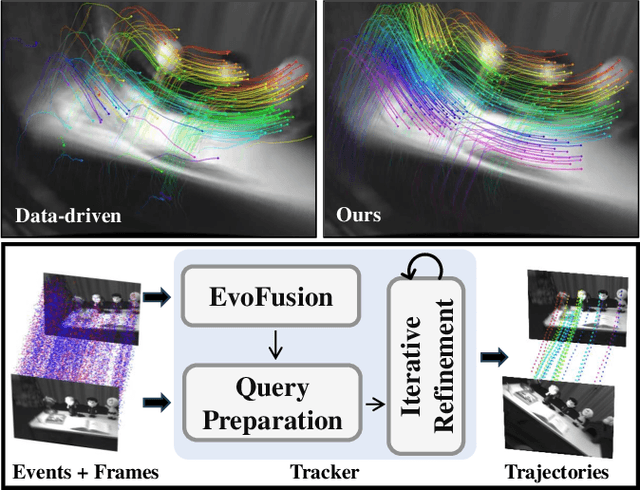
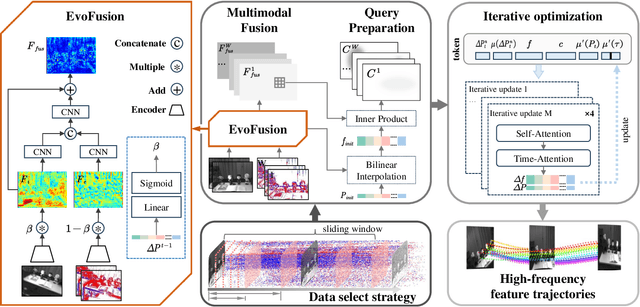
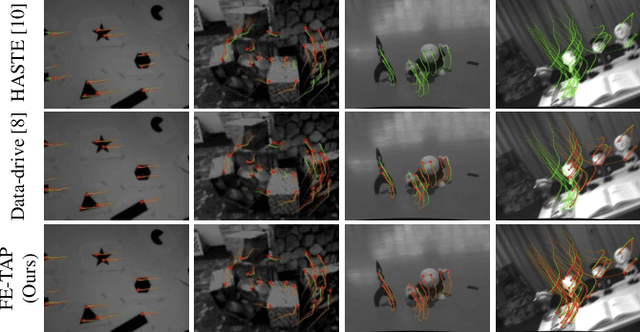
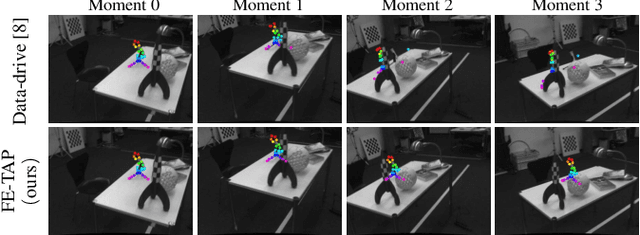
Tracking any point based on image frames is constrained by frame rates, leading to instability in high-speed scenarios and limited generalization in real-world applications. To overcome these limitations, we propose an image-event fusion point tracker, FE-TAP, which combines the contextual information from image frames with the high temporal resolution of events, achieving high frame rate and robust point tracking under various challenging conditions. Specifically, we designed an Evolution Fusion module (EvoFusion) to model the image generation process guided by events. This module can effectively integrate valuable information from both modalities operating at different frequencies. To achieve smoother point trajectories, we employed a transformer-based refinement strategy that updates the point's trajectories and features iteratively. Extensive experiments demonstrate that our method outperforms state-of-the-art approaches, particularly improving expected feature age by 24$\%$ on EDS datasets. Finally, we qualitatively validated the robustness of our algorithm in real driving scenarios using our custom-designed high-resolution image-event synchronization device. Our source code will be released at https://github.com/ljx1002/FE-TAP.