 Add to Chrome
 Add to Firefox
 Add to Edge
Enhancing context models for point cloud geometry compression with context feature residuals and multi-loss
Jul 11, 2024
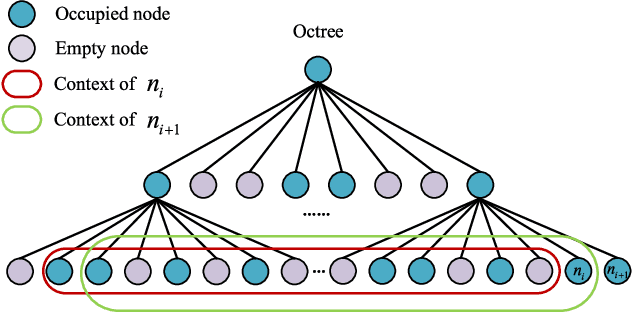
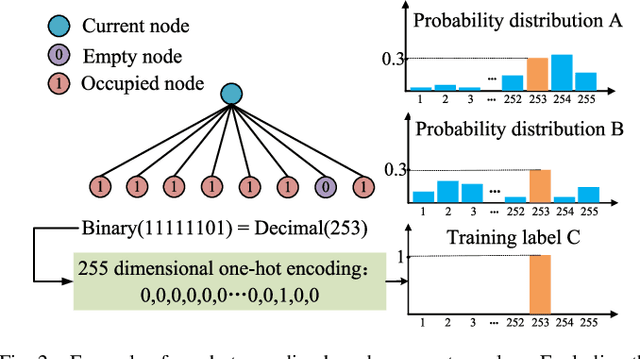
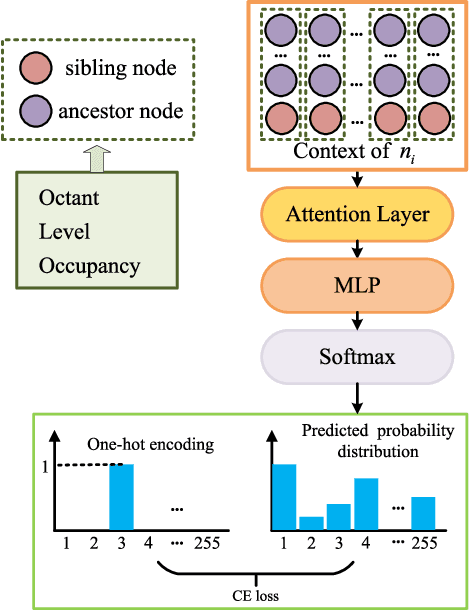
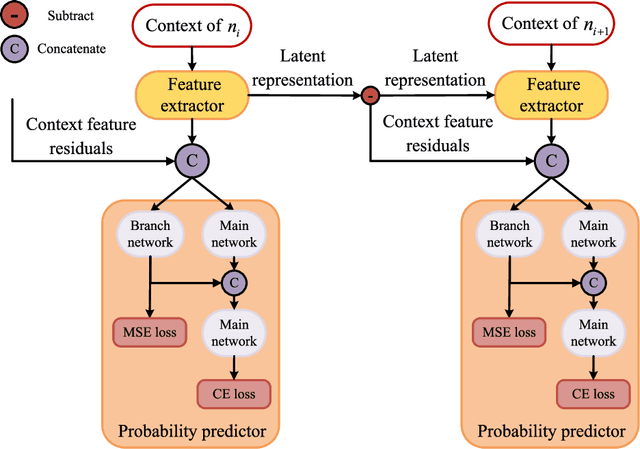
In point cloud geometry compression, context models usually use the one-hot encoding of node occupancy as the label, and the cross-entropy between the one-hot encoding and the probability distribution predicted by the context model as the loss function. However, this approach has two main weaknesses. First, the differences between contexts of different nodes are not significant, making it difficult for the context model to accurately predict the probability distribution of node occupancy. Second, as the one-hot encoding is not the actual probability distribution of node occupancy, the cross-entropy loss function is inaccurate. To address these problems, we propose a general structure that can enhance existing context models. We introduce the context feature residuals into the context model to amplify the differences between contexts. We also add a multi-layer perception branch, that uses the mean squared error between its output and node occupancy as a loss function to provide accurate gradients in backpropagation. We validate our method by showing that it can improve the performance of an octree-based model (OctAttention) and a voxel-based model (VoxelDNN) on the object point cloud datasets MPEG 8i and MVUB, as well as the LiDAR point cloud dataset SemanticKITTI.
* 11 pages, 8 figures

OMR-NET: a two-stage octave multi-scale residual network for screen content image compression
Jul 11, 2024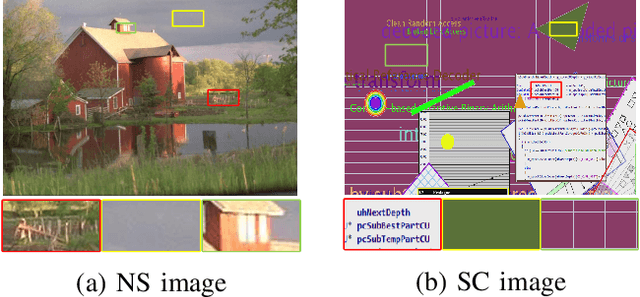
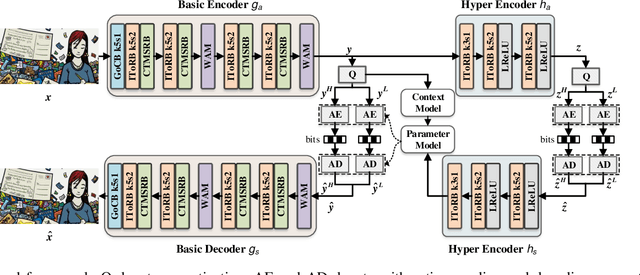
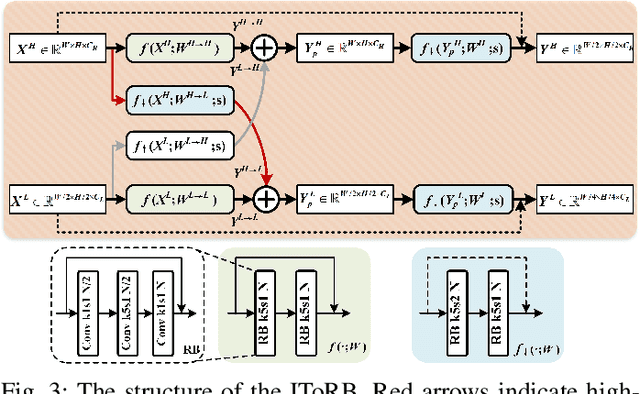
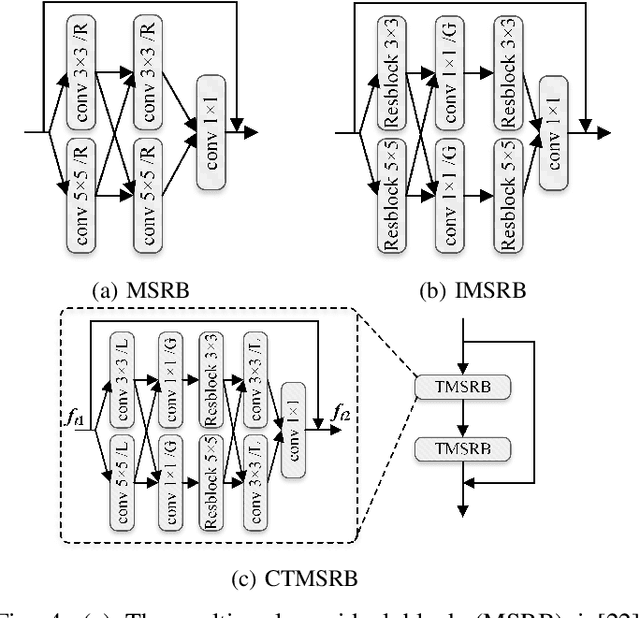
Screen content (SC) differs from natural scene (NS) with unique characteristics such as noise-free, repetitive patterns, and high contrast. Aiming at addressing the inadequacies of current learned image compression (LIC) methods for SC, we propose an improved two-stage octave convolutional residual blocks (IToRB) for high and low-frequency feature extraction and a cascaded two-stage multi-scale residual blocks (CTMSRB) for improved multi-scale learning and nonlinearity in SC. Additionally, we employ a window-based attention module (WAM) to capture pixel correlations, especially for high contrast regions in the image. We also construct a diverse SC image compression dataset (SDU-SCICD2K) for training, including text, charts, graphics, animation, movie, game and mixture of SC images and NS images. Experimental results show our method, more suited for SC than NS data, outperforms existing LIC methods in rate-distortion performance on SC images. The code is publicly available at https://github.com/SunshineSki/OMR Net.git.
* 7 figures, 2 tables
Deformable Feature Alignment and Refinement for Moving Infrared Dim-small Target Detection
Jul 10, 2024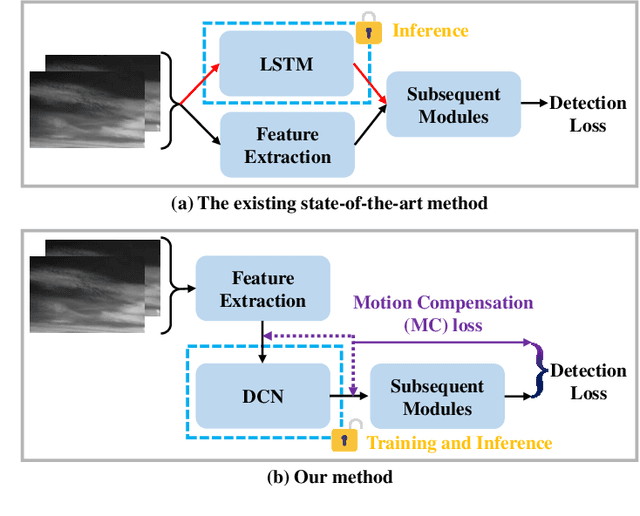
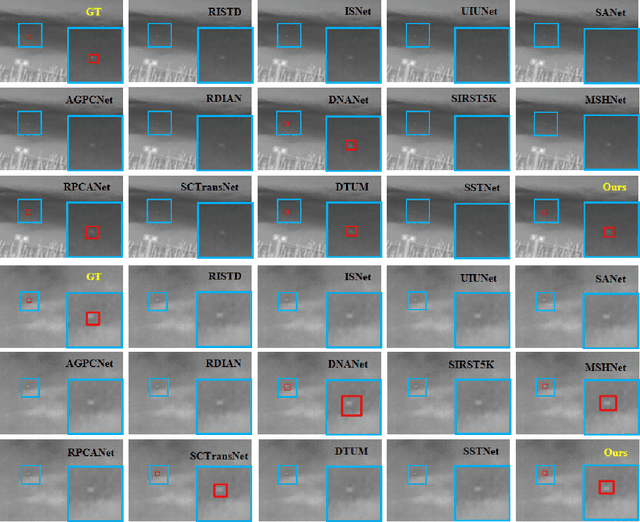
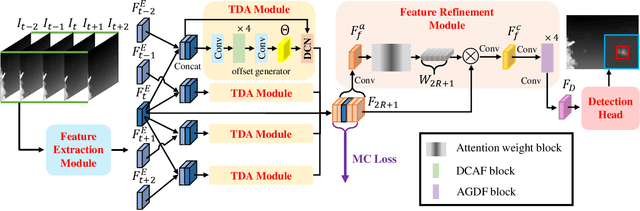
The detection of moving infrared dim-small targets has been a challenging and prevalent research topic. The current state-of-the-art methods are mainly based on ConvLSTM to aggregate information from adjacent frames to facilitate the detection of the current frame. However, these methods implicitly utilize motion information only in the training stage and fail to explicitly explore motion compensation, resulting in poor performance in the case of a video sequence including large motion. In this paper, we propose a Deformable Feature Alignment and Refinement (DFAR) method based on deformable convolution to explicitly use motion context in both the training and inference stages. Specifically, a Temporal Deformable Alignment (TDA) module based on the designed Dilated Convolution Attention Fusion (DCAF) block is developed to explicitly align the adjacent frames with the current frame at the feature level. Then, the feature refinement module adaptively fuses the aligned features and further aggregates useful spatio-temporal information by means of the proposed Attention-guided Deformable Fusion (AGDF) block. In addition, to improve the alignment of adjacent frames with the current frame, we extend the traditional loss function by introducing a new motion compensation loss. Extensive experimental results demonstrate that the proposed DFAR method achieves the state-of-the-art performance on two benchmark datasets including DAUB and IRDST.
Combinatorial Multivariant Multi-Armed Bandits with Applications to Episodic Reinforcement Learning and Beyond
Jun 03, 2024We introduce a novel framework of combinatorial multi-armed bandits (CMAB) with multivariant and probabilistically triggering arms (CMAB-MT), where the outcome of each arm is a $d$-dimensional multivariant random variable and the feedback follows a general arm triggering process. Compared with existing CMAB works, CMAB-MT not only enhances the modeling power but also allows improved results by leveraging distinct statistical properties for multivariant random variables. For CMAB-MT, we propose a general 1-norm multivariant and triggering probability-modulated smoothness condition, and an optimistic CUCB-MT algorithm built upon this condition. Our framework can include many important problems as applications, such as episodic reinforcement learning (RL) and probabilistic maximum coverage for goods distribution, all of which meet the above smoothness condition and achieve matching or improved regret bounds compared to existing works. Through our new framework, we build the first connection between the episodic RL and CMAB literature, by offering a new angle to solve the episodic RL through the lens of CMAB, which may encourage more interactions between these two important directions.
Calibrating Reasoning in Language Models with Internal Consistency
May 29, 2024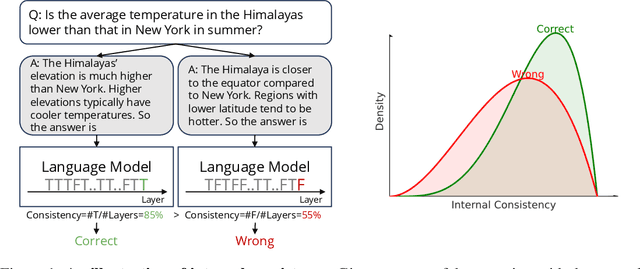
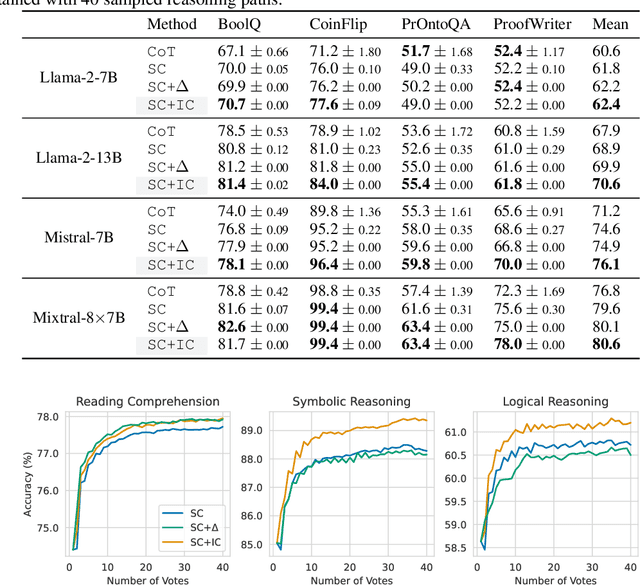
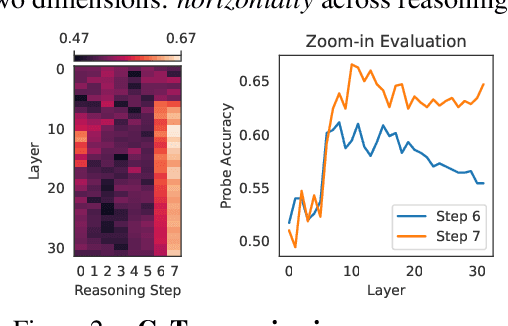
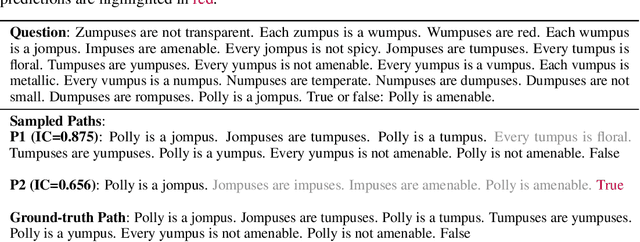
Large language models (LLMs) have demonstrated impressive capabilities in various reasoning tasks, aided by techniques like chain-of-thought (CoT) prompting that elicits verbalized reasoning. However, LLMs often generate text with obvious mistakes and contradictions, raising doubts about their ability to robustly process and utilize generated rationales. In this work, we investigate CoT reasoning in LLMs through the lens of internal representations, focusing on how these representations are influenced by generated rationales. Our preliminary analysis reveals that while generated rationales improve answer accuracy, inconsistencies emerge between the model's internal representations in middle layers and those in final layers, potentially undermining the reliability of their reasoning processes. To address this, we propose internal consistency as a measure of the model's confidence by examining the agreement of latent predictions decoded from intermediate layers. Extensive empirical studies across different models and datasets demonstrate that internal consistency effectively distinguishes between correct and incorrect reasoning paths. Motivated by this, we propose a new approach to calibrate CoT reasoning by up-weighting reasoning paths with high internal consistency, resulting in a significant boost in reasoning performance. Further analysis uncovers distinct patterns in attention and feed-forward modules across layers, providing insights into the emergence of internal inconsistency. In summary, our results demonstrate the potential of using internal representations for self-evaluation of LLMs.
Beyond Chain-of-Thought: A Survey of Chain-of-X Paradigms for LLMs
Apr 24, 2024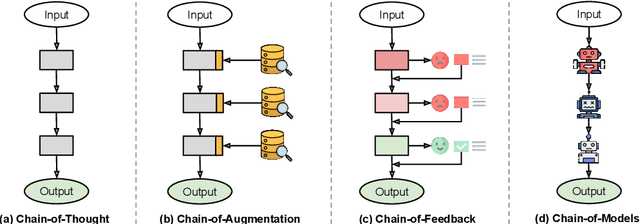
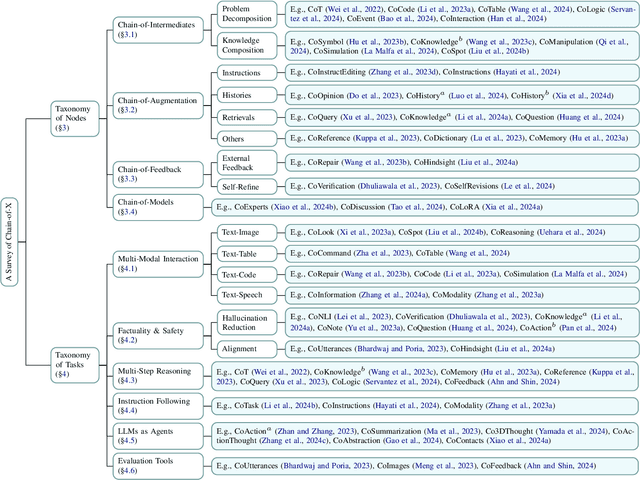
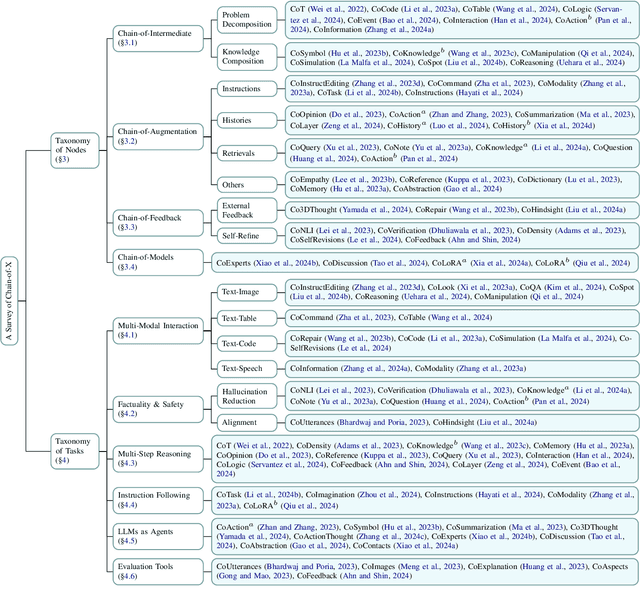
Chain-of-Thought (CoT) has been a widely adopted prompting method, eliciting impressive reasoning abilities of Large Language Models (LLMs). Inspired by the sequential thought structure of CoT, a number of Chain-of-X (CoX) methods have been developed to address various challenges across diverse domains and tasks involving LLMs. In this paper, we provide a comprehensive survey of Chain-of-X methods for LLMs in different contexts. Specifically, we categorize them by taxonomies of nodes, i.e., the X in CoX, and application tasks. We also discuss the findings and implications of existing CoX methods, as well as potential future directions. Our survey aims to serve as a detailed and up-to-date resource for researchers seeking to apply the idea of CoT to broader scenarios.
Motion-adaptive Separable Collaborative Filters for Blind Motion Deblurring
Apr 19, 2024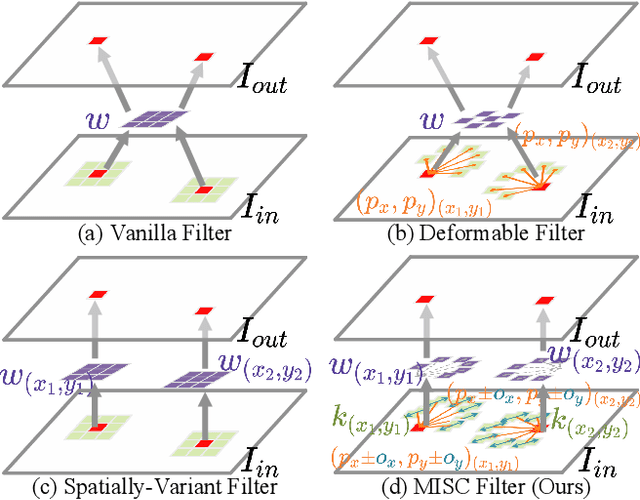
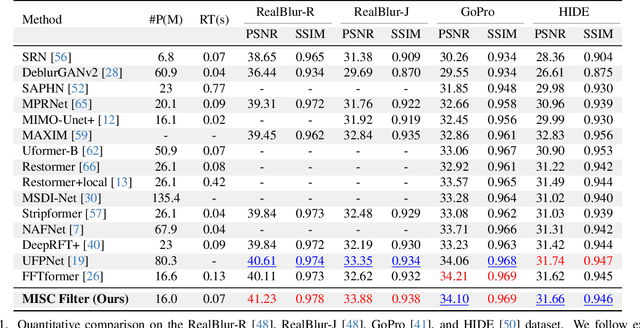
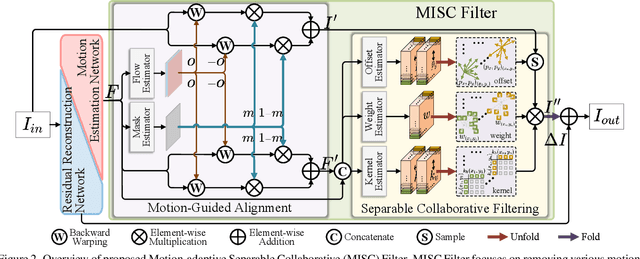
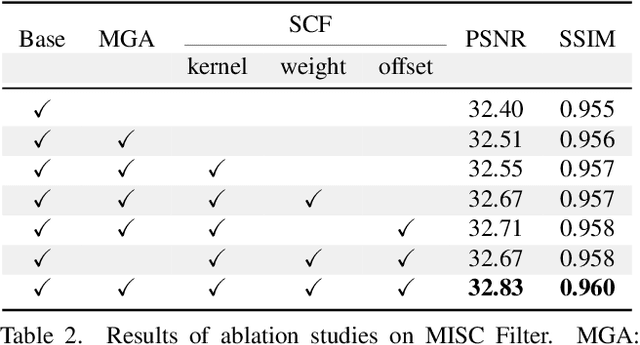
Eliminating image blur produced by various kinds of motion has been a challenging problem. Dominant approaches rely heavily on model capacity to remove blurring by reconstructing residual from blurry observation in feature space. These practices not only prevent the capture of spatially variable motion in the real world but also ignore the tailored handling of various motions in image space. In this paper, we propose a novel real-world deblurring filtering model called the Motion-adaptive Separable Collaborative (MISC) Filter. In particular, we use a motion estimation network to capture motion information from neighborhoods, thereby adaptively estimating spatially-variant motion flow, mask, kernels, weights, and offsets to obtain the MISC Filter. The MISC Filter first aligns the motion-induced blurring patterns to the motion middle along the predicted flow direction, and then collaboratively filters the aligned image through the predicted kernels, weights, and offsets to generate the output. This design can handle more generalized and complex motion in a spatially differentiated manner. Furthermore, we analyze the relationships between the motion estimation network and the residual reconstruction network. Extensive experiments on four widely used benchmarks demonstrate that our method provides an effective solution for real-world motion blur removal and achieves state-of-the-art performance. Code is available at https://github.com/ChengxuLiu/MISCFilter
Hallucination Diversity-Aware Active Learning for Text Summarization
Apr 02, 2024
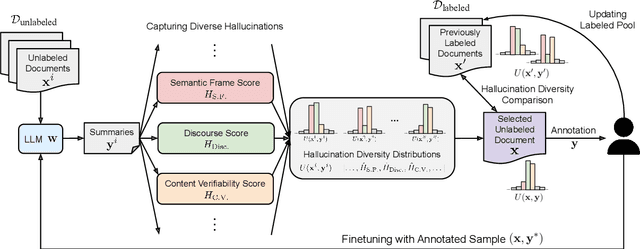
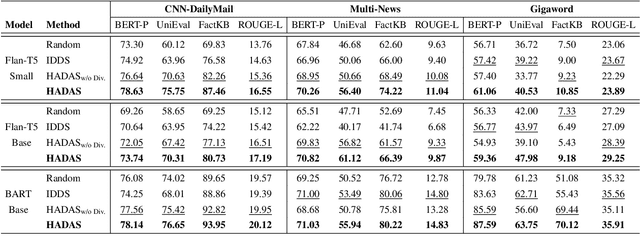
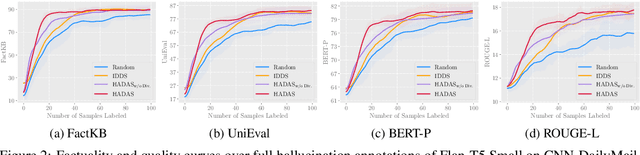
Large Language Models (LLMs) have shown propensity to generate hallucinated outputs, i.e., texts that are factually incorrect or unsupported. Existing methods for alleviating hallucinations typically require costly human annotations to identify and correct hallucinations in LLM outputs. Moreover, most of these methods focus on a specific type of hallucination, e.g., entity or token errors, which limits their effectiveness in addressing various types of hallucinations exhibited in LLM outputs. To our best knowledge, in this paper we propose the first active learning framework to alleviate LLM hallucinations, reducing costly human annotations of hallucination needed. By measuring fine-grained hallucinations from errors in semantic frame, discourse and content verifiability in text summarization, we propose HAllucination Diversity-Aware Sampling (HADAS) to select diverse hallucinations for annotations in active learning for LLM finetuning. Extensive experiments on three datasets and different backbone models demonstrate advantages of our method in effectively and efficiently mitigating LLM hallucinations.
Multi-Objective Trajectory Planning with Dual-Encoder
Mar 26, 2024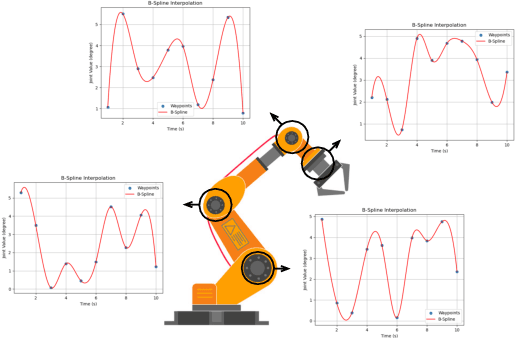
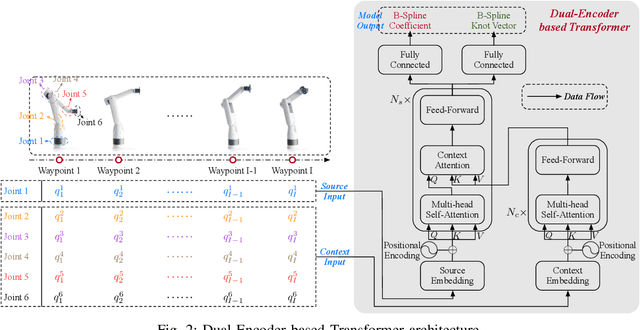

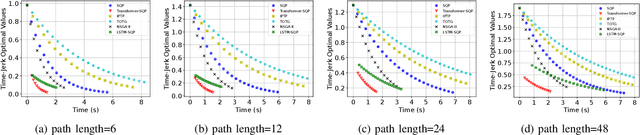
Time-jerk optimal trajectory planning is crucial in advancing robotic arms' performance in dynamic tasks. Traditional methods rely on solving complex nonlinear programming problems, bringing significant delays in generating optimized trajectories. In this paper, we propose a two-stage approach to accelerate time-jerk optimal trajectory planning. Firstly, we introduce a dual-encoder based transformer model to establish a good preliminary trajectory. This trajectory is subsequently refined through sequential quadratic programming to improve its optimality and robustness. Our approach outperforms the state-of-the-art by up to 79.72\% in reducing trajectory planning time. Compared with existing methods, our method shrinks the optimality gap with the objective function value decreasing by up to 29.9\%.
Exploring Dynamic Transformer for Efficient Object Tracking
Mar 26, 2024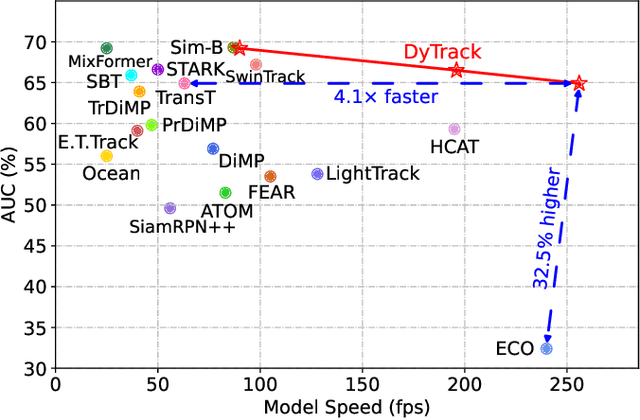
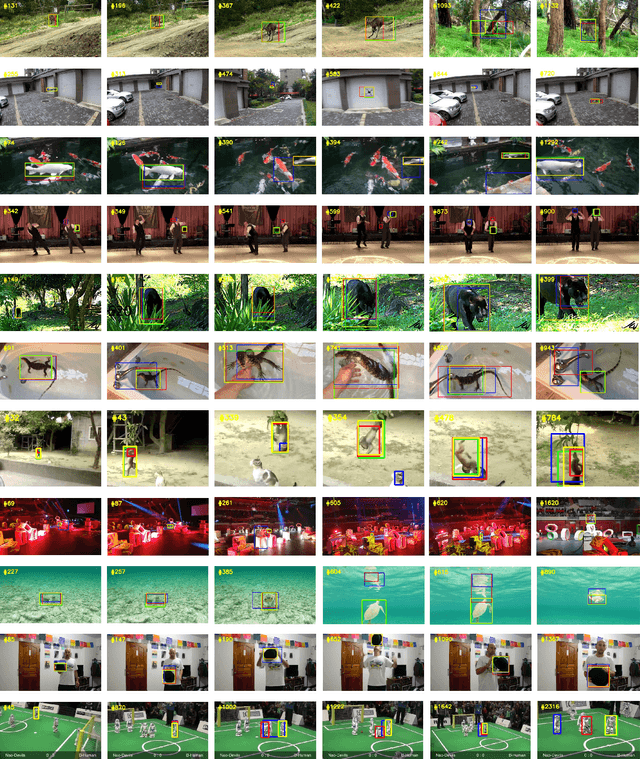
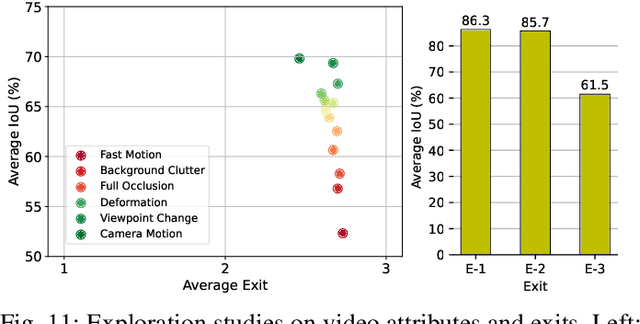
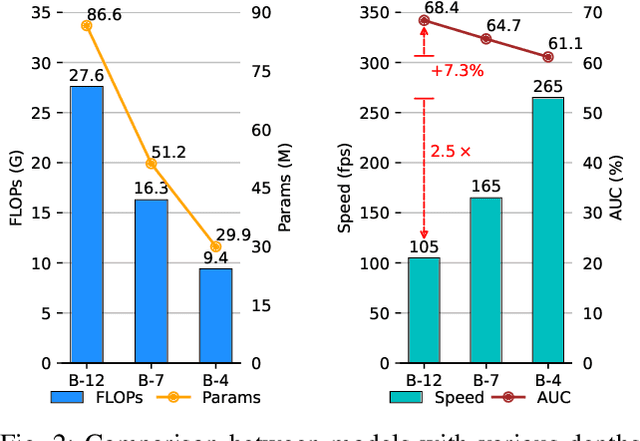
The speed-precision trade-off is a critical problem for visual object tracking which usually requires low latency and deployment on constrained resources. Existing solutions for efficient tracking mainly focus on adopting light-weight backbones or modules, which nevertheless come at the cost of a sacrifice in precision. In this paper, inspired by dynamic network routing, we propose DyTrack, a dynamic transformer framework for efficient tracking. Real-world tracking scenarios exhibit diverse levels of complexity. We argue that a simple network is sufficient for easy frames in video sequences, while more computation could be assigned to difficult ones. DyTrack automatically learns to configure proper reasoning routes for various inputs, gaining better utilization of the available computational budget. Thus, it can achieve higher performance with the same running speed. We formulate instance-specific tracking as a sequential decision problem and attach terminating branches to intermediate layers of the entire model. Especially, to fully utilize the computations, we introduce the feature recycling mechanism to reuse the outputs of predecessors. Furthermore, a target-aware self-distillation strategy is designed to enhance the discriminating capabilities of early predictions by effectively mimicking the representation pattern of the deep model. Extensive experiments on multiple benchmarks demonstrate that DyTrack achieves promising speed-precision trade-offs with only a single model. For instance, DyTrack obtains 64.9% AUC on LaSOT with a speed of 256 fps.