 Add to Chrome
 Add to Firefox
 Add to Edge
Analyst Reports and Stock Performance: Evidence from the Chinese Market
Nov 13, 2024
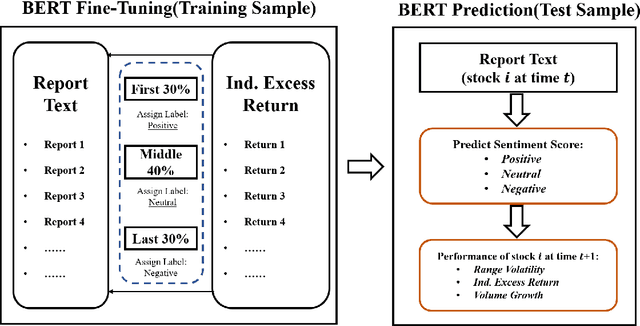
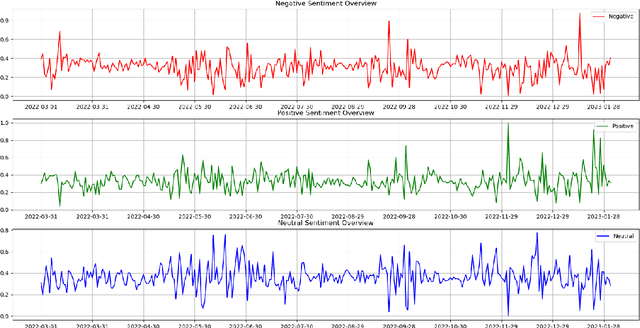
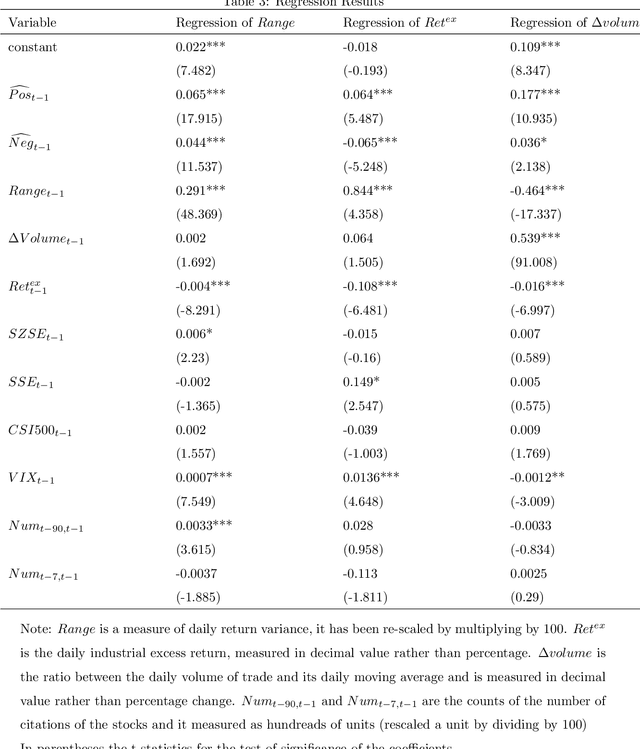
This article applies natural language processing (NLP) to extract and quantify textual information to predict stock performance. Using an extensive dataset of Chinese analyst reports and employing a customized BERT deep learning model for Chinese text, this study categorizes the sentiment of the reports as positive, neutral, or negative. The findings underscore the predictive capacity of this sentiment indicator for stock volatility, excess returns, and trading volume. Specifically, analyst reports with strong positive sentiment will increase excess return and intraday volatility, and vice versa, reports with strong negative sentiment also increase volatility and trading volume, but decrease future excess return. The magnitude of this effect is greater for positive sentiment reports than for negative sentiment reports. This article contributes to the empirical literature on sentiment analysis and the response of the stock market to news in the Chinese stock market.

Flexible Coded Distributed Convolution Computing for Enhanced Fault Tolerance and Numerical Stability in Distributed CNNs
Nov 03, 2024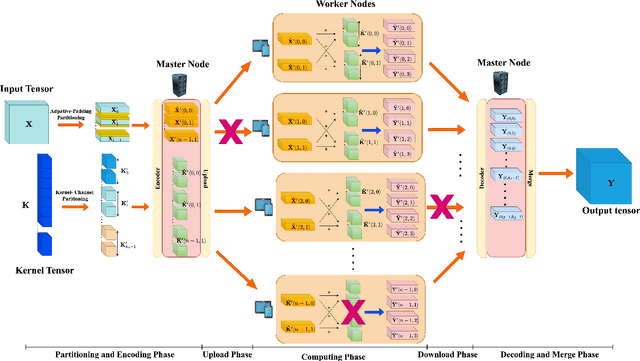
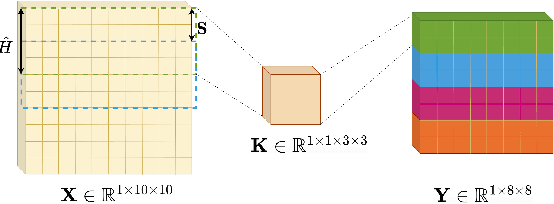
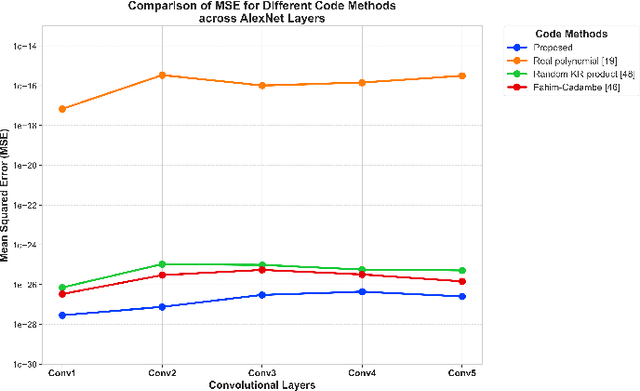
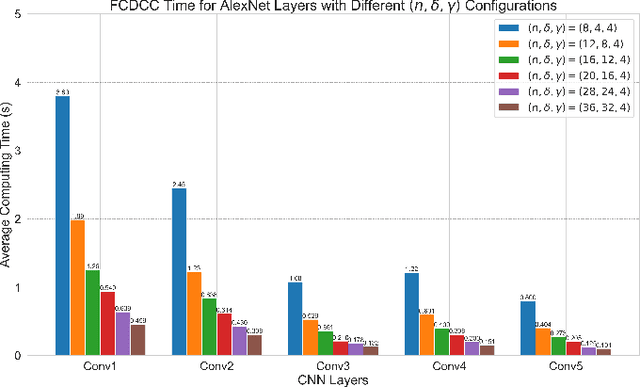
Deploying Convolutional Neural Networks (CNNs) on resource-constrained devices necessitates efficient management of computational resources, often via distributed systems susceptible to latency from straggler nodes. This paper introduces the Flexible Coded Distributed Convolution Computing (FCDCC) framework to enhance fault tolerance and numerical stability in distributed CNNs. We extend Coded Distributed Computing (CDC) with Circulant and Rotation Matrix Embedding (CRME) which was originally proposed for matrix multiplication to high-dimensional tensor convolution. For the proposed scheme, referred to as Numerically Stable Coded Tensor Convolution (NSCTC) scheme, we also propose two new coded partitioning schemes: Adaptive-Padding Coded Partitioning (APCP) for input tensor and Kernel-Channel Coded Partitioning (KCCP) for filter tensor. These strategies enable linear decomposition of tensor convolutions and encoding them into CDC sub-tasks, combining model parallelism with coded redundancy for robust and efficient execution. Theoretical analysis identifies an optimal trade-off between communication and storage costs. Empirical results validate the framework's effectiveness in computational efficiency, fault tolerance, and scalability across various CNN architectures.
FairDgcl: Fairness-aware Recommendation with Dynamic Graph Contrastive Learning
Oct 23, 2024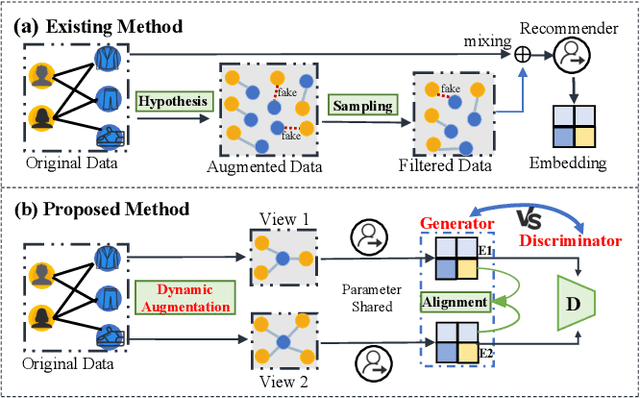
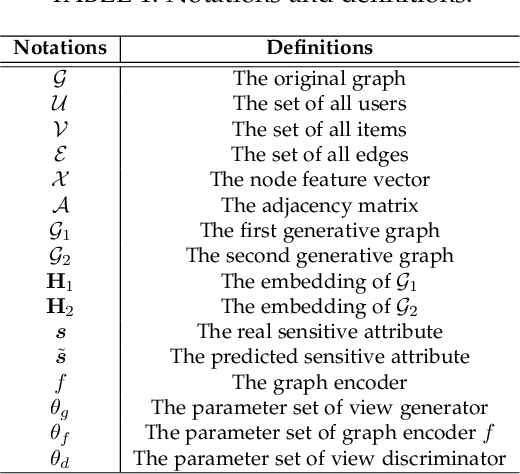
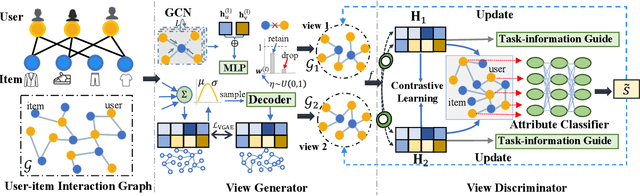
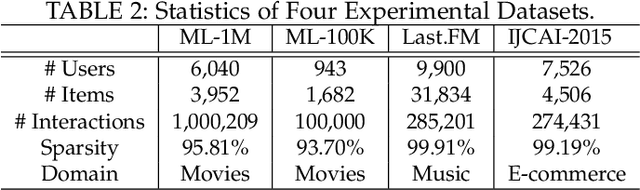
As trustworthy AI continues to advance, the fairness issue in recommendations has received increasing attention. A recommender system is considered unfair when it produces unequal outcomes for different user groups based on user-sensitive attributes (e.g., age, gender). Some researchers have proposed data augmentation-based methods aiming at alleviating user-level unfairness by altering the skewed distribution of training data among various user groups. Despite yielding promising results, they often rely on fairness-related assumptions that may not align with reality, potentially reducing the data quality and negatively affecting model effectiveness. To tackle this issue, in this paper, we study how to implement high-quality data augmentation to improve recommendation fairness. Specifically, we propose FairDgcl, a dynamic graph adversarial contrastive learning framework aiming at improving fairness in recommender system. First, FairDgcl develops an adversarial contrastive network with a view generator and a view discriminator to learn generating fair augmentation strategies in an adversarial style. Then, we propose two dynamic, learnable models to generate contrastive views within contrastive learning framework, which automatically fine-tune the augmentation strategies. Meanwhile, we theoretically show that FairDgcl can simultaneously generate enhanced representations that possess both fairness and accuracy. Lastly, comprehensive experiments conducted on four real-world datasets demonstrate the effectiveness of the proposed FairDgcl.
Vision-Language Navigation with Energy-Based Policy
Oct 18, 2024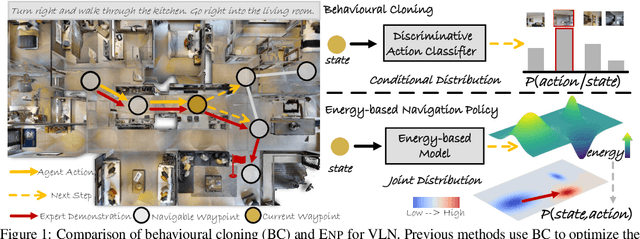
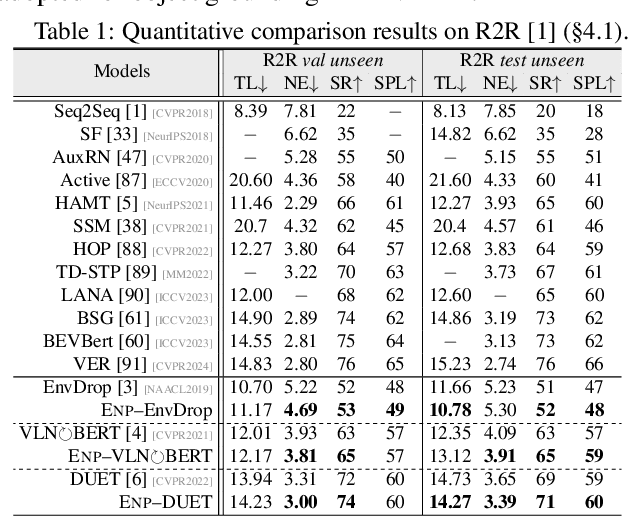
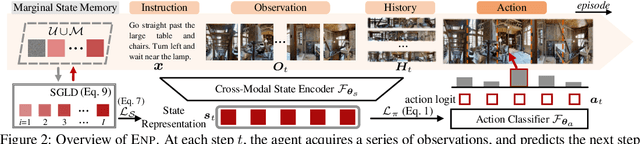
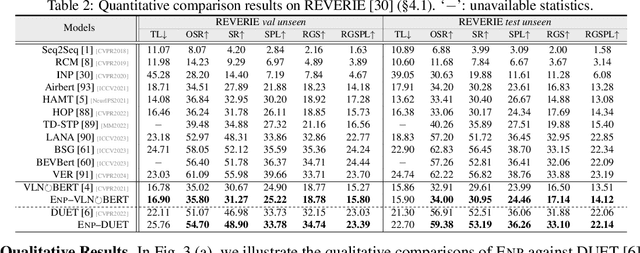
Vision-language navigation (VLN) requires an agent to execute actions following human instructions. Existing VLN models are optimized through expert demonstrations by supervised behavioural cloning or incorporating manual reward engineering. While straightforward, these efforts overlook the accumulation of errors in the Markov decision process, and struggle to match the distribution of the expert policy. Going beyond this, we propose an Energy-based Navigation Policy (ENP) to model the joint state-action distribution using an energy-based model. At each step, low energy values correspond to the state-action pairs that the expert is most likely to perform, and vice versa. Theoretically, the optimization objective is equivalent to minimizing the forward divergence between the occupancy measure of the expert and ours. Consequently, ENP learns to globally align with the expert policy by maximizing the likelihood of the actions and modeling the dynamics of the navigation states in a collaborative manner. With a variety of VLN architectures, ENP achieves promising performances on R2R, REVERIE, RxR, and R2R-CE, unleashing the power of existing VLN models.
Multi-Source Spatial Knowledge Understanding for Immersive Visual Text-to-Speech
Oct 18, 2024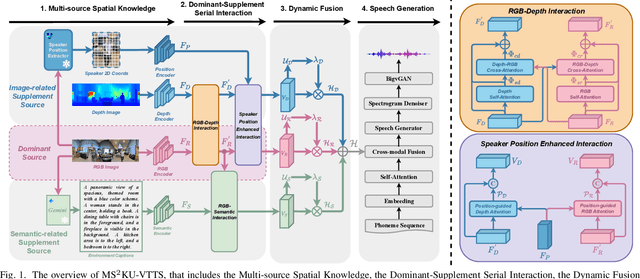
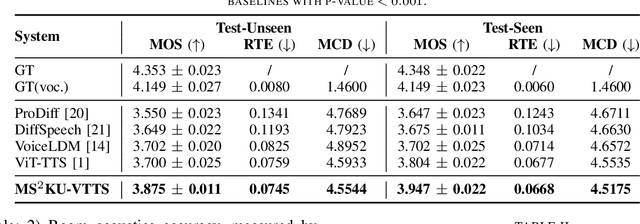
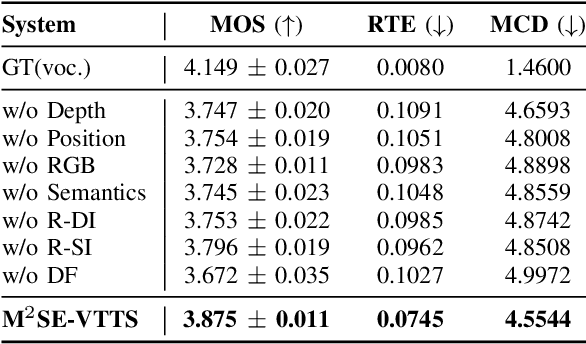
Visual Text-to-Speech (VTTS) aims to take the spatial environmental image as the prompt to synthesize the reverberation speech for the spoken content. Previous research focused on the RGB modality for global environmental modeling, overlooking the potential of multi-source spatial knowledge like depth, speaker position, and environmental semantics. To address the issues, we propose a novel multi-source spatial knowledge understanding scheme for immersive VTTS, termed MS$^2$KU-VTTS. Specifically, we first prioritize RGB image as the dominant source and consider depth image, speaker position knowledge from object detection, and semantic captions from image understanding LLM as supplementary sources. Afterwards, we propose a serial interaction mechanism to deeply engage with both dominant and supplementary sources. The resulting multi-source knowledge is dynamically integrated based on their contributions.This enriched interaction and integration of multi-source spatial knowledge guides the speech generation model, enhancing the immersive spatial speech experience.Experimental results demonstrate that the MS$^2$KU-VTTS surpasses existing baselines in generating immersive speech. Demos and code are available at: https://github.com/MS2KU-VTTS/MS2KU-VTTS.
Emphasis Rendering for Conversational Text-to-Speech with Multi-modal Multi-scale Context Modeling
Oct 12, 2024


Conversational Text-to-Speech (CTTS) aims to accurately express an utterance with the appropriate style within a conversational setting, which attracts more attention nowadays. While recognizing the significance of the CTTS task, prior studies have not thoroughly investigated speech emphasis expression, which is essential for conveying the underlying intention and attitude in human-machine interaction scenarios, due to the scarcity of conversational emphasis datasets and the difficulty in context understanding. In this paper, we propose a novel Emphasis Rendering scheme for the CTTS model, termed ER-CTTS, that includes two main components: 1) we simultaneously take into account textual and acoustic contexts, with both global and local semantic modeling to understand the conversation context comprehensively; 2) we deeply integrate multi-modal and multi-scale context to learn the influence of context on the emphasis expression of the current utterance. Finally, the inferred emphasis feature is fed into the neural speech synthesizer to generate conversational speech. To address data scarcity, we create emphasis intensity annotations on the existing conversational dataset (DailyTalk). Both objective and subjective evaluations suggest that our model outperforms the baseline models in emphasis rendering within a conversational setting. The code and audio samples are available at https://github.com/CodeStoreTTS/ER-CTTS.
Building Real-time Awareness of Out-of-distribution in Trajectory Prediction for Autonomous Vehicles
Sep 25, 2024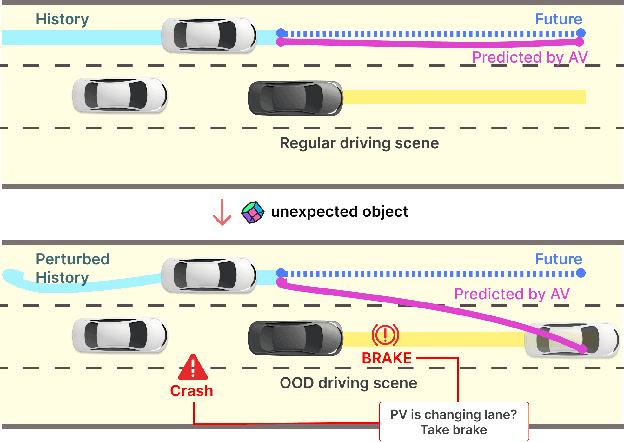
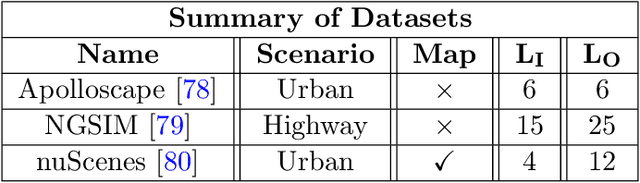
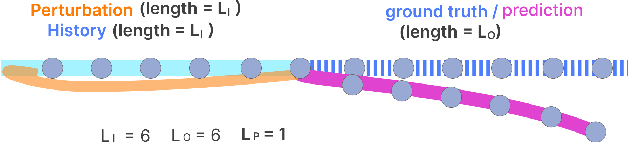

Trajectory prediction describes the motions of surrounding moving obstacles for an autonomous vehicle; it plays a crucial role in enabling timely decision-making, such as collision avoidance and trajectory replanning. Accurate trajectory planning is the key to reliable vehicle deployments in open-world environment, where unstructured obstacles bring in uncertainties that are impossible to fully capture by training data. For traditional machine learning tasks, such uncertainties are often addressed reasonably well via methods such as continual learning. On the one hand, naively applying those methods to trajectory prediction can result in continuous data collection and frequent model updates, which can be resource-intensive. On the other hand, the predicted trajectories can be far away from the true trajectories, leading to unsafe decision-making. In this paper, we aim to establish real-time awareness of out-of-distribution in trajectory prediction for autonomous vehicles. We focus on the challenging and practically relevant setting where the out-of-distribution is deceptive, that is, the one not easily detectable by human intuition. Drawing on the well-established techniques of sequential analysis, we build real-time awareness of out-of-distribution by monitoring prediction errors using the quickest change point detection (QCD). Our solutions are lightweight and can handle the occurrence of out-of-distribution at any time during trajectory prediction inference. Experimental results on multiple real-world datasets using a benchmark trajectory prediction model demonstrate the effectiveness of our methods.
Reactive Multi-Robot Navigation in Outdoor Environments Through Uncertainty-Aware Active Learning of Human Preference Landscape
Sep 25, 2024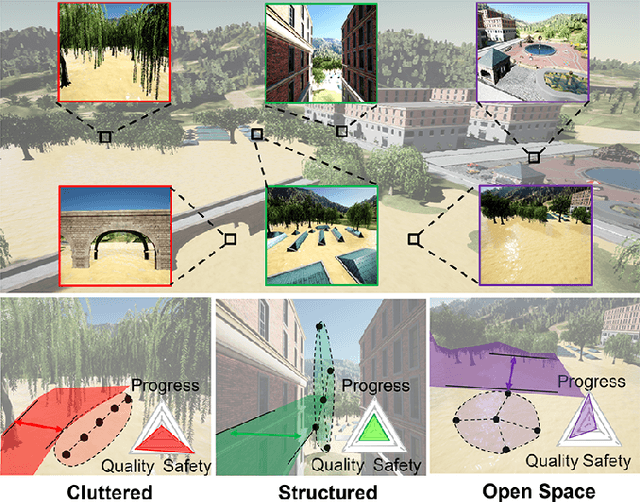
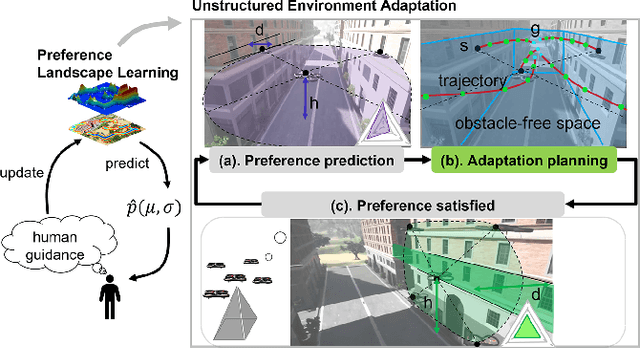
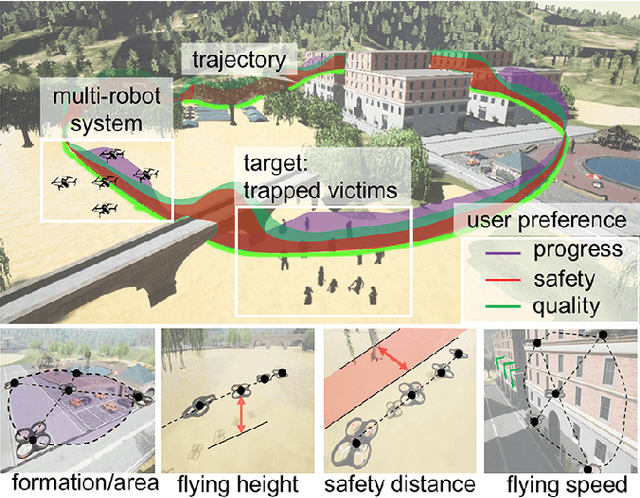
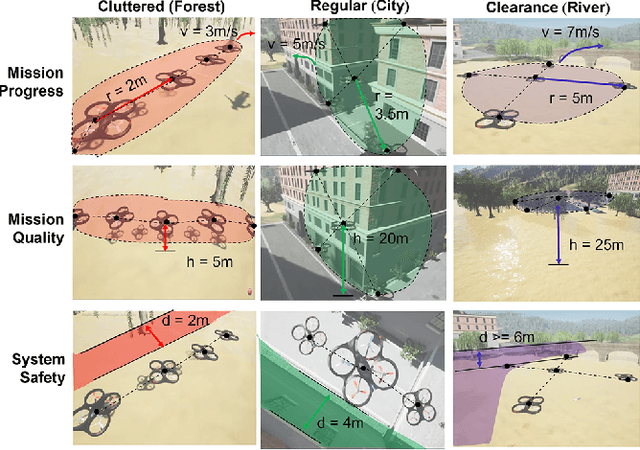
Compared with single robots, Multi-Robot Systems (MRS) can perform missions more efficiently due to the presence of multiple members with diverse capabilities. However, deploying an MRS in wide real-world environments is still challenging due to uncertain and various obstacles (e.g., building clusters and trees). With a limited understanding of environmental uncertainty on performance, an MRS cannot flexibly adjust its behaviors (e.g., teaming, load sharing, trajectory planning) to ensure both environment adaptation and task accomplishments. In this work, a novel joint preference landscape learning and behavior adjusting framework (PLBA) is designed. PLBA efficiently integrates real-time human guidance to MRS coordination and utilizes Sparse Variational Gaussian Processes with Varying Output Noise to quickly assess human preferences by leveraging spatial correlations between environment characteristics. An optimization-based behavior-adjusting method then safely adapts MRS behaviors to environments. To validate PLBA's effectiveness in MRS behavior adaption, a flood disaster search and rescue task was designed. 20 human users provided 1764 feedback based on human preferences obtained from MRS behaviors related to "task quality", "task progress", "robot safety". The prediction accuracy and adaptation speed results show the effectiveness of PLBA in preference learning and MRS behavior adaption.
IMRL: Integrating Visual, Physical, Temporal, and Geometric Representations for Enhanced Food Acquisition
Sep 18, 2024Robotic assistive feeding holds significant promise for improving the quality of life for individuals with eating disabilities. However, acquiring diverse food items under varying conditions and generalizing to unseen food presents unique challenges. Existing methods that rely on surface-level geometric information (e.g., bounding box and pose) derived from visual cues (e.g., color, shape, and texture) often lacks adaptability and robustness, especially when foods share similar physical properties but differ in visual appearance. We employ imitation learning (IL) to learn a policy for food acquisition. Existing methods employ IL or Reinforcement Learning (RL) to learn a policy based on off-the-shelf image encoders such as ResNet-50. However, such representations are not robust and struggle to generalize across diverse acquisition scenarios. To address these limitations, we propose a novel approach, IMRL (Integrated Multi-Dimensional Representation Learning), which integrates visual, physical, temporal, and geometric representations to enhance the robustness and generalizability of IL for food acquisition. Our approach captures food types and physical properties (e.g., solid, semi-solid, granular, liquid, and mixture), models temporal dynamics of acquisition actions, and introduces geometric information to determine optimal scooping points and assess bowl fullness. IMRL enables IL to adaptively adjust scooping strategies based on context, improving the robot's capability to handle diverse food acquisition scenarios. Experiments on a real robot demonstrate our approach's robustness and adaptability across various foods and bowl configurations, including zero-shot generalization to unseen settings. Our approach achieves improvement up to $35\%$ in success rate compared with the best-performing baseline.
Medical Report Generation Is A Multi-label Classification Problem
Aug 30, 2024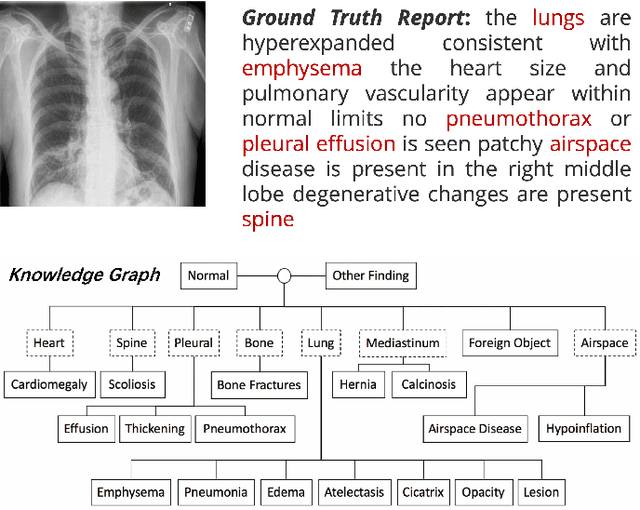
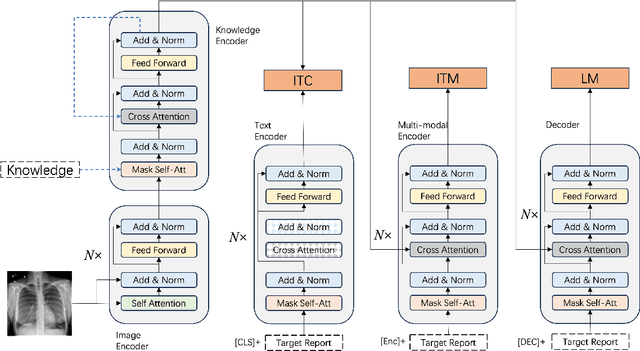
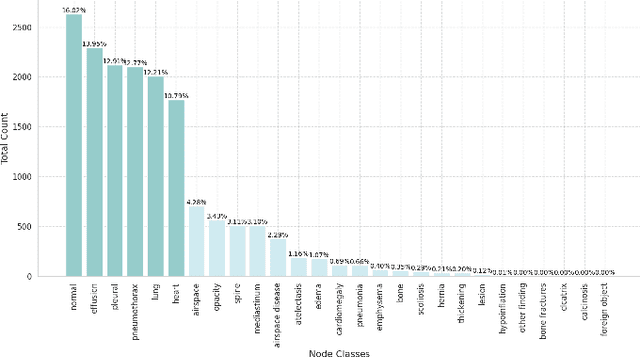
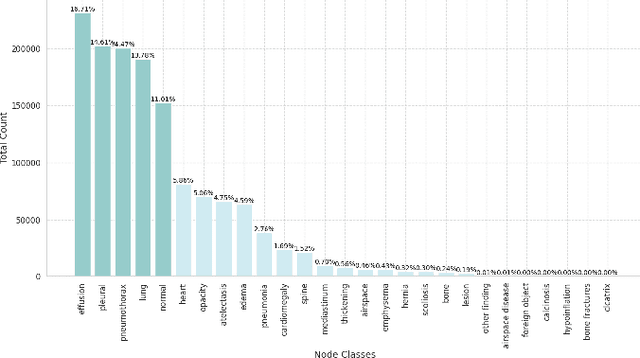
Medical report generation is a critical task in healthcare that involves the automatic creation of detailed and accurate descriptions from medical images. Traditionally, this task has been approached as a sequence generation problem, relying on vision-and-language techniques to generate coherent and contextually relevant reports. However, in this paper, we propose a novel perspective: rethinking medical report generation as a multi-label classification problem. By framing the task this way, we leverage the radiology nodes from the commonly used knowledge graph, which can be better captured through classification techniques. To verify our argument, we introduce a novel report generation framework based on BLIP integrated with classified key nodes, which allows for effective report generation with accurate classification of multiple key aspects within the medical images. This approach not only simplifies the report generation process but also significantly enhances performance metrics. Our extensive experiments demonstrate that leveraging key nodes can achieve state-of-the-art (SOTA) performance, surpassing existing approaches across two benchmark datasets. The results underscore the potential of re-envisioning traditional tasks with innovative methodologies, paving the way for more efficient and accurate medical report generation.