 Add to Chrome
 Add to Firefox
 Add to Edge
GuideFetch: A Task Coordination Framework for Concurrent Navigation and Object Retrieval in Assistive Robot Dogs
Aug 18, 2026
Consider a robot guide dog escorting a blind user to an available seat while a second assistive robot dog concurrently retrieves a cup of coffee and delivers it to the same seat. This setting motivates concurrent execution because navigation and object retrieval can overlap. A syntactically valid Large Language Model (LLM) plan may still violate embodiment constraints, and successful-looking controller motion does not by itself establish task completion. We introduce \textsc{GuideFetch}, a coordination framework for concurrent navigation and object retrieval by a heterogeneous guider and fetcher team. An LLM instantiates a schedule-conditioned four-action schema from a natural-language instruction. Before execution, robot, skill, and target aliases are normalized, and proposed actions are validated against registered targets, robot capabilities, and the selected schedule. Robot and object states then govern sequential and parallel execution. In a matched $2\times2$ study across 90 combinations of scene and seed (360 executions), all 180 online LLM responses validate without fallback or replay and match the corresponding scripted plans. For each planner source, sequential and parallel execution achieve $72/90$ and $71/90$ operational successes, respectively. Among the 56 cases completed by both schedules, parallel execution reduces mean makespan by 41.3\%. Within this controlled setting, role specialization and action overlap shorten completed missions, while state checks distinguish plan validity from verified mission completion. Source code will be available.

Task-Driven Three-Layer Distributed Scheduling for Emergency Earth Observation in Large Low-Earth-Orbit Constellations
Aug 14, 2026Large low-Earth-orbit (LEO) Earth-observation (EO) constellations offer frequent access to geographically dispersed ground targets, but emergency requests may arrive after committed routine-plan execution has begun. The resulting dynamic emergency observation scheduling problem (DEOSP) requires urgent tasks to be inserted under intermittent ground contact without excessive routine-plan disruption. To address DEOSP, we propose a task-driven three-layer distributed scheduling (T3L-DS) method, which represents task demand and sensor footprints on a common geographic grid and forms temporary clusters from observation capabilities and current inter-satellite links. For intra-cluster coordination, T3L-DS introduces onboard dual-plan bidding and joint marginal evaluation. It also designs an inter-cluster coordination mechanism for unresolved demand. Extensive computational experiments compare T3L-DS with centralised simulated annealing (SA), an adapted selective time-variant better reply process (A-SeTVBRP), and a conventional contract-net protocol (CNP). T3L-DS achieves the highest emergency coverage among the distributed methods, with average relative improvements of approximately 2.8% and 17.1% over A-SeTVBRP and CNP, respectively. Its average relative gap from SA is approximately 7.1%. Under conflict-enhanced loads, it reduces routine-coverage loss by approximately 57.9% and 87.7% relative to A-SeTVBRP and CNP, respectively. The ablation study confirms the contribution of the proposed coordination enhancements. Overall, the results show that T3L-DS provides an effective distributed approach to DEOSP.
EOS-Bench: A Comprehensive Benchmark for Earth Observation Satellite Scheduling
Apr 28, 2026Earth observation satellite imaging scheduling is a challenging NP-hard combinatorial optimisation problem central to space mission operations. While next-generation agile Earth observation satellites (EOS) increase operational flexibility, they also significantly raise scheduling complexity. The lack of a unified, open-source benchmark makes it difficult to compare algorithms across studies. This paper introduces EOS-Bench, a comprehensive framework for systematic and reproducible evaluation of scheduling methods. By integrating high-fidelity orbital dynamics and platform constraints, EOS-Bench generates 1,390 scenarios and 13,900 benchmark instances, spanning from small-scale validation cases to large coordination problems with up to 1,000 satellites and 10,000 requests. We further propose a scenario characterisation scheme to quantify structural difficulty based on factors such as opportunity density, task flexibility, conflict intensity, and satellite congestion. A multidimensional evaluation protocol is introduced, assessing performance across five metrics: task profit, completion rate, workload balance, timeliness, and runtime. The framework is evaluated using mixed-integer programming, heuristics, meta-heuristics, and deep reinforcement learning across both agile and non-agile settings. Results show that EOS-Bench effectively distinguishes solver performance across scales and conditions, revealing trade-offs between solution quality and computational efficiency, and providing deeper insight into scenario complexity. EOS-Bench offers a unified and extensible open testbed for advancing research in Earth observation satellite scheduling. The code and data are available at https://github.com/Ethan19YQ/EOS-Bench.
Dynamic High-frequency Convolution for Infrared Small Target Detection
Feb 03, 2026Infrared small targets are typically tiny and locally salient, which belong to high-frequency components (HFCs) in images. Single-frame infrared small target (SIRST) detection is challenging, since there are many HFCs along with targets, such as bright corners, broken clouds, and other clutters. Current learning-based methods rely on the powerful capabilities of deep networks, but neglect explicit modeling and discriminative representation learning of various HFCs, which is important to distinguish targets from other HFCs. To address the aforementioned issues, we propose a dynamic high-frequency convolution (DHiF) to translate the discriminative modeling process into the generation of a dynamic local filter bank. Especially, DHiF is sensitive to HFCs, owing to the dynamic parameters of its generated filters being symmetrically adjusted within a zero-centered range according to Fourier transformation properties. Combining with standard convolution operations, DHiF can adaptively and dynamically process different HFC regions and capture their distinctive grayscale variation characteristics for discriminative representation learning. DHiF functions as a drop-in replacement for standard convolution and can be used in arbitrary SIRST detection networks without significant decrease in computational efficiency. To validate the effectiveness of our DHiF, we conducted extensive experiments across different SIRST detection networks on real-scene datasets. Compared to other state-of-the-art convolution operations, DHiF exhibits superior detection performance with promising improvement. Codes are available at https://github.com/TinaLRJ/DHiF.
Compressed Domain Prior-Guided Video Super-Resolution for Cloud Gaming Content
Jan 03, 2025Cloud gaming is an advanced form of Internet service that necessitates local terminals to decode within limited resources and time latency. Super-Resolution (SR) techniques are often employed on these terminals as an efficient way to reduce the required bit-rate bandwidth for cloud gaming. However, insufficient attention has been paid to SR of compressed game video content. Most SR networks amplify block artifacts and ringing effects in decoded frames while ignoring edge details of game content, leading to unsatisfactory reconstruction results. In this paper, we propose a novel lightweight network called Coding Prior-Guided Super-Resolution (CPGSR) to address the SR challenges in compressed game video content. First, we design a Compressed Domain Guided Block (CDGB) to extract features of different depths from coding priors, which are subsequently integrated with features from the U-net backbone. Then, a series of re-parameterization blocks are utilized for reconstruction. Ultimately, inspired by the quantization in video coding, we propose a partitioned focal frequency loss to effectively guide the model's focus on preserving high-frequency information. Extensive experiments demonstrate the advancement of our approach.
Constructing accurate machine-learned potentials and performing highly efficient atomistic simulations to predict structural and thermal properties
Nov 16, 2024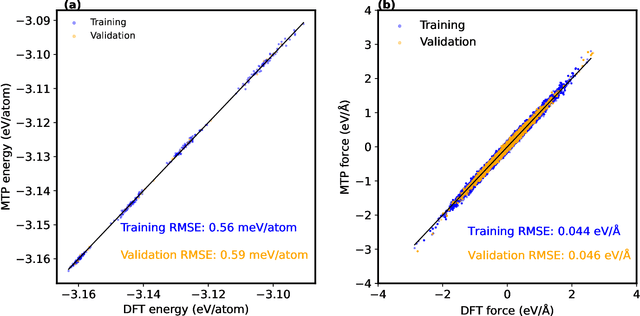
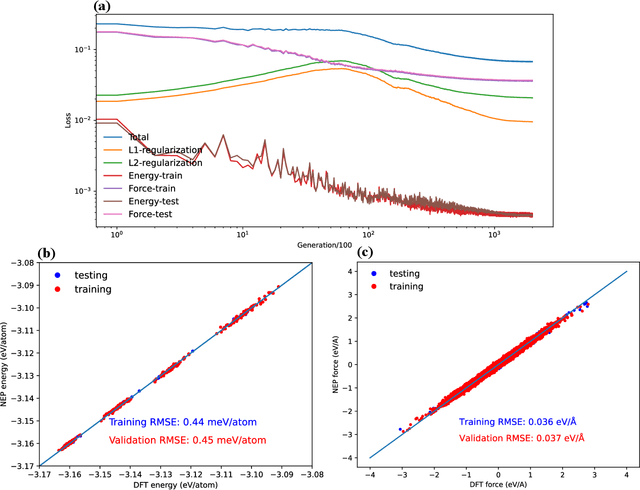
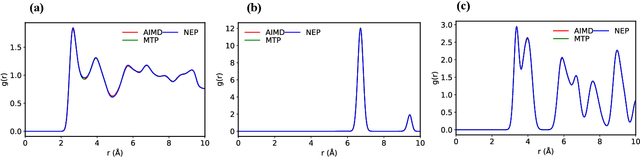
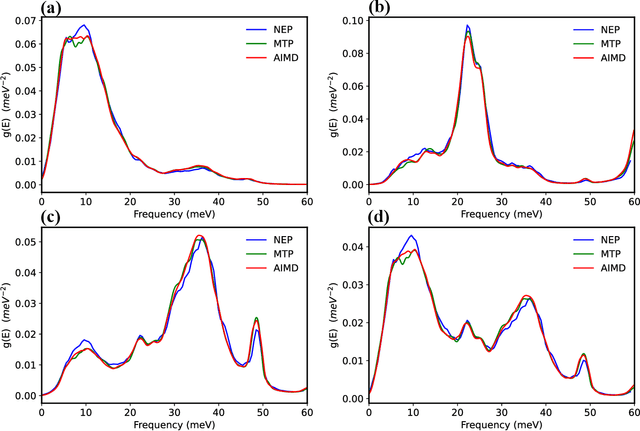
The $\text{Cu}_7\text{P}\text{S}_6$ compound has garnered significant attention due to its potential in thermoelectric applications. In this study, we introduce a neuroevolution potential (NEP), trained on a dataset generated from ab initio molecular dynamics (AIMD) simulations, using the moment tensor potential (MTP) as a reference. The low root mean square errors (RMSEs) for total energy and atomic forces demonstrate the high accuracy and transferability of both the MTP and NEP. We further calculate the phonon density of states (DOS) and radial distribution function (RDF) using both machine learning potentials, comparing the results to density functional theory (DFT) calculations. While the MTP potential offers slightly higher accuracy, the NEP achieves a remarkable 41-fold increase in computational speed. These findings provide detailed microscopic insights into the dynamics and rapid Cu-ion diffusion, paving the way for future studies on Cu-based solid electrolytes and their applications in energy devices.
TransCouplet:Transformer based Chinese Couplet Generation
Dec 03, 2021
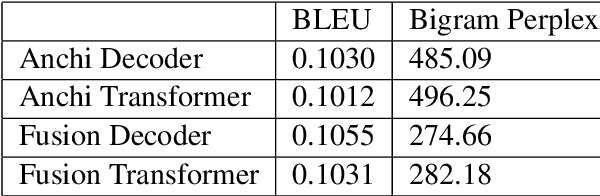
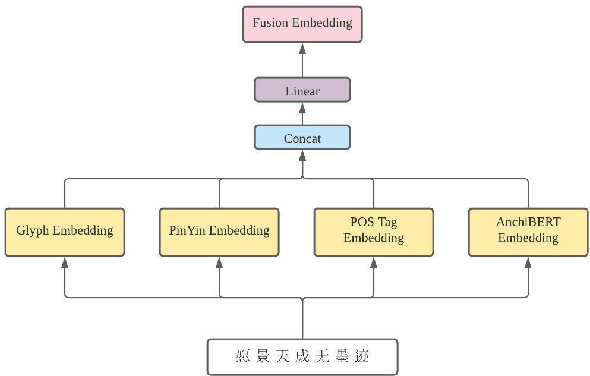
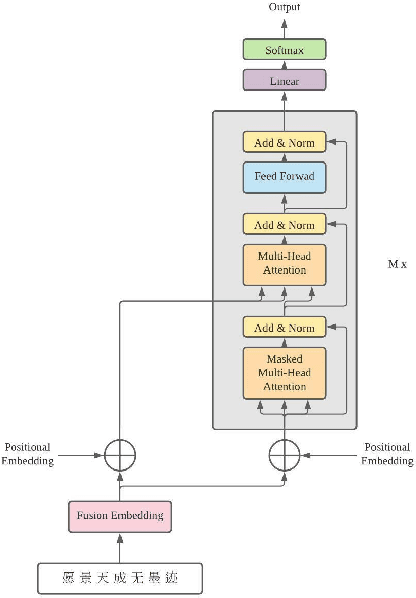
Chinese couplet is a special form of poetry composed of complex syntax with ancient Chinese language. Due to the complexity of semantic and grammatical rules, creation of a suitable couplet is a formidable challenge. This paper presents a transformer-based sequence-to-sequence couplet generation model. With the utilization of AnchiBERT, the model is able to capture ancient Chinese language understanding. Moreover, we evaluate the Glyph, PinYin and Part-of-Speech tagging on the couplet grammatical rules to further improve the model.
Detecting and Tracking Small and Dense Moving Objects in Satellite Videos: A Benchmark
Nov 25, 2021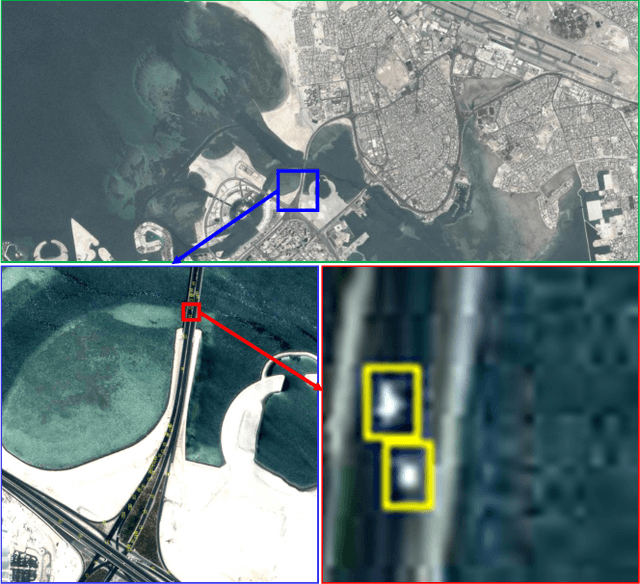
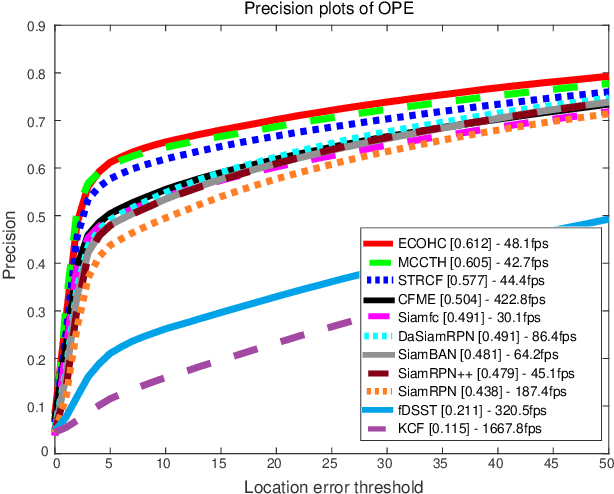
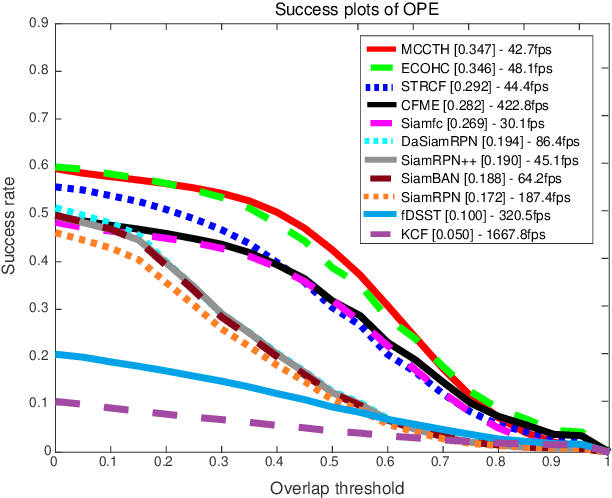
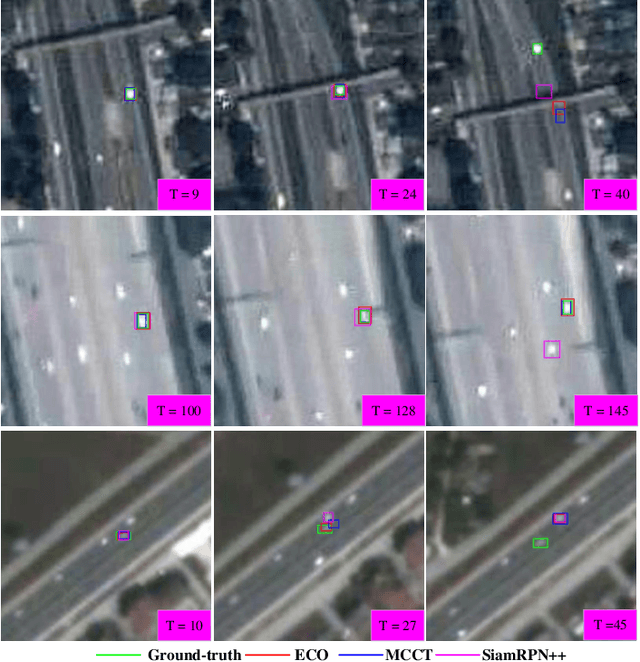
Satellite video cameras can provide continuous observation for a large-scale area, which is important for many remote sensing applications. However, achieving moving object detection and tracking in satellite videos remains challenging due to the insufficient appearance information of objects and lack of high-quality datasets. In this paper, we first build a large-scale satellite video dataset with rich annotations for the task of moving object detection and tracking. This dataset is collected by the Jilin-1 satellite constellation and composed of 47 high-quality videos with 1,646,038 instances of interest for object detection and 3,711 trajectories for object tracking. We then introduce a motion modeling baseline to improve the detection rate and reduce false alarms based on accumulative multi-frame differencing and robust matrix completion. Finally, we establish the first public benchmark for moving object detection and tracking in satellite videos, and extensively evaluate the performance of several representative approaches on our dataset. Comprehensive experimental analyses and insightful conclusions are also provided. The dataset is available at https://github.com/QingyongHu/VISO.
Lossless Point Cloud Attribute Compression with Normal-based Intra Prediction
Jun 23, 2021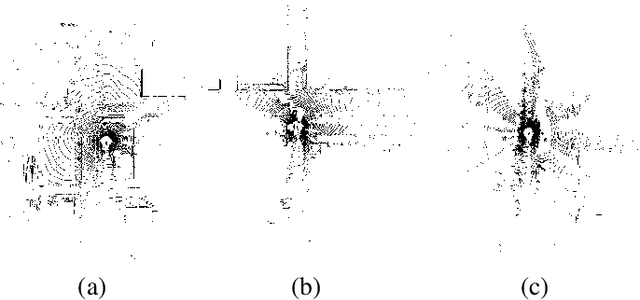
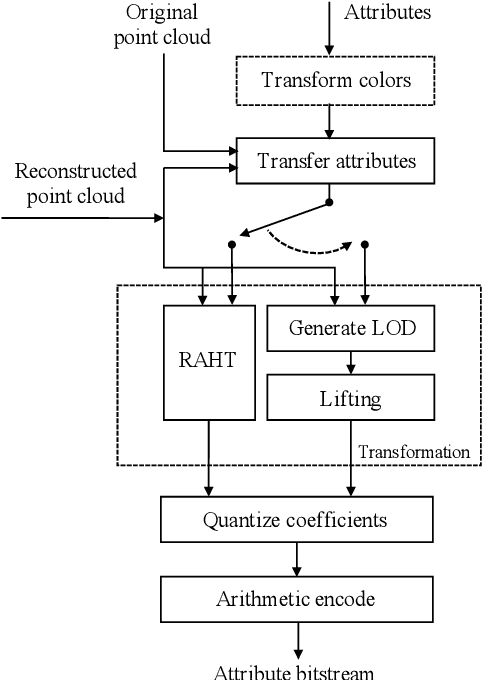
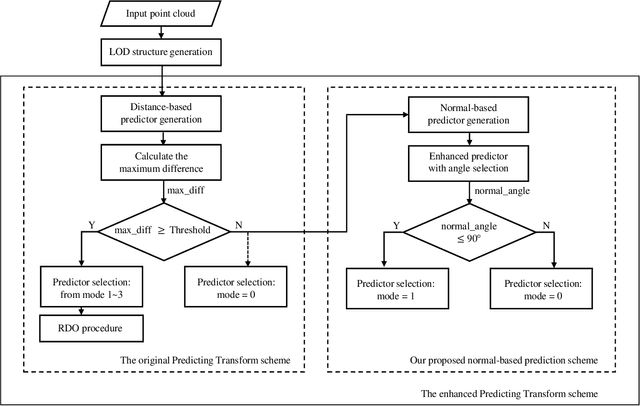
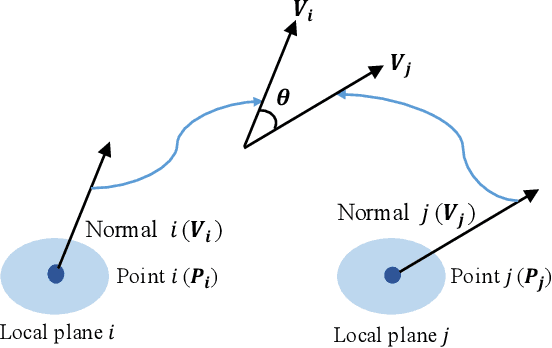
The sparse LiDAR point clouds become more and more popular in various applications, e.g., the autonomous driving. However, for this type of data, there exists much under-explored space in the corresponding compression framework proposed by MPEG, i.e., geometry-based point cloud compression (G-PCC). In G-PCC, only the distance-based similarity is considered in the intra prediction for the attribute compression. In this paper, we propose a normal-based intra prediction scheme, which provides a more efficient lossless attribute compression by introducing the normals of point clouds. The angle between normals is used to further explore accurate local similarity, which optimizes the selection of predictors. We implement our method into the G-PCC reference software. Experimental results over LiDAR acquired datasets demonstrate that our proposed method is able to deliver better compression performance than the G-PCC anchor, with $2.1\%$ gains on average for lossless attribute coding.
RAI-Net: Range-Adaptive LiDAR Point Cloud Frame Interpolation Network
Jun 01, 2021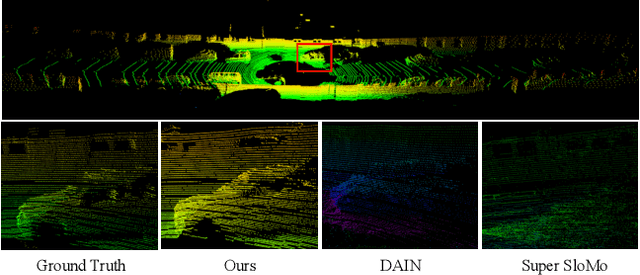
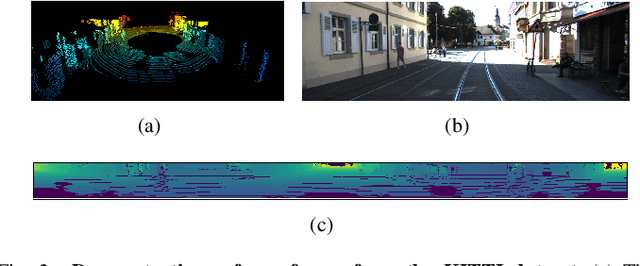

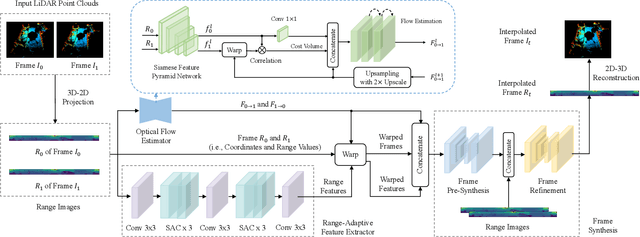
LiDAR point cloud frame interpolation, which synthesizes the intermediate frame between the captured frames, has emerged as an important issue for many applications. Especially for reducing the amounts of point cloud transmission, it is by predicting the intermediate frame based on the reference frames to upsample data to high frame rate ones. However, due to high-dimensional and sparse characteristics of point clouds, it is more difficult to predict the intermediate frame for LiDAR point clouds than videos. In this paper, we propose a novel LiDAR point cloud frame interpolation method, which exploits range images (RIs) as an intermediate representation with CNNs to conduct the frame interpolation process. Considering the inherited characteristics of RIs differ from that of color images, we introduce spatially adaptive convolutions to extract range features adaptively, while a high-efficient flow estimation method is presented to generate optical flows. The proposed model then warps the input frames and range features, based on the optical flows to synthesize the interpolated frame. Extensive experiments on the KITTI dataset have clearly demonstrated that our method consistently achieves superior frame interpolation results with better perceptual quality to that of using state-of-the-art video frame interpolation methods. The proposed method could be integrated into any LiDAR point cloud compression systems for inter prediction.