 Add to Chrome
 Add to Firefox
 Add to Edge
Towards Dynamic Theory of Mind: Evaluating LLM Adaptation to Temporal Evolution of Human States
May 23, 2025
As Large Language Models (LLMs) increasingly participate in human-AI interactions, evaluating their Theory of Mind (ToM) capabilities - particularly their ability to track dynamic mental states - becomes crucial. While existing benchmarks assess basic ToM abilities, they predominantly focus on static snapshots of mental states, overlooking the temporal evolution that characterizes real-world social interactions. We present \textsc{DynToM}, a novel benchmark specifically designed to evaluate LLMs' ability to understand and track the temporal progression of mental states across interconnected scenarios. Through a systematic four-step framework, we generate 1,100 social contexts encompassing 5,500 scenarios and 78,100 questions, each validated for realism and quality. Our comprehensive evaluation of ten state-of-the-art LLMs reveals that their average performance underperforms humans by 44.7\%, with performance degrading significantly when tracking and reasoning about the shift of mental states. This performance gap highlights fundamental limitations in current LLMs' ability to model the dynamic nature of human mental states.

Efficient Agent Training for Computer Use
May 20, 2025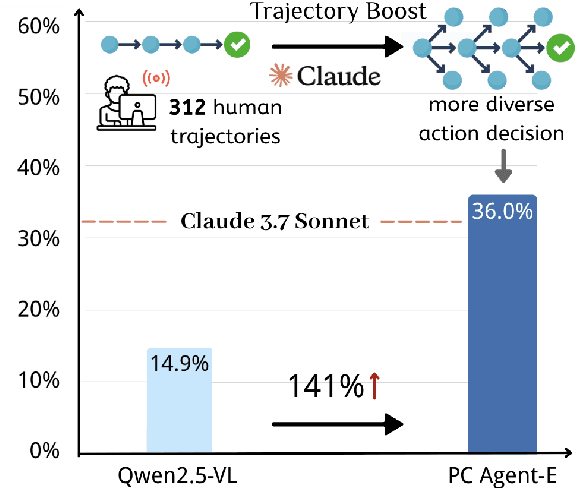
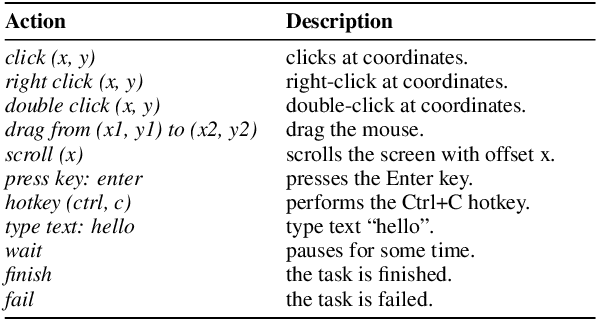

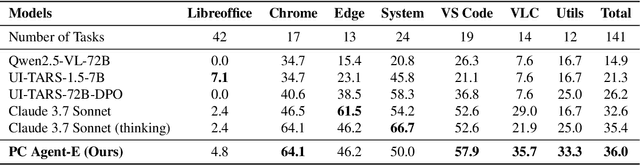
Scaling up high-quality trajectory data has long been a critical bottleneck for developing human-like computer use agents. We introduce PC Agent-E, an efficient agent training framework that significantly reduces reliance on large-scale human demonstrations. Starting with just 312 human-annotated computer use trajectories, we further improved data quality by synthesizing diverse action decisions with Claude 3.7 Sonnet. Trained on these enriched trajectories, our PC Agent-E model achieved a remarkable 141% relative improvement, surpassing the strong Claude 3.7 Sonnet with extended thinking on WindowsAgentArena-V2, an improved benchmark we also released. Furthermore, PC Agent-E demonstrates strong generalizability to different operating systems on OSWorld. Our findings suggest that strong computer use capabilities can be stimulated from a small amount of high-quality trajectory data.
DiagnosisArena: Benchmarking Diagnostic Reasoning for Large Language Models
May 20, 2025The emergence of groundbreaking large language models capable of performing complex reasoning tasks holds significant promise for addressing various scientific challenges, including those arising in complex clinical scenarios. To enable their safe and effective deployment in real-world healthcare settings, it is urgently necessary to benchmark the diagnostic capabilities of current models systematically. Given the limitations of existing medical benchmarks in evaluating advanced diagnostic reasoning, we present DiagnosisArena, a comprehensive and challenging benchmark designed to rigorously assess professional-level diagnostic competence. DiagnosisArena consists of 1,113 pairs of segmented patient cases and corresponding diagnoses, spanning 28 medical specialties, deriving from clinical case reports published in 10 top-tier medical journals. The benchmark is developed through a meticulous construction pipeline, involving multiple rounds of screening and review by both AI systems and human experts, with thorough checks conducted to prevent data leakage. Our study reveals that even the most advanced reasoning models, o3-mini, o1, and DeepSeek-R1, achieve only 45.82%, 31.09%, and 17.79% accuracy, respectively. This finding highlights a significant generalization bottleneck in current large language models when faced with clinical diagnostic reasoning challenges. Through DiagnosisArena, we aim to drive further advancements in AIs diagnostic reasoning capabilities, enabling more effective solutions for real-world clinical diagnostic challenges. We provide the benchmark and evaluation tools for further research and development https://github.com/SPIRAL-MED/DiagnosisArena.
Seed1.5-VL Technical Report
May 11, 2025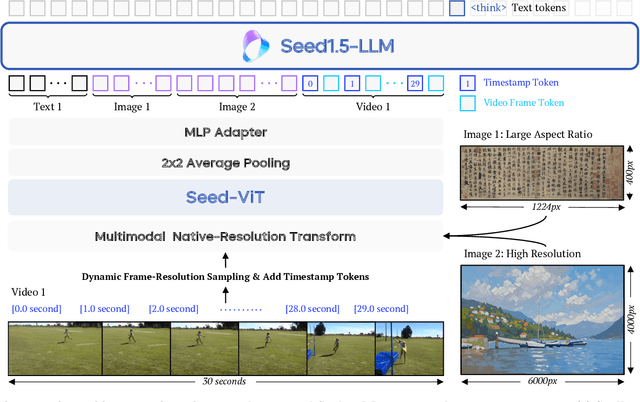

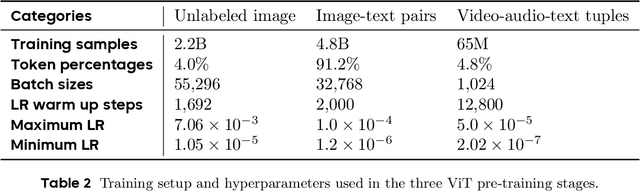
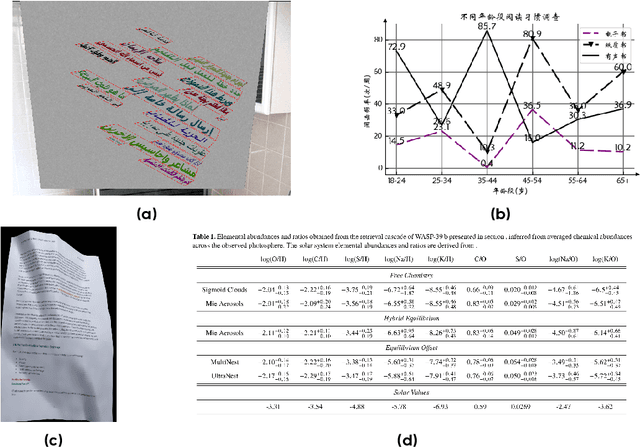
We present Seed1.5-VL, a vision-language foundation model designed to advance general-purpose multimodal understanding and reasoning. Seed1.5-VL is composed with a 532M-parameter vision encoder and a Mixture-of-Experts (MoE) LLM of 20B active parameters. Despite its relatively compact architecture, it delivers strong performance across a wide spectrum of public VLM benchmarks and internal evaluation suites, achieving the state-of-the-art performance on 38 out of 60 public benchmarks. Moreover, in agent-centric tasks such as GUI control and gameplay, Seed1.5-VL outperforms leading multimodal systems, including OpenAI CUA and Claude 3.7. Beyond visual and video understanding, it also demonstrates strong reasoning abilities, making it particularly effective for multimodal reasoning challenges such as visual puzzles. We believe these capabilities will empower broader applications across diverse tasks. In this report, we mainly provide a comprehensive review of our experiences in building Seed1.5-VL across model design, data construction, and training at various stages, hoping that this report can inspire further research. Seed1.5-VL is now accessible at https://www.volcengine.com/ (Volcano Engine Model ID: doubao-1-5-thinking-vision-pro-250428)
Generative AI Act II: Test Time Scaling Drives Cognition Engineering
Apr 21, 2025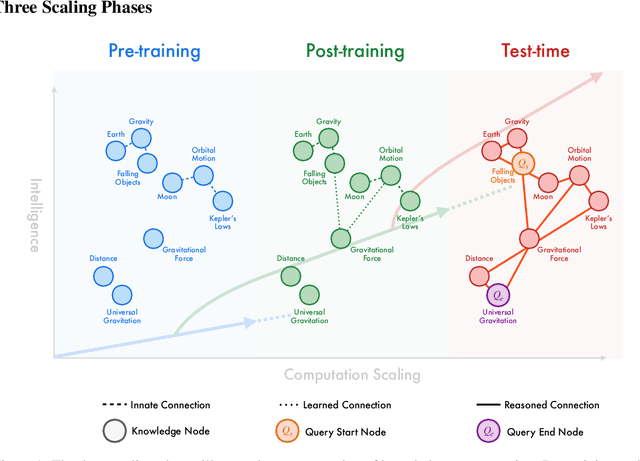
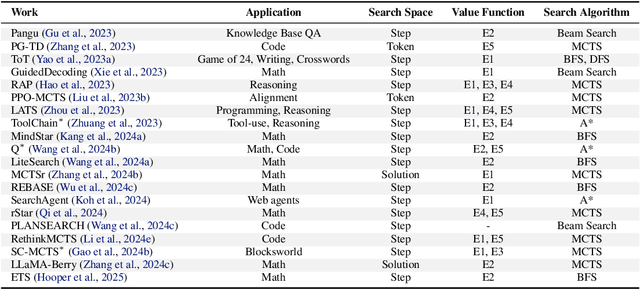
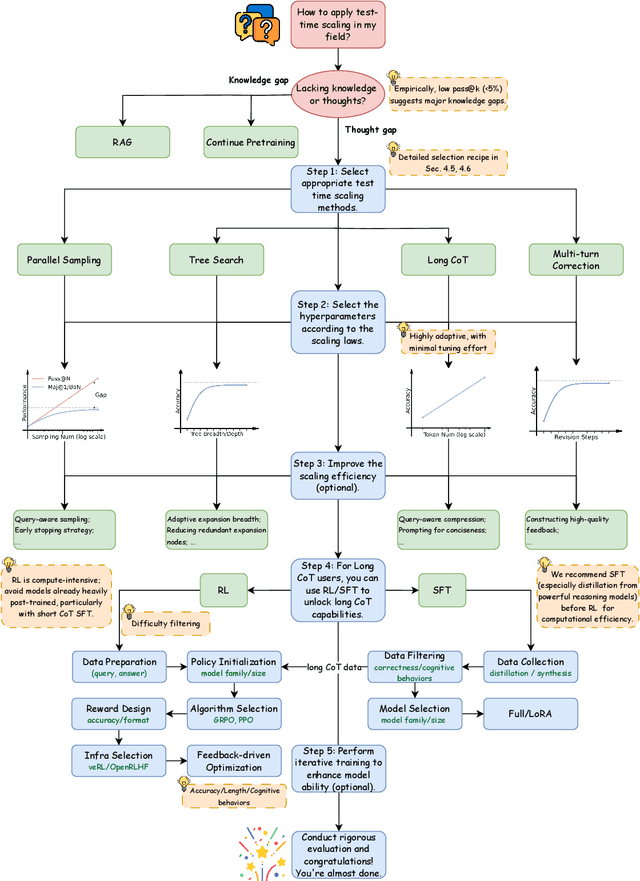
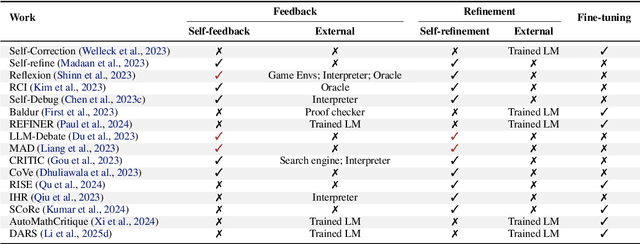
The first generation of Large Language Models - what might be called "Act I" of generative AI (2020-2023) - achieved remarkable success through massive parameter and data scaling, yet exhibited fundamental limitations such as knowledge latency, shallow reasoning, and constrained cognitive processes. During this era, prompt engineering emerged as our primary interface with AI, enabling dialogue-level communication through natural language. We now witness the emergence of "Act II" (2024-present), where models are transitioning from knowledge-retrieval systems (in latent space) to thought-construction engines through test-time scaling techniques. This new paradigm establishes a mind-level connection with AI through language-based thoughts. In this paper, we clarify the conceptual foundations of cognition engineering and explain why this moment is critical for its development. We systematically break down these advanced approaches through comprehensive tutorials and optimized implementations, democratizing access to cognition engineering and enabling every practitioner to participate in AI's second act. We provide a regularly updated collection of papers on test-time scaling in the GitHub Repository: https://github.com/GAIR-NLP/cognition-engineering
DeepResearcher: Scaling Deep Research via Reinforcement Learning in Real-world Environments
Apr 07, 2025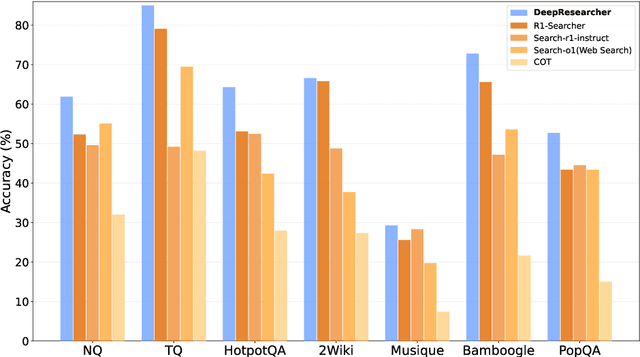
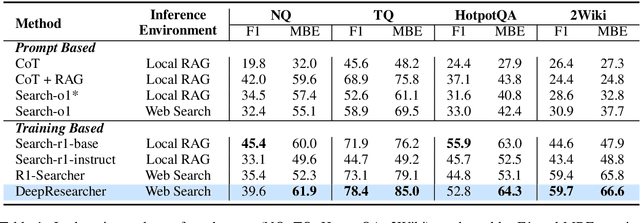
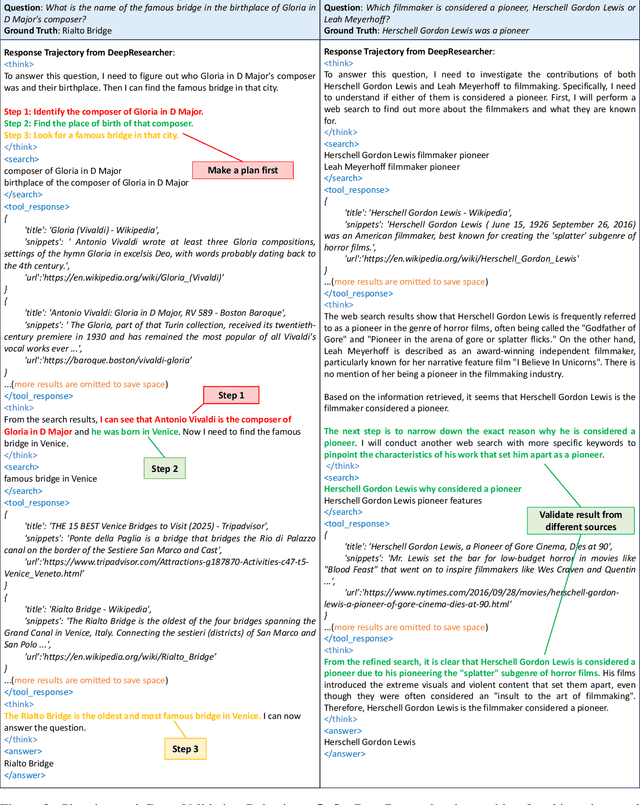
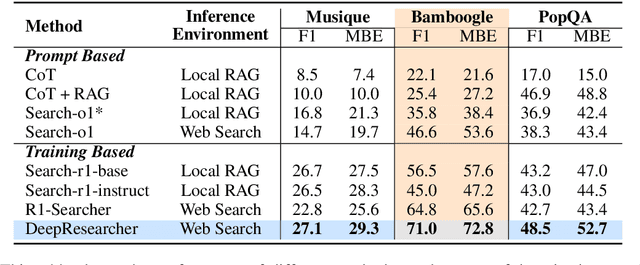
Large Language Models (LLMs) equipped with web search capabilities have demonstrated impressive potential for deep research tasks. However, current approaches predominantly rely on either manually engineered prompts (prompt engineering-based) with brittle performance or reinforcement learning within controlled Retrieval-Augmented Generation (RAG) environments (RAG-based) that fail to capture the complexities of real-world interaction. In this paper, we introduce DeepResearcher, the first comprehensive framework for end-to-end training of LLM-based deep research agents through scaling reinforcement learning (RL) in real-world environments with authentic web search interactions. Unlike RAG-based approaches that assume all necessary information exists within a fixed corpus, our method trains agents to navigate the noisy, unstructured, and dynamic nature of the open web. We implement a specialized multi-agent architecture where browsing agents extract relevant information from various webpage structures and overcoming significant technical challenges. Extensive experiments on open-domain research tasks demonstrate that DeepResearcher achieves substantial improvements of up to 28.9 points over prompt engineering-based baselines and up to 7.2 points over RAG-based RL agents. Our qualitative analysis reveals emergent cognitive behaviors from end-to-end RL training, including the ability to formulate plans, cross-validate information from multiple sources, engage in self-reflection to redirect research, and maintain honesty when unable to find definitive answers. Our results highlight that end-to-end training in real-world web environments is not merely an implementation detail but a fundamental requirement for developing robust research capabilities aligned with real-world applications. We release DeepResearcher at https://github.com/GAIR-NLP/DeepResearcher.
Rethinking RL Scaling for Vision Language Models: A Transparent, From-Scratch Framework and Comprehensive Evaluation Scheme
Apr 03, 2025Reinforcement learning (RL) has recently shown strong potential in improving the reasoning capabilities of large language models and is now being actively extended to vision-language models (VLMs). However, existing RL applications in VLMs often rely on heavily engineered frameworks that hinder reproducibility and accessibility, while lacking standardized evaluation protocols, making it difficult to compare results or interpret training dynamics. This work introduces a transparent, from-scratch framework for RL in VLMs, offering a minimal yet functional four-step pipeline validated across multiple models and datasets. In addition, a standardized evaluation scheme is proposed to assess training dynamics and reflective behaviors. Extensive experiments on visual reasoning tasks uncover key empirical findings: response length is sensitive to random seeds, reflection correlates with output length, and RL consistently outperforms supervised fine-tuning (SFT) in generalization, even with high-quality data. These findings, together with the proposed framework, aim to establish a reproducible baseline and support broader engagement in RL-based VLM research.
ToRL: Scaling Tool-Integrated RL
Mar 30, 2025We introduce ToRL (Tool-Integrated Reinforcement Learning), a framework for training large language models (LLMs) to autonomously use computational tools via reinforcement learning. Unlike supervised fine-tuning, ToRL allows models to explore and discover optimal strategies for tool use. Experiments with Qwen2.5-Math models show significant improvements: ToRL-7B reaches 43.3\% accuracy on AIME~24, surpassing reinforcement learning without tool integration by 14\% and the best existing Tool-Integrated Reasoning (TIR) model by 17\%. Further analysis reveals emergent behaviors such as strategic tool invocation, self-regulation of ineffective code, and dynamic adaptation between computational and analytical reasoning, all arising purely through reward-driven learning.
RepoST: Scalable Repository-Level Coding Environment Construction with Sandbox Testing
Mar 10, 2025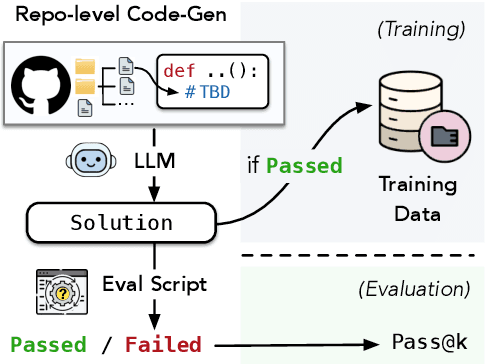
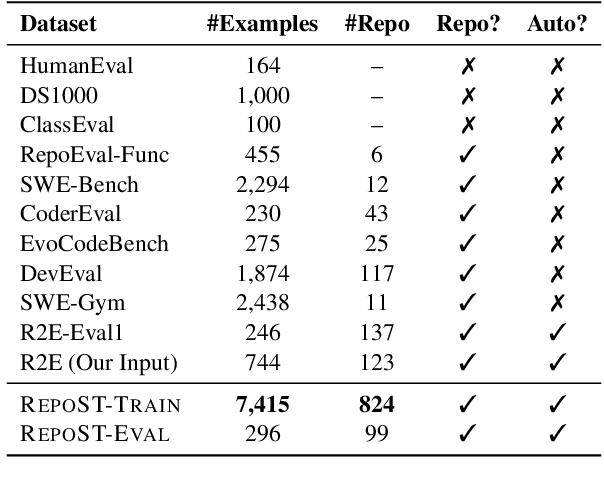
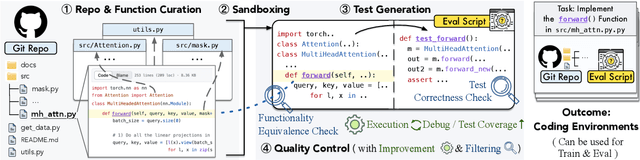
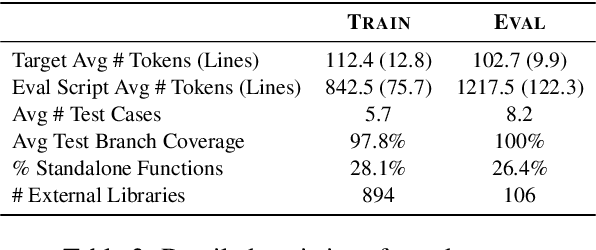
We present RepoST, a scalable method to construct environments that provide execution feedback for repository-level code generation for both training and evaluation. Unlike existing works that aim to build entire repositories for execution, which is challenging for both human and LLMs, we provide execution feedback with sandbox testing, which isolates a given target function and its dependencies to a separate script for testing. Sandbox testing reduces the complexity of external dependencies and enables constructing environments at a large scale. We use our method to construct RepoST-Train, a large-scale train set with 7,415 functions from 832 repositories. Training with the execution feedback provided by RepoST-Train leads to a performance gain of 5.5% Pass@1 on HumanEval and 3.5% Pass@1 on RepoEval. We also build an evaluation dataset, RepoST-Eval, and benchmark 12 code generation models.
LIMR: Less is More for RL Scaling
Feb 17, 2025In this paper, we ask: what truly determines the effectiveness of RL training data for enhancing language models' reasoning capabilities? While recent advances like o1, Deepseek R1, and Kimi1.5 demonstrate RL's potential, the lack of transparency about training data requirements has hindered systematic progress. Starting directly from base models without distillation, we challenge the assumption that scaling up RL training data inherently improves performance. we demonstrate that a strategically selected subset of just 1,389 samples can outperform the full 8,523-sample dataset. We introduce Learning Impact Measurement (LIM), an automated method to evaluate and prioritize training samples based on their alignment with model learning trajectories, enabling efficient resource utilization and scalable implementation. Our method achieves comparable or even superior performance using only 1,389 samples versus the full 8,523 samples dataset. Notably, while recent data-efficient approaches (e.g., LIMO and s1) show promise with 32B-scale models, we find it significantly underperforms at 7B-scale through supervised fine-tuning (SFT). In contrast, our RL-based LIMR achieves 16.7% higher accuracy on AIME24 and outperforms LIMO and s1 by 13.0% and 22.2% on MATH500. These results fundamentally reshape our understanding of RL scaling in LLMs, demonstrating that precise sample selection, rather than data scale, may be the key to unlocking enhanced reasoning capabilities. For reproducible research and future innovation, we are open-sourcing LIMR, including implementation of LIM, training and evaluation code, curated datasets, and trained models at https://github.com/GAIR-NLP/LIMR.