 Add to Chrome
 Add to Firefox
 Add to Edge
An Overview of Violence Detection Techniques: Current Challenges and Future Directions
Sep 21, 2022
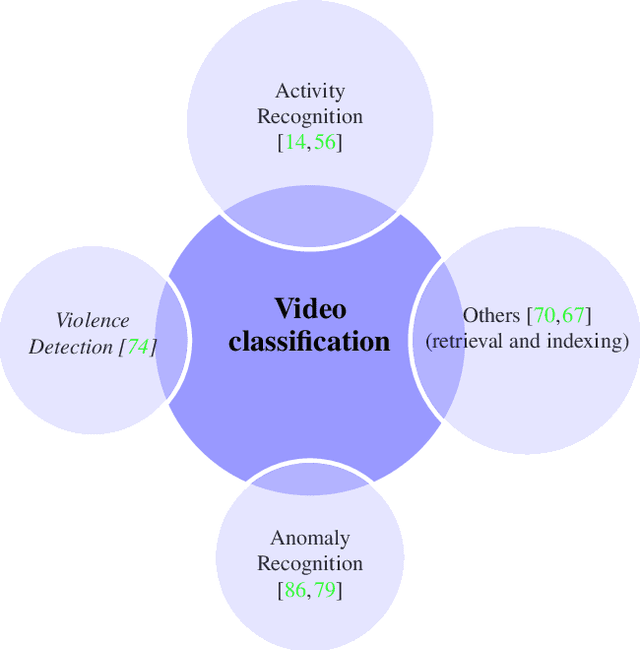
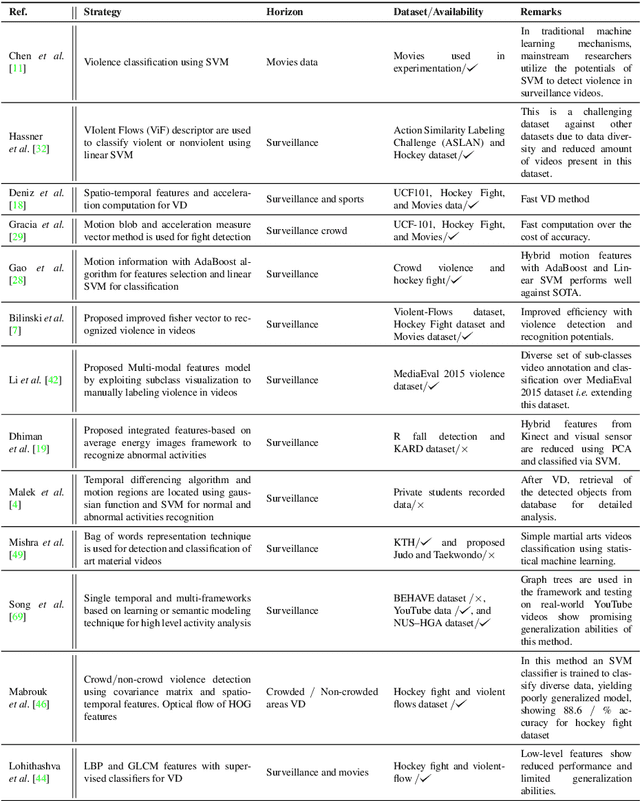
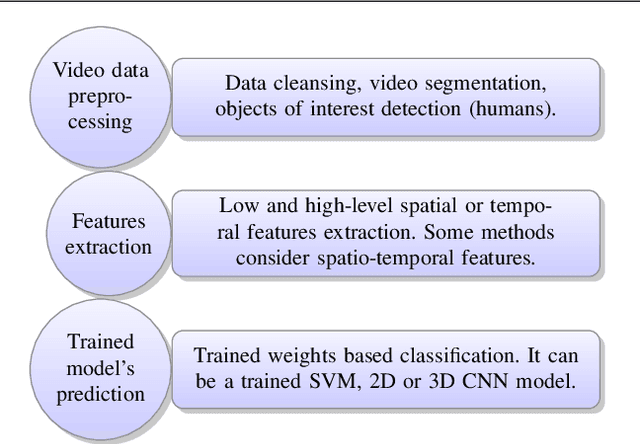
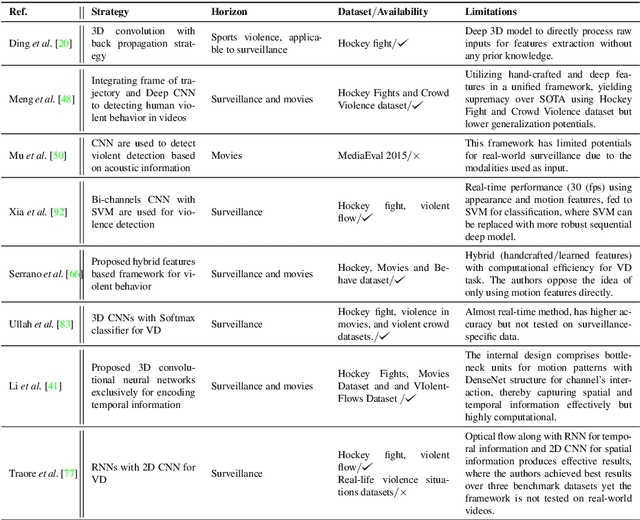
The Big Video Data generated in today's smart cities has raised concerns from its purposeful usage perspective, where surveillance cameras, among many others are the most prominent resources to contribute to the huge volumes of data, making its automated analysis a difficult task in terms of computation and preciseness. Violence Detection (VD), broadly plunging under Action and Activity recognition domain, is used to analyze Big Video data for anomalous actions incurred due to humans. The VD literature is traditionally based on manually engineered features, though advancements to deep learning based standalone models are developed for real-time VD analysis. This paper focuses on overview of deep sequence learning approaches along with localization strategies of the detected violence. This overview also dives into the initial image processing and machine learning-based VD literature and their possible advantages such as efficiency against the current complex models. Furthermore,the datasets are discussed, to provide an analysis of the current models, explaining their pros and cons with future directions in VD domain derived from an in-depth analysis of the previous methods.

De novo design of protein target specific scaffold-based Inhibitors via Reinforcement Learning
May 21, 2022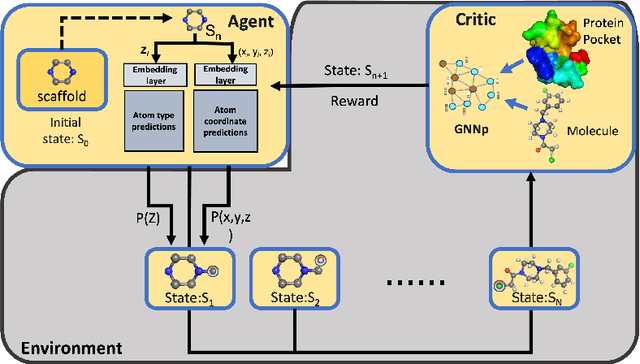

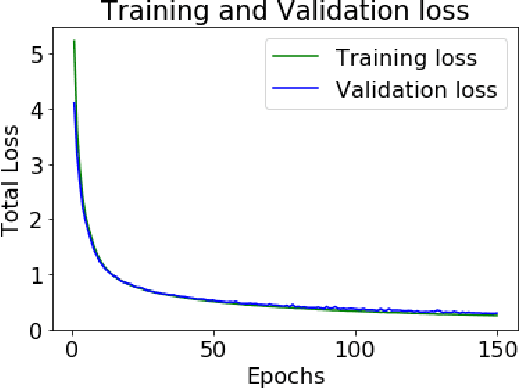
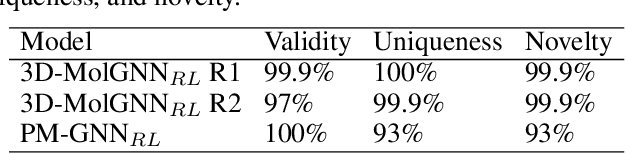
Efficient design and discovery of target-driven molecules is a critical step in facilitating lead optimization in drug discovery. Current approaches to develop molecules for a target protein are intuition-driven, hampered by slow iterative design-test cycles due to computational challenges in utilizing 3D structural data, and ultimately limited by the expertise of the chemist - leading to bottlenecks in molecular design. In this contribution, we propose a novel framework, called 3D-MolGNN$_{RL}$, coupling reinforcement learning (RL) to a deep generative model based on 3D-Scaffold to generate target candidates specific to a protein building up atom by atom from the starting core scaffold. 3D-MolGNN$_{RL}$ provides an efficient way to optimize key features by multi-objective reward function within a protein pocket using parallel graph neural network models. The agent learns to build molecules in 3D space while optimizing the activity, binding affinity, potency, and synthetic accessibility of the candidates generated for infectious disease protein targets. Our approach can serve as an interpretable artificial intelligence (AI) tool for lead optimization with optimized activity, potency, and biophysical properties.
Federated Learning Enables Big Data for Rare Cancer Boundary Detection
Apr 25, 2022Although machine learning (ML) has shown promise in numerous domains, there are concerns about generalizability to out-of-sample data. This is currently addressed by centrally sharing ample, and importantly diverse, data from multiple sites. However, such centralization is challenging to scale (or even not feasible) due to various limitations. Federated ML (FL) provides an alternative to train accurate and generalizable ML models, by only sharing numerical model updates. Here we present findings from the largest FL study to-date, involving data from 71 healthcare institutions across 6 continents, to generate an automatic tumor boundary detector for the rare disease of glioblastoma, utilizing the largest dataset of such patients ever used in the literature (25,256 MRI scans from 6,314 patients). We demonstrate a 33% improvement over a publicly trained model to delineate the surgically targetable tumor, and 23% improvement over the tumor's entire extent. We anticipate our study to: 1) enable more studies in healthcare informed by large and diverse data, ensuring meaningful results for rare diseases and underrepresented populations, 2) facilitate further quantitative analyses for glioblastoma via performance optimization of our consensus model for eventual public release, and 3) demonstrate the effectiveness of FL at such scale and task complexity as a paradigm shift for multi-site collaborations, alleviating the need for data sharing.
EEG based Emotion Recognition: A Tutorial and Review
Mar 16, 2022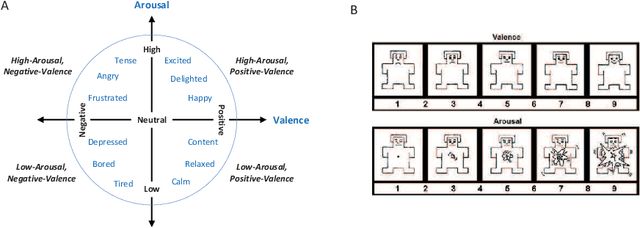
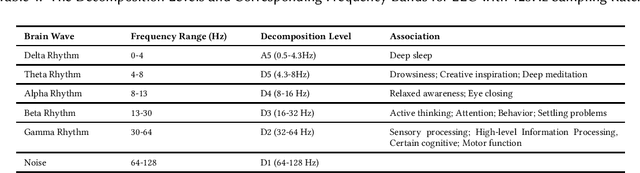
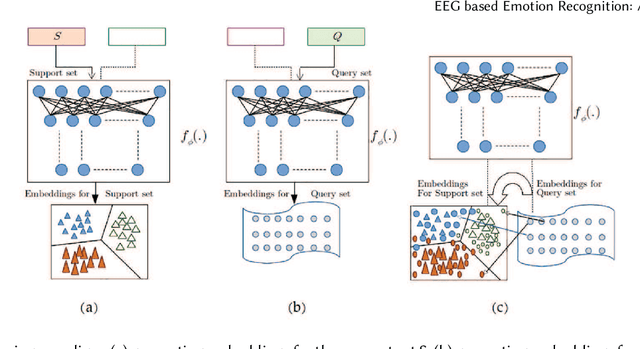
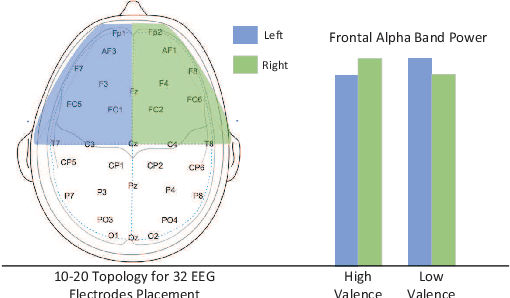
Emotion recognition technology through analyzing the EEG signal is currently an essential concept in Artificial Intelligence and holds great potential in emotional health care, human-computer interaction, multimedia content recommendation, etc. Though there have been several works devoted to reviewing EEG-based emotion recognition, the content of these reviews needs to be updated. In addition, those works are either fragmented in content or only focus on specific techniques adopted in this area but neglect the holistic perspective of the entire technical routes. Hence, in this paper, we review from the perspective of researchers who try to take the first step on this topic. We review the recent representative works in the EEG-based emotion recognition research and provide a tutorial to guide the researchers to start from the beginning. The scientific basis of EEG-based emotion recognition in the psychological and physiological levels is introduced. Further, we categorize these reviewed works into different technical routes and illustrate the theoretical basis and the research motivation, which will help the readers better understand why those techniques are studied and employed. At last, existing challenges and future investigations are also discussed in this paper, which guides the researchers to decide potential future research directions.
A Reliable Data-transmission Mechanism using Blockchain in Edge Computing Scenarios
Feb 07, 2022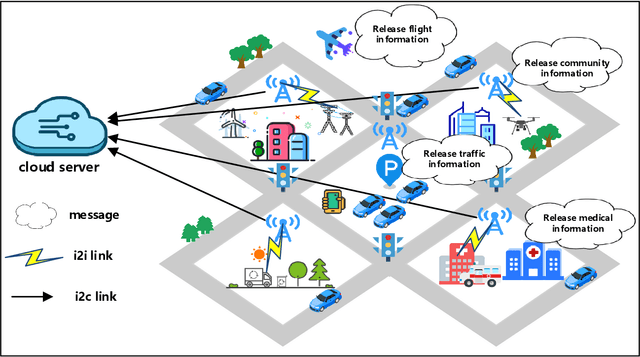
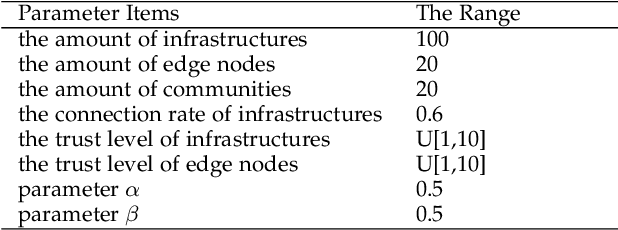
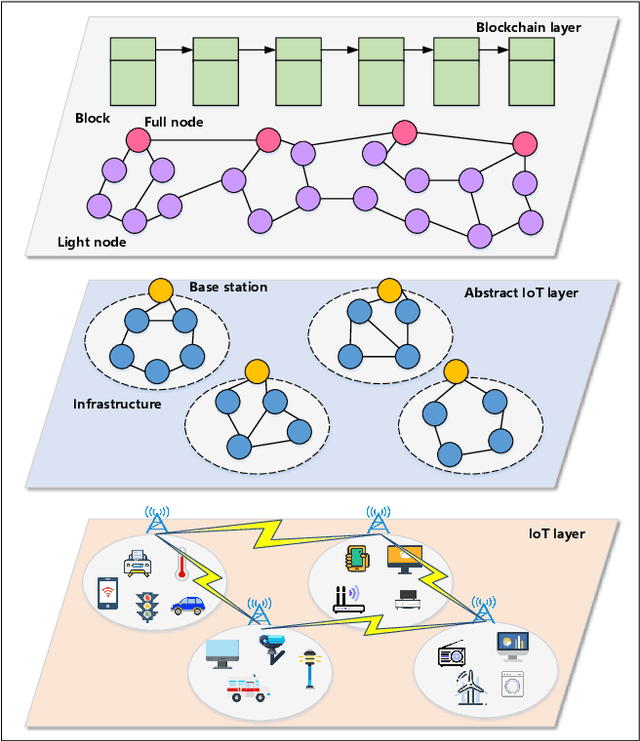
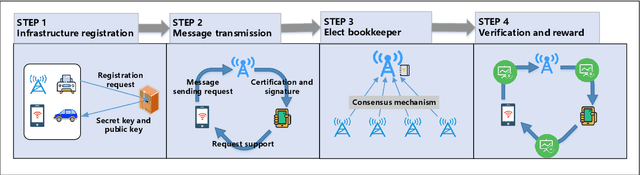
With the advent of the Internet of things (IoT) era, more and more devices are connected to the IoT. Under the traditional cloud-thing centralized management mode, the transmission of massive data is facing many difficulties, and the reliability of data is difficult to be guaranteed. As emerging technologies, blockchain technology and edge computing (EC) technology have attracted the attention of academia in improving the reliability, privacy and invariability of IoT technology. In this paper, we combine the characteristics of the EC and blockchain to ensure the reliability of data transmission in the IoT. First of all, we propose a data transmission mechanism based on blockchain, which uses the distributed architecture of blockchain to ensure that the data is not tampered with; secondly, we introduce the three-tier structure in the architecture in turn; finally, we introduce the four working steps of the mechanism, which are similar to the working mechanism of blockchain. In the end, the simulation results show that the proposed scheme can ensure the reliability of data transmission in the Internet of things to a great extent.
IoV Scenario: Implementation of a Bandwidth Aware Algorithm in Wireless Network Communication Mode
Feb 03, 2022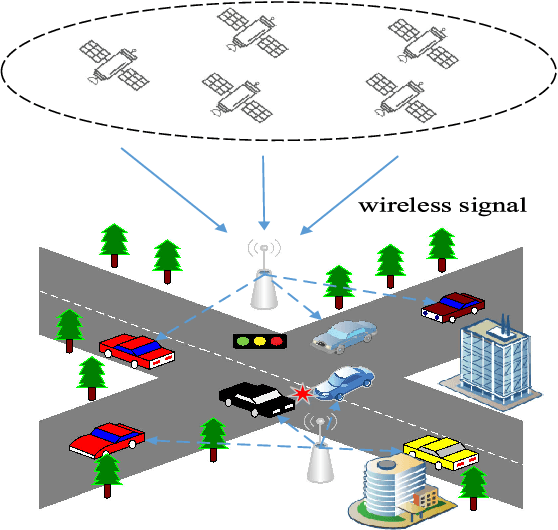
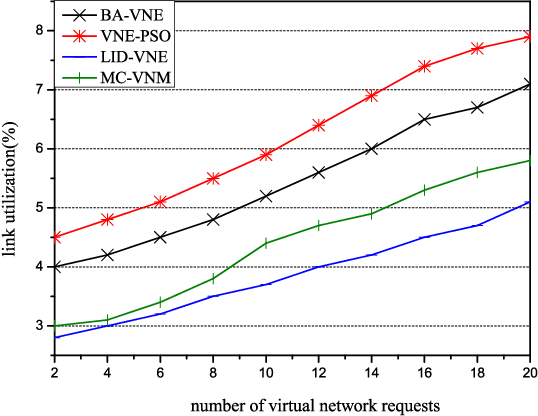
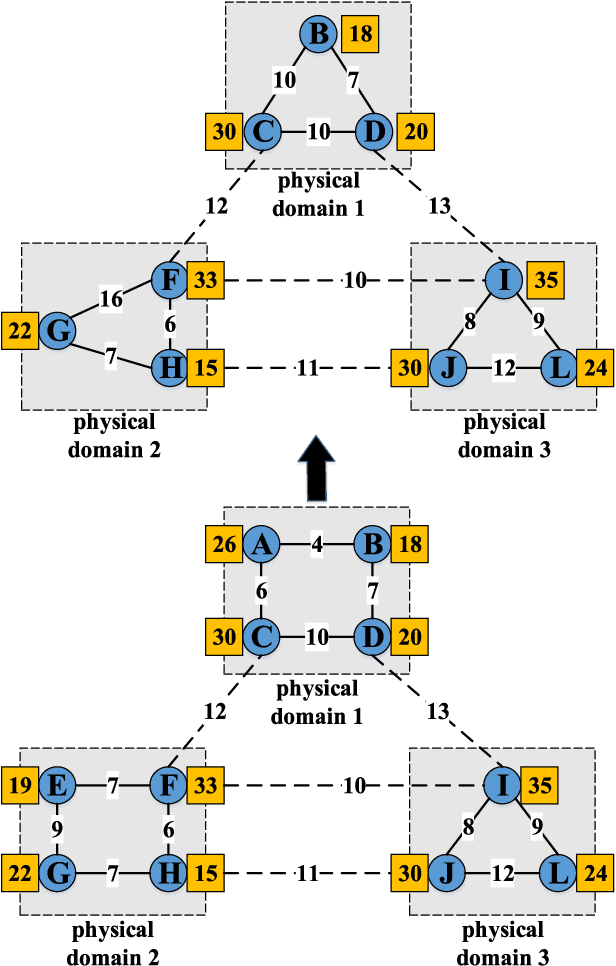
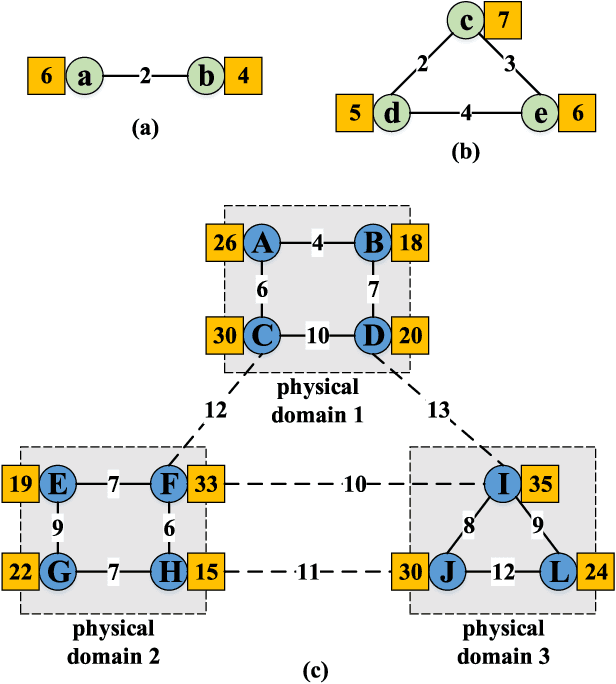
The wireless network communication mode represented by the Internet of vehicles (IoV) has been widely used. However, due to the limitations of traditional network architecture, resource scheduling in wireless network environment is still facing great challenges. This paper focuses on the allocation of bandwidth resources in the virtual network environment. This paper proposes a bandwidth aware multi domain virtual network embedding algorithm (BA-VNE). The algorithm is mainly aimed at the problem that users need a lot of bandwidth in wireless communication mode, and solves the problem of bandwidth resource allocation from the perspective of virtual network embedding (VNE). In order to improve the performance of the algorithm, we introduce particle swarm optimization (PSO) algorithm to optimize the performance of the algorithm. In order to verify the effectiveness of the algorithm, we have carried out simulation experiments from link bandwidth, mapping cost and virtual network request (VNR) acceptance rate. The final results show that the proposed algorithm is better than other representative algorithms in the above indicators.
Space-Air-Ground Integrated Multi-domain Network Resource Orchestration based on Virtual Network Architecture: a DRL Method
Feb 03, 2022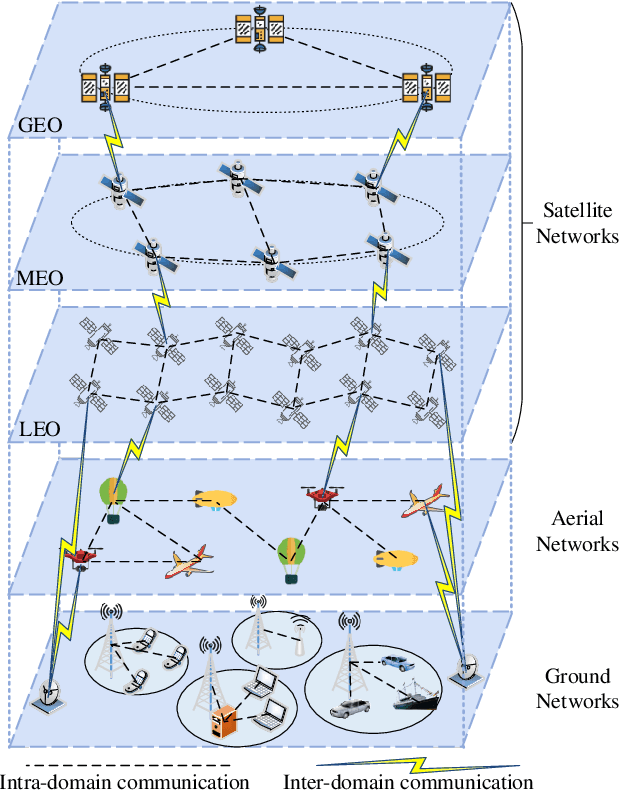
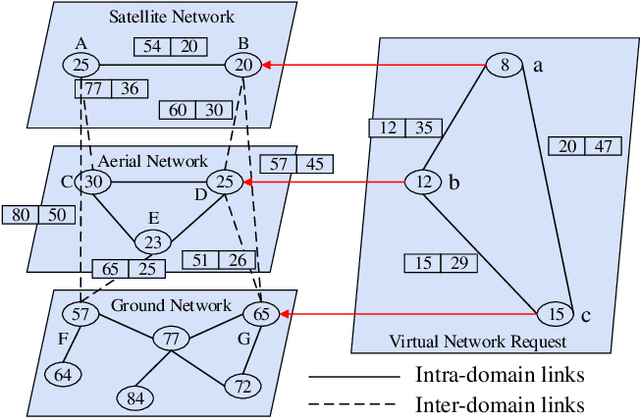
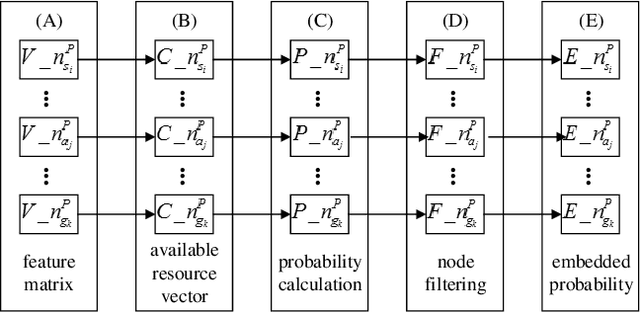
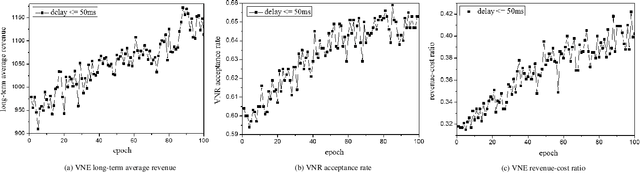
Traditional ground wireless communication networks cannot provide high-quality services for artificial intelligence (AI) applications such as intelligent transportation systems (ITS) due to deployment, coverage and capacity issues. The space-air-ground integrated network (SAGIN) has become a research focus in the industry. Compared with traditional wireless communication networks, SAGIN is more flexible and reliable, and it has wider coverage and higher quality of seamless connection. However, due to its inherent heterogeneity, time-varying and self-organizing characteristics, the deployment and use of SAGIN still faces huge challenges, among which the orchestration of heterogeneous resources is a key issue. Based on virtual network architecture and deep reinforcement learning (DRL), we model SAGIN's heterogeneous resource orchestration as a multi-domain virtual network embedding (VNE) problem, and propose a SAGIN cross-domain VNE algorithm. We model the different network segments of SAGIN, and set the network attributes according to the actual situation of SAGIN and user needs. In DRL, the agent is acted by a five-layer policy network. We build a feature matrix based on network attributes extracted from SAGIN and use it as the agent training environment. Through training, the probability of each underlying node being embedded can be derived. In test phase, we complete the embedding process of virtual nodes and links in turn based on this probability. Finally, we verify the effectiveness of the algorithm from both training and testing.
Dynamic Virtual Network Embedding Algorithm based on Graph Convolution Neural Network and Reinforcement Learning
Feb 03, 2022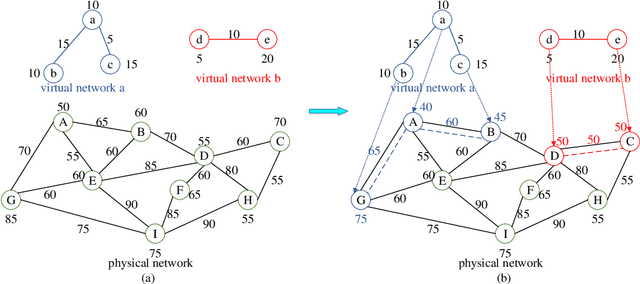
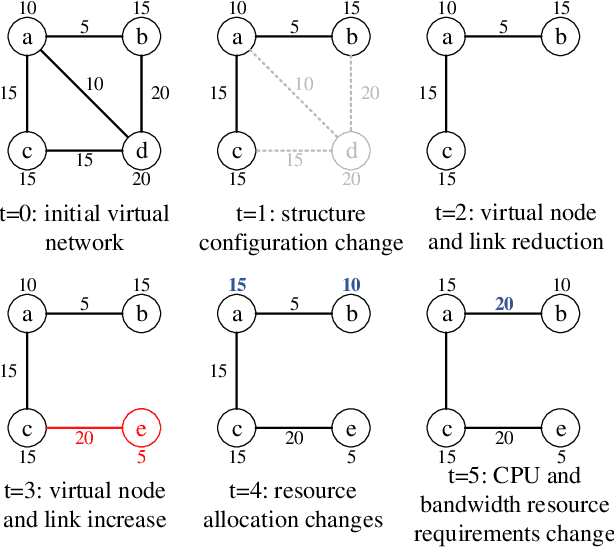
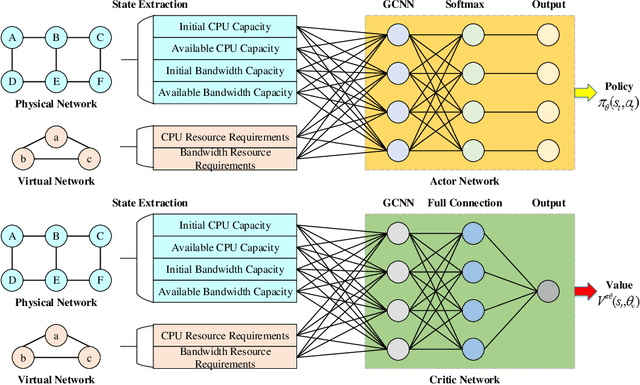
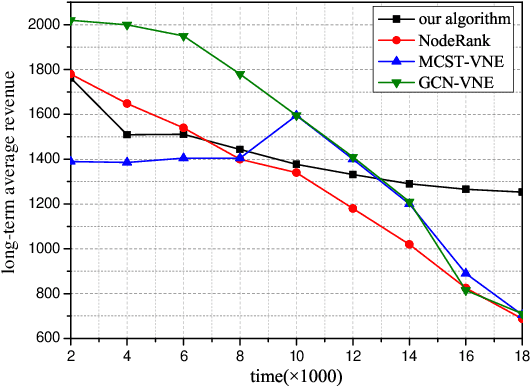
Network virtualization (NV) is a technology with broad application prospects. Virtual network embedding (VNE) is the core orientation of VN, which aims to provide more flexible underlying physical resource allocation for user function requests. The classical VNE problem is usually solved by heuristic method, but this method often limits the flexibility of the algorithm and ignores the time limit. In addition, the partition autonomy of physical domain and the dynamic characteristics of virtual network request (VNR) also increase the difficulty of VNE. This paper proposed a new type of VNE algorithm, which applied reinforcement learning (RL) and graph neural network (GNN) theory to the algorithm, especially the combination of graph convolutional neural network (GCNN) and RL algorithm. Based on a self-defined fitness matrix and fitness value, we set up the objective function of the algorithm implementation, realized an efficient dynamic VNE algorithm, and effectively reduced the degree of resource fragmentation. Finally, we used comparison algorithms to evaluate the proposed method. Simulation experiments verified that the dynamic VNE algorithm based on RL and GCNN has good basic VNE characteristics. By changing the resource attributes of physical network and virtual network, it can be proved that the algorithm has good flexibility.
Resource Management and Security Scheme of ICPSs and IoT Based on VNE Algorithm
Feb 03, 2022The development of Intelligent Cyber-Physical Systems (ICPSs) in virtual network environment is facing severe challenges. On the one hand, the Internet of things (IoT) based on ICPSs construction needs a large amount of reasonable network resources support. On the other hand, ICPSs are facing severe network security problems. The integration of ICPSs and network virtualization (NV) can provide more efficient network resource support and security guarantees for IoT users. Based on the above two problems faced by ICPSs, we propose a virtual network embedded (VNE) algorithm with computing, storage resources and security constraints to ensure the rationality and security of resource allocation in ICPSs. In particular, we use reinforcement learning (RL) method as a means to improve algorithm performance. We extract the important attribute characteristics of underlying network as the training environment of RL agent. Agent can derive the optimal node embedding strategy through training, so as to meet the requirements of ICPSs for resource management and security. The embedding of virtual links is based on the breadth first search (BFS) strategy. Therefore, this is a comprehensive two-stage RL-VNE algorithm considering the constraints of computing, storage and security three-dimensional resources. Finally, we design a large number of simulation experiments from the perspective of typical indicators of VNE algorithms. The experimental results effectively illustrate the effectiveness of the algorithm in the application of ICPSs.
Decoding the Protein-ligand Interactions Using Parallel Graph Neural Networks
Nov 30, 2021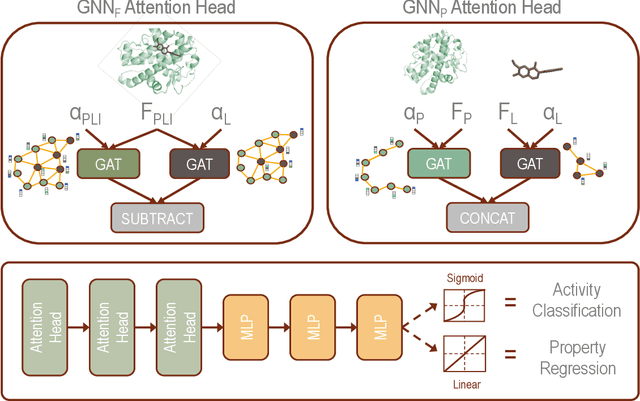
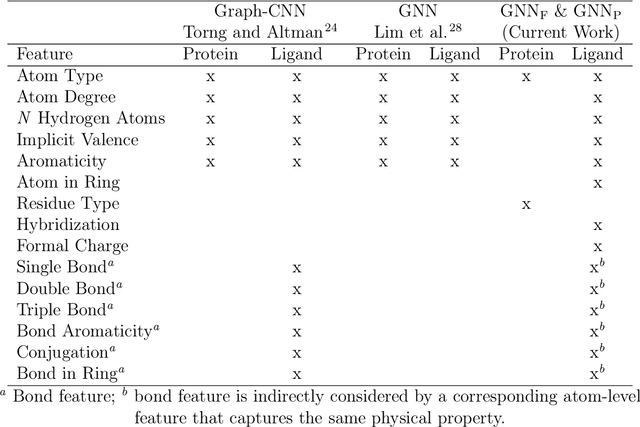

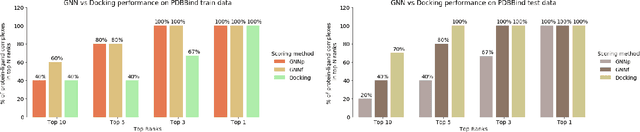
Protein-ligand interactions (PLIs) are fundamental to biochemical research and their identification is crucial for estimating biophysical and biochemical properties for rational therapeutic design. Currently, experimental characterization of these properties is the most accurate method, however, this is very time-consuming and labor-intensive. A number of computational methods have been developed in this context but most of the existing PLI prediction heavily depends on 2D protein sequence data. Here, we present a novel parallel graph neural network (GNN) to integrate knowledge representation and reasoning for PLI prediction to perform deep learning guided by expert knowledge and informed by 3D structural data. We develop two distinct GNN architectures, GNNF is the base implementation that employs distinct featurization to enhance domain-awareness, while GNNP is a novel implementation that can predict with no prior knowledge of the intermolecular interactions. The comprehensive evaluation demonstrated that GNN can successfully capture the binary interactions between ligand and proteins 3D structure with 0.979 test accuracy for GNNF and 0.958 for GNNP for predicting activity of a protein-ligand complex. These models are further adapted for regression tasks to predict experimental binding affinities and pIC50 is crucial for drugs potency and efficacy. We achieve a Pearson correlation coefficient of 0.66 and 0.65 on experimental affinity and 0.50 and 0.51 on pIC50 with GNNF and GNNP, respectively, outperforming similar 2D sequence-based models. Our method can serve as an interpretable and explainable artificial intelligence (AI) tool for predicted activity, potency, and biophysical properties of lead candidates. To this end, we show the utility of GNNP on SARS-Cov-2 protein targets by screening a large compound library and comparing our prediction with the experimentally measured data.