 Add to Chrome
 Add to Firefox
 Add to Edge
Advancing Automated Knowledge Transfer in Evolutionary Multitasking via Large Language Models
Sep 06, 2024


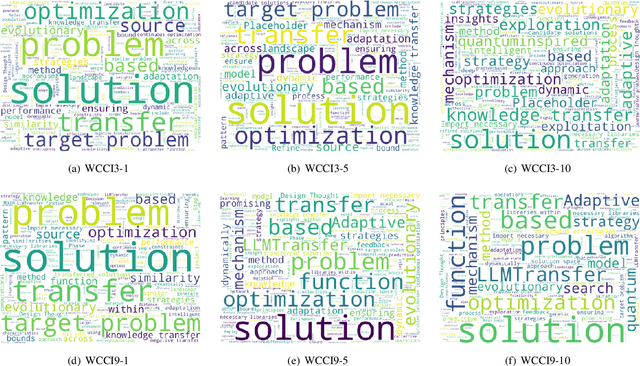
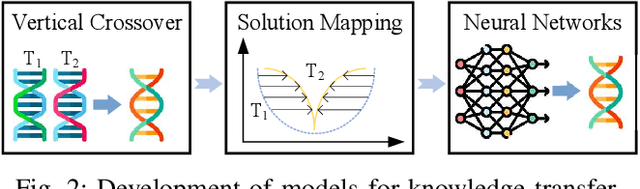
Evolutionary Multi-task Optimization (EMTO) is a paradigm that leverages knowledge transfer across simultaneously optimized tasks for enhanced search performance. To facilitate EMTO's performance, various knowledge transfer models have been developed for specific optimization tasks. However, designing these models often requires substantial expert knowledge. Recently, large language models (LLMs) have achieved remarkable success in autonomous programming, aiming to produce effective solvers for specific problems. In this work, a LLM-based optimization paradigm is introduced to establish an autonomous model factory for generating knowledge transfer models, ensuring effective and efficient knowledge transfer across various optimization tasks. To evaluate the performance of the proposed method, we conducted comprehensive empirical studies comparing the knowledge transfer model generated by the LLM with existing state-of-the-art knowledge transfer methods. The results demonstrate that the generated model is able to achieve superior or competitive performance against hand-crafted knowledge transfer models in terms of both efficiency and effectiveness.

PMSN: A Parallel Multi-compartment Spiking Neuron for Multi-scale Temporal Processing
Aug 27, 2024


Spiking Neural Networks (SNNs) hold great potential to realize brain-inspired, energy-efficient computational systems. However, current SNNs still fall short in terms of multi-scale temporal processing compared to their biological counterparts. This limitation has resulted in poor performance in many pattern recognition tasks with information that varies across different timescales. To address this issue, we put forward a novel spiking neuron model called Parallel Multi-compartment Spiking Neuron (PMSN). The PMSN emulates biological neurons by incorporating multiple interacting substructures and allows for flexible adjustment of the substructure counts to effectively represent temporal information across diverse timescales. Additionally, to address the computational burden associated with the increased complexity of the proposed model, we introduce two parallelization techniques that decouple the temporal dependencies of neuronal updates, enabling parallelized training across different time steps. Our experimental results on a wide range of pattern recognition tasks demonstrate the superiority of PMSN. It outperforms other state-of-the-art spiking neuron models in terms of its temporal processing capacity, training speed, and computation cost. Specifically, compared with the commonly used Leaky Integrate-and-Fire neuron, PMSN offers a simulation acceleration of over 10 $\times$ and a 30 % improvement in accuracy on Sequential CIFAR10 dataset, while maintaining comparable computational cost.
Design Principle Transfer in Neural Architecture Search via Large Language Models
Aug 21, 2024



Transferable neural architecture search (TNAS) has been introduced to design efficient neural architectures for multiple tasks, to enhance the practical applicability of NAS in real-world scenarios. In TNAS, architectural knowledge accumulated in previous search processes is reused to warm up the architecture search for new tasks. However, existing TNAS methods still search in an extensive search space, necessitating the evaluation of numerous architectures. To overcome this challenge, this work proposes a novel transfer paradigm, i.e., design principle transfer. In this work, the linguistic description of various structural components' effects on architectural performance is termed design principles. They are learned from established architectures and then can be reused to reduce the search space by discarding unpromising architectures. Searching in the refined search space can boost both the search performance and efficiency for new NAS tasks. To this end, a large language model (LLM)-assisted design principle transfer (LAPT) framework is devised. In LAPT, LLM is applied to automatically reason the design principles from a set of given architectures, and then a principle adaptation method is applied to refine these principles progressively based on the new search results. Experimental results show that LAPT can beat the state-of-the-art TNAS methods on most tasks and achieve comparable performance on others.
Surrogate-Assisted Search with Competitive Knowledge Transfer for Expensive Optimization
Aug 13, 2024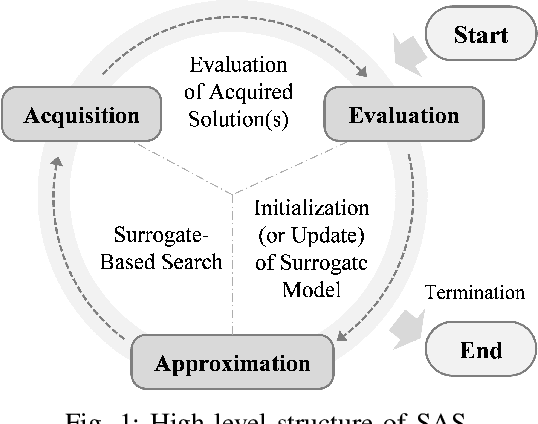
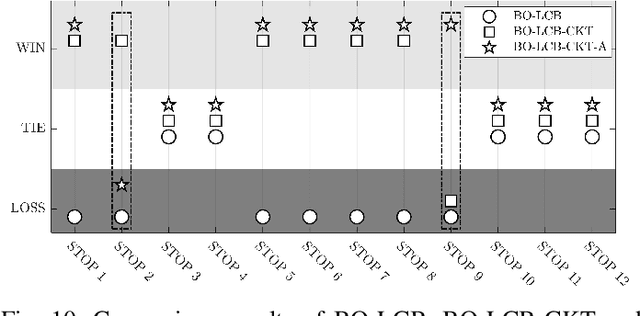
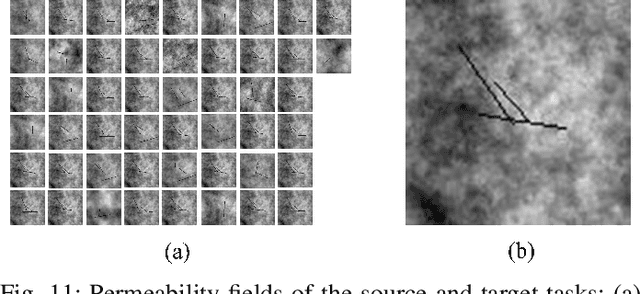
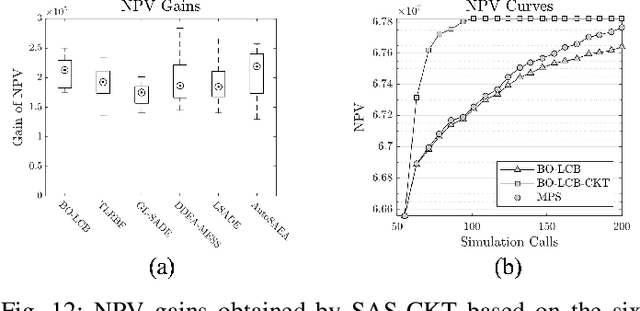
Expensive optimization problems (EOPs) have attracted increasing research attention over the decades due to their ubiquity in a variety of practical applications. Despite many sophisticated surrogate-assisted evolutionary algorithms (SAEAs) that have been developed for solving such problems, most of them lack the ability to transfer knowledge from previously-solved tasks and always start their search from scratch, making them troubled by the notorious cold-start issue. A few preliminary studies that integrate transfer learning into SAEAs still face some issues, such as defective similarity quantification that is prone to underestimate promising knowledge, surrogate-dependency that makes the transfer methods not coherent with the state-of-the-art in SAEAs, etc. In light of the above, a plug and play competitive knowledge transfer method is proposed to boost various SAEAs in this paper. Specifically, both the optimized solutions from the source tasks and the promising solutions acquired by the target surrogate are treated as task-solving knowledge, enabling them to compete with each other to elect the winner for expensive evaluation, thus boosting the search speed on the target task. Moreover, the lower bound of the convergence gain brought by the knowledge competition is mathematically analyzed, which is expected to strengthen the theoretical foundation of sequential transfer optimization. Experimental studies conducted on a series of benchmark problems and a practical application from the petroleum industry verify the efficacy of the proposed method. The source code of the competitive knowledge transfer is available at https://github.com/XmingHsueh/SAS-CKT.
Learning to Transfer for Evolutionary Multitasking
Jun 20, 2024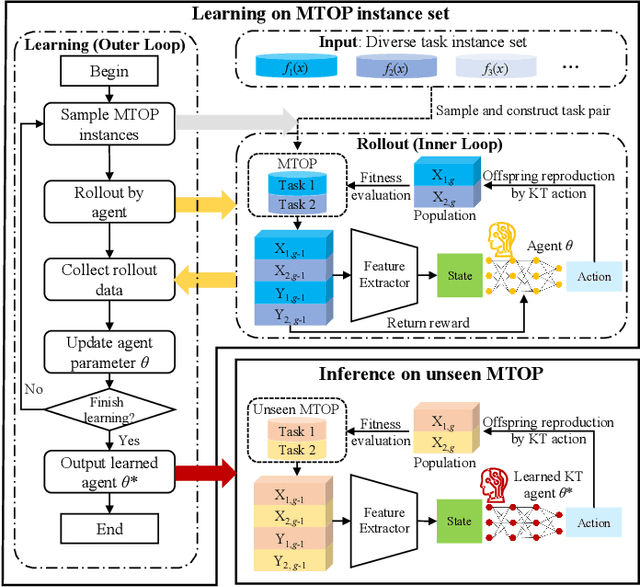
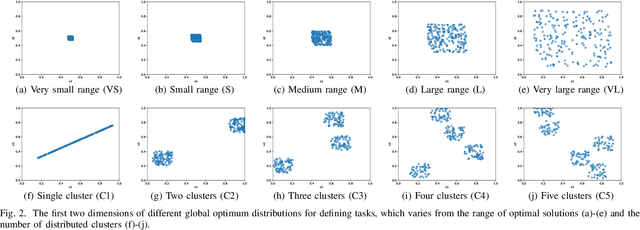
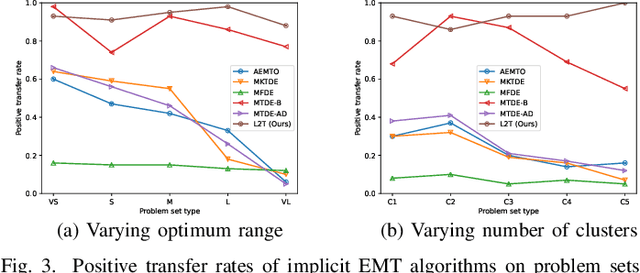

Evolutionary multitasking (EMT) is an emerging approach for solving multitask optimization problems (MTOPs) and has garnered considerable research interest. The implicit EMT is a significant research branch that utilizes evolution operators to enable knowledge transfer (KT) between tasks. However, current approaches in implicit EMT face challenges in adaptability, due to the use of a limited number of evolution operators and insufficient utilization of evolutionary states for performing KT. This results in suboptimal exploitation of implicit KT's potential to tackle a variety of MTOPs. To overcome these limitations, we propose a novel Learning to Transfer (L2T) framework to automatically discover efficient KT policies for the MTOPs at hand. Our framework conceptualizes the KT process as a learning agent's sequence of strategic decisions within the EMT process. We propose an action formulation for deciding when and how to transfer, a state representation with informative features of evolution states, a reward formulation concerning convergence and transfer efficiency gain, and the environment for the agent to interact with MTOPs. We employ an actor-critic network structure for the agent and learn it via proximal policy optimization. This learned agent can be integrated with various evolutionary algorithms, enhancing their ability to address a range of new MTOPs. Comprehensive empirical studies on both synthetic and real-world MTOPs, encompassing diverse inter-task relationships, function classes, and task distributions are conducted to validate the proposed L2T framework. The results show a marked improvement in the adaptability and performance of implicit EMT when solving a wide spectrum of unseen MTOPs.
Towards Next Era of Multi-objective Optimization: Large Language Models as Architects of Evolutionary Operators
Jun 13, 2024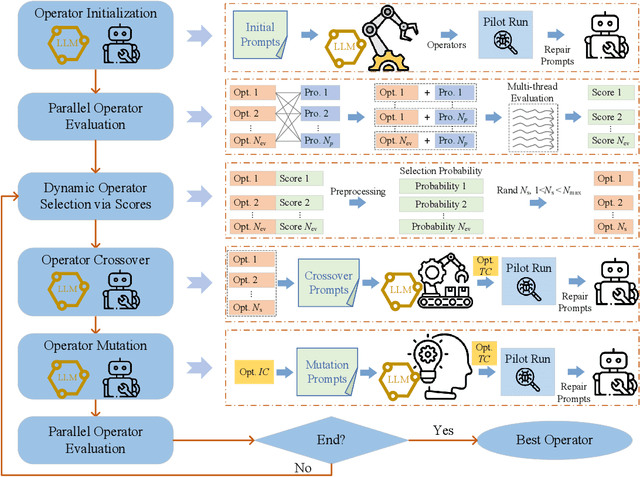


Multi-objective optimization problems (MOPs) are prevalent in various real-world applications, necessitating sophisticated solutions that balance conflicting objectives. Traditional evolutionary algorithms (EAs), while effective, often rely on domain-specific expert knowledge and iterative tuning, which can impede innovation when encountering novel MOPs. Very recently, the emergence of Large Language Models (LLMs) has revolutionized software engineering by enabling the autonomous development and refinement of programs. Capitalizing on this advancement, we propose a new LLM-based framework for evolving EA operators, designed to address a wide array of MOPs. This framework facilitates the production of EA operators without the extensive demands for expert intervention, thereby streamlining the design process. To validate the efficacy of our approach, we have conducted extensive empirical studies across various categories of MOPs. The results demonstrate the robustness and superior performance of our LLM-evolved operators.
Explainable Molecular Property Prediction: Aligning Chemical Concepts with Predictions via Language Models
May 25, 2024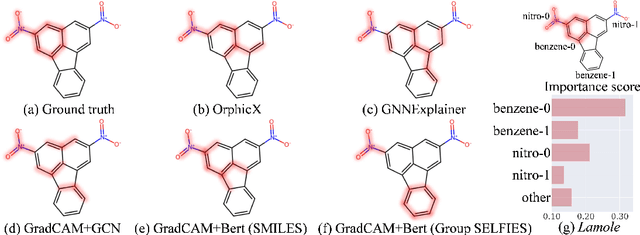
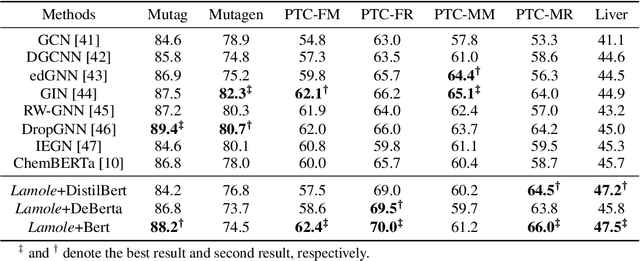
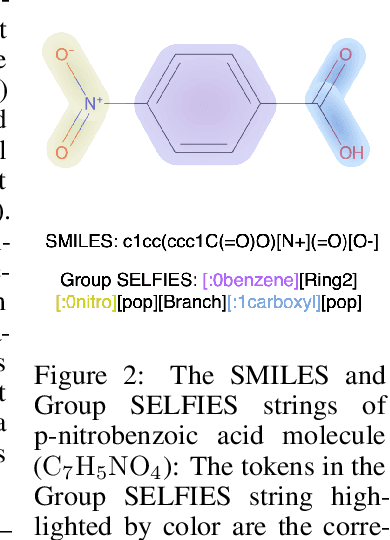
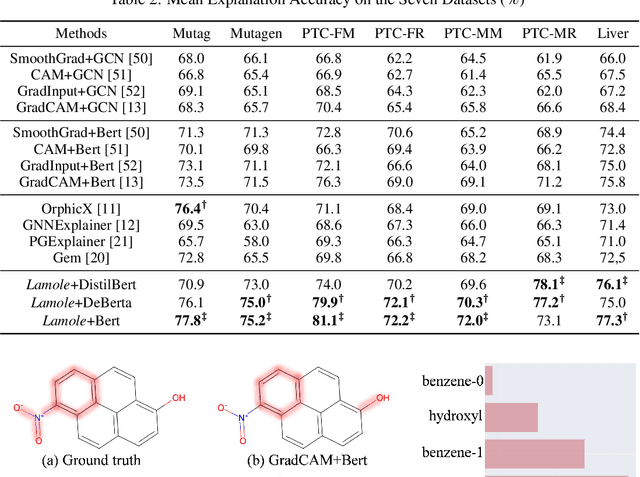
Providing explainable molecule property predictions is critical for many scientific domains, such as drug discovery and material science. Though transformer-based language models have shown great potential in accurate molecular property prediction, they neither provide chemically meaningful explanations nor faithfully reveal the molecular structure-property relationships. In this work, we develop a new framework for explainable molecular property prediction based on language models, dubbed as Lamole, which can provide chemical concepts-aligned explanations. We first leverage a designated molecular representation -- the Group SELFIES -- as it can provide chemically meaningful semantics. Because attention mechanisms in Transformers can inherently capture relationships within the input, we further incorporate the attention weights and gradients together to generate explanations for capturing the functional group interactions. We then carefully craft a marginal loss to explicitly optimize the explanations to be able to align with the chemists' annotations. We bridge the manifold hypothesis with the elaborated marginal loss to prove that the loss can align the explanations with the tangent space of the data manifold, leading to concept-aligned explanations. Experimental results over six mutagenicity datasets and one hepatotoxicity dataset demonstrate Lamole can achieve comparable classification accuracy and boost the explanation accuracy by up to 14.8%, being the state-of-the-art in explainable molecular property prediction.
Fast 3D Molecule Generation via Unified Geometric Optimal Transport
May 24, 2024
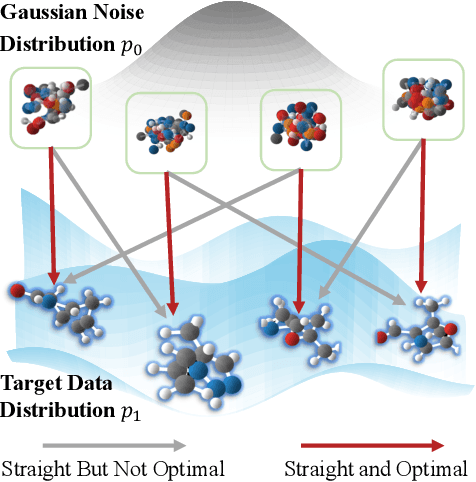

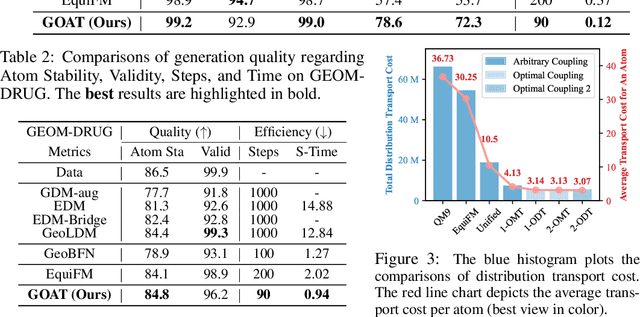
This paper proposes a new 3D molecule generation framework, called GOAT, for fast and effective 3D molecule generation based on the flow-matching optimal transport objective. Specifically, we formulate a geometric transport formula for measuring the cost of mapping multi-modal features (e.g., continuous atom coordinates and categorical atom types) between a base distribution and a target data distribution. Our formula is solved within a unified, equivalent, and smooth representation space. This is achieved by transforming the multi-modal features into a continuous latent space with equivalent networks. In addition, we find that identifying optimal distributional coupling is necessary for fast and effective transport between any two distributions. We further propose a flow refinement and purification mechanism for optimal coupling identification. By doing so, GOAT can turn arbitrary distribution couplings into new deterministic couplings, leading to a unified optimal transport path for fast 3D molecule generation. The purification filters the subpar molecules to ensure the ultimate generation performance. We theoretically prove the proposed method indeed reduced the transport cost. Finally, extensive experiments show that GOAT enjoys the efficiency of solving geometric optimal transport, leading to a double speedup compared to the sub-optimal method while achieving the best generation quality regarding validity, uniqueness, and novelty.
Unlock the Power of Algorithm Features: A Generalization Analysis for Algorithm Selection
May 18, 2024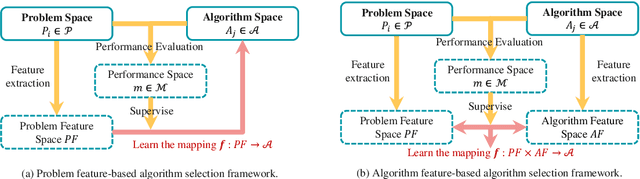

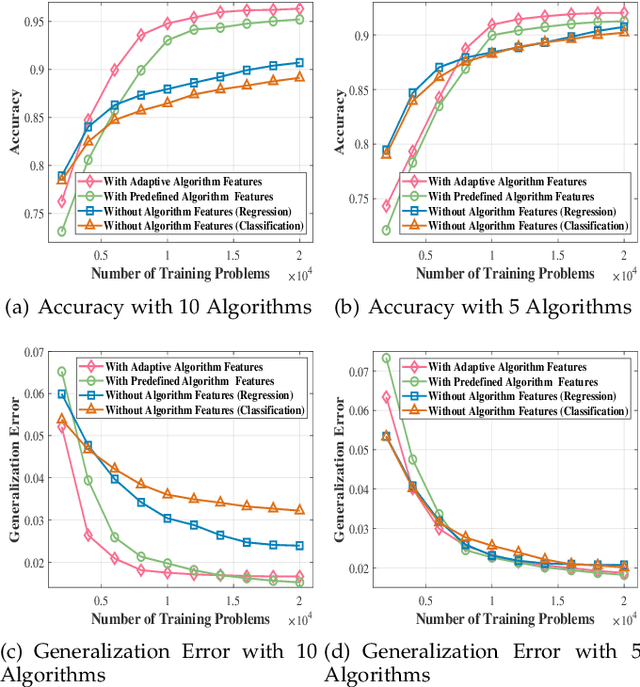

In the field of algorithm selection research, the discussion surrounding algorithm features has been significantly overshadowed by the emphasis on problem features. Although a few empirical studies have yielded evidence regarding the effectiveness of algorithm features, the potential benefits of incorporating algorithm features into algorithm selection models and their suitability for different scenarios remain unclear. It is evident that relying solely on empirical research cannot adequately elucidate the mechanisms underlying performance variations. In this paper, we address this gap by proposing the first provable guarantee for algorithm selection based on algorithm features, taking a generalization perspective. We analyze the benefits and costs associated with algorithm features and investigate how the generalization error is affected by several factors. Specifically, we examine adaptive and predefined algorithm features under transductive and inductive learning paradigms, respectively, and derive upper bounds for the generalization error based on their model's Rademacher complexity. Our theoretical findings not only provide tight upper bounds, but also offer analytical insights into the impact of various factors, including model complexity, the number of problem instances and candidate algorithms, model parameters and feature values, and distributional differences between the training and test sets. Notably, we demonstrate that algorithm feature-based models outperform traditional models relying solely on problem features in complex multi-algorithm scenarios in terms of generalization, and are particularly well-suited for deployment in scenarios under distribution shifts, where the generalization error exhibits a positive correlation with the chi-square distance between training and test sets.
Large Language Model-Aided Evolutionary Search for Constrained Multiobjective Optimization
May 09, 2024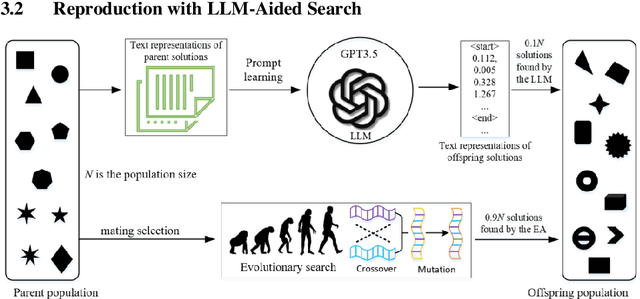
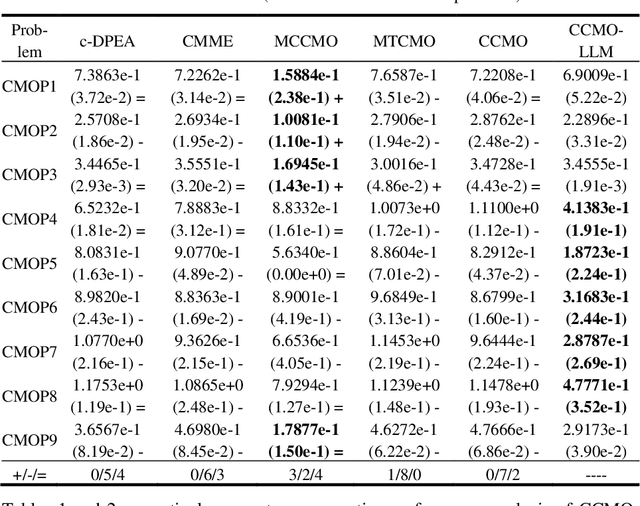
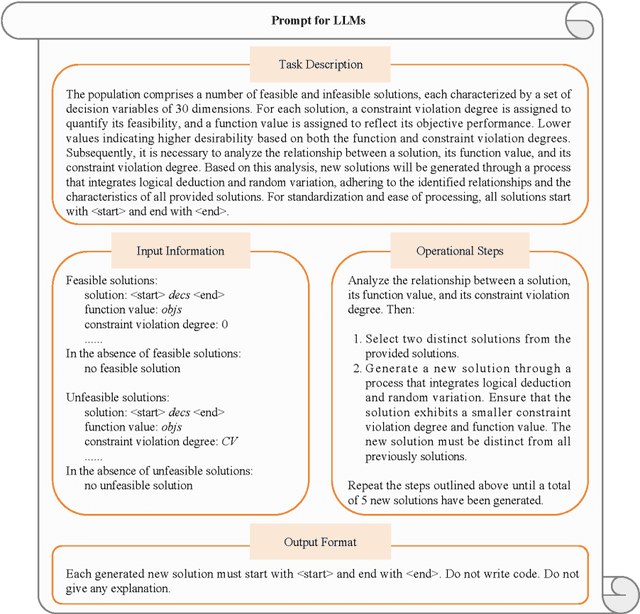
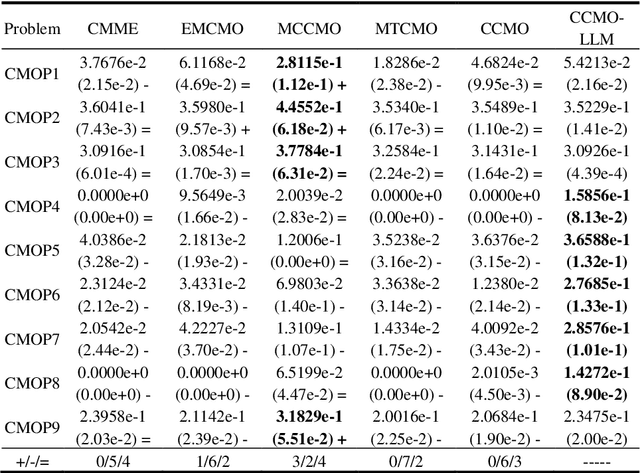
Evolutionary algorithms excel in solving complex optimization problems, especially those with multiple objectives. However, their stochastic nature can sometimes hinder rapid convergence to the global optima, particularly in scenarios involving constraints. In this study, we employ a large language model (LLM) to enhance evolutionary search for solving constrained multi-objective optimization problems. Our aim is to speed up the convergence of the evolutionary population. To achieve this, we finetune the LLM through tailored prompt engineering, integrating information concerning both objective values and constraint violations of solutions. This process enables the LLM to grasp the relationship between well-performing and poorly performing solutions based on the provided input data. Solution's quality is assessed based on their constraint violations and objective-based performance. By leveraging the refined LLM, it can be used as a search operator to generate superior-quality solutions. Experimental evaluations across various test benchmarks illustrate that LLM-aided evolutionary search can significantly accelerate the population's convergence speed and stands out competitively against cutting-edge evolutionary algorithms.