 Add to Chrome
 Add to Firefox
 Add to Edge
Non Intrusive Load Monitoring
Non intrusive load monitoring is the process of disaggregating and monitoring the energy consumption of individual appliances in a household.
Papers and Code
Towards trustworthy Energy Disaggregation: A review of challenges, methods and perspectives for Non-Intrusive Load Monitoring
Jul 05, 2022
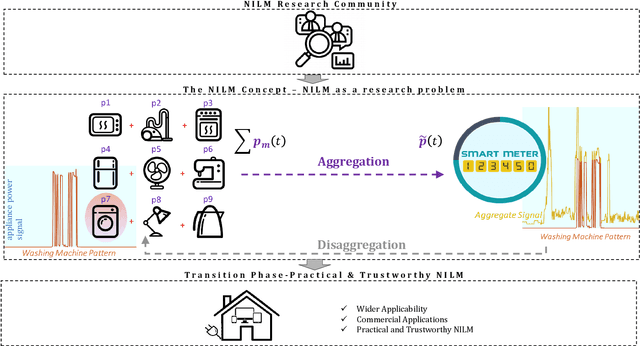
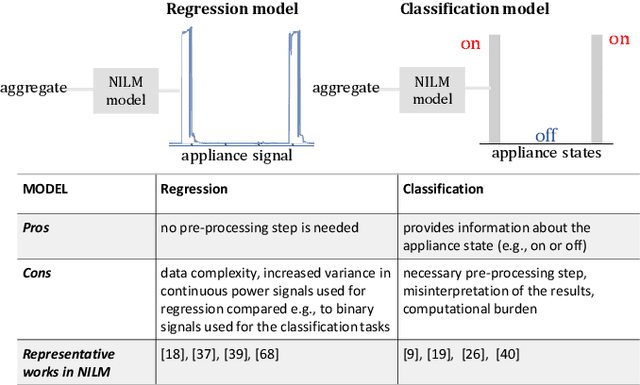
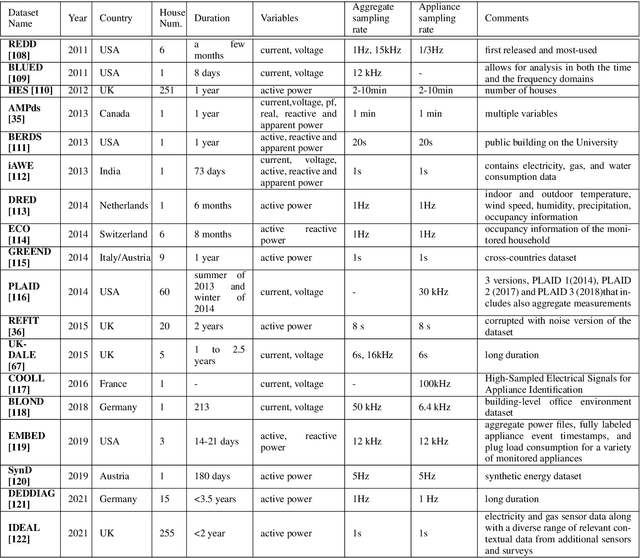
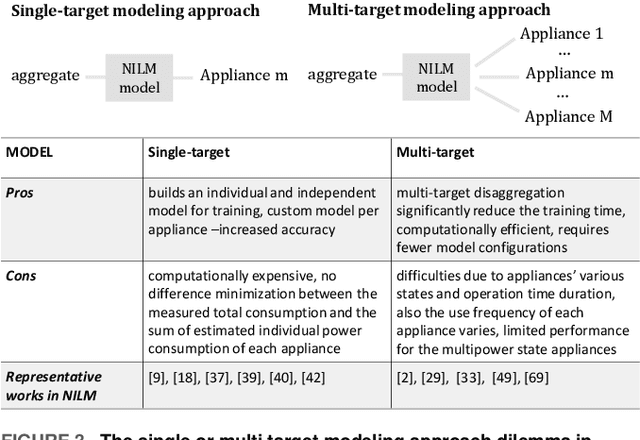
Non-intrusive load monitoring (NILM) is the task of disaggregating the total power consumption into its individual sub-components. Over the years, signal processing and machine learning algorithms have been combined to achieve this. A lot of publications and extensive research works are performed on energy disaggregation or NILM for the state-of-the-art methods to reach on the desirable performance. The initial interest of the scientific community to formulate and describe mathematically the NILM problem using machine learning tools has now shifted into a more practical NILM. Nowadays, we are in the mature NILM period where there is an attempt for NILM to be applied in real-life application scenarios. Thus, complexity of the algorithms, transferability, reliability, practicality and in general trustworthiness are the main issues of interest. This review narrows the gap between the early immature NILM era and the mature one. In particular, the paper provides a comprehensive literature review of the NILM methods for residential appliances only. The paper analyzes, summarizes and presents the outcomes of a large number of recently published scholarly articles. Also, the paper discusses the highlights of these methods and introduces the research dilemmas that should be taken into consideration by researchers to apply NILM methods. Finally, we show the need for transferring the traditional disaggregation models into a practical and trustworthy framework.

CLERA: A Unified Model for Joint Cognitive Load and Eye Region Analysis in the Wild
Jun 26, 2023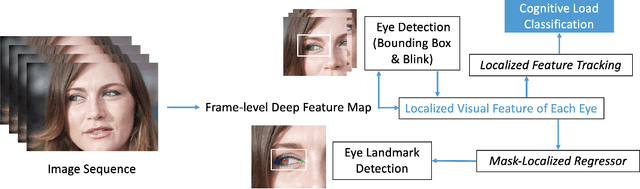

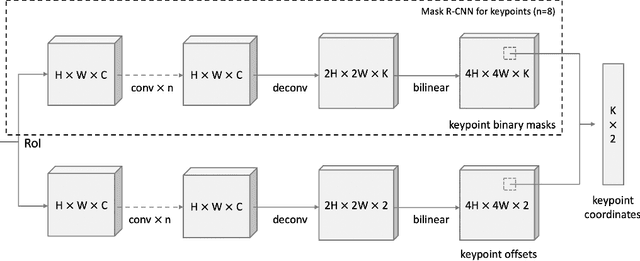
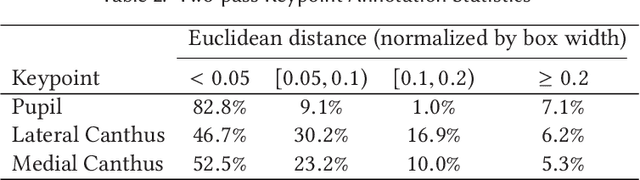
Non-intrusive, real-time analysis of the dynamics of the eye region allows us to monitor humans' visual attention allocation and estimate their mental state during the performance of real-world tasks, which can potentially benefit a wide range of human-computer interaction (HCI) applications. While commercial eye-tracking devices have been frequently employed, the difficulty of customizing these devices places unnecessary constraints on the exploration of more efficient, end-to-end models of eye dynamics. In this work, we propose CLERA, a unified model for Cognitive Load and Eye Region Analysis, which achieves precise keypoint detection and spatiotemporal tracking in a joint-learning framework. Our method demonstrates significant efficiency and outperforms prior work on tasks including cognitive load estimation, eye landmark detection, and blink estimation. We also introduce a large-scale dataset of 30k human faces with joint pupil, eye-openness, and landmark annotation, which aims to support future HCI research on human factors and eye-related analysis.
DP$^2$-NILM: A Distributed and Privacy-preserving Framework for Non-intrusive Load Monitoring
Jun 30, 2022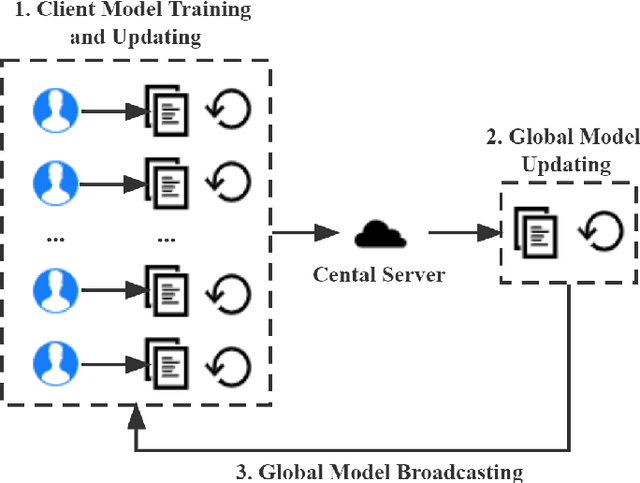
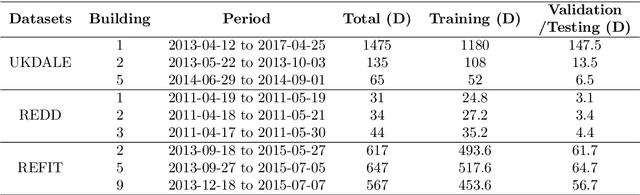
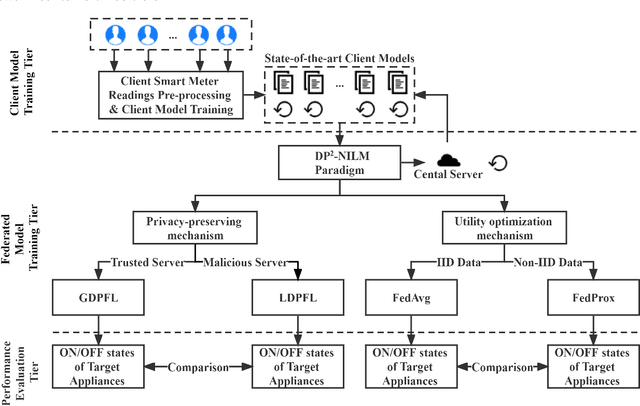
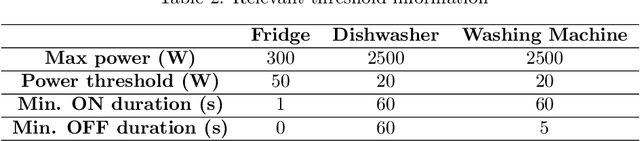
Non-intrusive load monitoring (NILM), which usually utilizes machine learning methods and is effective in disaggregating smart meter readings from the household-level into appliance-level consumption, can help analyze electricity consumption behaviours of users and enable practical smart energy and smart grid applications. Recent studies have proposed many novel NILM frameworks based on federated deep learning (FL). However, there lacks comprehensive research exploring the utility optimization schemes and the privacy-preserving schemes in different FL-based NILM application scenarios. In this paper, we make the first attempt to conduct FL-based NILM focusing on both the utility optimization and the privacy-preserving by developing a distributed and privacy-preserving NILM (DP2-NILM) framework and carrying out comparative experiments on practical NILM scenarios based on real-world smart meter datasets. Specifically, two alternative federated learning strategies are examined in the utility optimization schemes, i.e., the FedAvg and the FedProx. Moreover, different levels of privacy guarantees, i.e., the local differential privacy federated learning and the global differential privacy federated learning are provided in the DP2-NILM. Extensive comparison experiments are conducted on three real-world datasets to evaluate the proposed framework.
Multi-timescale Event Detection in Nonintrusive Load Monitoring based on MDL Principle
Nov 19, 2022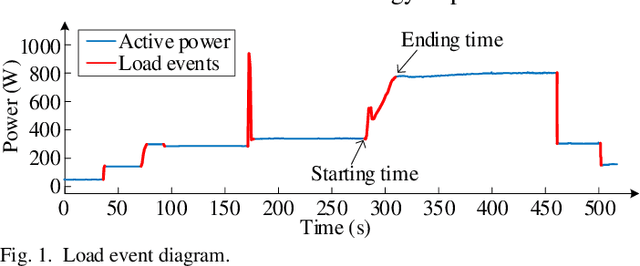
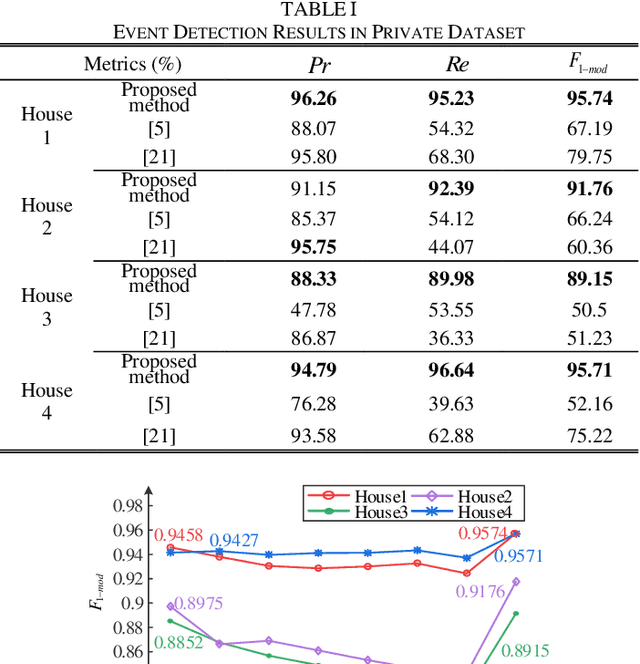
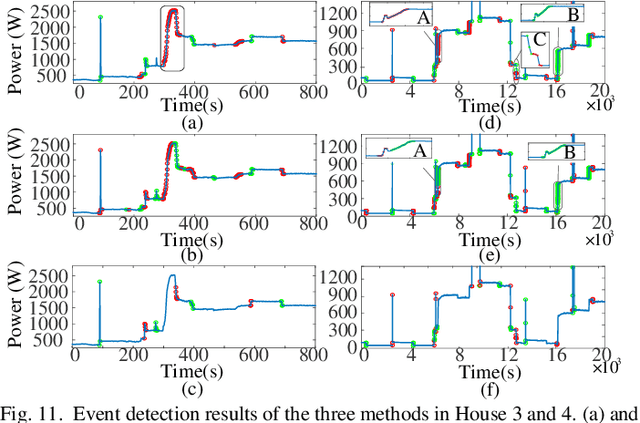
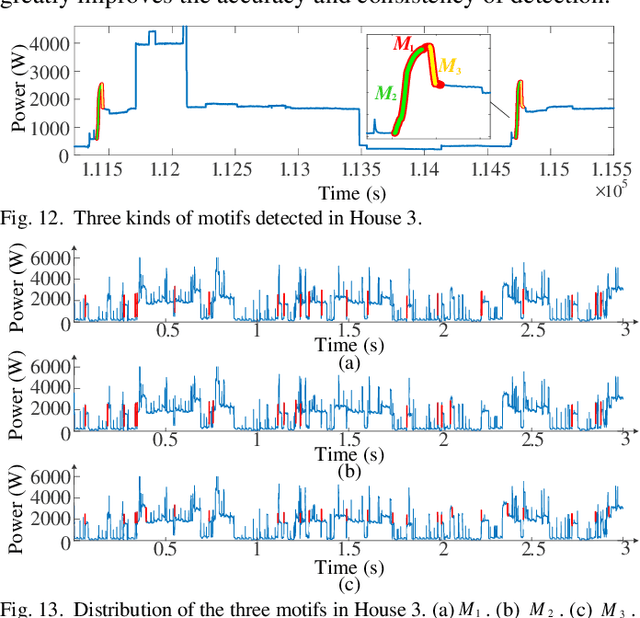
Load event detection is the fundamental step for the event-based non-intrusive load monitoring (NILM). However, existing event detection methods with fixed parameters may fail in coping with the inherent multi-timescale characteristics of events and their event detection accuracy is easily affected by the load fluctuation. In this regard, this paper extends our previously designed two-stage event detection framework, and proposes a novel multi-timescale event detection method based on the principle of minimum description length (MDL). Following the completion of step-like event detection in the first stage, a long-transient event detection scheme with variable-length sliding window is designed for the second stage, which is intended to provide the observation and characterization of the same event at different time scales. In that, the context information in the aggregated load data is mined by motif discovery, and then based on the MDL principle, the proper observation scales are selected for different events and the corresponding detection results are determined. In the post-processing step, a load fluctuation location method based on voice activity detection (VAD) is proposed to identify and remove the unreasonable events caused by fluctuations. Based on newly proposed evaluation metrics, the comparison tests on public and private datasets demonstrate that our method achieves higher detection accuracy and integrity for events of various appliances across different scenarios.
Privacy-preserving household load forecasting based on non-intrusive load monitoring: A federated deep learning approach
Jun 30, 2022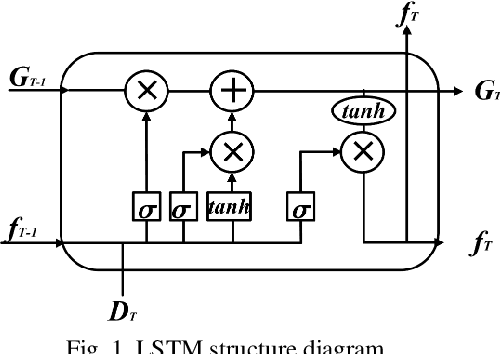
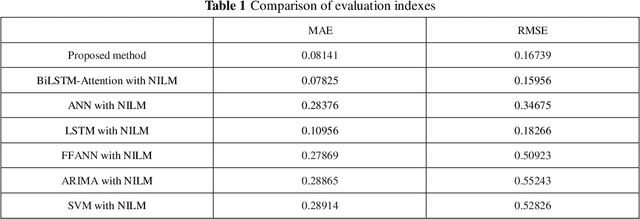
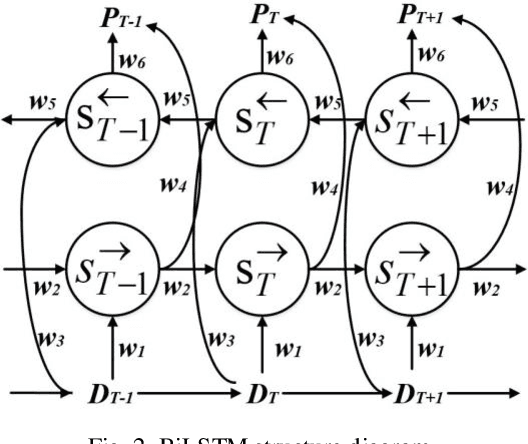
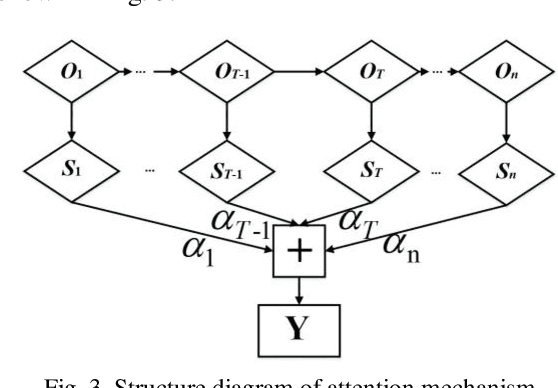
Load forecasting is very essential in the analysis and grid planning of power systems. For this reason, we first propose a household load forecasting method based on federated deep learning and non-intrusive load monitoring (NILM). For all we know, this is the first research on federated learning (FL) in household load forecasting based on NILM. In this method, the integrated power is decomposed into individual device power by non-intrusive load monitoring, and the power of individual appliances is predicted separately using a federated deep learning model. Finally, the predicted power values of individual appliances are aggregated to form the total power prediction. Specifically, by separately predicting the electrical equipment to obtain the predicted power, it avoids the error caused by the strong time dependence in the power signal of a single device. And in the federated deep learning prediction model, the household owners with the power data share the parameters of the local model instead of the local power data, guaranteeing the privacy of the household user data. The case results demonstrate that the proposed approach provides a better prediction effect than the traditional methodology that directly predicts the aggregated signal as a whole. In addition, experiments in various federated learning environments are designed and implemented to validate the validity of this methodology.
IMG-NILM: A Deep learning NILM approach using energy heatmaps
Jul 12, 2022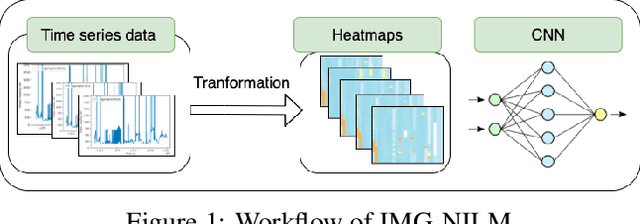
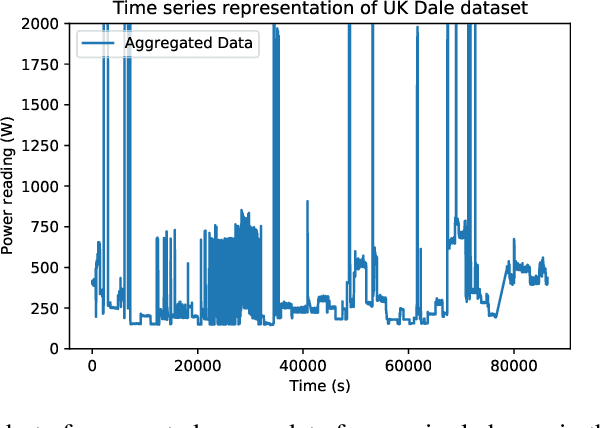
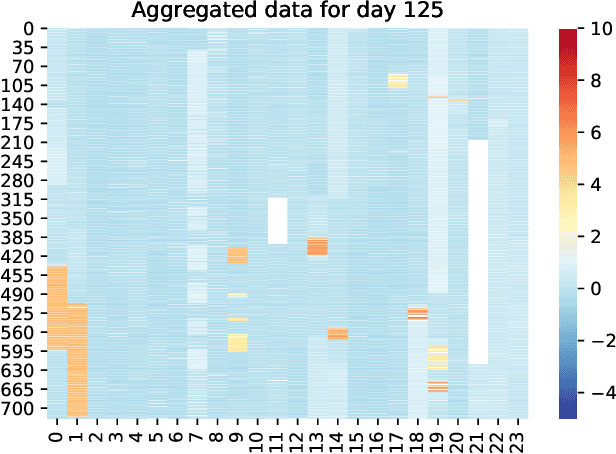
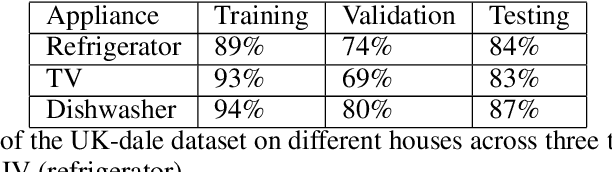
Energy disaggregation estimates appliance-by-appliance electricity consumption from a single meter that measures the whole home's electricity demand. Compared with intrusive load monitoring, NILM (Non-intrusive load monitoring) is low cost, easy to deploy, and flexible. In this paper, we propose a new method, coined IMG-NILM, that utilises convolutional neural networks (CNN) to disaggregate electricity data represented as images. CNN is proven to be efficient with images, hence, instead of the traditional representation of electricity data as time series, data is transformed into heatmaps with higher electricity readings portrayed as 'hotter' colours. The image representation is then used in CNN to detect the signature of an appliance from aggregated data. IMG-NILM is flexible and shows consistent performance in disaggregating various types of appliances; including single and multiple states. It attains a test accuracy of up to 93% on the UK dale dataset within a single house, where a substantial number of appliances are present. In more challenging settings where electricity data is collected from different houses, IMG-NILM attains also a very good average accuracy of 85%.
Conv-NILM-Net, a causal and multi-appliance model for energy source separation
Aug 03, 2022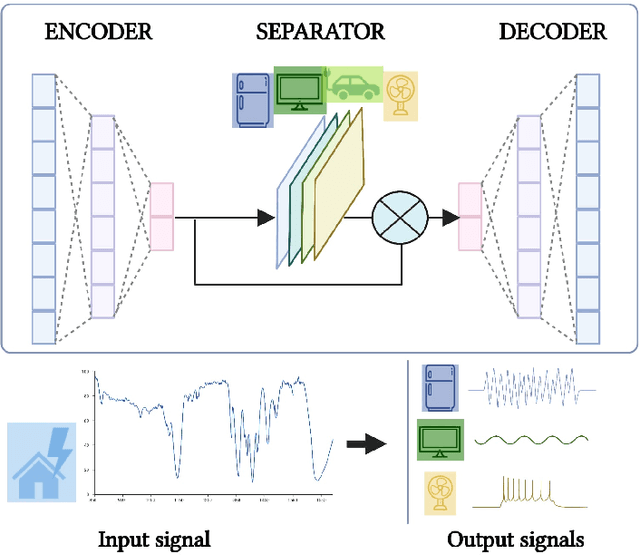
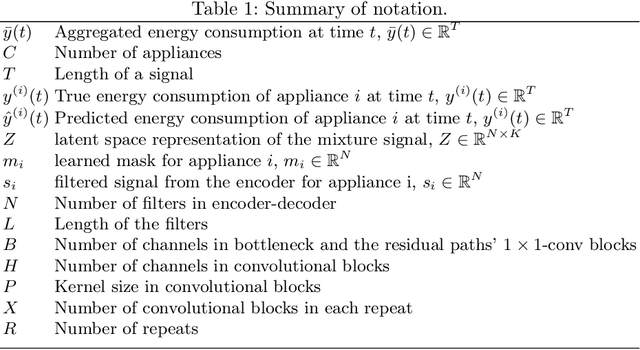
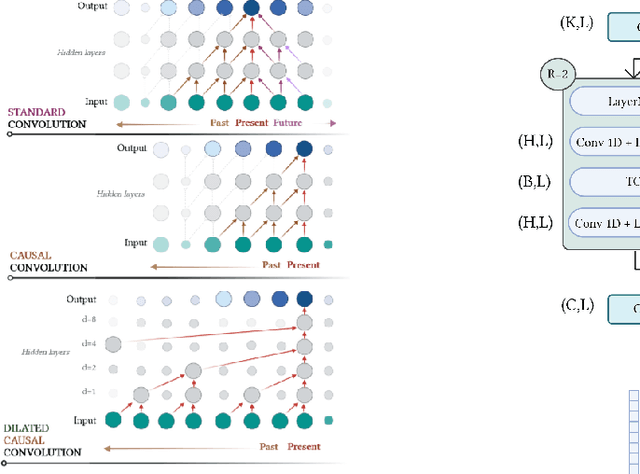
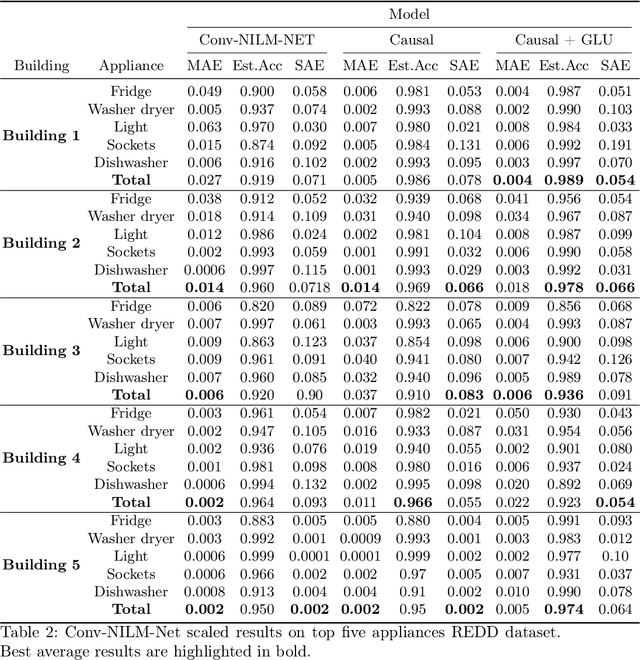
Non-Intrusive Load Monitoring (NILM) seeks to save energy by estimating individual appliance power usage from a single aggregate measurement. Deep neural networks have become increasingly popular in attempting to solve NILM problems. However most used models are used for Load Identification rather than online Source Separation. Among source separation models, most use a single-task learning approach in which a neural network is trained exclusively for each appliance. This strategy is computationally expensive and ignores the fact that multiple appliances can be active simultaneously and dependencies between them. The rest of models are not causal, which is important for real-time application. Inspired by Convtas-Net, a model for speech separation, we propose Conv-NILM-net, a fully convolutional framework for end-to-end NILM. Conv-NILM-net is a causal model for multi appliance source separation. Our model is tested on two real datasets REDD and UK-DALE and clearly outperforms the state of the art while keeping a significantly smaller size than the competing models.
Efficient Localness Transformer for Smart Sensor-Based Energy Disaggregation
Mar 29, 2022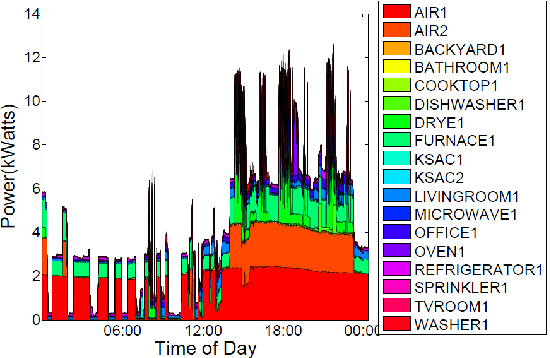
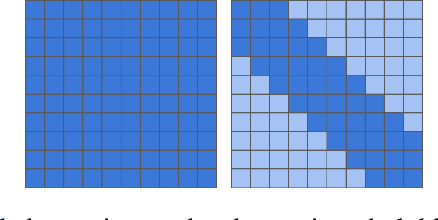

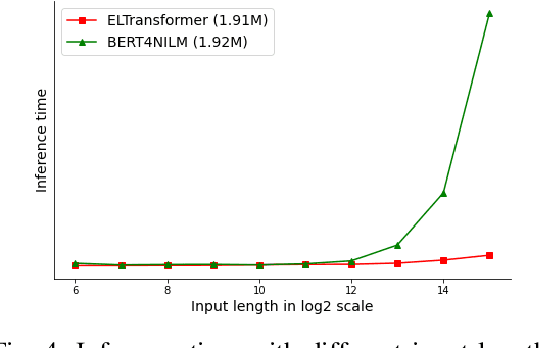
Modern smart sensor-based energy management systems leverage non-intrusive load monitoring (NILM) to predict and optimize appliance load distribution in real-time. NILM, or energy disaggregation, refers to the decomposition of electricity usage conditioned on the aggregated power signals (i.e., smart sensor on the main channel). Based on real-time appliance power prediction using sensory technology, energy disaggregation has great potential to increase electricity efficiency and reduce energy expenditure. With the introduction of transformer models, NILM has achieved significant improvements in predicting device power readings. Nevertheless, transformers are less efficient due to O(l^2) complexity w.r.t. sequence length l. Moreover, transformers can fail to capture local signal patterns in sequence-to-point settings due to the lack of inductive bias in local context. In this work, we propose an efficient localness transformer for non-intrusive load monitoring (ELTransformer). Specifically, we leverage normalization functions and switch the order of matrix multiplication to approximate self-attention and reduce computational complexity. Additionally, we introduce localness modeling with sparse local attention heads and relative position encodings to enhance the model capacity in extracting short-term local patterns. To the best of our knowledge, ELTransformer is the first NILM model that addresses computational complexity and localness modeling in NILM. With extensive experiments and quantitative analyses, we demonstrate the efficiency and effectiveness of the the proposed ELTransformer with considerable improvements compared to state-of-the-art baselines.
Dimensionality Expansion and Transfer Learning for Next Generation Energy Management Systems
Apr 06, 2022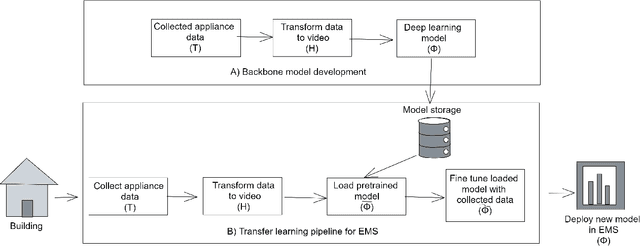
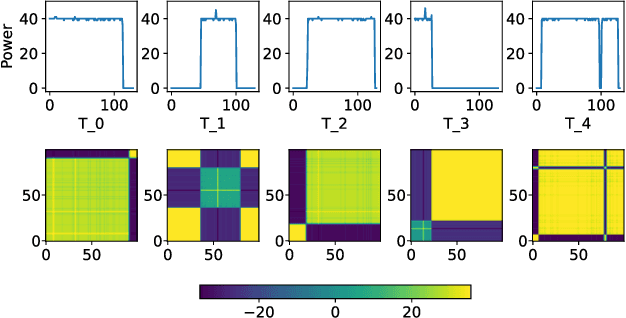
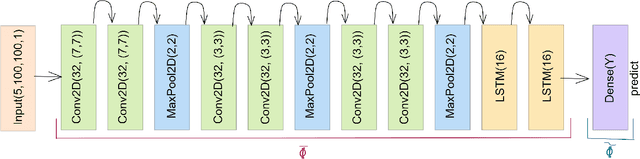
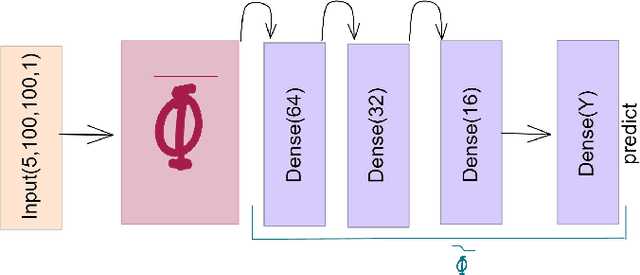
Electrical management systems (EMS) are playing a central role in enabling energy savings. They can be deployed within an everyday household where they monitor and manage appliances and help residents be more energy efficient and subsequently also more economical. One of they key functionalities of EMS is to automatically detect and identify appliances within a household through the process of load monitoring. In this paper, we propose a new transfer learning approach for building EMS (BEMS) and study the trade-offs in terms of numbers of samples and target classes in adapting a backbone model during the transfer process. We also perform a first time analysis of feature expansion through video-like transformation of time series data for device classification in non intrusive load monitoring (NILM) and propose a deep learning architecture enabling accurate appliance identification. We examine the relative performance of our method on 5 different representative low-frequency datasets and show that our method performs with an average F1 score of 0.88 on these datasets.
Learning Task-Aware Energy Disaggregation: a Federated Approach
Apr 14, 2022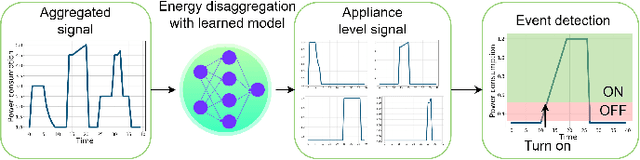
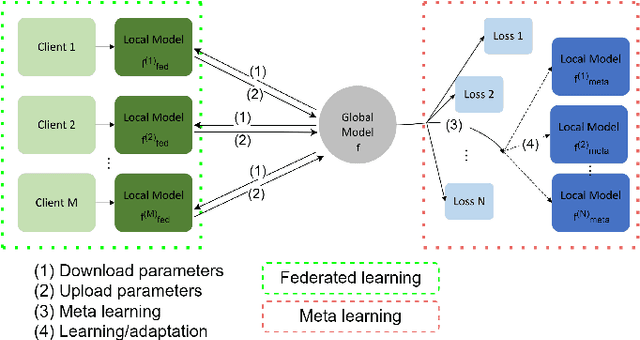
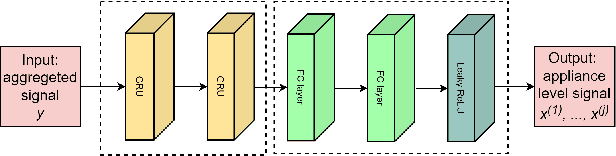
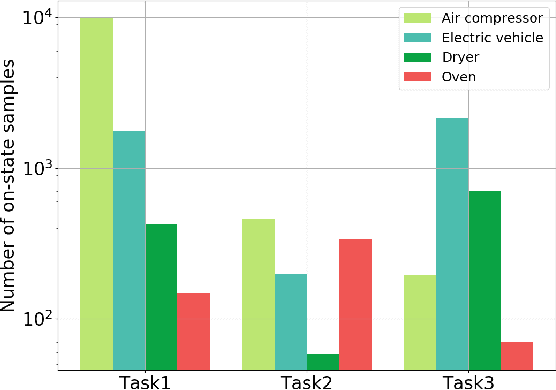
We consider the problem of learning the energy disaggregation signals for residential load data. Such task is referred as non-intrusive load monitoring (NILM), and in order to find individual devices' power consumption profiles based on aggregated meter measurements, a machine learning model is usually trained based on large amount of training data coming from a number of residential homes. Yet collecting such residential load datasets require both huge efforts and customers' approval on sharing metering data, while load data coming from different regions or electricity users may exhibit heterogeneous usage patterns. Both practical concerns make training a single, centralized NILM model challenging. In this paper, we propose a decentralized and task-adaptive learning scheme for NILM tasks, where nested meta learning and federated learning steps are designed for learning task-specific models collectively. Simulation results on benchmark dataset validate proposed algorithm's performance on efficiently inferring appliance-level consumption for a variety of homes and appliances.