 Add to Chrome
 Add to Firefox
 Add to Edge
SONIC: Spectral Oriented Neural Invariant Convolutions
Jan 27, 2026
Convolutional Neural Networks (CNNs) rely on fixed-size kernels scanning local patches, which limits their ability to capture global context or long-range dependencies without very deep architectures. Vision Transformers (ViTs), in turn, provide global connectivity but lack spatial inductive bias, depend on explicit positional encodings, and remain tied to the initial patch size. Bridging these limitations requires a representation that is both structured and global. We introduce SONIC (Spectral Oriented Neural Invariant Convolutions), a continuous spectral parameterisation that models convolutional operators using a small set of shared, orientation-selective components. These components define smooth responses across the full frequency domain, yielding global receptive fields and filters that adapt naturally across resolutions. Across synthetic benchmarks, large-scale image classification, and 3D medical datasets, SONIC shows improved robustness to geometric transformations, noise, and resolution shifts, and matches or exceeds convolutional, attention-based, and prior spectral architectures with an order of magnitude fewer parameters. These results demonstrate that continuous, orientation-aware spectral parameterisations provide a principled and scalable alternative to conventional spatial and spectral operators.

Unlocking Generalization in Polyp Segmentation with DINO Self-Attention "keys"
Dec 15, 2025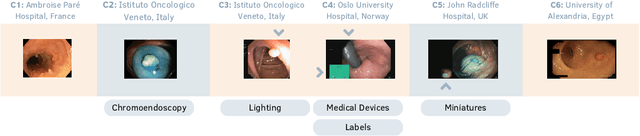
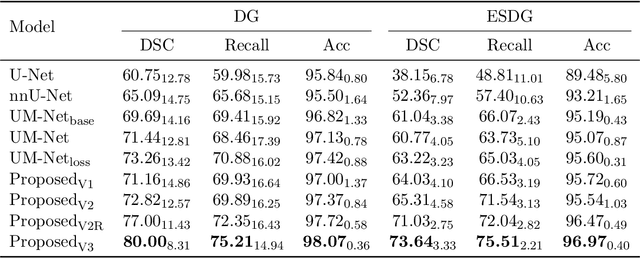
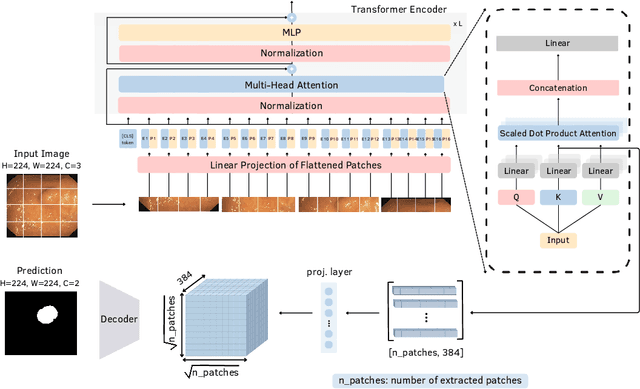
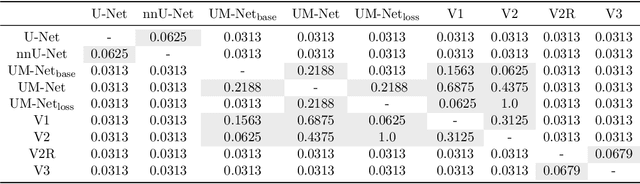
Automatic polyp segmentation is crucial for improving the clinical identification of colorectal cancer (CRC). While Deep Learning (DL) techniques have been extensively researched for this problem, current methods frequently struggle with generalization, particularly in data-constrained or challenging settings. Moreover, many existing polyp segmentation methods rely on complex, task-specific architectures. To address these limitations, we present a framework that leverages the intrinsic robustness of DINO self-attention "key" features for robust segmentation. Unlike traditional methods that extract tokens from the deepest layers of the Vision Transformer (ViT), our approach leverages the key features of the self-attention module with a simple convolutional decoder to predict polyp masks, resulting in enhanced performance and better generalizability. We validate our approach using a multi-center dataset under two rigorous protocols: Domain Generalization (DG) and Extreme Single Domain Generalization (ESDG). Our results, supported by a comprehensive statistical analysis, demonstrate that this pipeline achieves state-of-the-art (SOTA) performance, significantly enhancing generalization, particularly in data-scarce and challenging scenarios. While avoiding a polyp-specific architecture, we surpass well-established models like nnU-Net and UM-Net. Additionally, we provide a systematic benchmark of the DINO framework's evolution, quantifying the specific impact of architectural advancements on downstream polyp segmentation performance.
Anomaly-Driven Approach for Enhanced Prostate Cancer Segmentation
Apr 30, 2025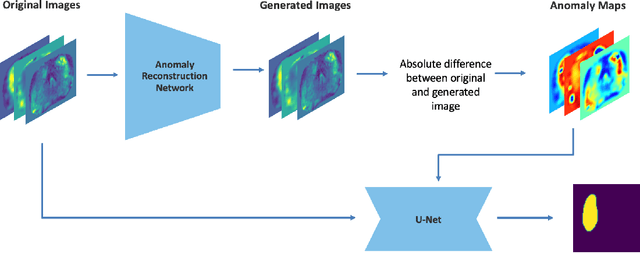

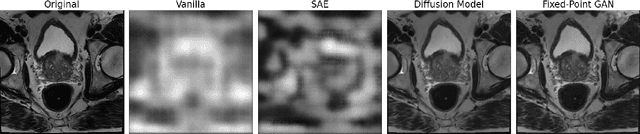
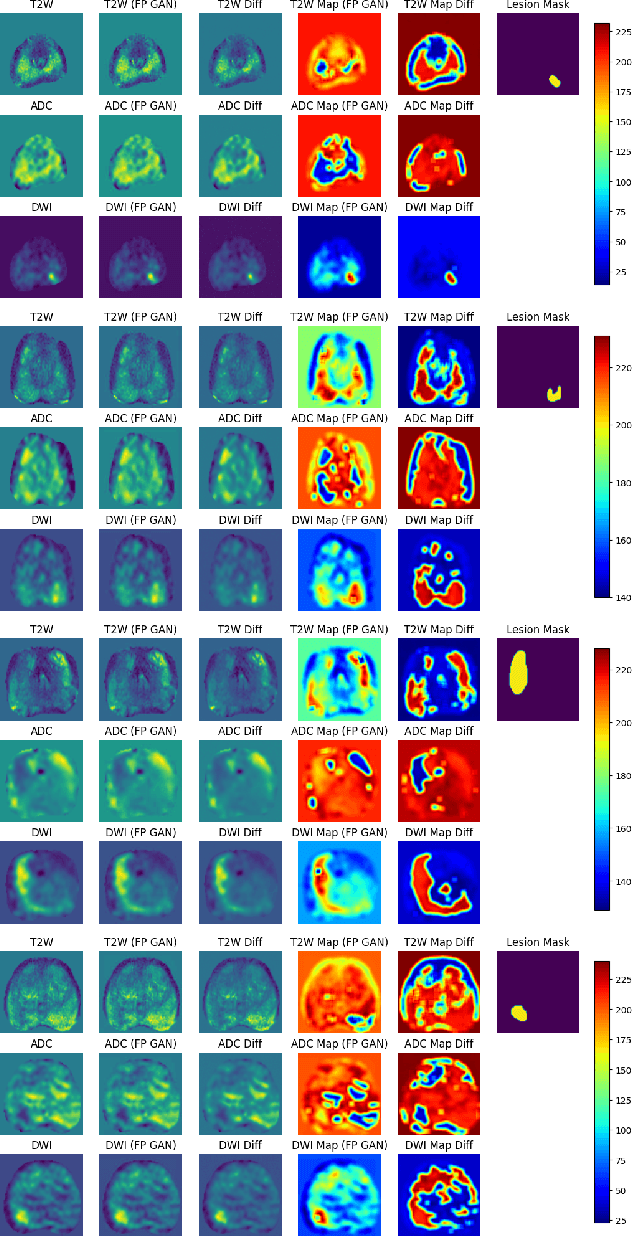
Magnetic Resonance Imaging (MRI) plays an important role in identifying clinically significant prostate cancer (csPCa), yet automated methods face challenges such as data imbalance, variable tumor sizes, and a lack of annotated data. This study introduces Anomaly-Driven U-Net (adU-Net), which incorporates anomaly maps derived from biparametric MRI sequences into a deep learning-based segmentation framework to improve csPCa identification. We conduct a comparative analysis of anomaly detection methods and evaluate the integration of anomaly maps into the segmentation pipeline. Anomaly maps, generated using Fixed-Point GAN reconstruction, highlight deviations from normal prostate tissue, guiding the segmentation model to potential cancerous regions. We compare the performance by using the average score, computed as the mean of the AUROC and Average Precision (AP). On the external test set, adU-Net achieves the best average score of 0.618, outperforming the baseline nnU-Net model (0.605). The results demonstrate that incorporating anomaly detection into segmentation improves generalization and performance, particularly with ADC-based anomaly maps, offering a promising direction for automated csPCa identification.
Ordinal Learning: Longitudinal Attention Alignment Model for Predicting Time to Future Breast Cancer Events from Mammograms
Sep 10, 2024Precision breast cancer (BC) risk assessment is crucial for developing individualized screening and prevention. Despite the promising potential of recent mammogram (MG) based deep learning models in predicting BC risk, they mostly overlook the 'time-to-future-event' ordering among patients and exhibit limited explorations into how they track history changes in breast tissue, thereby limiting their clinical application. In this work, we propose a novel method, named OA-BreaCR, to precisely model the ordinal relationship of the time to and between BC events while incorporating longitudinal breast tissue changes in a more explainable manner. We validate our method on public EMBED and inhouse datasets, comparing with existing BC risk prediction and time prediction methods. Our ordinal learning method OA-BreaCR outperforms existing methods in both BC risk and time-to-future-event prediction tasks. Additionally, ordinal heatmap visualizations show the model's attention over time. Our findings underscore the importance of interpretable and precise risk assessment for enhancing BC screening and prevention efforts. The code will be accessible to the public.
Towards Case-based Interpretability for Medical Federated Learning
Aug 24, 2024We explore deep generative models to generate case-based explanations in a medical federated learning setting. Explaining AI model decisions through case-based interpretability is paramount to increasing trust and allowing widespread adoption of AI in clinical practice. However, medical AI training paradigms are shifting towards federated learning settings in order to comply with data protection regulations. In a federated scenario, past data is inaccessible to the current user. Thus, we use a deep generative model to generate synthetic examples that protect privacy and explain decisions. Our proof-of-concept focuses on pleural effusion diagnosis and uses publicly available Chest X-ray data.
Enhancing Cross-Modal Medical Image Segmentation through Compositionality
Aug 21, 2024Cross-modal medical image segmentation presents a significant challenge, as different imaging modalities produce images with varying resolutions, contrasts, and appearances of anatomical structures. We introduce compositionality as an inductive bias in a cross-modal segmentation network to improve segmentation performance and interpretability while reducing complexity. The proposed network is an end-to-end cross-modal segmentation framework that enforces compositionality on the learned representations using learnable von Mises-Fisher kernels. These kernels facilitate content-style disentanglement in the learned representations, resulting in compositional content representations that are inherently interpretable and effectively disentangle different anatomical structures. The experimental results demonstrate enhanced segmentation performance and reduced computational costs on multiple medical datasets. Additionally, we demonstrate the interpretability of the learned compositional features. Code and checkpoints will be publicly available at: https://github.com/Trustworthy-AI-UU-NKI/Cross-Modal-Segmentation.
FedGS: Federated Gradient Scaling for Heterogeneous Medical Image Segmentation
Aug 21, 2024Federated Learning (FL) in Deep Learning (DL)-automated medical image segmentation helps preserving privacy by enabling collaborative model training without sharing patient data. However, FL faces challenges with data heterogeneity among institutions, leading to suboptimal global models. Integrating Disentangled Representation Learning (DRL) in FL can enhance robustness by separating data into distinct representations. Existing DRL methods assume heterogeneity lies solely in style features, overlooking content-based variability like lesion size and shape. We propose FedGS, a novel FL aggregation method, to improve segmentation performance on small, under-represented targets while maintaining overall efficacy. FedGS demonstrates superior performance over FedAvg, particularly for small lesions, across PolypGen and LiTS datasets. The code and pre-trained checkpoints are available at the following link: https://github.com/Trustworthy-AI-UU-NKI/Federated-Learning-Disentanglement
Interpretability-guided Data Augmentation for Robust Segmentation in Multi-centre Colonoscopy Data
Aug 30, 2023Multi-centre colonoscopy images from various medical centres exhibit distinct complicating factors and overlays that impact the image content, contingent on the specific acquisition centre. Existing Deep Segmentation networks struggle to achieve adequate generalizability in such data sets, and the currently available data augmentation methods do not effectively address these sources of data variability. As a solution, we introduce an innovative data augmentation approach centred on interpretability saliency maps, aimed at enhancing the generalizability of Deep Learning models within the realm of multi-centre colonoscopy image segmentation. The proposed augmentation technique demonstrates increased robustness across different segmentation models and domains. Thorough testing on a publicly available multi-centre dataset for polyp detection demonstrates the effectiveness and versatility of our approach, which is observed both in quantitative and qualitative results. The code is publicly available at: https://github.com/nki-radiology/interpretability_augmentation
DisAsymNet: Disentanglement of Asymmetrical Abnormality on Bilateral Mammograms using Self-adversarial Learning
Jul 06, 2023


Asymmetry is a crucial characteristic of bilateral mammograms (Bi-MG) when abnormalities are developing. It is widely utilized by radiologists for diagnosis. The question of 'what the symmetrical Bi-MG would look like when the asymmetrical abnormalities have been removed ?' has not yet received strong attention in the development of algorithms on mammograms. Addressing this question could provide valuable insights into mammographic anatomy and aid in diagnostic interpretation. Hence, we propose a novel framework, DisAsymNet, which utilizes asymmetrical abnormality transformer guided self-adversarial learning for disentangling abnormalities and symmetric Bi-MG. At the same time, our proposed method is partially guided by randomly synthesized abnormalities. We conduct experiments on three public and one in-house dataset, and demonstrate that our method outperforms existing methods in abnormality classification, segmentation, and localization tasks. Additionally, reconstructed normal mammograms can provide insights toward better interpretable visual cues for clinical diagnosis. The code will be accessible to the public.
Synthesis of Contrast-Enhanced Breast MRI Using Multi-b-Value DWI-based Hierarchical Fusion Network with Attention Mechanism
Jul 03, 2023


Magnetic resonance imaging (MRI) is the most sensitive technique for breast cancer detection among current clinical imaging modalities. Contrast-enhanced MRI (CE-MRI) provides superior differentiation between tumors and invaded healthy tissue, and has become an indispensable technique in the detection and evaluation of cancer. However, the use of gadolinium-based contrast agents (GBCA) to obtain CE-MRI may be associated with nephrogenic systemic fibrosis and may lead to bioaccumulation in the brain, posing a potential risk to human health. Moreover, and likely more important, the use of gadolinium-based contrast agents requires the cannulation of a vein, and the injection of the contrast media which is cumbersome and places a burden on the patient. To reduce the use of contrast agents, diffusion-weighted imaging (DWI) is emerging as a key imaging technique, although currently usually complementing breast CE-MRI. In this study, we develop a multi-sequence fusion network to synthesize CE-MRI based on T1-weighted MRI and DWIs. DWIs with different b-values are fused to efficiently utilize the difference features of DWIs. Rather than proposing a pure data-driven approach, we invent a multi-sequence attention module to obtain refined feature maps, and leverage hierarchical representation information fused at different scales while utilizing the contributions from different sequences from a model-driven approach by introducing the weighted difference module. The results show that the multi-b-value DWI-based fusion model can potentially be used to synthesize CE-MRI, thus theoretically reducing or avoiding the use of GBCA, thereby minimizing the burden to patients. Our code is available at \url{https://github.com/Netherlands-Cancer-Institute/CE-MRI}.