 Add to Chrome
 Add to Firefox
 Add to Edge
Do Medical Foundation Models Generalize on the African Brain?
Jul 30, 2026
Medical foundation models (FMs) are increasingly used for brain MRI analysis. However, their evaluation remains dominated by high-resource datasets, leaving generalization to African cohorts underexplored. We assess whether FMs generalize equally to African and non-African brain MRI data across two tasks: dementia classification using a Nigerian dataset and brain tumor segmentation using BraTS-Africa. We evaluate two generalist FMs (BrainIAC, 3DINO) and two segmentation-specific FMs (MedSAM2, Medical-SAM2) against a from-scratch baseline. For classification, FMs provide limited gains (highest ROC-AUC of 0.86 with BrainIAC), whereas for segmentation they consistently improve performance, reaching up to 0.86 Dice with MedSAM2. Performance differences between African and non-African cohorts are inconsistent and appear more related to dataset size than data origin. These results suggest that FMs do not exhibit an inherent bias against African cohorts, and highlight the limited availability and diversity of African neuroimaging datasets as the main barrier to robust evaluation and deployment.

Federated Deep Learning for Privacy-Preserving Cardiovascular Disease Risk Prediction
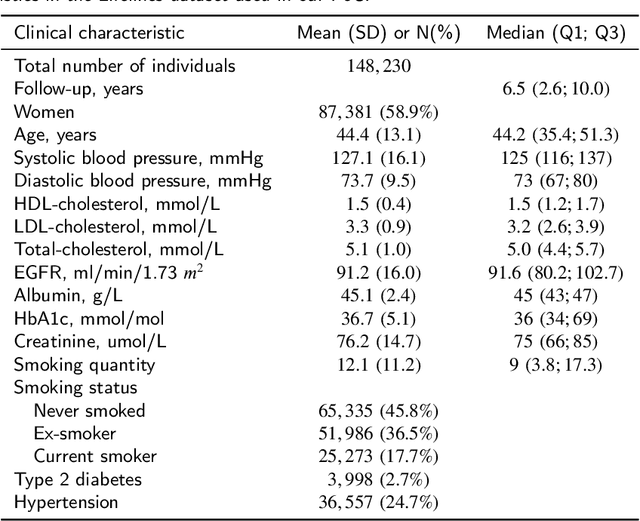
Jul 09, 2026Cardiovascular disease risk prediction models often rely on data from a single institution or centrally pooled datasets. Extending these models across institutions could be limited by privacy regulations and constraints on sharing patient-level data. Federated learning enables collaborative model development without transferring sensitive patient data, but its application in healthcare remains challenging because datasets often differ in size, population characteristics, and outcome definitions. In this study, we present a federated deep learning approach for privacy-preserving cardiovascular disease risk prediction that integrates two population-based cohorts with different characteristics: Lifelines, including 148,230 participants meeting the study inclusion criteria with self-reported outcomes, and the Rotterdam Study, including a smaller cohort of 10,155 participants with digitally linked clinical outcomes. Model performance was primarily evaluated on the Rotterdam Study because of its complete follow-up. Deep survival models trained using federated learning achieved higher predictive performance than models trained locally without federation. For the Rotterdam Study, the C-statistic increased from 0.728 (95% CI: 0.717-0.739) to 0.739 (95% CI: 0.728-0.749). For Lifelines, the C-statistic increased from 0.783 (95% CI: 0.775-0.791) to 0.787 (95% CI: 0.780-0.792). These findings suggest that federated deep learning across heterogeneous cohorts can improve cardiovascular disease risk prediction while preserving the privacy of individual-level patient data.
Automatic Extraction of Structured Information from Brain MRI Reports Using an Open-Weight Large Language Model
Jun 05, 2026Objectives: Automatic data extraction from free-text radiology reports enables large-scale research, but few studies assessed the performance of large language models (LLMs) on Dutch neuroradiology reports. Methods: We analyzed 947 brain MRI reports from a tertiary memory clinic (2016-2021), authored by consultant neuroradiologists. Trained medical students annotated thirty variables; 100 reports were double-annotated to assess inter-rater reliability. We evaluated the performance of the open-weight LLM LLaMA 3.1 using different languages (Dutch vs. English translation) and few-shot prompting with different example selection strategies. Performance was evaluated using balanced accuracy for categorical variables, accuracy and mean absolute error for counts, and text similarity for free-text. Metrics were computed across 10 random splits of the 947 reports. Results: LLaMA 3.1 demonstrated high zero-shot performance for visual rating scores (mean [95%-CI]): Medial Temporal Atrophy: 90% [77-100%] on the left and 96% [94-99%] on the right, Global Cortical Atrophy: 87% [83-91%], and Fazekas: 94% [93-96%]. Microbleed mentions were detected with 93% accuracy [92-95%] and infarct mentions with 82% [80-84%]. Text similarity for lesion location reached 0.95 [0.95-0.96]. Performance was lower for numerical variables: 80% [78-82%] for the number of microbleeds and 66% [63-68%] for infarcts. English translation yielded comparable results. Few-shot prompting improved performance for numerical variables, achieving 92% [90-93%] for microbleeds and 81% [77-85%] for infarcts using structural similarity-based selection. Conclusion: LLaMA 3.1 shows strong potential for extracting data from Dutch neuroradiology reports. Few-shot prompting enhances performance for numerical variables, whereas challenges remain for location-specific variables.
Disease Progression and Subtype Modeling for Combined Discrete and Continuous Input Data
Feb 25, 2026Disease progression modeling provides a robust framework to identify long-term disease trajectories from short-term biomarker data. It is a valuable tool to gain a deeper understanding of diseases with a long disease trajectory, such as Alzheimer's disease. A key limitation of most disease progression models is that they are specific to a single data type (e.g., continuous data), thereby limiting their applicability to heterogeneous, real-world datasets. To address this limitation, we propose the Mixed Events model, a novel disease progression model that handles both discrete and continuous data types. This model is implemented within the Subtype and Stage Inference (SuStaIn) framework, resulting in Mixed-SuStaIn, enabling subtype and progression modeling. We demonstrate the effectiveness of Mixed-SuStaIn through simulation experiments and real-world data from the Alzheimer's Disease Neuroimaging Initiative, showing that it performs well on mixed datasets. The code is available at: https://github.com/ucl-pond/pySuStaIn.
MyDigiTwin: A Privacy-Preserving Framework for Personalized Cardiovascular Risk Prediction and Scenario Exploration
Jan 21, 2025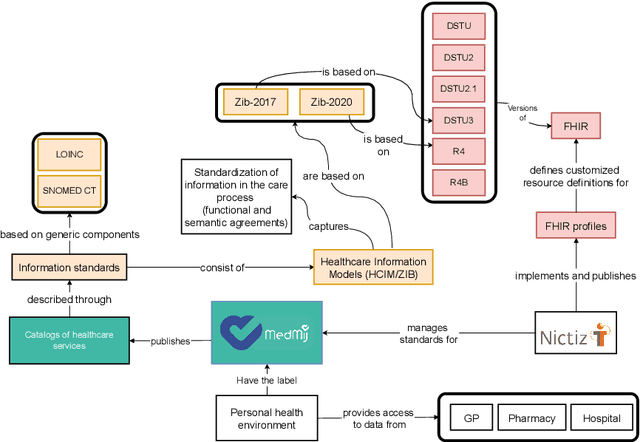

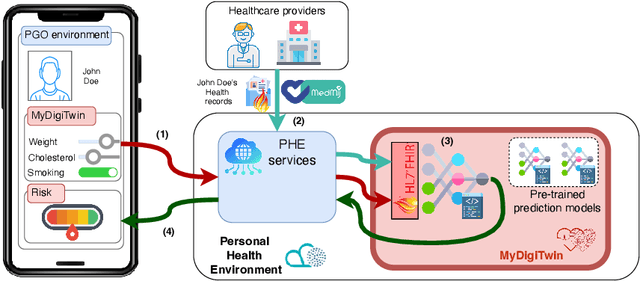
Cardiovascular disease (CVD) remains a leading cause of death, and primary prevention through personalized interventions is crucial. This paper introduces MyDigiTwin, a framework that integrates health digital twins with personal health environments to empower patients in exploring personalized health scenarios while ensuring data privacy. MyDigiTwin uses federated learning to train predictive models across distributed datasets without transferring raw data, and a novel data harmonization framework addresses semantic and format inconsistencies in health data. A proof-of-concept demonstrates the feasibility of harmonizing and using cohort data to train privacy-preserving CVD prediction models. This framework offers a scalable solution for proactive, personalized cardiovascular care and sets the stage for future applications in real-world healthcare settings.
MRI-based and metabolomics-based age scores act synergetically for mortality prediction shown by multi-cohort federated learning
Sep 02, 2024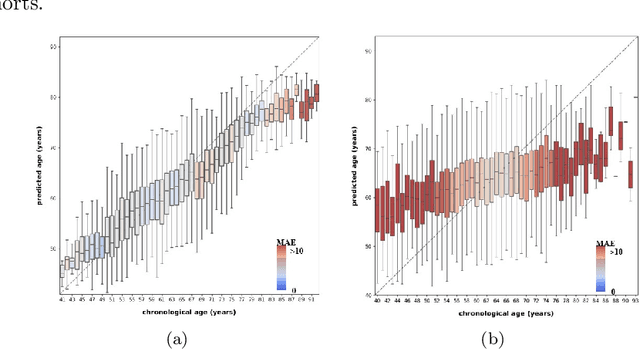

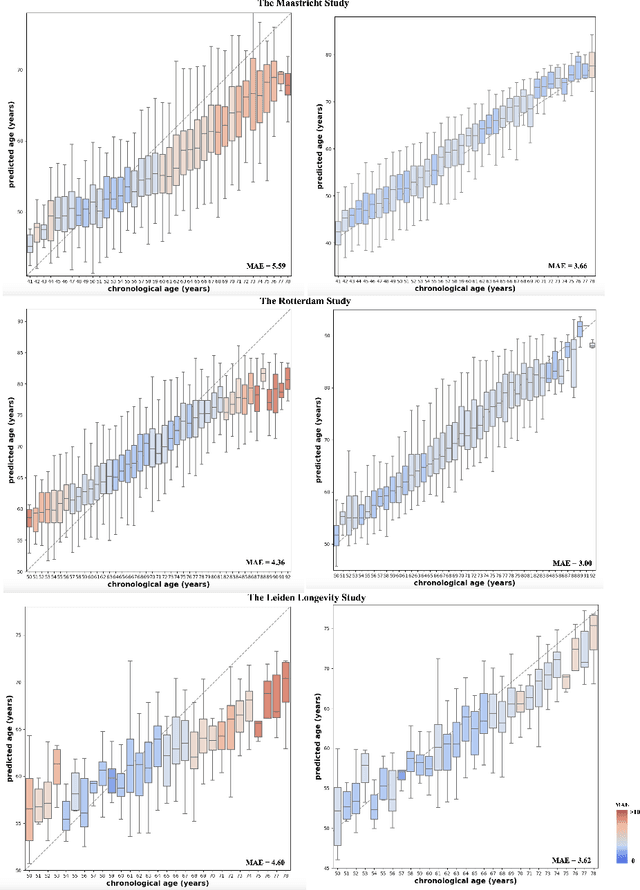
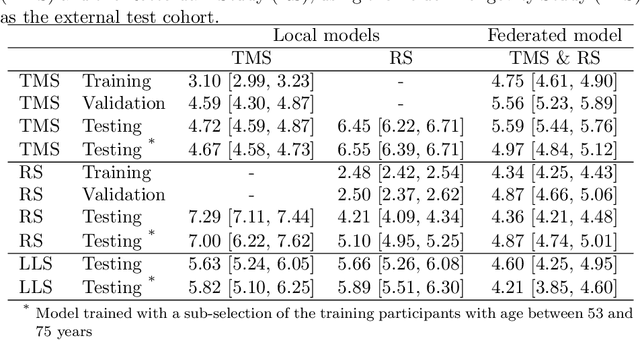
Biological age scores are an emerging tool to characterize aging by estimating chronological age based on physiological biomarkers. Various scores have shown associations with aging-related outcomes. This study assessed the relation between an age score based on brain MRI images (BrainAge) and an age score based on metabolomic biomarkers (MetaboAge). We trained a federated deep learning model to estimate BrainAge in three cohorts. The federated BrainAge model yielded significantly lower error for age prediction across the cohorts than locally trained models. Harmonizing the age interval between cohorts further improved BrainAge accuracy. Subsequently, we compared BrainAge with MetaboAge using federated association and survival analyses. The results showed a small association between BrainAge and MetaboAge as well as a higher predictive value for the time to mortality of both scores combined than for the individual scores. Hence, our study suggests that both aging scores capture different aspects of the aging process.
Evaluating the Fairness of Neural Collapse in Medical Image Classification
Jul 08, 2024Deep learning has achieved impressive performance across various medical imaging tasks. However, its inherent bias against specific groups hinders its clinical applicability in equitable healthcare systems. A recently discovered phenomenon, Neural Collapse (NC), has shown potential in improving the generalization of state-of-the-art deep learning models. Nonetheless, its implications on bias in medical imaging remain unexplored. Our study investigates deep learning fairness through the lens of NC. We analyze the training dynamics of models as they approach NC when training using biased datasets, and examine the subsequent impact on test performance, specifically focusing on label bias. We find that biased training initially results in different NC configurations across subgroups, before converging to a final NC solution by memorizing all data samples. Through extensive experiments on three medical imaging datasets -- PAPILA, HAM10000, and CheXpert -- we find that in biased settings, NC can lead to a significant drop in F1 score across all subgroups. Our code is available at https://gitlab.com/radiology/neuro/neural-collapse-fairness
An Interpretable Machine Learning Model with Deep Learning-based Imaging Biomarkers for Diagnosis of Alzheimer's Disease
Aug 15, 2023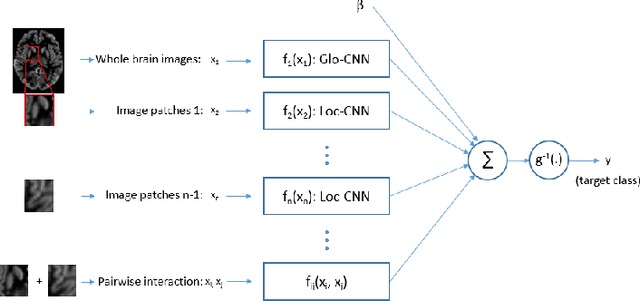
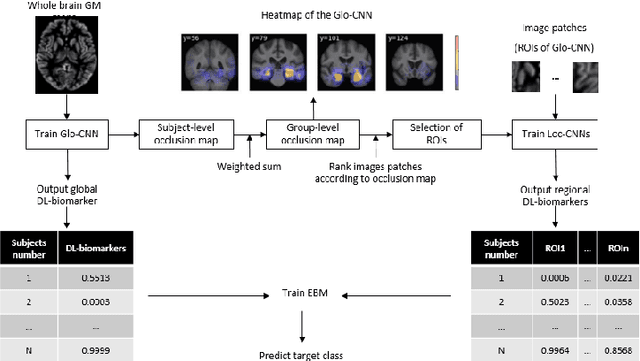
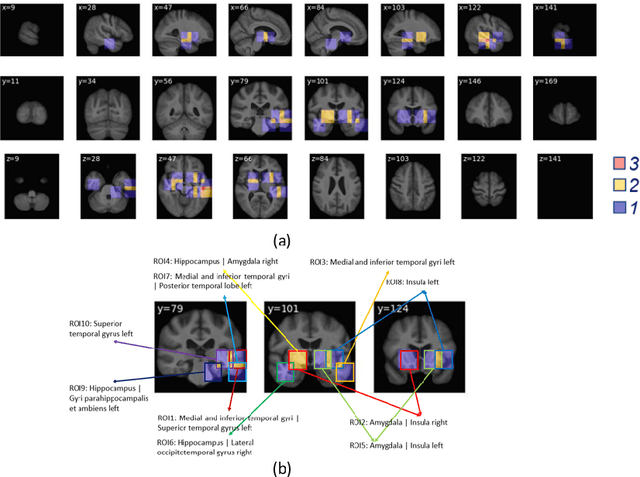
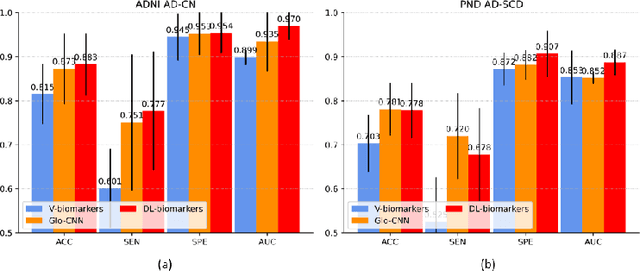
Machine learning methods have shown large potential for the automatic early diagnosis of Alzheimer's Disease (AD). However, some machine learning methods based on imaging data have poor interpretability because it is usually unclear how they make their decisions. Explainable Boosting Machines (EBMs) are interpretable machine learning models based on the statistical framework of generalized additive modeling, but have so far only been used for tabular data. Therefore, we propose a framework that combines the strength of EBM with high-dimensional imaging data using deep learning-based feature extraction. The proposed framework is interpretable because it provides the importance of each feature. We validated the proposed framework on the Alzheimer's Disease Neuroimaging Initiative (ADNI) dataset, achieving accuracy of 0.883 and area-under-the-curve (AUC) of 0.970 on AD and control classification. Furthermore, we validated the proposed framework on an external testing set, achieving accuracy of 0.778 and AUC of 0.887 on AD and subjective cognitive decline (SCD) classification. The proposed framework significantly outperformed an EBM model using volume biomarkers instead of deep learning-based features, as well as an end-to-end convolutional neural network (CNN) with optimized architecture.
Where is VALDO? VAscular Lesions Detection and segmentatiOn challenge at MICCAI 2021
Aug 15, 2022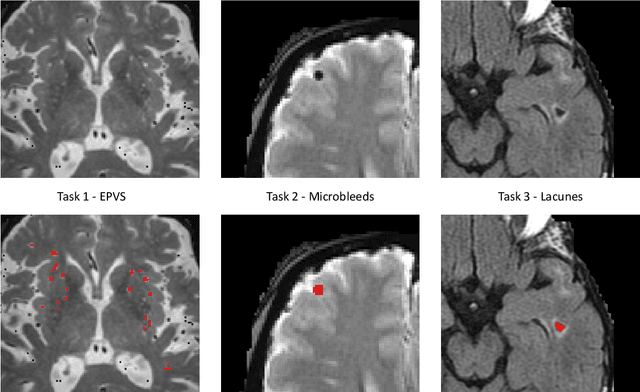
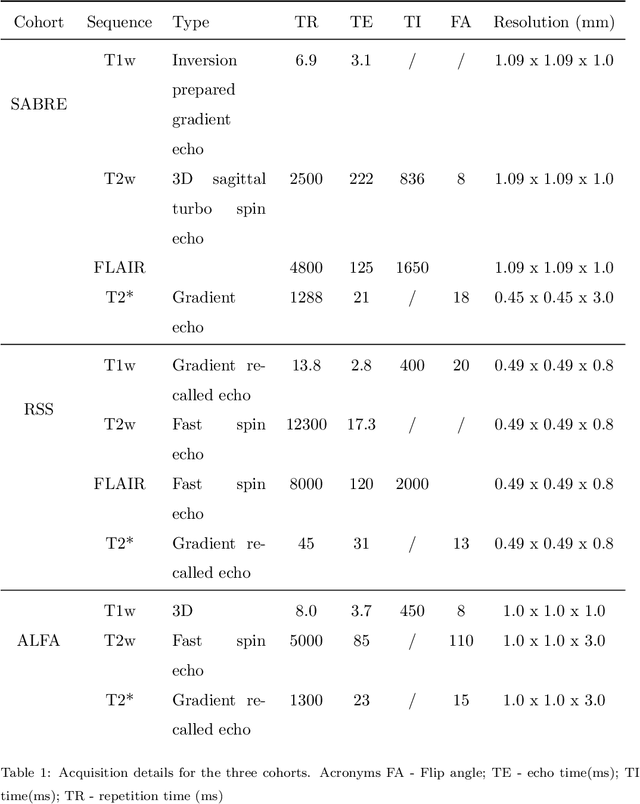
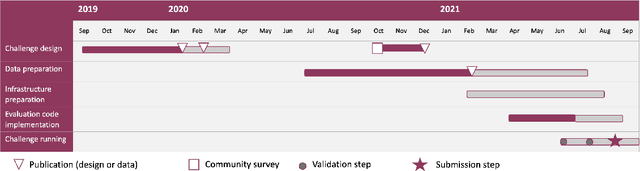
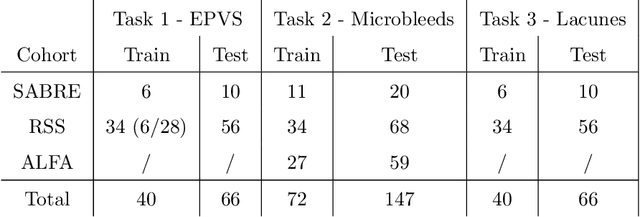
Imaging markers of cerebral small vessel disease provide valuable information on brain health, but their manual assessment is time-consuming and hampered by substantial intra- and interrater variability. Automated rating may benefit biomedical research, as well as clinical assessment, but diagnostic reliability of existing algorithms is unknown. Here, we present the results of the \textit{VAscular Lesions DetectiOn and Segmentation} (\textit{Where is VALDO?}) challenge that was run as a satellite event at the international conference on Medical Image Computing and Computer Aided Intervention (MICCAI) 2021. This challenge aimed to promote the development of methods for automated detection and segmentation of small and sparse imaging markers of cerebral small vessel disease, namely enlarged perivascular spaces (EPVS) (Task 1), cerebral microbleeds (Task 2) and lacunes of presumed vascular origin (Task 3) while leveraging weak and noisy labels. Overall, 12 teams participated in the challenge proposing solutions for one or more tasks (4 for Task 1 - EPVS, 9 for Task 2 - Microbleeds and 6 for Task 3 - Lacunes). Multi-cohort data was used in both training and evaluation. Results showed a large variability in performance both across teams and across tasks, with promising results notably for Task 1 - EPVS and Task 2 - Microbleeds and not practically useful results yet for Task 3 - Lacunes. It also highlighted the performance inconsistency across cases that may deter use at an individual level, while still proving useful at a population level.
Computer-aided diagnosis and prediction in brain disorders
Jun 29, 2022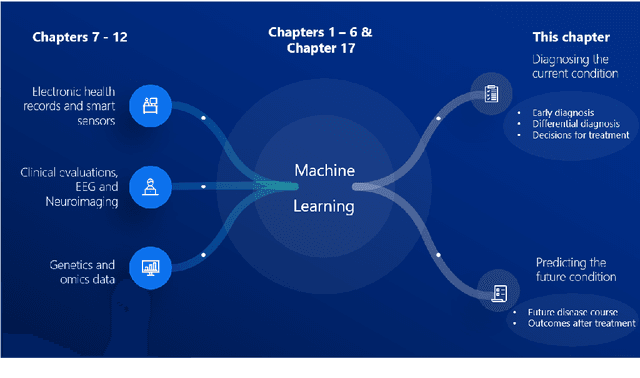
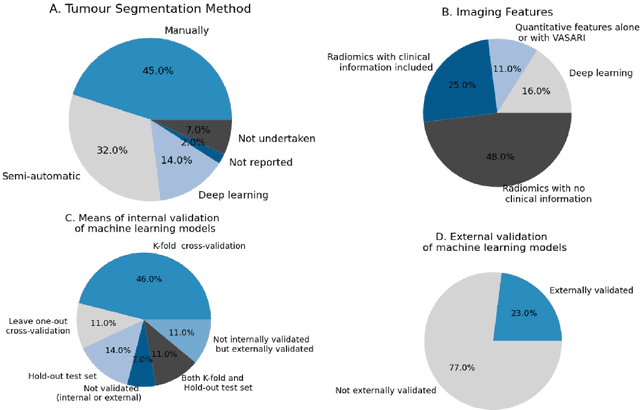
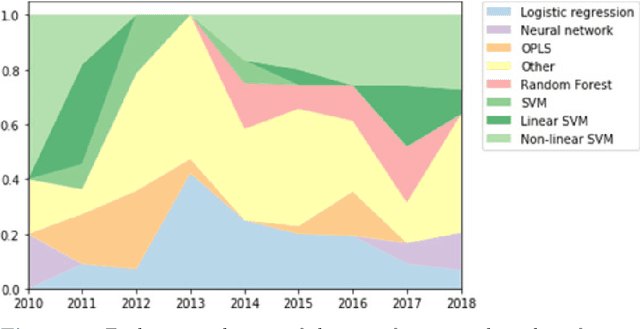
Computer-aided methods have shown added value for diagnosing and predicting brain disorders and can thus support decision making in clinical care and treatment planning. This chapter will provide insight into the type of methods, their working, their input data - such as cognitive tests, imaging and genetic data - and the types of output they provide. We will focus on specific use cases for diagnosis, i.e. estimating the current 'condition' of the patient, such as early detection and diagnosis of dementia, differential diagnosis of brain tumours, and decision making in stroke. Regarding prediction, i.e. estimation of the future 'condition' of the patient, we will zoom in on use cases such as predicting the disease course in multiple sclerosis and predicting patient outcomes after treatment in brain cancer. Furthermore, based on these use cases, we will assess the current state-of-the-art methodology and highlight current efforts on benchmarking of these methods and the importance of open science therein. Finally, we assess the current clinical impact of computer-aided methods and discuss the required next steps to increase clinical impact.