 Add to Chrome
 Add to Firefox
 Add to Edge
Designing Sustainable Federated Learning as a Service using Neural Architecture Search
Aug 14, 2026
The sustainability constraints of FLaaS consumers pose significant challenges to maintaining carbon-feasible federated training in FLaaS environments. These constraints often lead to infeasible consumer participation and unstable federated training under hard carbon constraints. We propose a Sustainable Federated Learning as a Service (SFLaaS), a carbon- constrained Neural Architecture Search (NAS) framework for heteroge- neous sustainable constraints. We introduce a requirement-driven search space that transforms consumer sustainability profiles into a feasible architecture region before federated execution. We develop a consumer-level carbon feasibility estimation mechanism to evaluate candidate architectures under dynamic carbon conditions. We propose a sustainable con- sumer scheduling strategy that adaptively selects feasible consumers and allocates local workloads to preserve consumer participation and statistical data coverage. An evolutionary search strategy jointly optimised for predictive performance, consumer feasibility, and participation coverage under hard carbon constraints. Experiments on real-world datasets and a simulated environment demonstrate the effectiveness of the proposed approach.

BettiSplit: Topology-Guided Privacy-Aware Split Learning Against Feature Inversion and Gradient Leakage
Jul 27, 2026Split learning enables collaborative model training by partitioning neural networks across clients and servers. However, improper split placement can lead to severe privacy leakage through intermediate representations. In this work, we propose a topology-guided framework for privacy-aware split learning based on the persistent Betti complexity of smashed activations. Through comprehensive layer-wise analysis, we show that privacy risk in split learning is highly non-uniform across layers and exhibits sharp transition regions that are not captured by architectural depth alone. In particular, feature inversion fidelity increases from negligible reconstruction to as high as 0.98 SSIM at deeper, privacy-critical split points. We further demonstrate that Betti complexity consistently identifies representation regimes associated with elevated feature-space privacy leakage across architectures and datasets. Leveraging this observation, we introduce BettiSafe, a topology-guided split selection strategy that identifies privacy-sensitive layers without requiring explicit attack execution. BettiSafe improves resistance to feature inversion by 2 to 5 times compared to depth-based heuristics while preserving classification accuracy. In addition, Betti-based regularisation increases inversion difficulty by nearly 5 x without degrading model utility, enabling a favourable privacy utility tradeoff. Overall, our results highlight topological complexity as a promising structural descriptor for secure, adaptive, and representation-aware split learning in real-world collaborative systems
SynPre-FL: Synthetic data-driven pretraining integrated Federated Learning training framework
Jul 21, 2026Federated learning (FL) offers a promising approach to privacy-preserving clinical risk prediction, but its deployment remains limited by restricted data sharing, client heterogeneity, class imbalance, and the lack of realistic tabular electronic health record (EHR) benchmarks. Synthetic data generation may alleviate data scarcity, yet its integration with federated optimisation has received limited systematic study. We propose SynPre-FL, a unified framework combining high-fidelity synthetic EHR generation with synthetic-pretrained FL for robust prediction under non-IID conditions. A latent autoencoder-diffusion model generates privacy-preserving synthetic cohorts, which are used to warm-start federated training. This pretraining is followed by heterogeneity-aware optimisation using class-balanced local objectives, proximal regularisation, and adaptive server aggregation. Post-hoc calibration and federated-safe explainability support reliable and interpretable risk estimates. Experiments show that the synthetic generator preserves univariate, bivariate, and multivariate structure while protecting against membership-inference and reconstruction attacks. The generated data achieve strong downstream utility under TSTR, TRTS, and model-based evaluations. Across federated settings with 5, 10, and 15 heterogeneous clients, SynPre-FL consistently improves robustness and scalability over baseline methods, especially under severe non-IID fragmentation. Calibration improves probability reliability, while SHAP analysis produces stable and clinically coherent feature attributions across federation sizes. SynPre-FL therefore provides a practical and reproducible framework for combining synthetic data with FL to enable privacy-aware, interpretable, and robust clinical prediction from distributed tabular EHR data.
Trustworthy Privacy-Preserving Multimodal Federated Learning for Personalised Breast Cancer Prediction
Jul 21, 2026Federated learning has emerged as a potential solution to privacy concerns associated with using sensitive health data for training predictive models, particularly in personalised cancer care. This research investigates whether federated learning can support the development of robust models for predicting tumour progression in breast cancer patients while addressing four critical deployment pillars: transparency, scalability, security, and fairness. This study evaluates a federated learning framework using multimodal data, including clinical information, tumour characteristics, biomarker data, and patient demographics, alongside medical imaging data such as MRI scans, to model changes in tumour characteristics over time. The performance of the federated approach was compared with that of a centralised model trained on aggregated data. The report then further examines strategies to enhance secure model updates, maintain performance across patient subgroups, and support scalability across institutions. The findings assess whether federated learning can achieve predictive performance comparable to centralised learning while preserving data locality. These results contribute to understanding the feasibility of privacy-preserving, multimodal predictive modelling and support future applications such as digital twins to assist clinicians and patients in personalised treatment planning.
When Simpler Is Better: Evaluating Translation Pipelines for Medieval Latin Manuscripts
Jul 04, 2026Despite remarkable progress in machine translation, Vision Language Models (VLMs) struggle on historical manuscripts, a domain that stresses core Natural Language Processing (NLP) capabilities: low-resource transliteration, archaic vocabulary, and noisy input signals. We present a systematic framework for evaluating the full image-to-translation pipeline on medieval Latin manuscripts, a setting in which scribal shorthand, ligatures, and parchment degradation expose failure modes that are invisible in clean-text benchmarks. Benchmarking on the CATMuS Latin dataset reveals a specialization gap: domain-specific Optical Character Recognition (OCR) models reduce character error rate by up to 4.3$\times$ compared to general-purpose VLMs, despite operating at orders of magnitude fewer parameters. We introduce the Interpres-Parallel-Corpus (IPC), a novel dataset comprising 1,383 aligned manuscript image lines, transcriptions, and expert translations, the first of its kind for medieval Latin. Our experiments uncover a complexity paradox: the simplest pipeline, a specialized OCR model feeding directly into a VLM, outperforms all multi-component variants. Adding retrieval-augmented generation (RAG) or post-OCR correction introduces prompt saturation and error propagation that degrade aggregate translation quality. These findings offer both a new benchmark and practical guidance for deploying translation systems in low-resource historical settings.
NeuroAPS-Net: Neuro-Anatomically Aware Point Cloud Representation for Efficient Alzheimer's Disease Classification
Apr 24, 2026Alzheimer's disease (AD) is a progressive neurodegenerative disorder and a major cause of dementia. Structural MRI is widely used to analyze AD-related brain atrophy; however, most deep learning methods rely on computationally expensive 3D convolutional neural networks (CNNs), limiting deployment in resource-constrained settings. This work introduces two main contributions. First, we propose a pipeline that converts T1-weighted MRI into anatomically informed 2D point clouds using Anatomical Priority Sampling (APS), producing ADNI-2DPC, the first neuroanatomically labeled MRI-derived point cloud dataset. Second, we present NeuroAPS-Net, a lightweight geometric deep learning model that incorporates anatomical priors via region-aware feature encoding and ROI token aggregation. Experiments on ADNI-2DPC demonstrate that NeuroAPS-Net achieves competitive classification accuracy while significantly reducing inference latency and GPU memory compared to state-of-the-art point cloud methods. These results highlight the potential of anatomically guided point cloud learning as an efficient and interpretable alternative to voxel-based CNNs for AD classification.
A Platform-Agnostic Multimodal Digital Human Modelling Framework: Neurophysiological Sensing in Game-Based Interaction
Mar 11, 2026Digital Human Modelling (DHM) is increasingly shaped by advances in AI, wearable biosensing, and interactive digital environments, particularly in research addressing accessibility and inclusion. However, many AI-enabled DHM approaches remain tightly coupled to specific platforms, tasks, or interpretative pipelines, limiting reproducibility, scalability, and ethical reuse. This paper presents a platform-agnostic DHM framework designed to support AI-ready multimodal interaction research by explicitly separating sensing, interaction modelling, and inference readiness. The framework integrates the OpenBCI Galea headset as a unified multimodal sensing layer, providing concurrent EEG, EMG, EOG, PPG, and inertial data streams, alongside a reproducible, game-based interaction environment implemented using SuperTux. Rather than embedding AI models or behavioural inference, physiological signals are represented as structured, temporally aligned observables, enabling downstream AI methods to be applied under appropriate ethical approval. Interaction is modelled using computational task primitives and timestamped event markers, supporting consistent alignment across heterogeneous sensors and platforms. Technical verification via author self-instrumentation confirms data integrity, stream continuity, and synchronisation; no human-subjects evaluation or AI inference is reported. Scalability considerations are discussed with respect to data throughput, latency, and extension to additional sensors or interaction modalities. Illustrative use cases demonstrate how the framework can support AI-enabled DHM and HCI studies, including accessibility-oriented interaction design and adaptive systems research, without requiring architectural modifications. The proposed framework provides an emerging-technology-focused infrastructure for future ethics-approved, inclusive DHM research.
A Model-Mediated Stacked Ensemble Approach for Depression Prediction Among Professionals
Jun 17, 2025Depression is a significant mental health concern, particularly in professional environments where work-related stress, financial pressure, and lifestyle imbalances contribute to deteriorating well-being. Despite increasing awareness, researchers and practitioners face critical challenges in developing accurate and generalizable predictive models for mental health disorders. Traditional classification approaches often struggle with the complexity of depression, as it is influenced by multifaceted, interdependent factors, including occupational stress, sleep patterns, and job satisfaction. This study addresses these challenges by proposing a stacking-based ensemble learning approach to improve the predictive accuracy of depression classification among professionals. The Depression Professional Dataset has been collected from Kaggle. The dataset comprises demographic, occupational, and lifestyle attributes that influence mental well-being. Our stacking model integrates multiple base learners with a logistic regression-mediated model, effectively capturing diverse learning patterns. The experimental results demonstrate that the proposed model achieves high predictive performance, with an accuracy of 99.64% on training data and 98.75% on testing data, with precision, recall, and F1-score all exceeding 98%. These findings highlight the effectiveness of ensemble learning in mental health analytics and underscore its potential for early detection and intervention strategies.
Machine Learning Models for the Identification of Cardiovascular Diseases Using UK Biobank Data
Jul 23, 2024


Machine learning models have the potential to identify cardiovascular diseases (CVDs) early and accurately in primary healthcare settings, which is crucial for delivering timely treatment and management. Although population-based CVD risk models have been used traditionally, these models often do not consider variations in lifestyles, socioeconomic conditions, or genetic predispositions. Therefore, we aimed to develop machine learning models for CVD detection using primary healthcare data, compare the performance of different models, and identify the best models. We used data from the UK Biobank study, which included over 500,000 middle-aged participants from different primary healthcare centers in the UK. Data collected at baseline (2006--2010) and during imaging visits after 2014 were used in this study. Baseline characteristics, including sex, age, and the Townsend Deprivation Index, were included. Participants were classified as having CVD if they reported at least one of the following conditions: heart attack, angina, stroke, or high blood pressure. Cardiac imaging data such as electrocardiogram and echocardiography data, including left ventricular size and function, cardiac output, and stroke volume, were also used. We used 9 machine learning models (LSVM, RBFSVM, GP, DT, RF, NN, AdaBoost, NB, and QDA), which are explainable and easily interpretable. We reported the accuracy, precision, recall, and F-1 scores; confusion matrices; and area under the curve (AUC) curves.
Deep Learning in Mining Biological Data
Feb 28, 2020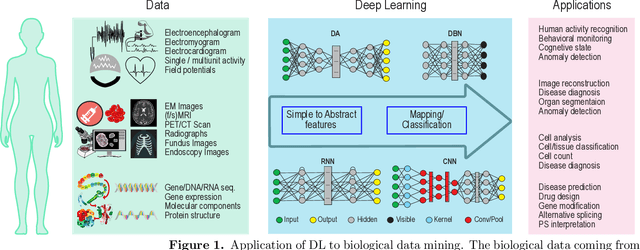
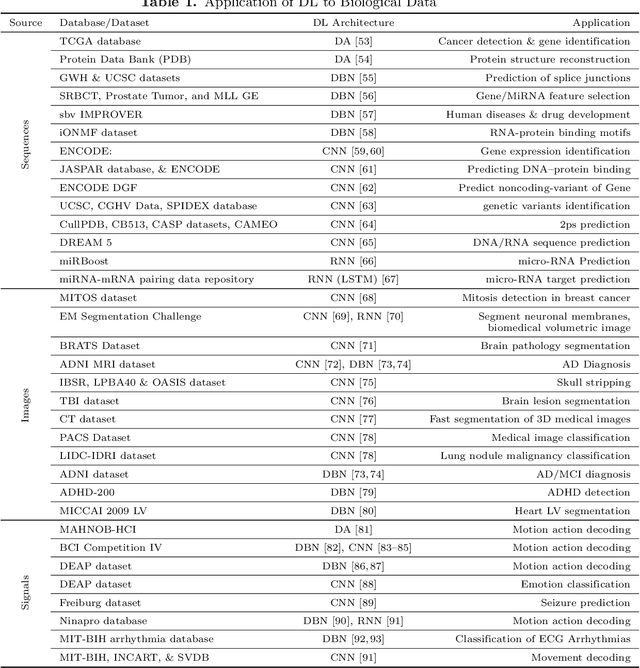
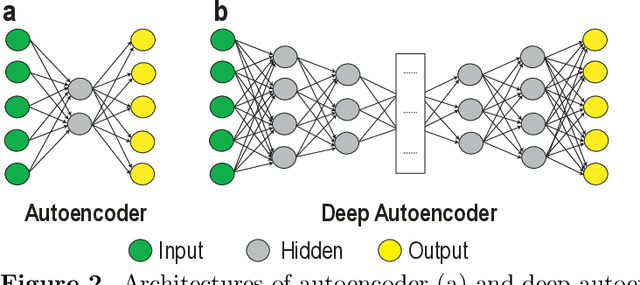
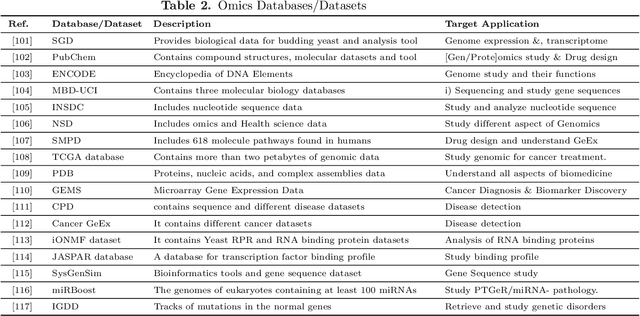
Recent technological advancements in data acquisition tools allowed life scientists to acquire multimodal data from different biological application domains. Broadly categorized in three types (i.e., sequences, images, and signals), these data are huge in amount and complex in nature. Mining such an enormous amount of data for pattern recognition is a big challenge and requires sophisticated data-intensive machine learning techniques. Artificial neural network-based learning systems are well known for their pattern recognition capabilities and lately their deep architectures - known as deep learning (DL) - have been successfully applied to solve many complex pattern recognition problems. Highlighting the role of DL in recognizing patterns in biological data, this article provides - applications of DL to biological sequences, images, and signals data; overview of open access sources of these data; description of open source DL tools applicable on these data; and comparison of these tools from qualitative and quantitative perspectives. At the end, it outlines some open research challenges in mining biological data and puts forward a number of possible future perspectives.