 Add to Chrome
 Add to Firefox
 Add to Edge
Link-Backdoor: Backdoor Attack on Link Prediction via Node Injection
Aug 14, 2022
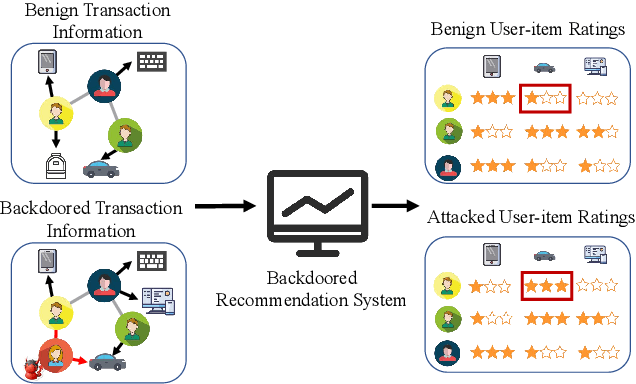
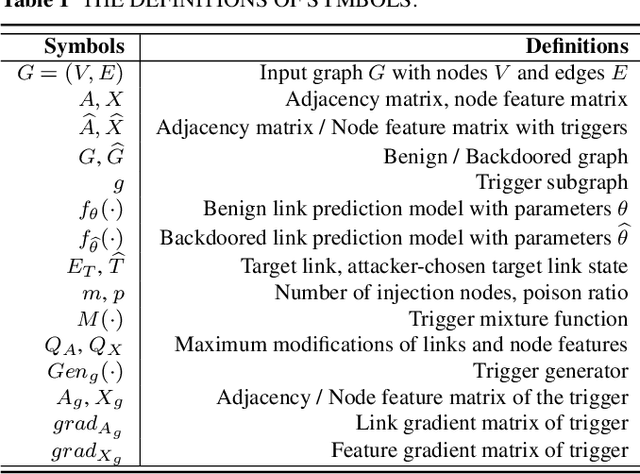

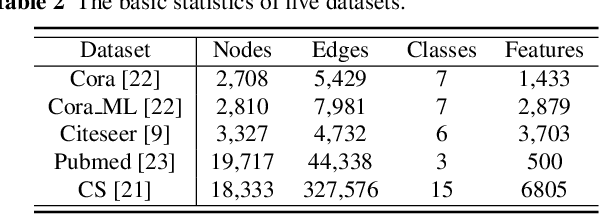
Link prediction, inferring the undiscovered or potential links of the graph, is widely applied in the real-world. By facilitating labeled links of the graph as the training data, numerous deep learning based link prediction methods have been studied, which have dominant prediction accuracy compared with non-deep methods. However,the threats of maliciously crafted training graph will leave a specific backdoor in the deep model, thus when some specific examples are fed into the model, it will make wrong prediction, defined as backdoor attack. It is an important aspect that has been overlooked in the current literature. In this paper, we prompt the concept of backdoor attack on link prediction, and propose Link-Backdoor to reveal the training vulnerability of the existing link prediction methods. Specifically, the Link-Backdoor combines the fake nodes with the nodes of the target link to form a trigger. Moreover, it optimizes the trigger by the gradient information from the target model. Consequently, the link prediction model trained on the backdoored dataset will predict the link with trigger to the target state. Extensive experiments on five benchmark datasets and five well-performing link prediction models demonstrate that the Link-Backdoor achieves the state-of-the-art attack success rate under both white-box (i.e., available of the target model parameter)and black-box (i.e., unavailable of the target model parameter) scenarios. Additionally, we testify the attack under defensive circumstance, and the results indicate that the Link-Backdoor still can construct successful attack on the well-performing link prediction methods. The code and data are available at https://github.com/Seaocn/Link-Backdoor.

Is Multi-Modal Necessarily Better? Robustness Evaluation of Multi-modal Fake News Detection
Jun 17, 2022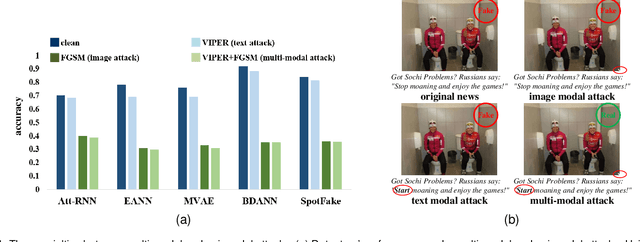
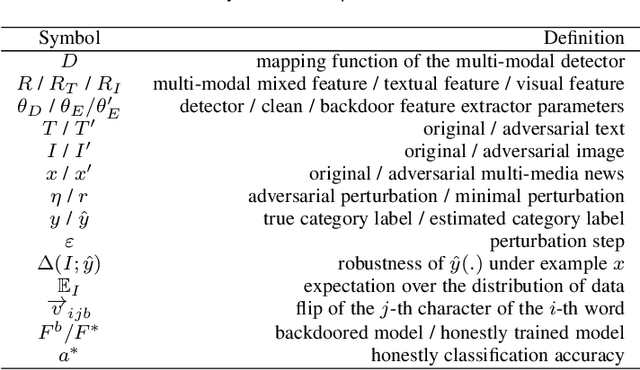
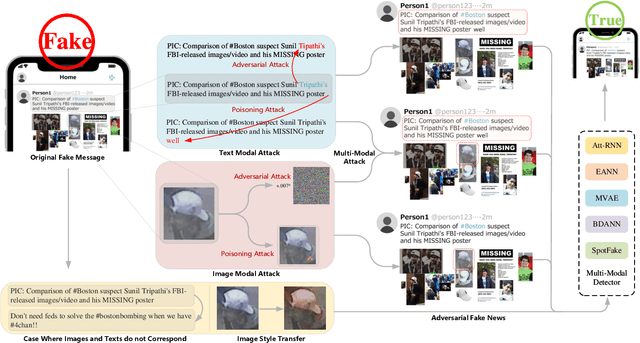
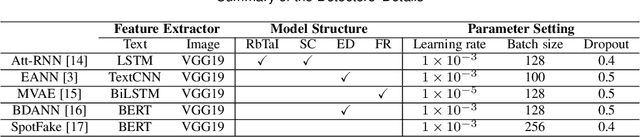
The proliferation of fake news and its serious negative social influence push fake news detection methods to become necessary tools for web managers. Meanwhile, the multi-media nature of social media makes multi-modal fake news detection popular for its ability to capture more modal features than uni-modal detection methods. However, current literature on multi-modal detection is more likely to pursue the detection accuracy but ignore the robustness of the detector. To address this problem, we propose a comprehensive robustness evaluation of multi-modal fake news detectors. In this work, we simulate the attack methods of malicious users and developers, i.e., posting fake news and injecting backdoors. Specifically, we evaluate multi-modal detectors with five adversarial and two backdoor attack methods. Experiment results imply that: (1) The detection performance of the state-of-the-art detectors degrades significantly under adversarial attacks, even worse than general detectors; (2) Most multi-modal detectors are more vulnerable when subjected to attacks on visual modality than textual modality; (3) Popular events' images will cause significant degradation to the detectors when they are subjected to backdoor attacks; (4) The performance of these detectors under multi-modal attacks is worse than under uni-modal attacks; (5) Defensive methods will improve the robustness of the multi-modal detectors.
Rethinking the Defense Against Free-rider Attack From the Perspective of Model Weight Evolving Frequency
Jun 11, 2022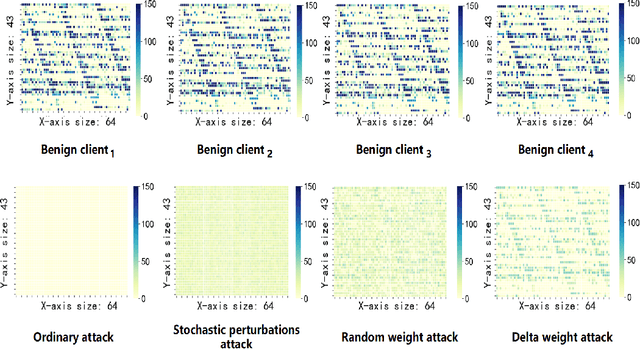
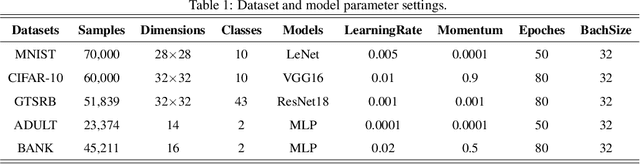
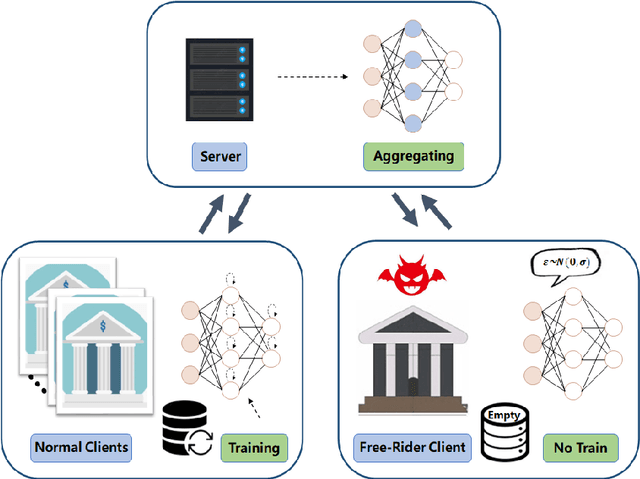
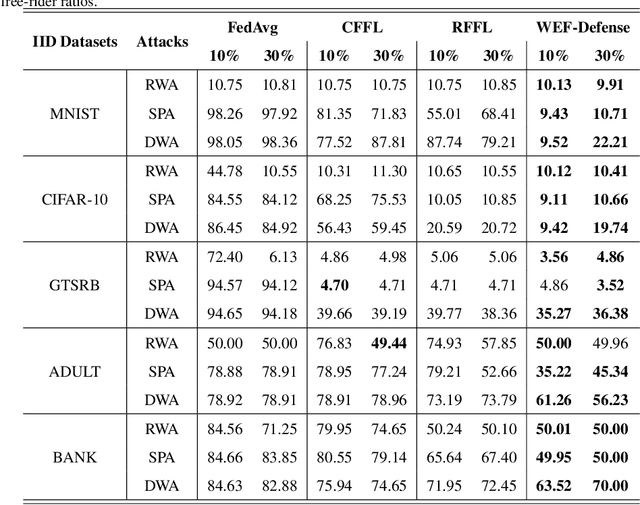
Federated learning (FL) is a distributed machine learning approach where multiple clients collaboratively train a joint model without exchanging their data. Despite FL's unprecedented success in data privacy-preserving, its vulnerability to free-rider attacks has attracted increasing attention. Existing defenses may be ineffective against highly camouflaged or high percentages of free riders. To address these challenges, we reconsider the defense from a novel perspective, i.e., model weight evolving frequency.Empirically, we gain a novel insight that during the FL's training, the model weight evolving frequency of free-riders and that of benign clients are significantly different. Inspired by this insight, we propose a novel defense method based on the model Weight Evolving Frequency, referred to as WEF-Defense.Specifically, we first collect the weight evolving frequency (defined as WEF-Matrix) during local training. For each client, it uploads the local model's WEF-Matrix to the server together with its model weight for each iteration. The server then separates free-riders from benign clients based on the difference in the WEF-Matrix. Finally, the server uses a personalized approach to provide different global models for corresponding clients. Comprehensive experiments conducted on five datasets and five models demonstrate that WEF-Defense achieves better defense effectiveness than the state-of-the-art baselines.
Improving robustness of language models from a geometry-aware perspective
Apr 28, 2022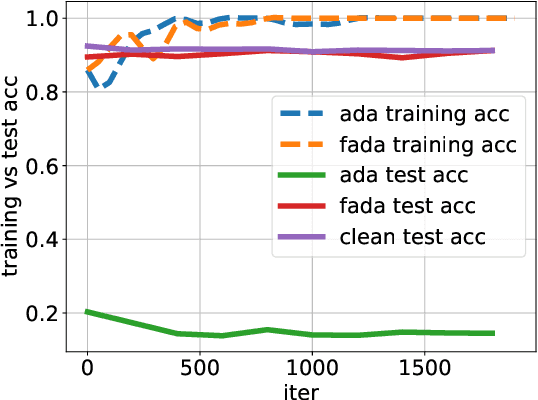
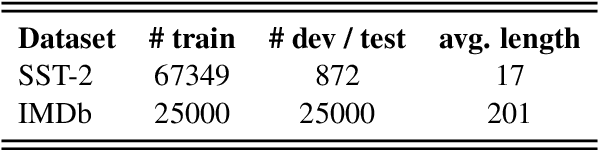
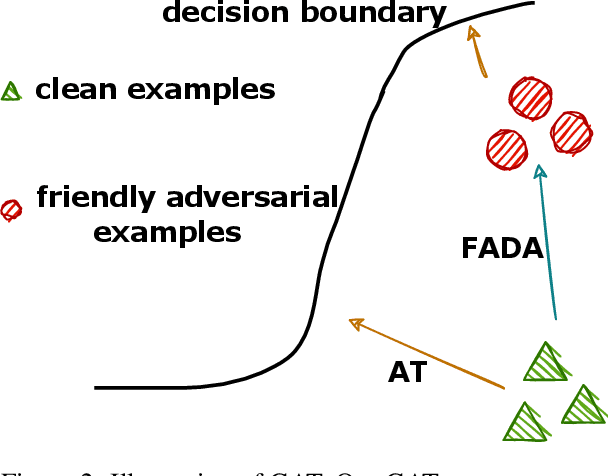
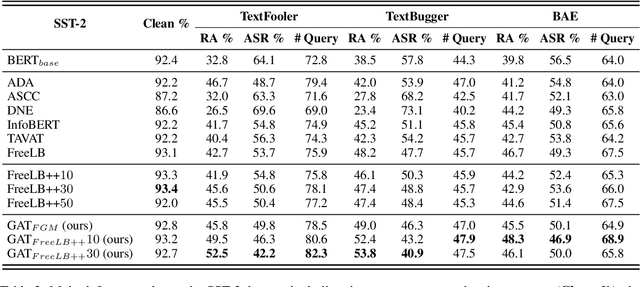
Recent studies have found that removing the norm-bounded projection and increasing search steps in adversarial training can significantly improve robustness. However, we observe that a too large number of search steps can hurt accuracy. We aim to obtain strong robustness efficiently using fewer steps. Through a toy experiment, we find that perturbing the clean data to the decision boundary but not crossing it does not degrade the test accuracy. Inspired by this, we propose friendly adversarial data augmentation (FADA) to generate friendly adversarial data. On top of FADA, we propose geometry-aware adversarial training (GAT) to perform adversarial training on friendly adversarial data so that we can save a large number of search steps. Comprehensive experiments across two widely used datasets and three pre-trained language models demonstrate that GAT can obtain stronger robustness via fewer steps. In addition, we provide extensive empirical results and in-depth analyses on robustness to facilitate future studies.
GAIL-PT: A Generic Intelligent Penetration Testing Framework with Generative Adversarial Imitation Learning
Apr 05, 2022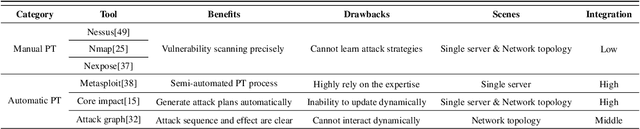
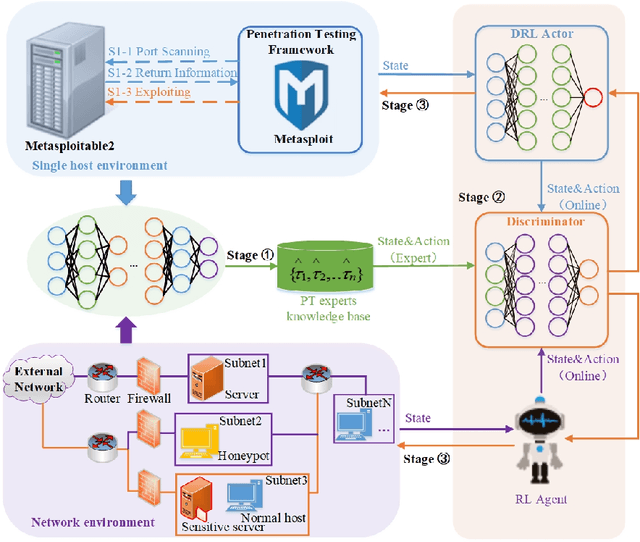
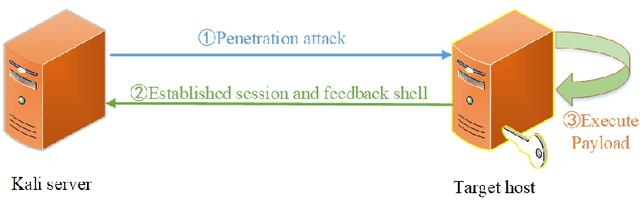
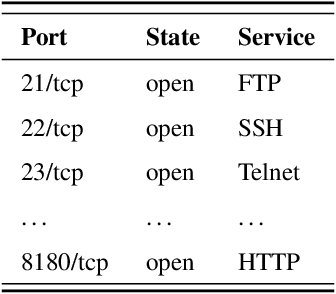
Penetration testing (PT) is an efficient network testing and vulnerability mining tool by simulating a hacker's attack for valuable information applied in some areas. Compared with manual PT, intelligent PT has become a dominating mainstream due to less time-consuming and lower labor costs. Unfortunately, RL-based PT is still challenged in real exploitation scenarios because the agent's action space is usually high-dimensional discrete, thus leading to algorithm convergence difficulty. Besides, most PT methods still rely on the decisions of security experts. Addressing the challenges, for the first time, we introduce expert knowledge to guide the agent to make better decisions in RL-based PT and propose a Generative Adversarial Imitation Learning-based generic intelligent Penetration testing framework, denoted as GAIL-PT, to solve the problems of higher labor costs due to the involvement of security experts and high-dimensional discrete action space. Specifically, first, we manually collect the state-action pairs to construct an expert knowledge base when the pre-trained RL / DRL model executes successful penetration testings. Second, we input the expert knowledge and the state-action pairs generated online by the different RL / DRL models into the discriminator of GAIL for training. At last, we apply the output reward of the discriminator to guide the agent to perform the action with a higher penetration success rate to improve PT's performance. Extensive experiments conducted on the real target host and simulated network scenarios show that GAIL-PT achieves the SOTA penetration performance against DeepExploit in exploiting actual target Metasploitable2 and Q-learning in optimizing penetration path, not only in small-scale with or without honey-pot network environments but also in the large-scale virtual network environment.
DeepSensor: Deep Learning Testing Framework Based on Neuron Sensitivity
Feb 12, 2022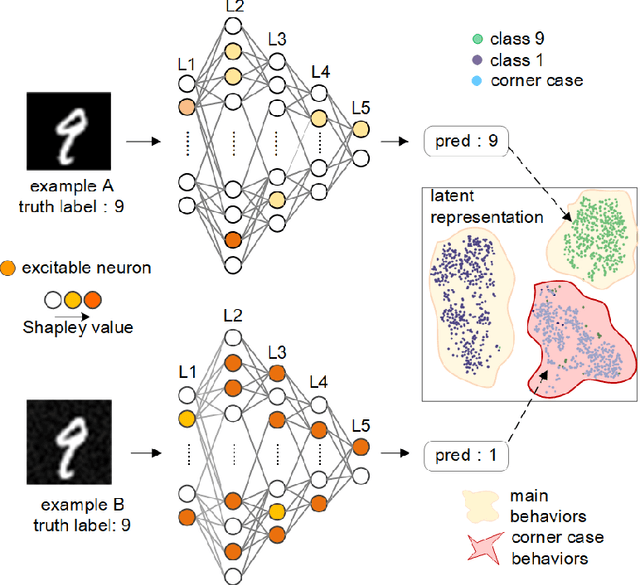
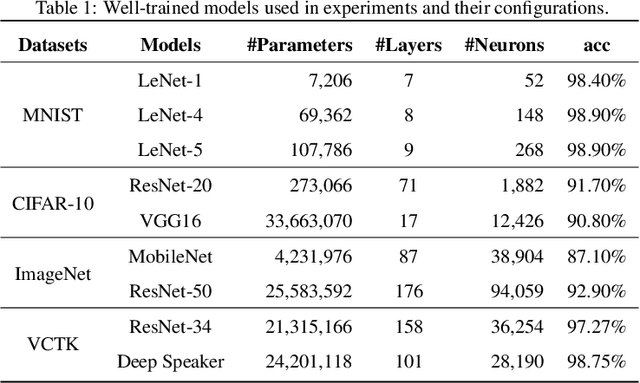
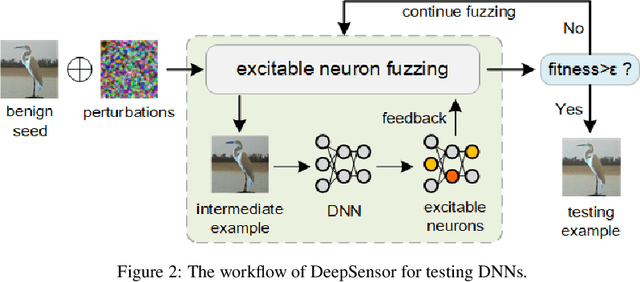
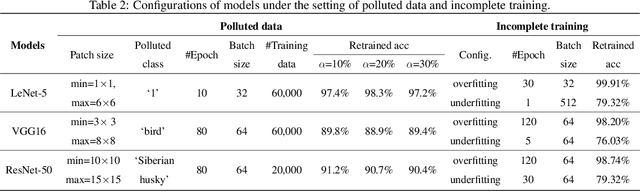
Despite impressive capabilities and outstanding performance, deep neural network(DNN) has captured increasing public concern for its security problem, due to frequent occurrence of erroneous behaviors. Therefore, it is necessary to conduct systematically testing before its deployment to real-world applications. Existing testing methods have provided fine-grained criteria based on neuron coverage and reached high exploratory degree of testing. But there is still a gap between the neuron coverage and model's robustness evaluation. To bridge the gap, we observed that neurons which change the activation value dramatically due to minor perturbation are prone to trigger incorrect corner cases. Motivated by it, we propose neuron sensitivity and develop a novel white-box testing framework for DNN, donated as DeepSensor. The number of sensitive neurons is maximized by particle swarm optimization, thus diverse corner cases could be triggered and neuron coverage be further improved when compared with baselines. Besides, considerable robustness enhancement can be reached when adopting testing examples based on neuron sensitivity for retraining. Extensive experiments implemented on scalable datasets and models can well demonstrate the testing effectiveness and robustness improvement of DeepSensor.
NeuronFair: Interpretable White-Box Fairness Testing through Biased Neuron Identification
Dec 25, 2021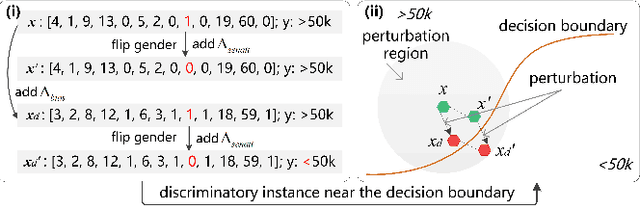
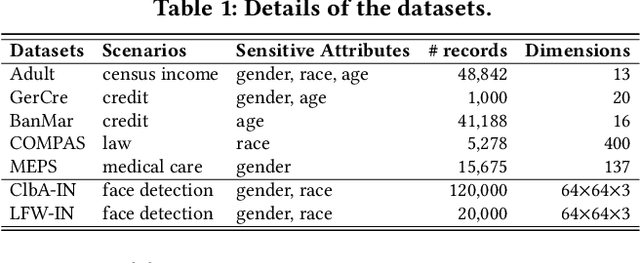
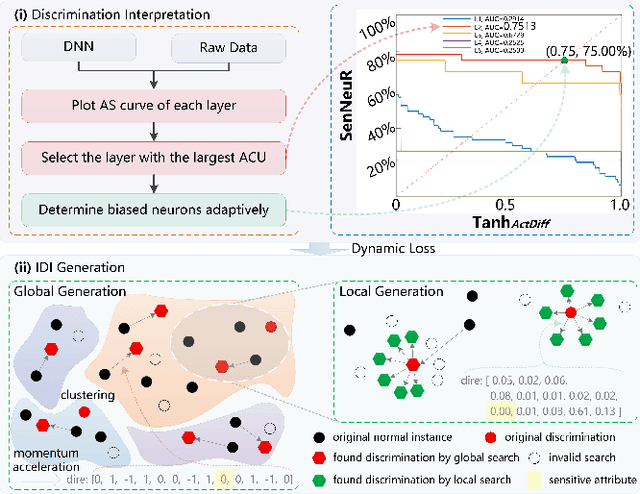
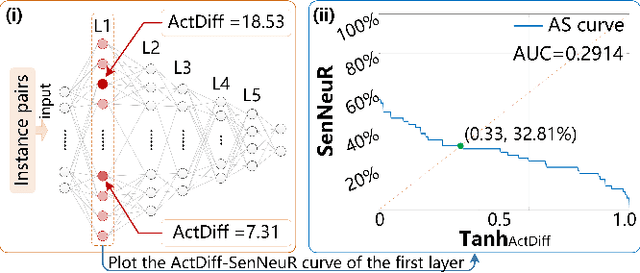
Deep neural networks (DNNs) have demonstrated their outperformance in various domains. However, it raises a social concern whether DNNs can produce reliable and fair decisions especially when they are applied to sensitive domains involving valuable resource allocation, such as education, loan, and employment. It is crucial to conduct fairness testing before DNNs are reliably deployed to such sensitive domains, i.e., generating as many instances as possible to uncover fairness violations. However, the existing testing methods are still limited from three aspects: interpretability, performance, and generalizability. To overcome the challenges, we propose NeuronFair, a new DNN fairness testing framework that differs from previous work in several key aspects: (1) interpretable - it quantitatively interprets DNNs' fairness violations for the biased decision; (2) effective - it uses the interpretation results to guide the generation of more diverse instances in less time; (3) generic - it can handle both structured and unstructured data. Extensive evaluations across 7 datasets and the corresponding DNNs demonstrate NeuronFair's superior performance. For instance, on structured datasets, it generates much more instances (~x5.84) and saves more time (with an average speedup of 534.56%) compared with the state-of-the-art methods. Besides, the instances of NeuronFair can also be leveraged to improve the fairness of the biased DNNs, which helps build more fair and trustworthy deep learning systems.
CatchBackdoor: Backdoor Testing by Critical Trojan Neural Path Identification via Differential Fuzzing
Dec 24, 2021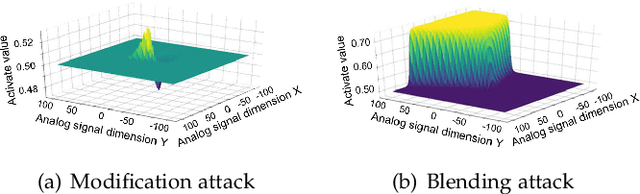
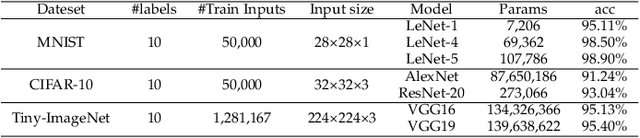
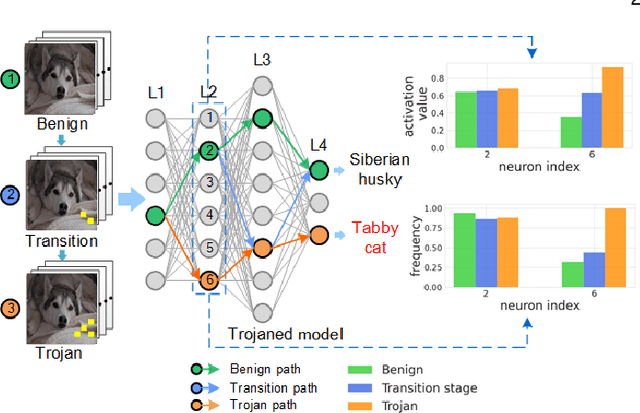
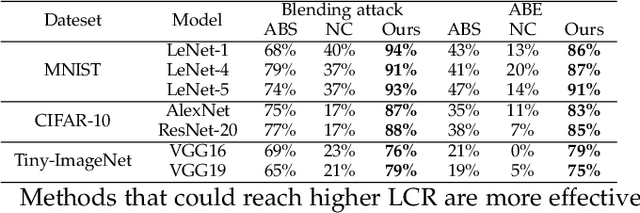
The success of deep neural networks (DNNs) in real-world applications has benefited from abundant pre-trained models. However, the backdoored pre-trained models can pose a significant trojan threat to the deployment of downstream DNNs. Existing DNN testing methods are mainly designed to find incorrect corner case behaviors in adversarial settings but fail to discover the backdoors crafted by strong trojan attacks. Observing the trojan network behaviors shows that they are not just reflected by a single compromised neuron as proposed by previous work but attributed to the critical neural paths in the activation intensity and frequency of multiple neurons. This work formulates the DNN backdoor testing and proposes the CatchBackdoor framework. Via differential fuzzing of critical neurons from a small number of benign examples, we identify the trojan paths and particularly the critical ones, and generate backdoor testing examples by simulating the critical neurons in the identified paths. Extensive experiments demonstrate the superiority of CatchBackdoor, with higher detection performance than existing methods. CatchBackdoor works better on detecting backdoors by stealthy blending and adaptive attacks, which existing methods fail to detect. Moreover, our experiments show that CatchBackdoor may reveal the potential backdoors of models in Model Zoo.
NIP: Neuron-level Inverse Perturbation Against Adversarial Attacks
Dec 24, 2021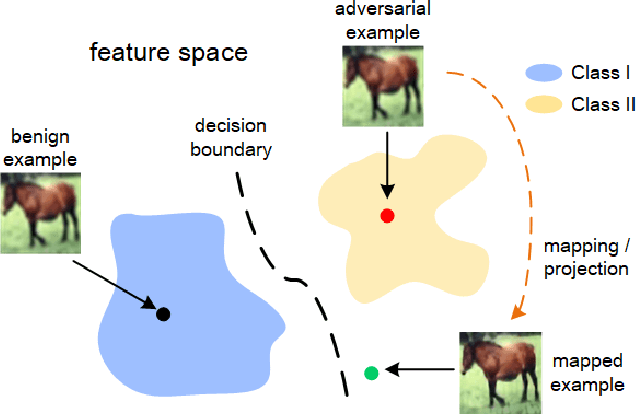
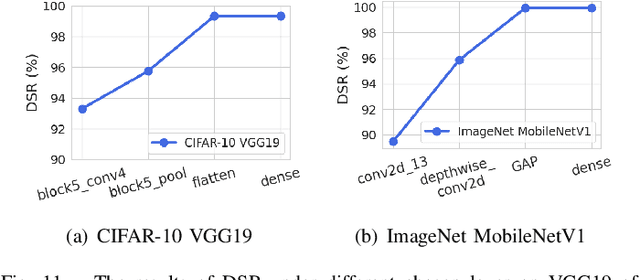
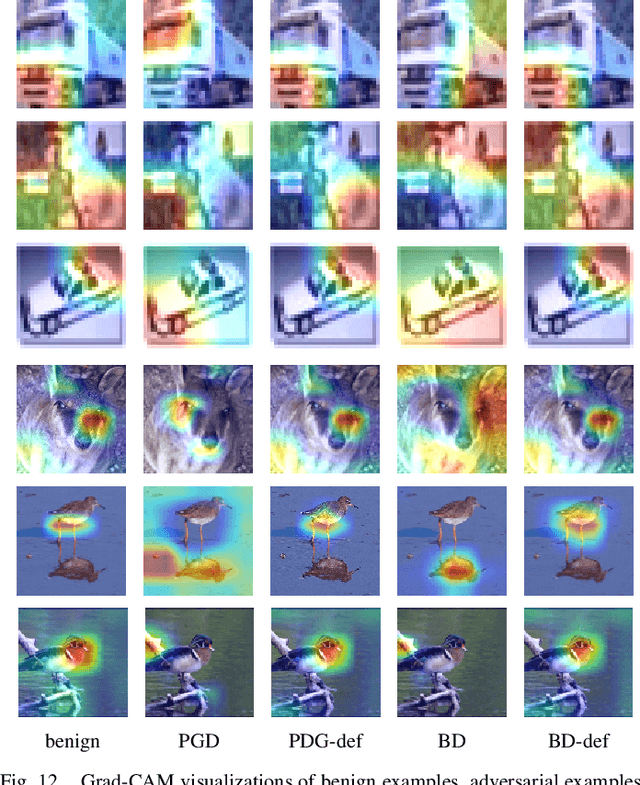
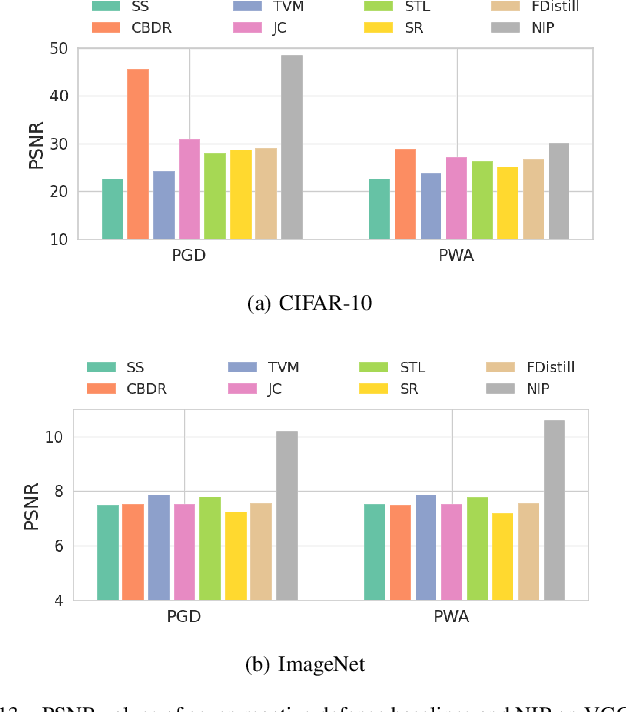
Although deep learning models have achieved unprecedented success, their vulnerabilities towards adversarial attacks have attracted increasing attention, especially when deployed in security-critical domains. To address the challenge, numerous defense strategies, including reactive and proactive ones, have been proposed for robustness improvement. From the perspective of image feature space, some of them cannot reach satisfying results due to the shift of features. Besides, features learned by models are not directly related to classification results. Different from them, We consider defense method essentially from model inside and investigated the neuron behaviors before and after attacks. We observed that attacks mislead the model by dramatically changing the neurons that contribute most and least to the correct label. Motivated by it, we introduce the concept of neuron influence and further divide neurons into front, middle and tail part. Based on it, we propose neuron-level inverse perturbation(NIP), the first neuron-level reactive defense method against adversarial attacks. By strengthening front neurons and weakening those in the tail part, NIP can eliminate nearly all adversarial perturbations while still maintaining high benign accuracy. Besides, it can cope with different sizes of perturbations via adaptivity, especially larger ones. Comprehensive experiments conducted on three datasets and six models show that NIP outperforms the state-of-the-art baselines against eleven adversarial attacks. We further provide interpretable proofs via neuron activation and visualization for better understanding.
TEGDetector: A Phishing Detector that Knows Evolving Transaction Behaviors
Nov 26, 2021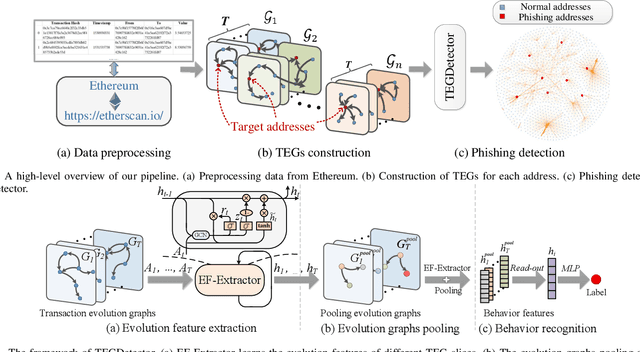
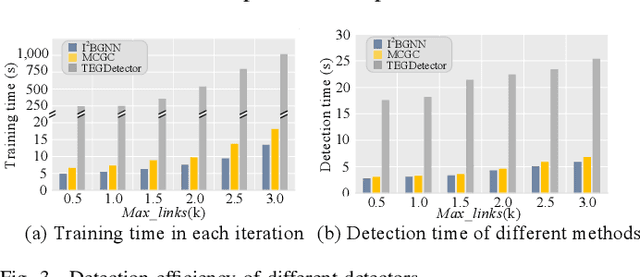
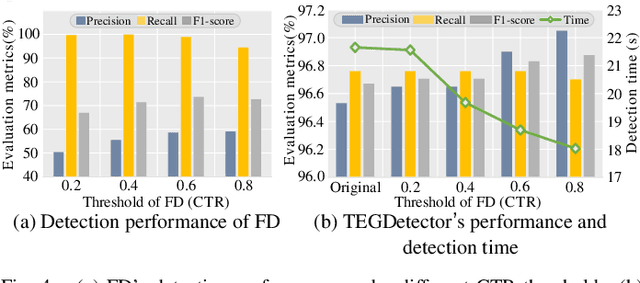
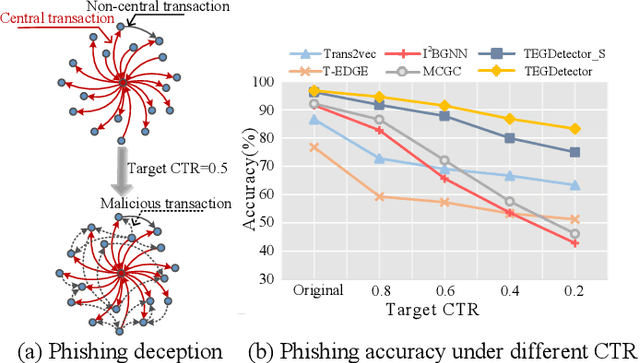
Recently, phishing scams have posed a significant threat to blockchains. Phishing detectors direct their efforts in hunting phishing addresses. Most of the detectors extract target addresses' transaction behavior features by random walking or constructing static subgraphs. The random walking methods,unfortunately, usually miss structural information due to limited sampling sequence length, while the static subgraph methods tend to ignore temporal features lying in the evolving transaction behaviors. More importantly, their performance undergoes severe degradation when the malicious users intentionally hide phishing behaviors. To address these challenges, we propose TEGDetector, a dynamic graph classifier that learns the evolving behavior features from transaction evolution graphs (TEGs). First, we cast the transaction series into multiple time slices, capturing the target address's transaction behaviors in different periods. Then, we provide a fast non-parametric phishing detector to narrow down the search space of suspicious addresses. Finally, TEGDetector considers both the spatial and temporal evolutions towards a complete characterization of the evolving transaction behaviors. Moreover, TEGDetector utilizes adaptively learnt time coefficient to pay distinct attention to different periods, which provides several novel insights. Extensive experiments on the large-scale Ethereum transaction dataset demonstrate that the proposed method achieves state-of-the-art detection performance.