 Add to Chrome
 Add to Firefox
 Add to Edge
DECAF: De-Clustering for Adaptive Representational Unlearning
Jul 27, 2026
Machine unlearning, which aims to remove the influence of specific training data from a trained model, is a key requirement for privacy, accountability, and adaptive deployment. We argue that many unlearning methods are vulnerable to a simple clustering attack, which can recover class structure in an unsupervised manner, limiting their suitability for continual deployment where removal requests must be handled reliably on demand. To address this, we propose DECAF (DE-Clustering for Adaptive Forgetting), a post-hoc method that operates only on the forget set and is designed to break the cluster. DECAF combines input noise, confidence suppression, and entropy-based output diversification to disrupt the residual feature-space structure associated with forgotten data. On CIFAR-10 with ResNet-18, DECAF attains 0.10% forget-class accuracy, 79.4% retain accuracy, and an AUS of 0.88, surpassing all other baselines. In cluster-based analysis, it attains performance comparable to that of unlearning methods that use the full training set, while being significantly more efficient. Code: https://github.com/ale256/representation_unlearning.

Interpretable Probabilistic Medical Image Segmentation via Gaussian Process with Explicit Modelling of Annotation Bias and Variability
Jun 22, 2026Deep learning-based medical image segmentation models are trained using annotations that exhibit systematic bias and variability across raters. While probabilistic multi-rater approaches can emulate annotator-specific delineations, annotator characteristics are typically encoded implicitly in deep latent feature space, making direct analysis of their influence on predictive distributions less straightforward. We propose a logit-space probabilistic segmentation framework based on stochastic variational Gaussian Process that explicitly decomposes predictions into an image-dependent reference logit distribution and annotator specific perturbations parameterised by bias and variance. This formulation enables more explicit analysis on how intra- and inter-rater variability propagate to predictive distributions. We evaluate the method on a multi-annotator medical image dataset, which shows that explicitly modelling annotator specific perturbations improves uncertainty calibration while maintaining comparable segmentation accuracy, compared with state-of-the-art multi-rater probabilistic segmentation method. The learned bias and variance parameters quantitatively reflect annotator-specific behaviour. Furthermore, controlled perturbation experiments over bias and variance demonstrate how changes in annotator parameters systematically influence predictive performance. The code used in this paper is made publicly available at https://github.com/QiLi111/GPS-Var.
Experience-Guided Self-Adaptive Cascaded Agents for Breast Cancer Screening and Diagnosis with Reduced Biopsy Referrals
Feb 27, 2026We propose an experience-guided cascaded multi-agent framework for Breast Ultrasound Screening and Diagnosis, called BUSD-Agent, that aims to reduce diagnostic escalation and unnecessary biopsy referrals. Our framework models screening and diagnosis as a two-stage, selective decision-making process. A lightweight `screening clinic' agent, restricted to classification models as tools, selectively filters out benign and normal cases from further diagnostic escalation when malignancy risk and uncertainty are estimated as low. Cases that have higher risks are escalated to the `diagnostic clinic' agent, which integrates richer perception and radiological description tools to make a secondary decision on biopsy referral. To improve agent performance, past records of pathology-confirmed outcomes along with image embeddings, model predictions, and historical agent actions are stored in a memory bank as structured decision trajectories. For each new case, BUSD-Agent retrieves similar past cases based on image, model response and confidence similarity to condition the agent's current decision policy. This enables retrieval-conditioned in-context adaptation that dynamically adjusts model trust and escalation thresholds from prior experiences without parameter updates. Evaluation across 10 breast ultrasound datasets shows that the proposed experience-guided workflow reduces diagnostic escalation in BUSD-Agent from 84.95% to 58.72% and overall biopsy referrals from 59.50% to 37.08%, compared to the same architecture without trajectory conditioning, while improving average screening specificity by 68.48% and diagnostic specificity by 6.33%.
Picking the Right Specialist: Attentive Neural Process-based Selection of Task-Specialized Models as Tools for Agentic Healthcare Systems
Feb 16, 2026Task-specialized models form the backbone of agentic healthcare systems, enabling the agents to answer clinical queries across tasks such as disease diagnosis, localization, and report generation. Yet, for a given task, a single "best" model rarely exists. In practice, each task is better served by multiple competing specialist models where different models excel on different data samples. As a result, for any given query, agents must reliably select the right specialist model from a heterogeneous pool of tool candidates. To this end, we introduce ToolSelect, which adaptively learns model selection for tools by minimizing a population risk over sampled specialist tool candidates using a consistent surrogate of the task-conditional selection loss. Concretely, we propose an Attentive Neural Process-based selector conditioned on the query and per-model behavioral summaries to choose among the specialist models. Motivated by the absence of any established testbed, we, for the first time, introduce an agentic Chest X-ray environment equipped with a diverse suite of task-specialized models (17 disease detection, 19 report generation, 6 visual grounding, and 13 VQA) and develop ToolSelectBench, a benchmark of 1448 queries. Our results demonstrate that ToolSelect consistently outperforms 10 SOTA methods across four different task families.
Orientation-Robust Latent Motion Trajectory Learning for Annotation-free Cardiac Phase Detection in Fetal Echocardiography
Feb 06, 2026Fetal echocardiography is essential for detecting congenital heart disease (CHD), facilitating pregnancy management, optimized delivery planning, and timely postnatal interventions. Among standard imaging planes, the four-chamber (4CH) view provides comprehensive information for CHD diagnosis, where clinicians carefully inspect the end-diastolic (ED) and end-systolic (ES) phases to evaluate cardiac structure and motion. Automated detection of these cardiac phases is thus a critical component toward fully automated CHD analysis. Yet, in the absence of fetal electrocardiography (ECG), manual identification of ED and ES frames remains a labor-intensive bottleneck. We present ORBIT (Orientation-Robust Beat Inference from Trajectories), a self-supervised framework that identifies cardiac phases without manual annotations under various fetal heart orientation. ORBIT employs registration as self-supervision task and learns a latent motion trajectory of cardiac deformation, whose turning points capture transitions between cardiac relaxation and contraction, enabling accurate and orientation-robust localization of ED and ES frames across diverse fetal positions. Trained exclusively on normal fetal echocardiography videos, ORBIT achieves consistent performance on both normal (MAE = 1.9 frames for ED and 1.6 for ES) and CHD cases (MAE = 2.4 frames for ED and 2.1 for ES), outperforming existing annotation-free approaches constrained by fixed orientation assumptions. These results highlight the potential of ORBIT to facilitate robust cardiac phase detection directly from 4CH fetal echocardiography.
Learning to learn skill assessment for fetal ultrasound scanning
Dec 30, 2025Traditionally, ultrasound skill assessment has relied on expert supervision and feedback, a process known for its subjectivity and time-intensive nature. Previous works on quantitative and automated skill assessment have predominantly employed supervised learning methods, often limiting the analysis to predetermined or assumed factors considered influential in determining skill levels. In this work, we propose a novel bi-level optimisation framework that assesses fetal ultrasound skills by how well a task is performed on the acquired fetal ultrasound images, without using manually predefined skill ratings. The framework consists of a clinical task predictor and a skill predictor, which are optimised jointly by refining the two networks simultaneously. We validate the proposed method on real-world clinical ultrasound videos of scanning the fetal head. The results demonstrate the feasibility of predicting ultrasound skills by the proposed framework, which quantifies optimised task performance as a skill indicator.
Neural Collapse-Inspired Multi-Label Federated Learning under Label-Distribution Skew
Sep 16, 2025Federated Learning (FL) enables collaborative model training across distributed clients while preserving data privacy. However, the performance of deep learning often deteriorates in FL due to decentralized and heterogeneous data. This challenge is further amplified in multi-label scenarios, where data exhibit complex characteristics such as label co-occurrence, inter-label dependency, and discrepancies between local and global label relationships. While most existing FL research primarily focuses on single-label classification, many real-world applications, particularly in domains such as medical imaging, often involve multi-label settings. In this paper, we address this important yet underexplored scenario in FL, where clients hold multi-label data with skewed label distributions. Neural Collapse (NC) describes a geometric structure in the latent feature space where features of each class collapse to their class mean with vanishing intra-class variance, and the class means form a maximally separated configuration. Motivated by this theory, we propose a method to align feature distributions across clients and to learn high-quality, well-clustered representations. To make the NC-structure applicable to multi-label settings, where image-level features may contain multiple semantic concepts, we introduce a feature disentanglement module that extracts semantically specific features. The clustering of these disentangled class-wise features is guided by a predefined shared NC structure, which mitigates potential conflicts between client models due to diverse local data distributions. In addition, we design regularisation losses to encourage compact clustering in the latent feature space. Experiments conducted on four benchmark datasets across eight diverse settings demonstrate that our approach outperforms existing methods, validating its effectiveness in this challenging FL scenario.
Self-supervised Learning of Echocardiographic Video Representations via Online Cluster Distillation
Jun 13, 2025Self-supervised learning (SSL) has achieved major advances in natural images and video understanding, but challenges remain in domains like echocardiography (heart ultrasound) due to subtle anatomical structures, complex temporal dynamics, and the current lack of domain-specific pre-trained models. Existing SSL approaches such as contrastive, masked modeling, and clustering-based methods struggle with high intersample similarity, sensitivity to low PSNR inputs common in ultrasound, or aggressive augmentations that distort clinically relevant features. We present DISCOVR (Distilled Image Supervision for Cross Modal Video Representation), a self-supervised dual branch framework for cardiac ultrasound video representation learning. DISCOVR combines a clustering-based video encoder that models temporal dynamics with an online image encoder that extracts fine-grained spatial semantics. These branches are connected through a semantic cluster distillation loss that transfers anatomical knowledge from the evolving image encoder to the video encoder, enabling temporally coherent representations enriched with fine-grained semantic understanding. Evaluated on six echocardiography datasets spanning fetal, pediatric, and adult populations, DISCOVR outperforms both specialized video anomaly detection methods and state-of-the-art video-SSL baselines in zero-shot and linear probing setups, and achieves superior segmentation transfer.
DIsoN: Decentralized Isolation Networks for Out-of-Distribution Detection in Medical Imaging
Jun 10, 2025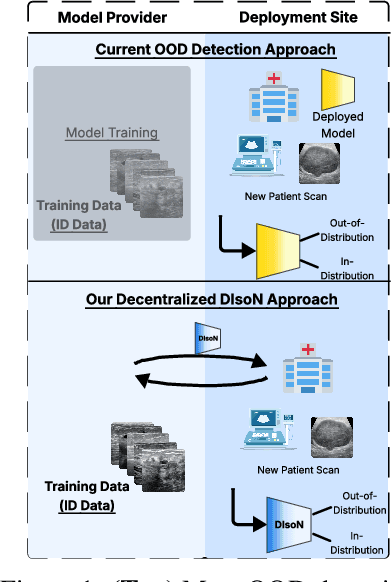
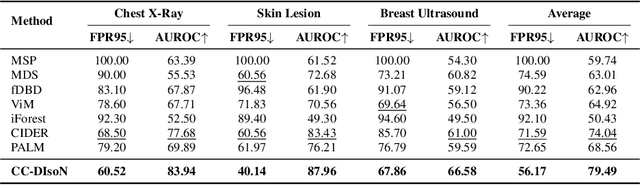
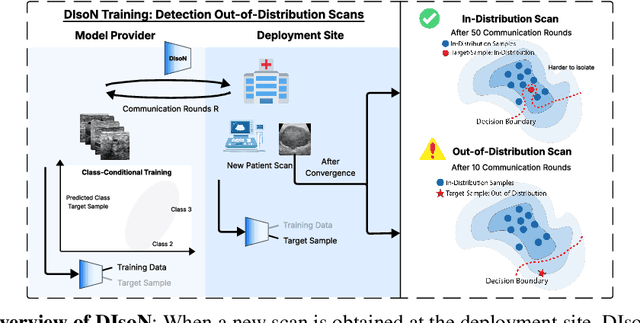
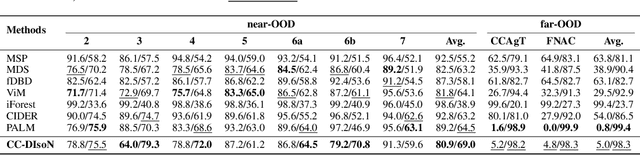
Safe deployment of machine learning (ML) models in safety-critical domains such as medical imaging requires detecting inputs with characteristics not seen during training, known as out-of-distribution (OOD) detection, to prevent unreliable predictions. Effective OOD detection after deployment could benefit from access to the training data, enabling direct comparison between test samples and the training data distribution to identify differences. State-of-the-art OOD detection methods, however, either discard training data after deployment or assume that test samples and training data are centrally stored together, an assumption that rarely holds in real-world settings. This is because shipping training data with the deployed model is usually impossible due to the size of training databases, as well as proprietary or privacy constraints. We introduce the Isolation Network, an OOD detection framework that quantifies the difficulty of separating a target test sample from the training data by solving a binary classification task. We then propose Decentralized Isolation Networks (DIsoN), which enables the comparison of training and test data when data-sharing is impossible, by exchanging only model parameters between the remote computational nodes of training and deployment. We further extend DIsoN with class-conditioning, comparing a target sample solely with training data of its predicted class. We evaluate DIsoN on four medical imaging datasets (dermatology, chest X-ray, breast ultrasound, histopathology) across 12 OOD detection tasks. DIsoN performs favorably against existing methods while respecting data-privacy. This decentralized OOD detection framework opens the way for a new type of service that ML developers could provide along with their models: providing remote, secure utilization of their training data for OOD detection services. Code will be available upon acceptance at: *****
MCAT: Visual Query-Based Localization of Standard Anatomical Clips in Fetal Ultrasound Videos Using Multi-Tier Class-Aware Token Transformer
Apr 08, 2025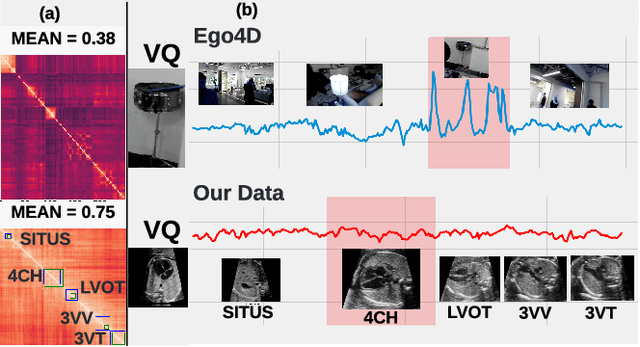
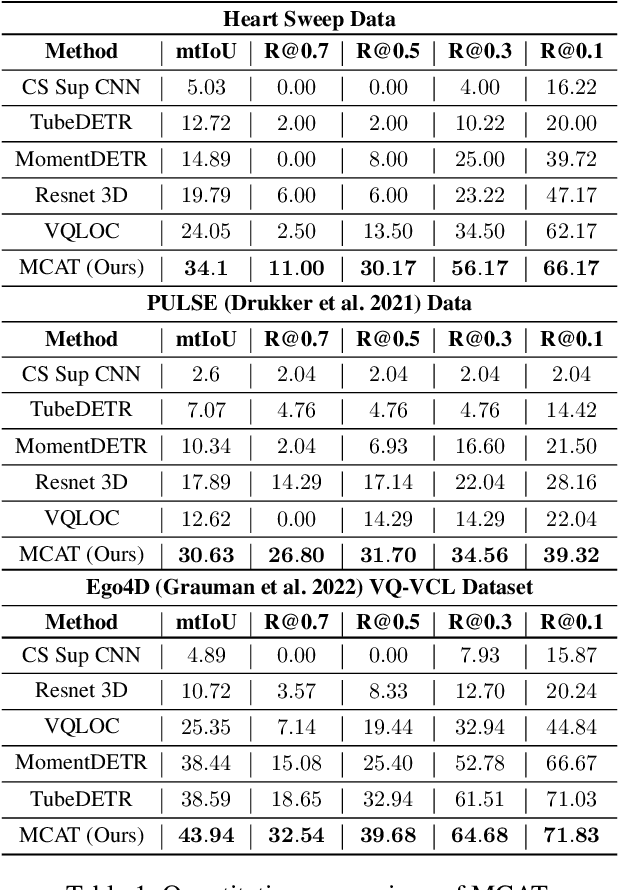
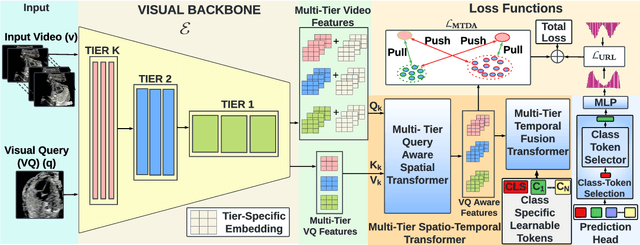
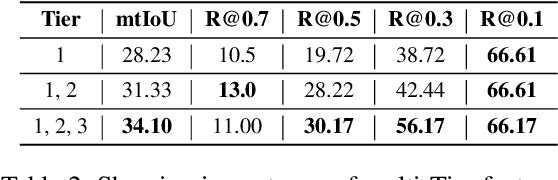
Accurate standard plane acquisition in fetal ultrasound (US) videos is crucial for fetal growth assessment, anomaly detection, and adherence to clinical guidelines. However, manually selecting standard frames is time-consuming and prone to intra- and inter-sonographer variability. Existing methods primarily rely on image-based approaches that capture standard frames and then classify the input frames across different anatomies. This ignores the dynamic nature of video acquisition and its interpretation. To address these challenges, we introduce Multi-Tier Class-Aware Token Transformer (MCAT), a visual query-based video clip localization (VQ-VCL) method, to assist sonographers by enabling them to capture a quick US sweep. By then providing a visual query of the anatomy they wish to analyze, MCAT returns the video clip containing the standard frames for that anatomy, facilitating thorough screening for potential anomalies. We evaluate MCAT on two ultrasound video datasets and a natural image VQ-VCL dataset based on Ego4D. Our model outperforms state-of-the-art methods by 10% and 13% mIoU on the ultrasound datasets and by 5.35% mIoU on the Ego4D dataset, using 96% fewer tokens. MCAT's efficiency and accuracy have significant potential implications for public health, especially in low- and middle-income countries (LMICs), where it may enhance prenatal care by streamlining standard plane acquisition, simplifying US-based screening, diagnosis and allowing sonographers to examine more patients.