 Add to Chrome
 Add to Firefox
 Add to Edge
Single-shot quantitative differential phase contrast imaging combined with programmable polarization multiplexing illumination
Apr 13, 2023

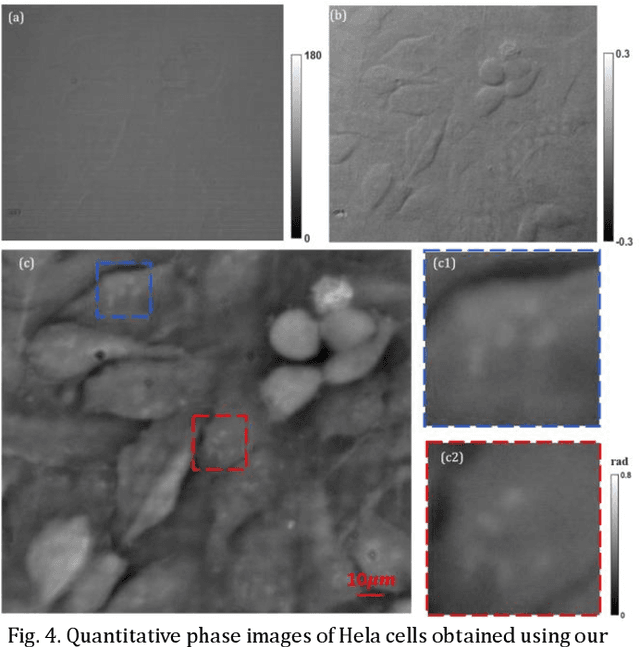
We propose a single-shot quantitative differential phase contrast (DPC) method with polarization multiplexing illumination. In the illumination module of our system, the programmable LED array is divided into four quadrants and covered with polarizing films of four different polarization angles. We use a polarization camera with polarizers before the pixels in the imaging module. By matching the polarization angle between the polarizing films over the custom LED array and the polarizers in the camera, two sets of asymmetric illumination acquisition images can be calculated from a single-shot acquisition image. Combined with the phase transfer function, we can calculate the quantitative phase of the sample. We present the design, implementation, and experimental image data demonstrating the ability of our method to obtain quantitative phase images of the phase resolution target, as well as Hela cells.

Resolution Improvement for OpticalCoherence Tomography based on Sparse Continuous Deconvolution
Apr 10, 2023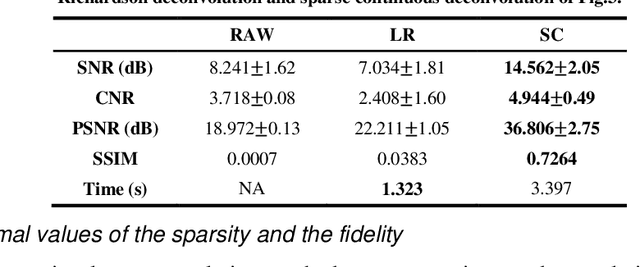
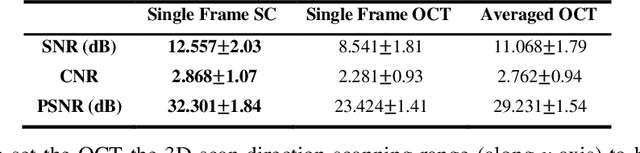
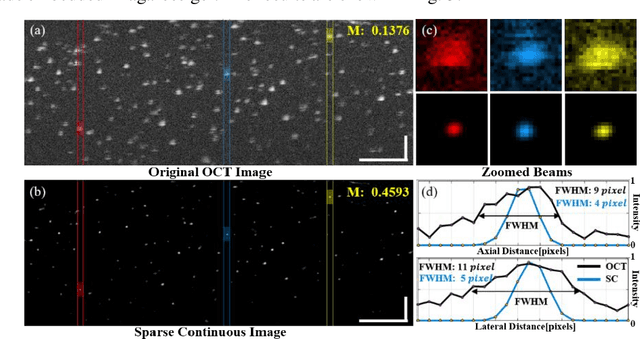
We propose an image resolution improvement method for optical coherence tomography (OCT) based on sparse continuous deconvolution. Traditional deconvolution techniques such as Lucy-Richardson deconvolution suffers from the artifact convergence problem after a small number of iterations, which brings limitation to practical applications. In this work, we take advantage of the prior knowledge about the sample sparsity and continuity to constrain the deconvolution iteration. Sparsity is used to achieve the resolution improvement through the resolution preserving regularization term. And the continuity based on the correlation of the grayscale values in different directions is introduced to mitigate excessive image sparsity and noise reduction through the continuity regularization term. The Bregman splitting technique is then used to solve the resulting optimization problem. Both the numerical simulation study and experimental study on phantoms and biological samples show that our method can suppress artefacts of traditional deconvolution techniques effectively. Meanwhile, clear resolution improvement is demonstrated. It achieved nearly twofold resolution improvement for phantom beads image that can be quantitatively evaluated
Rega-Net:Retina Gabor Attention for Deep Convolutional Neural Networks
Nov 23, 2022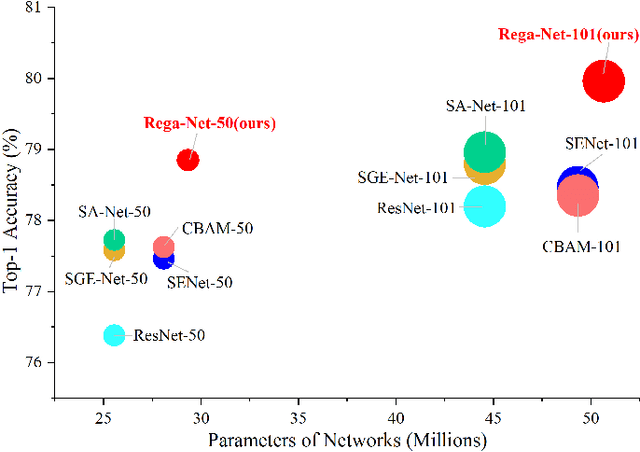
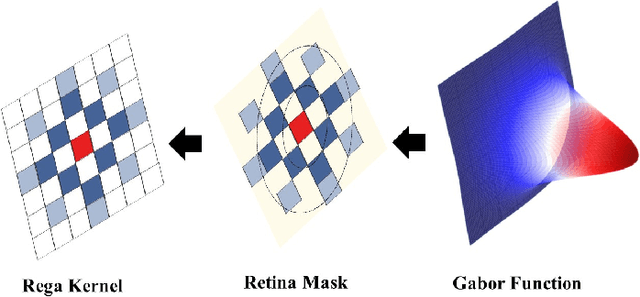
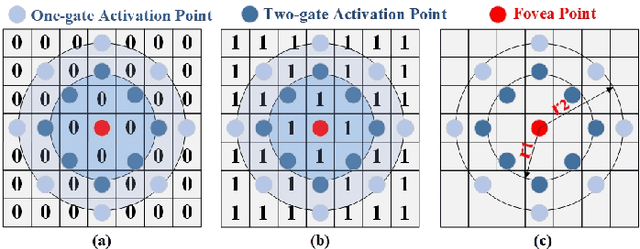
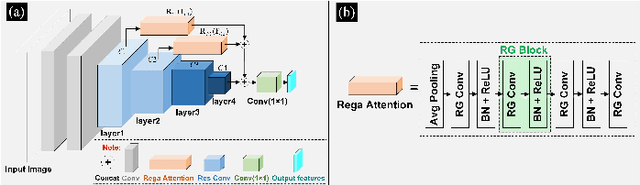
Extensive research works demonstrate that the attention mechanism in convolutional neural networks (CNNs) effectively improves accuracy. But little works design attention mechanisms using large receptive fields. In this work, we propose a novel attention method named Rega-net to increase CNN accuracy by enlarging the receptive field. Inspired by the mechanism of the human retina, we design convolutional kernels to resemble the non-uniformly distributed structure of the human retina. Then, we sample variable-resolution values in the Gabor function distribution and fill these values in retina-like kernels. This distribution allows important features to be more visible in the center position of the receptive field. We further design an attention module including these retina-like kernels. Experiments demonstrate that our Rega-Net achieves 79.963\% top-1 accuracy on ImageNet-1K classification and 43.1\% mAP on COCO2017 object detection. The mAP of the Rega-Net increased by up to 3.5\% compared to baseline networks.
Robust full-pose-parameter estimation for the LED array in Fourier ptychographic microscopy
Jun 11, 2022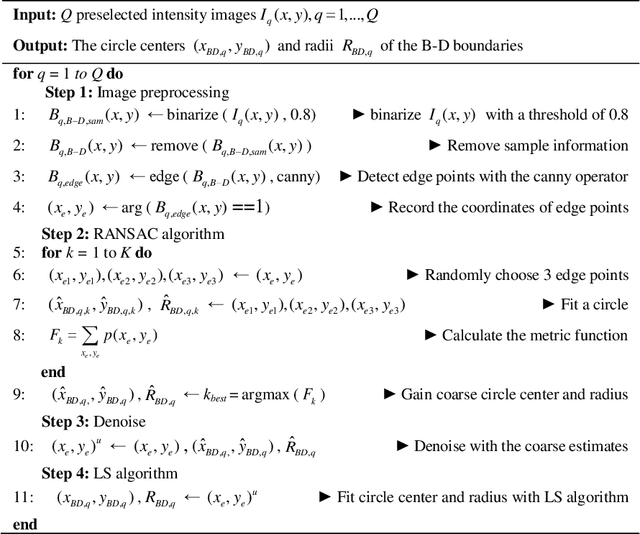
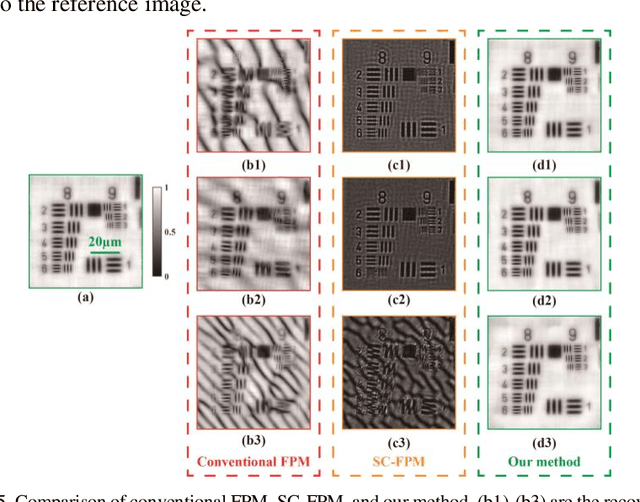
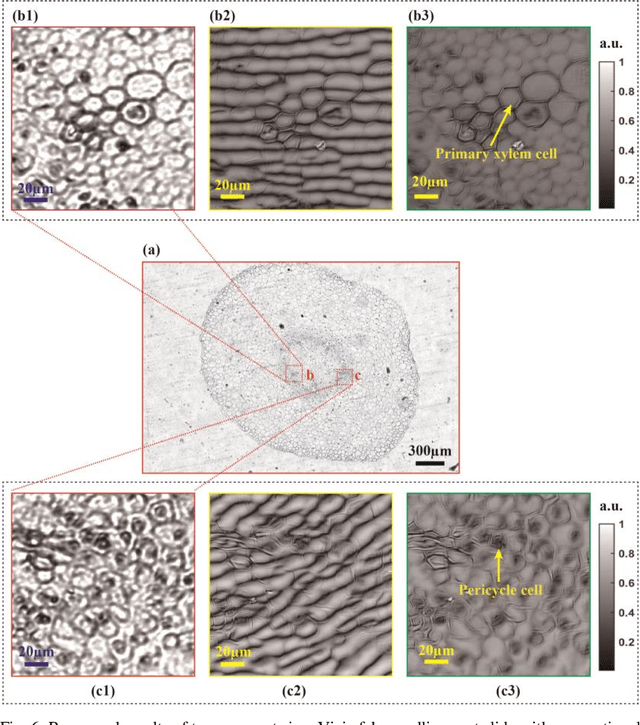
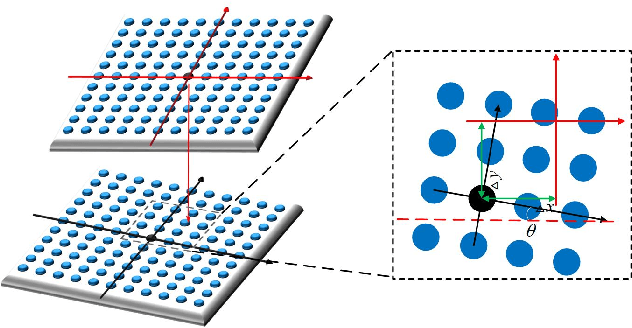
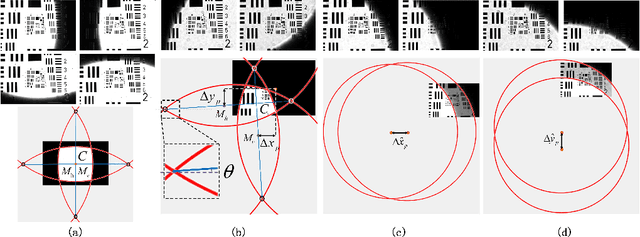
Fourier ptychographic microscopy (FPM) can achieve quantitative phase imaging with a large space-bandwidth product by synthesizing a set of low-resolution intensity images captured under angularly varying illuminations. Determining accurate illumination angles is critical because the consistency between actual systematic parameters and those used in the recovery algorithm is essential for high-quality imaging. This paper presents a full-pose-parameter and physics-based method for calibrating illumination angles. Using a physics-based model constructed with general knowledge of the employed microscope and the brightfield-to-darkfield boundaries inside captured images, we can solve for the full-pose parameters of misplaced LED array, which consist of the distance between the sample and the LED array, two orthogonal lateral shifts, one in-plane rotation angle, and two tilt angles, to correct illumination angles precisely. The feasibility and effectiveness of the proposed method for recovering random or remarkable pose parameters have been demonstrated by both qualitative and quantitative experiments. Due to the completeness of the pose parameters, the clarity of the physical model, and the high robustness for arbitrary misalignments, our method can significantly facilitate the design, implementation, and application of concise and robust FPM platforms.
Temporally and Spatially variant-resolution illumination patterns in computational ghost imaging
May 14, 2022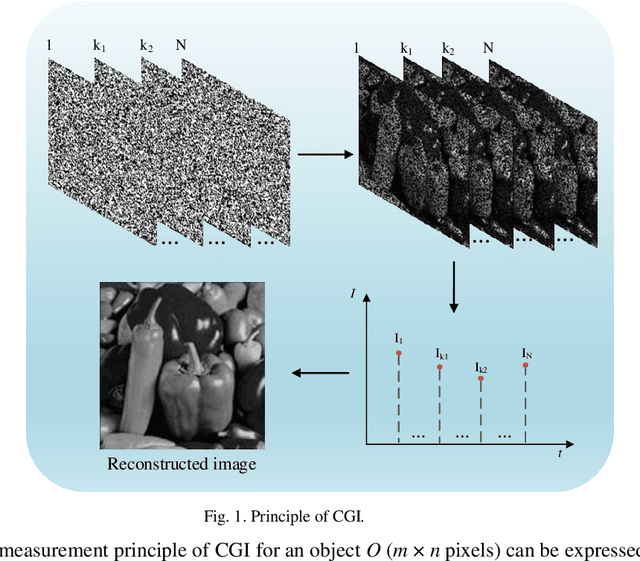
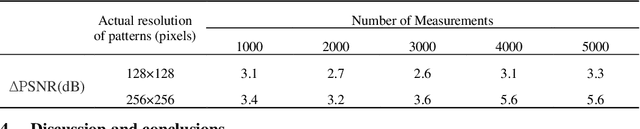
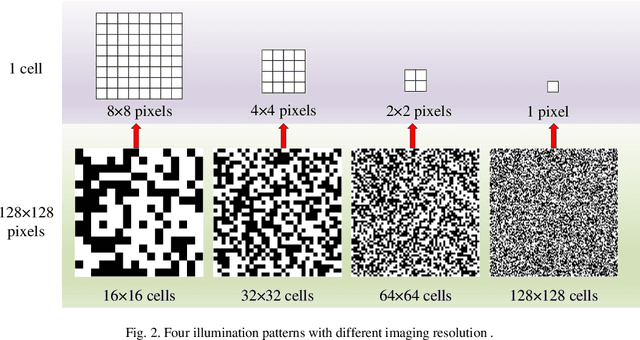
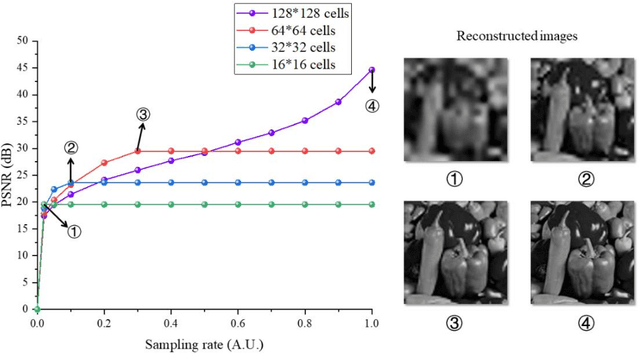
Conventional computational ghost imaging (CGI) uses light carrying a sequence of patterns with uniform-resolution to illuminate the object, then performs correlation calculation based on the light intensity value reflected by the target and the preset patterns to obtain object image. It requires a large number of measurements to obtain high-quality images, especially if high-resolution images are to be obtained. To solve this problem, we developed temporally variable-resolution illumination patterns, replacing the conventional uniform-resolution illumination patterns with a sequence of patterns of different imaging resolutions. In addition, we propose to combine temporally variable-resolution illumination patterns and spatially variable-resolution structure to develop temporally and spatially variable-resolution (TSV) illumination patterns, which not only improve the imaging quality of the region of interest (ROI) but also improve the robustness to noise. The methods using proposed illumination patterns are verified by simulations and experiments compared with CGI. For the same number of measurements, the method using temporally variable-resolution illumination patterns has better imaging quality than CGI, but it is less robust to noise. The method using TSV illumination patterns has better imaging quality in ROI than the method using temporally variable-resolution illumination patterns and CGI under the same number of measurements. We also experimentally verify that the method using TSV patterns have better imaging performance when applied to higher resolution imaging. The proposed methods are expected to solve the current computational ghost imaging that is difficult to achieve high-resolution and high-quality imaging.
Pose correction scheme for camera-scanning Fourier ptychography based on camera calibration and homography transform
Apr 01, 2022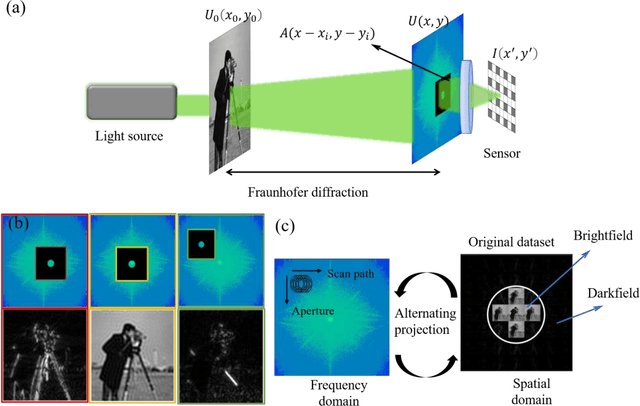
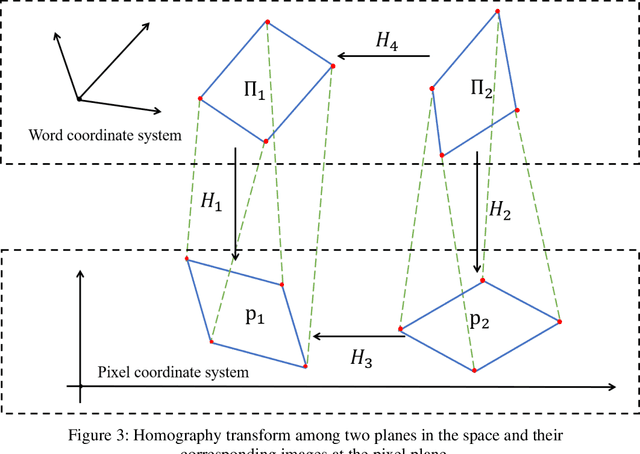
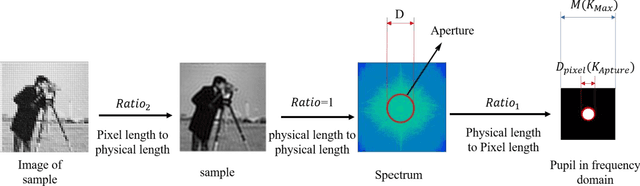
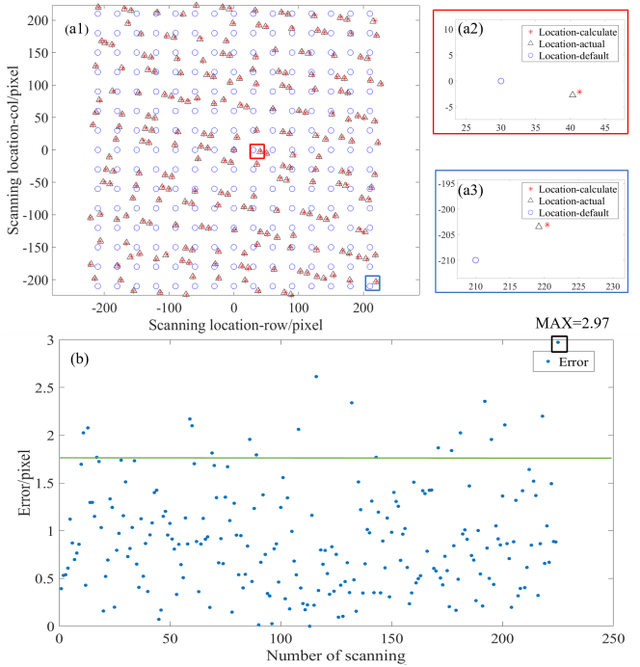
Fourier ptychography (FP), as a computational imaging method, is a powerful tool to improve imaging resolution. Camera-scanning Fourier ptychography extends the application of FP from micro to macro creatively. Due to the non-ideal scanning of the camera driven by the mechanical translation stage, the pose error of the camera occurs, greatly degrading the reconstruction quality, while a precise translation stage is expensive and not suitable for wide-range imaging. Here, to improve the imaging performance of camera-scanning Fourier ptychography, we propose a pose correction scheme based on camera calibration and homography transform approaches. The scheme realizes the accurate alignment of data set and location error correction in the frequency domain. Simulation and experimental results demonstrate this method can optimize the reconstruction results and realize high-quality imaging effectively. Combined with the feature recognition algorithm, the scheme provides the possibility for applying FP in remote sensing imaging and space imaging.
Parallel Fourier Ptychography reconstruction
Mar 04, 2022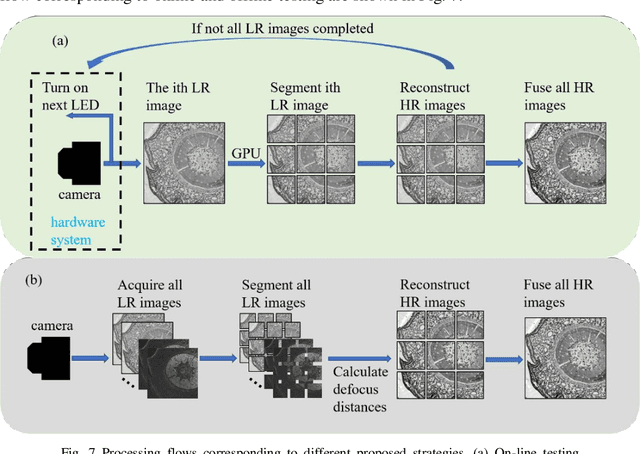
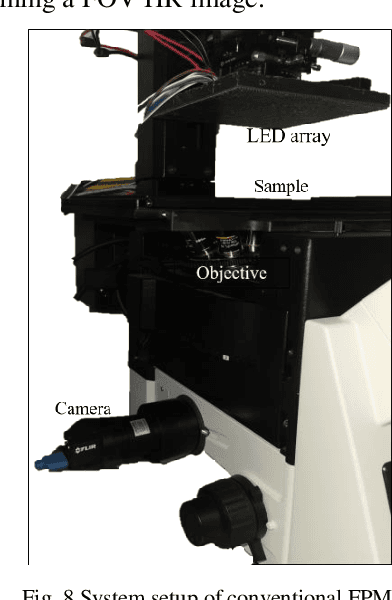
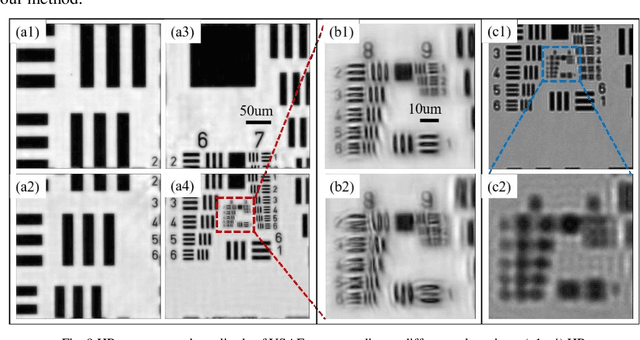
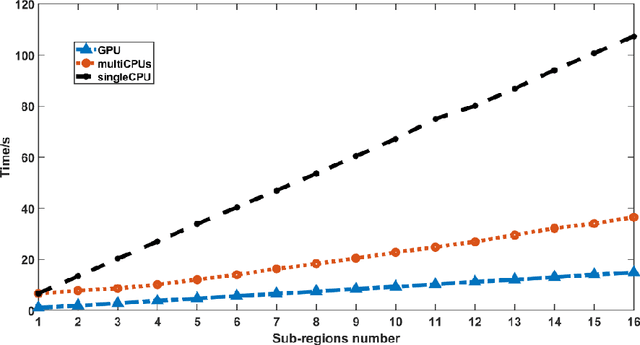
Fourier ptychography has attracted a wide range of focus for its ability of large space-bandwidth-produce, and quantative phase measurement. It is a typical computational imaging technique which refers to optimizing both the imaging hardware and reconstruction algorithms simultaneously. The data redundancy and inverse problem algorithms are the sources of FPM's excellent performance. But at the same time, this large amount of data processing and complex algorithms also greatly reduce the imaging speed. In this article, we propose a parallel Fourier ptychography reconstruction framework consisting of three levels of parallel computing parts and implemented it with both central processing unit (CPU) and compute unified device architecture (CUDA) platform. In the conventional FPM reconstruction framework, the sample image is divided into multiple sub-regions for separately processing because the illumination angles for different subregions are varied for the same LED and different subregions contain different defocus distances due to the non-planar distribution or non-ideal posture of biological sample. We first build a parallel computing sub-framework in spatial domain based on the above-mentioned characteristics. And then, by utilizing the sequential characteristics of different spectrum regions to update, a parallel computing sub-framework in the spectrum domain is carried out in our scheme. The feasibility of the proposed parallel FPM reconstruction framework is verified with different experimental results acquired with the system we built.
Window Filtering Algorithm for Pulsed Light Coherent Combining of Low Repetition Frequency
Mar 03, 2022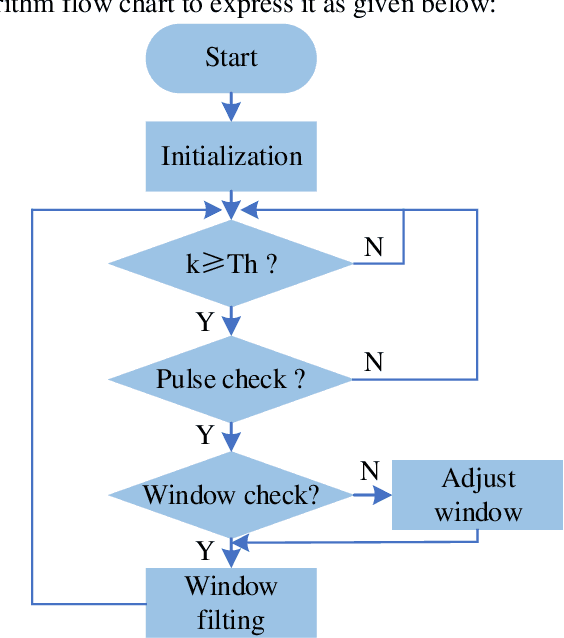
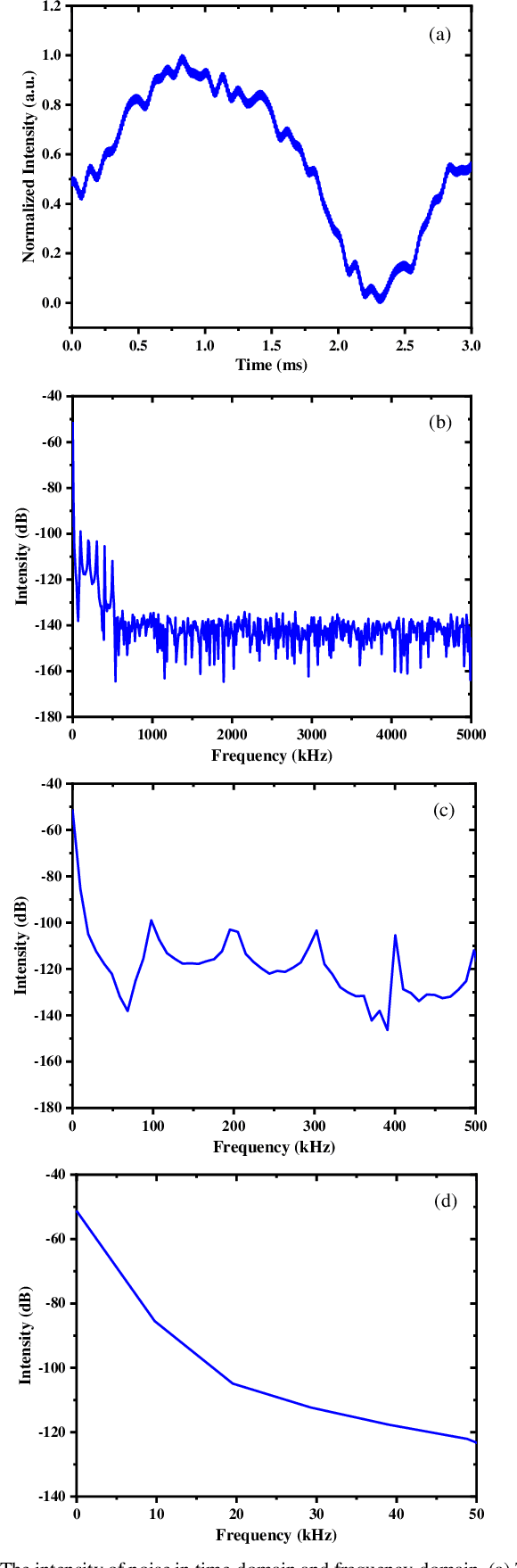
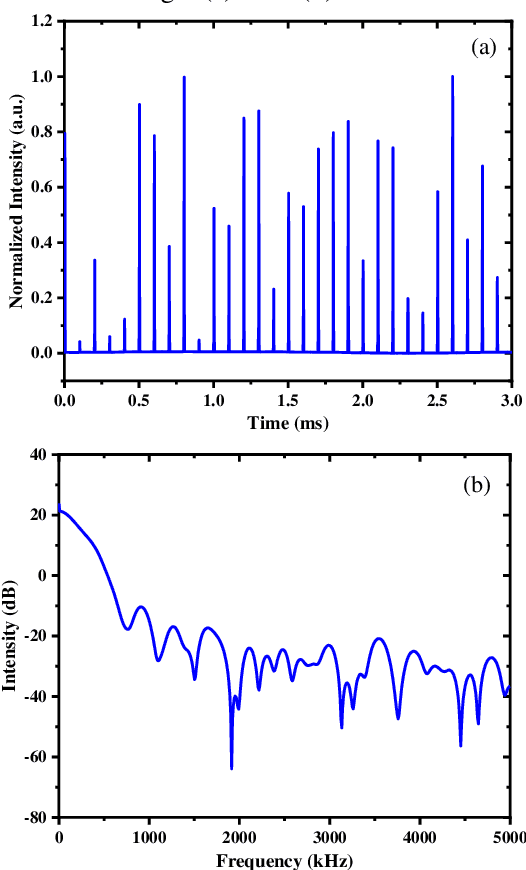
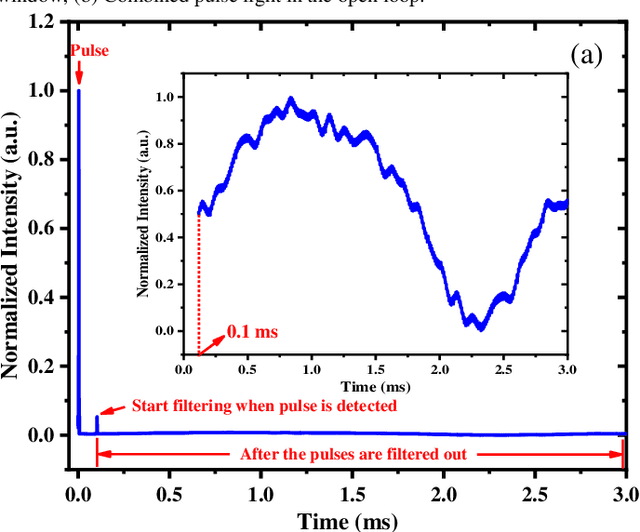
The multi-dithering method has been well verified in phase locking of polarization coherent combination experiment. However, it is hard to apply to low repetition frequency pulsed lasers, since there exists an overlap frequency domain between pulse laser and the amplitude phase noise and traditional filters cannot effectively separate phase noise. Aiming to solve the problem in this paper, we propose a novel method of pulse noise detection, identification, and filtering based on the autocorrelation characteristics between noise signals. In the proposed algorithm, a self-designed window algorithm is used to identify the pulse, and then the pulse signal group in the window is replaced by interpolation, which effectively filter the pulse signal doped in the phase noise within 0.1 ms. After filtering the pulses in the phase noise, the phase difference of two pulsed beams (10 kHz) is successfully compensated to zero in 1 ms, and the coherent combination of closed-loop phase lock is realized. At the same time, the phase correction times are few, the phase lock effect is stable, and the final light intensity increases to the ideal value (0.9 Imax).
Fourier ptychography multi-parameter neural network with composite physical priori optimization
Feb 18, 2022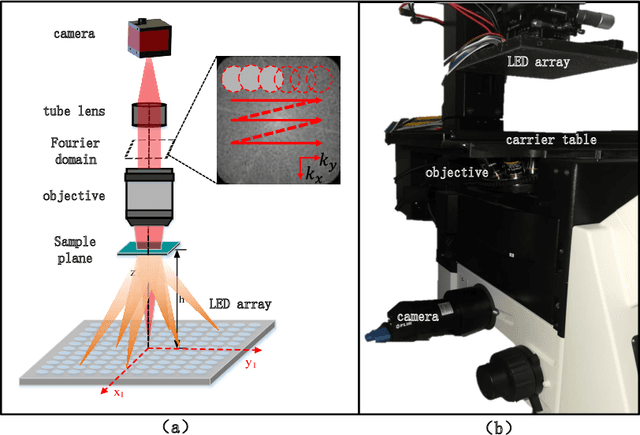
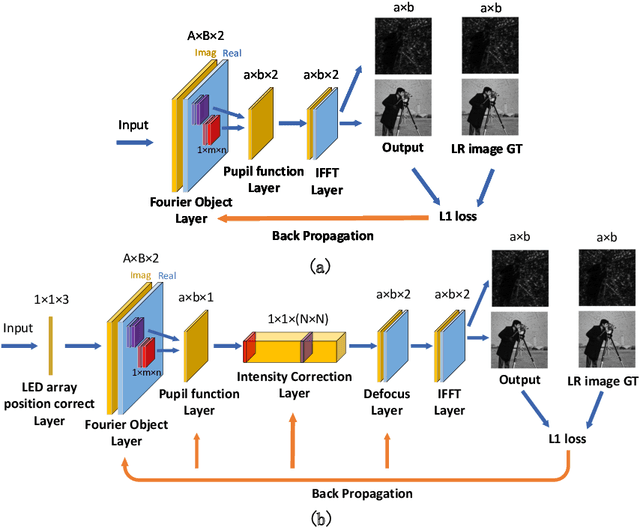
Fourier ptychography microscopy(FP) is a recently developed computational imaging approach for microscopic super-resolution imaging. By turning on each light-emitting-diode (LED) located on different position on the LED array sequentially and acquiring the corresponding images that contain different spatial frequency components, high spatial resolution and quantitative phase imaging can be achieved in the case of large field-of-view. Nevertheless, FPM has high requirements for the system construction and data acquisition processes, such as precise LEDs position, accurate focusing and appropriate exposure time, which brings many limitations to its practical applications. In this paper, inspired by artificial neural network, we propose a Fourier ptychography multi-parameter neural network (FPMN) with composite physical prior optimization. A hybrid parameter determination strategy combining physical imaging model and data-driven network training is proposed to recover the multi layers of the network corresponding to different physical parameters, including sample complex function, system pupil function, defocus distance, LED array position deviation and illumination intensity fluctuation, etc. Among these parameters, LED array position deviation is recovered based on the features of brightfield to darkfield transition low-resolution images while the others are recovered in the process of training of the neural network. The feasibility and effectiveness of FPMN are verified through simulations and actual experiments. Therefore FPMN can evidently reduce the requirement for practical applications of FPM.
Omnidirectional ghost imaging system and unwrapping-free panoramic ghost imaging
Aug 11, 2021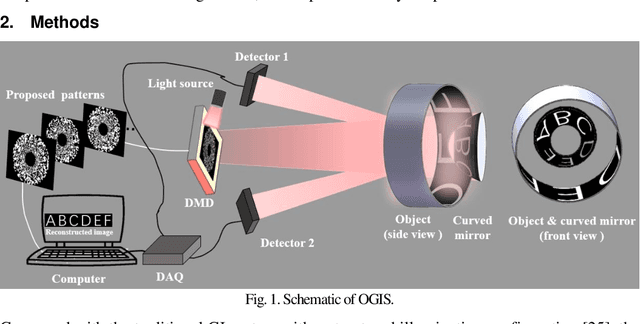
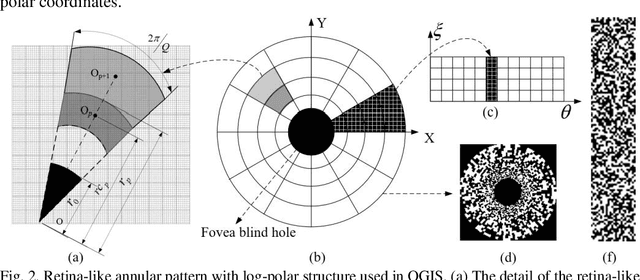
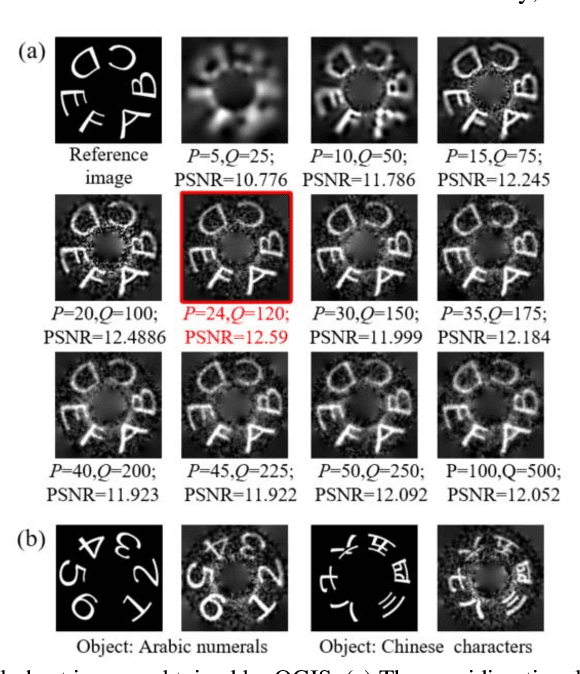
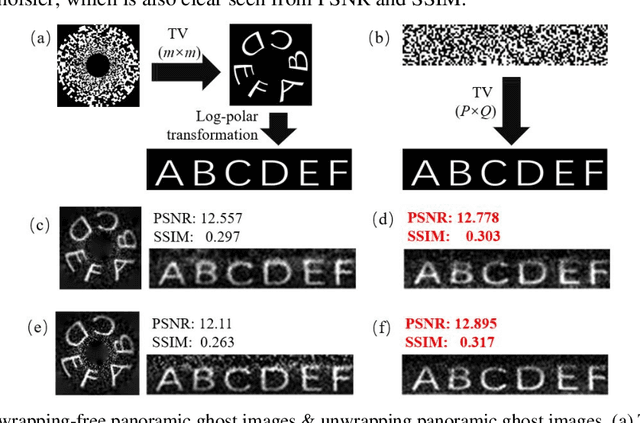
Ghost imaging (GI) is a novel imaging method, which can reconstruct the object information by the light intensity correlation measurements. However, at present, the field of view (FOV) is limited to the illuminating range of the light patterns. To enlarge FOV of GI efficiently, here we proposed the omnidirectional ghost imaging system (OGIS), which can achieve a 360{\deg} omnidirectional FOV at one shot only by adding a curved mirror. Moreover, by designing the retina-like annular patterns with log-polar patterns, OGIS can obtain unwrapping-free undistorted panoramic images with uniform resolution, which opens up a new way for the application of GI.