 Add to Chrome
 Add to Firefox
 Add to Edge
EventFace: Event-Based Face Recognition via Structure-Driven Spatiotemporal Modeling
Apr 08, 2026
Event cameras offer a promising sensing modality for face recognition due to their inherent advantages in illumination robustness and privacy-friendliness. However, because event streams lack the stable photometric appearance relied upon by conventional RGB-based face recognition systems, we argue that event-based face recognition should model structure-driven spatiotemporal identity representations shaped by rigid facial motion and individual facial geometry. Since dedicated datasets for event-based face recognition remain lacking, we construct EFace, a small-scale event-based face dataset captured under rigid facial motion. To learn effectively from this limited event data, we further propose EventFace, a framework for event-based face recognition that integrates spatial structure and temporal dynamics for identity modeling. Specifically, we employ Low-Rank Adaptation (LoRA) to transfer structural facial priors from pretrained RGB face models to the event domain, thereby establishing a reliable spatial basis for identity modeling. Building on this foundation, we further introduce a Motion Prompt Encoder (MPE) to explicitly encode temporal features and a Spatiotemporal Modulator (STM) to fuse them with spatial features, thereby enhancing the representation of identity-relevant event patterns. Extensive experiments demonstrate that EventFace achieves the best performance among the evaluated baselines, with a Rank-1 identification rate of 94.19% and an equal error rate (EER) of 5.35%. Results further indicate that EventFace exhibits stronger robustness under degraded illumination than the competing methods. In addition, the learned representations exhibit reduced template reconstructability.

A Multi-task Adversarial Attack Against Face Authentication
Aug 15, 2024Deep-learning-based identity management systems, such as face authentication systems, are vulnerable to adversarial attacks. However, existing attacks are typically designed for single-task purposes, which means they are tailored to exploit vulnerabilities unique to the individual target rather than being adaptable for multiple users or systems. This limitation makes them unsuitable for certain attack scenarios, such as morphing, universal, transferable, and counter attacks. In this paper, we propose a multi-task adversarial attack algorithm called MTADV that are adaptable for multiple users or systems. By interpreting these scenarios as multi-task attacks, MTADV is applicable to both single- and multi-task attacks, and feasible in the white- and gray-box settings. Furthermore, MTADV is effective against various face datasets, including LFW, CelebA, and CelebA-HQ, and can work with different deep learning models, such as FaceNet, InsightFace, and CurricularFace. Importantly, MTADV retains its feasibility as a single-task attack targeting a single user/system. To the best of our knowledge, MTADV is the first adversarial attack method that can target all of the aforementioned scenarios in one algorithm.
IFViT: Interpretable Fixed-Length Representation for Fingerprint Matching via Vision Transformer
Apr 12, 2024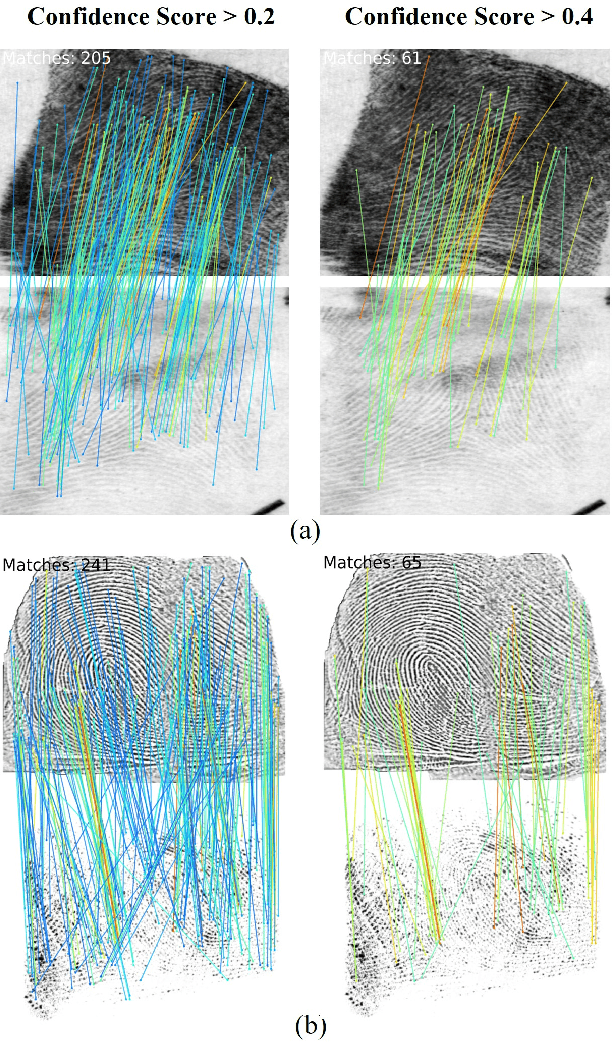
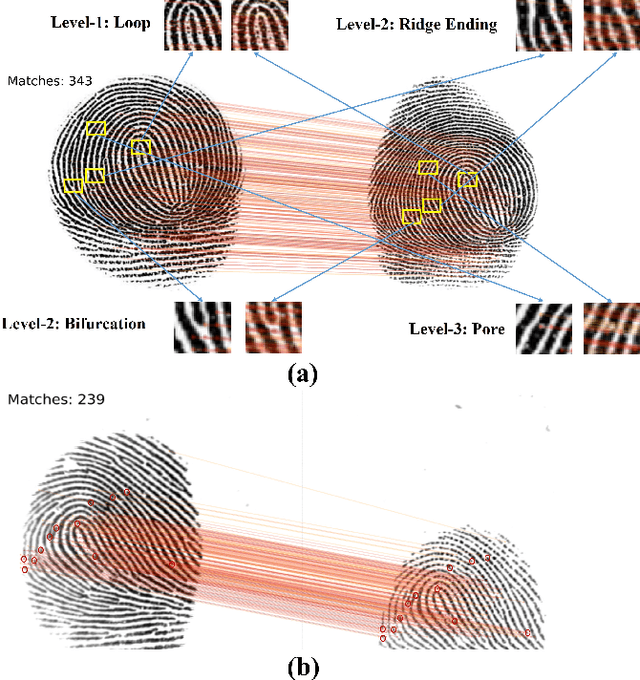
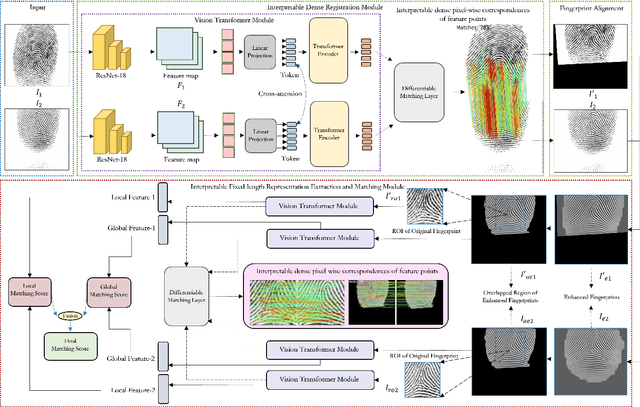
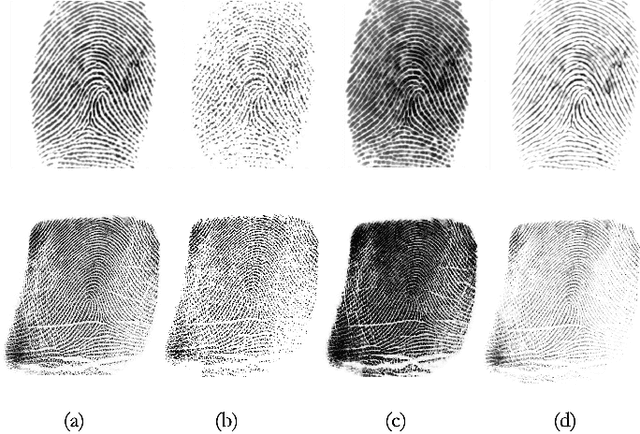
Determining dense feature points on fingerprints used in constructing deep fixed-length representations for accurate matching, particularly at the pixel level, is of significant interest. To explore the interpretability of fingerprint matching, we propose a multi-stage interpretable fingerprint matching network, namely Interpretable Fixed-length Representation for Fingerprint Matching via Vision Transformer (IFViT), which consists of two primary modules. The first module, an interpretable dense registration module, establishes a Vision Transformer (ViT)-based Siamese Network to capture long-range dependencies and the global context in fingerprint pairs. It provides interpretable dense pixel-wise correspondences of feature points for fingerprint alignment and enhances the interpretability in the subsequent matching stage. The second module takes into account both local and global representations of the aligned fingerprint pair to achieve an interpretable fixed-length representation extraction and matching. It employs the ViTs trained in the first module with the additional fully connected layer and retrains them to simultaneously produce the discriminative fixed-length representation and interpretable dense pixel-wise correspondences of feature points. Extensive experimental results on diverse publicly available fingerprint databases demonstrate that the proposed framework not only exhibits superior performance on dense registration and matching but also significantly promotes the interpretability in deep fixed-length representations-based fingerprint matching.
The Multiscenario Multienvironment BioSecure Multimodal Database (BMDB)
Nov 17, 2021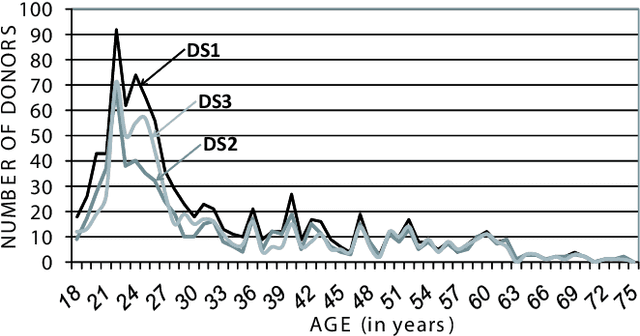
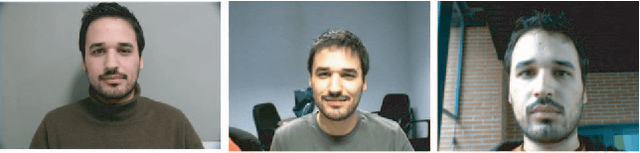
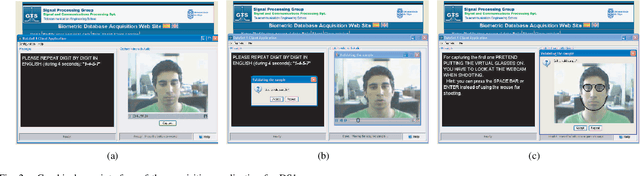
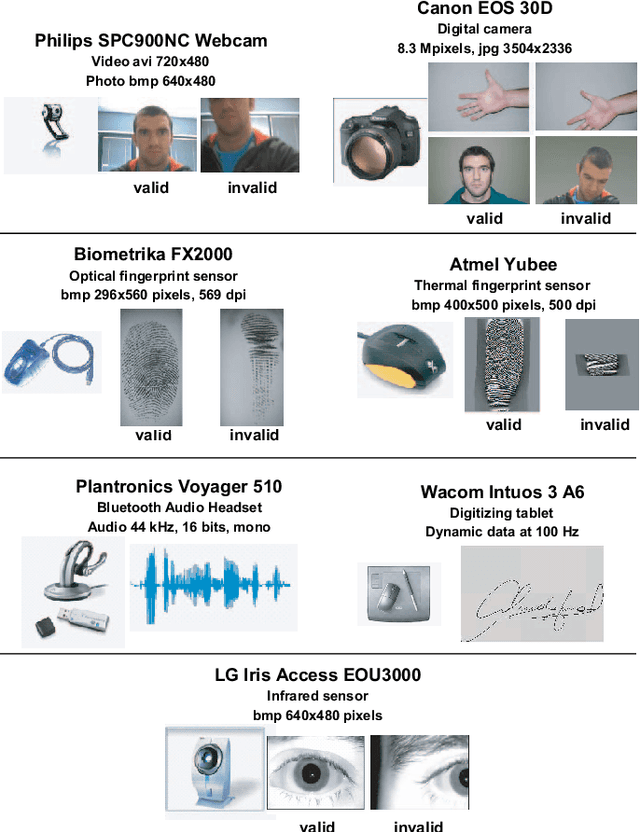
A new multimodal biometric database designed and acquired within the framework of the European BioSecure Network of Excellence is presented. It is comprised of more than 600 individuals acquired simultaneously in three scenarios: 1) over the Internet, 2) in an office environment with desktop PC, and 3) in indoor/outdoor environments with mobile portable hardware. The three scenarios include a common part of audio/video data. Also, signature and fingerprint data have been acquired both with desktop PC and mobile portable hardware. Additionally, hand and iris data were acquired in the second scenario using desktop PC. Acquisition has been conducted by 11 European institutions. Additional features of the BioSecure Multimodal Database (BMDB) are: two acquisition sessions, several sensors in certain modalities, balanced gender and age distributions, multimodal realistic scenarios with simple and quick tasks per modality, cross-European diversity, availability of demographic data, and compatibility with other multimodal databases. The novel acquisition conditions of the BMDB allow us to perform new challenging research and evaluation of either monomodal or multimodal biometric systems, as in the recent BioSecure Multimodal Evaluation campaign. A description of this campaign including baseline results of individual modalities from the new database is also given. The database is expected to be available for research purposes through the BioSecure Association during 2008
On the Reliability of Cancelable Biometrics: Revisit the Irreversibility
Oct 22, 2019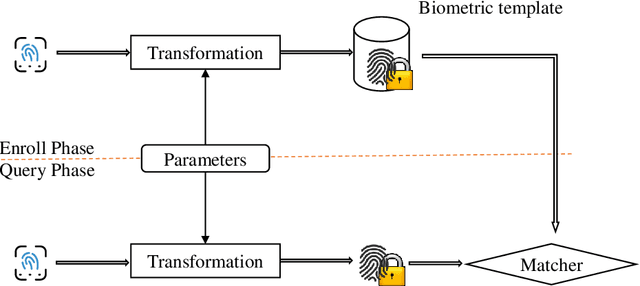
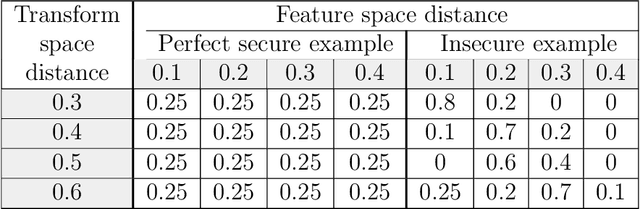
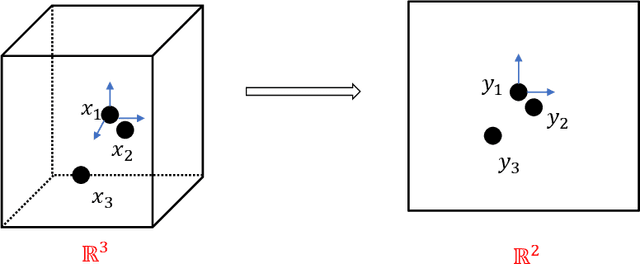
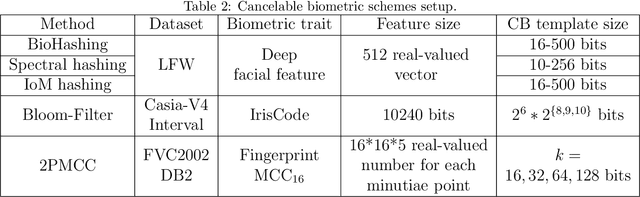
Over the years, many biometric template protection schemes, primarily based on the notion of "cancelable biometrics" have been proposed. A cancelable biometric algorithm needs to satisfy four biometric template protection criteria, i.e., irreversibility, revocability, unlinkability, and performance preservation. However, a systematic analysis of irreversibility has been often neglected. In this paper, the common distance correlation characteristic of cancelable biometrics is analyzed. Next, a similarity-based attack is formulated to break the irreversibility of cancelable biometric under the Kerckhoffs's assumption where the cancelable biometrics algorithm and parameter are known to the attackers. The irreversibility based on the mutual information is also redefined, and a framework to measure the information leakage from the distance correlation characteristic is proposed. The results achieved on face, iris, and fingerprint prove that it is theoretically hard to meet full irreversibility. To have a good biometric system, a balance has to be achieved between accuracy and security.
Face Identification using Local Ternary Tree Pattern based Spatial Structural Components
May 02, 2019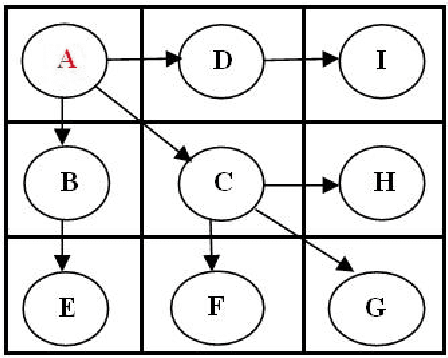
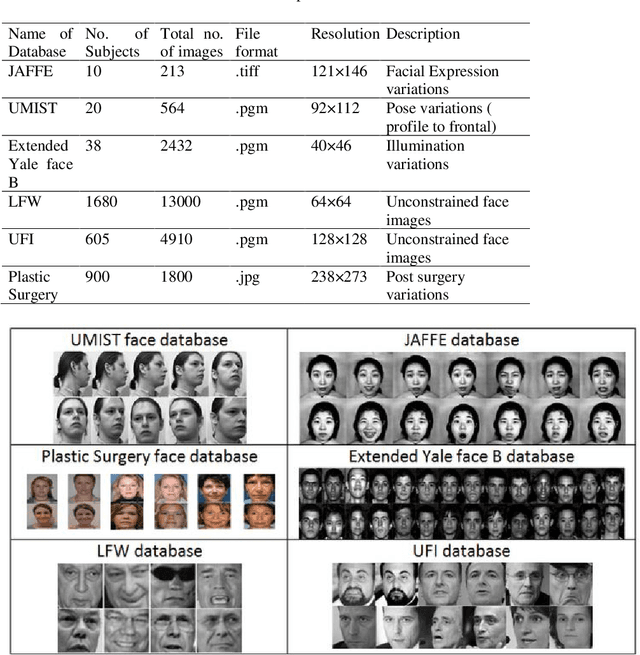
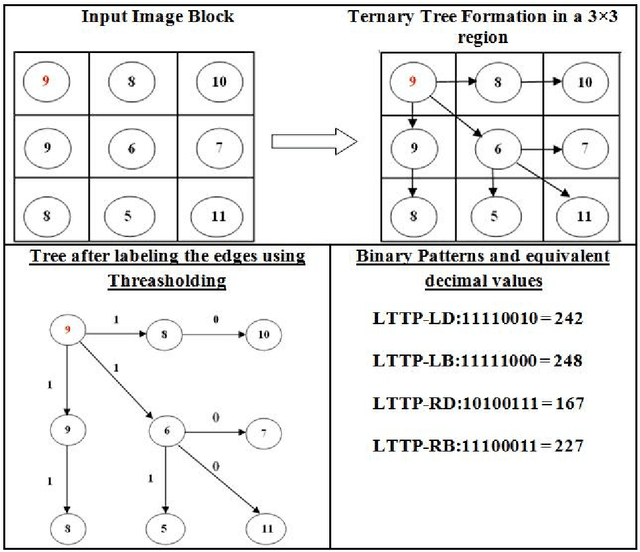
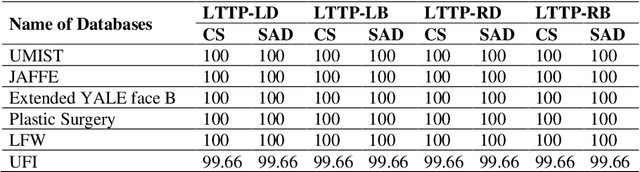
This paper reports groundbreaking results of a face identification system which makes use of a novel local descriptor called Local Ternary Tree Pattern. Devising deft and feasible local descriptors for a face image plays an emergent preface in face identification task when the system performs in presence of lots of variety of face images including constrained, unconstrained and plastic surgery images. The LTTP has been proposed to extract robust and discriminatory spatial features from a face image as this descriptor can be used to best describe the various structural components of a face. To extract the most useful features, a ternary tree is formed for each pixel with its eight neighbors. LTTP pattern can be generated in four ways: LTTP Left Depth, LTTP Left Breadth, LTTP Right Depth and LTTP Right Breadth. The encoding schemes of these four patterns generation are very simple and efficient in terms of computational complexity as well as time complexity. The proposed face identification system is tested on six face databases, namely, the UMIST, the JAFFE, the extended Yale face B, the Plastic Surgery, the LFW and the UFI. The experimental evaluation demonstrates the most outstanding results which will have long term impact in designing face identification systems considering a variety of faces captured under different environments.
A Linear-complexity Multi-biometric Forensic Document Analysis System, by Fusing the Stylome and Signature Modalities
Jan 26, 2019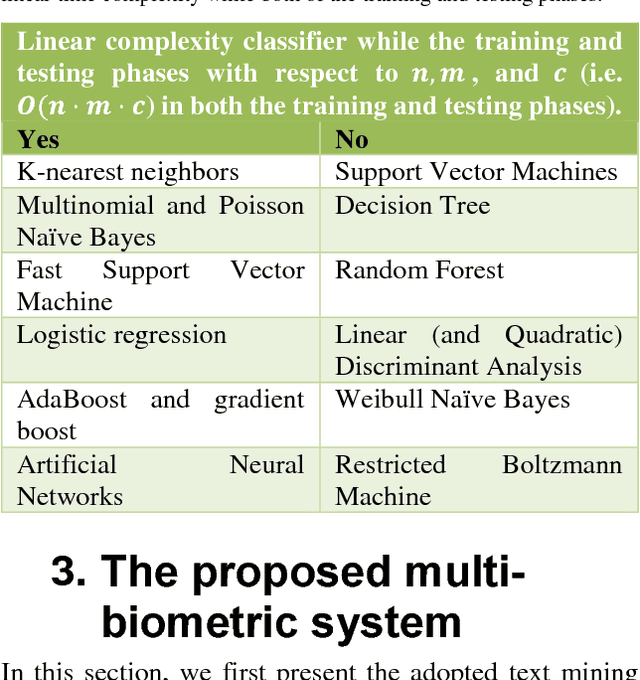
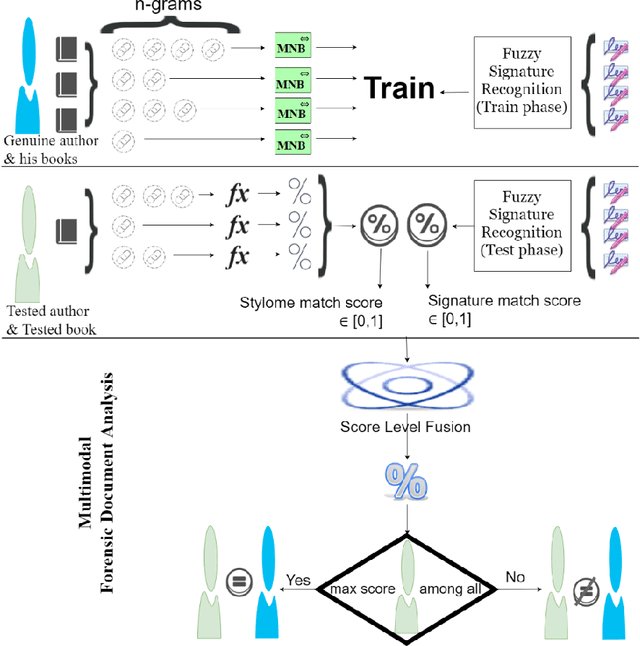
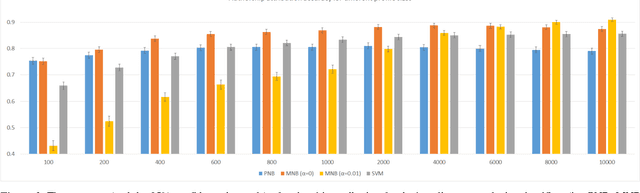
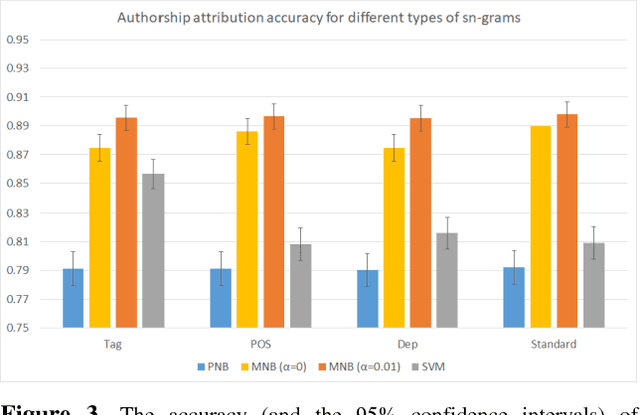
Forensic Document Analysis (FDA) addresses the problem of finding the authorship of a given document. Identification of the document writer via a number of its modalities (e.g. handwriting, signature, linguistic writing style (i.e. stylome), etc.) has been studied in the FDA state-of-the-art. But, no research is conducted on the fusion of stylome and signature modalities. In this paper, we propose such a bimodal FDA system (which has vast applications in judicial, police-related, and historical documents analysis) with a focus on time-complexity. The proposed bimodal system can be trained and tested with linear time complexity. For this purpose, we first revisit Multinomial Na\"ive Bayes (MNB), as the best state-of-the-art linear-complexity authorship attribution system and, then, prove its superior accuracy to the well-known linear-complexity classifiers in the state-of-the-art. Then, we propose a fuzzy version of MNB for being fused with a state-of-the-art well-known linear-complexity fuzzy signature recognition system. For the evaluation purposes, we construct a chimeric dataset, composed of signatures and textual contents of different letters. Despite its linear-complexity, the proposed multi-biometric system is proven to meaningfully improve its state-of-the-art unimodal counterparts, regarding the accuracy, F-Score, Detection Error Trade-off (DET), Cumulative Match Characteristics (CMC), and Match Score Histograms (MSH) evaluation metrics.
Maximized Posteriori Attributes Selection from Facial Salient Landmarks for Face Recognition
Apr 12, 2010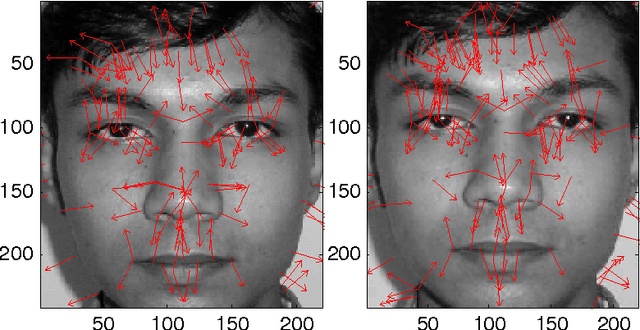
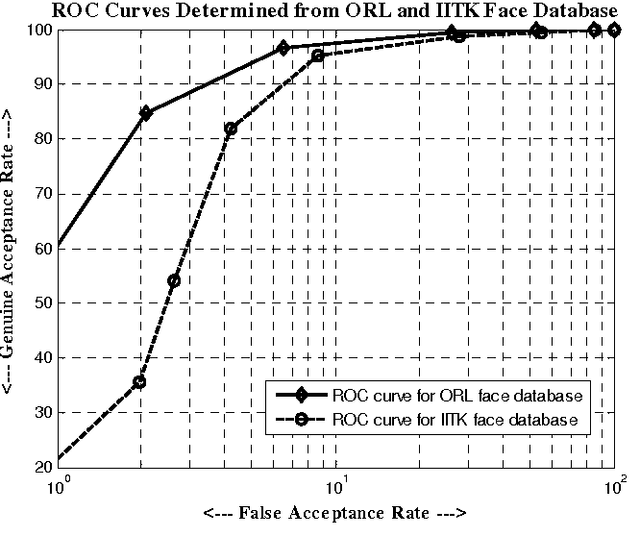
This paper presents a robust and dynamic face recognition technique based on the extraction and matching of devised probabilistic graphs drawn on SIFT features related to independent face areas. The face matching strategy is based on matching individual salient facial graph characterized by SIFT features as connected to facial landmarks such as the eyes and the mouth. In order to reduce the face matching errors, the Dempster-Shafer decision theory is applied to fuse the individual matching scores obtained from each pair of salient facial features. The proposed algorithm is evaluated with the ORL and the IITK face databases. The experimental results demonstrate the effectiveness and potential of the proposed face recognition technique also in case of partially occluded faces.
* 8 pages, 2 figures
Feature Level Fusion of Face and Fingerprint Biometrics
Feb 12, 2010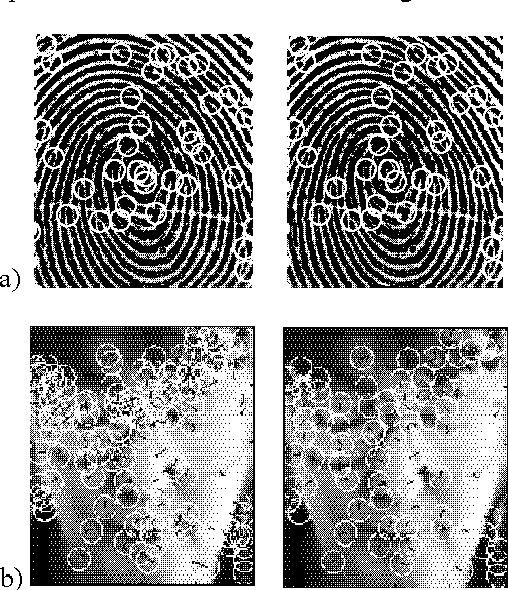
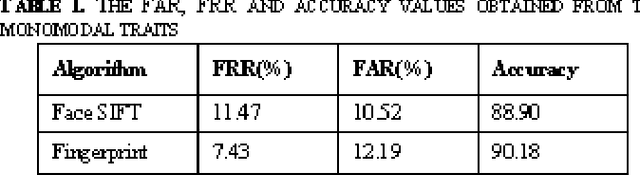
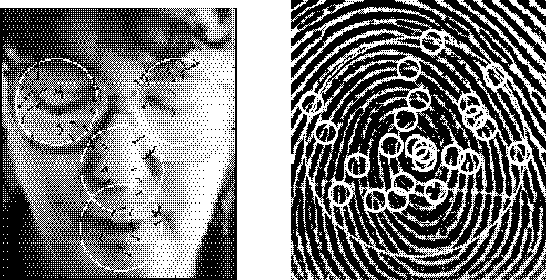
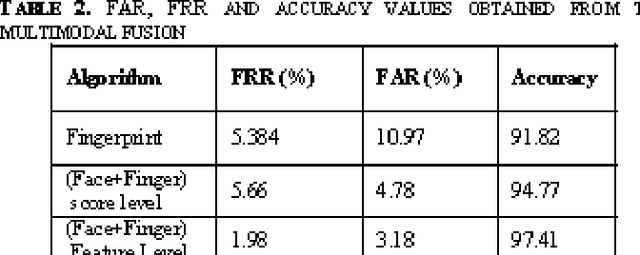
The aim of this paper is to study the fusion at feature extraction level for face and fingerprint biometrics. The proposed approach is based on the fusion of the two traits by extracting independent feature pointsets from the two modalities, and making the two pointsets compatible for concatenation. Moreover, to handle the problem of curse of dimensionality, the feature pointsets are properly reduced in dimension. Different feature reduction techniques are implemented, prior and after the feature pointsets fusion, and the results are duly recorded. The fused feature pointset for the database and the query face and fingerprint images are matched using techniques based on either the point pattern matching, or the Delaunay triangulation. Comparative experiments are conducted on chimeric and real databases, to assess the actual advantage of the fusion performed at the feature extraction level, in comparison to the matching score level.
* 6 pages, 7 figures, conference
Face Identification by SIFT-based Complete Graph Topology
Feb 02, 2010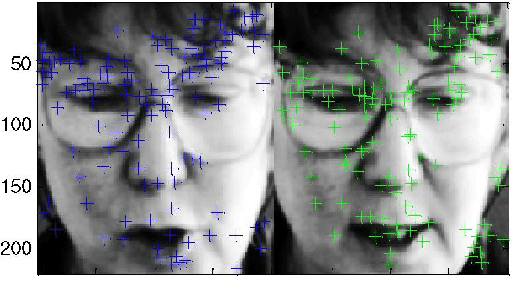
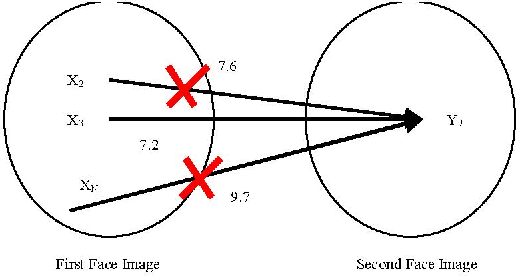
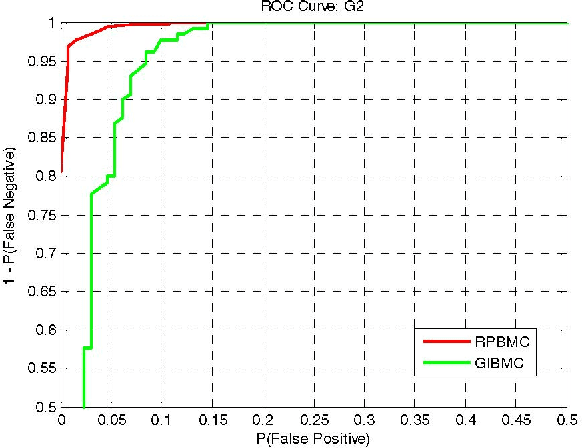
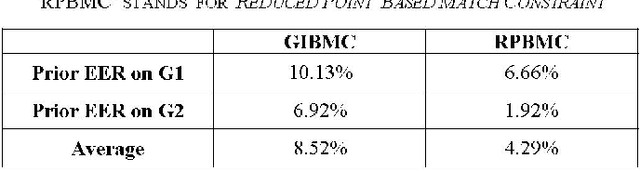
This paper presents a new face identification system based on Graph Matching Technique on SIFT features extracted from face images. Although SIFT features have been successfully used for general object detection and recognition, only recently they were applied to face recognition. This paper further investigates the performance of identification techniques based on Graph matching topology drawn on SIFT features which are invariant to rotation, scaling and translation. Face projections on images, represented by a graph, can be matched onto new images by maximizing a similarity function taking into account spatial distortions and the similarities of the local features. Two graph based matching techniques have been investigated to deal with false pair assignment and reducing the number of features to find the optimal feature set between database and query face SIFT features. The experimental results, performed on the BANCA database, demonstrate the effectiveness of the proposed system for automatic face identification.