 Add to Chrome
 Add to Firefox
 Add to Edge
SysML: The New Frontier of Machine Learning Systems
May 01, 2019
Machine learning (ML) techniques are enjoying rapidly increasing adoption. However, designing and implementing the systems that support ML models in real-world deployments remains a significant obstacle, in large part due to the radically different development and deployment profile of modern ML methods, and the range of practical concerns that come with broader adoption. We propose to foster a new systems machine learning research community at the intersection of the traditional systems and ML communities, focused on topics such as hardware systems for ML, software systems for ML, and ML optimized for metrics beyond predictive accuracy. To do this, we describe a new conference, SysML, that explicitly targets research at the intersection of systems and machine learning with a program committee split evenly between experts in systems and ML, and an explicit focus on topics at the intersection of the two.

Deep Learning Inference in Facebook Data Centers: Characterization, Performance Optimizations and Hardware Implications
Nov 29, 2018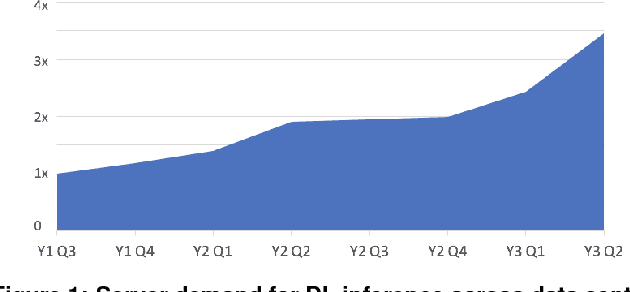
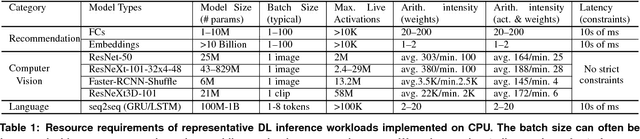
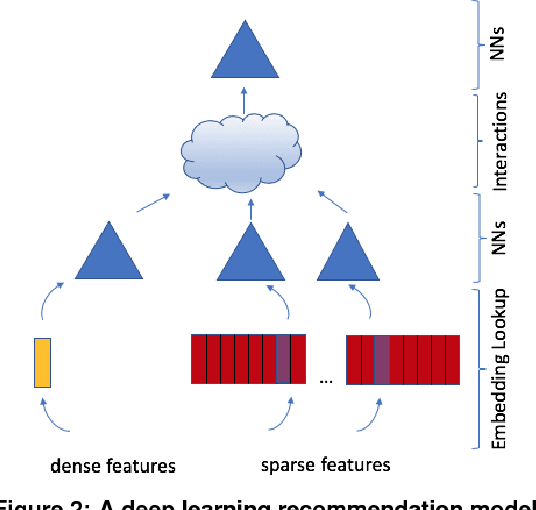
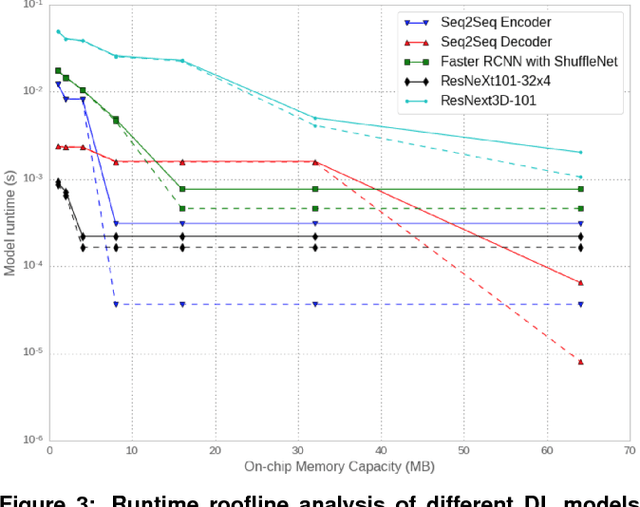
The application of deep learning techniques resulted in remarkable improvement of machine learning models. In this paper provides detailed characterizations of deep learning models used in many Facebook social network services. We present computational characteristics of our models, describe high performance optimizations targeting existing systems, point out their limitations and make suggestions for the future general-purpose/accelerated inference hardware. Also, we highlight the need for better co-design of algorithms, numerics and computing platforms to address the challenges of workloads often run in data centers.
Bandana: Using Non-volatile Memory for Storing Deep Learning Models
Nov 15, 2018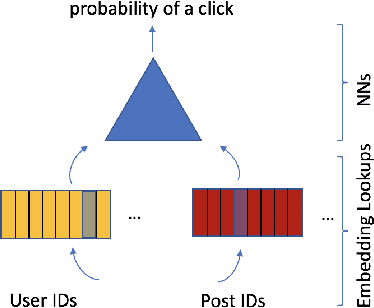
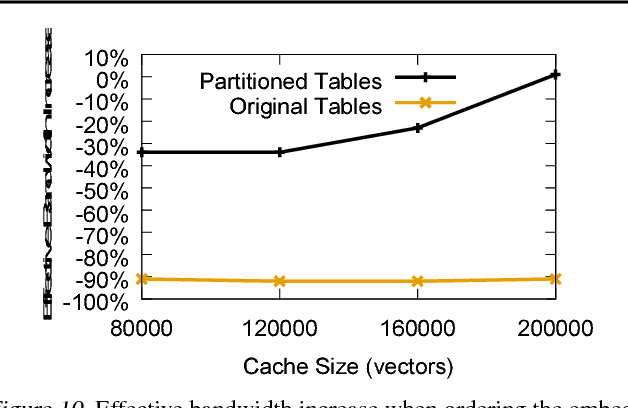
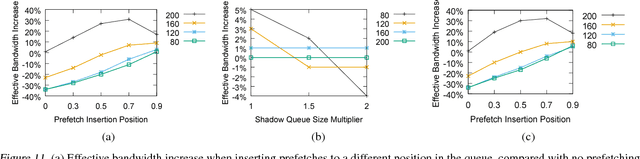
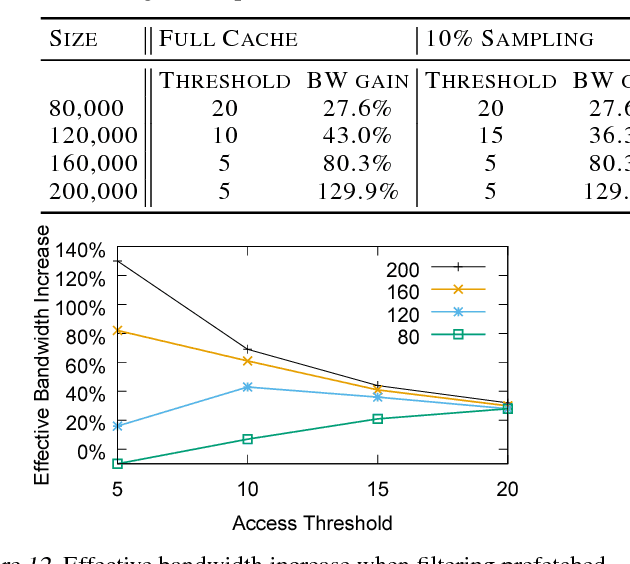
Typical large-scale recommender systems use deep learning models that are stored on a large amount of DRAM. These models often rely on embeddings, which consume most of the required memory. We present Bandana, a storage system that reduces the DRAM footprint of embeddings, by using Non-volatile Memory (NVM) as the primary storage medium, with a small amount of DRAM as cache. The main challenge in storing embeddings on NVM is its limited read bandwidth compared to DRAM. Bandana uses two primary techniques to address this limitation: first, it stores embedding vectors that are likely to be read together in the same physical location, using hypergraph partitioning, and second, it decides the number of embedding vectors to cache in DRAM by simulating dozens of small caches. These techniques allow Bandana to increase the effective read bandwidth of NVM by 2-3x and thereby significantly reduce the total cost of ownership.