 Add to Chrome
 Add to Firefox
 Add to Edge
Energy-Based Cell Association in Nonuniform Renewable Energy-Powered Cellular Networks: Analysis and Optimization of Carbon Efficiency
Jan 19, 2026
The increasing global push for carbon reduction highlights the importance of integrating renewable energy into the supply chain of cellular networks. However, due to the stochastic nature of renewable energy generation and the uneven load distribution across base stations, the utilization rate of renewable energy remains low. To address these challenges, this paper investigates the trade-off between carbon emissions and downlink throughput in cellular networks, offering insights into optimizing both network performance and sustainability. The renewable energy state of base station batteries and the number of occupied channels are modeled as a quasi-birth-death process. We construct models for the probability of channel blocking, average successful transmission probability for users, downlink throughput, carbon emissions, and carbon efficiency based on stochastic geometry. Based on these analyses, an energy-based cell association scheme is proposed to optimize the carbon efficiency of cellular networks. The results show that, compared to the closest cell association scheme, the energy-based cell association scheme is capable of reducing the carbon emissions of the network by 13.0% and improving the carbon efficiency by 11.3%.

CONet: A Cognitive Ocean Network
Jan 09, 2019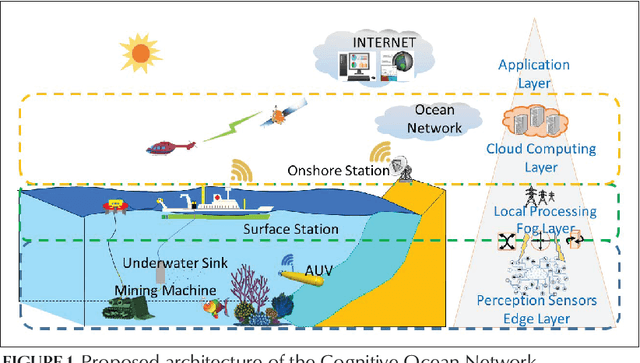
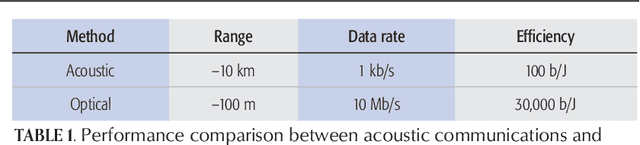
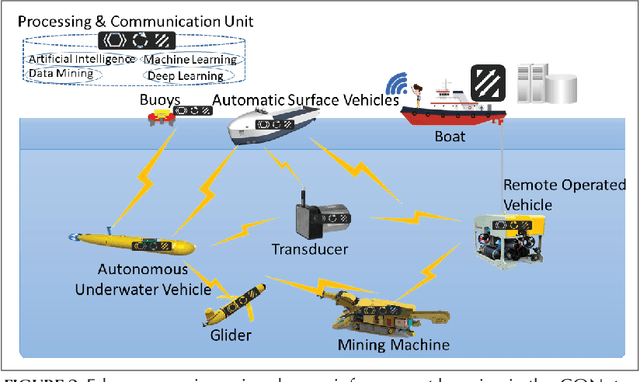
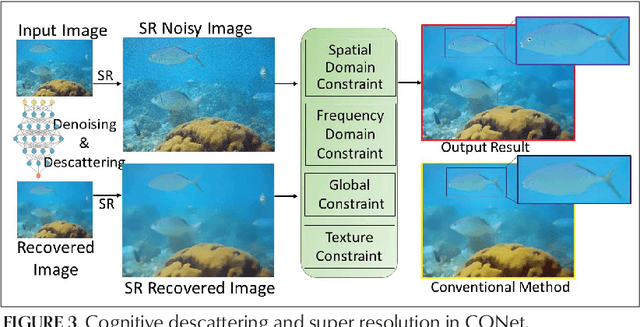
The scientific and technological revolution of the Internet of Things has begun in the area of oceanography. Historically, humans have observed the ocean from an external viewpoint in order to study it. In recent years, however, changes have occurred in the ocean, and laboratories have been built on the seafloor. Approximately 70.8% of the Earth's surface is covered by oceans and rivers. The Ocean of Things is expected to be important for disaster prevention, ocean-resource exploration, and underwater environmental monitoring. Unlike traditional wireless sensor networks, the Ocean Network has its own unique features, such as low reliability and narrow bandwidth. These features will be great challenges for the Ocean Network. Furthermore, the integration of the Ocean Network with artificial intelligence has become a topic of increasing interest for oceanology researchers. The Cognitive Ocean Network (CONet) will become the mainstream of future ocean science and engineering developments. In this article, we define the CONet. The contributions of the paper are as follows: (1) a CONet architecture is proposed and described in detail; (2) important and useful demonstration applications of the CONet are proposed; and (3) future trends in CONet research are presented.