 Add to Chrome
 Add to Firefox
 Add to Edge
International AI Safety Report
Jan 29, 2025
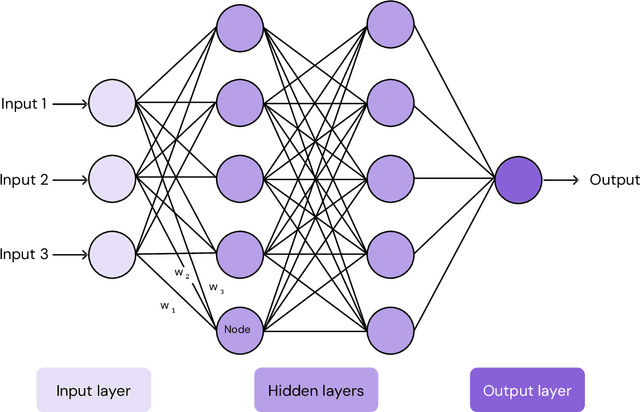
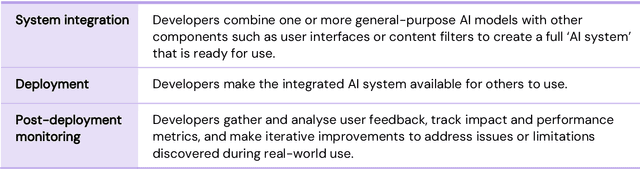

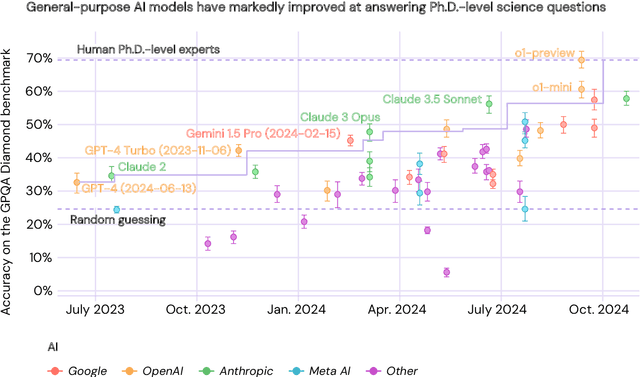
The first International AI Safety Report comprehensively synthesizes the current evidence on the capabilities, risks, and safety of advanced AI systems. The report was mandated by the nations attending the AI Safety Summit in Bletchley, UK. Thirty nations, the UN, the OECD, and the EU each nominated a representative to the report's Expert Advisory Panel. A total of 100 AI experts contributed, representing diverse perspectives and disciplines. Led by the report's Chair, these independent experts collectively had full discretion over the report's content.

AI and the Future of Work in Africa White Paper
Nov 15, 2024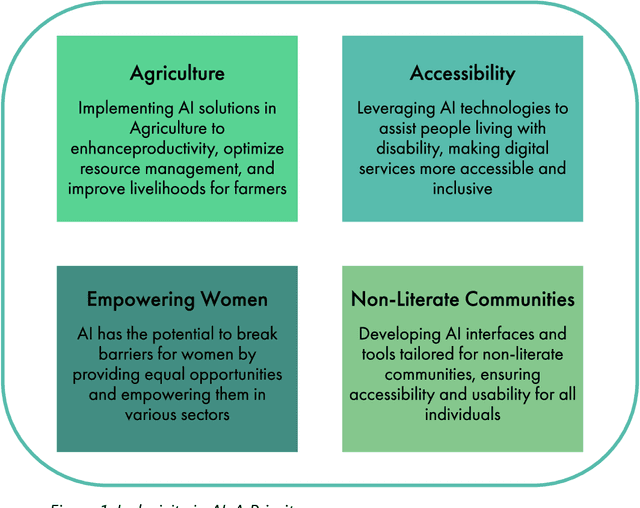

This white paper is the output of a multidisciplinary workshop in Nairobi (Nov 2023). Led by a cross-organisational team including Microsoft Research, NEPAD, Lelapa AI, and University of Oxford. The workshop brought together diverse thought-leaders from various sectors and backgrounds to discuss the implications of Generative AI for the future of work in Africa. Discussions centred around four key themes: Macroeconomic Impacts; Jobs, Skills and Labour Markets; Workers' Perspectives and Africa-Centris AI Platforms. The white paper provides an overview of the current state and trends of generative AI and its applications in different domains, as well as the challenges and risks associated with its adoption and regulation. It represents a diverse set of perspectives to create a set of insights and recommendations which aim to encourage debate and collaborative action towards creating a dignified future of work for everyone across Africa.
African Democracy in the Era of Generative Disinformation: Challenges and Countermeasures against AI-Generated Propaganda
Jul 10, 2024In light of prominent discourse around the negative implications of generative AI, an emerging area of research is investigating the current and estimated impacts of AI-generated propaganda on African citizens participating in elections. Throughout Africa, there have already been suspected cases of AI-generated propaganda influencing electoral outcomes or precipitating coups in countries like Nigeria, Burkina Faso, and Gabon, underscoring the need for comprehensive research in this domain. This paper aims to highlight the risks associated with the spread of generative AI-driven disinformation within Africa while concurrently examining the roles of government, civil society, academia, and the general public in the responsible development, practical use, and robust governance of AI. To understand how African governments might effectively counteract the impact of AI-generated propaganda, this paper presents case studies illustrating the current usage of generative AI for election-related propaganda in Africa. Subsequently, this paper discusses efforts by fact-checking organisations to mitigate the negative impacts of disinformation, explores the potential for new initiatives to actively engage citizens in literacy efforts to combat disinformation spread, and advocates for increased governmental regulatory measures. Overall, this research seeks to increase comprehension of the potential ramifications of AI-generated propaganda on democratic processes within Africa and propose actionable strategies for stakeholders to address these multifaceted challenges.
Recent Advances, Applications, and Open Challenges in Machine Learning for Health: Reflections from Research Roundtables at ML4H 2023 Symposium
Mar 03, 2024The third ML4H symposium was held in person on December 10, 2023, in New Orleans, Louisiana, USA. The symposium included research roundtable sessions to foster discussions between participants and senior researchers on timely and relevant topics for the \ac{ML4H} community. Encouraged by the successful virtual roundtables in the previous year, we organized eleven in-person roundtables and four virtual roundtables at ML4H 2022. The organization of the research roundtables at the conference involved 17 Senior Chairs and 19 Junior Chairs across 11 tables. Each roundtable session included invited senior chairs (with substantial experience in the field), junior chairs (responsible for facilitating the discussion), and attendees from diverse backgrounds with interest in the session's topic. Herein we detail the organization process and compile takeaways from these roundtable discussions, including recent advances, applications, and open challenges for each topic. We conclude with a summary and lessons learned across all roundtables. This document serves as a comprehensive review paper, summarizing the recent advancements in machine learning for healthcare as contributed by foremost researchers in the field.
Towards a Praxis for Intercultural Ethics in Explainable AI
Apr 25, 2023Explainable AI (XAI) is often promoted with the idea of helping users understand how machine learning models function and produce predictions. Still, most of these benefits are reserved for those with specialized domain knowledge, such as machine learning developers. Recent research has argued that making AI explainable can be a viable way of making AI more useful in real-world contexts, especially within low-resource domains in the Global South. While AI has transcended borders, a limited amount of work focuses on democratizing the concept of explainable AI to the "majority world", leaving much room to explore and develop new approaches within this space that cater to the distinct needs of users within culturally and socially-diverse regions. This article introduces the concept of an intercultural ethics approach to AI explainability. It examines how cultural nuances impact the adoption and use of technology, the factors that impede how technical concepts such as AI are explained, and how integrating an intercultural ethics approach in the development of XAI can improve user understanding and facilitate efficient usage of these methods.