 Add to Chrome
 Add to Firefox
 Add to Edge
MMIR-TCM: Memory-Integrated Multimodal Inference and Retrieval for TCM Clinical Decision Support
Jul 02, 2026
Traditional Chinese Medicine (TCM) diagnosis, particularly through tongue inspection, faces persistent challenges in subjectivity and reproducibility. The application of multimodal artificial intelligence to TCM clinical tasks, such as syndrome differentiation and prescription generation, is significantly hampered by the semantic gap between visual tongue features and textual reasoning, as well as the lack of large-scale, standardized datasets. To address these challenges, we introduce MMIR-TCM, a novel framework that emulates the diagnostic process of TCM experts by integrating multimodal large language model(MLLM) with memory-augmented segmentation and retrieval-augmented generation (RAG). Employing a three-stage architecture, MMIR-TCM integrates a training-free Memory-SAM module for robust tongue extraction, a fine-tuned Qwen3-VL model for structured tongue diagnosis generation, and a Qwen3-based RAG component for evidence-grounded clinical decision support generation. The framework was developed and validated using MedTCM, a new large-scale multimodal dataset that we introduce specifically for advanced TCM research. To properly evaluate our framework's clinical accuracy, which existing metrics fail to capture, we also developed TDEU, a domain-specific evaluation metric incorporating semantic understanding and diagnostic importance. Our comprehensive experiments demonstrate that MMIR-TCM significantly outperforms leading models, including GPT-4o and Gemini 2.5 Flash.

Mapping the maturation of TCM as an adjuvant to radiotherapy
Jan 17, 2026The integration of complementary medicine into oncology represents a paradigm shift that has seen to increasing adoption of Traditional Chinese Medicine (TCM) as an adjuvant to radiotherapy. About twenty-five years since the formal institutionalization of integrated oncology, it is opportune to synthesize the trajectory of evidence for TCM as an adjuvant to radiotherapy. Here we conduct a large-scale analysis of 69,745 publications (2000 - 2025), emerging a cyclical evolution defined by coordinated expansion and contraction in publication output, international collaboration, and funding commitments that mirrors a define-ideate-test pattern. Using a theme modeling workflow designed to determine a stable thematic structure of the field, we identify five dominant thematic axes - cancer types, supportive care, clinical endpoints, mechanisms, and methodology - that signal a focus on patient well-being, scientific rigor and mechanistic exploration. Cross-theme integration of TCM is patient-centered and systems-oriented. Together with the emergent cycles of evolution, the thematic structure demonstrates progressive specialization and potential defragmentation of the field or saturation of existing research agenda. The analysis points to a field that has matured its current research agenda and is likely at the cusp of something new. Additionally, the field exhibits positive reporting of findings that is homogeneous across publication types, thematic areas, and the cycles of evolution suggesting a system-wide positive reporting bias agnostic to structural drivers.
COVID-19: post infection implications in different age groups, mechanism, diagnosis, effective prevention, treatment, and recommendations
Jun 02, 2024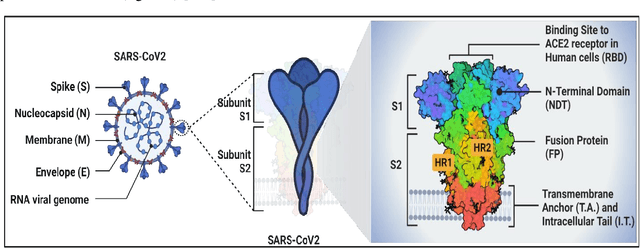
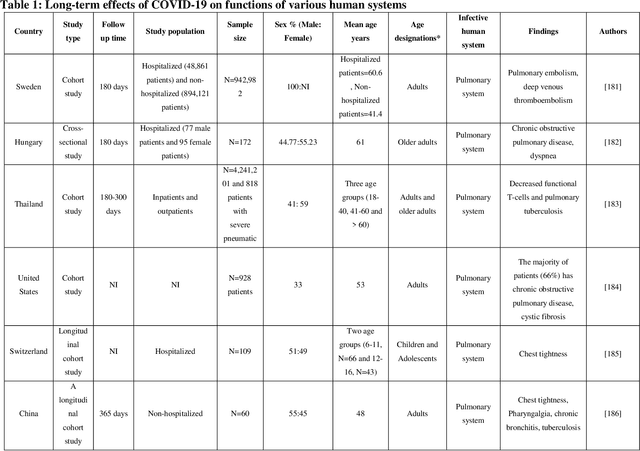
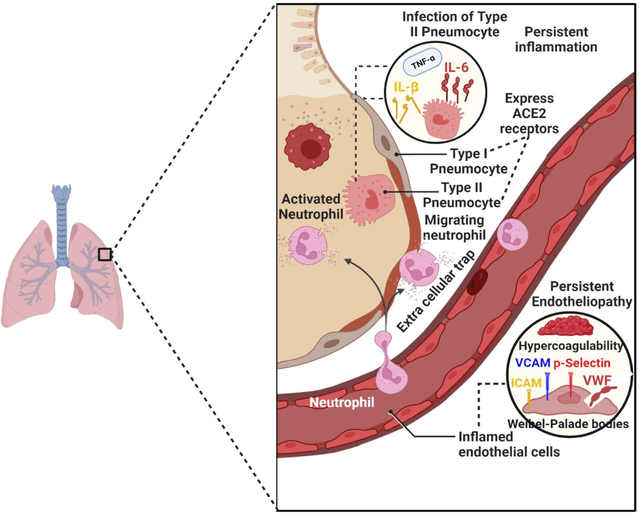
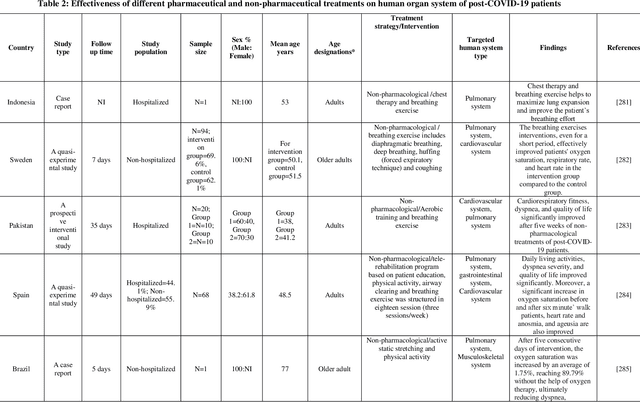
SARS-CoV-2, the highly contagious pathogen responsible for the COVID-19 pandemic, has persistent effects that begin four weeks after initial infection and last for an undetermined duration. These chronic effects are more harmful than acute ones. This review explores the long-term impact of the virus on various human organs, including the pulmonary, cardiovascular, neurological, reproductive, gastrointestinal, musculoskeletal, endocrine, and lymphoid systems, particularly in older adults. Regarding diagnosis, RT-PCR is the gold standard for detecting COVID-19, though it requires specialized equipment, skilled personnel, and considerable time to produce results. To address these limitations, artificial intelligence in imaging and microfluidics technologies offers promising alternatives for diagnosing COVID-19 efficiently. Pharmacological and non-pharmacological strategies are effective in mitigating the persistent impacts of COVID-19. These strategies enhance immunity in post-COVID-19 patients by reducing cytokine release syndrome, improving T cell response, and increasing the circulation of activated natural killer and CD8 T cells in blood and tissues. This, in turn, alleviates symptoms such as fever, nausea, fatigue, muscle weakness, and pain. Vaccines, including inactivated viral, live attenuated viral, protein subunit, viral vectored, mRNA, DNA, and nanoparticle vaccines, significantly reduce the adverse long-term effects of the virus. However, no vaccine has been reported to provide lifetime protection against COVID-19. Consequently, protective measures such as physical distancing, mask usage, and hand hygiene remain essential strategies. This review offers a comprehensive understanding of the persistent effects of COVID-19 on individuals of varying ages, along with insights into diagnosis, treatment, vaccination, and future preventative measures against the spread of SARS-CoV-2.
Deep learning radiomics for assessment of gastroesophageal varices in people with compensated advanced chronic liver disease
Jun 13, 2023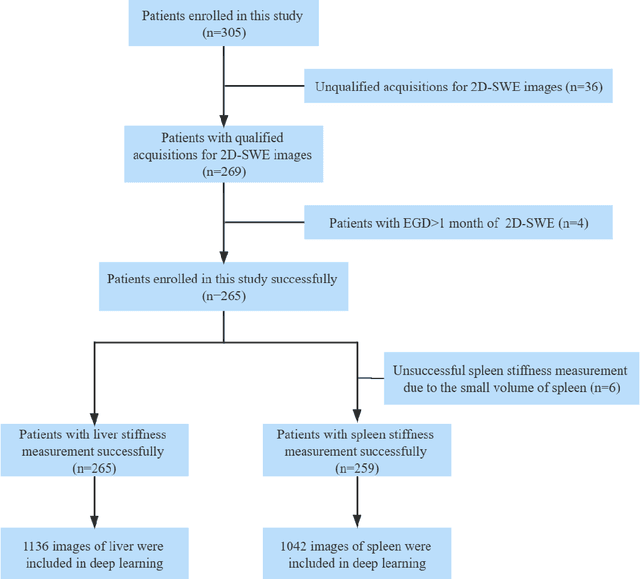
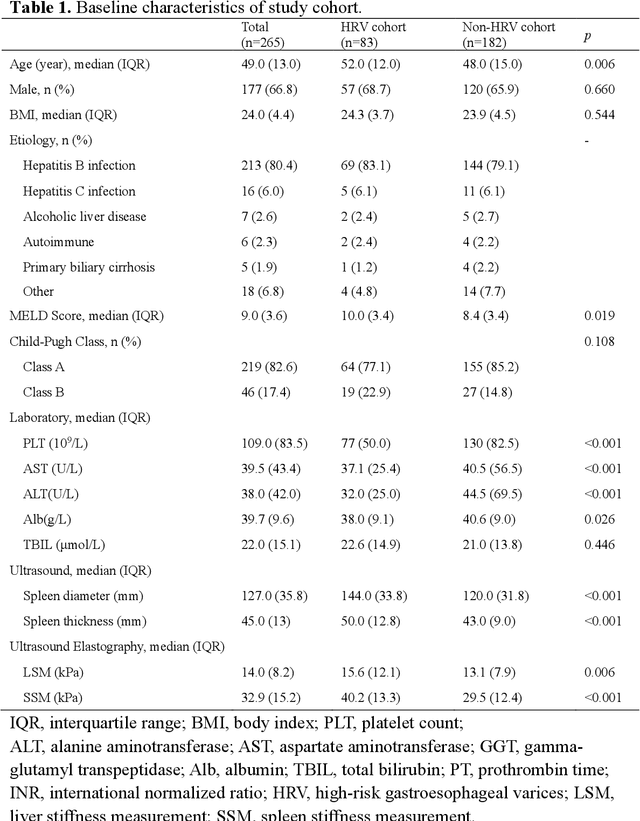
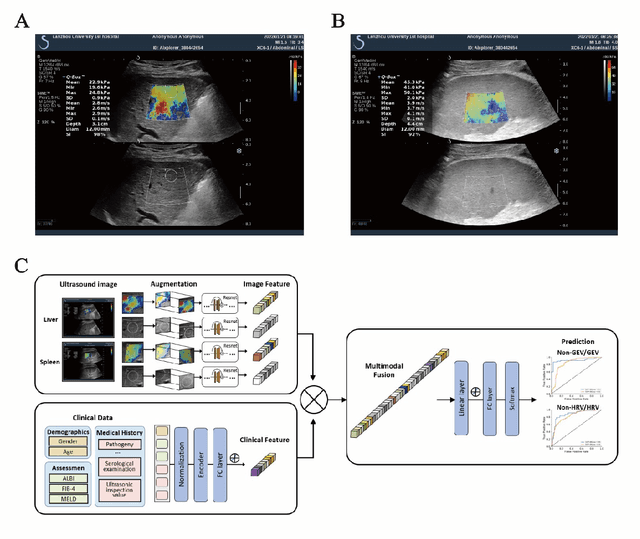
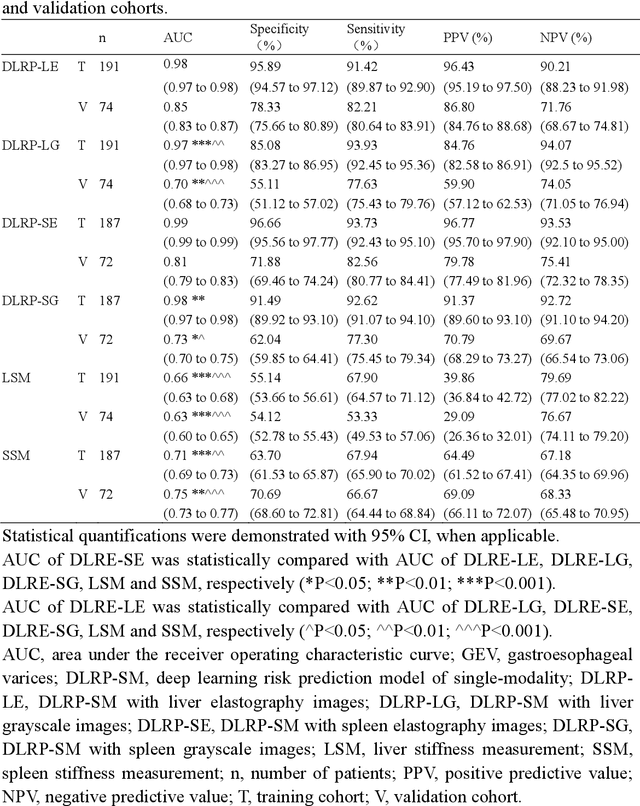
Objective: Bleeding from gastroesophageal varices (GEV) is a medical emergency associated with high mortality. We aim to construct an artificial intelligence-based model of two-dimensional shear wave elastography (2D-SWE) of the liver and spleen to precisely assess the risk of GEV and high-risk gastroesophageal varices (HRV). Design: A prospective multicenter study was conducted in patients with compensated advanced chronic liver disease. 305 patients were enrolled from 12 hospitals, and finally 265 patients were included, with 1136 liver stiffness measurement (LSM) images and 1042 spleen stiffness measurement (SSM) images generated by 2D-SWE. We leveraged deep learning methods to uncover associations between image features and patient risk, and thus conducted models to predict GEV and HRV. Results: A multi-modality Deep Learning Risk Prediction model (DLRP) was constructed to assess GEV and HRV, based on LSM and SSM images, and clinical information. Validation analysis revealed that the AUCs of DLRP were 0.91 for GEV (95% CI 0.90 to 0.93, p < 0.05) and 0.88 for HRV (95% CI 0.86 to 0.89, p < 0.01), which were significantly and robustly better than canonical risk indicators, including the value of LSM and SSM. Moreover, DLPR was better than the model using individual parameters, including LSM and SSM images. In HRV prediction, the 2D-SWE images of SSM outperform LSM (p < 0.01). Conclusion: DLRP shows excellent performance in predicting GEV and HRV over canonical risk indicators LSM and SSM. Additionally, the 2D-SWE images of SSM provided more information for better accuracy in predicting HRV than the LSM.