 Add to Chrome
 Add to Firefox
 Add to Edge
Privacy-preserving Traffic Flow Prediction: A Federated Learning Approach
Mar 19, 2020
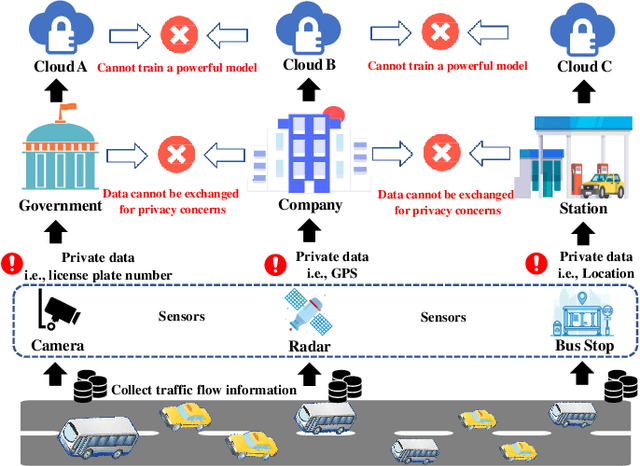
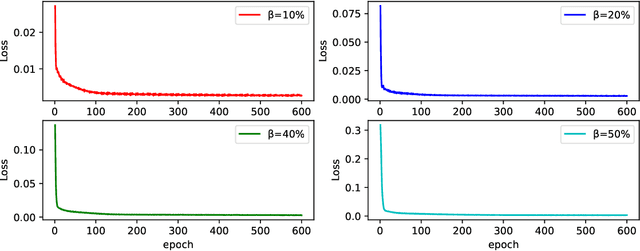
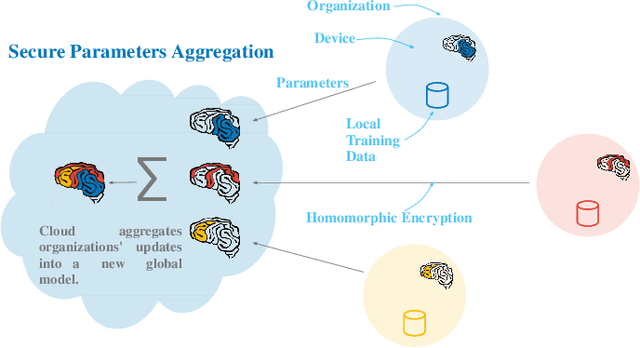
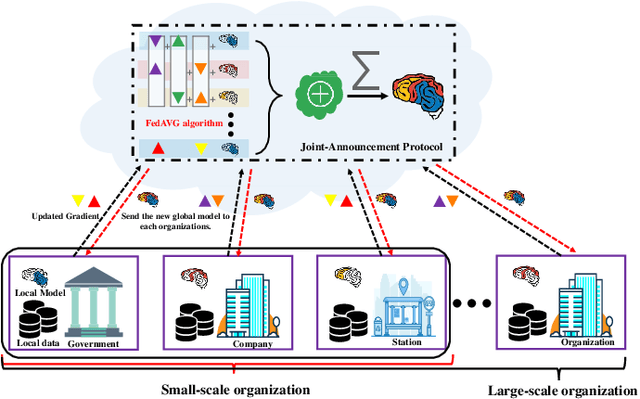
Existing traffic flow forecasting approaches by deep learning models achieve excellent success based on a large volume of datasets gathered by governments and organizations. However, these datasets may contain lots of user's private data, which is challenging the current prediction approaches as user privacy is calling for the public concern in recent years. Therefore, how to develop accurate traffic prediction while preserving privacy is a significant problem to be solved, and there is a trade-off between these two objectives. To address this challenge, we introduce a privacy-preserving machine learning technique named federated learning and propose a Federated Learning-based Gated Recurrent Unit neural network algorithm (FedGRU) for traffic flow prediction. FedGRU differs from current centralized learning methods and updates universal learning models through a secure parameter aggregation mechanism rather than directly sharing raw data among organizations. In the secure parameter aggregation mechanism, we adopt a Federated Averaging algorithm to reduce the communication overhead during the model parameter transmission process. Furthermore, we design a Joint Announcement Protocol to improve the scalability of FedGRU. We also propose an ensemble clustering-based scheme for traffic flow prediction by grouping the organizations into clusters before applying FedGRU algorithm. Through extensive case studies on a real-world dataset, it is shown that FedGRU's prediction accuracy is 90.96% higher than the advanced deep learning models, which confirm that FedGRU can achieve accurate and timely traffic prediction without compromising the privacy and security of raw data.

A Social Spider Algorithm for Solving the Non-convex Economic Load Dispatch Problem
Jul 27, 2015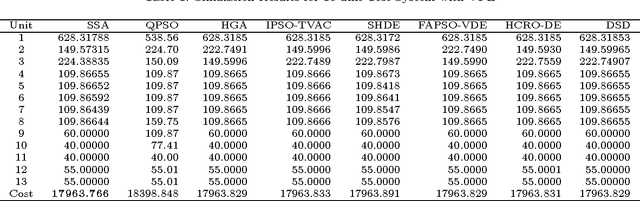
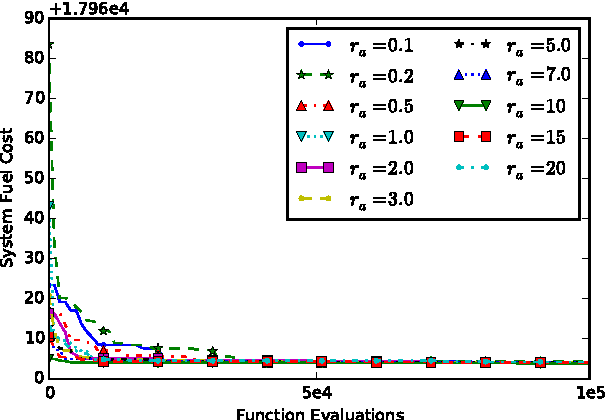
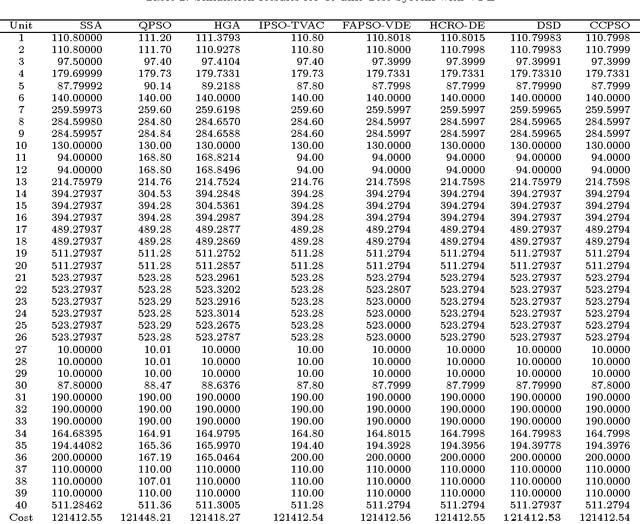
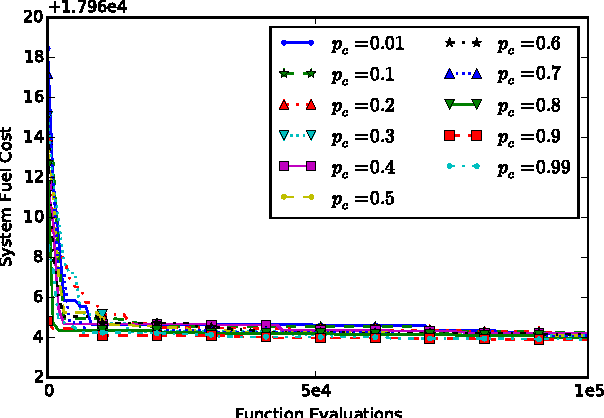
Economic Load Dispatch (ELD) is one of the essential components in power system control and operation. Although conventional ELD formulation can be solved using mathematical programming techniques, modern power system introduces new models of the power units which are non-convex, non-differentiable, and sometimes non-continuous. In order to solve such non-convex ELD problems, in this paper we propose a new approach based on the Social Spider Algorithm (SSA). The classical SSA is modified and enhanced to adapt to the unique characteristics of ELD problems, e.g., valve-point effects, multi-fuel operations, prohibited operating zones, and line losses. To demonstrate the superiority of our proposed approach, five widely-adopted test systems are employed and the simulation results are compared with the state-of-the-art algorithms. In addition, the parameter sensitivity is illustrated by a series of simulations. The simulation results show that SSA can solve ELD problems effectively and efficiently.
Adaptive Chemical Reaction Optimization for Global Numerical Optimization
Jul 09, 2015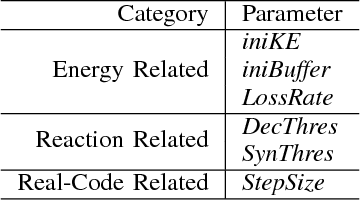
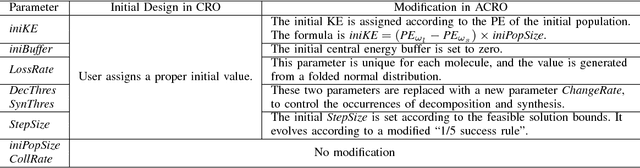
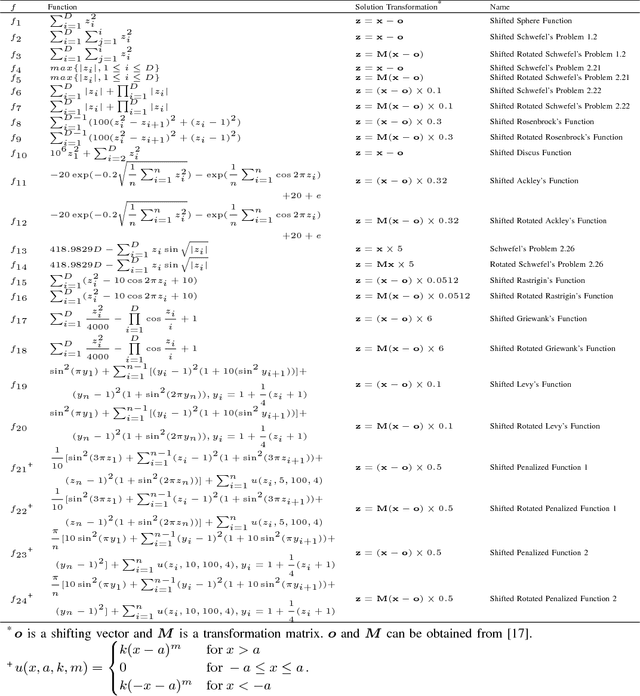
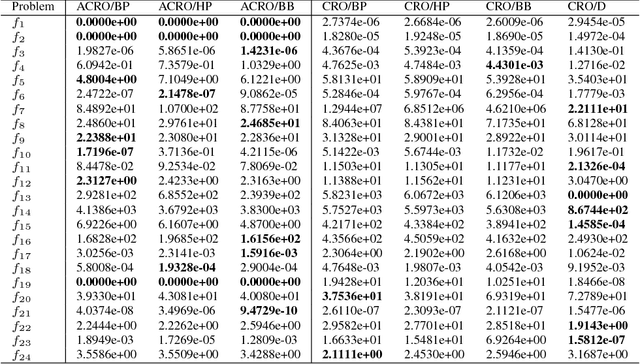
A newly proposed chemical-reaction-inspired metaheurisic, Chemical Reaction Optimization (CRO), has been applied to many optimization problems in both discrete and continuous domains. To alleviate the effort in tuning parameters, this paper reduces the number of optimization parameters in canonical CRO and develops an adaptive scheme to evolve them. Our proposed Adaptive CRO (ACRO) adapts better to different optimization problems. We perform simulations with ACRO on a widely-used benchmark of continuous problems. The simulation results show that ACRO has superior performance over canonical CRO.
Parameter Sensitivity Analysis of Social Spider Algorithm
Jul 09, 2015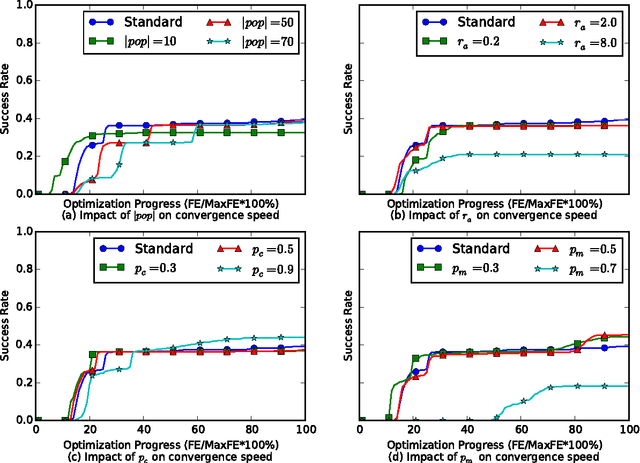
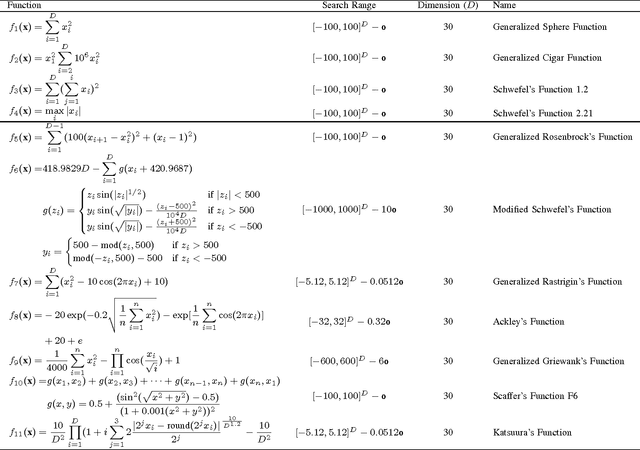
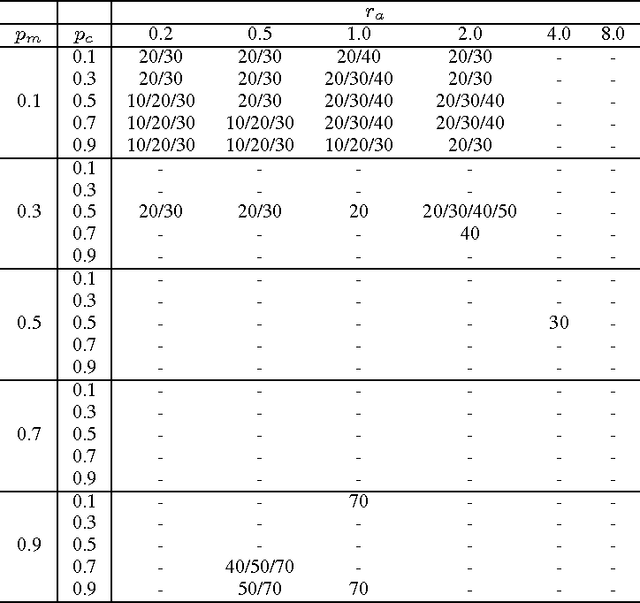
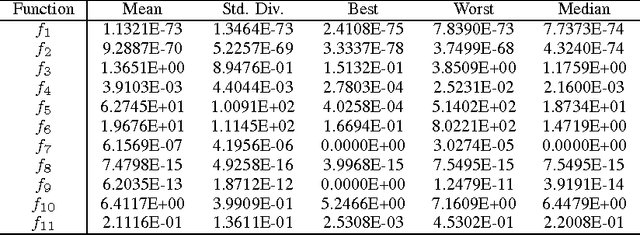
Social Spider Algorithm (SSA) is a recently proposed general-purpose real-parameter metaheuristic designed to solve global numerical optimization problems. This work systematically benchmarks SSA on a suite of 11 functions with different control parameters. We conduct parameter sensitivity analysis of SSA using advanced non-parametric statistical tests to generate statistically significant conclusion on the best performing parameter settings. The conclusion can be adopted in future work to reduce the effort in parameter tuning. In addition, we perform a success rate test to reveal the impact of the control parameters on the convergence speed of the algorithm.
A Social Spider Algorithm for Global Optimization
Feb 09, 2015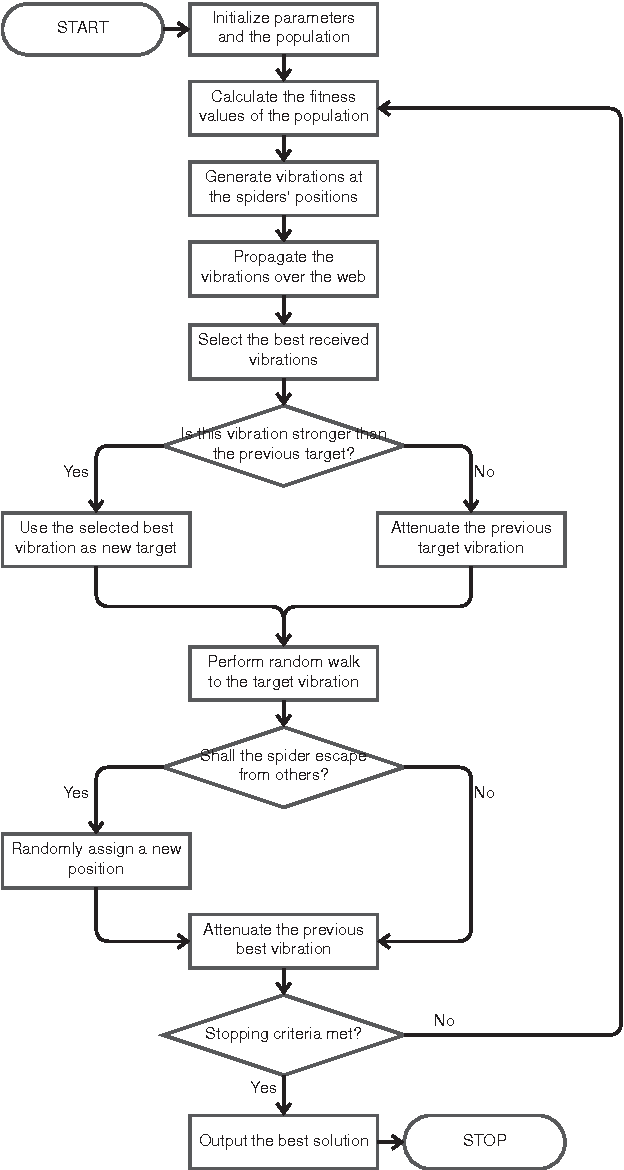
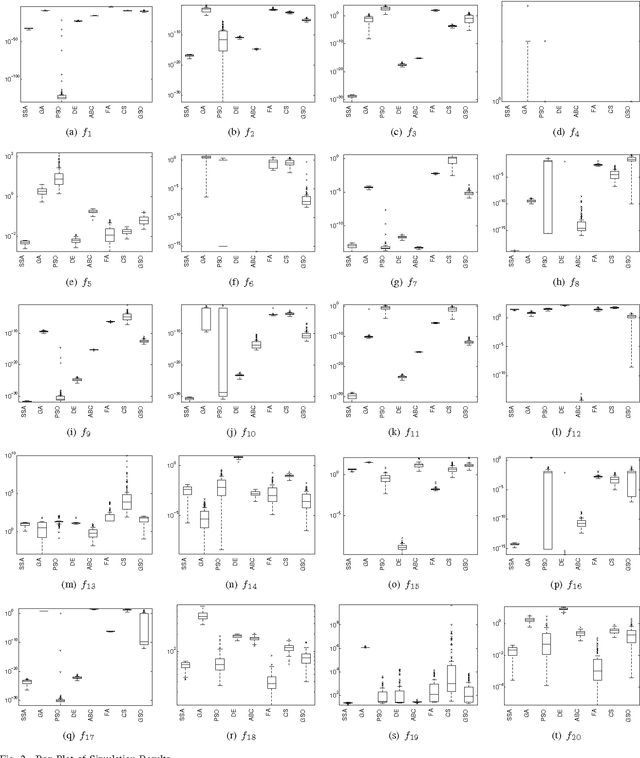
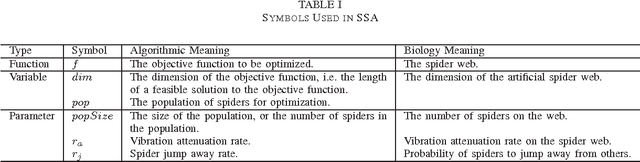
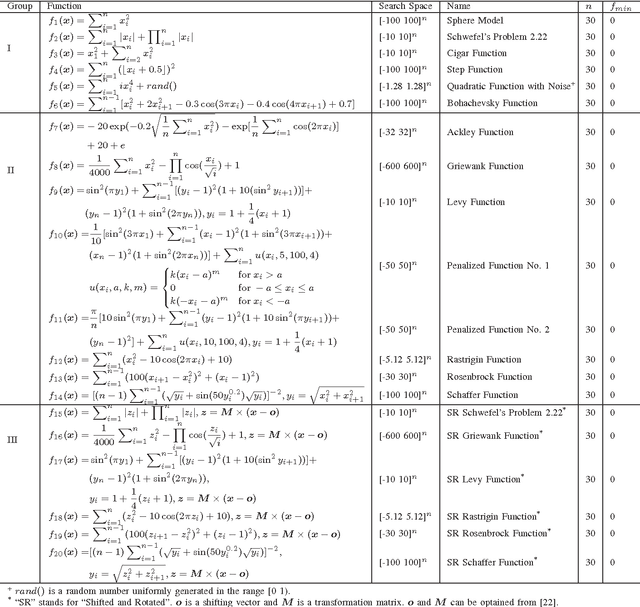
The growing complexity of real-world problems has motivated computer scientists to search for efficient problem-solving methods. Metaheuristics based on evolutionary computation and swarm intelligence are outstanding examples of nature-inspired solution techniques. Inspired by the social spiders, we propose a novel Social Spider Algorithm to solve global optimization problems. This algorithm is mainly based on the foraging strategy of social spiders, utilizing the vibrations on the spider web to determine the positions of preys. Different from the previously proposed swarm intelligence algorithms, we introduce a new social animal foraging strategy model to solve optimization problems. In addition, we perform preliminary parameter sensitivity analysis for our proposed algorithm, developing guidelines for choosing the parameter values. The Social Spider Algorithm is evaluated by a series of widely-used benchmark functions, and our proposed algorithm has superior performance compared with other state-of-the-art metaheuristics.
Chemical Reaction Optimization for the Set Covering Problem
Feb 01, 2015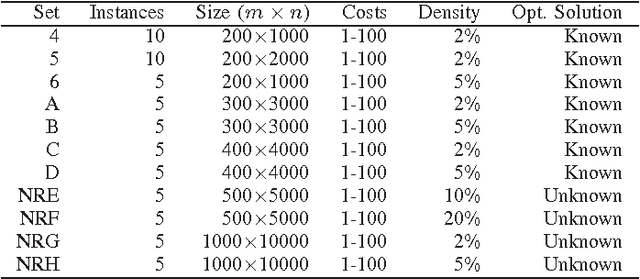
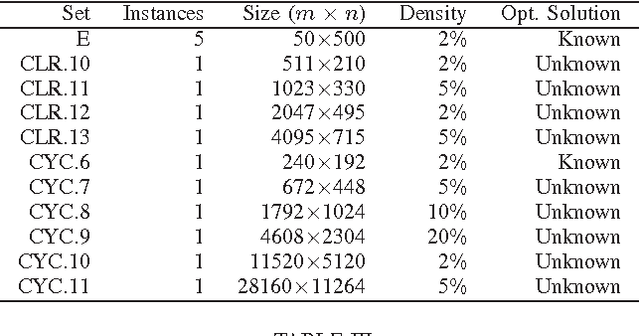
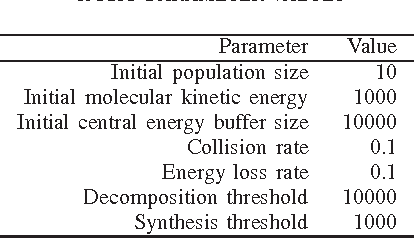
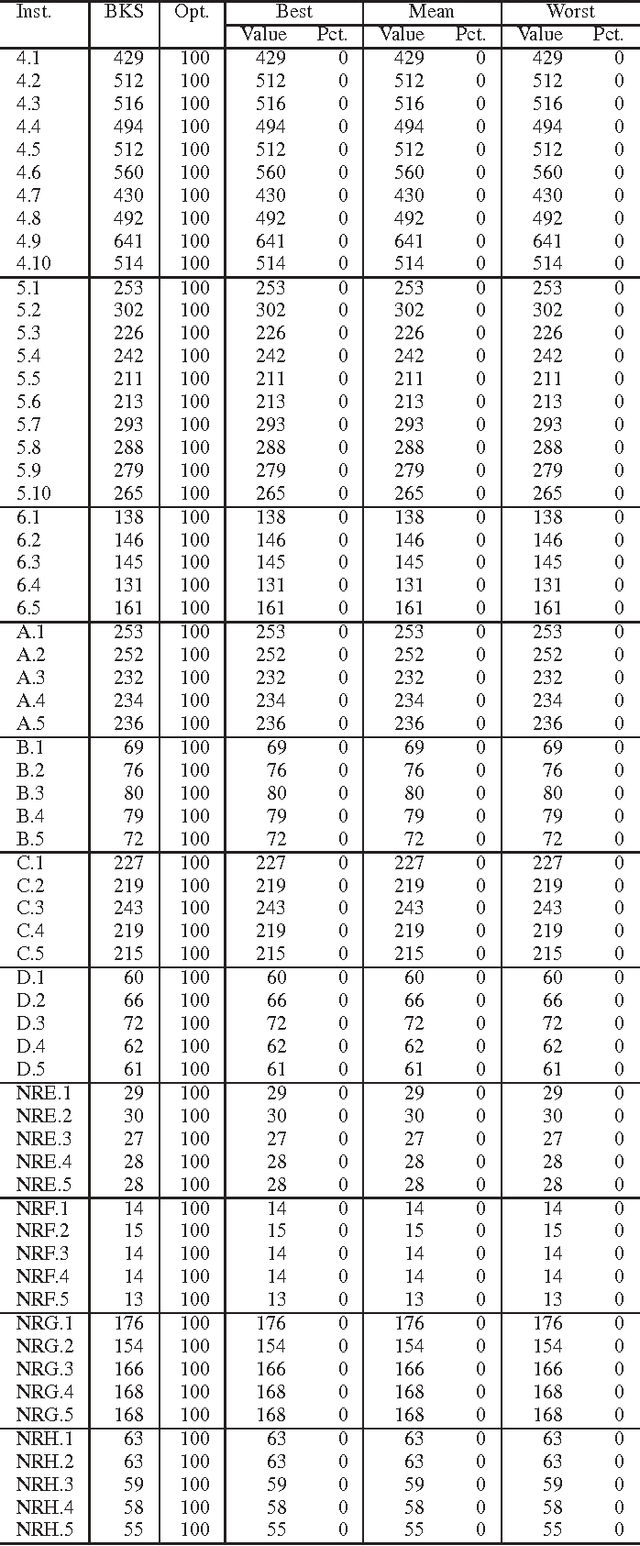
The set covering problem (SCP) is one of the representative combinatorial optimization problems, having many practical applications. This paper investigates the development of an algorithm to solve SCP by employing chemical reaction optimization (CRO), a general-purpose metaheuristic. It is tested on a wide range of benchmark instances of SCP. The simulation results indicate that this algorithm gives outstanding performance compared with other heuristics and metaheuristics in solving SCP.
An Inter-molecular Adaptive Collision Scheme for Chemical Reaction Optimization
Feb 01, 2015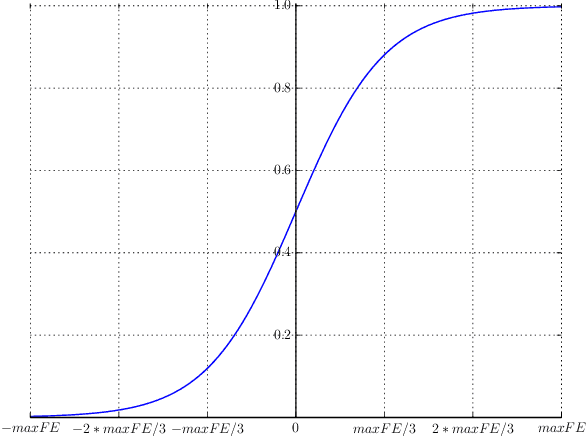
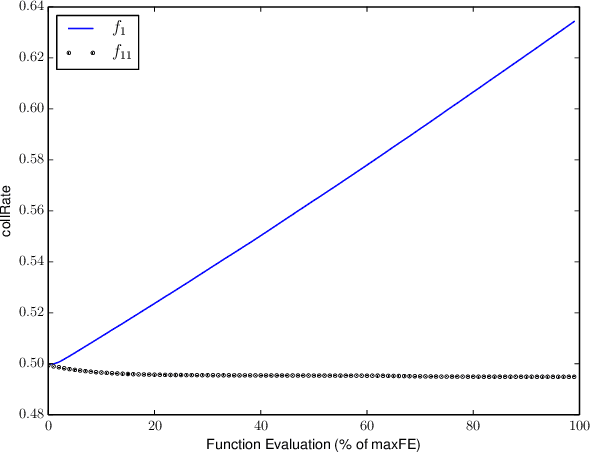
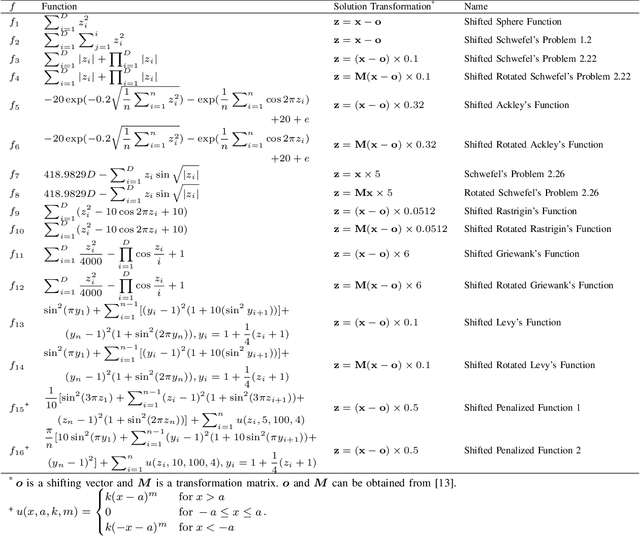
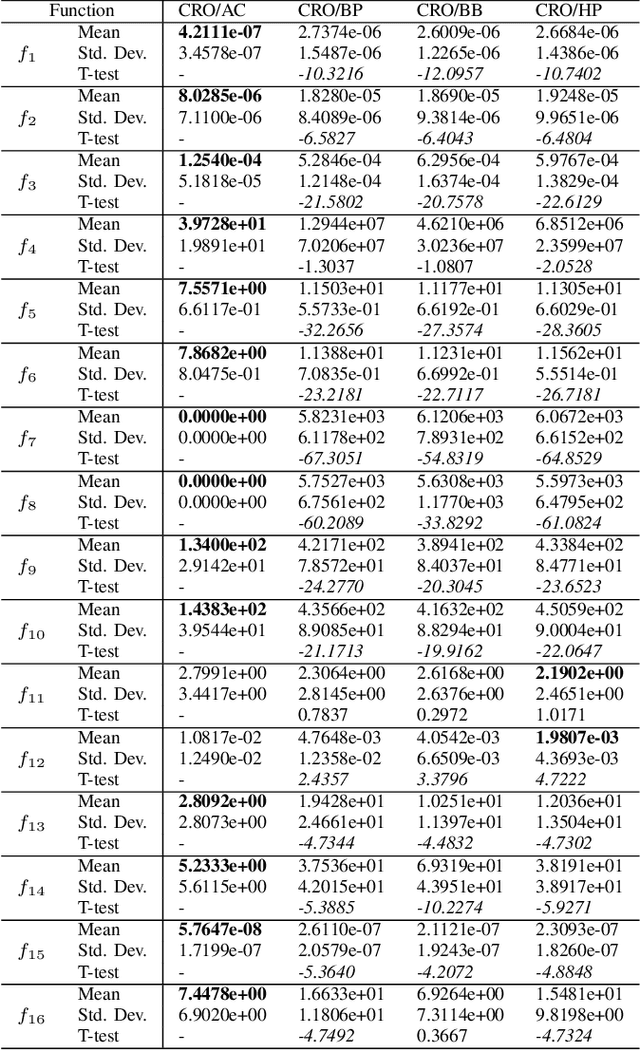
Optimization techniques are frequently applied in science and engineering research and development. Evolutionary algorithms, as a kind of general-purpose metaheuristic, have been shown to be very effective in solving a wide range of optimization problems. A recently proposed chemical-reaction-inspired metaheuristic, Chemical Reaction Optimization (CRO), has been applied to solve many global optimization problems. However, the functionality of the inter-molecular ineffective collision operator in the canonical CRO design overlaps that of the on-wall ineffective collision operator, which can potential impair the overall performance. In this paper we propose a new inter-molecular ineffective collision operator for CRO for global optimization. To fully utilize our newly proposed operator, we also design a scheme to adapt the algorithm to optimization problems with different search space characteristics. We analyze the performance of our proposed algorithm with a number of widely used benchmark functions. The simulation results indicate that the new algorithm has superior performance over the canonical CRO.
Optimal V2G Scheduling of Electric Vehicles and Unit Commitment using Chemical Reaction Optimization
Feb 01, 2015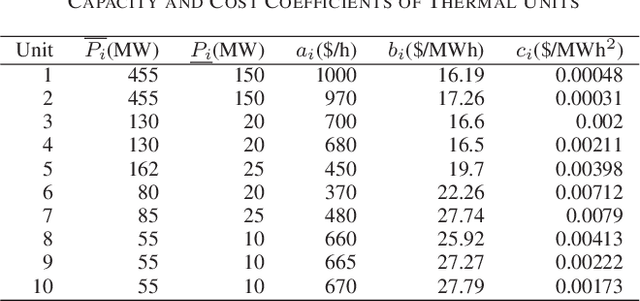
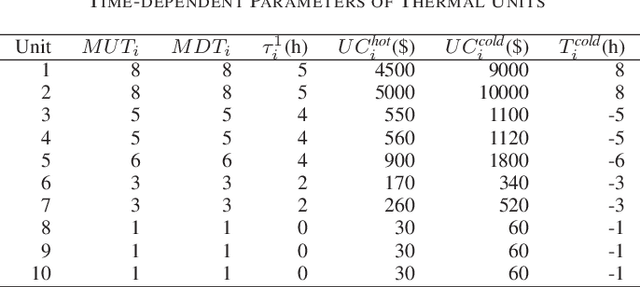
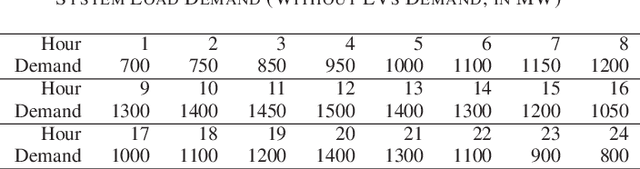
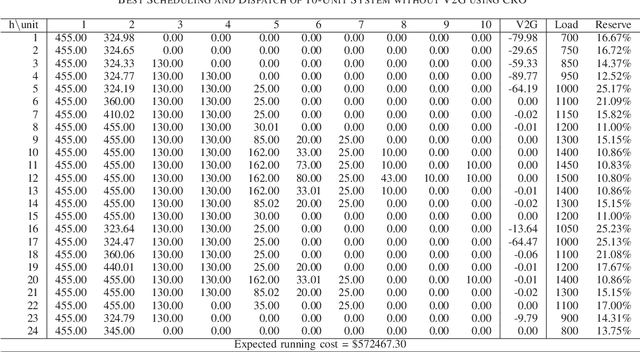
An electric vehicle (EV) may be used as energy storage which allows the bi-directional electricity flow between the vehicle's battery and the electric power grid. In order to flatten the load profile of the electricity system, EV scheduling has become a hot research topic in recent years. In this paper, we propose a new formulation of the joint scheduling of EV and Unit Commitment (UC), called EVUC. Our formulation considers the characteristics of EVs while optimizing the system total running cost. We employ Chemical Reaction Optimization (CRO), a general-purpose optimization algorithm to solve this problem and the simulation results on a widely used set of instances indicate that CRO can effectively optimize this problem.
Sensor Deployment for Air Pollution Monitoring Using Public Transportation System
Feb 01, 2015
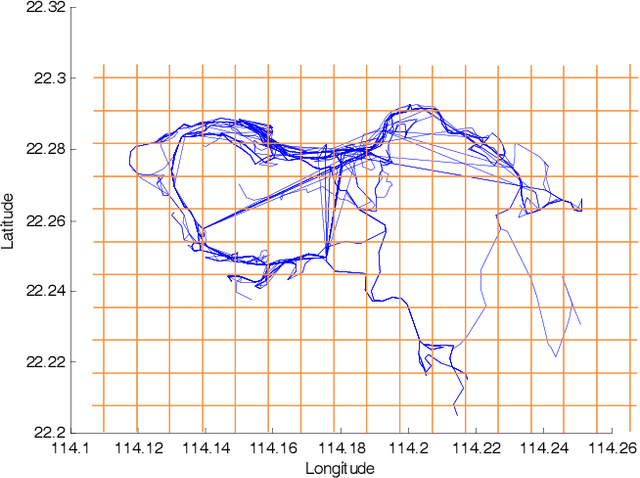
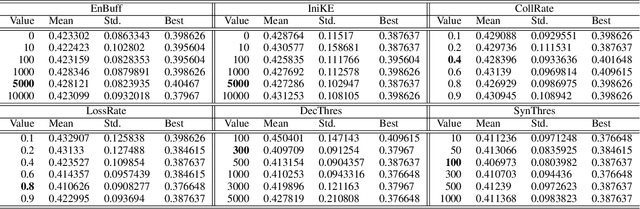
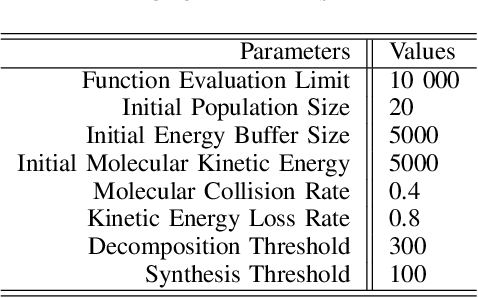
Air pollution monitoring is a very popular research topic and many monitoring systems have been developed. In this paper, we formulate the Bus Sensor Deployment Problem (BSDP) to select the bus routes on which sensors are deployed, and we use Chemical Reaction Optimization (CRO) to solve BSDP. CRO is a recently proposed metaheuristic designed to solve a wide range of optimization problems. Using the real world data, namely Hong Kong Island bus route data, we perform a series of simulations and the results show that CRO is capable of solving this optimization problem efficiently.
Real-Coded Chemical Reaction Optimization with Different Perturbation Functions
Feb 01, 2015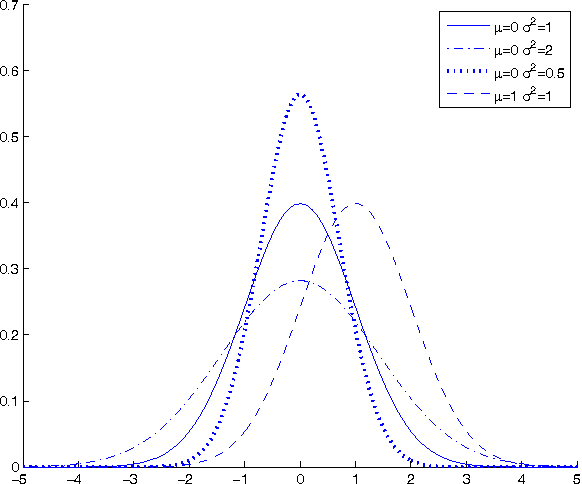
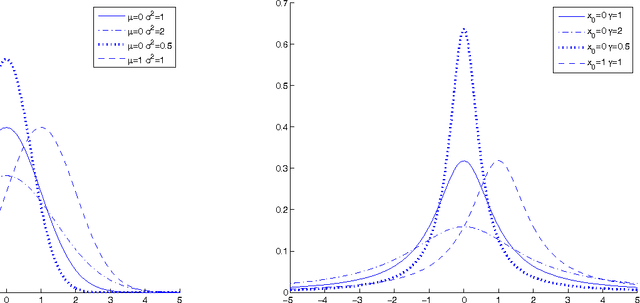
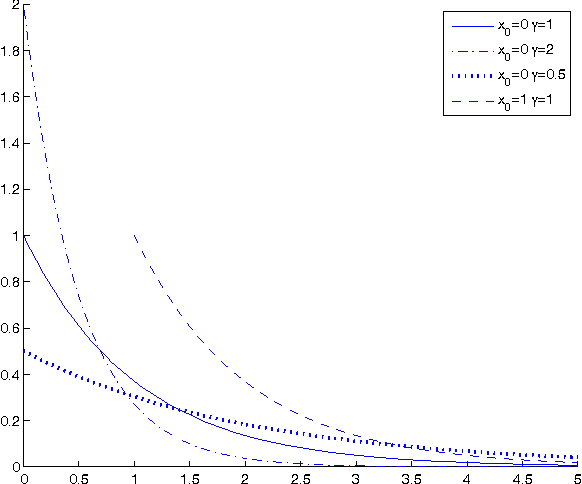
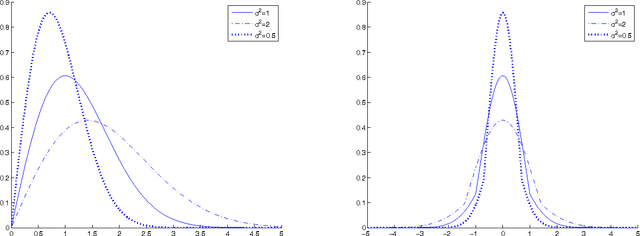
Chemical Reaction Optimization (CRO) is a powerful metaheuristic which mimics the interactions of molecules in chemical reactions to search for the global optimum. The perturbation function greatly influences the performance of CRO on solving different continuous problems. In this paper, we study four different probability distributions, namely, the Gaussian distribution, the Cauchy distribution, the exponential distribution, and a modified Rayleigh distribution, for the perturbation function of CRO. Different distributions have different impacts on the solutions. The distributions are tested by a set of well-known benchmark functions and simulation results show that problems with different characteristics have different preference on the distribution function. Our study gives guidelines to design CRO for different types of optimization problems.