 Add to Chrome
 Add to Firefox
 Add to Edge
PRiMeFlow: Capturing Complex Expression Heterogeneity in Perturbation Response Modelling
Apr 15, 2026
Predicting the effects of perturbations in-silico on cell state can identify drivers of cell behavior at scale and accelerate drug discovery. However, modeling challenges remain due to the inherent heterogeneity of single cell gene expression and the complex, latent gene dependencies. Here, we present PRiMeFlow, an end-to-end flow matching based approach to directly model the effects of genetic and small molecule perturbations in the gene expression space. The distribution-fitting approach taken by PRiMeFlow enables it to accurately approximate the empirical distribution of single-cell gene expression, which we demonstrate through extensive benchmarking inside PerturBench. Through ablation studies, we also validate important model design choices such as operating in gene expression space and parameterizing the velocity field with a U-Net architecture. The PRiMeFlow architecture was used as the basis for the model that won the Generalist Prize in the first ARC Virtual Cell Challenge.

PerturBench: Benchmarking Machine Learning Models for Cellular Perturbation Analysis
Aug 20, 2024

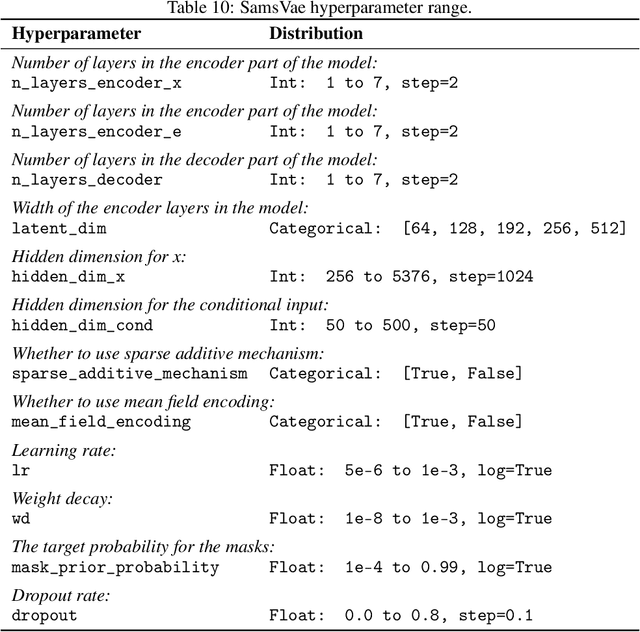
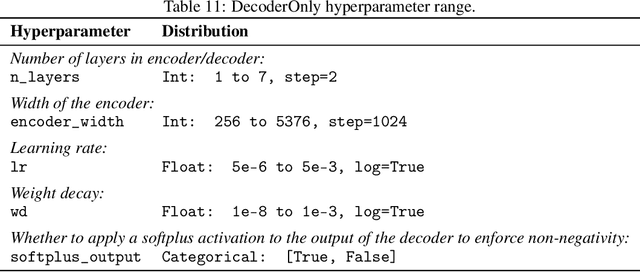
We present a comprehensive framework for predicting the effects of perturbations in single cells, designed to standardize benchmarking in this rapidly evolving field. Our framework, PerturBench, includes a user-friendly platform, diverse datasets, metrics for fair model comparison, and detailed performance analysis. Extensive evaluations of published and baseline models reveal limitations like mode or posterior collapse, and underscore the importance of rank metrics that assess the ordering of perturbations alongside traditional measures like RMSE. Our findings show that simple models can outperform more complex approaches. This benchmarking exercise sets new standards for model evaluation, supports robust model development, and advances the potential of these models to use high-throughput and high-content genetic and chemical screens for disease target discovery.