 Add to Chrome
 Add to Firefox
 Add to Edge
High Precision Audience Expansion via Extreme Classification in a Two-Sided Marketplace
Feb 16, 2026
Airbnb search must balance a worldwide, highly varied supply of homes with guests whose location, amenity, style, and price expectations differ widely. Meeting those expectations hinges on an efficient retrieval stage that surfaces only the listings a guest might realistically book, before resource intensive ranking models are applied to determine the best results. Unlike many recommendation engines, our system faces a distinctive challenge, location retrieval, that sits upstream of ranking and determines which geographic areas are queried in order to filter inventory to a candidate set. The preexisting approach employs a deep bayesian bandit based system to predict a rectangular retrieval bounds area that can be used for filtering. The purpose of this paper is to demonstrate the methodology, challenges, and impact of rearchitecting search to retrieve from the subset of most bookable high precision rectangular map cells defined by dividing the world into 25M uniform cells.

Transforming Location Retrieval at Airbnb: A Journey from Heuristics to Reinforcement Learning
Aug 23, 2024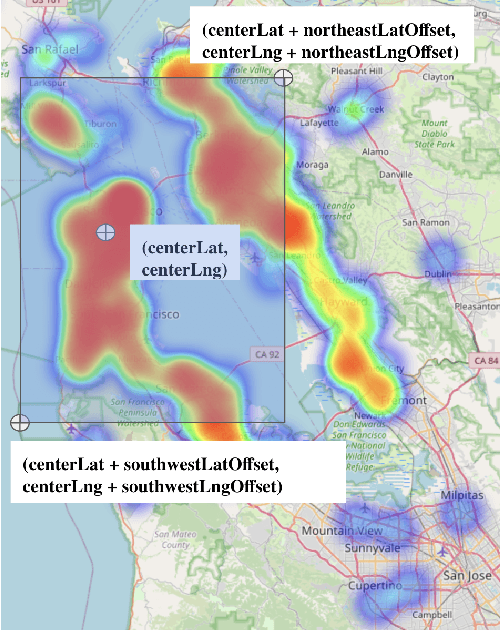

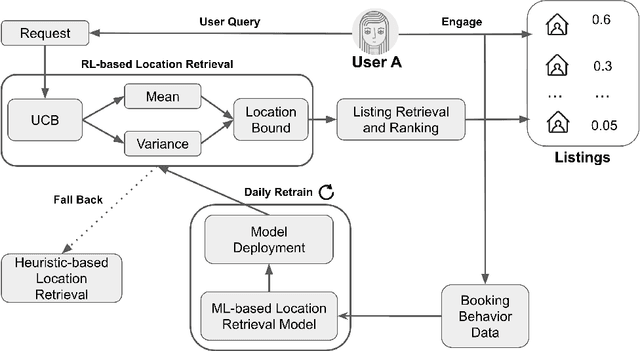
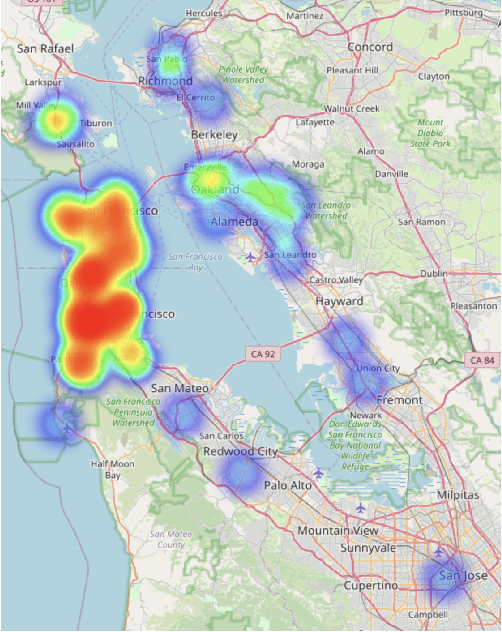
The Airbnb search system grapples with many unique challenges as it continues to evolve. We oversee a marketplace that is nuanced by geography, diversity of homes, and guests with a variety of preferences. Crafting an efficient search system that can accommodate diverse guest needs, while showcasing relevant homes lies at the heart of Airbnb's success. Airbnb search has many challenges that parallel other recommendation and search systems but it has a unique information retrieval problem, upstream of ranking, called location retrieval. It requires defining a topological map area that is relevant to the searched query for homes listing retrieval. The purpose of this paper is to demonstrate the methodology, challenges, and impact of building a machine learning based location retrieval product from the ground up. Despite the lack of suitable, prevalent machine learning based approaches, we tackle cold start, generalization, differentiation and algorithmic bias. We detail the efficacy of heuristics, statistics, machine learning, and reinforcement learning approaches to solve these challenges, particularly for systems that are often unexplored by current literature.
Managing Diversity in Airbnb Search
Mar 31, 2020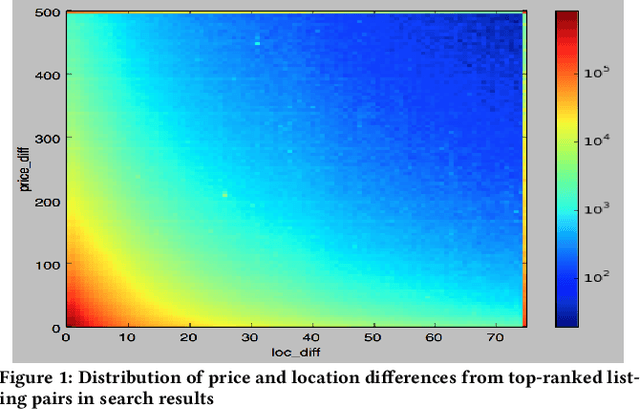
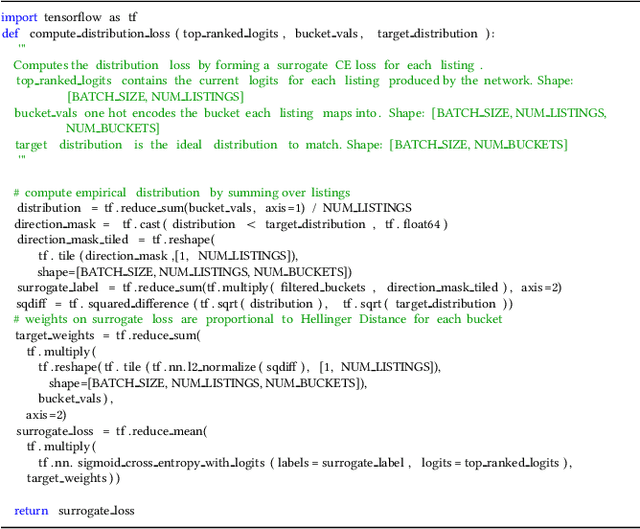
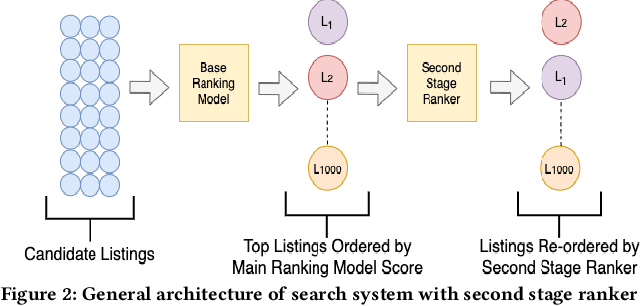
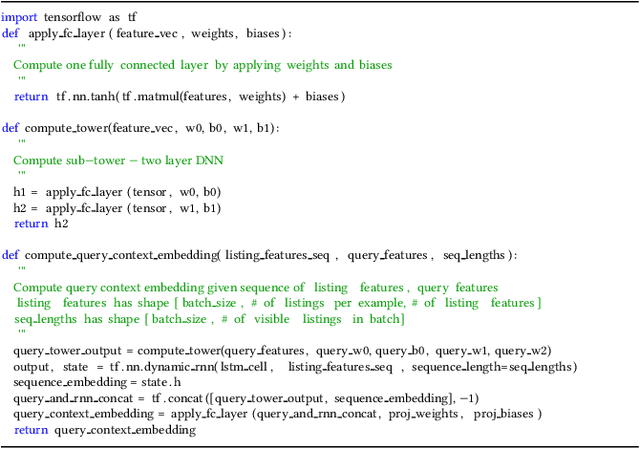
One of the long-standing questions in search systems is the role of diversity in results. From a product perspective, showing diverse results provides the user with more choice and should lead to an improved experience. However, this intuition is at odds with common machine learning approaches to ranking which directly optimize the relevance of each individual item without a holistic view of the result set. In this paper, we describe our journey in tackling the problem of diversity for Airbnb search, starting from heuristic based approaches and concluding with a novel deep learning solution that produces an embedding of the entire query context by leveraging Recurrent Neural Networks (RNNs). We hope our lessons learned will prove useful to others and motivate further research in this area.
Applying Deep Learning To Airbnb Search
Oct 24, 2018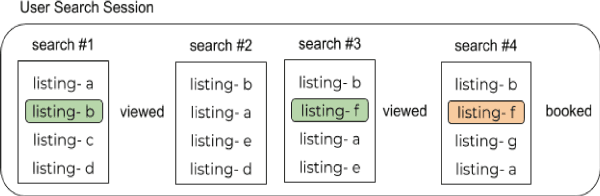
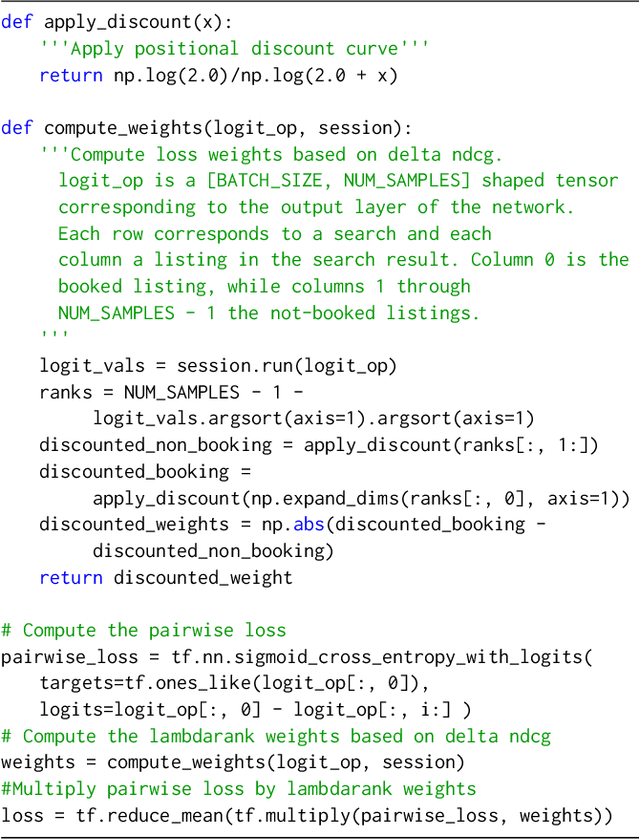
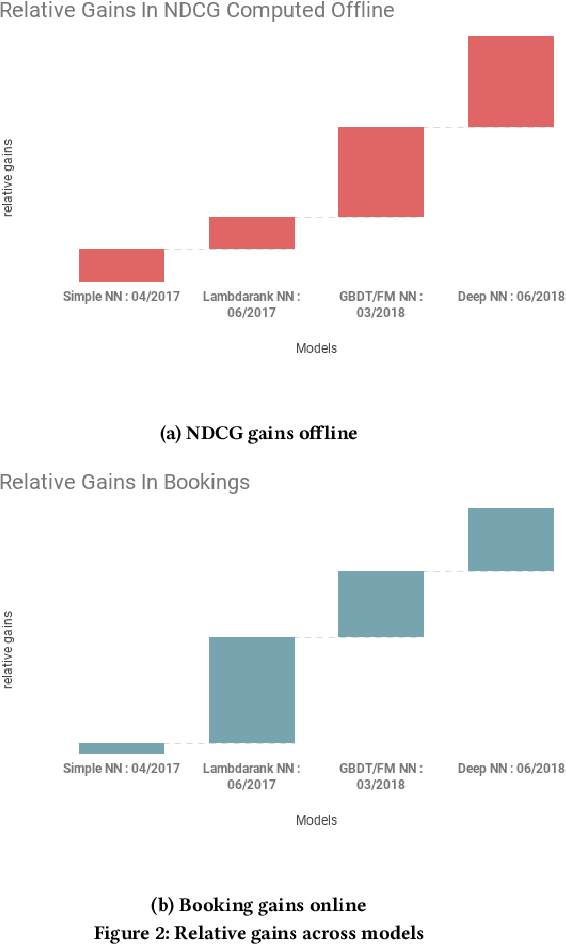
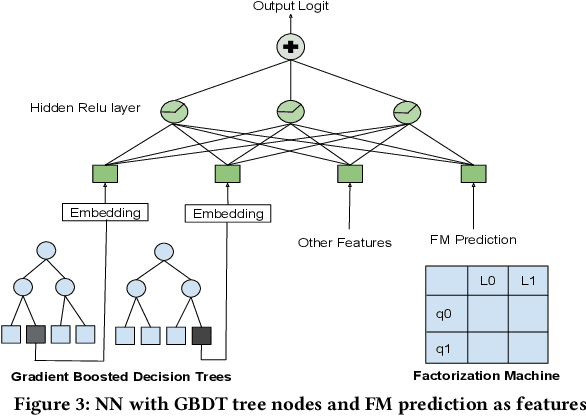
The application to search ranking is one of the biggest machine learning success stories at Airbnb. Much of the initial gains were driven by a gradient boosted decision tree model. The gains, however, plateaued over time. This paper discusses the work done in applying neural networks in an attempt to break out of that plateau. We present our perspective not with the intention of pushing the frontier of new modeling techniques. Instead, ours is a story of the elements we found useful in applying neural networks to a real life product. Deep learning was steep learning for us. To other teams embarking on similar journeys, we hope an account of our struggles and triumphs will provide some useful pointers. Bon voyage!