 Add to Chrome
 Add to Firefox
 Add to Edge
The Natural Language Decathlon: Multitask Learning as Question Answering
Jun 20, 2018
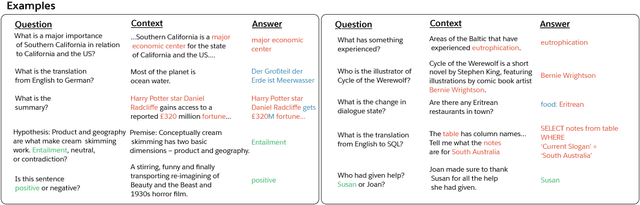
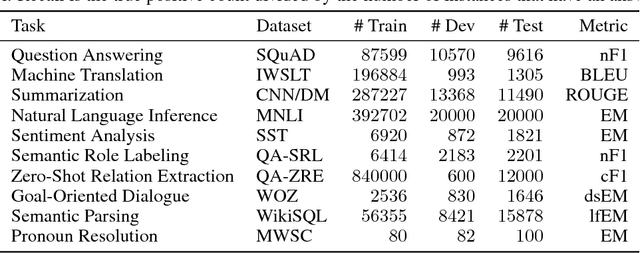
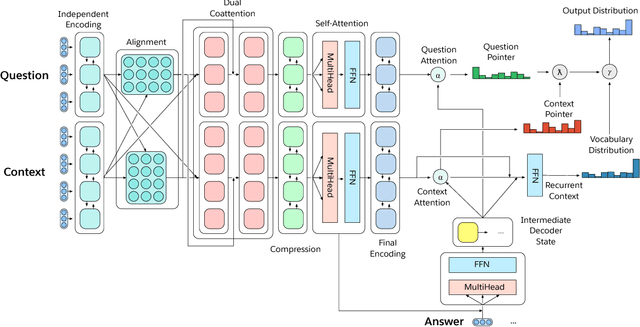
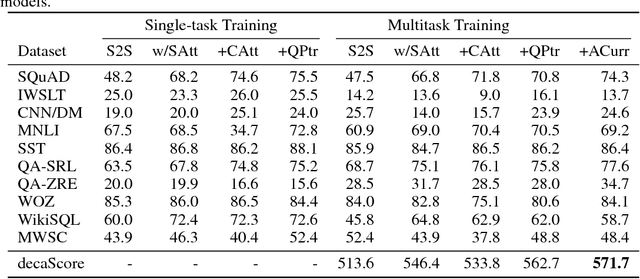
Deep learning has improved performance on many natural language processing (NLP) tasks individually. However, general NLP models cannot emerge within a paradigm that focuses on the particularities of a single metric, dataset, and task. We introduce the Natural Language Decathlon (decaNLP), a challenge that spans ten tasks: question answering, machine translation, summarization, natural language inference, sentiment analysis, semantic role labeling, zero-shot relation extraction, goal-oriented dialogue, semantic parsing, and commonsense pronoun resolution. We cast all tasks as question answering over a context. Furthermore, we present a new Multitask Question Answering Network (MQAN) jointly learns all tasks in decaNLP without any task-specific modules or parameters in the multitask setting. MQAN shows improvements in transfer learning for machine translation and named entity recognition, domain adaptation for sentiment analysis and natural language inference, and zero-shot capabilities for text classification. We demonstrate that the MQAN's multi-pointer-generator decoder is key to this success and performance further improves with an anti-curriculum training strategy. Though designed for decaNLP, MQAN also achieves state of the art results on the WikiSQL semantic parsing task in the single-task setting. We also release code for procuring and processing data, training and evaluating models, and reproducing all experiments for decaNLP.

Learned in Translation: Contextualized Word Vectors
Jun 20, 2018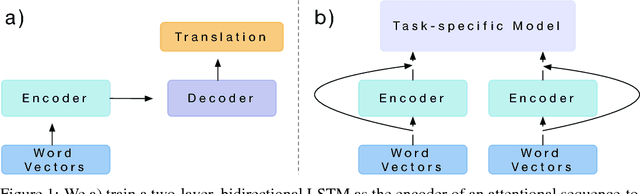
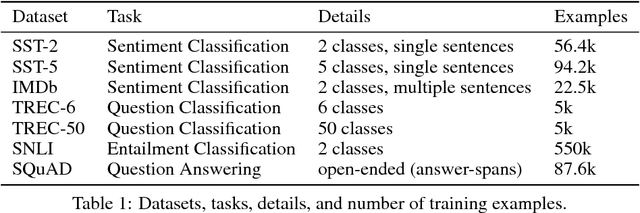
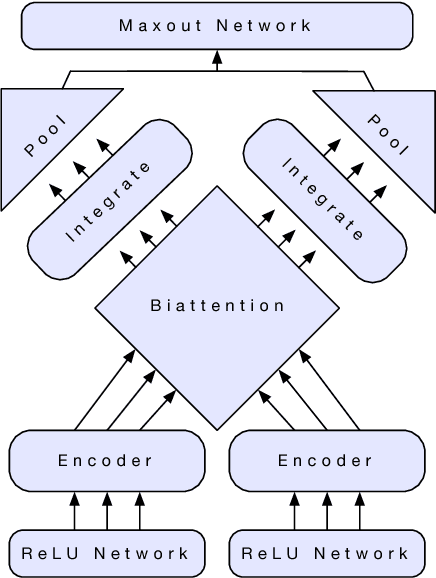
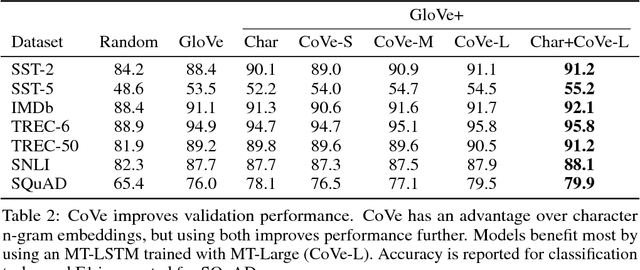
Computer vision has benefited from initializing multiple deep layers with weights pretrained on large supervised training sets like ImageNet. Natural language processing (NLP) typically sees initialization of only the lowest layer of deep models with pretrained word vectors. In this paper, we use a deep LSTM encoder from an attentional sequence-to-sequence model trained for machine translation (MT) to contextualize word vectors. We show that adding these context vectors (CoVe) improves performance over using only unsupervised word and character vectors on a wide variety of common NLP tasks: sentiment analysis (SST, IMDb), question classification (TREC), entailment (SNLI), and question answering (SQuAD). For fine-grained sentiment analysis and entailment, CoVe improves performance of our baseline models to the state of the art.
Using Mode Connectivity for Loss Landscape Analysis
Jun 18, 2018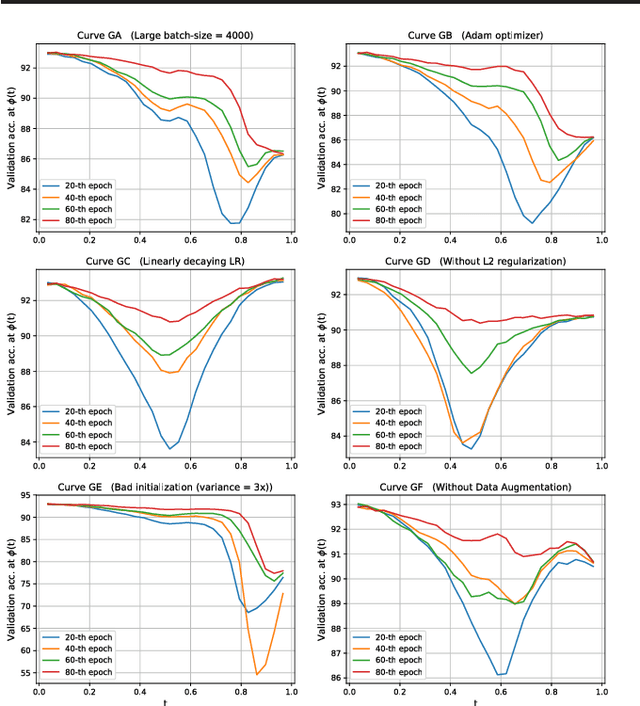
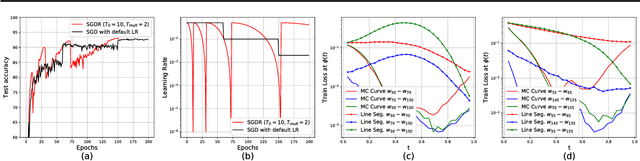
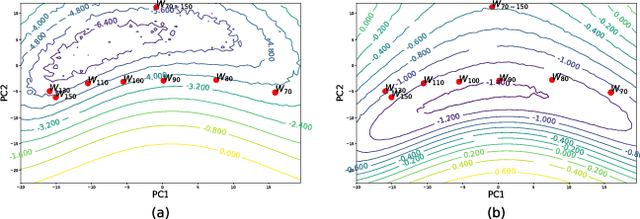
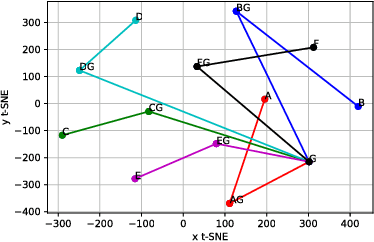
Mode connectivity is a recently introduced frame- work that empirically establishes the connected- ness of minima by finding a high accuracy curve between two independently trained models. To investigate the limits of this setup, we examine the efficacy of this technique in extreme cases where the input models are trained or initialized differently. We find that the procedure is resilient to such changes. Given this finding, we propose using the framework for analyzing loss surfaces and training trajectories more generally, and in this direction, study SGD with cosine annealing and restarts (SGDR). We report that while SGDR moves over barriers in its trajectory, propositions claiming that it converges to and escapes from multiple local minima are not substantiated by our empirical results.
Efficient and Robust Question Answering from Minimal Context over Documents
May 21, 2018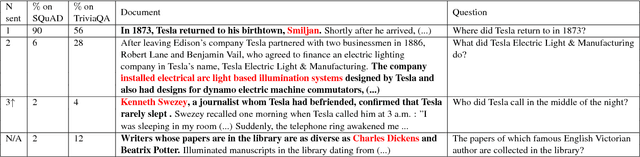
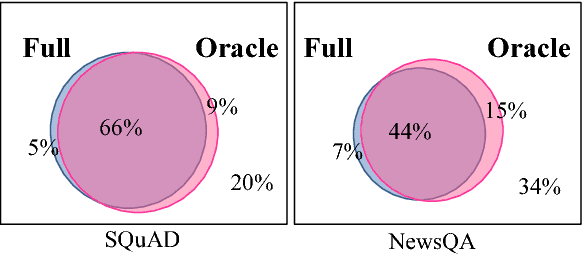

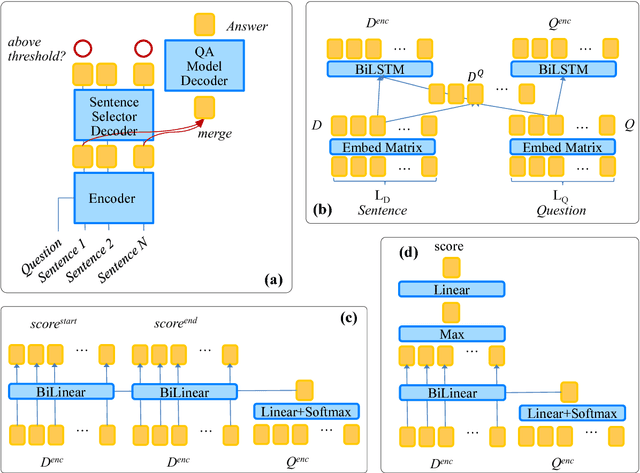
Neural models for question answering (QA) over documents have achieved significant performance improvements. Although effective, these models do not scale to large corpora due to their complex modeling of interactions between the document and the question. Moreover, recent work has shown that such models are sensitive to adversarial inputs. In this paper, we study the minimal context required to answer the question, and find that most questions in existing datasets can be answered with a small set of sentences. Inspired by this observation, we propose a simple sentence selector to select the minimal set of sentences to feed into the QA model. Our overall system achieves significant reductions in training (up to 15 times) and inference times (up to 13 times), with accuracy comparable to or better than the state-of-the-art on SQuAD, NewsQA, TriviaQA and SQuAD-Open. Furthermore, our experimental results and analyses show that our approach is more robust to adversarial inputs.
End-to-End Dense Video Captioning with Masked Transformer
Apr 03, 2018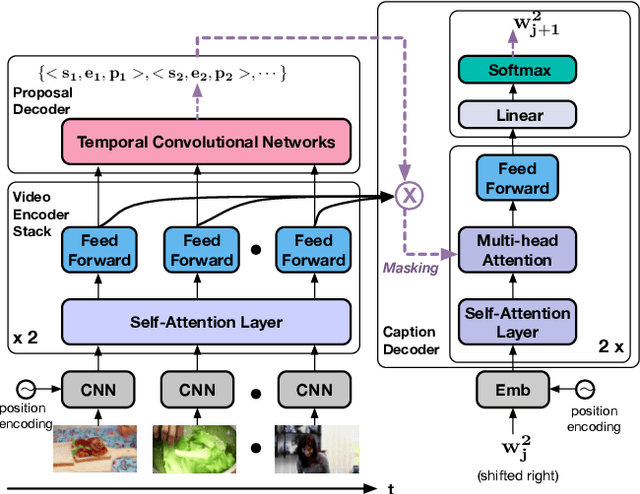
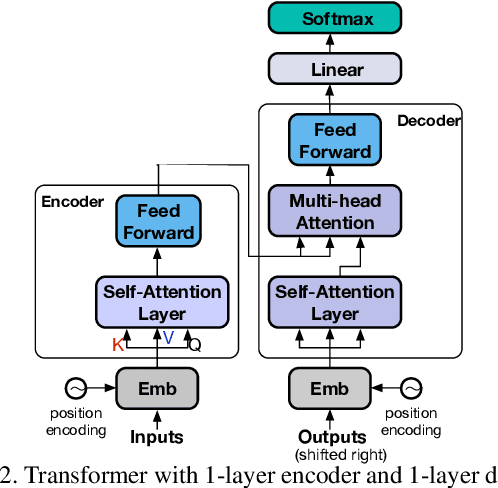
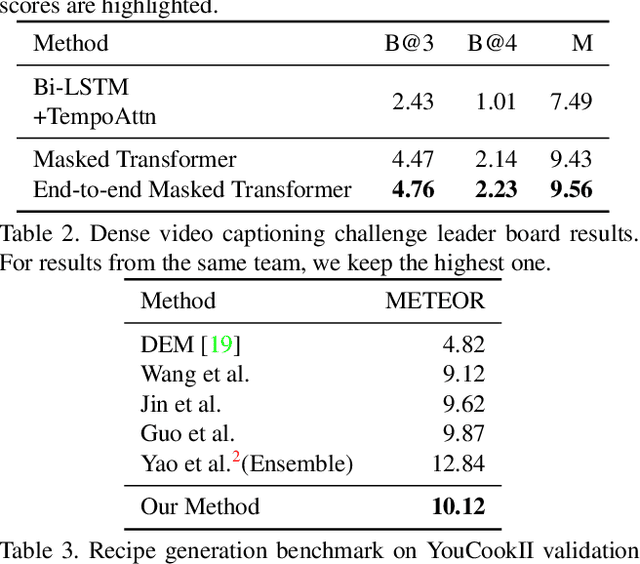
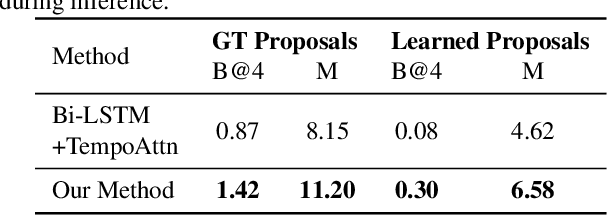
Dense video captioning aims to generate text descriptions for all events in an untrimmed video. This involves both detecting and describing events. Therefore, all previous methods on dense video captioning tackle this problem by building two models, i.e. an event proposal and a captioning model, for these two sub-problems. The models are either trained separately or in alternation. This prevents direct influence of the language description to the event proposal, which is important for generating accurate descriptions. To address this problem, we propose an end-to-end transformer model for dense video captioning. The encoder encodes the video into appropriate representations. The proposal decoder decodes from the encoding with different anchors to form video event proposals. The captioning decoder employs a masking network to restrict its attention to the proposal event over the encoding feature. This masking network converts the event proposal to a differentiable mask, which ensures the consistency between the proposal and captioning during training. In addition, our model employs a self-attention mechanism, which enables the use of efficient non-recurrent structure during encoding and leads to performance improvements. We demonstrate the effectiveness of this end-to-end model on ActivityNet Captions and YouCookII datasets, where we achieved 10.12 and 6.58 METEOR score, respectively.
An Analysis of Neural Language Modeling at Multiple Scales
Mar 22, 2018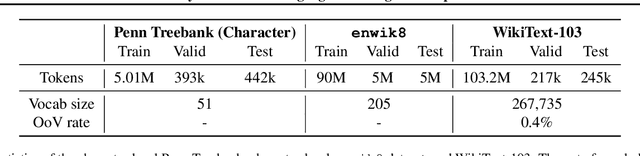
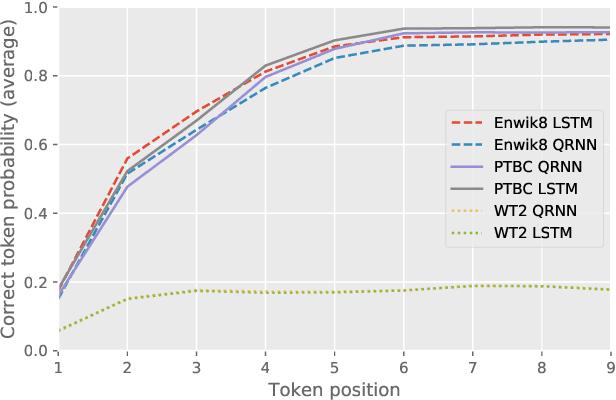
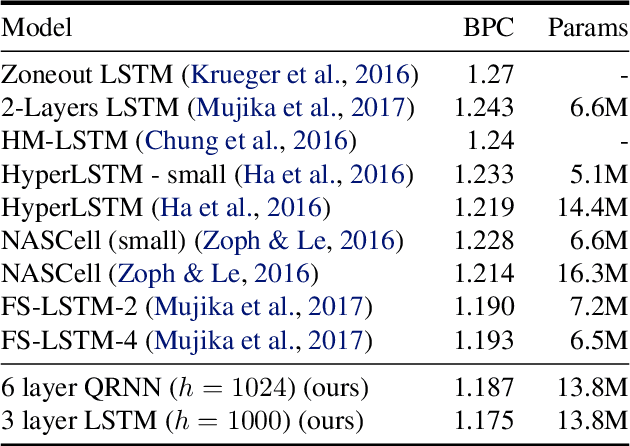
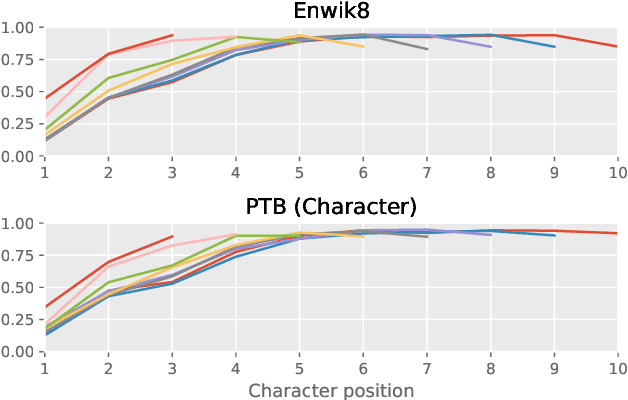
Many of the leading approaches in language modeling introduce novel, complex and specialized architectures. We take existing state-of-the-art word level language models based on LSTMs and QRNNs and extend them to both larger vocabularies as well as character-level granularity. When properly tuned, LSTMs and QRNNs achieve state-of-the-art results on character-level (Penn Treebank, enwik8) and word-level (WikiText-103) datasets, respectively. Results are obtained in only 12 hours (WikiText-103) to 2 days (enwik8) using a single modern GPU.
Non-Autoregressive Neural Machine Translation
Mar 09, 2018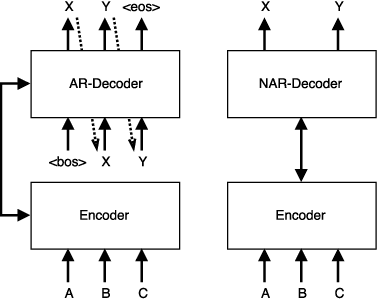
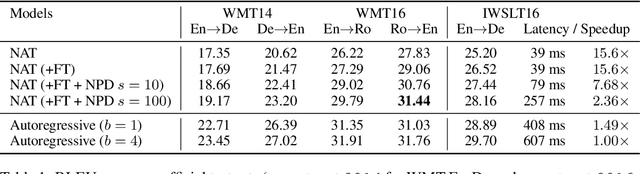
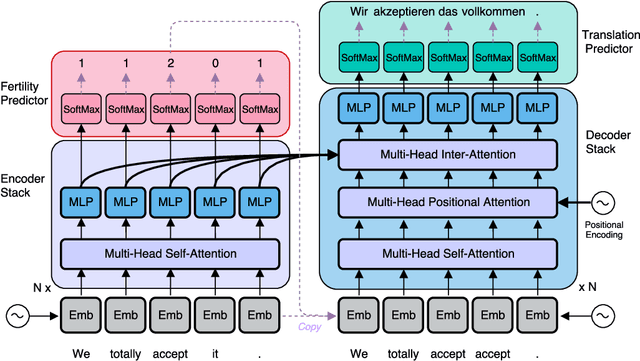
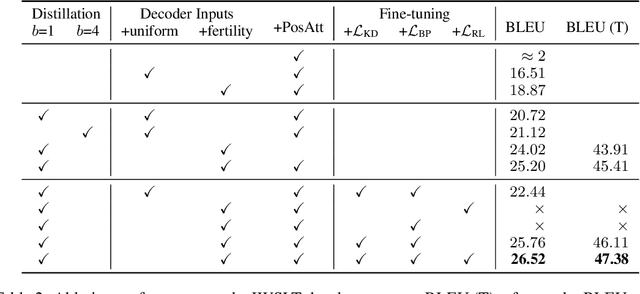
Existing approaches to neural machine translation condition each output word on previously generated outputs. We introduce a model that avoids this autoregressive property and produces its outputs in parallel, allowing an order of magnitude lower latency during inference. Through knowledge distillation, the use of input token fertilities as a latent variable, and policy gradient fine-tuning, we achieve this at a cost of as little as 2.0 BLEU points relative to the autoregressive Transformer network used as a teacher. We demonstrate substantial cumulative improvements associated with each of the three aspects of our training strategy, and validate our approach on IWSLT 2016 English-German and two WMT language pairs. By sampling fertilities in parallel at inference time, our non-autoregressive model achieves near-state-of-the-art performance of 29.8 BLEU on WMT 2016 English-Romanian.
Dynamic Coattention Networks For Question Answering
Mar 06, 2018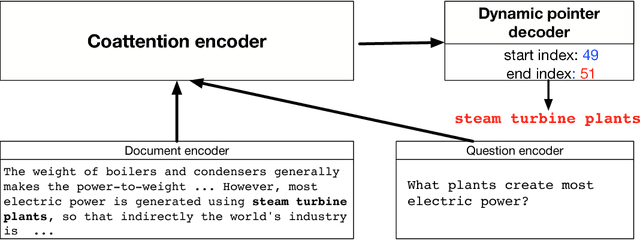
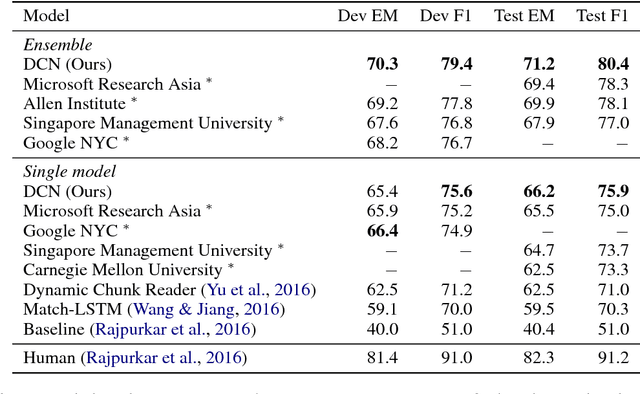
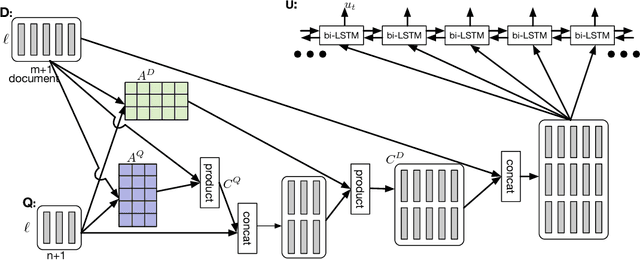
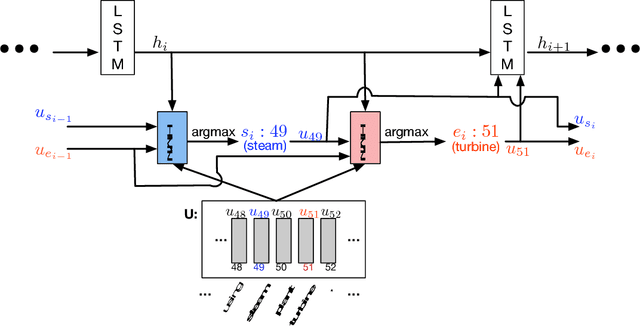
Several deep learning models have been proposed for question answering. However, due to their single-pass nature, they have no way to recover from local maxima corresponding to incorrect answers. To address this problem, we introduce the Dynamic Coattention Network (DCN) for question answering. The DCN first fuses co-dependent representations of the question and the document in order to focus on relevant parts of both. Then a dynamic pointing decoder iterates over potential answer spans. This iterative procedure enables the model to recover from initial local maxima corresponding to incorrect answers. On the Stanford question answering dataset, a single DCN model improves the previous state of the art from 71.0% F1 to 75.9%, while a DCN ensemble obtains 80.4% F1.
Interpretable Counting for Visual Question Answering
Mar 02, 2018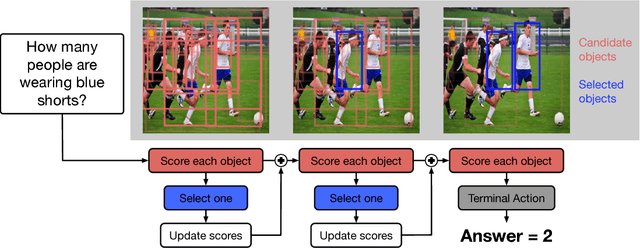
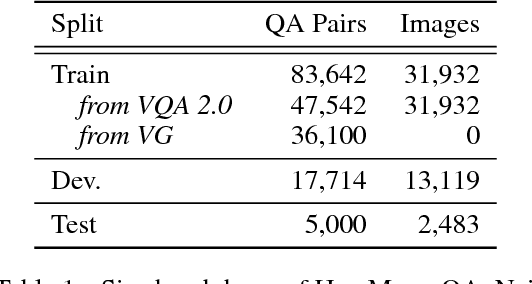
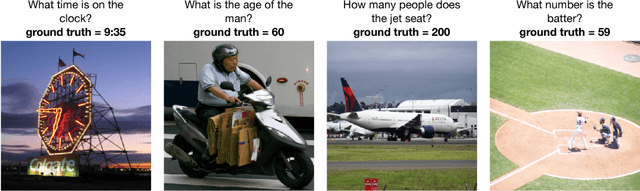
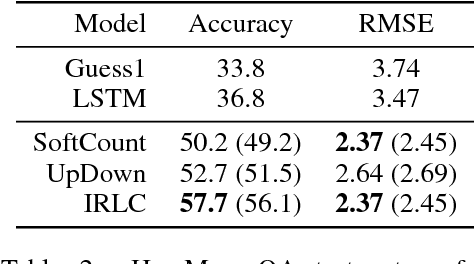
Questions that require counting a variety of objects in images remain a major challenge in visual question answering (VQA). The most common approaches to VQA involve either classifying answers based on fixed length representations of both the image and question or summing fractional counts estimated from each section of the image. In contrast, we treat counting as a sequential decision process and force our model to make discrete choices of what to count. Specifically, the model sequentially selects from detected objects and learns interactions between objects that influence subsequent selections. A distinction of our approach is its intuitive and interpretable output, as discrete counts are automatically grounded in the image. Furthermore, our method outperforms the state of the art architecture for VQA on multiple metrics that evaluate counting.
Improving Generalization Performance by Switching from Adam to SGD
Dec 20, 2017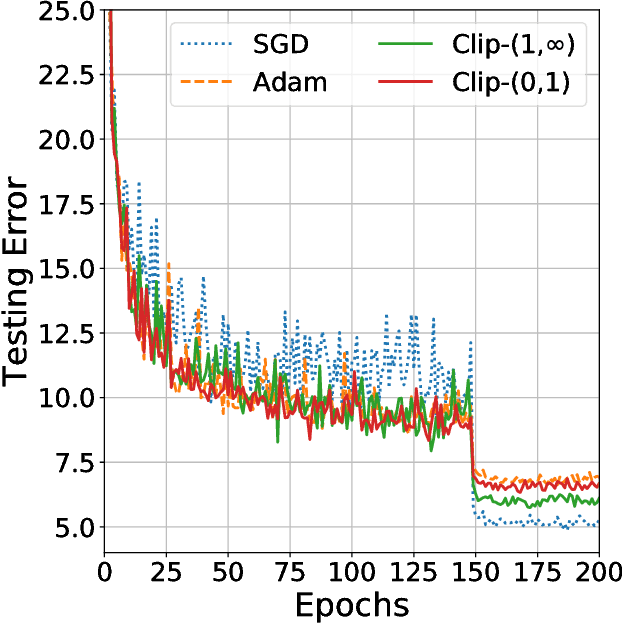
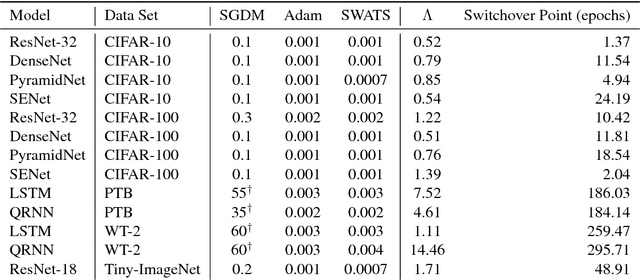
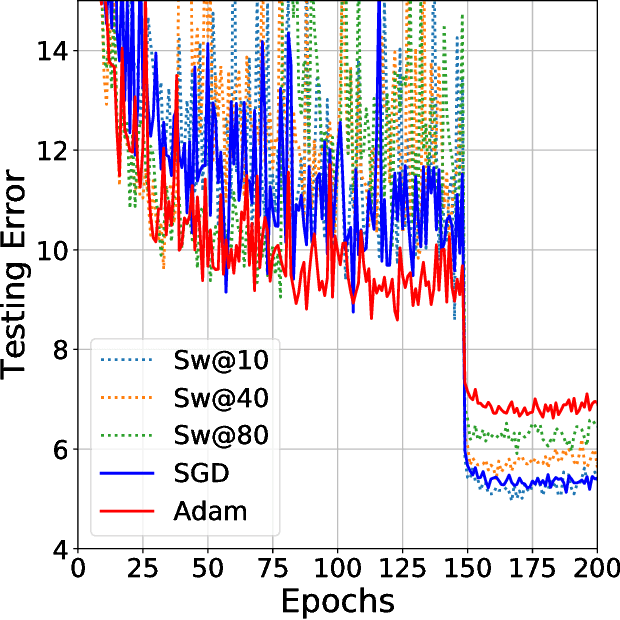
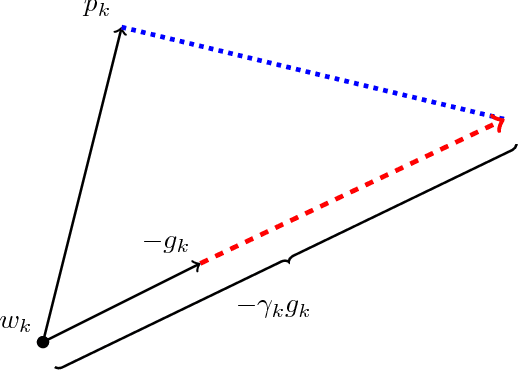
Despite superior training outcomes, adaptive optimization methods such as Adam, Adagrad or RMSprop have been found to generalize poorly compared to Stochastic gradient descent (SGD). These methods tend to perform well in the initial portion of training but are outperformed by SGD at later stages of training. We investigate a hybrid strategy that begins training with an adaptive method and switches to SGD when appropriate. Concretely, we propose SWATS, a simple strategy which switches from Adam to SGD when a triggering condition is satisfied. The condition we propose relates to the projection of Adam steps on the gradient subspace. By design, the monitoring process for this condition adds very little overhead and does not increase the number of hyperparameters in the optimizer. We report experiments on several standard benchmarks such as: ResNet, SENet, DenseNet and PyramidNet for the CIFAR-10 and CIFAR-100 data sets, ResNet on the tiny-ImageNet data set and language modeling with recurrent networks on the PTB and WT2 data sets. The results show that our strategy is capable of closing the generalization gap between SGD and Adam on a majority of the tasks.