 Add to Chrome
 Add to Firefox
 Add to Edge
Towards Ultra-High Reliability in Wi-Fi 8: IEEE 802.11bn Core Mechanisms, mmWave Integration, and Performance Verification
Jul 22, 2026
As the demand for wireless connectivity expands from high-speed data transmission to high-reliability applications, such as the Industrial Internet of Things and immersive communications, traditional Wi-Fi technologies optimized primarily for peak throughput face new challenges in reliability and latency. Consequently, Wi-Fi 8 aims to achieve ultra-high reliability (UHR), improve communication performance in complex environments, and drive the transition from high-speed connectivity to highly reliable intelligent connectivity. This article provides a comprehensive review of the core mechanisms of Wi-Fi 8 and conducts system-level performance verification. We focus on the key enhancement mechanisms at the physical (PHY) and medium access control (MAC) layers in IEEE 802.11bn, elaborating on their theoretical principles and key application scenarios. Additionally, this paper explores the potential role of integrated millimeter-wave (IMMW) technology as a complementary solution for spectrum expansion in the Wi-Fi 8 era, analyzing its basic architecture and implementation. Finally, system-level simulations are performed to verify the effectiveness of the key technologies in IEEE 802.11bn in achieving their performance targets, while further validating the robust performance of the IMMW scheme under practical hardware impairments.

Wi-Fi 8: Embracing the Millimeter-Wave Era
Sep 28, 2023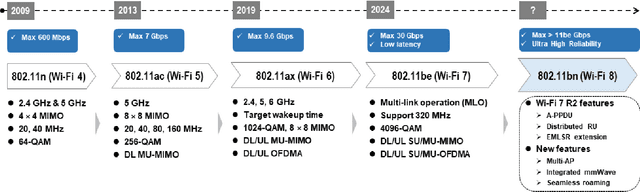
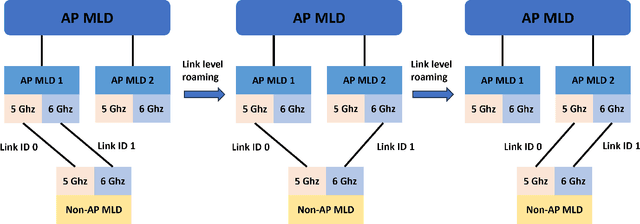
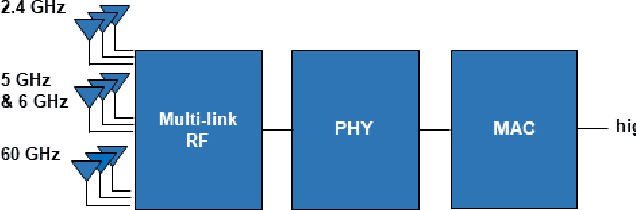
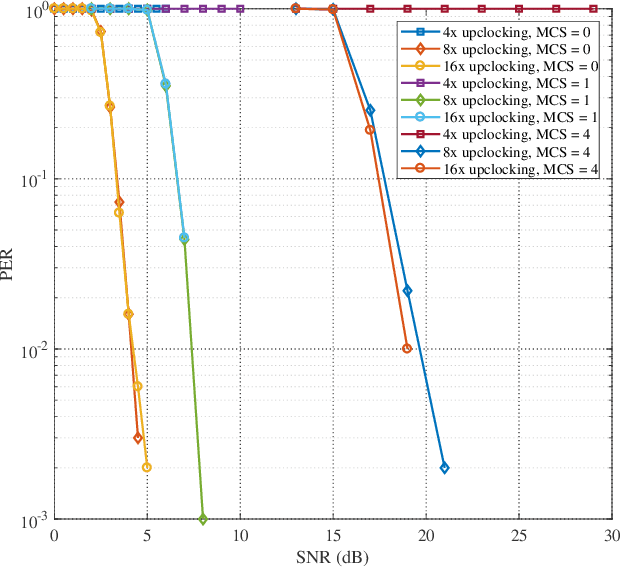
With the increasing demands in communication, Wi-Fi technology is advancing towards its next generation. Building on the foundation of Wi-Fi 7, millimeter-wave technology is anticipated to converge with Wi-Fi 8 in the near future. In this paper, we look into the millimeter-wave technology and other potential feasible features, providing a comprehensive perspective on the future of Wi-Fi 8. Our simulation results demonstrate that significant performance gains can be achieved, even in the presence of hardware impairments.
IEEE 802.11be Wi-Fi 7: Feature Summary and Performance Evaluation
Sep 27, 2023
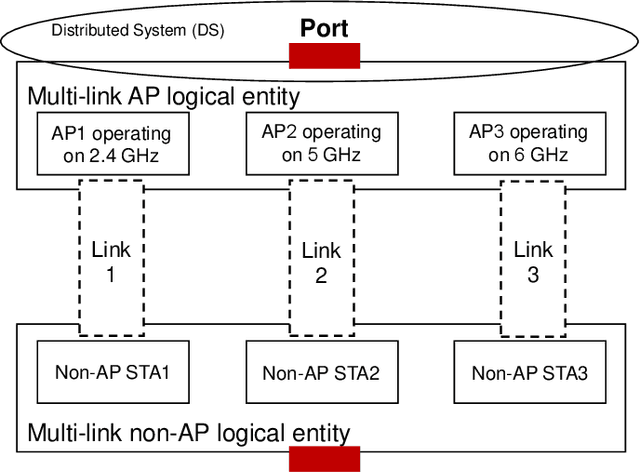
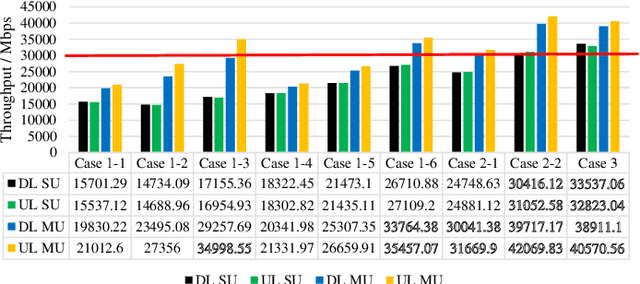
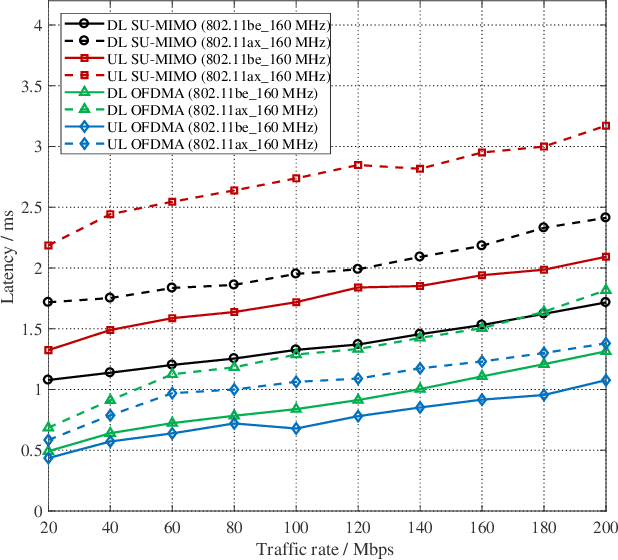
While the pace of commercial scale application of Wi-Fi 6 accelerates, the IEEE 802.11 Working Group is about to complete the development of a new amendment standard IEEE 802.11be -- Extremely High Throughput (EHT), also known as Wi-Fi 7, which can be used to meet the demand for the throughput of 4K/8K videos up to tens of Gbps and low-latency video applications such as virtual reality (VR) and augmented reality (AR). Wi-Fi 7 not only scales Wi-Fi 6 with doubled bandwidth, but also supports real-time applications, which brings revolutionary changes to Wi-Fi. In this article, we start by introducing the main objectives and timeline of Wi-Fi 7 and then list the latest key techniques which promote the performance improvement of Wi-Fi 7. Finally, we validate the most critical objectives of Wi-Fi 7 -- the potential up to 30 Gbps throughput and lower latency. System-level simulation results suggest that by combining the new techniques, Wi-Fi 7 achieves 30 Gbps throughput and lower latency than Wi-Fi 6.