 Add to Chrome
 Add to Firefox
 Add to Edge
A plug-and-play approach with fast uncertainty quantification for weak lensing mass mapping
Mar 23, 2026
Upcoming stage-IV surveys such as Euclid and Rubin will deliver vast amounts of high-precision data, opening new opportunities to constrain cosmological models with unprecedented accuracy. A key step in this process is the reconstruction of the dark matter distribution from noisy weak lensing shear measurements. Current deep learning-based mass mapping methods achieve high reconstruction accuracy, but either require retraining a model for each new observed sky region (limiting practicality) or rely on slow MCMC sampling. Efficient exploitation of future survey data therefore calls for a new method that is accurate, flexible, and fast at inference. In addition, uncertainty quantification with coverage guarantees is essential for reliable cosmological parameter estimation. We introduce PnPMass, a plug-and-play approach for weak lensing mass mapping. The algorithm produces point estimates by alternating between a gradient descent step with a carefully chosen data fidelity term, and a denoising step implemented with a single deep learning model trained on simulated data corrupted by Gaussian white noise. We also propose a fast, sampling-free uncertainty quantification scheme based on moment networks, with calibrated error bars obtained through conformal prediction to ensure coverage guarantees. Finally, we benchmark PnPMass against both model-driven and data-driven mass mapping techniques. PnPMass achieves performance close to that of state-of-the-art deep-learning methods while offering fast inference (converging in just a few iterations) and requiring only a single training phase, independently of the noise covariance of the observations. It therefore combines flexibility, efficiency, and reconstruction accuracy, while delivering tighter error bars than existing approaches, making it well suited for upcoming weak lensing surveys.

CHEM: Estimating and Understanding Hallucinations in Deep Learning for Image Processing
Dec 10, 2025U-Net and other U-shaped architectures have achieved significant success in image deconvolution tasks. However, challenges have emerged, as these methods might generate unrealistic artifacts or hallucinations, which can interfere with analysis in safety-critical scenarios. This paper introduces a novel approach for quantifying and comprehending hallucination artifacts to ensure trustworthy computer vision models. Our method, termed the Conformal Hallucination Estimation Metric (CHEM), is applicable to any image reconstruction model, enabling efficient identification and quantification of hallucination artifacts. It offers two key advantages: it leverages wavelet and shearlet representations to efficiently extract hallucinations of image features and uses conformalized quantile regression to assess hallucination levels in a distribution-free manner. Furthermore, from an approximation theoretical perspective, we explore the reasons why U-shaped networks are prone to hallucinations. We test the proposed approach on the CANDELS astronomical image dataset with models such as U-Net, SwinUNet, and Learnlets, and provide new perspectives on hallucination from different aspects in deep learning-based image processing.
Joint multi-band deconvolution for $Euclid$ and $Vera$ $C.$ $Rubin$ images
Feb 24, 2025With the advent of surveys like $Euclid$ and $Vera$ $C.$ $Rubin$, astrophysicists will have access to both deep, high-resolution images, and multi-band images. However, these two conditions are not simultaneously available in any single dataset. It is therefore vital to devise image deconvolution algorithms that exploit the best of the two worlds and that can jointly analyze datasets spanning a range of resolutions and wavelengths. In this work, we introduce a novel multi-band deconvolution technique aimed at improving the resolution of ground-based astronomical images by leveraging higher-resolution space-based observations. The method capitalizes on the fortunate fact that the $Vera$ $C.$ $Rubin$ $r$-, $i$-, and $z$-bands lie within the $Euclid$ $VIS$ band. The algorithm jointly deconvolves all the data to turn the $r$-, $i$-, and $z$-band $Vera$ $C.$ $Rubin$ images to the resolution of $Euclid$ by enabling us to leverage the correlations between the different bands. We also investigate the performance of deep learning-based denoising with DRUNet to further improve the results. We illustrate the effectiveness of our method in terms of resolution and morphology recovery, flux preservation, and generalization to different noise levels. This approach extends beyond the specific $Euclid$-$Rubin$ combination, offering a versatile solution to improve the resolution of ground-based images in multiple photometric bands by jointly using any space-based images with overlapping filters.
Ground-based Image Deconvolution with Swin Transformer UNet
May 13, 2024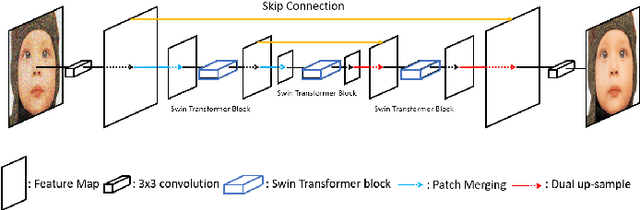
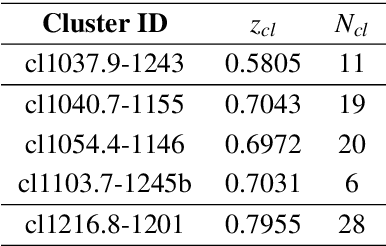

As ground-based all-sky astronomical surveys will gather millions of images in the coming years, a critical requirement emerges for the development of fast deconvolution algorithms capable of efficiently improving the spatial resolution of these images. By successfully recovering clean and high-resolution images from these surveys, our objective is to help deepen our understanding of galaxy formation and evolution through accurate photometric measurements. We introduce a two-step deconvolution framework using a Swin Transformer architecture. Our study reveals that the deep learning-based solution introduces a bias, constraining the scope of scientific analysis. To address this limitation, we propose a novel third step relying on the active coefficients in the sparsity wavelet framework. By conducting a performance comparison between our deep learning-based method and Firedec, a classical deconvolution algorithm, we analyze a subset of the EDisCS cluster samples. We demonstrate the advantage of our method in terms of resolution recovery, generalization to different noise properties, and computational efficiency. Not only does the analysis of this cluster sample assess the efficiency of our method, but it also enables us to quantify the number of clumps within these galaxies in relation to their disc colour. This robust technique holds promise for identifying structures in the distant universe from ground-based images.
Deep learning-based deconvolution for interferometric radio transient reconstruction
Jun 24, 2023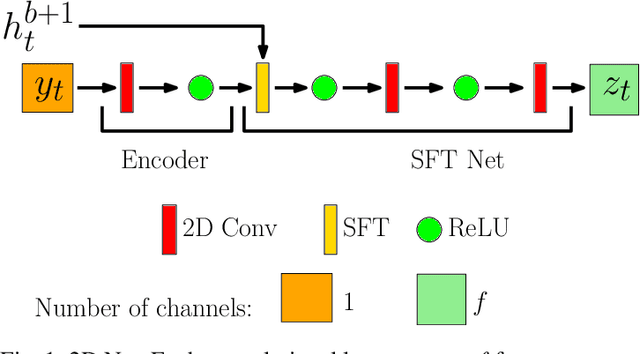
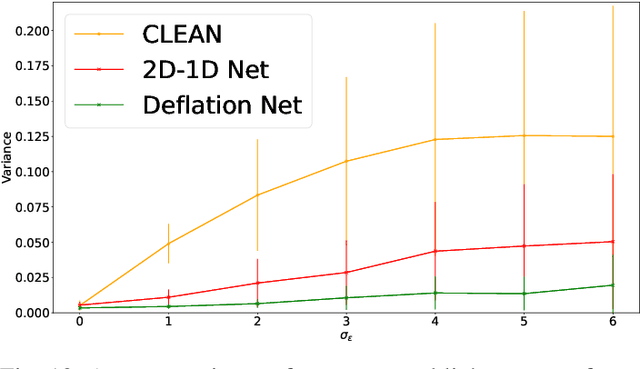
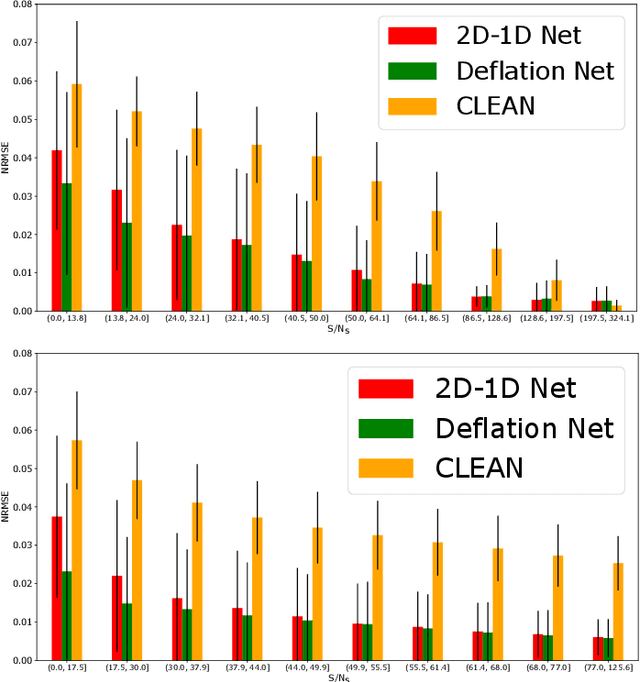
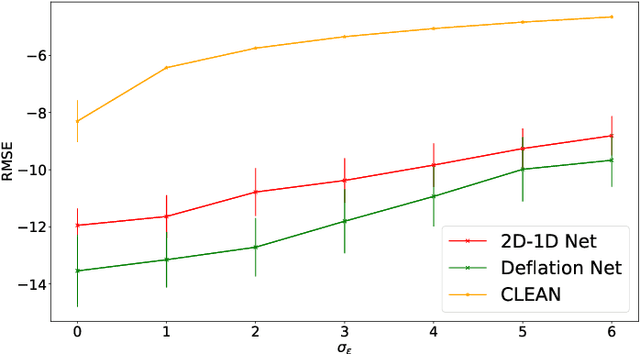
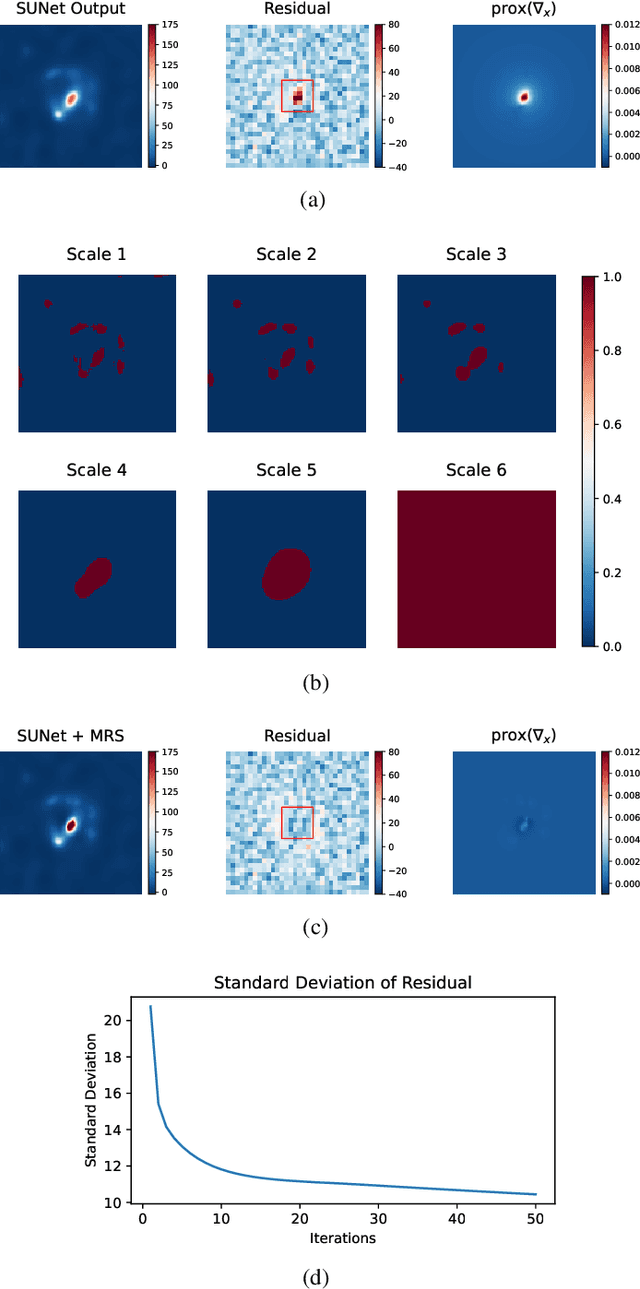
Radio astronomy is currently thriving with new large ground-based radio telescopes coming online in preparation for the upcoming Square Kilometre Array (SKA). Facilities like LOFAR, MeerKAT/SKA, ASKAP/SKA, and the future SKA-LOW bring tremendous sensitivity in time and frequency, improved angular resolution, and also high-rate data streams that need to be processed. They enable advanced studies of radio transients, volatile by nature, that can be detected or missed in the data. These transients are markers of high-energy accelerations of electrons and manifest in a wide range of temporal scales. Usually studied with dynamic spectroscopy of time series analysis, there is a motivation to search for such sources in large interferometric datasets. This requires efficient and robust signal reconstruction algorithms. To correctly account for the temporal dependency of the data, we improve the classical image deconvolution inverse problem by adding the temporal dependency in the reconstruction problem. Then, we introduce two novel neural network architectures that can do both spatial and temporal modeling of the data and the instrumental response. Then, we simulate representative time-dependent image cubes of point source distributions and realistic telescope pointings of MeerKAT to generate toy models to build the training, validation, and test datasets. Finally, based on the test data, we evaluate the source profile reconstruction performance of the proposed methods and classical image deconvolution algorithm CLEAN applied frame-by-frame. In the presence of increasing noise level in data frame, the proposed methods display a high level of robustness compared to frame-by-frame imaging with CLEAN. The deconvolved image cubes bring a factor of 3 improvement in fidelity of the recovered temporal profiles and a factor of 2 improvement in background denoising.
Point spread function modelling for astronomical telescopes: a review focused on weak gravitational lensing studies
Jun 12, 2023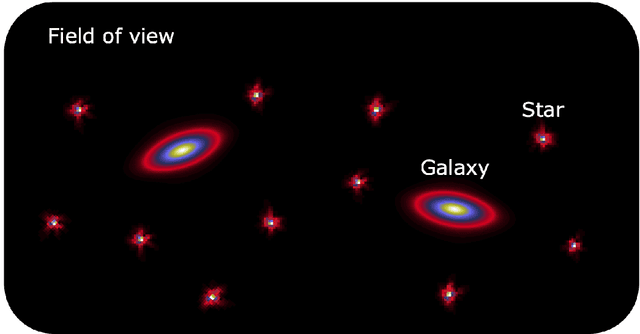
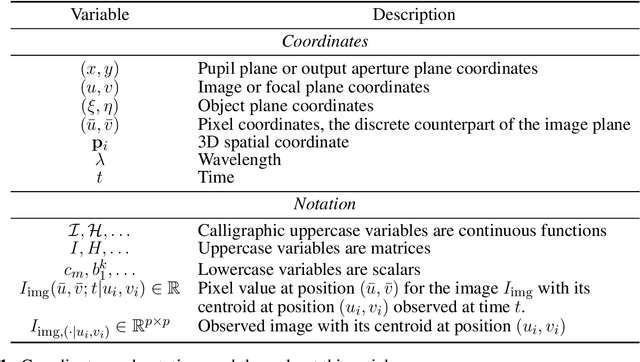
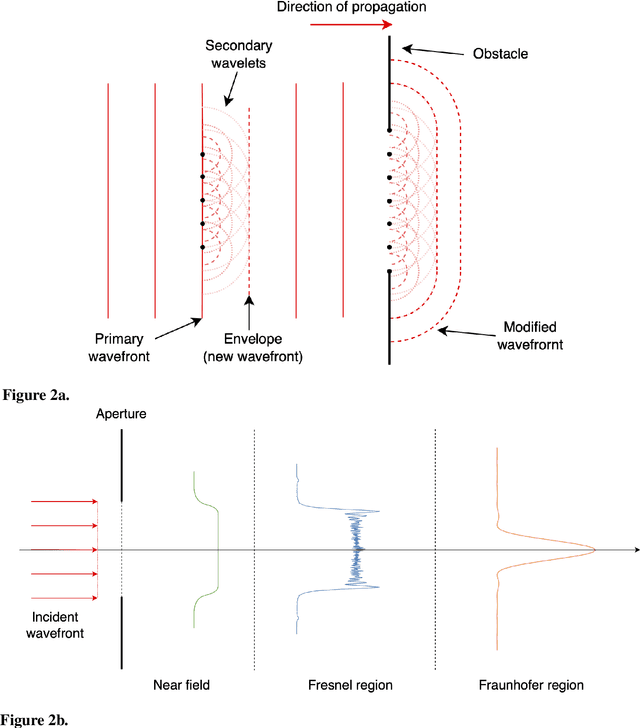
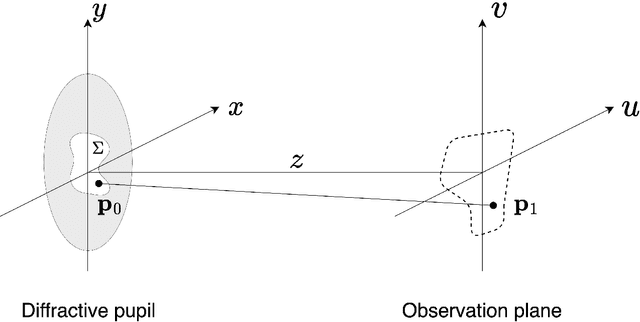
The accurate modelling of the Point Spread Function (PSF) is of paramount importance in astronomical observations, as it allows for the correction of distortions and blurring caused by the telescope and atmosphere. PSF modelling is crucial for accurately measuring celestial objects' properties. The last decades brought us a steady increase in the power and complexity of astronomical telescopes and instruments. Upcoming galaxy surveys like Euclid and LSST will observe an unprecedented amount and quality of data. Modelling the PSF for these new facilities and surveys requires novel modelling techniques that can cope with the ever-tightening error requirements. The purpose of this review is three-fold. First, we introduce the optical background required for a more physically-motivated PSF modelling and propose an observational model that can be reused for future developments. Second, we provide an overview of the different physical contributors of the PSF, including the optic- and detector-level contributors and the atmosphere. We expect that the overview will help better understand the modelled effects. Third, we discuss the different methods for PSF modelling from the parametric and non-parametric families for ground- and space-based telescopes, with their advantages and limitations. Validation methods for PSF models are then addressed, with several metrics related to weak lensing studies discussed in detail. Finally, we explore current challenges and future directions in PSF modelling for astronomical telescopes.
Deep Learning-based galaxy image deconvolution
Nov 17, 2022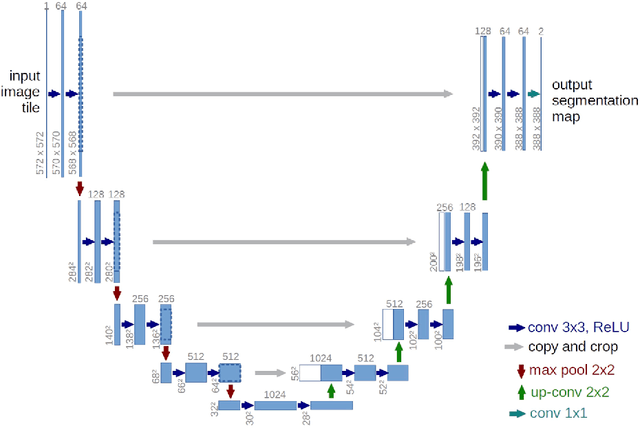

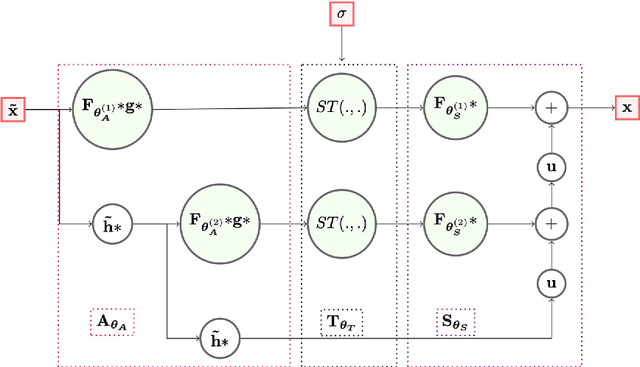

With the onset of large-scale astronomical surveys capturing millions of images, there is an increasing need to develop fast and accurate deconvolution algorithms that generalize well to different images. A powerful and accessible deconvolution method would allow for the reconstruction of a cleaner estimation of the sky. The deconvolved images would be helpful to perform photometric measurements to help make progress in the fields of galaxy formation and evolution. We propose a new deconvolution method based on the Learnlet transform. Eventually, we investigate and compare the performance of different Unet architectures and Learnlet for image deconvolution in the astrophysical domain by following a two-step approach: a Tikhonov deconvolution with a closed-form solution, followed by post-processing with a neural network. To generate our training dataset, we extract HST cutouts from the CANDELS survey in the F606W filter (V-band) and corrupt these images to simulate their blurred-noisy versions. Our numerical results based on these simulations show a detailed comparison between the considered methods for different noise levels.
Towards solving model bias in cosmic shear forward modeling
Oct 28, 2022As the volume and quality of modern galaxy surveys increase, so does the difficulty of measuring the cosmological signal imprinted in galaxy shapes. Weak gravitational lensing sourced by the most massive structures in the Universe generates a slight shearing of galaxy morphologies called cosmic shear, key probe for cosmological models. Modern techniques of shear estimation based on statistics of ellipticity measurements suffer from the fact that the ellipticity is not a well-defined quantity for arbitrary galaxy light profiles, biasing the shear estimation. We show that a hybrid physical and deep learning Hierarchical Bayesian Model, where a generative model captures the galaxy morphology, enables us to recover an unbiased estimate of the shear on realistic galaxies, thus solving the model bias.
Hybrid Physical-Neural ODEs for Fast N-body Simulations
Jul 12, 2022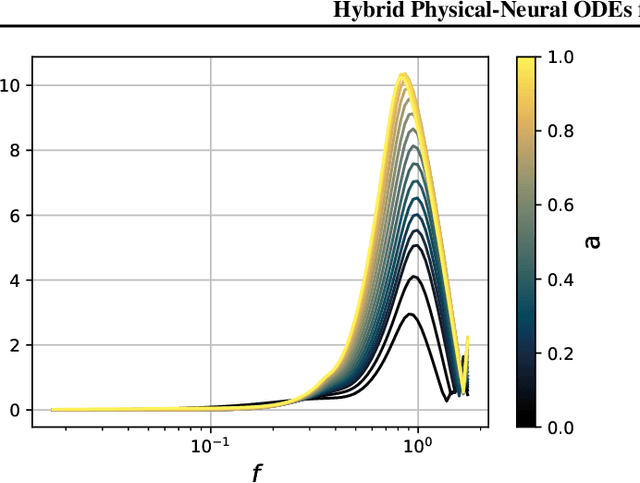
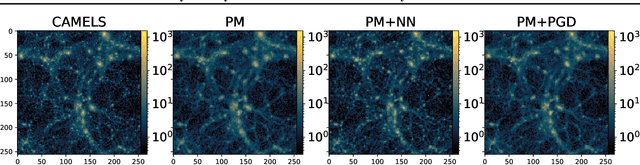
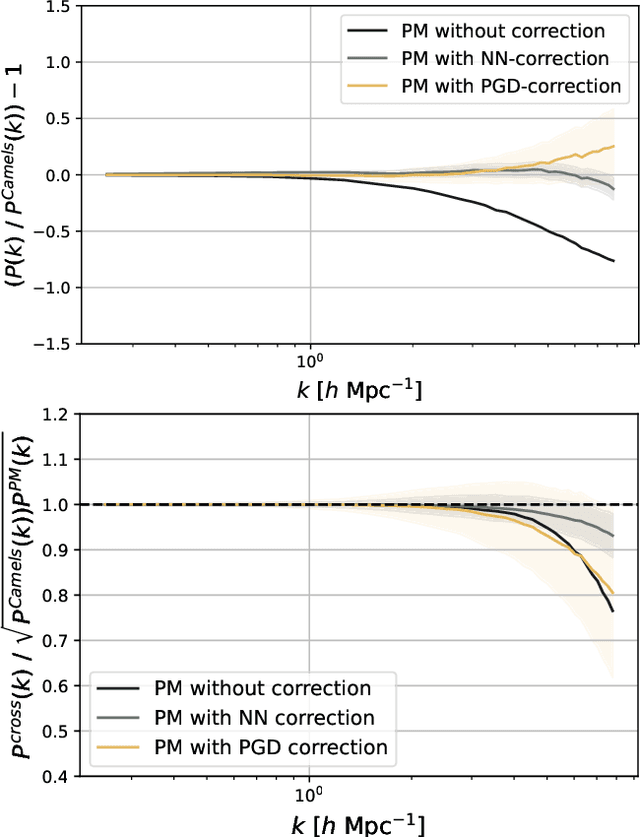
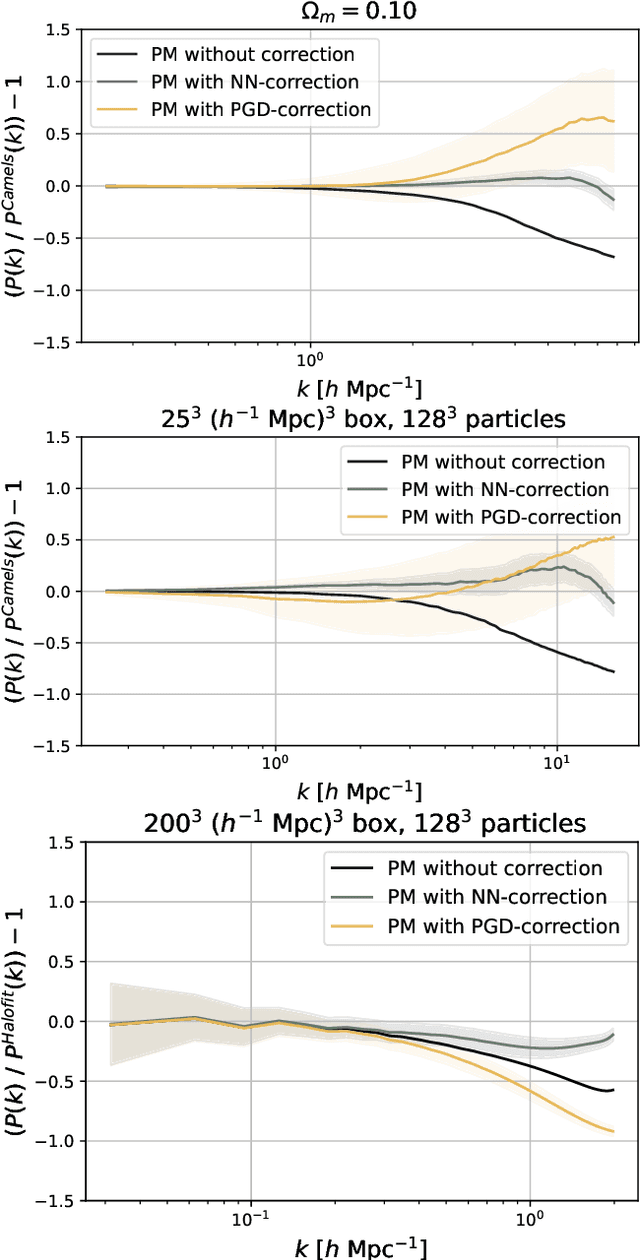
We present a new scheme to compensate for the small-scales approximations resulting from Particle-Mesh (PM) schemes for cosmological N-body simulations. This kind of simulations are fast and low computational cost realizations of the large scale structures, but lack resolution on small scales. To improve their accuracy, we introduce an additional effective force within the differential equations of the simulation, parameterized by a Fourier-space Neural Network acting on the PM-estimated gravitational potential. We compare the results for the matter power spectrum obtained to the ones obtained by the PGD scheme (Potential gradient descent scheme). We notice a similar improvement in term of power spectrum, but we find that our approach outperforms PGD for the cross-correlation coefficients, and is more robust to changes in simulation settings (different resolutions, different cosmologies).
Rethinking data-driven point spread function modeling with a differentiable optical model
Mar 09, 2022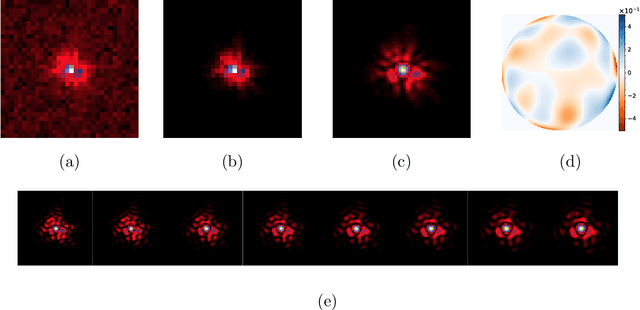
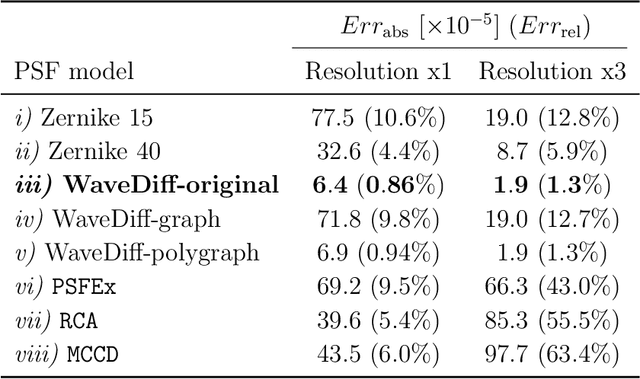
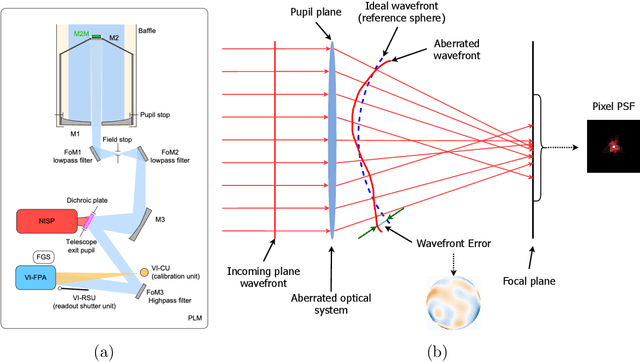
In astronomy, upcoming space telescopes with wide-field optical instruments have a spatially varying point spread function (PSF). Certain scientific goals require a high-fidelity estimation of the PSF at target positions where no direct measurement of the PSF is provided. Even though observations of the PSF are available at some positions of the field of view (FOV), they are undersampled, noisy, and integrated in wavelength in the instrument's passband. PSF modeling requires building a model from these observations that can infer a super-resolved PSF at any wavelength and any position in the FOV. Current data-driven PSF models can tackle spatial variations and super-resolution, but are not capable of capturing chromatic variations. Our model, coined WaveDiff, proposes a paradigm shift in the data-driven modeling of the point spread function field of telescopes. By adding a differentiable optical forward model into the modeling framework, we change the data-driven modeling space from the pixels to the wavefront. The proposed model relies on efficient automatic differentiation technology as well as modern stochastic first-order optimization techniques recently developed by the thriving machine-learning community. Our framework paves the way to building powerful models that are physically motivated and do not require special calibration data. This paper demonstrates the WaveDiff model on a simplified setting of a space telescope. The proposed framework represents a performance breakthrough with respect to existing data-driven approaches. The pixel reconstruction errors decrease 6-fold at observation resolution and 44-fold for a 3x super-resolution. The ellipticity errors are reduced by a factor of at least 20 and the size error by a factor of more than 250. By only using noisy broad-band in-focus observations, we successfully capture the PSF chromatic variations due to diffraction.