 Add to Chrome
 Add to Firefox
 Add to Edge
Missile Detection
Papers and Code
MilChat: Introducing Chain of Thought Reasoning and GRPO to a Multimodal Small Language Model for Remote Sensing
May 12, 2025
Remarkable capabilities in understanding and generating text-image content have been demonstrated by recent advancements in multimodal large language models (MLLMs). However, their effectiveness in specialized domains-particularly those requiring resource-efficient and domain-specific adaptations-has remained limited. In this work, a lightweight multimodal language model termed MilChat is introduced, specifically adapted to analyze remote sensing imagery in secluded areas, including challenging missile launch sites. A new dataset, MilData, was compiled by verifying hundreds of aerial images through expert review, and subtle military installations were highlighted via detailed captions. Supervised fine-tuning on a 2B-parameter open-source MLLM with chain-of-thought (CoT) reasoning annotations was performed, enabling more accurate and interpretable explanations. Additionally, Group Relative Policy Optimization (GRPO) was leveraged to enhance the model's ability to detect critical domain-specific cues-such as defensive layouts and key military structures-while minimizing false positives on civilian scenes. Through empirical evaluations, it has been shown that MilChat significantly outperforms both larger, general-purpose multimodal models and existing remote sensing-adapted approaches on open-ended captioning and classification metrics. Over 80% recall and 98% precision were achieved on the newly proposed MilData benchmark, underscoring the potency of targeted fine-tuning and reinforcement learning in specialized real-world applications.

Missile detection and destruction robot using detection algorithm
Jul 11, 2024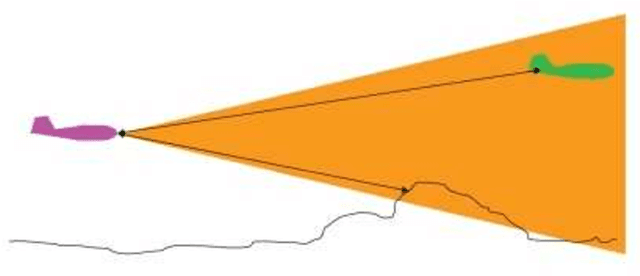
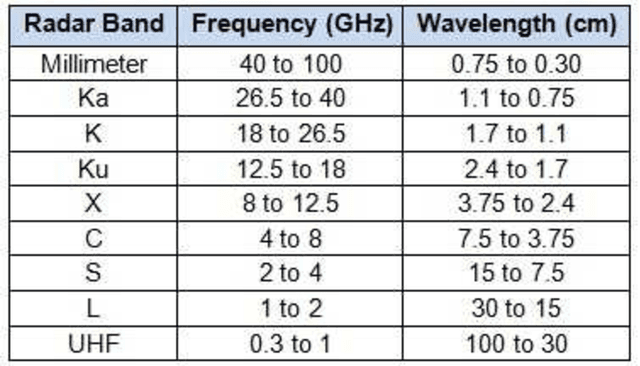
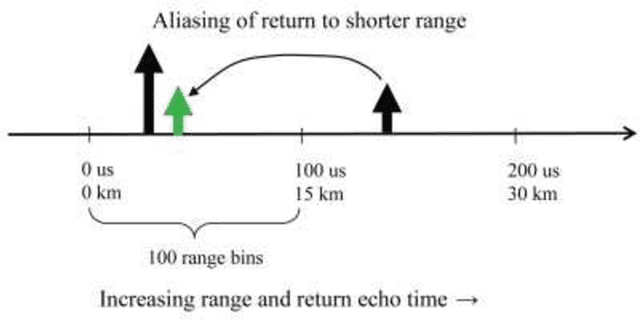
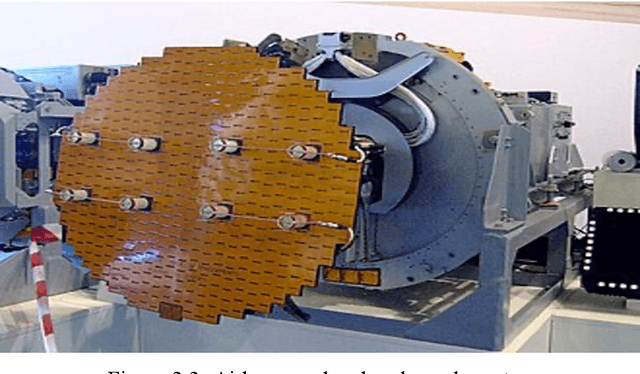
This research is based on the present missile detection technologies in the world and the analysis of these technologies to find a cost effective solution to implement the system in Bangladesh. The paper will give an idea of the missile detection technologies using the electro-optical sensor and the pulse doppler radar. The system is made to detect the target missile. Automatic detection and destruction with the help of ultrasonic sonar, a metal detector sensor, and a smoke detector sensor. The system is mainly based on an ultrasonic sonar sensor. It has a transducer, a transmitter, and a receiver. Transducer is connected with the connected with controller. When it detects an object by following the algorithm, it finds its distance and angle. It can also assure whether the system can destroy the object or not by using another algorithm's simulation.
Developing Imperceptible Adversarial Patches to Camouflage Military Assets From Computer Vision Enabled Technologies
Feb 17, 2022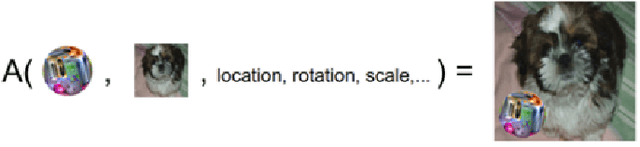
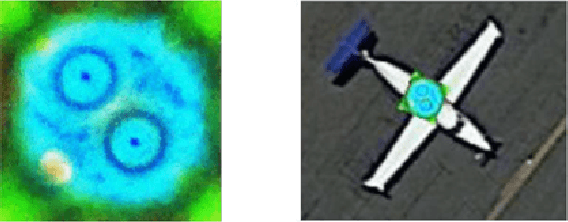
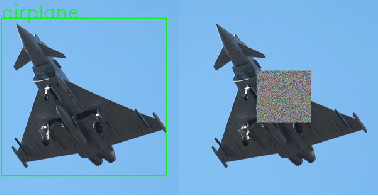
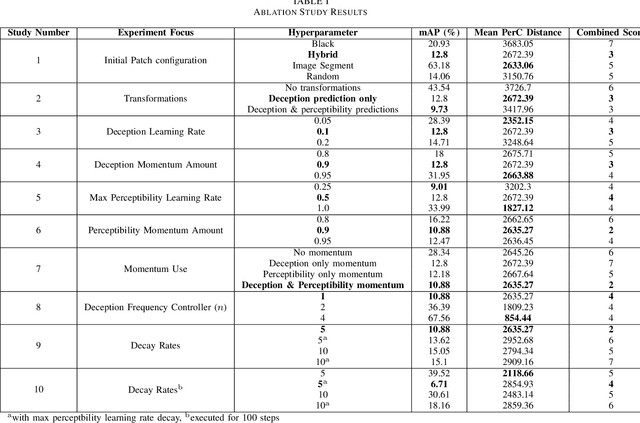
Convolutional neural networks (CNNs) have demonstrated rapid progress and a high level of success in object detection. However, recent evidence has highlighted their vulnerability to adversarial attacks. These attacks are calculated image perturbations or adversarial patches that result in object misclassification or detection suppression. Traditional camouflage methods are impractical when applied to disguise aircraft and other large mobile assets from autonomous detection in intelligence, surveillance and reconnaissance technologies and fifth generation missiles. In this paper we present a unique method that produces imperceptible patches capable of camouflaging large military assets from computer vision-enabled technologies. We developed these patches by maximising object detection loss whilst limiting the patch's colour perceptibility. This work also aims to further the understanding of adversarial examples and their effects on object detection algorithms.
RadArnomaly: Protecting Radar Systems from Data Manipulation Attacks
Jun 13, 2021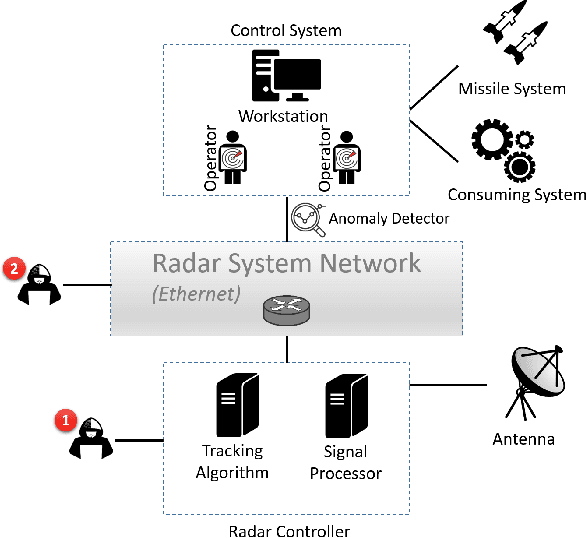
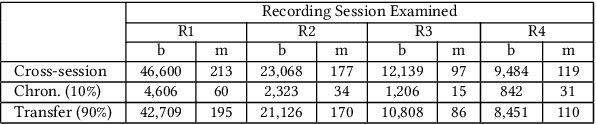
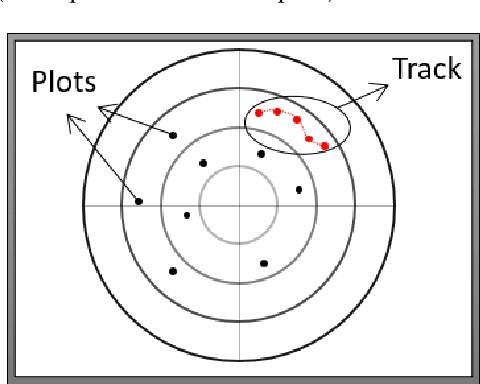
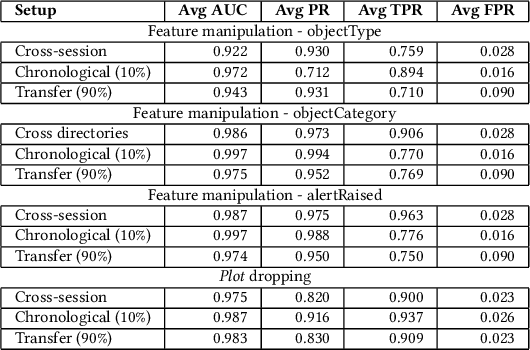
Radar systems are mainly used for tracking aircraft, missiles, satellites, and watercraft. In many cases, information regarding the objects detected by the radar system is sent to, and used by, a peripheral consuming system, such as a missile system or a graphical user interface used by an operator. Those systems process the data stream and make real-time, operational decisions based on the data received. Given this, the reliability and availability of information provided by radar systems has grown in importance. Although the field of cyber security has been continuously evolving, no prior research has focused on anomaly detection in radar systems. In this paper, we present a deep learning-based method for detecting anomalies in radar system data streams. We propose a novel technique which learns the correlation between numerical features and an embedding representation of categorical features in an unsupervised manner. The proposed technique, which allows the detection of malicious manipulation of critical fields in the data stream, is complemented by a timing-interval anomaly detection mechanism proposed for the detection of message dropping attempts. Real radar system data is used to evaluate the proposed method. Our experiments demonstrate the method's high detection accuracy on a variety of data stream manipulation attacks (average detection rate of 88% with 1.59% false alarms) and message dropping attacks (average detection rate of 92% with 2.2% false alarms).
Broad Area Search and Detection of Surface-to-Air Missile Sites Using Spatial Fusion of Component Object Detections from Deep Neural Networks
Mar 23, 2020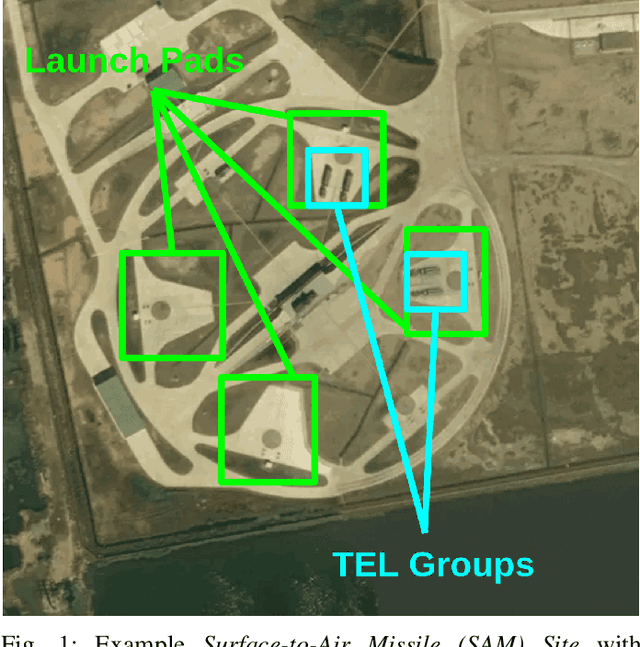
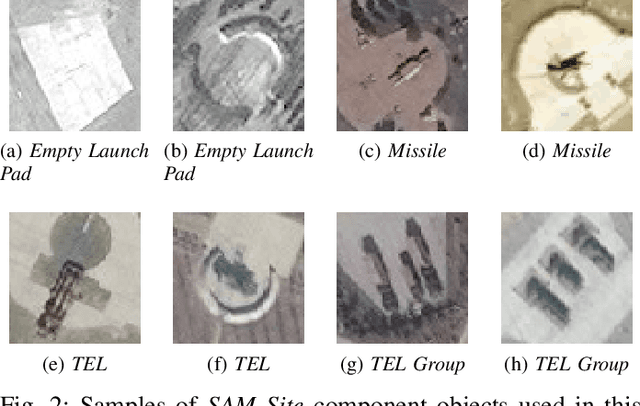
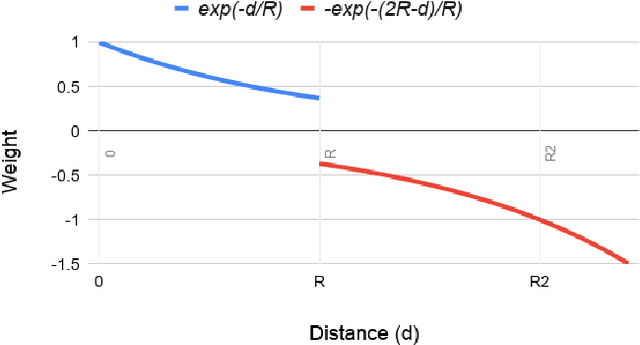
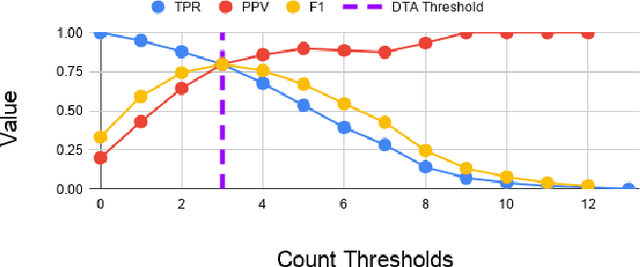
Here we demonstrate how Deep Neural Network (DNN) detections of multiple constitutive or component objects that are part of a larger, more complex, and encompassing feature can be spatially fused to improve the search, detection, and retrieval (ranking) of the larger complex feature. First, scores computed from a spatial clustering algorithm are normalized to a reference space so that they are independent of image resolution and DNN input chip size. Then, multi-scale DNN detections from various component objects are fused to improve the detection and retrieval of DNN detections of a larger complex feature. We demonstrate the utility of this approach for broad area search and detection of Surface-to-Air Missile (SAM) sites that have a very low occurrence rate (only 16 sites) over a ~90,000 km^2 study area in SE China. The results demonstrate that spatial fusion of multi-scale component-object DNN detections can reduce the detection error rate of SAM Sites by $>$85% while still maintaining a 100% recall. The novel spatial fusion approach demonstrated here can be easily extended to a wide variety of other challenging object search and detection problems in large-scale remote sensing image datasets.
Building Small-Satellites to Live Through the Kessler Effect
Sep 02, 2019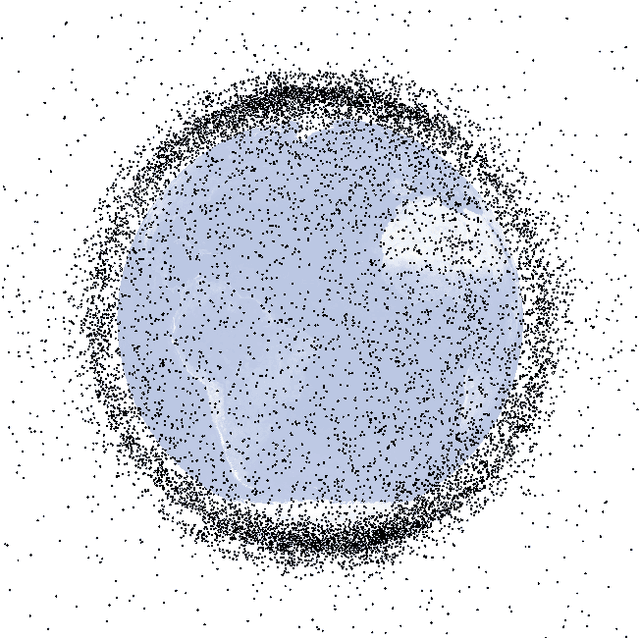
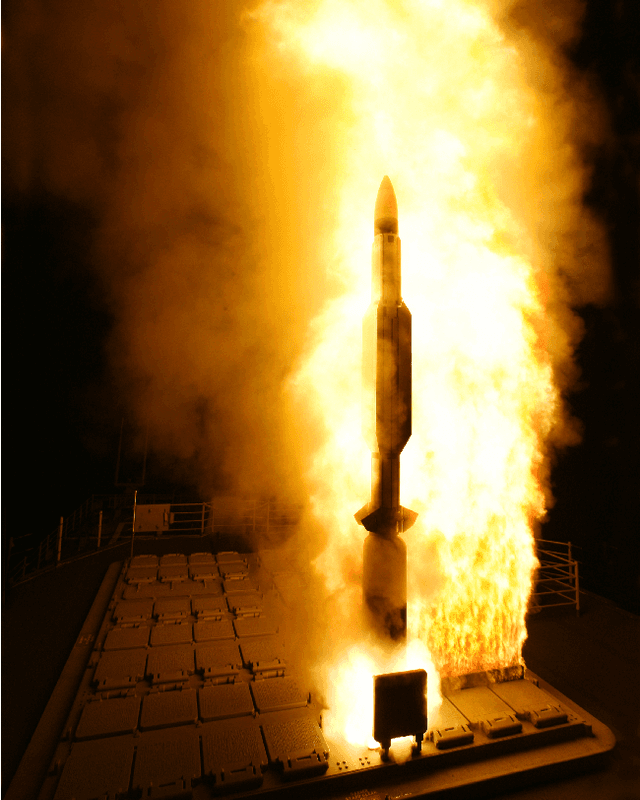
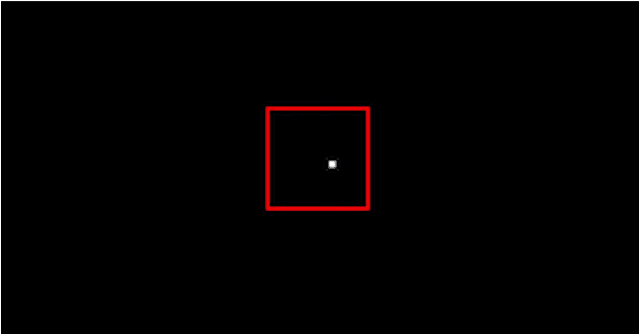
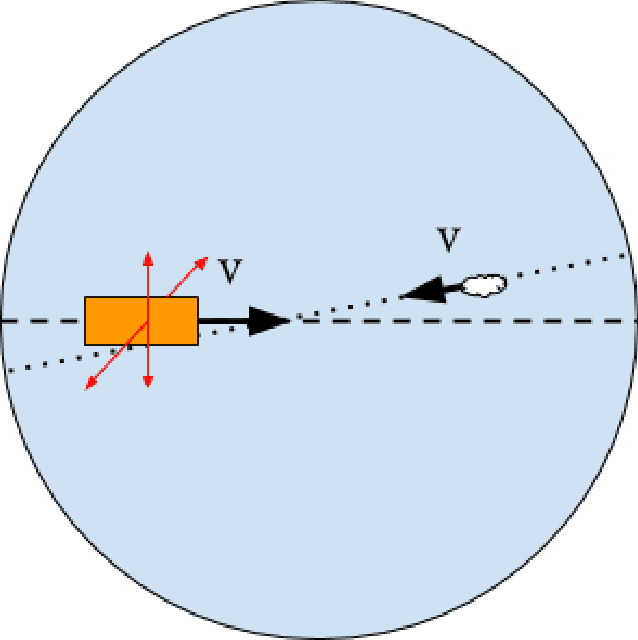
The rapid advancement and miniaturization of spacecraft electronics, sensors, actuators, and power systems have resulted in growing proliferation of small-spacecraft. Coupled with this is the growing number of rocket launches, with left-over debris marking their trail. The space debris problem has also been compounded by test of several satellite killer missiles that have left large remnant debris fields. In this paper, we assume a future in which the Kessler Effect has taken hold and analyze the implications on the design of small-satellites and CubeSats. We use a multiprong approach of surveying the latest technologies, including the ability to sense space debris in orbit, perform obstacle avoidance, have sufficient shielding to take on small impacts and other techniques to mitigate the problem. Detecting and tracking space debris threats on-orbit is expected to be an important approach and we will analyze the latest vision algorithms to perform the detection, followed by quick reaction control systems to perform the avoidance. Alternately there may be scenarios where the debris is too small to track and avoid. In this case, the spacecraft will need passive mitigation measures to survive the impact. Based on these conditions, we develop a strawman design of a small spacecraft to mitigate these challenges. Based upon this study, we identify if there is sufficient present-day COTS technology to mitigate or shield satellites from the problem. We conclude by outlining technology pathways that need to be advanced now to best prepare ourselves for the worst-case eventuality of Kessler Effect taking hold in the upper altitudes of Low Earth Orbit.
How to find real-world applications for compressive sensing
Jun 26, 2013The potential of compressive sensing (CS) has spurred great interest in the research community and is a fast growing area of research. However, research translating CS theory into practical hardware and demonstrating clear and significant benefits with this hardware over current, conventional imaging techniques has been limited. This article helps researchers to find those niche applications where the CS approach provides substantial gain over conventional approaches by articulating lessons learned in finding one such application; sea skimming missile detection. As a proof of concept, it is demonstrated that a simplified CS missile detection architecture and algorithm provides comparable results to the conventional imaging approach but using a smaller FPA. The primary message is that all of the excitement surrounding CS is necessary and appropriate for encouraging our creativity but we all must also take off our "rose colored glasses" and critically judge our ideas, methods and results relative to conventional imaging approaches.
* 10 pages