 Add to Chrome
 Add to Firefox
 Add to Edge
Adding LLMs to the psycholinguistic norming toolbox: A practical guide to getting the most out of human ratings
Sep 17, 2025
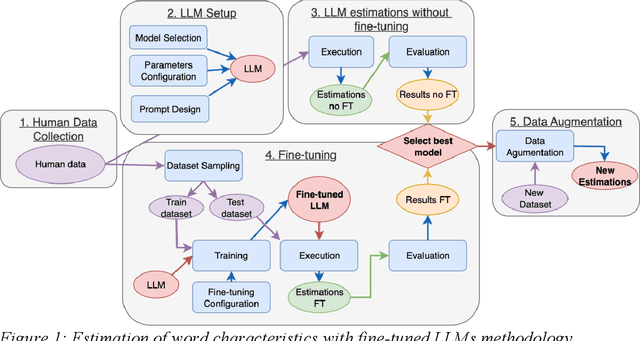
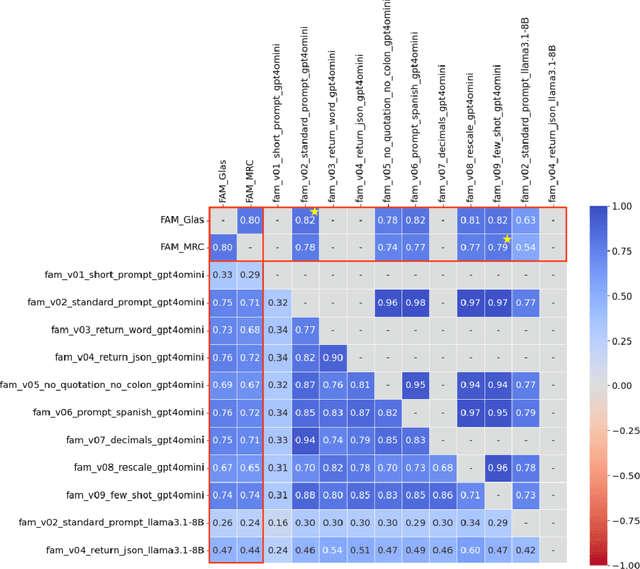
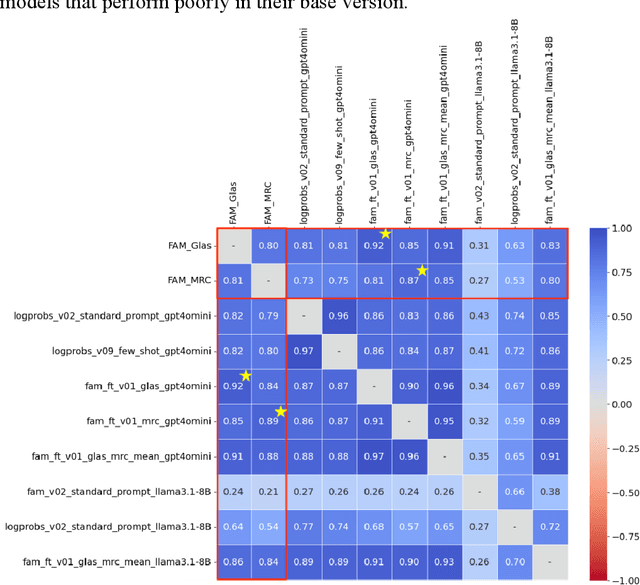
Word-level psycholinguistic norms lend empirical support to theories of language processing. However, obtaining such human-based measures is not always feasible or straightforward. One promising approach is to augment human norming datasets by using Large Language Models (LLMs) to predict these characteristics directly, a practice that is rapidly gaining popularity in psycholinguistics and cognitive science. However, the novelty of this approach (and the relative inscrutability of LLMs) necessitates the adoption of rigorous methodologies that guide researchers through this process, present the range of possible approaches, and clarify limitations that are not immediately apparent, but may, in some cases, render the use of LLMs impractical. In this work, we present a comprehensive methodology for estimating word characteristics with LLMs, enriched with practical advice and lessons learned from our own experience. Our approach covers both the direct use of base LLMs and the fine-tuning of models, an alternative that can yield substantial performance gains in certain scenarios. A major emphasis in the guide is the validation of LLM-generated data with human "gold standard" norms. We also present a software framework that implements our methodology and supports both commercial and open-weight models. We illustrate the proposed approach with a case study on estimating word familiarity in English. Using base models, we achieved a Spearman correlation of 0.8 with human ratings, which increased to 0.9 when employing fine-tuned models. This methodology, framework, and set of best practices aim to serve as a reference for future research on leveraging LLMs for psycholinguistic and lexical studies.

Knowledge Engineering for Wind Energy
Oct 01, 2023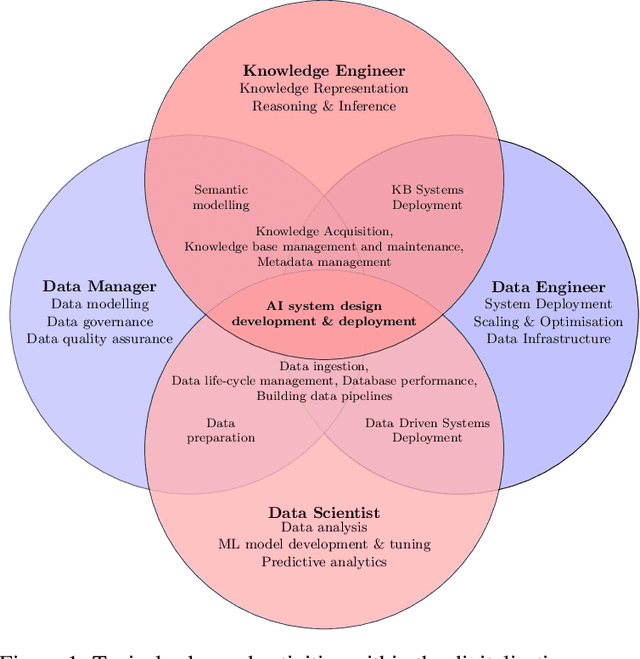
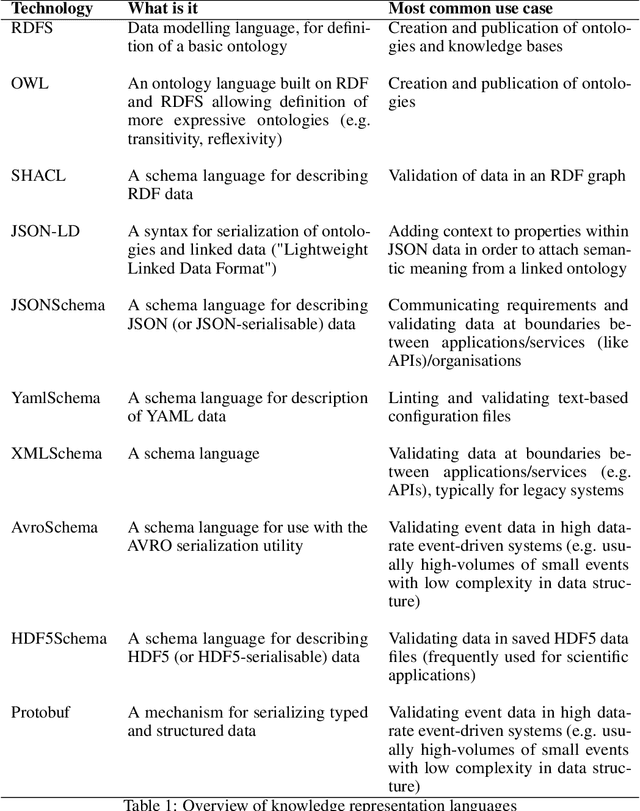

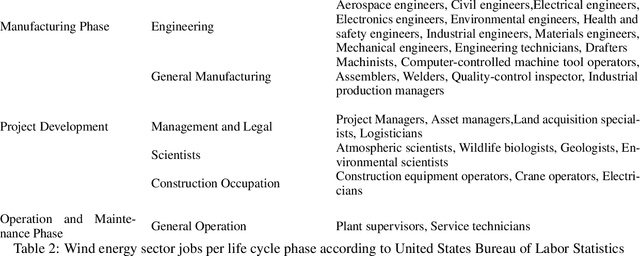
With the rapid evolution of the wind energy sector, there is an ever-increasing need to create value from the vast amounts of data made available both from within the domain, as well as from other sectors. This article addresses the challenges faced by wind energy domain experts in converting data into domain knowledge, connecting and integrating it with other sources of knowledge, and making it available for use in next generation artificially intelligent systems. To this end, this article highlights the role that knowledge engineering can play in the process of digital transformation of the wind energy sector. It presents the main concepts underpinning Knowledge-Based Systems and summarises previous work in the areas of knowledge engineering and knowledge representation in a manner that is relevant and accessible to domain experts. A systematic analysis of the current state-of-the-art on knowledge engineering in the wind energy domain is performed, with available tools put into perspective by establishing the main domain actors and their needs and identifying key problematic areas. Finally, guidelines for further development and improvement are provided.