 Add to Chrome
 Add to Firefox
 Add to Edge
Adversarial Sensor Errors for Safe and Robust Wind Turbine Fleet Control
Apr 09, 2026
Plant-level control is an emerging wind energy technology that presents opportunities and challenges. By controlling turbines in a coordinated manner via a central controller, it is possible to achieve greater wind power plant efficiency. However, there is a risk that measurement errors will confound the process, or even that hackers will alter the telemetry signals received by the central controller. This paper presents a framework for developing a safe plant controller by training it with an adversarial agent designed to confound it. This necessitates training the adversary to confound the controller, creating a sort of circular logic or "Arms Race." This paper examines three broad training approaches for co-training the protagonist and adversary, finding that an Arms Race approach yields the best results. These initial results indicate that the Arms Race adversarial training reduced worst-case performance degradation from 39% power loss to 7.9% power gain relative to a baseline operational strategy.

Knowledge Engineering for Wind Energy
Oct 01, 2023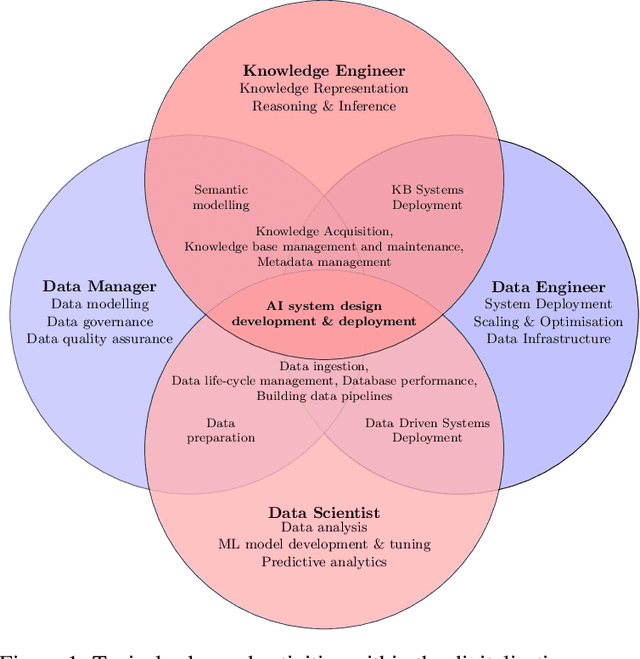
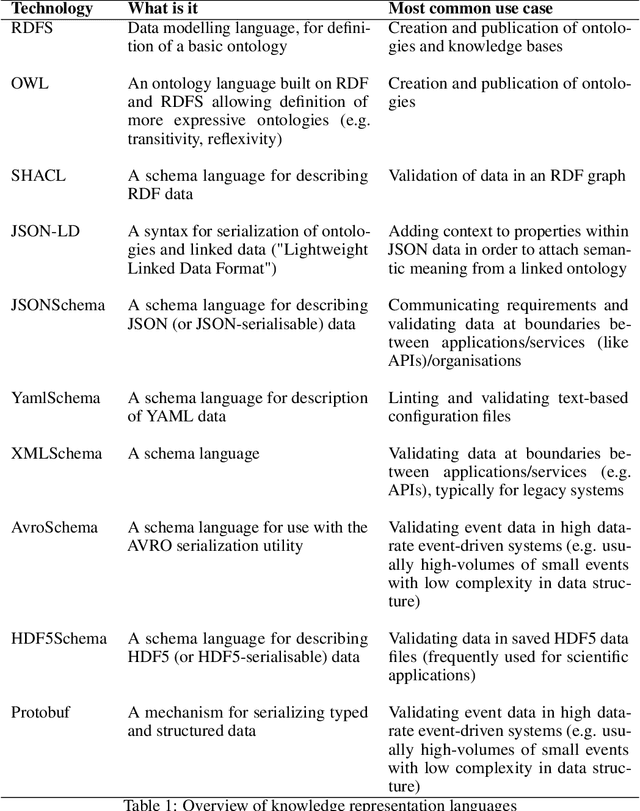

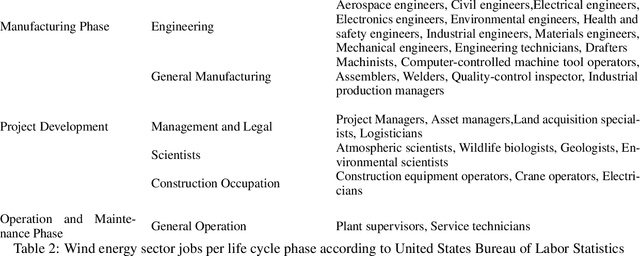
With the rapid evolution of the wind energy sector, there is an ever-increasing need to create value from the vast amounts of data made available both from within the domain, as well as from other sectors. This article addresses the challenges faced by wind energy domain experts in converting data into domain knowledge, connecting and integrating it with other sources of knowledge, and making it available for use in next generation artificially intelligent systems. To this end, this article highlights the role that knowledge engineering can play in the process of digital transformation of the wind energy sector. It presents the main concepts underpinning Knowledge-Based Systems and summarises previous work in the areas of knowledge engineering and knowledge representation in a manner that is relevant and accessible to domain experts. A systematic analysis of the current state-of-the-art on knowledge engineering in the wind energy domain is performed, with available tools put into perspective by establishing the main domain actors and their needs and identifying key problematic areas. Finally, guidelines for further development and improvement are provided.