 Add to Chrome
 Add to Firefox
 Add to Edge
SIGMA: Symmetry-aware, Intelligent, Geometric, Multi-objective Adaptive Control for Robust, Dependable Traffic Management
Aug 18, 2026
Traffic signal control is a complex sequential decision-making problem requiring real-time adaptation and trade-offs among throughput, delay fairness, signal stability, and emergency vehicle priority. Existing RL methods often fix objectives, ignore dynamic priority changes, and fail to generalize across geometrically similar intersections.We propose SIGMA (Symmetry-aware, Intelligent, Geometric, Multi-objective Adaptive traffic control), an RL framework enhanced with a large language model (LLM) for adaptive objective tuning and orientation-invariant learning. SIGMA converts natural-language emergency commands into priority vectors for a multi-objective actor-critic controller, avoiding manual reward engineering. Rotational augmentation improves transferability across four-way intersections, while offline-to-online learning ensures stable initialization and gradual adaptation to changing traffic.We define reliability properties covering emergency service levels, graceful degradation under LLM failures, and demand sensitivity, validated via bootstrap statistics. Evaluated in SUMO on four Kolkata-based urban intersections against fixed-time, actuated, and DQN controllers, SIGMA reduces average/emergency waiting times and queue lengths, and boosts throughput. Ablation studies confirm robustness to component failures and geometric rotations. Overall, SIGMA offers a reliable, language-guided, multi-objective traffic control system with statistical reliability assurance.

TREA-Net: A Transferable Residual Epidemiological Adaptation Network for Dengue Incidence Forecasting
Jul 29, 2026Accurate multi-week dengue forecasting supports timely vector-control interventions, outbreak preparedness, and healthcare resource allocation. However, newly established surveillance systems often lack the historical data needed to train reliable neural forecasting models. Although pretrained time-series models offer promising zero-shot forecasts, their cross-domain training may not capture local epidemiological dynamics. We propose TREA-Net, a Transferable Residual Epidemiological Adaptation Network for dengue forecasting under limited data. TREA-Net augments neural forecasting backbones with projections from an Environmental Time-Series Susceptible-Infected-Recovered model and learns a lightweight gated residual correction transferable from data-rich to data-scarce regions. Its node-invariant design accommodates surveillance systems with different numbers of locations, while target adaptation requires learning only two global parameters. We transfer knowledge from long-running dengue surveillance in Colombia and Nicaragua to 8-week-ahead forecasting in Mexico and Malaysia using only 78 or 104 weeks of target data. Across five neural backbones and ten transfer settings, TREA-Net improves the corresponding backbone in 9 out of 10 settings, with statistically significant gains. When integrated with TiRex, a foundation model for forecasting, it achieves the lowest mean absolute error across all target datasets. Conformal prediction further maintains empirical coverage while reducing 8-week prediction-interval width by 29.6% in Mexico. These results demonstrate TREA-Net's potential as a lightweight and portable early-warning framework for health agencies with limited surveillance data.
ANGLE: Angular Neural Generative Learning via Engression
Jul 14, 2026Circular data, representing angles or directions, are frequently encountered in computer vision, biology, geology, and meteorology. Traditional regression targets the conditional mean, which is often geometrically misleading for circular responses under multimodal, skewed, or asymmetric data structures. To address these limitations, a lightweight deep generative framework, namely ANGLE, is introduced for non-parametric distributional regression on the circle. The full conditional distribution of an angular response, given Euclidean and circular covariates, is learned through a generative map optimized via a generalized circular energy score (GCES) loss. Desirable theoretical properties, including the strict propriety of the loss and the rotational equivariance of the estimators, are established. Furthermore, both pre- and post-additive noise models are accommodated. A unified toolbox is provided for advancing previously underexplored challenges in circular statistics: extrapolation, sufficient dimension reduction, and conditional distribution equality testing. The framework's efficacy is demonstrated through extensive simulations and real-world applications. Specifically, the proposal is utilized for object pose estimation from imagery and wind direction prediction, which are integral to surveillance, autonomous vehicles, and energy systems, respectively. Superior predictive performance and robust uncertainty quantification of the proposed method in these tasks are revealed.
Long-Memory Reservoir Computing for Data-Scarce Dengue Forecasting
Jul 13, 2026Accurate dengue forecasting is crucial for public health planning, but remains challenging because incidence series are often short, noisy, non-stationary, nonlinear, and often affected by long-range temporal dependence. Fractional differencing in Autoregressive Fractionally Integrated Moving Average (ARFIMA) helps balance non-stationarity and persistence, but its linear structure limits its ability to capture nonlinear dynamics. Deep neural networks can model nonlinear patterns, but usually require large training samples and do not explicitly encode statistical long memory. Echo State Networks (ESNs), a widely used reservoir computing framework, are attractive in this setting because they retain nonlinear recurrent dynamics while training only a simple readout, making them suitable for data-scarce scenarios. However, standard ESNs lack long-term memory from a time-series perspective. This study proposes a long-memory reservoir computing framework that integrates dedicated long-memory and short-memory ESN reservoirs with a ridge-regression readout. We introduce two variants: Fractional ESN (fESN), which incorporates fractional-differencing dynamics into the reservoir to encode long-range dependence directly, and Wavelet ESN (wESN), which extracts stable low-frequency components through wavelet smoothing before modeling them with a memory-aware reservoir. We establish theoretical guarantees for closed-loop reservoir dynamics, showing that standard ESNs induce short-memory processes under mild conditions, whereas the proposed long-memory reservoirs generate polynomially decaying dependence consistent with statistical long memory. Across multiple dengue datasets and forecasting horizons, fESN and wESN outperform statistical and deep learning baselines. Combining conformal prediction with fESN and wESN provides distribution-free calibrated uncertainty intervals.
EpiCastBench: Datasets and Benchmarks for Multivariate Epidemic Forecasting
May 12, 2026The increasing adoption of data-driven decision-making in public health has established epidemic forecasting as a critical area of research. Recent advances in multivariate forecasting models better capture complex temporal dependencies than conventional univariate approaches, which model individual series independently. Despite this potential, the development of robust epidemic forecasting methods is constrained by the lack of high-quality benchmarks comprising diverse multivariate datasets across infectious diseases and geographical regions. To address this gap, we present EpiCastBench, a large-scale benchmarking framework featuring 40 curated (correlated) multivariate epidemic datasets. These publicly available datasets span a wide range of infectious diseases and exhibit diverse characteristics in terms of temporal granularity, series length, and sparsity. We analyze these datasets to identify their global features and structural patterns. To ensure reproducibility and fair comparison, we establish standardized evaluation settings, including a unified forecasting horizon, consistent preprocessing pipelines, diverse performance metrics, and statistical significance testing. By leveraging this framework, we conduct a comprehensive evaluation of 15 multivariate forecasting models spanning statistical baselines to state-of-the-art deep learning and foundation models. All datasets and code are publicly available on Kaggle (https://www.kaggle.com/datasets/aimltsf/epicastbench) and GitHub (https://github.com/aimltsf/EpiCastBench).
Graph Convolutional Support Vector Regression for Robust Spatiotemporal Forecasting of Urban Air Pollution
May 05, 2026Urban air quality forecasting is challenging because pollutant concentrations are nonlinear, nonstationary, spatiotemporally dependent, and often affected by anomalous observations caused by traffic congestion, industrial emissions, and seasonal meteorological variability. This study proposes a Graph Convolutional Support Vector Regression (GCSVR) framework for robust spatiotemporal forecasting of urban air pollution. The model combines graph convolutional learning to capture inter-station spatial dependence with support vector regression to model nonlinear temporal dynamics while reducing sensitivity to outlier observations. The proposed framework is evaluated using air quality records from 37 monitoring stations in Delhi and 18 stations in Mumbai, representing inland and coastal metropolitan environments in India. Forecasting performance is assessed across multiple horizons and compared with established temporal and spatiotemporal benchmarks. The results show that GCSVR consistently improves predictive accuracy and maintains stable performance across seasons and outlier-prone pollution episodes. Statistical test further confirms the reliability of the proposed approach across the two cities. Finally, conformal prediction is integrated with GCSVR to generate calibrated prediction intervals, enhancing its practical value for uncertainty-aware air quality monitoring and public health decision-making.
EnTransformer: A Deep Generative Transformer for Multivariate Probabilistic Forecasting
Mar 12, 2026Reliable uncertainty quantification is critical in multivariate time series forecasting problems arising in domains such as energy systems and transportation networks, among many others. Although Transformer-based architectures have recently achieved strong performance for sequence modeling, most probabilistic forecasting approaches rely on restrictive parametric likelihoods or quantile-based objectives. They can struggle to capture complex joint predictive distributions across multiple correlated time series. This work proposes EnTransformer, a deep generative forecasting framework that integrates engression, a stochastic learning paradigm for modeling conditional distributions, with the expressive sequence modeling capabilities of Transformers. The proposed approach injects stochastic noise into the model representation and optimizes an energy-based scoring objective to directly learn the conditional predictive distribution without imposing parametric assumptions. This design enables EnTransformer to generate coherent multivariate forecast trajectories while preserving Transformers' capacity to effectively model long-range temporal dependencies and cross-series interactions. We evaluate our proposed EnTransformer on several widely used benchmarks for multivariate probabilistic forecasting, including Electricity, Traffic, Solar, Taxi, KDD-cup, and Wikipedia datasets. Experimental results demonstrate that EnTransformer produces well-calibrated probabilistic forecasts and consistently outperforms the benchmark models.
Demystifying the trend of the healthcare index: Is historical price a key driver?
Jan 20, 2026Healthcare sector indices consolidate the economic health of pharmaceutical, biotechnology, and healthcare service firms. The short-term movements in these indices are closely intertwined with capital allocation decisions affecting research and development investment, drug availability, and long-term health outcomes. This research investigates whether historical open-high-low-close (OHLC) index data contain sufficient information for predicting the directional movement of the opening index on the subsequent trading day. The problem is formulated as a supervised classification task involving a one-step-ahead rolling window. A diverse feature set is constructed, comprising original prices, volatility-based technical indicators, and a novel class of nowcasting features derived from mutual OHLC ratios. The framework is evaluated on data from healthcare indices in the U.S. and Indian markets over a five-year period spanning multiple economic phases, including the COVID-19 pandemic. The results demonstrate robust predictive performance, with accuracy exceeding 0.8 and Matthews correlation coefficients above 0.6. Notably, the proposed nowcasting features have emerged as a key determinant of the market movement. We have employed the Shapley-based explainability paradigm to further elucidate the contribution of the features: outcomes reveal the dominant role of the nowcasting features, followed by a more moderate contribution of original prices. This research offers a societal utility: the proposed features and model for short-term forecasting of healthcare indices can reduce information asymmetry and support a more stable and equitable health economy.
Salt-Rock Creep Deformation Forecasting Using Deep Neural Networks and Analytical Models for Subsurface Energy Storage Applications
Aug 07, 2025This study provides an in-depth analysis of time series forecasting methods to predict the time-dependent deformation trend (also known as creep) of salt rock under varying confining pressure conditions. Creep deformation assessment is essential for designing and operating underground storage facilities for nuclear waste, hydrogen energy, or radioactive materials. Salt rocks, known for their mechanical properties like low porosity, low permeability, high ductility, and exceptional creep and self-healing capacities, were examined using multi-stage triaxial (MSTL) creep data. After resampling, axial strain datasets were recorded at 5--10 second intervals under confining pressure levels ranging from 5 to 35 MPa over 5.8--21 days. Initial analyses, including Seasonal-Trend Decomposition (STL) and Granger causality tests, revealed minimal seasonality and causality between axial strain and temperature data. Further statistical tests, such as the Augmented Dickey-Fuller (ADF) test, confirmed the stationarity of the data with p-values less than 0.05, and wavelet coherence plot (WCP) analysis indicated repeating trends. A suite of deep neural network (DNN) models (Neural Basis Expansion Analysis for Time Series (N-BEATS), Temporal Convolutional Networks (TCN), Recurrent Neural Networks (RNN), and Transformers (TF)) was utilized and compared against statistical baseline models. Predictive performance was evaluated using Root Mean Square Error (RMSE), Mean Absolute Error (MAE), Mean Absolute Percentage Error (MAPE), and Symmetric Mean Absolute Percentage Error (SMAPE). Results demonstrated that N-BEATS and TCN models outperformed others across various stress levels, respectively. DNN models, particularly N-BEATS and TCN, showed a 15--20\% improvement in accuracy over traditional analytical models, effectively capturing complex temporal dependencies and patterns.
Developing cholera outbreak forecasting through qualitative dynamics: Insights into Malawi case study
Mar 18, 2025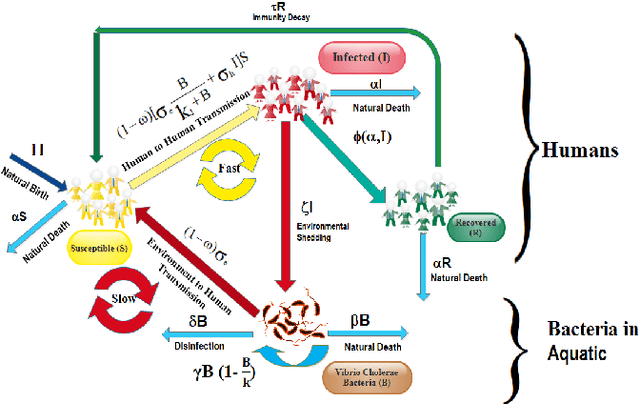
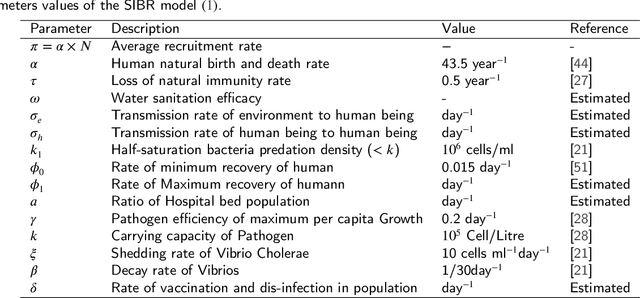
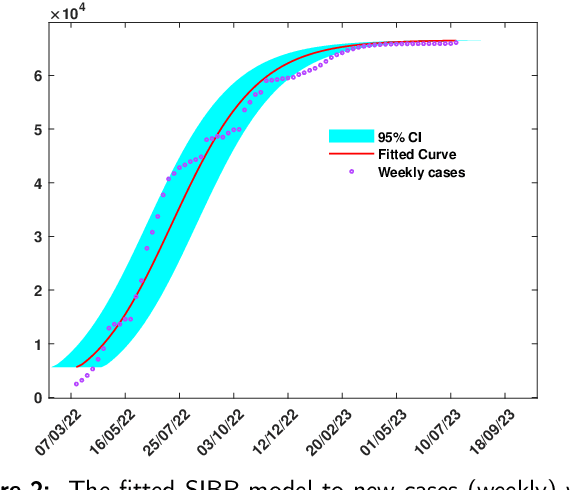
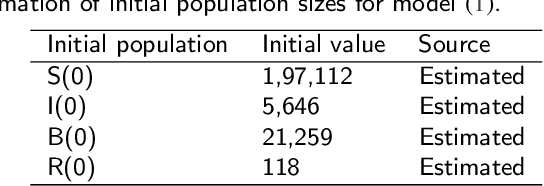
Cholera, an acute diarrheal disease, is a serious concern in developing and underdeveloped areas. A qualitative understanding of cholera epidemics aims to foresee transmission patterns based on reported data and mechanistic models. The mechanistic model is a crucial tool for capturing the dynamics of disease transmission and population spread. However, using real-time cholera cases is essential for forecasting the transmission trend. This prospective study seeks to furnish insights into transmission trends through qualitative dynamics followed by machine learning-based forecasting. The Monte Carlo Markov Chain approach is employed to calibrate the proposed mechanistic model. We identify critical parameters that illustrate the disease's dynamics using partial rank correlation coefficient-based sensitivity analysis. The basic reproduction number as a crucial threshold measures asymptotic dynamics. Furthermore, forward bifurcation directs the stability of the infection state, and Hopf bifurcation suggests that trends in transmission may become unpredictable as societal disinfection rates rise. Further, we develop epidemic-informed machine learning models by incorporating mechanistic cholera dynamics into autoregressive integrated moving averages and autoregressive neural networks. We forecast short-term future cholera cases in Malawi by implementing the proposed epidemic-informed machine learning models to support this. We assert that integrating temporal dynamics into the machine learning models can enhance the capabilities of cholera forecasting models. The execution of this mechanism can significantly influence future trends in cholera transmission. This evolving approach can also be beneficial for policymakers to interpret and respond to potential disease systems. Moreover, our methodology is replicable and adaptable, encouraging future research on disease dynamics.