 Add to Chrome
 Add to Firefox
 Add to Edge
The ethics of artificial intelligence in the life sciences: Universality, cultural diversity and an architecture of care
Aug 05, 2026
The life sciences and health research have started to benefit from artificial intelligence, which raises ethical concerns that are real but, we argue, not special. Any science should be governed by values that rest on how the human brain is built and socialised rather than anything distinct to artificial intelligence. Importantly, the human brain has a different, much less costly computational architecture than these machines. This is achieved through the orchestration of a global neuronal workspace, and through reward best described not as a quantity to be maximised but as a continuous cycle of wanting, liking and satiety. As such, this creates the deep tension running through the ethics of the human person, between the universality of ethical judgement and the diversity of morals. The brain networks of the global workspace and emotion are universally shared, but the diversity of content is shaped by epigenetic appropriation of the particulars of the physical, social and cultural world, which makes every person unique. Still, if we were to build machines on these principles rather than the present unaffordable reward maximisers, the question of their governance would change from restraint to upbringing. We set out the institutions such a future would require, together with the questions that remain open.

Deep learning and whole-brain networks for biomarker discovery: modeling the dynamics of brain fluctuations in resting-state and cognitive tasks
Dec 26, 2024Background: Brain network models offer insights into brain dynamics, but the utility of model-derived bifurcation parameters as biomarkers remains underexplored. Objective: This study evaluates bifurcation parameters from a whole-brain network model as biomarkers for distinguishing brain states associated with resting-state and task-based cognitive conditions. Methods: Synthetic BOLD signals were generated using a supercritical Hopf brain network model to train deep learning models for bifurcation parameter prediction. Inference was performed on Human Connectome Project data, including both resting-state and task-based conditions. Statistical analyses assessed the separability of brain states based on bifurcation parameter distributions. Results: Bifurcation parameter distributions differed significantly across task and resting-state conditions ($p < 0.0001$ for all but one comparison). Task-based brain states exhibited higher bifurcation values compared to rest. Conclusion: Bifurcation parameters effectively differentiate cognitive and resting states, warranting further investigation as biomarkers for brain state characterization and neurological disorder assessment.
Assessing the impact of machine intelligence on human behaviour: an interdisciplinary endeavour
Jun 07, 2018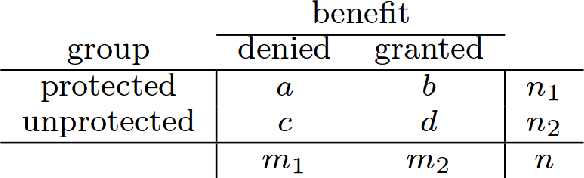
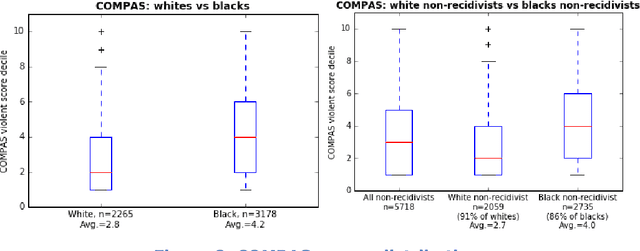
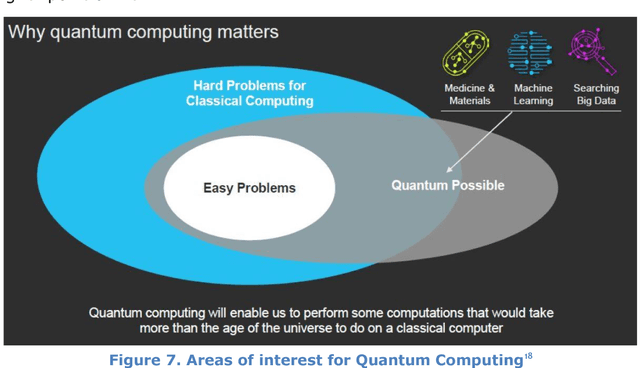
This document contains the outcome of the first Human behaviour and machine intelligence (HUMAINT) workshop that took place 5-6 March 2018 in Barcelona, Spain. The workshop was organized in the context of a new research programme at the Centre for Advanced Studies, Joint Research Centre of the European Commission, which focuses on studying the potential impact of artificial intelligence on human behaviour. The workshop gathered an interdisciplinary group of experts to establish the state of the art research in the field and a list of future research challenges to be addressed on the topic of human and machine intelligence, algorithm's potential impact on human cognitive capabilities and decision making, and evaluation and regulation needs. The document is made of short position statements and identification of challenges provided by each expert, and incorporates the result of the discussions carried out during the workshop. In the conclusion section, we provide a list of emerging research topics and strategies to be addressed in the near future.