 Add to Chrome
 Add to Firefox
 Add to Edge
From Wireless SNNs to SN P Systems: A Low-Energy Rule-Based Conversion
Jul 13, 2026
Distributed wireless spiking neural networks (DWSNNs) are a promising paradigm for energy-efficient edge inference in resource-constrained environments such as wireless sensor networks (WSNs). Yet, two limitations persist: their internal decision process is opaque, and their residual energy footprint remains a limiting factor for ultra-low-power deployments. This paper proposes a systematic methodology to convert a trained DWSNN into an equivalent Spiking Neural P (SN P) system, a biologically-inspired, rule-based computational model drawn from membrane computing, by extracting symbolic firing rules from the hidden-layer spike activity. The resulting SN P system provides direct, human-readable decision explanations while consuming three orders of magnitude less energy than its parent SNN. Experiments on the Neuromorphic MNIST (N-MNIST) dataset with a two-layer fully connected SNN using phase encoding and Leaky Integrate-and-Fire (LIF) neurons show that the SN P system retains approximately 84% of the original classification accuracy (73.77% vs. 87.68%) while the output layer connectivity decreases from 1000 to 120 class-specific connections. This complexity reduction is governed by a parameter related to the number of relevant hidden neurons per class that can be chosen according to a trade-off between computational complexity reduction and output accuracy. These results position SN P systems as lightweight, interpretable surrogates for trained distributed wireless SNNs in neuromorphic edge deployments.

Comparative Study of ECG Denoising Methods for Wearable Applications
Jul 13, 2026Reliable electrocardiogram (ECG) monitoring in wearable and space environments requires effective denoising of signals corrupted by non-stationary electromyogram (EMG) interference. This paper presents a comparative evaluation of model-based and DL-based denoising techniques for upper-arm ECG recordings acquired under real conditions. The model-based methods include three empirical mode decomposition (EMD) variants and a discrete wavelet transform (DWT) approach, while the deep learning (DL) side is represented by a stacked denoising autoencoder (SDAE) and a physics-informed neural network (PINN). All methods are evaluated on real acquisitions under both relaxed and voluntary muscle contraction conditions, using root mean squared error (RMSE), Pearson correlation, and peak-to-peak signal-to-noise ratio (PPSNR) as performance metrics. Results reveal a fundamental trade-off: DL methods achieve superior morphological reconstruction, while DWT provides the strongest noise suppression, highlighting complementary strengths for wearable cardiac monitoring applications.
Experimental Evaluation of Joint Clock Recovery and Equalization for Sub-Terahertz Links
Sep 09, 2025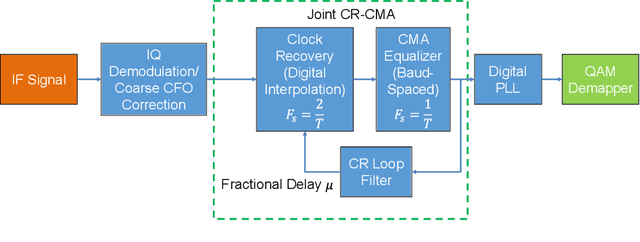
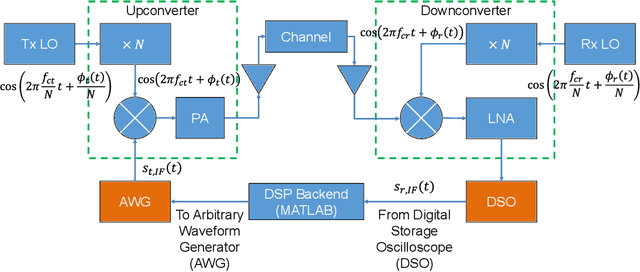
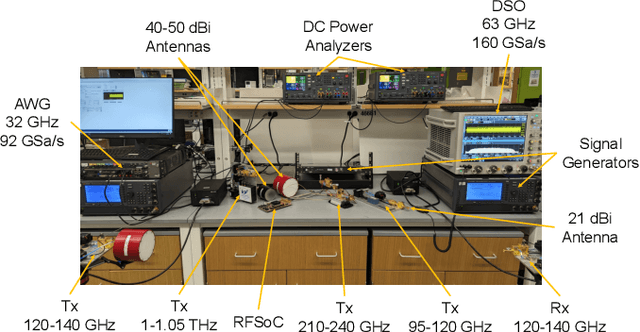
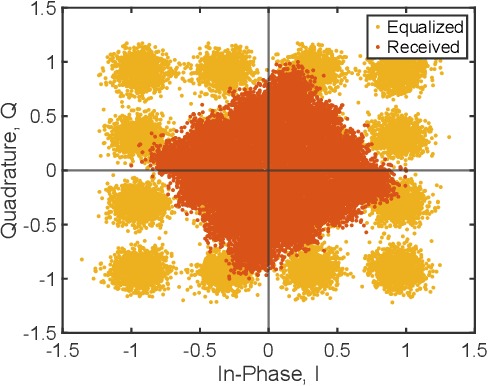
This paper proposes and experimentally evaluates a joint clock recovery (CR) and equalization architecture tailored for high-speed sub-terahertz (sub-THz) wireless communication links. Specifically, a Baud-spaced digital receiver architecture is investigated that combines a constant modulus algorithm (CMA) equalizer with a blind timing error detector (TED), enabling robust symbol timing synchronization without decision-directed (DD) feedback or pilot symbols. The proposed TED leverages the CMA filter coefficients to estimate timing errors, which are then used to drive a Farrow interpolator operating at twice the symbol rate. The system is validated experimentally using a 140~GHz wireless testbed with 16-QAM modulation over a 10~GHz bandwidth. Results show that the proposed TED schemes outperform conventional blind TEDs, such as Gardner and blind implementations of Mueller \& M\"uller, in terms of bit error rate (BER), error vector magnitude (EVM), and intersymbol interference (ISI) suppression. These capabilities are especially relevant to next-generation spaceborne communication systems, where wideband sub-THz links are expected to play a key role in enabling ultra-high-data-rate inter-satellite and deep-space communications under challenging synchronization constraints.
Channel Characterization of Implantable Intrabody Communication through Experimental Measurements
Jul 01, 2024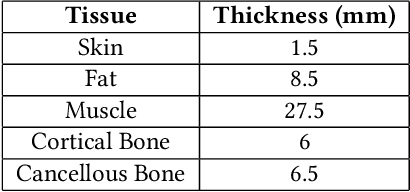
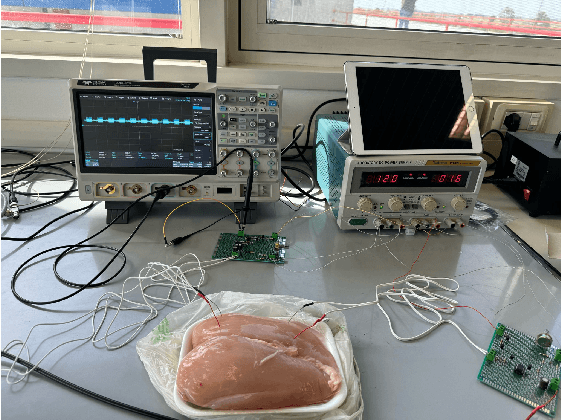
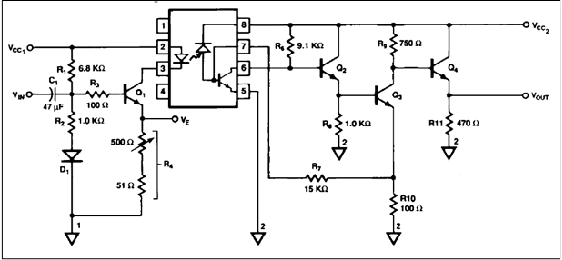
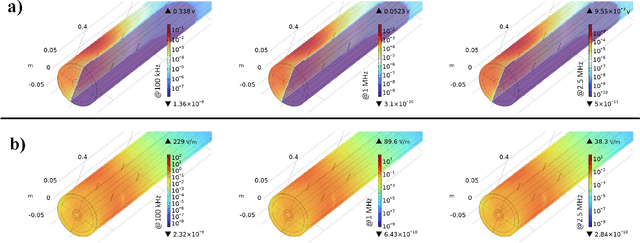
Intrabody communication (IBC), is a promising technology that can be utilized for data transmission across the human body. In this study, a galvanic coupled (GC)-based IBC channel has been investigated for implantable configuration both theoretically and experimentally in the frequency range of 0 to 2.5 MHz. Theoretical studies were performed by using finite element method (FEM) based simulation software, called Comsol Multiphysics. A cylindrical human arm was modeled with realistic values. Experimental studies were carried out with chicken breast tissue as a substitute for human tissue. The pseudorandom noise (PN) sequences were transmitted to investigate the correlative channel sounder of tissue model. Results showed that the frequency affects signal propagation through the tissue model. Additionally, it is crucial to cancel common-mode noise in the IBC channel to enhance communication quality.
A comparative analysis of preamble sequences for Galvanic Coupling Intra-Body Communications
Jul 01, 2024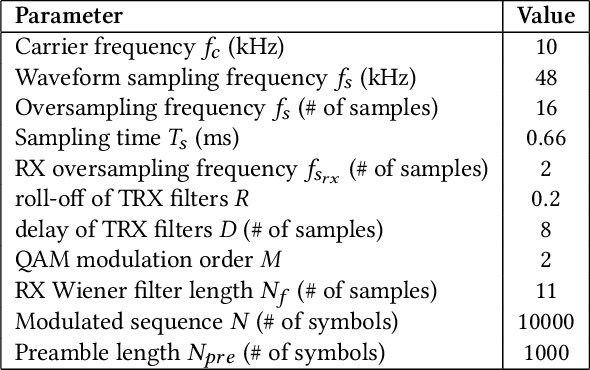
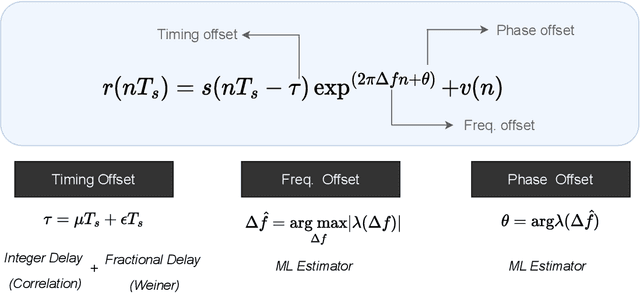
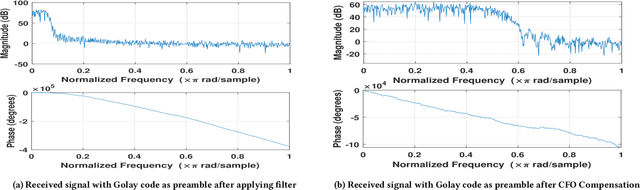
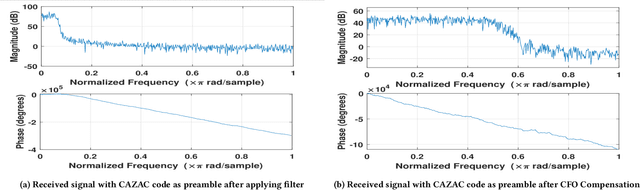
Galvanic coupled-intra-body communication (GC-IBC) is an innovative research area contributing to transform personalized medicine by enabling seamless connectivity and communication among implanted devices. To establish a reliable communication link between implanted devices, the preambles play a crucial role by e.g. conveying syncronization information or supporting channel response estimation. The preambles are carefully designed to ensure that they are mutually orthogonal, to minimize self-interference and maximize separability. For that purpose, many permeable sequences are proposed in the literature for 5G and sensor networks. Golay code, Constant Amplitude Zero Auto Correlation (CAZAC) and Zadoff-Chu (Z-Chu) sequences are among the most popular ones. In this work, we performed a comparative analysis of these sequences to determine their suitability for the GC-IBC system. We evaluated the effectiveness of the preamble sequences on the basis of their correlation properties and probability of error.
Automatic Voice Classification Of Autistic Subjects
Jun 19, 2024Autism Spectrum Disorders (ASD) describe a heterogeneous set of conditions classified as neurodevelopmental disorders. Although the mechanisms underlying ASD are not yet fully understood, more recent literature focused on multiple genetics and/or environmental risk factors. Heterogeneity of symptoms, especially in milder forms of this condition, could be a challenge for the clinician. In this work, an automatic speech classification algorithm is proposed to characterize the prosodic elements that best distinguish autism, to support the traditional diagnosis. The performance of the proposed algorithm is evaluted by testing the classification algorithms on a dataset composed of recorded speeches, collected among both autustic and non autistic subjects.
Mutual Information Analysis of Neuromorphic Coding for Distributed Wireless Spiking Neural Networks
May 28, 2024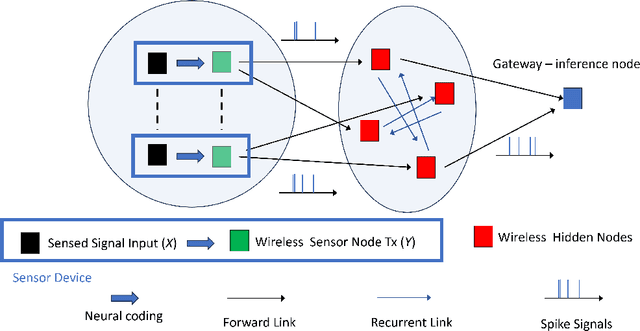
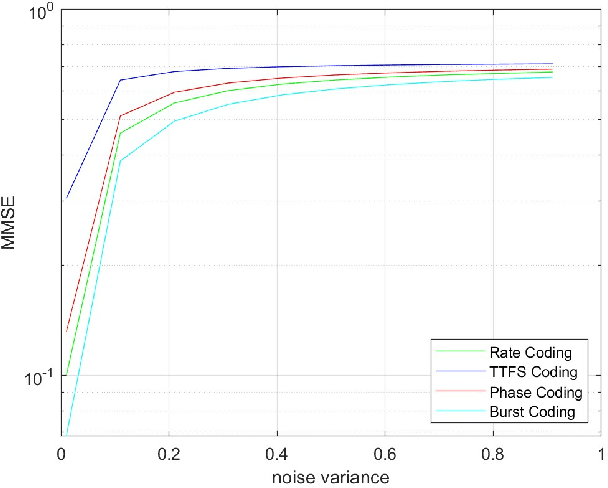


Wireless Spiking neural networks (WSNNs) allow energy-efficient device-to-device (D2D) or vehicle-to-everything (V2X) communications, especially while considering edge intelligence and learning for beyond 5G and 6G systems. Recent research work has revealed that distributed wireless SNNs (DWSNNs) show good performance in terms of inference accuracy and low energy consumption of edge devices, under the constraints of limited bandwidth and spike loss probability. In this work, we focus on neuromorphic, AI-native transmission techniques for DWSNNs, quantitatively evaluating the features of different coding algorithms that can be viewed as impulse radio modulations. Specifically, the main contribution of this work is the evaluation of information-theoretic measures that may help in quantifying performance trade-offs among existing neuromorphic coding techniques.
Intra-Body Communications for Nervous System Applications: Current Technologies and Future Directions
Apr 03, 2023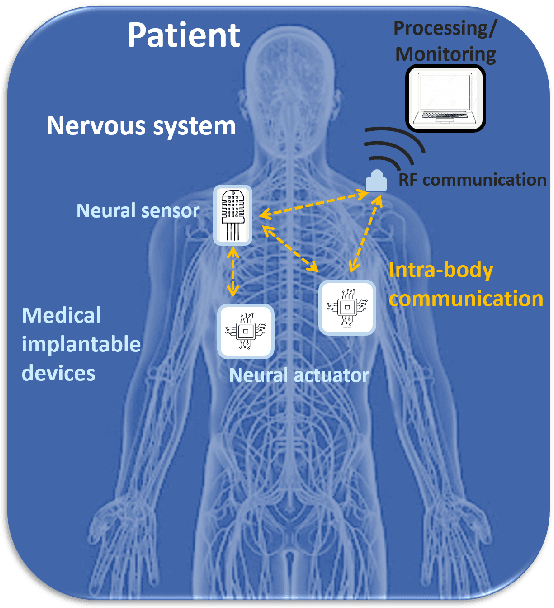
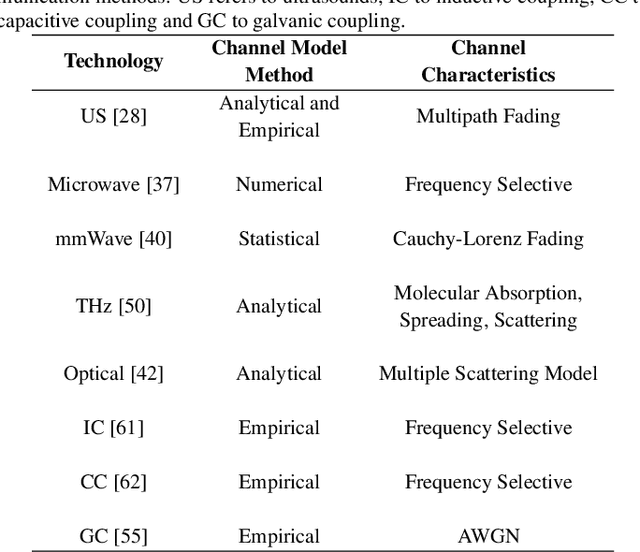
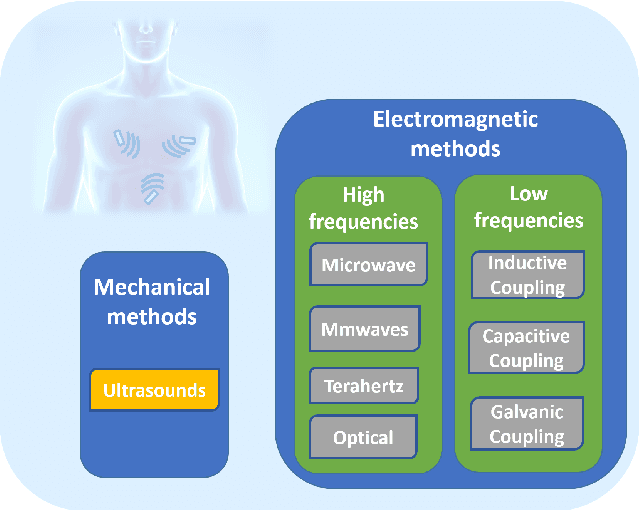
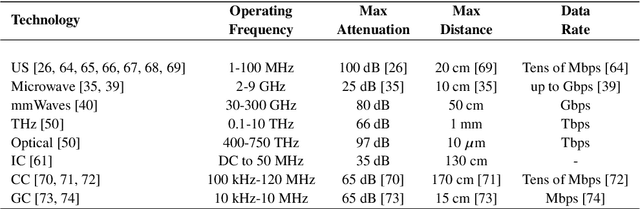
The Internet of Medical Things (IoMT) paradigm will enable next generation healthcare by enhancing human abilities, supporting continuous body monitoring and restoring lost physiological functions due to serious impairments. This paper presents intra-body communication solutions that interconnect implantable devices for application to the nervous system, challenging the specific features of the complex intra-body scenario. The presented approaches include both speculative and implementative methods, ranging from neural signal transmission to testbeds, to be applied to specific neural diseases therapies. Also future directions in this research area are considered to overcome the existing technical challenges mainly associated with miniaturization, power supply, and multi-scale communications.
* https://www.sciencedirect.com/science/article/pii/S1389128623001639
Linear approximation of CPM signals for a reduced-complexity, multi-mode telemetry transmitter
Apr 02, 2023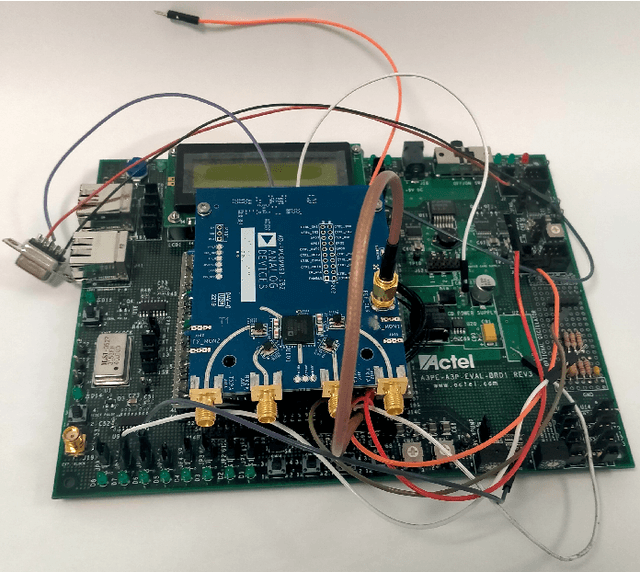
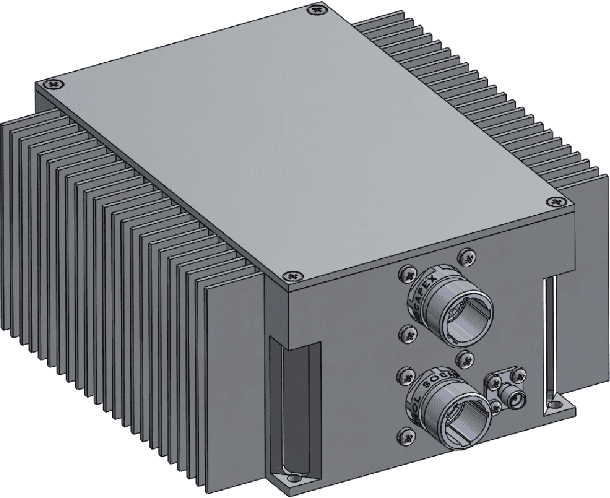
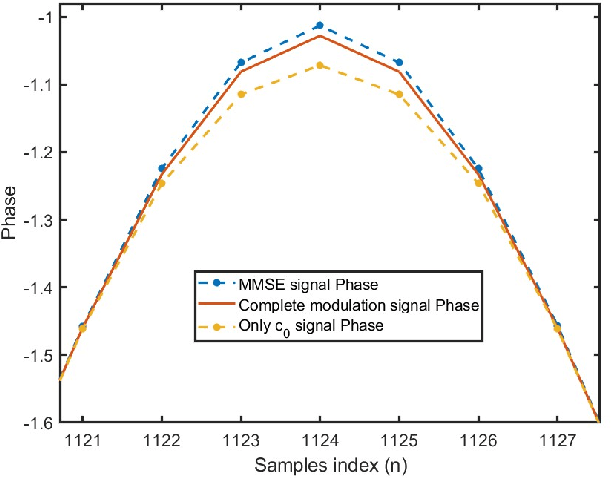
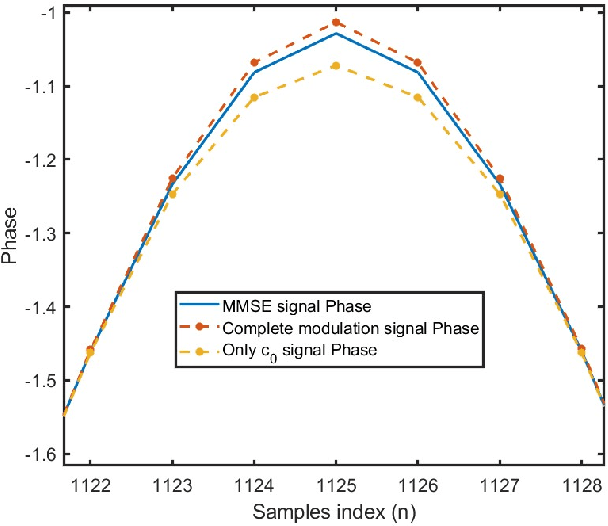
In space applications, hardware (HW) implementation is made more expensive not only by the levels of performance required, but also by complex and rigorous HW qualification tests. Reducing qualification cost and time is thus a key design requirement. In this paper, a new versatile transmitter is proposed for space telemetry, capable of soft-switching across different linear and continuous phase modulation schemes while maintaining the same hardware structure. This permits a single HW qualification to ``cover'' diverse uses of the same hardware, and thus avoid re-qualification in case of configuration changes. The envisaged solution foresees the use of a single filter, suitable not only for linear modulations such as M-QAM, but also for continuous phase modulation methods. At this stage, we focus on pulse code modulation/frequency modulation (PCM/FM), for which we propose a minimum mean square error (MMSE) algorithm. The proposed algorithm, which adds to the system flexibility and effectiveness, may use a single first filter based on Laurent decomposition for initialization, if needed. Performances are assessed using the mean square error (MSE) measure between the proposed MMSE-modulated signal and the completely modulated signal. Simulation results confirm that the proposed algorithm leads to MSE values that are lower than the case of Laurent decomposition using the first component only.