 Add to Chrome
 Add to Firefox
 Add to Edge
Lcmv
Papers and Code
A Deep Neural Network Codebook Approach for Near-Field Nulling Control Beam Focusing
Sep 26, 2025
This paper proposes a deep neural network (DNN) codebook approach for multi-user interference (MUI) mitigation in extremely large multiple-input multiple-output (XL-MIMO) systems operating in the near-field region. Unlike existing DNN-based nulling control beamforming (NCBF) methods that face scalability and complexity challenges, the proposed framework partitions the Fresnel region using correlation-based sampling and assigns a lightweight fully connected DNN model to each subsection. Each model is trained on beamforming weights generated using the linearly constrained minimum variance (LCMV) method, enabling accurate prediction of nulling control beam-focusing weights that simultaneously optimize the desired signal strength and suppress potential interference for both collinear and non-collinear user configurations. Simulation results show that the trained models achieve average phase and magnitude prediction errors of 0.085 radians and 0.52 dB, respectively, across 75 sample subsections. Full-wave simulations in Ansys HFSS further demonstrate that the proposed DNN codebook achieves interference suppression better than 31.64 dB, with a performance gap within 2 dB of the LCMV method, thereby validating its effectiveness in mitigating MUI while reducing computational complexity.

Accelerated Algorithms for Source Orientation Detection (AORI) and Spatiotemporal LCMV (ALCMV) Beamforming in EEG Source Localization
Sep 18, 2024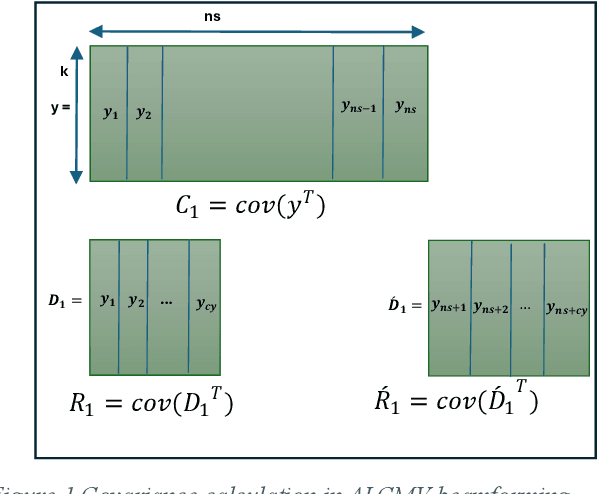
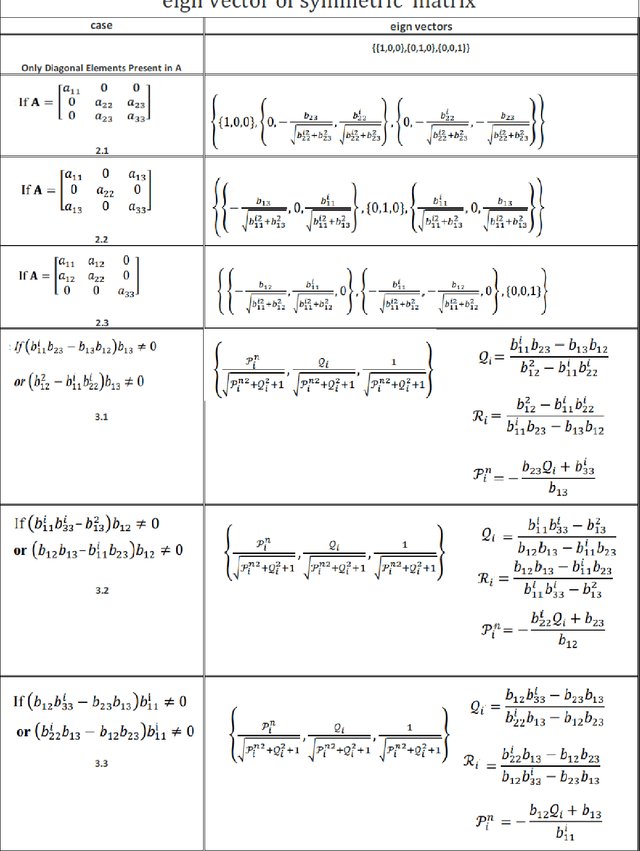
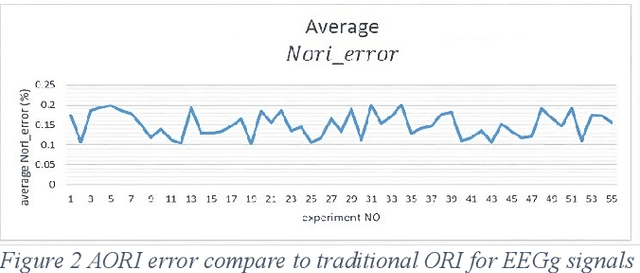
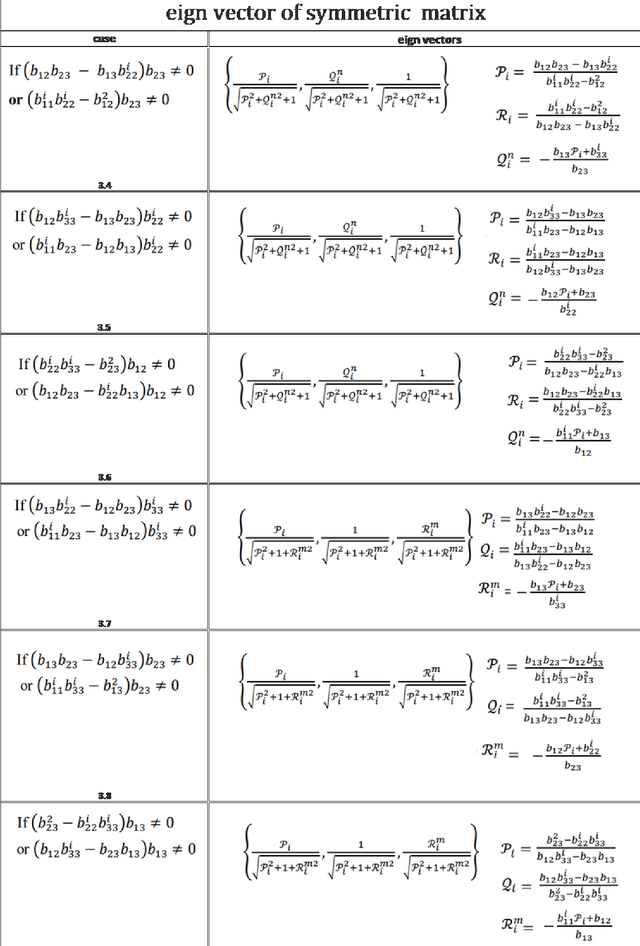
This paper illustrates the development of two efficient source localization algorithms for electroencephalography (EEG) data, aimed at enhancing real-time brain signal reconstruction while addressing the computational challenges of traditional methods. Accurate EEG source localization is crucial for applications in cognitive neuroscience, neurorehabilitation, and brain-computer interfaces (BCIs). To make significant progress toward precise source orientation detection and improved signal reconstruction, we introduce the Accelerated Linear Constrained Minimum Variance (ALCMV) beamforming toolbox and the Accelerated Brain Source Orientation Detection (AORI) toolbox. The ALCMV algorithm speeds up EEG source reconstruction by utilizing recursive covariance matrix calculations, while AORI simplifies source orientation detection from three dimensions to one, reducing computational load by 66% compared to conventional methods. Using both simulated and real EEG data, we demonstrate that these algorithms maintain high accuracy, with orientation errors below 0.2% and signal reconstruction accuracy within 2%. These findings suggest that the proposed toolboxes represent a substantial advancement in the efficiency and speed of EEG source localization, making them well-suited for real-time neurotechnological applications.
Towards improving Alzheimer's intervention: a machine learning approach for biomarker detection through combining MEG and MRI pipelines
Aug 09, 2024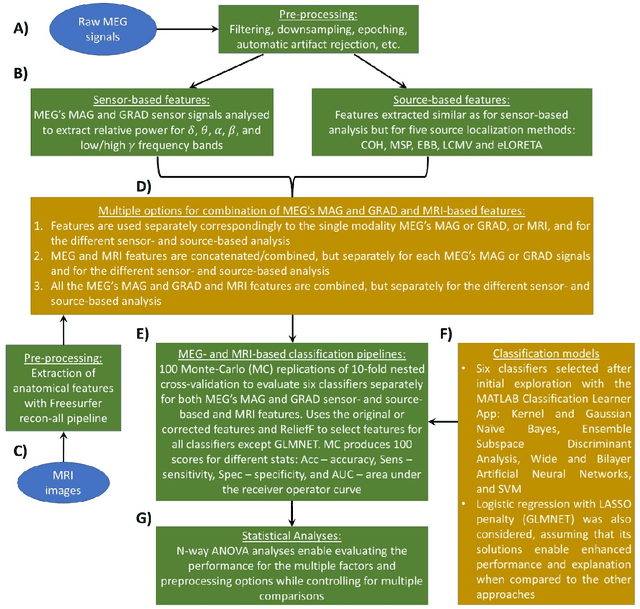
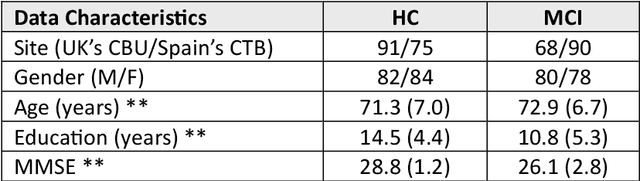
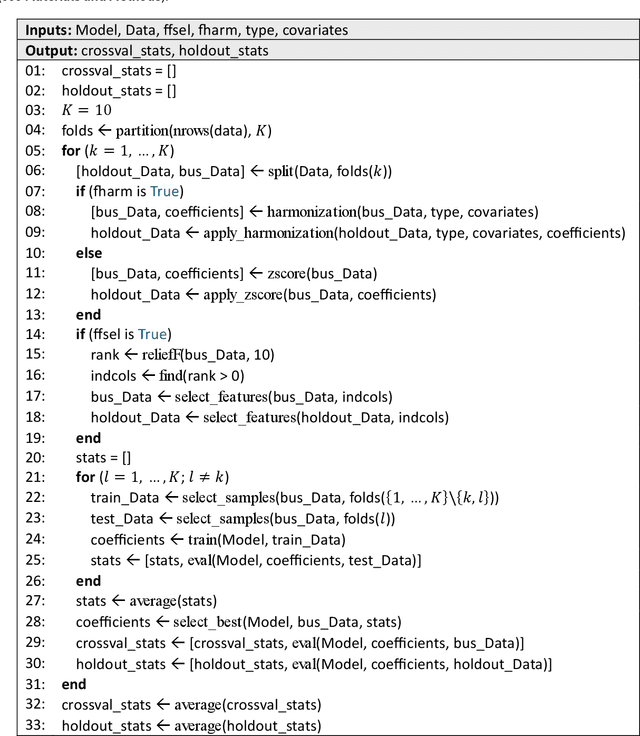
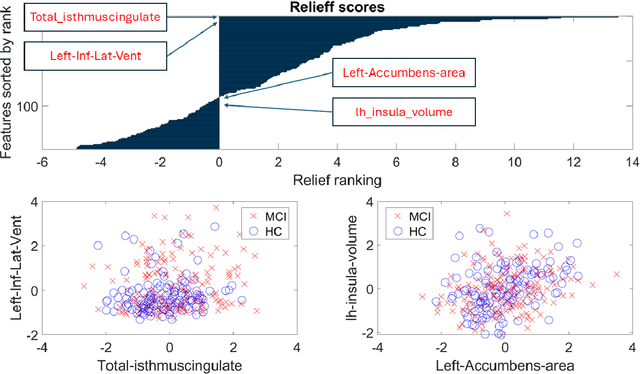
MEG are non invasive neuroimaging techniques with excellent temporal and spatial resolution, crucial for studying brain function in dementia and Alzheimer Disease. They identify changes in brain activity at various Alzheimer stages, including preclinical and prodromal phases. MEG may detect pathological changes before clinical symptoms, offering potential biomarkers for intervention. This study evaluates classification techniques using MEG features to distinguish between healthy controls and mild cognitive impairment participants from the BioFIND study. We compare MEG based biomarkers with MRI based anatomical features, both independently and combined. We used 3 Tesla MRI and MEG data from 324 BioFIND participants;158 MCI and 166 HC. Analyses were performed using MATLAB with SPM12 and OSL toolboxes. Machine learning analyses, including 100 Monte Carlo replications of 10 fold cross validation, were conducted on sensor and source spaces. Combining MRI with MEG features achieved the best performance; 0.76 accuracy and AUC of 0.82 for GLMNET using LCMV source based MEG. MEG only analyses using LCMV and eLORETA also performed well, suggesting that combining uncorrected MEG with z-score-corrected MRI features is optimal.
Low bit rate binaural link for improved ultra low-latency low-complexity multichannel speech enhancement in Hearing Aids
Jul 17, 2023

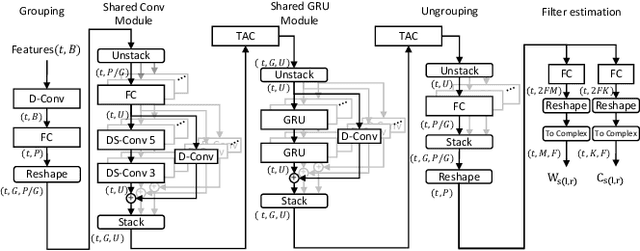

Speech enhancement in hearing aids is a challenging task since the hardware limits the number of possible operations and the latency needs to be in the range of only a few milliseconds. We propose a deep-learning model compatible with these limitations, which we refer to as Group-Communication Filter-and-Sum Network (GCFSnet). GCFSnet is a causal multiple-input single output enhancement model using filter-and-sum processing in the time-frequency domain and a multi-frame deep post filter. All filters are complex-valued and are estimated by a deep-learning model using weight-sharing through Group Communication and quantization-aware training for reducing model size and computational footprint. For a further increase in performance, a low bit rate binaural link for delayed binaural features is proposed to use binaural information while retaining a latency of 2ms. The performance of an oracle binaural LCMV beamformer in non-low-latency configuration can be matched even by a unilateral configuration of the GCFSnet in terms of objective metrics.
Modified Parametric Multichannel Wiener Filter \\for Low-latency Enhancement of Speech Mixtures with Unknown Number of Speakers
Jun 29, 2023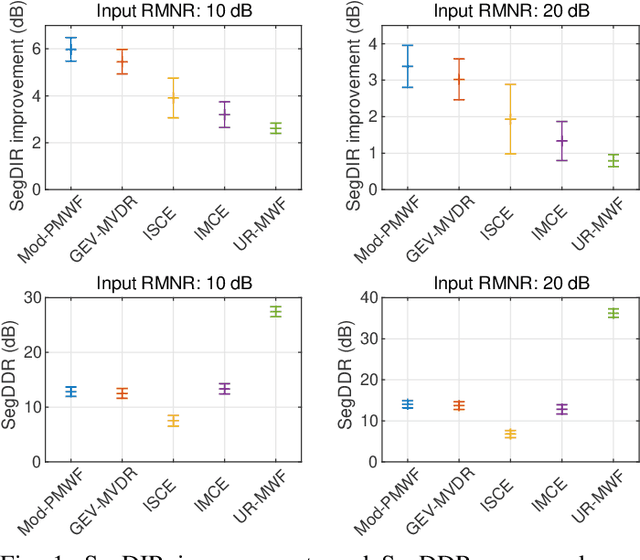
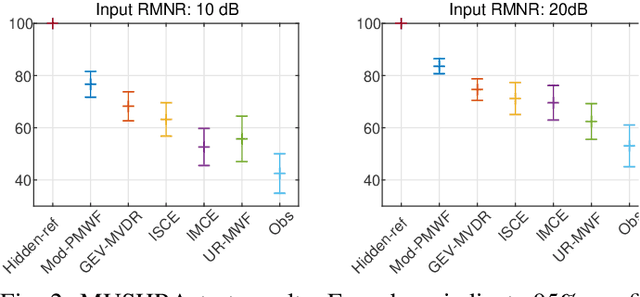
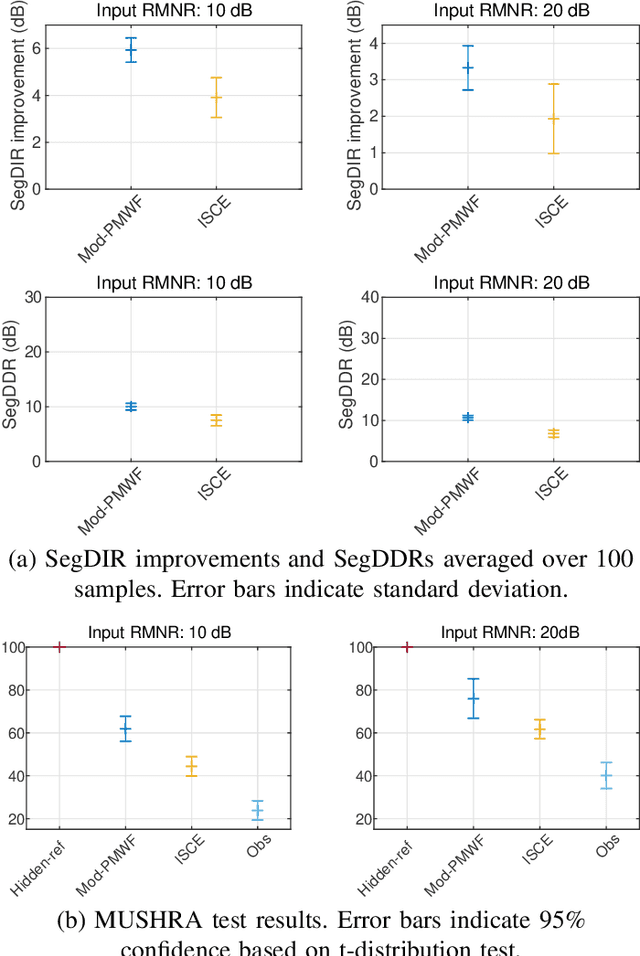

This paper introduces a novel low-latency online beamforming (BF) algorithm, named Modified Parametric Multichannel Wiener Filter (Mod-PMWF), for enhancing speech mixtures with unknown and varying number of speakers. Although conventional BFs such as linearly constrained minimum variance BF (LCMV BF) can enhance a speech mixture, they typically require such attributes of the speech mixture as the number of speakers and the acoustic transfer functions (ATFs) from the speakers to the microphones. When the mixture attributes are unavailable, estimating them by low-latency processing is challenging, hindering the application of the BFs to the problem. In this paper, we overcome this problem by modifying a conventional Parametric Multichannel Wiener Filter (PMWF). The proposed Mod-PMWF can adaptively form a directivity pattern that enhances all the speakers in the mixture without explicitly estimating these attributes. Our experiments will show the proposed BF's effectiveness in interference reduction ratios and subjective listening tests.