 Add to Chrome
 Add to Firefox
 Add to Edge
Handover adaptation for dynamic load balancing in 3gpp long term evolution systems
Jul 04, 2013
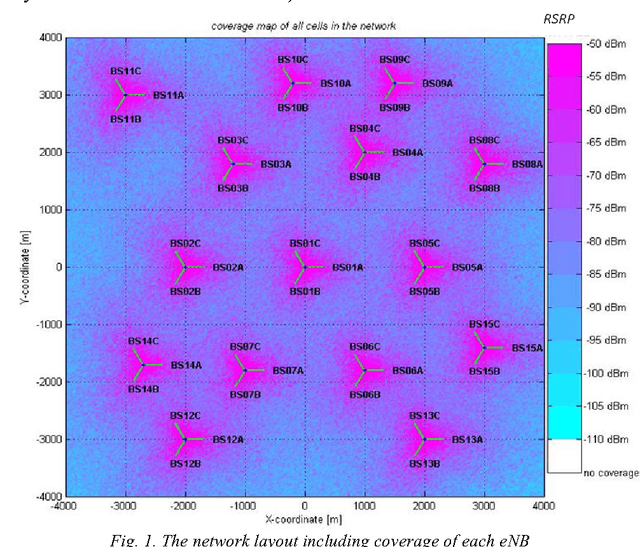
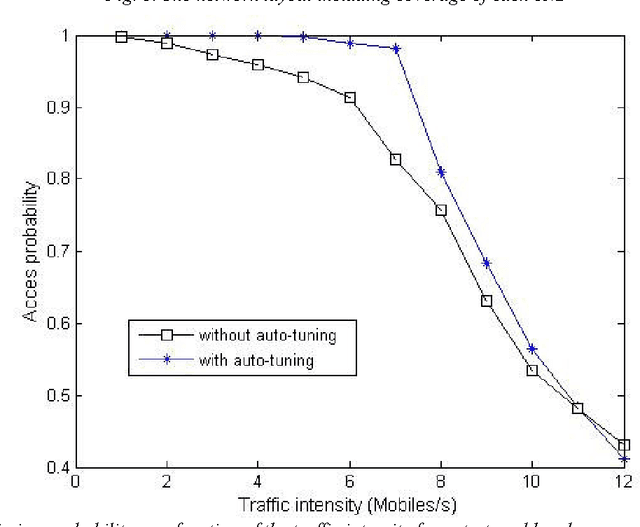
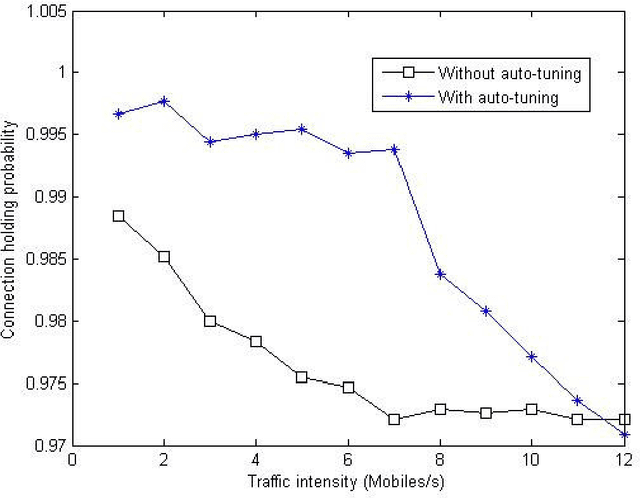
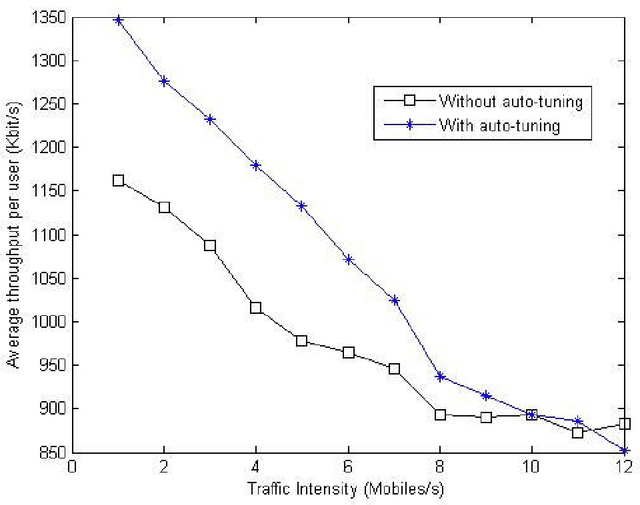
The long-Term Evolution (LTE) of the 3GPP (3rd Generation Partnership Project) radio access network is in early stage of specification. Self-tuning and self-optimisation algorithms are currently studied with the aim of enriching the LTE standard. This paper investigates auto-tuning of LTE mobility algorithm. The auto-tuning is carried out by adapting handover parameters of each base station according to its radio load and the load of its adjacent cells. The auto-tuning alleviates cell congestion and balances the traffic and the load between cells by handing off mobiles close to the cell border from the congested cell to its neighbouring cells. Simulation results show that the auto-tuning process brings an important gain in both call admission rate and user throughput.
* numero de Pages dans le proceeding 145-154

The association problem in wireless networks: a Policy Gradient Reinforcement Learning approach
Jun 11, 2013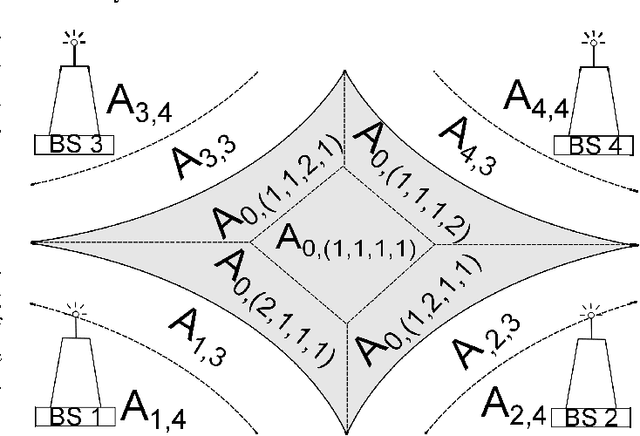
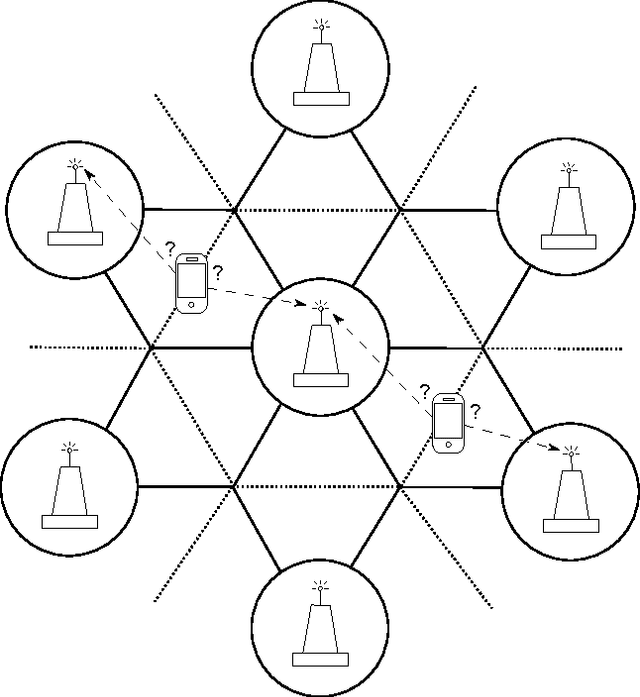
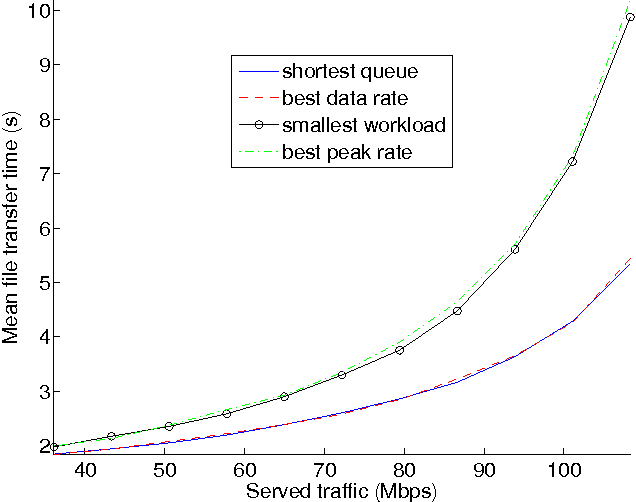
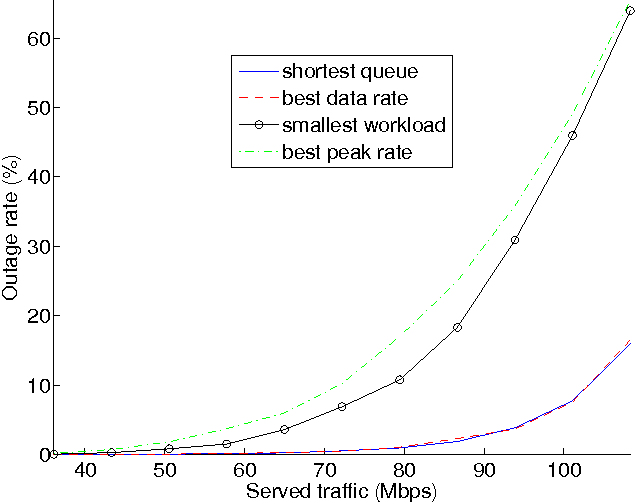
The purpose of this paper is to develop a self-optimized association algorithm based on PGRL (Policy Gradient Reinforcement Learning), which is both scalable, stable and robust. The term robust means that performance degradation in the learning phase should be forbidden or limited to predefined thresholds. The algorithm is model-free (as opposed to Value Iteration) and robust (as opposed to Q-Learning). The association problem is modeled as a Markov Decision Process (MDP). The policy space is parameterized. The parameterized family of policies is then used as expert knowledge for the PGRL. The PGRL converges towards a local optimum and the average cost decreases monotonically during the learning process. The properties of the solution make it a good candidate for practical implementation. Furthermore, the robustness property allows to use the PGRL algorithm in an "always-on" learning mode.
Statistical Learning in Automated Troubleshooting: Application to LTE Interference Mitigation
May 03, 2010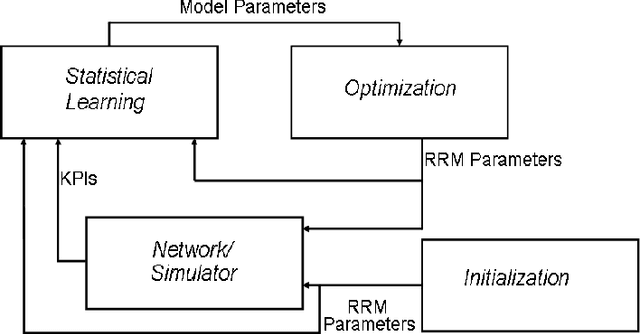
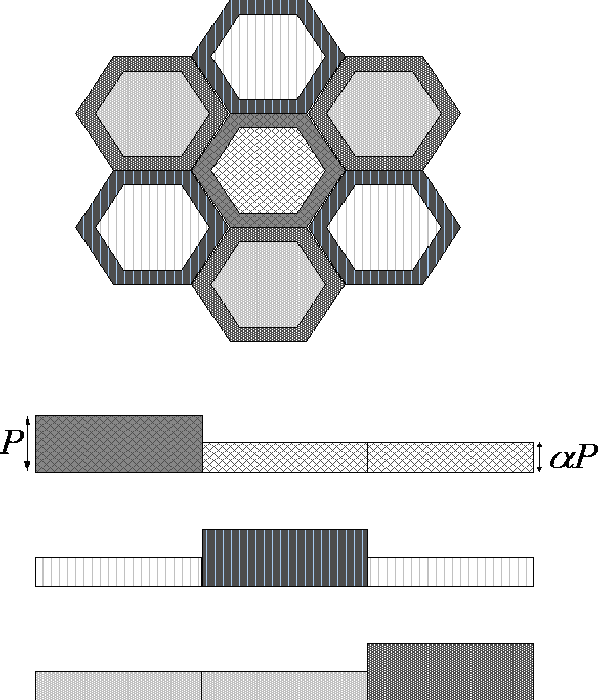
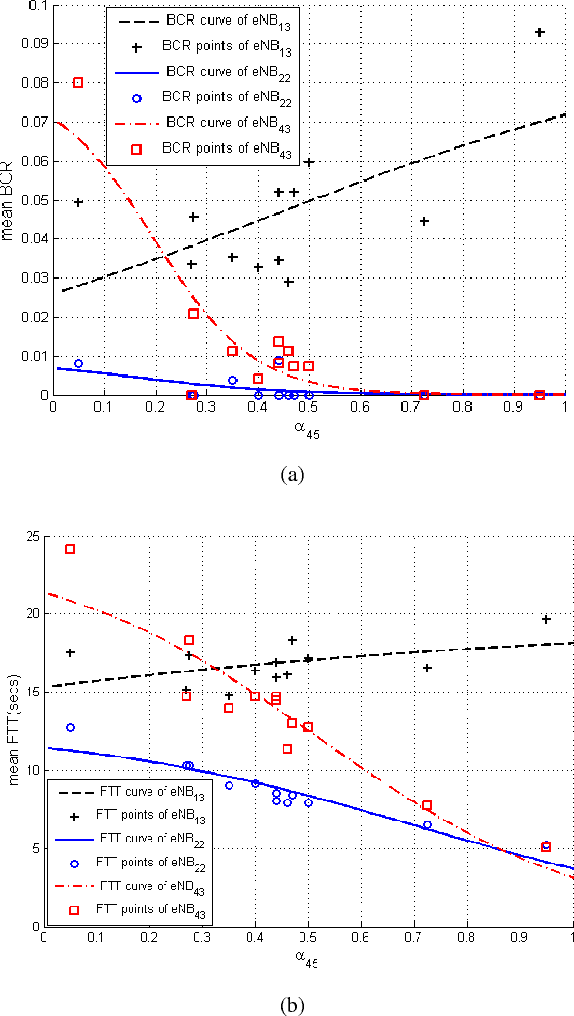
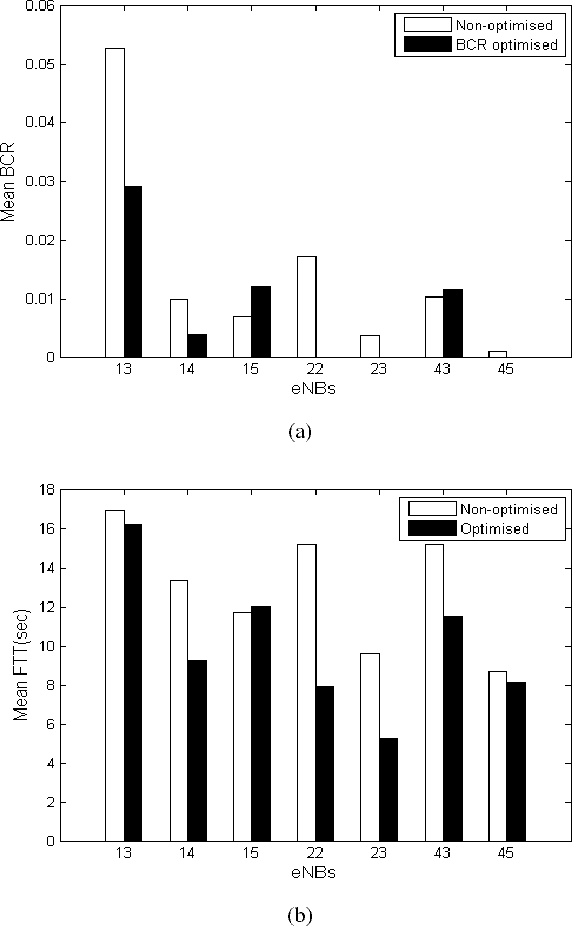
This paper presents a method for automated healing as part of off-line automated troubleshooting. The method combines statistical learning with constraint optimization. The automated healing aims at locally optimizing radio resource management (RRM) or system parameters of cells with poor performance in an iterative manner. The statistical learning processes the data using Logistic Regression (LR) to extract closed form (functional) relations between Key Performance Indicators (KPIs) and Radio Resource Management (RRM) parameters. These functional relations are then processed by an optimization engine which proposes new parameter values. The advantage of the proposed formulation is the small number of iterations required by the automated healing method to converge, making it suitable for off-line implementation. The proposed method is applied to heal an Inter-Cell Interference Coordination (ICIC) process in a 3G Long Term Evolution (LTE) network which is based on soft-frequency reuse scheme. Numerical simulations illustrate the benefits of the proposed approach.