 Add to Chrome
 Add to Firefox
 Add to Edge
Cross-Lingual Steering for Figurative Language Generation
Jun 01, 2026
Multilingual large language models can generate figurative language, but whether the internal signals driving this behavior are language-specific or reusable across languages is unclear. Using activation steering as a probe, we estimate a direction for a figurative category from figurative--literal activation differences in one language and apply it during generation. Across five figurative categories, six languages, and four multilingual LLMs, these directions steer reliably within their own language, most robustly for metaphor and simile. More importantly, they transfer across languages: a direction learned in one increases the target behavior when applied to another, with German among the most receptive targets. Going further, directions assembled from other languages can match or even surpass a target language's own native direction, while removing this shared component weakens native steering. Together, these results provide direct evidence of a reusable but target-dependent cross-lingual signal for figurative generation.

A Comparative Study of Transformer-Based Language Models on Extractive Question Answering
Oct 07, 2021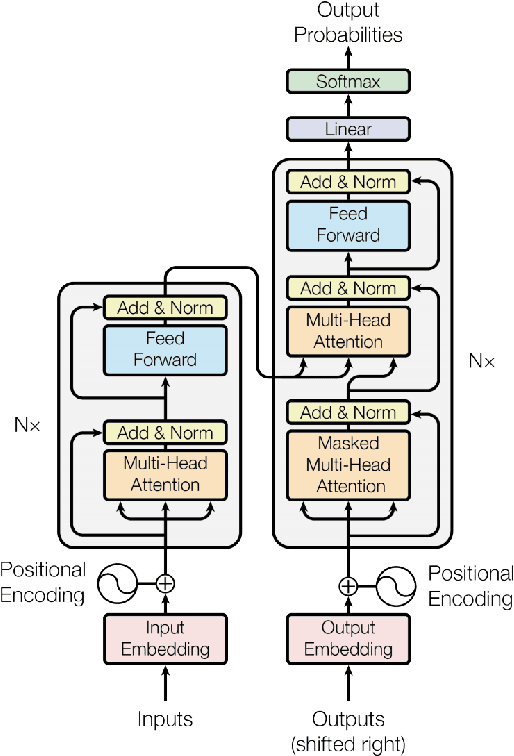
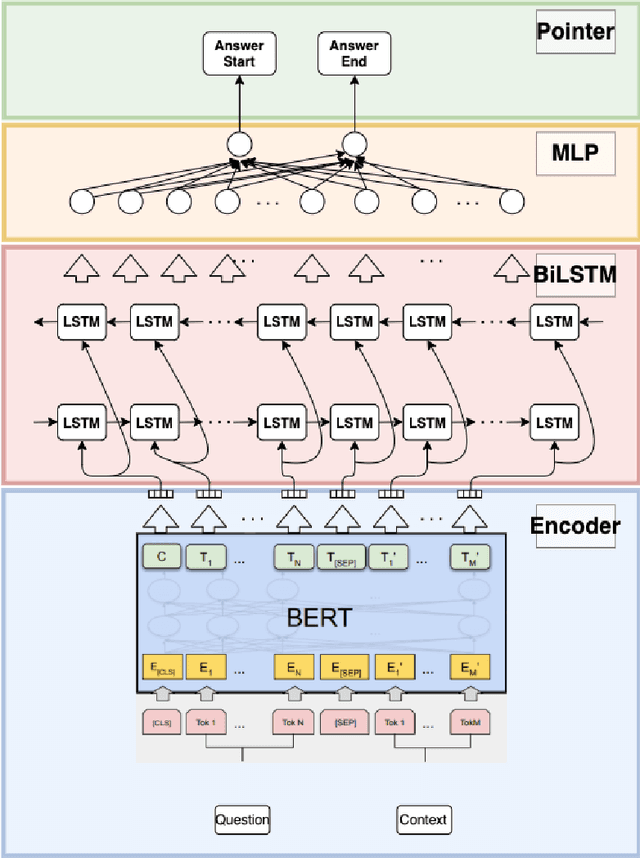
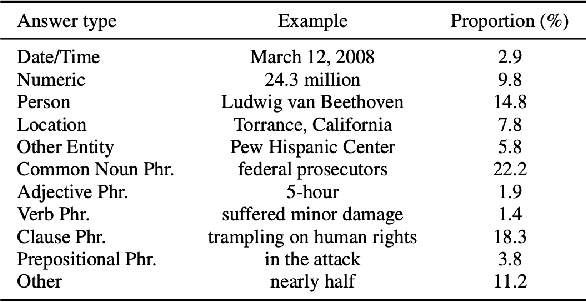
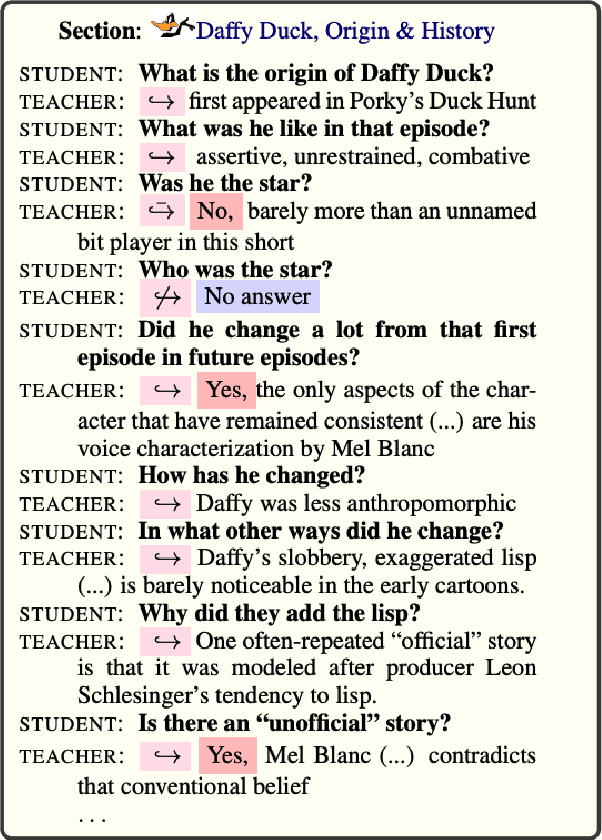
Question Answering (QA) is a task in natural language processing that has seen considerable growth after the advent of transformers. There has been a surge in QA datasets that have been proposed to challenge natural language processing models to improve human and existing model performance. Many pre-trained language models have proven to be incredibly effective at the task of extractive question answering. However, generalizability remains as a challenge for the majority of these models. That is, some datasets require models to reason more than others. In this paper, we train various pre-trained language models and fine-tune them on multiple question answering datasets of varying levels of difficulty to determine which of the models are capable of generalizing the most comprehensively across different datasets. Further, we propose a new architecture, BERT-BiLSTM, and compare it with other language models to determine if adding more bidirectionality can improve model performance. Using the F1-score as our metric, we find that the RoBERTa and BART pre-trained models perform the best across all datasets and that our BERT-BiLSTM model outperforms the baseline BERT model.