 Add to Chrome
 Add to Firefox
 Add to Edge
Understanding Syllogistic Reasoning in LLMs from Formal and Natural Language Perspectives
Dec 21, 2025
We study syllogistic reasoning in LLMs from the logical and natural language perspectives. In process, we explore fundamental reasoning capabilities of the LLMs and the direction this research is moving forward. To aid in our studies, we use 14 large language models and investigate their syllogistic reasoning capabilities in terms of symbolic inferences as well as natural language understanding. Even though this reasoning mechanism is not a uniform emergent property across LLMs, the perfect symbolic performances in certain models make us wonder whether LLMs are becoming more and more formal reasoning mechanisms, rather than making explicit the nuances of human reasoning.

On simple expectations and observations of intelligent agents: A complexity study
Jun 05, 2023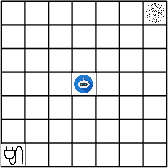

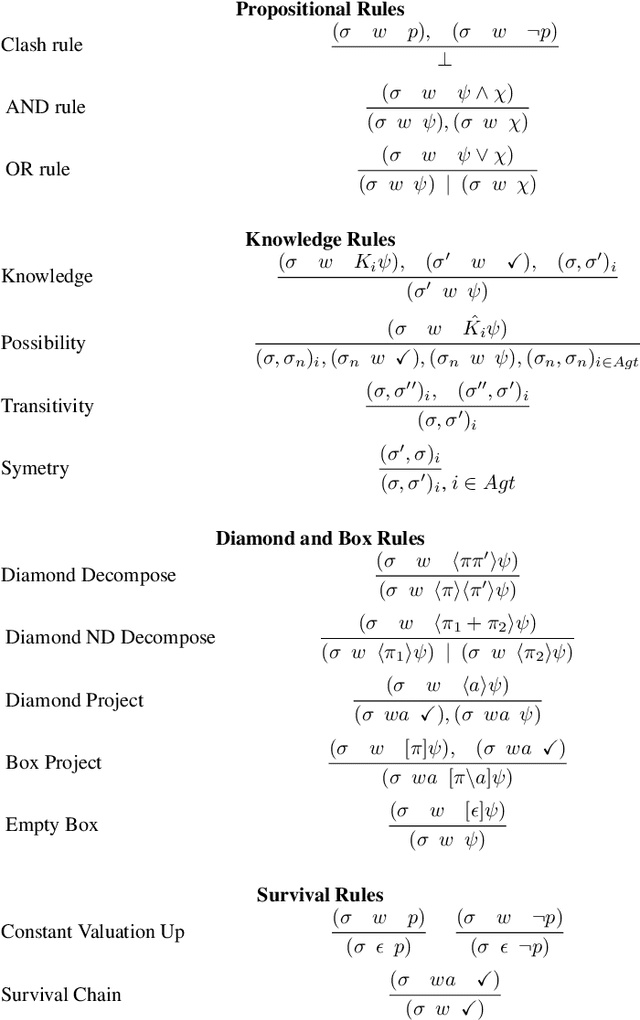
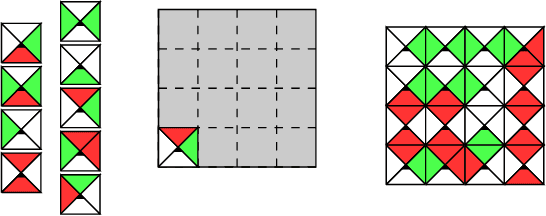
Public observation logic (POL) reasons about agent expectations and agent observations in various real world situations. The expectations of agents take shape based on certain protocols about the world around and they remove those possible scenarios where their expectations and observations do not match. This in turn influences the epistemic reasoning of these agents. In this work, we study the computational complexity of the satisfaction problems of various fragments of POL. In the process, we also highlight the inevitable link that these fragments have with the well-studied Public announcement logic.
On verifying expectations and observations of intelligent agents
May 12, 2022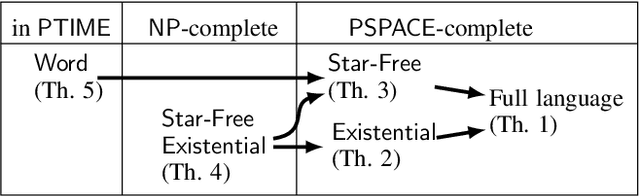
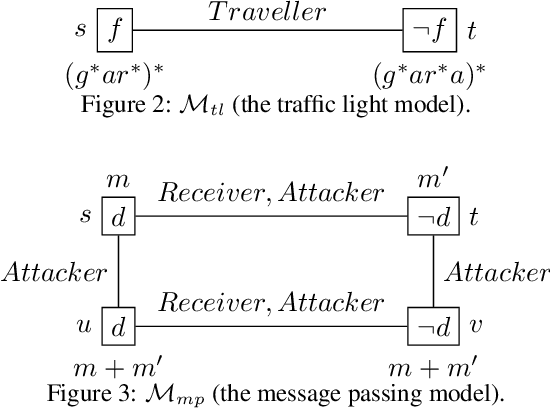
Public observation logic (POL) is a variant of dynamic epistemic logic to reason about agent expectations and agent observations. Agents have certain expectations, regarding the situation at hand, that are actuated by the relevant protocols, and they eliminate possible worlds in which their expectations do not match with their observations. In this work, we investigate the computational complexity of the model checking problem for POL and prove its PSPACE-completeness. We also study various syntactic fragments of POL. We exemplify the applicability of POL model checking in verifying different characteristics and features of an interactive system with respect to the distinct expectations and (matching) observations of the system. Finally, we provide a discussion on the implementation of the model checking algorithms.