 Add to Chrome
 Add to Firefox
 Add to Edge
Low-Cost High-Order Singular Value Decomposition for Tensor-Based Reconstruction from Sparse Sensor Measurements: Urban Flow and Air-Quality Applications
Jun 23, 2026
Urban flow and air-quality simulations generate high-dimensional datasets describing velocity and pollutant transport across multiple spatial, temporal, and physical-variable dimensions. Reconstructing these fields from sparse sensor measurements is a fundamental challenge in environmental monitoring, digital twins, forecasting, and data assimilation. Existing low-cost reconstruction approaches are commonly based on matrix decompositions, which require multidimensional datasets to be flattened into two-dimensional snapshot matrices, thereby discarding important structural information. This work introduces the low-cost High-Order Singular Value Decomposition (lcHOSVD), a novel tensor-based sparse-sensing reconstruction framework for high-dimensional environmental fields. To the authors' knowledge, this is the first methodology that combines sparse sensing and HOSVD for field reconstruction. Unlike matrix-based approaches, lcHOSVD preserves the natural tensor structure of the data, enabling the exploitation of correlations across spatial, temporal, and physical-variable dimensions while substantially reducing the computational requirements of conventional HOSVD. The methodology is applied to urban flow and air-quality datasets, where three-dimensional velocity and pollutant concentration fields are reconstructed using only 1-4% of the available spatial locations. While lcSVD provides larger computational speed-ups, lcHOSVD consistently achieves lower reconstruction errors in configurations characterized by strong multidimensional coupling and heterogeneous dynamics across dimensions. Additional sensor-anisotropy analyses demonstrate that the tensor formulation is significantly more robust to uneven sensor distributions, a common situation in practical environmental monitoring networks.

AeroJEPA: Learning Semantic Latent Representations for Scalable 3D Aerodynamic Field Modeling
May 07, 2026Aerodynamic surrogate models are increasingly used to replace repeated high-fidelity CFD evaluations in many-query design settings, but current approaches still face two important limitations: they often scale poorly to the very large fields arising in realistic 3D aerodynamics, and they rarely produce latent representations that are directly useful for analysis and design. We introduce AeroJEPA, a Joint-Embedding Predictive Architecture for aerodynamic field modeling that addresses both issues. Rather than predicting the full flow field directly from geometry, AeroJEPA predicts a target latent representation of the flow from a context latent representation of the geometry and operating conditions, and optionally reconstructs the field through a continuous implicit decoder. This formulation decouples latent prediction from field resolution while encouraging the latent space to organize semantically. We evaluate AeroJEPA on two complementary datasets: HiLiftAeroML, which stresses the method in a high-fidelity regime with extremely large boundary-layer fields, and SuperWing, which tests large-scale generalization and latent-space optimization over a broad family of transonic wings. Across these benchmarks, AeroJEPA is competitive as a continuous surrogate for aerodynamic fields, scales naturally to high-resolution outputs, and learns context and predicted latents that encode geometry and aerodynamic quantities not used directly as supervision. We further show that the resulting latent space supports controlled interpolation, linear probing, concept-vector arithmetic, and a constrained design latent-optimization experiment. These results suggest that predictive latent learning is a promising direction for scalable and design-meaningful aerodynamic surrogate modeling.
A temporal deep learning framework for calibration of low-cost air quality sensors
Apr 23, 2026Low-cost air quality sensors (LCS) provide a practical alternative to expensive regulatory-grade instruments, making dense urban monitoring networks possible. Yet their adoption is limited by calibration challenges, including sensor drift, environmental cross-sensitivity, and variability in performance from device to device. This work presents a deep learning framework for calibrating LCS measurements of PM$_{2.5}$, PM$_{10}$, and NO$_2$ using a Long Short-Term Memory (LSTM) network, trained on co-located reference data from the OxAria network in Oxford, UK. Unlike the Random Forest (RF) baseline, which treats each observation independently, the proposed approach captures temporal dependencies and delayed environmental effects through sequence-based learning, achieving higher $R^2$ values across training, validation, and test sets for all three pollutants. A feature set is constructed combining time-lagged parameters, harmonic encodings, and interaction terms to improve generalization on unseen temporal windows. Validation of unseen calibrated values against the Equivalence Spreadsheet Tool 3.1 demonstrates regulatory compliance with expanded uncertainties of 22.11% for NO$_2$, 12.42% for PM$_{10}$, and 9.1% for PM$_{2.5}$.
GenDA: Generative Data Assimilation on Complex Urban Areas via Classifier-Free Diffusion Guidance
Jan 16, 2026Urban wind flow reconstruction is essential for assessing air quality, heat dispersion, and pedestrian comfort, yet remains challenging when only sparse sensor data are available. We propose GenDA, a generative data assimilation framework that reconstructs high-resolution wind fields on unstructured meshes from limited observations. The model employs a multiscale graph-based diffusion architecture trained on computational fluid dynamics (CFD) simulations and interprets classifier-free guidance as a learned posterior reconstruction mechanism: the unconditional branch learns a geometry-aware flow prior, while the sensor-conditioned branch injects observational constraints during sampling. This formulation enables obstacle-aware reconstruction and generalization across unseen geometries, wind directions, and mesh resolutions without retraining. We consider both sparse fixed sensors and trajectory-based observations using the same reconstruction procedure. When evaluated against supervised graph neural network (GNN) baselines and classical reduced-order data assimilation methods, GenDA reduces the relative root-mean-square error (RRMSE) by 25-57% and increases the structural similarity index (SSIM) by 23-33% across the tested meshes. Experiments are conducted on Reynolds-averaged Navier-Stokes (RANS) simulations of a real urban neighbourhood in Bristol, United Kingdom, at a characteristic Reynolds number of $\mathrm{Re}\approx2\times10^{7}$, featuring complex building geometry and irregular terrain. The proposed framework provides a scalable path toward generative, geometry-aware data assimilation for environmental monitoring in complex domains.
CardioMOD-Net: A Modal Decomposition-Neural Network Framework for Diagnosis and Prognosis of HFpEF from Echocardiography Cine Loops
Jan 03, 2026Introduction: Heart failure with preserved ejection fraction (HFpEF) arises from diverse comorbidities and progresses through prolonged subclinical stages, making early diagnosis and prognosis difficult. Current echocardiography-based Artificial Intelligence (AI) models focus primarily on binary HFpEF detection in humans and do not provide comorbidity-specific phenotyping or temporal estimates of disease progression towards decompensation. We aimed to develop a unified AI framework, CardioMOD-Net, to perform multiclass diagnosis and continuous prediction of HFpEF onset directly from standard echocardiography cine loops in preclinical models. Methods: Mouse echocardiography videos from four groups were used: control (CTL), hyperglycaemic (HG), obesity (OB), and systemic arterial hypertension (SAH). Two-dimensional parasternal long-axis cine loops were decomposed using Higher Order Dynamic Mode Decomposition (HODMD) to extract temporal features for downstream analysis. A shared latent representation supported Vision Transformers, one for a classifier for diagnosis and another for a regression module for predicting the age at HFpEF onset. Results: Overall diagnostic accuracy across the four groups was 65%, with all classes exceeding 50% accuracy. Misclassifications primarily reflected early-stage overlap between OB or SAH and CTL. The prognostic module achieved a root-mean-square error of 21.72 weeks for time-to-HFpEF prediction, with OB and SAH showing the most accurate estimates. Predicted HFpEF onset closely matched true distributions in all groups. Discussion: This unified framework demonstrates that multiclass phenotyping and continuous HFpEF onset prediction can be obtained from a single cine loop, even under small-data conditions. The approach offers a foundation for integrating diagnostic and prognostic modelling in preclinical HFpEF research.
A Critical Assessment of Pattern Comparisons Between POD and Autoencoders in Intraventricular Flows
Dec 22, 2025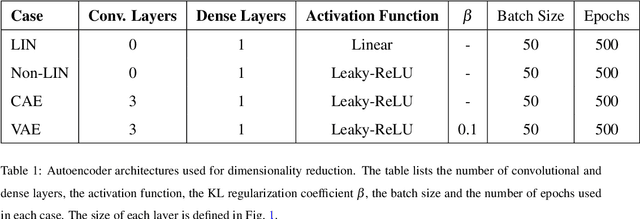
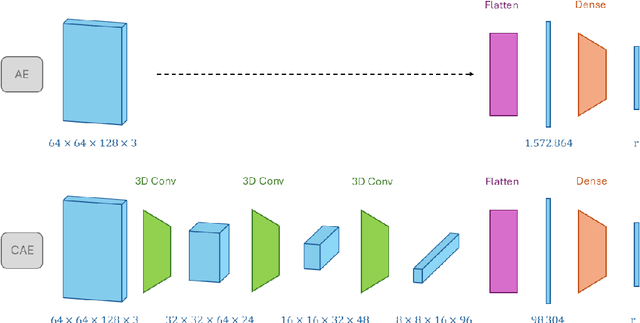
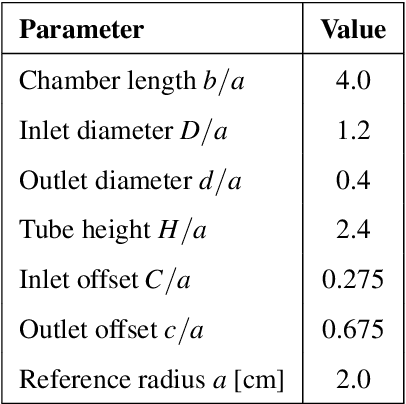
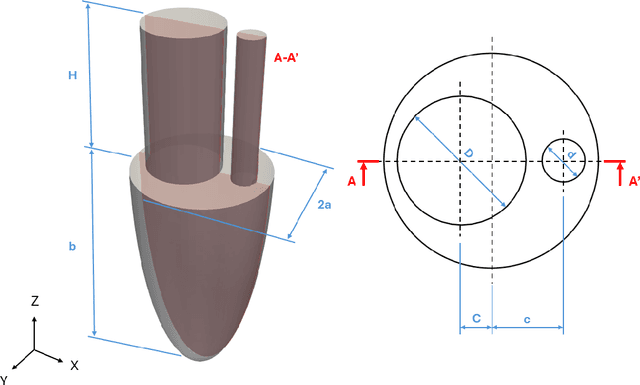
Understanding intraventricular hemodynamics requires compact and physically interpretable representations of the underlying flow structures, as characteristic flow patterns are closely associated with cardiovascular conditions and can support early detection of cardiac deterioration. Conventional visualization of velocity or pressure fields, however, provides limited insight into the coherent mechanisms driving these dynamics. Reduced-order modeling techniques, like Proper Orthogonal Decomposition (POD) and Autoencoder (AE) architectures, offer powerful alternatives to extract dominant flow features from complex datasets. This study systematically compares POD with several AE variants (Linear, Nonlinear, Convolutional, and Variational) using left ventricular flow fields obtained from computational fluid dynamics simulations. We show that, for a suitably chosen latent dimension, AEs produce modes that become nearly orthogonal and qualitatively resemble POD modes that capture a given percentage of kinetic energy. As the number of latent modes increases, AE modes progressively lose orthogonality, leading to linear dependence, spatial redundancy, and the appearance of repeated modes with substantial high-frequency content. This degradation reduces interpretability and introduces noise-like components into AE-based reduced-order models, potentially complicating their integration with physics-based formulations or neural-network surrogates. The extent of interpretability loss varies across the AEs, with nonlinear, convolutional, and variational models exhibiting distinct behaviors in orthogonality preservation and feature localization. Overall, the results indicate that AEs can reproduce POD-like coherent structures under specific latent-space configurations, while highlighting the need for careful mode selection to ensure physically meaningful representations of cardiac flow dynamics.
Generative Urban Flow Modeling: From Geometry to Airflow with Graph Diffusion
Dec 09, 2025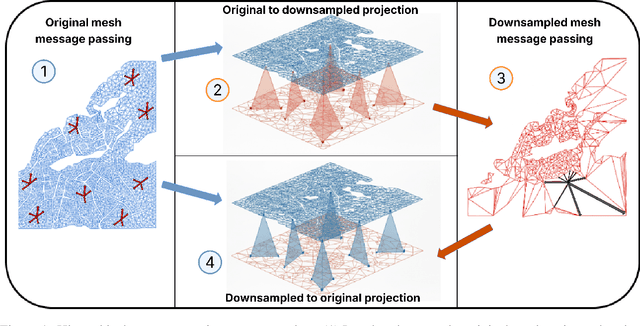
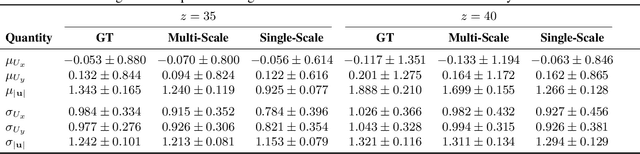
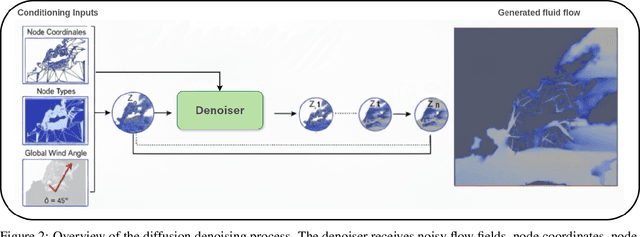
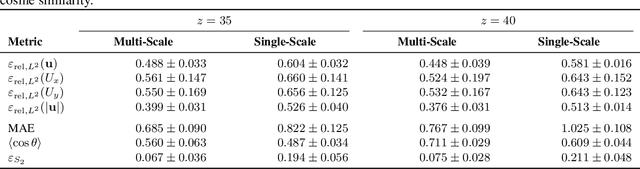
Urban wind flow modeling and simulation play an important role in air quality assessment and sustainable city planning. A key challenge for modeling and simulation is handling the complex geometries of the urban landscape. Low order models are limited in capturing the effects of geometry, while high-fidelity Computational Fluid Dynamics (CFD) simulations are prohibitively expensive, especially across multiple geometries or wind conditions. Here, we propose a generative diffusion framework for synthesizing steady-state urban wind fields over unstructured meshes that requires only geometry information. The framework combines a hierarchical graph neural network with score-based diffusion modeling to generate accurate and diverse velocity fields without requiring temporal rollouts or dense measurements. Trained across multiple mesh slices and wind angles, the model generalizes to unseen geometries, recovers key flow structures such as wakes and recirculation zones, and offers uncertainty-aware predictions. Ablation studies confirm robustness to mesh variation and performance under different inference regimes. This work develops is the first step towards foundation models for the built environment that can help urban planners rapidly evaluate design decisions under densification and climate uncertainty.
An Adaptive Framework for Autoregressive Forecasting in CFD Using Hybrid Modal Decomposition and Deep Learning
May 02, 2025This work presents, to the best of the authors' knowledge, the first generalizable and fully data-driven adaptive framework designed to stabilize deep learning (DL) autoregressive forecasting models over long time horizons, with the goal of reducing the computational cost required in computational fluid dynamics (CFD) simulations.The proposed methodology alternates between two phases: (i) predicting the evolution of the flow field over a selected time interval using a trained DL model, and (ii) updating the model with newly generated CFD data when stability degrades, thus maintaining accurate long-term forecasting. This adaptive retraining strategy ensures robustness while avoiding the accumulation of predictive errors typical in autoregressive models. The framework is validated across three increasingly complex flow regimes, from laminar to turbulent, demonstrating from 30 \% to 95 \% reduction in computational cost without compromising physical consistency or accuracy. Its entirely data-driven nature makes it easily adaptable to a wide range of time-dependent simulation problems. The code implementing this methodology is available as open-source and it will be integrated into the upcoming release of the ModelFLOWs-app.
Heart Failure Prediction using Modal Decomposition and Masked Autoencoders for Scarce Echocardiography Databases
Apr 10, 2025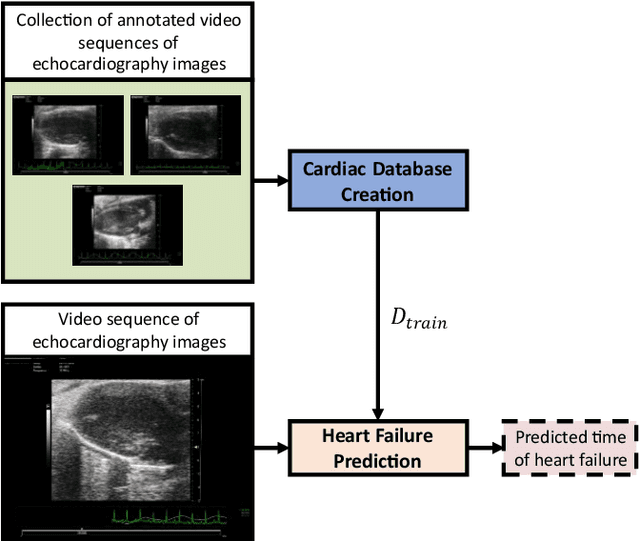
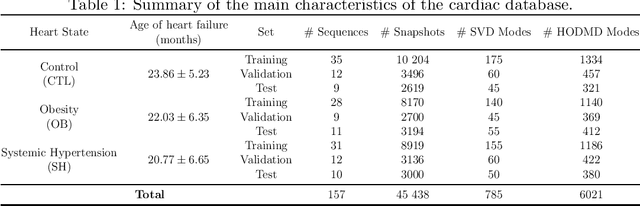
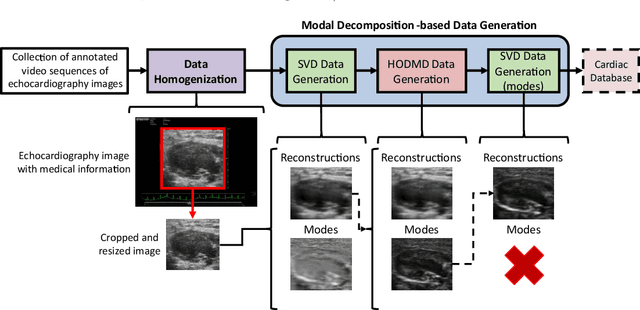
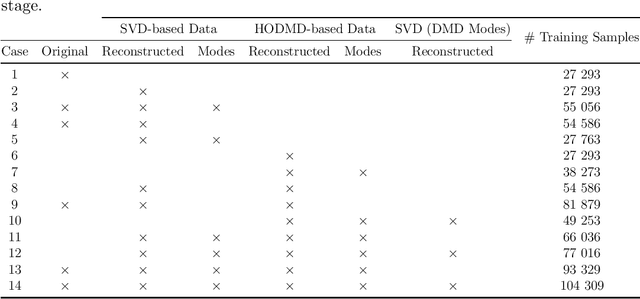
Heart diseases constitute the main cause of international human defunction. According to the World Health Organization (WHO), approximately 18 million deaths happen each year due to precisely heart diseases. In particular, heart failures (HF) press the healthcare industry to develop systems for their early, rapid and effective prediction. In this work, an automatic system which analyses in real-time echocardiography video sequences is proposed for the challenging and more specific task of prediction of heart failure times. This system is based on a novel deep learning framework, and works in two stages. The first one transforms the data included in a database of echocardiography video sequences into a machine learning-compatible collection of annotated images which can be used in the training phase of any kind of machine learning-based framework, including a deep learning one. This initial stage includes the use of the Higher Order Dynamic Mode Decomposition (HODMD) algorithm for both data augmentation and feature extraction. The second stage is focused on building and training a Vision Transformer (ViT). Self-supervised learning (SSL) methods, which have been so far barely explored in the literature about heart failure prediction, are applied to effectively train the ViT from scratch, even with scarce databases of echocardiograms. The designed neural network analyses images from echocardiography sequences to estimate the time in which a heart failure will happen. The results obtained show the efficacy of the HODMD algorithm and the superiority of the proposed system with respect to several established ViT and Convolutional Neural Network (CNN) architectures.
Hybrid machine learning models based on physical patterns to accelerate CFD simulations: a short guide on autoregressive models
Apr 09, 2025

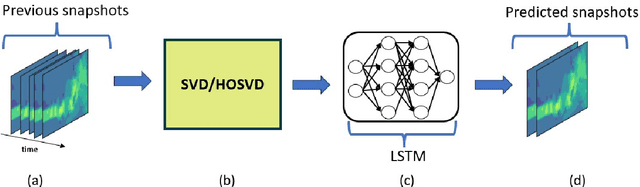
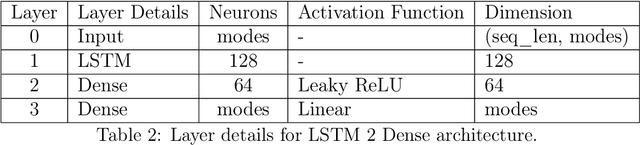
Accurate modeling of the complex dynamics of fluid flows is a fundamental challenge in computational physics and engineering. This study presents an innovative integration of High-Order Singular Value Decomposition (HOSVD) with Long Short-Term Memory (LSTM) architectures to address the complexities of reduced-order modeling (ROM) in fluid dynamics. HOSVD improves the dimensionality reduction process by preserving multidimensional structures, surpassing the limitations of Singular Value Decomposition (SVD). The methodology is tested across numerical and experimental data sets, including two- and three-dimensional (2D and 3D) cylinder wake flows, spanning both laminar and turbulent regimes. The emphasis is also on exploring how the depth and complexity of LSTM architectures contribute to improving predictive performance. Simpler architectures with a single dense layer effectively capture the periodic dynamics, demonstrating the network's ability to model non-linearities and chaotic dynamics. The addition of extra layers provides higher accuracy at minimal computational cost. These additional layers enable the network to expand its representational capacity, improving the prediction accuracy and reliability. The results demonstrate that HOSVD outperforms SVD in all tested scenarios, as evidenced by using different error metrics. Efficient mode truncation by HOSVD-based models enables the capture of complex temporal patterns, offering reliable predictions even in challenging, noise-influenced data sets. The findings underscore the adaptability and robustness of HOSVD-LSTM architectures, offering a scalable framework for modeling fluid dynamics.