 Add to Chrome
 Add to Firefox
 Add to Edge
Knowledge Graphs and Explainable AI as Complementary Resources for Urban Mining
Jul 10, 2026
Pre-demolition assessment, the regulated audit process at the heart of urban mining, is an information process in which AI support must serve qualified auditors who remain accountable for the decisions taken. The relevant unit of value is not prediction accuracy alone, but the defensibility of the supported decisions: their legibility, plausibility, sourcing, and contestability. Explainable AI techniques and domain knowledge graphs each address parts of this requirement, and existing taxonomies have catalogued their integration. The literature is descriptively rich but structurally under-specified: what remains less developed is a structural account of why specific integrations produce artefacts neither resource can provide alone. This paper offers a complementarity-theoretic interpretation grounded in the IS resource-based tradition. We propose four consolidated KG-XAI integration modes (Lifting, Constraining, Typing, and Revising), each defined as a typed operation over XAI artefacts and knowledge-graph substrate structures. Each mode unlocks a distinct property of defensibility and contributes to the kind of regulatory artefact pre-demolition assessment demands. A fire-door example from the urban-mining process illustrates the modes using the W3C Linked Building Data stack and valuation extensions.

Improving LLM-Generated Process Model Quality Through Reinforcement Learning: The Role of Reward Function Design
Jul 07, 2026Large language models (LLMs) can generate BPMN process models from natural-language descriptions, yet supervised fine-tuning (SFT) limits their output quality to the patterns present in the training data. Reinforcement learning (RL) can optimize beyond this ceiling using external quality measures, but how the reward function should be designed when quality is multi-dimensional remains unexplored. We present a systematic investigation of reward function design for RL-based process model generation, training two LLM families (Llama~3.1 8B, Qwen~2.5 14B) under 48 configurations using Group Sequence Policy Optimization with rewards derived from an automated evaluation framework comprising 38 metrics across syntactic, pragmatic, and semantic quality. Three findings emerge. First, RL significantly improves pragmatic and syntactic quality while preserving semantic fidelity, reducing output variability by more than sixfold. Second, equal reward weighting consistently outperforms targeted weighting: emphasizing a specific dimension fails to improve it and can collapse the model into a low-quality mode. Third, design choices interact with model architecture in non-trivial ways: the invalidity penalty is essential for one model but irrelevant for the other, and SFT initialization is indispensable for one architecture but counterproductive for another. These results demonstrate that reward composition is a primary determinant of optimization outcomes, with effects as large as the decision to apply RL itself. The findings generalize to any structured generation task where quality is assessed along multiple automated dimensions. We release our implementation and experimental code at https://github.com/chlauer99/RL_for_process_modeling.
Neuro-Symbolic Agents for Regulated Process Automation: Challenges and Research Agenda
Jun 11, 2026LLM-based agents are entering regulated industries where they automate judgment intensive quality management processes. We argue that symbolic structures already embedded in these domains, including regulations, typed process models, and compliance constraints, should be treated not merely as external monitoring mechanisms but as core architectural components that shape the agent's decision-making and behavior. We propose compliance-by-construction as a complementary paradigm to guardrail-based monitoring: a structural foundation that prevents control-flow violations, while guardrails remain essential for catching semantic errors. We identify a structured set of neuro-symbolic research challenges on foundational and capability level and show that addressing them jointly enables compliance-by-construction. We call on the neuro-symbolic community to engage with regulated process automation as a high impact research domain.
Human-Centered Evaluation of an LLM-Based Process Modeling Copilot: A Mixed-Methods Study with Domain Experts
Mar 13, 2026Integrating Large Language Models (LLMs) into business process management tools promises to democratize Business Process Model and Notation (BPMN) modeling for non-experts. While automated frameworks assess syntactic and semantic quality, they miss human factors like trust, usability, and professional alignment. We conducted a mixed-methods evaluation of our proposed solution, an LLM-powered BPMN copilot, with five process modeling experts using focus groups and standardized questionnaires. Our findings reveal a critical tension between acceptable perceived usability (mean CUQ score: 67.2/100) and notably lower trust (mean score: 48.8\%), with reliability rated as the most critical concern (M=1.8/5). Furthermore, we identified output-quality issues, prompting difficulties, and a need for the LLM to ask more in-depth clarifying questions about the process. We envision five use cases ranging from domain-expert support to enterprise quality assurance. We demonstrate the necessity of human-centered evaluation complementing automated benchmarking for LLM modeling agents.
* Human-centered Evaluation and Auditing of Language Models Workshop
Assessing the Business Process Modeling Competences of Large Language Models
Jan 29, 2026The creation of Business Process Model and Notation (BPMN) models is a complex and time-consuming task requiring both domain knowledge and proficiency in modeling conventions. Recent advances in large language models (LLMs) have significantly expanded the possibilities for generating BPMN models directly from natural language, building upon earlier text-to-process methods with enhanced capabilities in handling complex descriptions. However, there is a lack of systematic evaluations of LLM-generated process models. Current efforts either use LLM-as-a-judge approaches or do not consider established dimensions of model quality. To this end, we introduce BEF4LLM, a novel LLM evaluation framework comprising four perspectives: syntactic quality, pragmatic quality, semantic quality, and validity. Using BEF4LLM, we conduct a comprehensive analysis of open-source LLMs and benchmark their performance against human modeling experts. Results indicate that LLMs excel in syntactic and pragmatic quality, while humans outperform in semantic aspects; however, the differences in scores are relatively modest, highlighting LLMs' competitive potential despite challenges in validity and semantic quality. The insights highlight current strengths and limitations of using LLMs for BPMN modeling and guide future model development and fine-tuning. Addressing these areas is essential for advancing the practical deployment of LLMs in business process modeling.
From Theory to Practice: Real-World Use Cases on Trustworthy LLM-Driven Process Modeling, Prediction and Automation
Jun 04, 2025Traditional Business Process Management (BPM) struggles with rigidity, opacity, and scalability in dynamic environments while emerging Large Language Models (LLMs) present transformative opportunities alongside risks. This paper explores four real-world use cases that demonstrate how LLMs, augmented with trustworthy process intelligence, redefine process modeling, prediction, and automation. Grounded in early-stage research projects with industrial partners, the work spans manufacturing, modeling, life-science, and design processes, addressing domain-specific challenges through human-AI collaboration. In manufacturing, an LLM-driven framework integrates uncertainty-aware explainable Machine Learning (ML) with interactive dialogues, transforming opaque predictions into auditable workflows. For process modeling, conversational interfaces democratize BPMN design. Pharmacovigilance agents automate drug safety monitoring via knowledge-graph-augmented LLMs. Finally, sustainable textile design employs multi-agent systems to navigate regulatory and environmental trade-offs. We intend to examine tensions between transparency and efficiency, generalization and specialization, and human agency versus automation. By mapping these trade-offs, we advocate for context-sensitive integration prioritizing domain needs, stakeholder values, and iterative human-in-the-loop workflows over universal solutions. This work provides actionable insights for researchers and practitioners aiming to operationalize LLMs in critical BPM environments.
Interpretable and Explainable Machine Learning Methods for Predictive Process Monitoring: A Systematic Literature Review
Dec 29, 2023This paper presents a systematic literature review (SLR) on the explainability and interpretability of machine learning (ML) models within the context of predictive process mining, using the PRISMA framework. Given the rapid advancement of artificial intelligence (AI) and ML systems, understanding the "black-box" nature of these technologies has become increasingly critical. Focusing specifically on the domain of process mining, this paper delves into the challenges of interpreting ML models trained with complex business process data. We differentiate between intrinsically interpretable models and those that require post-hoc explanation techniques, providing a comprehensive overview of the current methodologies and their applications across various application domains. Through a rigorous bibliographic analysis, this research offers a detailed synthesis of the state of explainability and interpretability in predictive process mining, identifying key trends, challenges, and future directions. Our findings aim to equip researchers and practitioners with a deeper understanding of how to develop and implement more trustworthy, transparent, and effective intelligent systems for predictive process analytics.
Quantifying and Explaining Machine Learning Uncertainty in Predictive Process Monitoring: An Operations Research Perspective
Apr 13, 2023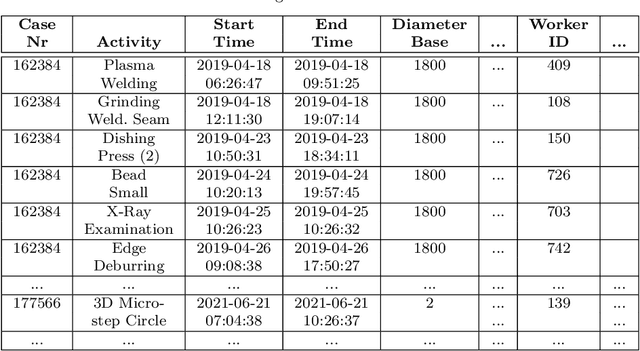
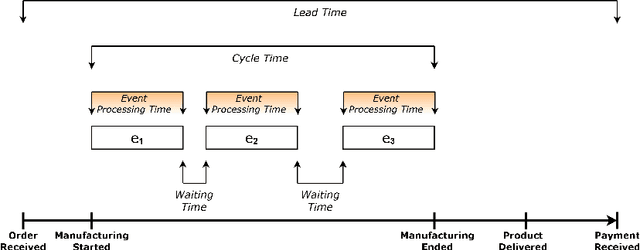
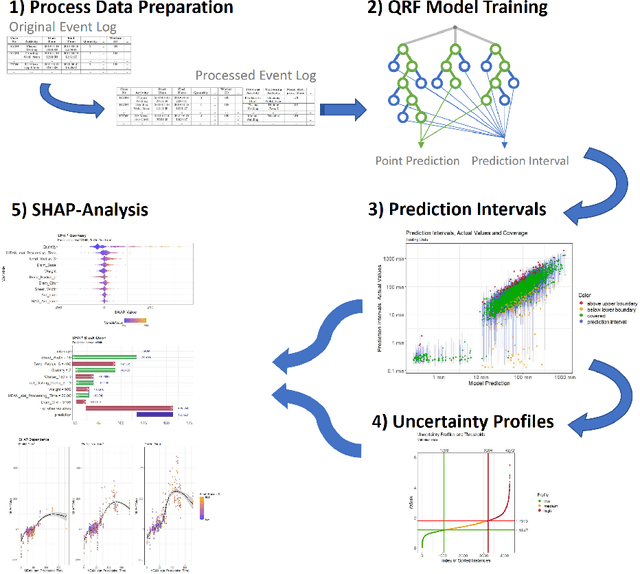
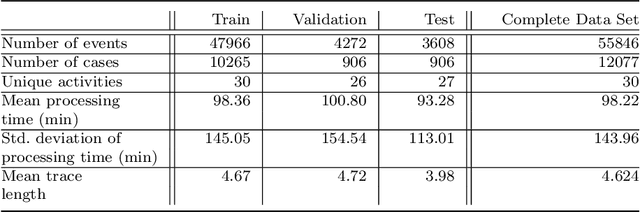
This paper introduces a comprehensive, multi-stage machine learning methodology that effectively integrates information systems and artificial intelligence to enhance decision-making processes within the domain of operations research. The proposed framework adeptly addresses common limitations of existing solutions, such as the neglect of data-driven estimation for vital production parameters, exclusive generation of point forecasts without considering model uncertainty, and lacking explanations regarding the sources of such uncertainty. Our approach employs Quantile Regression Forests for generating interval predictions, alongside both local and global variants of SHapley Additive Explanations for the examined predictive process monitoring problem. The practical applicability of the proposed methodology is substantiated through a real-world production planning case study, emphasizing the potential of prescriptive analytics in refining decision-making procedures. This paper accentuates the imperative of addressing these challenges to fully harness the extensive and rich data resources accessible for well-informed decision-making.
Communicating Uncertainty in Machine Learning Explanations: A Visualization Analytics Approach for Predictive Process Monitoring
Apr 12, 2023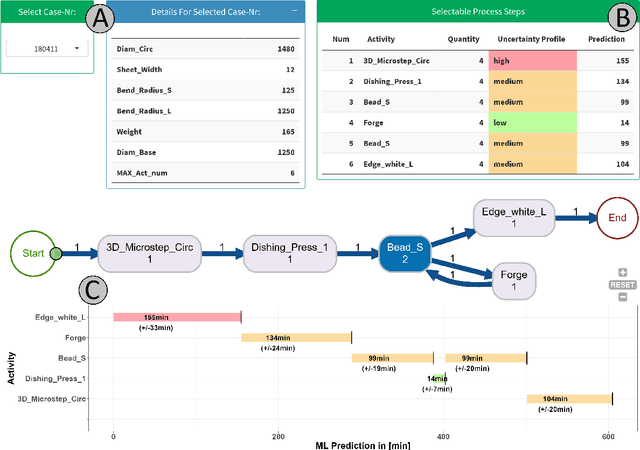
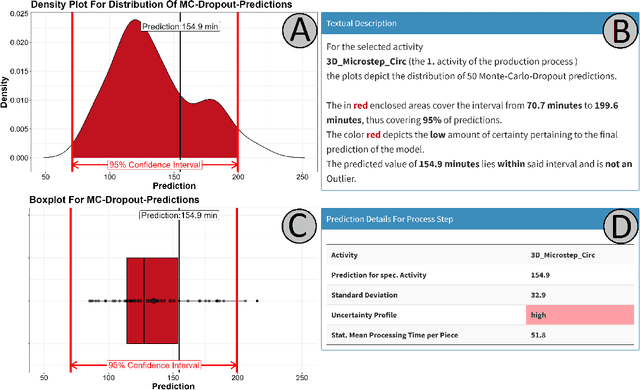
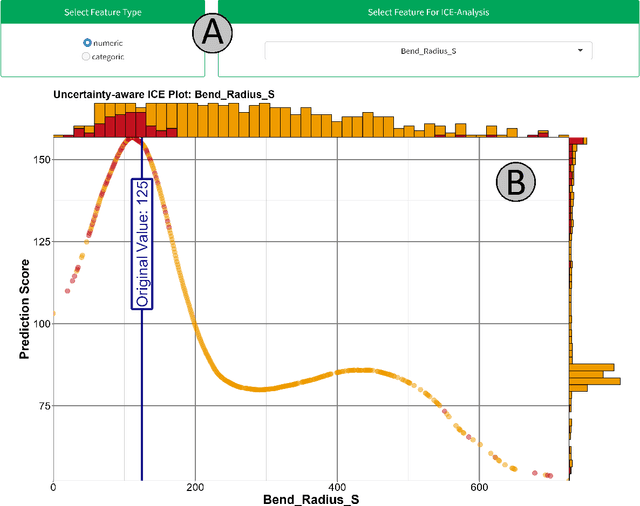
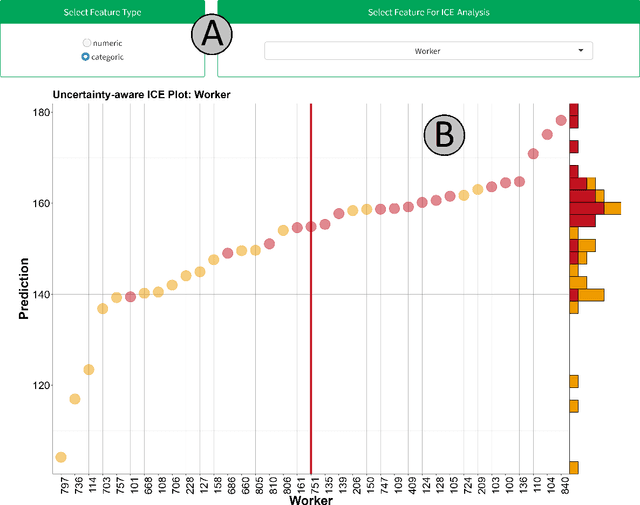
As data-driven intelligent systems advance, the need for reliable and transparent decision-making mechanisms has become increasingly important. Therefore, it is essential to integrate uncertainty quantification and model explainability approaches to foster trustworthy business and operational process analytics. This study explores how model uncertainty can be effectively communicated in global and local post-hoc explanation approaches, such as Partial Dependence Plots (PDP) and Individual Conditional Expectation (ICE) plots. In addition, this study examines appropriate visualization analytics approaches to facilitate such methodological integration. By combining these two research directions, decision-makers can not only justify the plausibility of explanation-driven actionable insights but also validate their reliability. Finally, the study includes expert interviews to assess the suitability of the proposed approach and designed interface for a real-world predictive process monitoring problem in the manufacturing domain.
Local Post-Hoc Explanations for Predictive Process Monitoring in Manufacturing
Sep 22, 2020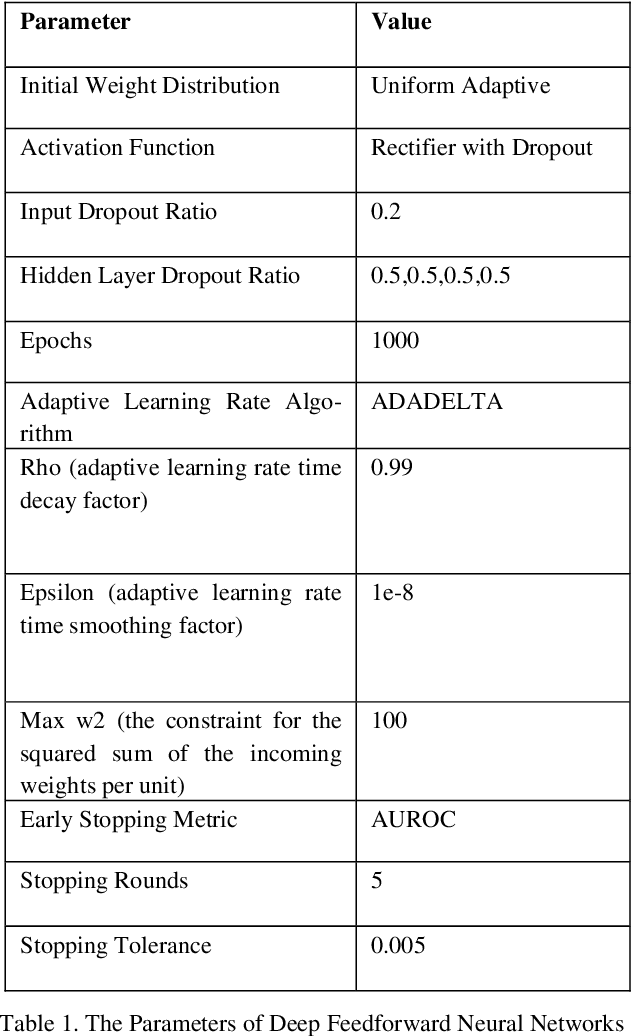
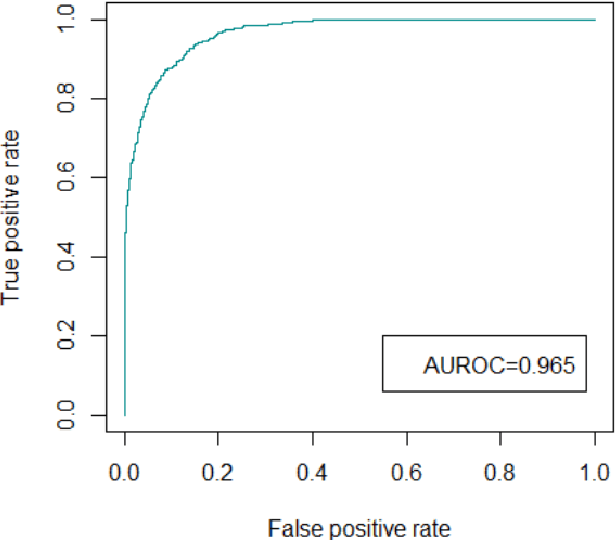
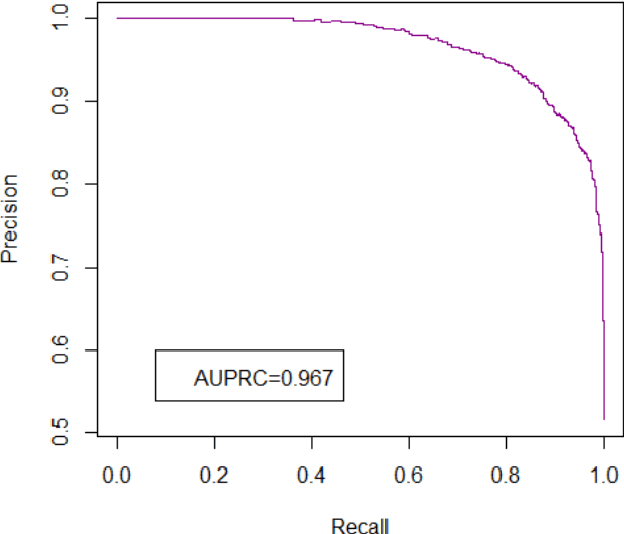
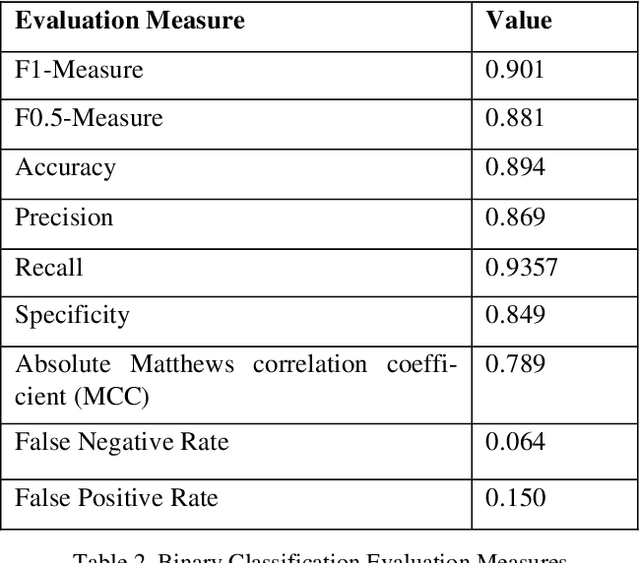
This study proposes an innovative explainable process prediction solution to facilitate the data-driven decision making for process planning in manufacturing. After integrating the top-floor and shop-floor data obtained from various enterprise information systems especially from Manufacturing Execution Systems, a deep neural network was applied to predict the process outcomes. Since we aim to operationalize the delivered predictive insights by embedding them into decision making processes, it is essential to generate the relevant explanations for domain experts. To this end, two local post-hoc explanation approaches, Shapley Values and Individual Conditional Expectation (ICE) plots, are applied which are expected to enhance the decision-making capabilities by enabling experts to examine explanations from different perspectives. After assessing the predictive strength of the adopted deep neural networks with relevant binary classification evaluation measures, a discussion of the generated explanations is provided. Lastly, a brief discussion of ongoing activities in the scope of current emerging application and some aspects of future implementation plan concludes the study.