 Add to Chrome
 Add to Firefox
 Add to Edge
Otherness as a Quality in Designing Expressive Robotic Touch
Apr 25, 2026
Haptic technologies have advanced rapidly, yet exploration of robotic touch remains dominated by replicating realistic environmental cues or hand gestures, which narrows the design space and risks social resistance. This paper argues for alternatives: grounded in the notion of "otherness" from human-robot interaction (HRI), we propose treating robotic touch's inherent otherness as a design quality. Instead of being a limitation in pursuing realism, otherness can be embraced to elicit ambiguity and provoke alternative interpretations, fostering expressive and evocative robotic touch design. To develop this perspective, we analyze inspirational art and design precedents and four design research cases through a reflective Research through Design (RtD) approach. Through this analysis, we articulate a set of design languages structured around why otherness matters for touch meaning-making, how it can be shaped through design strategies, and where it can be embedded within robotic touch systems. We conclude by reflecting on the tensions and risks involved in designing robotic touch with otherness in mind.

The role of artificial intelligence in achieving the Sustainable Development Goals
Apr 30, 2019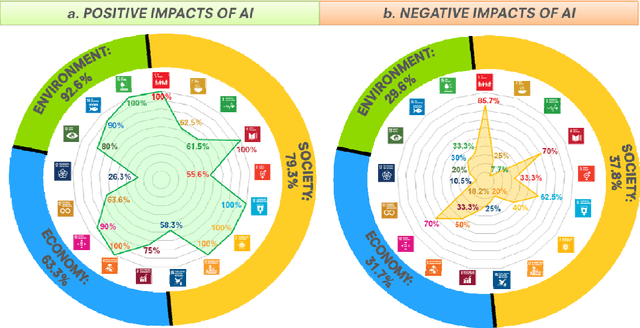
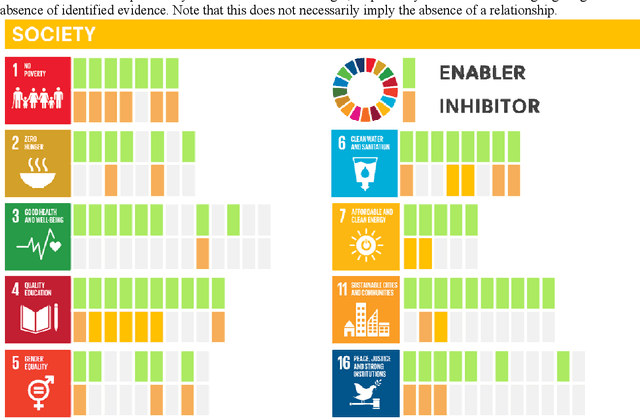
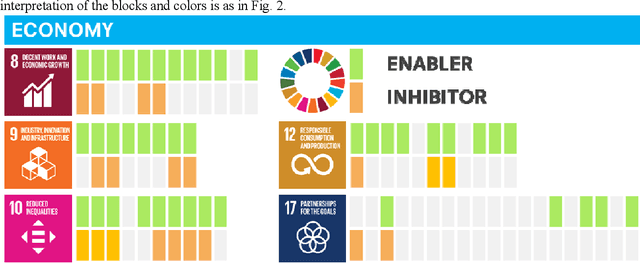
The emergence of artificial intelligence (AI) and its progressively wider impact on many sectors across the society requires an assessment of its effect on sustainable development. Here we analyze published evidence of positive or negative impacts of AI on the achievement of each of the 17 goals and 169 targets of the 2030 Agenda for Sustainable Development. We find that AI can support the achievement of 128 targets across all SDGs, but it may also inhibit 58 targets. Notably, AI enables new technologies that improve efficiency and productivity, but it may also lead to increased inequalities among and within countries, thus hindering the achievement of the 2030 Agenda. The fast development of AI needs to be supported by appropriate policy and regulation. Otherwise, it would lead to gaps in transparency, accountability, safety and ethical standards of AI-based technology, which could be detrimental towards the development and sustainable use of AI. Finally, there is a lack of research assessing the medium- and long-term impacts of AI. It is therefore essential to reinforce the global debate regarding the use of AI and to develop the necessary regulatory insight and oversight for AI-based technologies.