 Add to Chrome
 Add to Firefox
 Add to Edge
OpenRTLSet: A Fully Open-Source Dataset for Large Language Model-based Verilog Module Design
Jun 09, 2026
OpenRTLSet introduces the largest fully open-source dataset for hardware design, offering over 131,000 diverse Verilog code samples to the research community and industry. Our dataset uniquely combines Verilog code from GitHub repositories (102k modules), VHDL translations (5k modules), and synthesizable C/C++ translations (24k modules), all freely accessible without proprietary restrictions. Using the reasoning model DeepSeek-R1, we generated paired natural language descriptions for each code sample, enabling fine-tuning of various language model families (e.g., Qwen and Granite) for Verilog code generation. Our dataset explores multiple options, including Verilator-generated C++ files as additional context during labeling, quantization techniques (INT4 vs. BF16), and performance differences across model sizes (7B-32B parameters). OpenRTLSet demonstrates that open-source approaches can achieve superior performance in hardware design tasks, establishing a new foundation for accessible research and commercial use in this domain.
* Accepted by ICLAD'25

New Solutions on LLM Acceleration, Optimization, and Application
Jun 16, 2024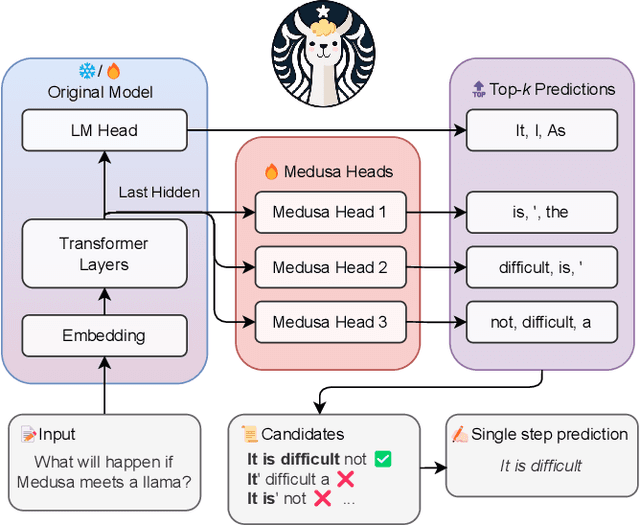
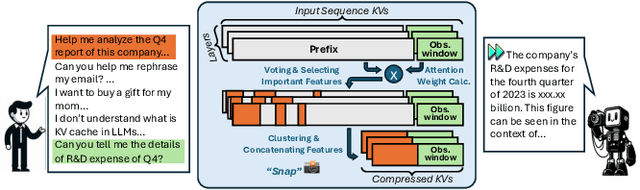
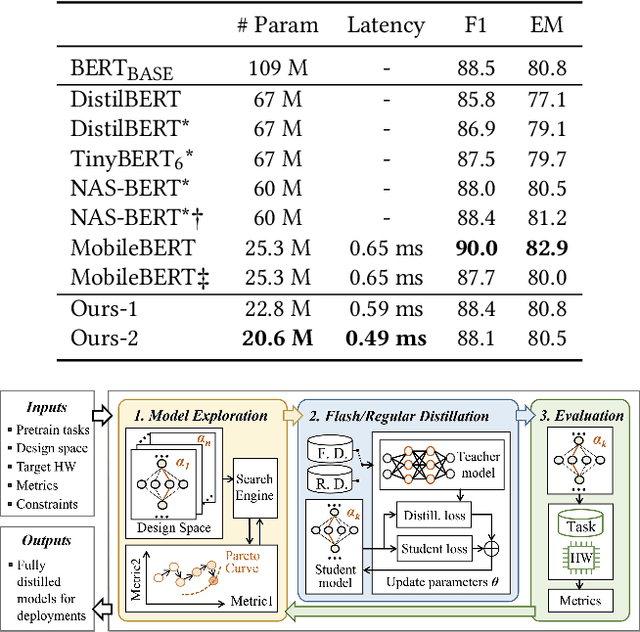
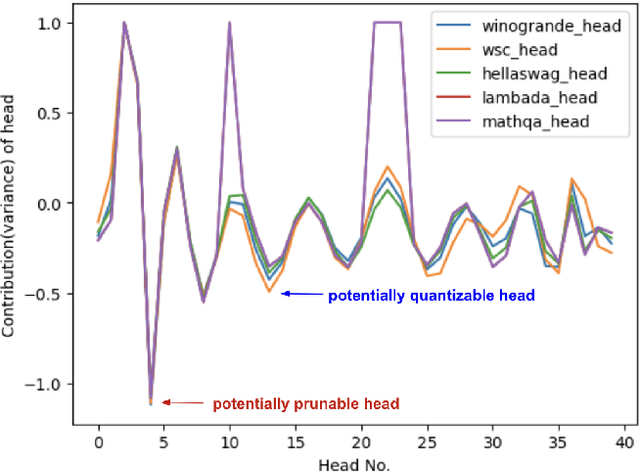
Large Language Models (LLMs) have become extremely potent instruments with exceptional capacities for comprehending and producing human-like text in a wide range of applications. However, the increasing size and complexity of LLMs present significant challenges in both training and deployment, leading to substantial computational and storage costs as well as heightened energy consumption. In this paper, we provide a review of recent advancements and research directions aimed at addressing these challenges and enhancing the efficiency of LLM-based systems. We begin by discussing algorithm-level acceleration techniques focused on optimizing LLM inference speed and resource utilization. We also explore LLM-hardware co-design strategies with a vision to improve system efficiency by tailoring hardware architectures to LLM requirements. Further, we delve into LLM-to-accelerator compilation approaches, which involve customizing hardware accelerators for efficient LLM deployment. Finally, as a case study to leverage LLMs for assisting circuit design, we examine LLM-aided design methodologies for an important task: High-Level Synthesis (HLS) functional verification, by creating a new dataset that contains a large number of buggy and bug-free codes, which can be essential for training LLMs to specialize on HLS verification and debugging. For each aspect mentioned above, we begin with a detailed background study, followed by the presentation of several novel solutions proposed to overcome specific challenges. We then outline future research directions to drive further advancements. Through these efforts, we aim to pave the way for more efficient and scalable deployment of LLMs across a diverse range of applications.