 Add to Chrome
 Add to Firefox
 Add to Edge
AI-PACE: A Framework for Integrating AI into Medical Education
Feb 11, 2026
The integration of artificial intelligence (AI) into healthcare is accelerating, yet medical education has not kept pace with these technological advancements. This paper synthesizes current knowledge on AI in medical education through a comprehensive analysis of the literature, identifying key competencies, curricular approaches, and implementation strategies. The aim is highlighting the critical need for structured AI education across the medical learning continuum and offer a framework for curriculum development. The findings presented suggest that effective AI education requires longitudinal integration throughout medical training, interdisciplinary collaboration, and balanced attention to both technical fundamentals and clinical applications. This paper serves as a foundation for medical educators seeking to prepare future physicians for an AI-enhanced healthcare environment.

A Visual Analytics System for Multi-model Comparison on Clinical Data Predictions
Mar 23, 2020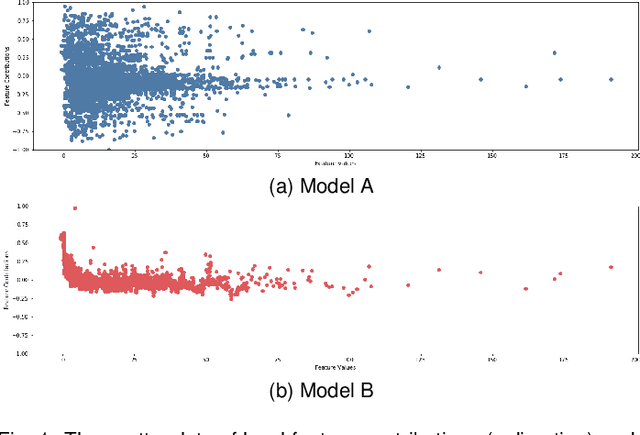
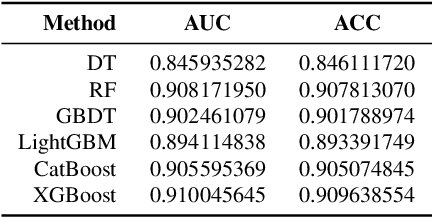
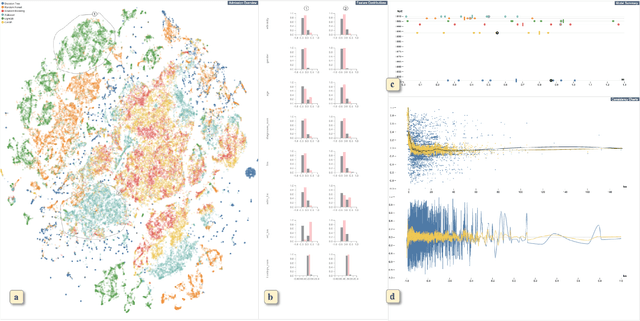
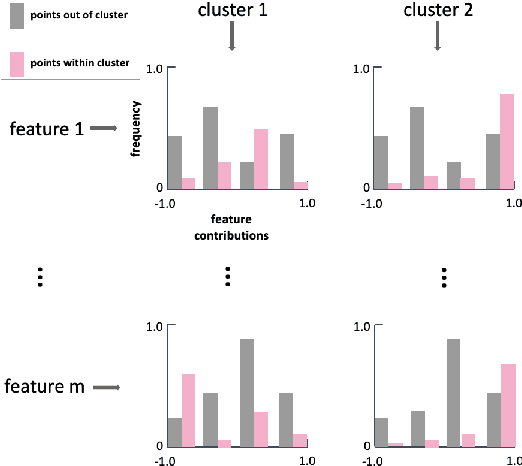
There is a growing trend of applying machine learning methods to medical datasets in order to predict patients' future status. Although some of these methods achieve high performance, challenges still exist in comparing and evaluating different models through their interpretable information. Such analytics can help clinicians improve evidence-based medical decision making. In this work, we develop a visual analytics system that compares multiple models' prediction criteria and evaluates their consistency. With our system, users can generate knowledge on different models' inner criteria and how confidently we can rely on each model's prediction for a certain patient. Through a case study of a publicly available clinical dataset, we demonstrate the effectiveness of our visual analytics system to assist clinicians and researchers in comparing and quantitatively evaluating different machine learning methods.